Akiva Began With the Alphabet and Built It All Again
They died house by house from Gevat to Antipatris. When the seven weeks ended, Akiva had seven men left and a country full of graves.
Table of Contents
They died between Passover and Shavuot, and there were twelve thousand of them.
 Click for full size
Not in a battle. Not in one place. The dying went on for seven weeks across a stretch of country running from Gevat in the north down to Antipatris near the coast, house by house, town by town, and every one of the dead was a student of the same man.
Twelve Thousand Died by Shavuot
Akiva was old by then, and he had spent the whole of his life on that school. Twelve thousand men who could argue a verse with him. Twelve thousand who knew his rulings, his reasoning, the way he read a stray letter. That was the work, and it was finished in under two months.
He outlived all of it. He stood at the end of that spring with the country full of fresh graves and his own teaching lying in them.
He Began With the Alphabet
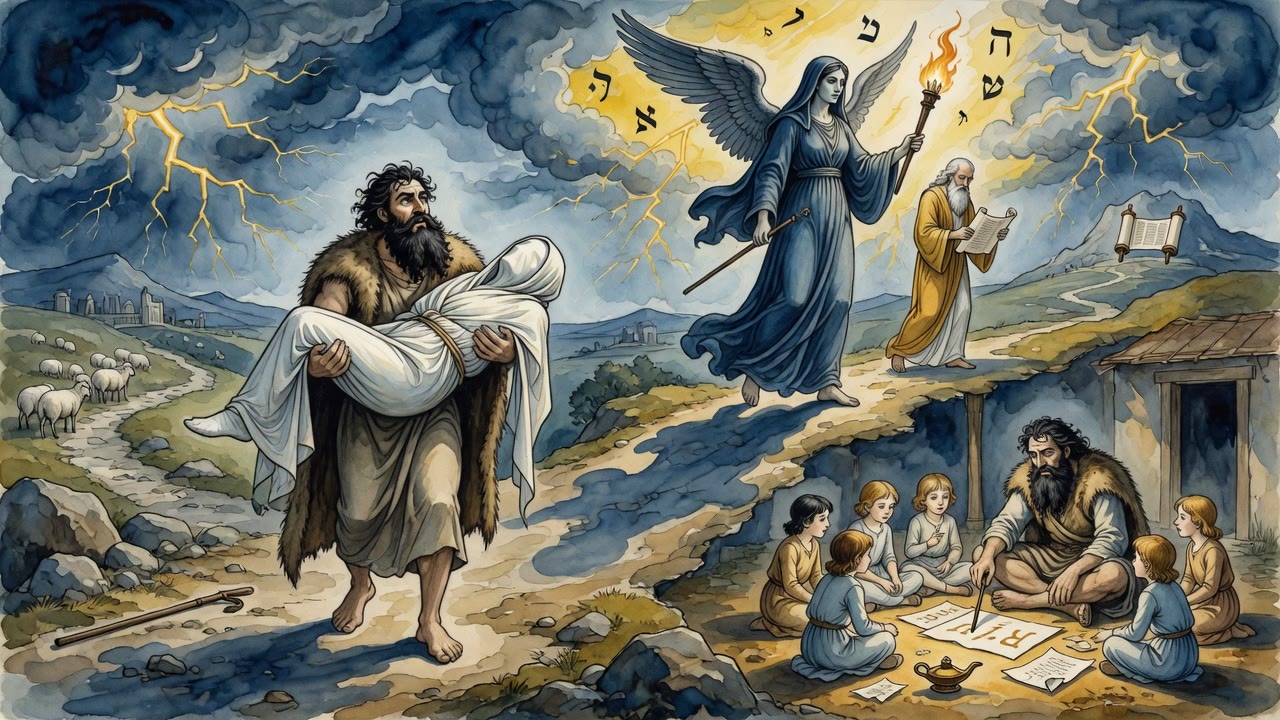
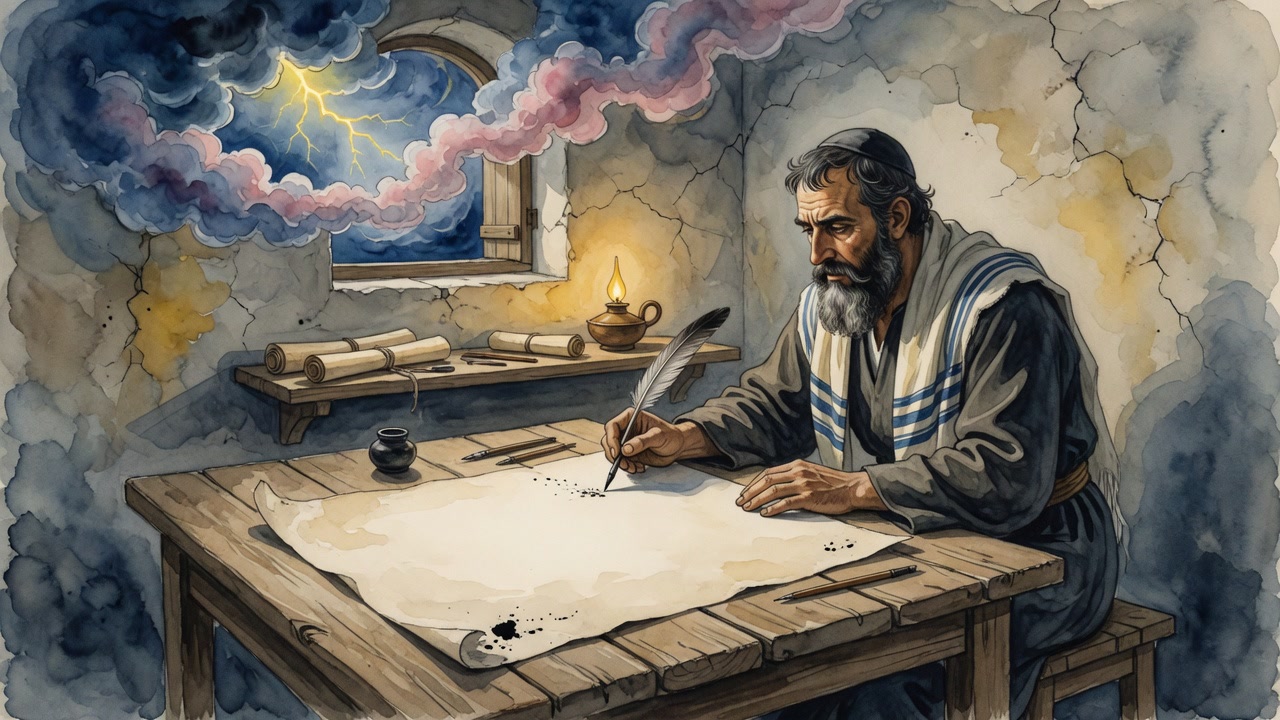
He had begun once already, late. At forty he sat down with the alphabet like a child, a shepherd copying letters he had never owned. That first start had looked like a joke to people who had grown up inside a study house. He built a school out of it anyway, and the school grew until it filled the road from Gevat to Antipatris.
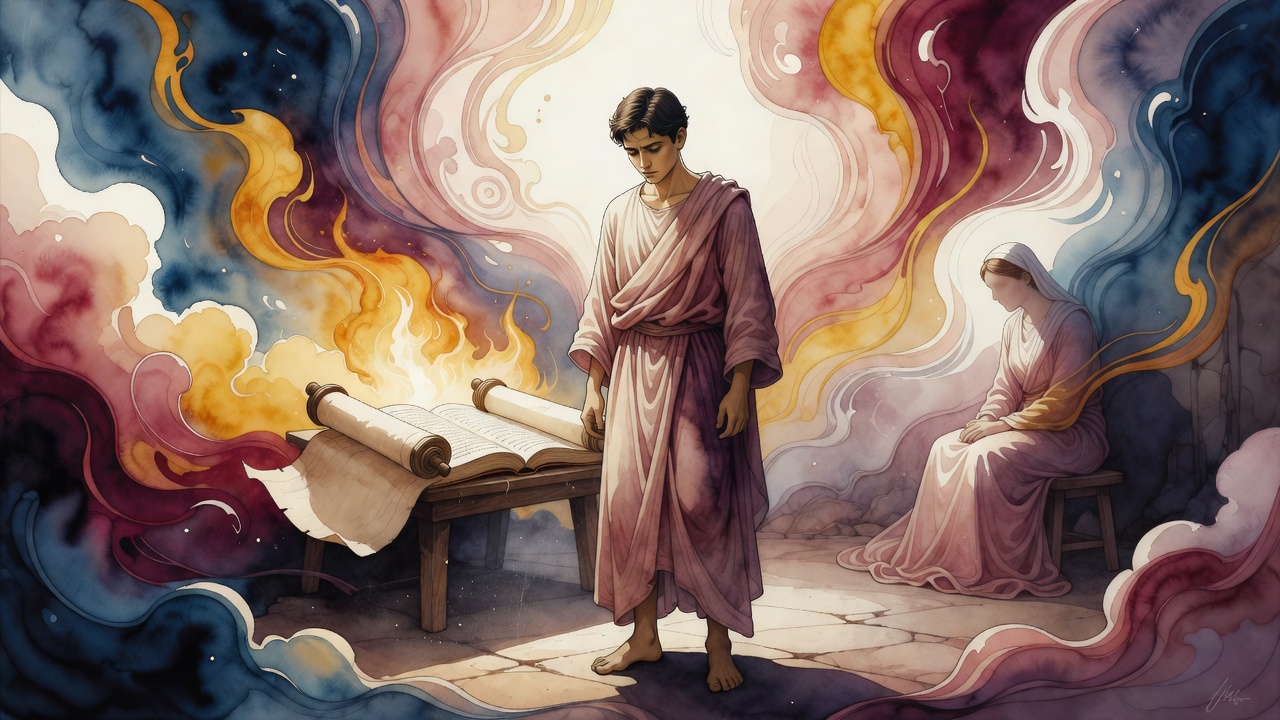
Now the morning sowing was in the ground. He did not sit down with the graves. He looked at what was left.
He Named the Seven Who Were Left
What was left was seven men.
He put them in front of him and said the thing an old teacher does not usually say out loud about his own dead.
"The first ones died for one reason. They were grudging with each other over Torah. Do not be like that."
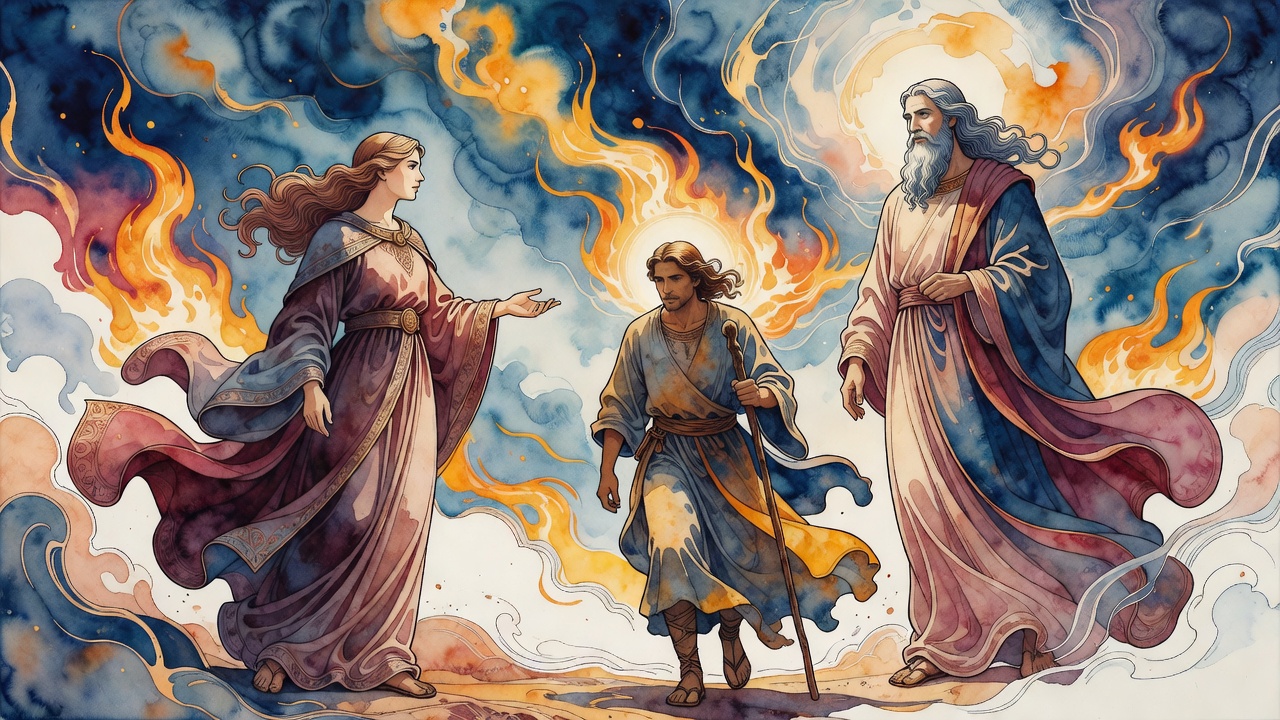
Then he named the seven, one at a time, the way a man counts what he still has. Rabbi Yehuda. Rabbi Nehemya. Rabbi Meir. Rabbi Yosei. Rabbi Shimon ben Yohai. Rabbi Eliezer son of Rabbi Yosei the Galilean. And Rabbi Yohanan, who made shoes for a living.
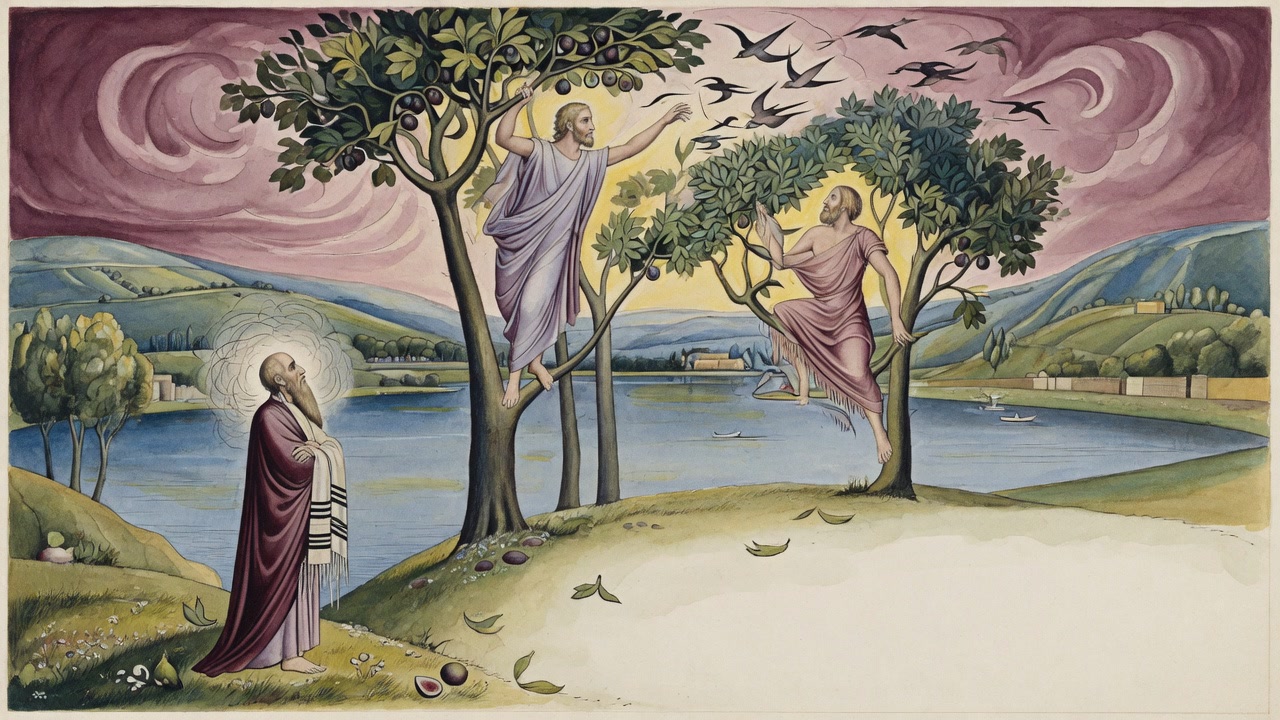
Sow your seed in the morning, and at evening do not let your hand rest, because you do not know which will take, this or that, or whether both alike will be good. Akiva did not offer a reading of that line. He offered the two plantings of his own life. The morning sowing was twelve thousand strong and it was all in the ground by Shavuot. The evening sowing was seven men.
They Filled the Land of Israel
They did not sit with it. They got up quickly and went out, and they filled the whole Land of Israel with Torah.
Seven men against a country. They went into towns where the study house had lost every man in it that spring and started the arguing again from the beginning. The teaching that came out of that scattering is most of what survived the century.
The evening crop was the one that stood.
His Words Were Not Empty
There is a line in Ecclesiastes that reads like an insult aimed at a poor man. Wisdom is better than weapons, but the wisdom of the poor man is despised and nobody listens to his words (Ecclesiastes 9:16).
Rabbi Yohanan refused it. Was Akiva's wisdom despised? Akiva had been a poor man. Was there anyone in the study house who stopped listening?
So the verse is not about money. The poor man in it is the one who is poor in his own words. The elder who sits in the seat and teaches show no favor, and shows favor. Who teaches take no bribe, and takes one. Who teaches do not lend at interest, and lends at interest.
Samson judged Israel for twenty years and went wherever his eyes took him. Gideon pulled down his father's altar and then made an ephod out of the spoil and set it up in Ophrah, and the whole country went after it. Both men stood over Israel. Both said one thing with the mouth and did another with the hands. Those are the poor men. There was nothing inside the words.
Akiva had nothing except what he had said, and the men who had heard him say it were all in the ground, and he stood up in front of seven of them and began again. What he built the second time is the part that lasted.
← All myths