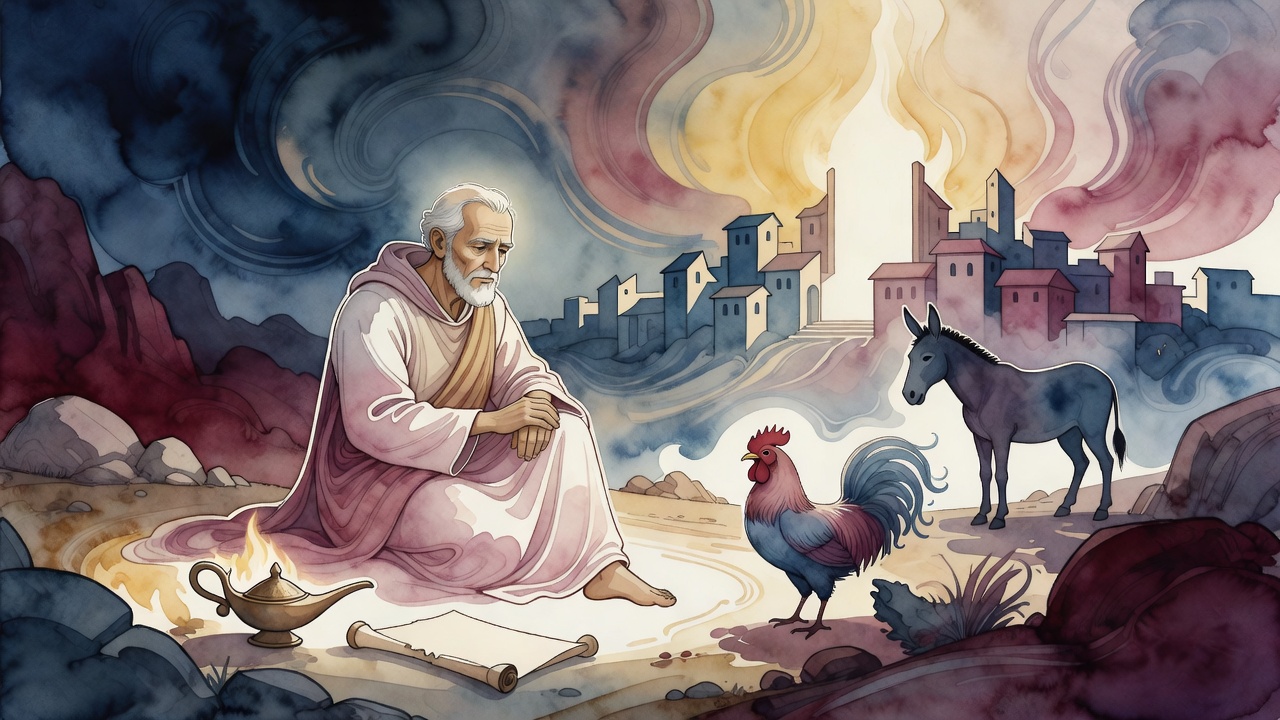
Turnus Rufus Tested Rabbi Akiva and Lost
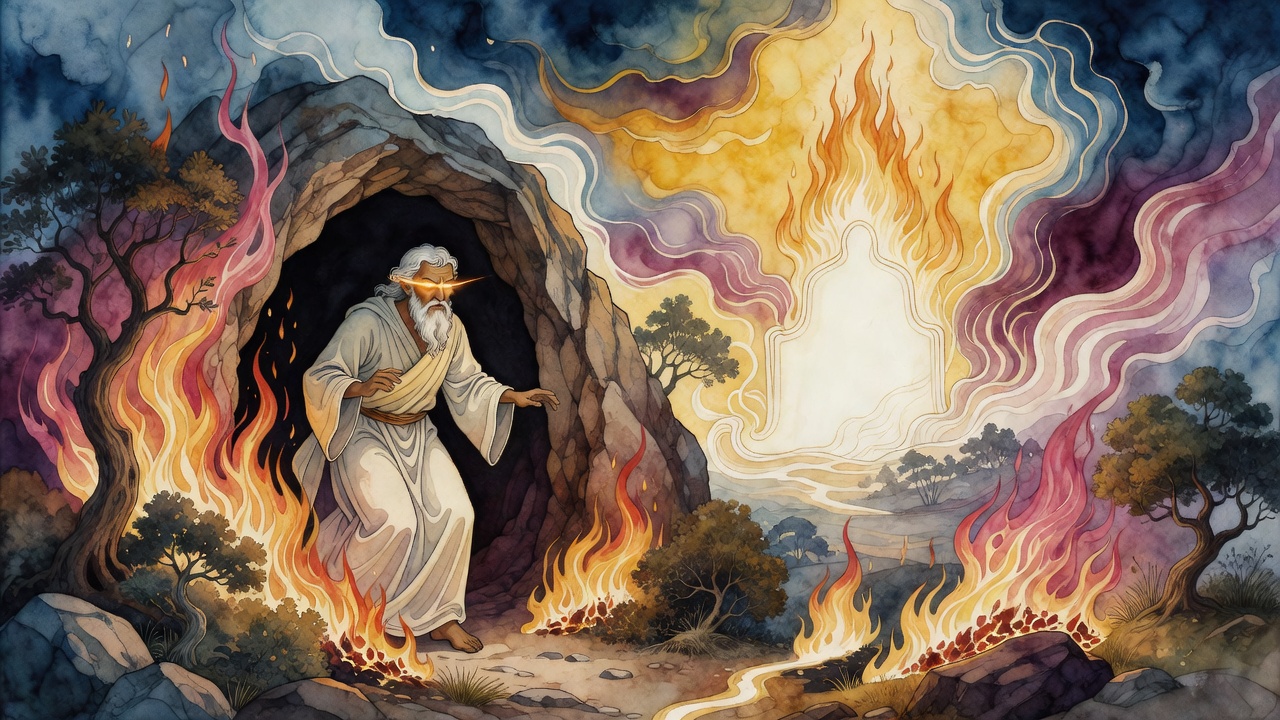
The Roman sent for his father's grave on the seventh day. The smoke would not rise. On Sunday the dead man answered him, unwilling.
Table of Contents
 Click for full size
The Courtyard Question
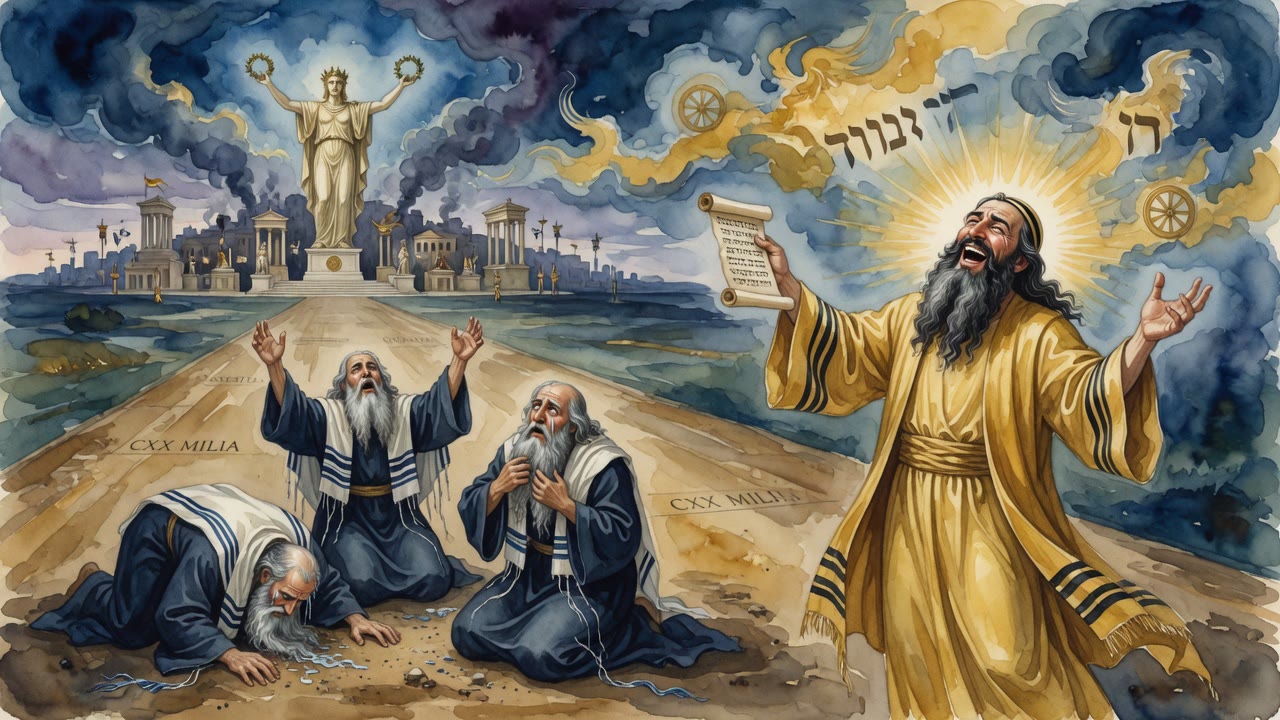
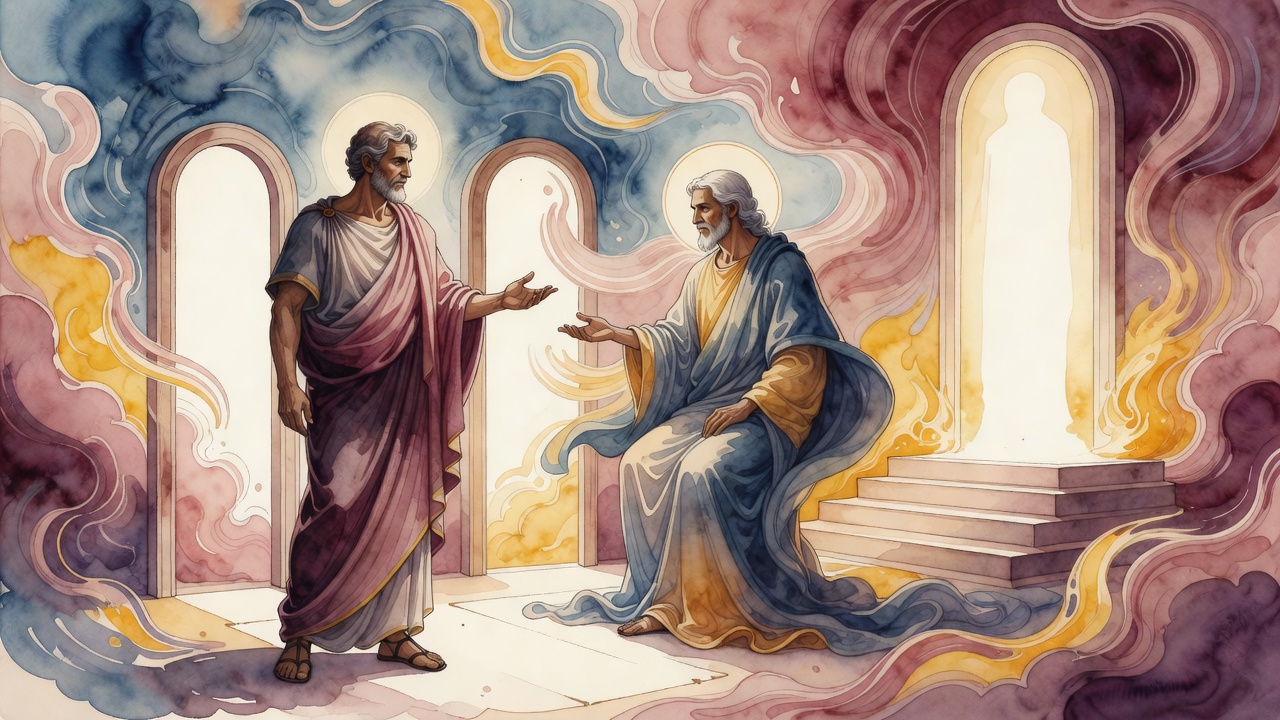
Turnus Rufus came into the courtyard with the look of a man who already held the verdict. He held high office because the emperor had appointed him. He pointed that fact like a spear.
"I hold this office because the emperor appointed me," he said to Rabbi Akiva. "Who appointed your Sabbath? If your God wants the seventh day kept, why does God keep the world moving on it? Wind blows. Rain falls. The sun still rises. Does God break the commandment God invented?"
Akiva did not step back. "A man may carry inside his own house on Shabbat," he said. "The whole world is God's house. God moves in His own courtyard."
Rufus's mouth tightened. He had tried to shrink God to the size of a subject whose work must stop at the same wall that stopped a household in the empire. Akiva had moved the wall to the edge of the world.
How Is This Day Different
"How is this day different from the other days of the week?" Rufus asked.
"How is this man different from other men?" Akiva said.
Rufus blinked. "What did I say to you, and what did you say to me?"
"You asked why Shabbat is not like every day. I asked why you are not like every man."
"Because the king wished to honor me."
"This day, too," Akiva said, "the Holy One wished to honor."
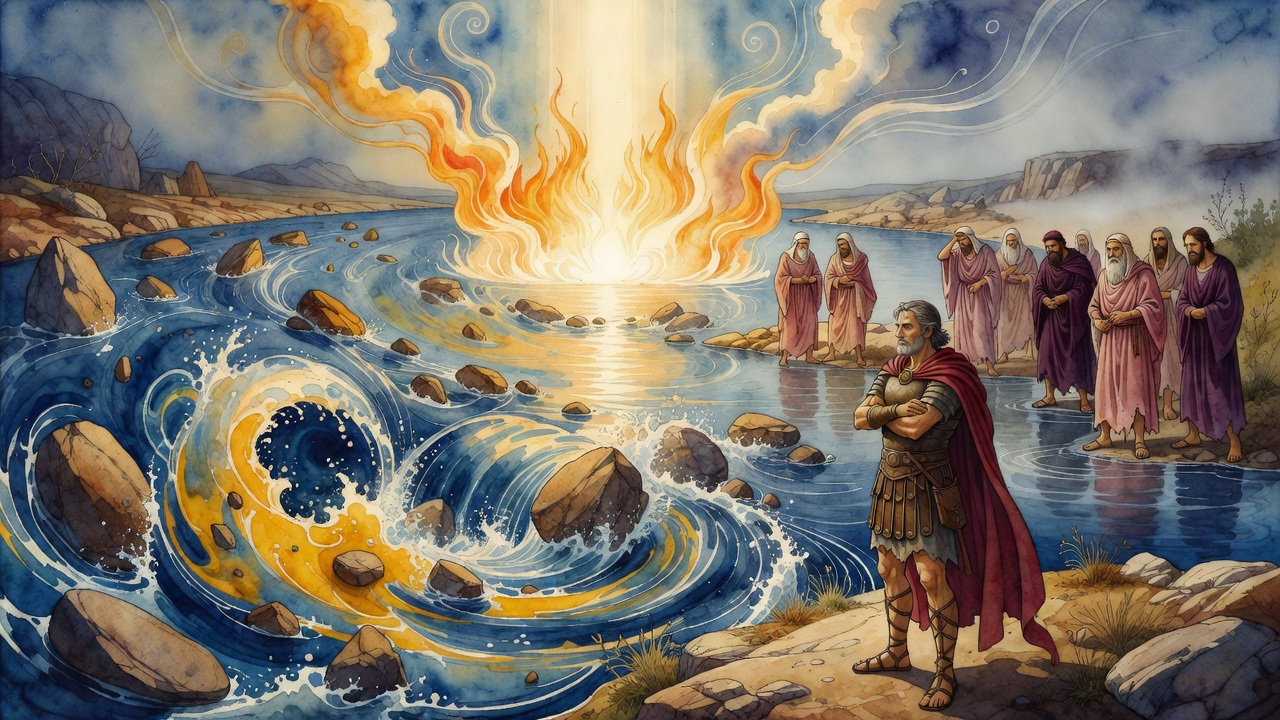
Rufus demanded proof a stranger could touch. The days of the week all looked the same to a man who did not already keep them. Akiva named the River Sambatyon, which hurls stones all week and falls quiet on the seventh. Rufus laughed. "Are you dragging me to a river? That river is not in my country."
Akiva named the manna that did not fall on the seventh day. Rufus waved it off. Those who ate the manna had died long ago.
The Grave That Would Not Smoke
"The necromancer will prove it," Akiva said. "The dead can be brought up all the days of the week. On Shabbat they cannot. Test it with your father."
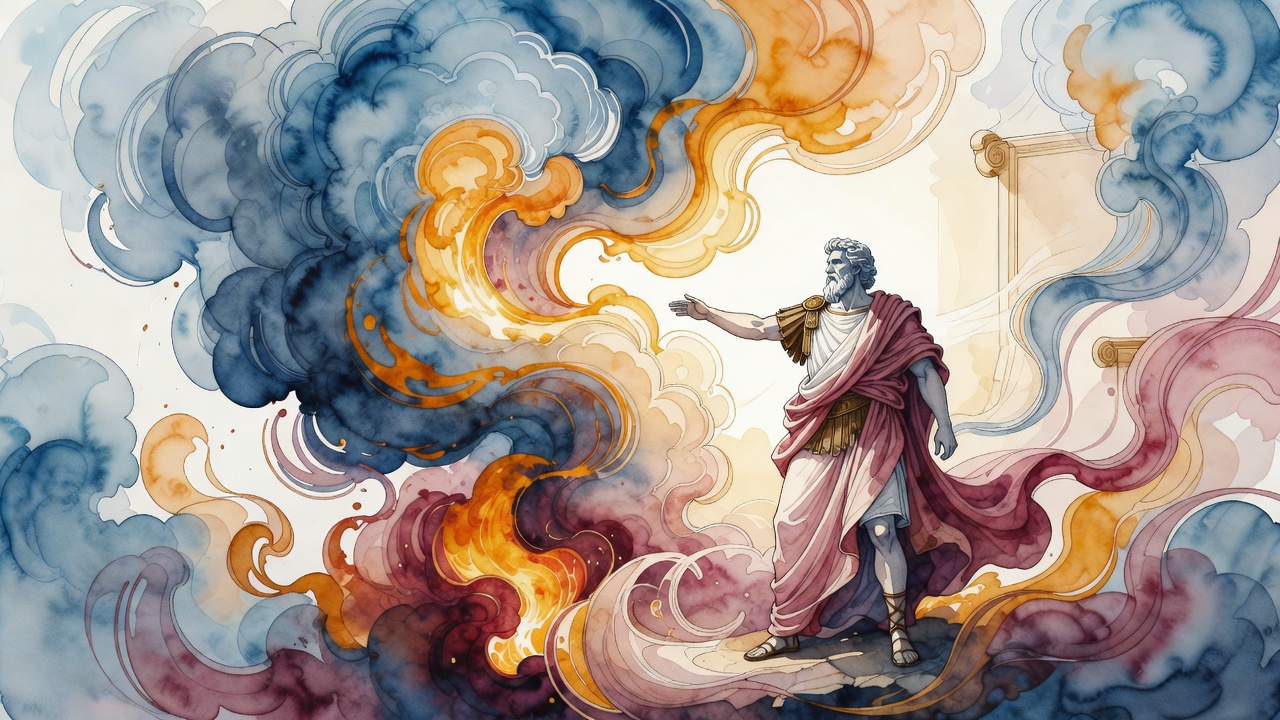
Rufus went. He needed an answer more than he wanted one. All week the grave answered. Smoke rose from it. On the seventh day the smoke would not rise, and the dead man would not come.
On Sunday he brought his father up again.
"Since you died," the son said, "have you become a Jew? Why were you brought up all the days of the week, but on Shabbat you could not be brought up?"
The dead man looked at him. "Anyone who does not keep Shabbat willingly in your place keeps it here against his will. All the days of the week we are punished. On Shabbat we rest."
Rufus returned to Akiva with that answer still in his mouth. The empire had a governor. The grave had a calendar the governor could not overrule.
Wind on the Seventh Day
He tried the first trap again, sharper. "If the Holy One desires the honor of Shabbat, let Him not send winds on it, nor rain, nor make the earth sprout."
Akiva told him of a man who may carry within four cubits of his own domain. The world is God's four cubits. The rain that falls on Shabbat falls in a house that has no outer wall.
Rufus wanted rain to wait on the emperor's calendar. The rain did not wait. He left the courtyard with weather still moving over a house larger than Rome.
The Son in the Prison
The next challenge was not about days. It was about hunger.
"If your God is a friend to the poor," Rufus said, "why does He not feed them Himself? You feed them. You overrule a decree."
He told a parable. A king imprisons a servant who has offended him and commands that no one give the man food or drink. A subject smuggles bread in anyway. When the king hears, he is furious. "And you," Rufus said, "are called servants" (Leviticus 25:55).
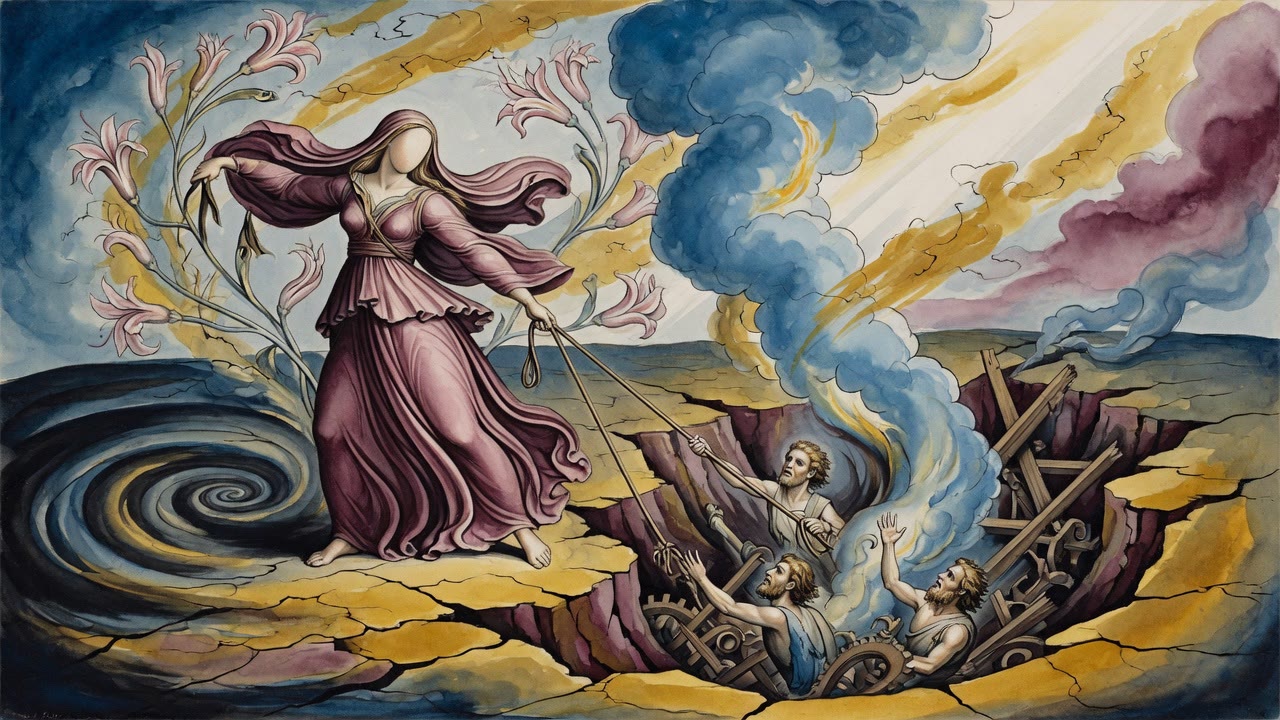
Akiva answered with a different prison. A king is angry with his son. He locks the son away and orders that no one feed him. A minister brings bread anyway. When the king hears, he is not furious. He is grateful. The prisoner is not a stranger. He is a child.
"Men are not strangers to one another," Akiva said. "They are all God's children. Even a father angry with a child still wants that child fed."
Rufus had treated poverty as a closed cell and charity as a crime. Akiva had changed the prisoner from a servant into a son. The governor left with both answers in his hands and neither of them his.
← All myths