The Day God Took the Stand Against His Own People
Three times the Judge descended to argue His own case, and three times the watching nations leaned in certain this stubborn people was finished.
Table of Contents
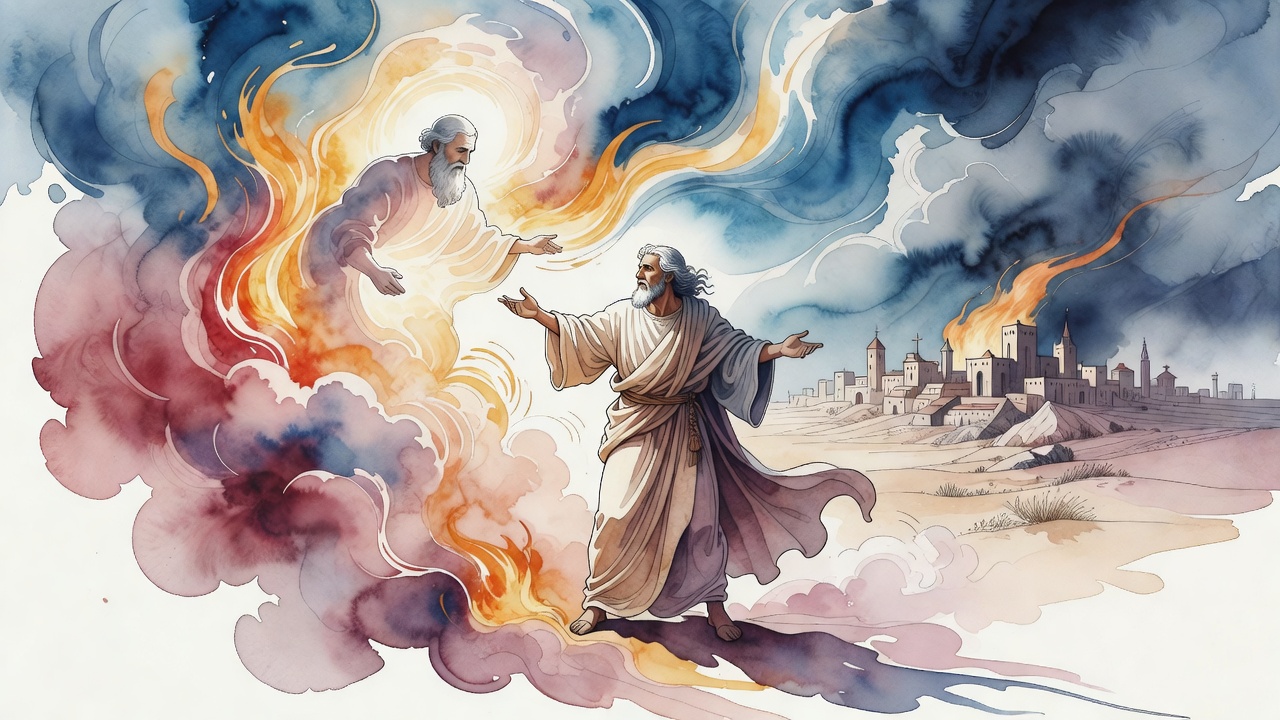
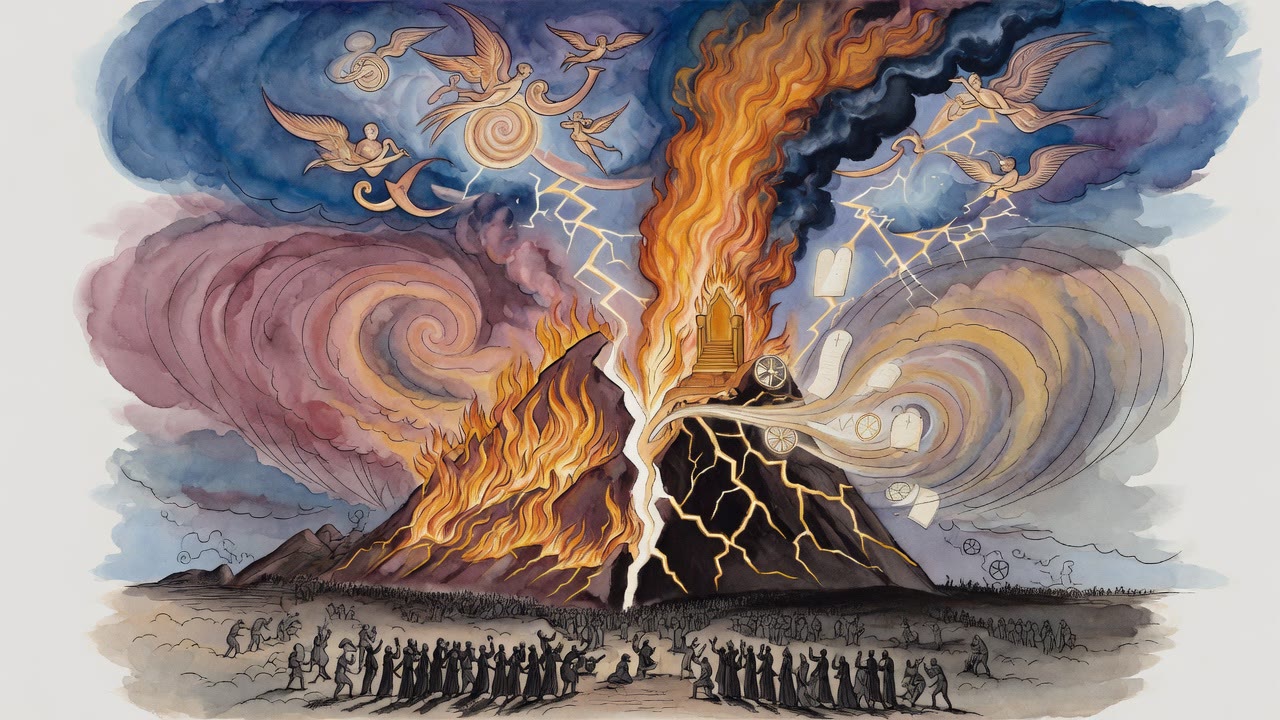
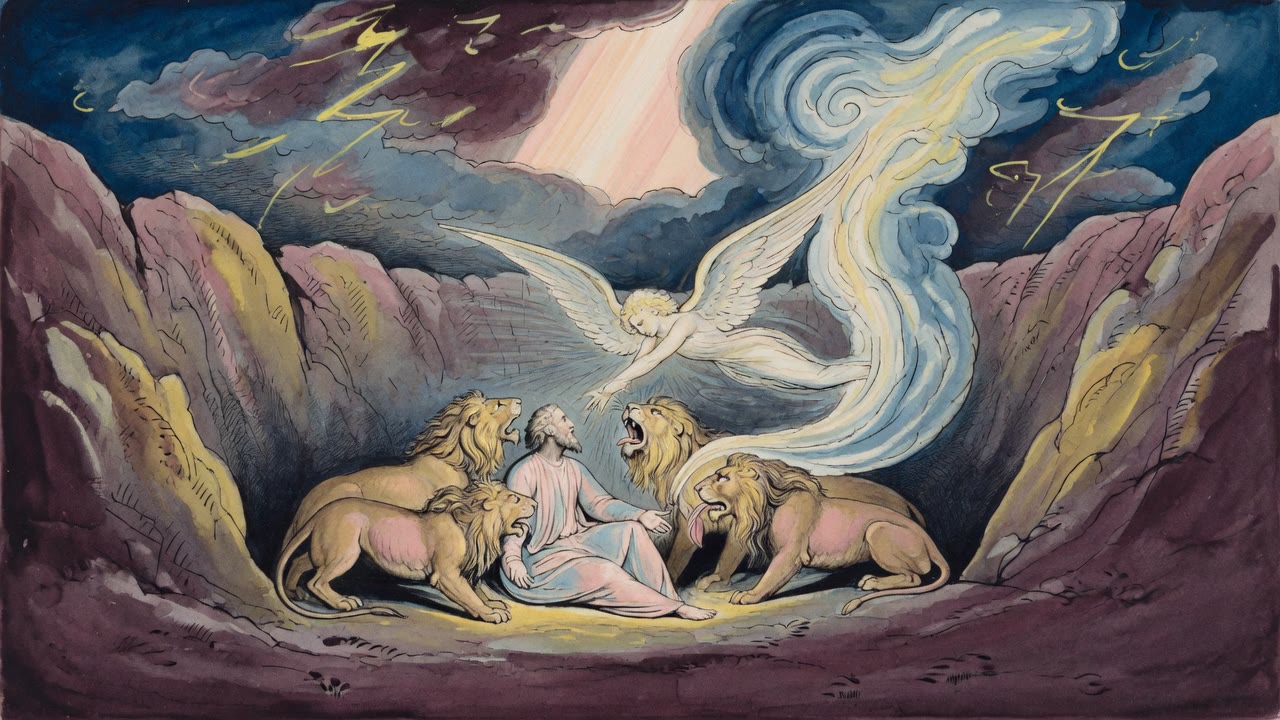
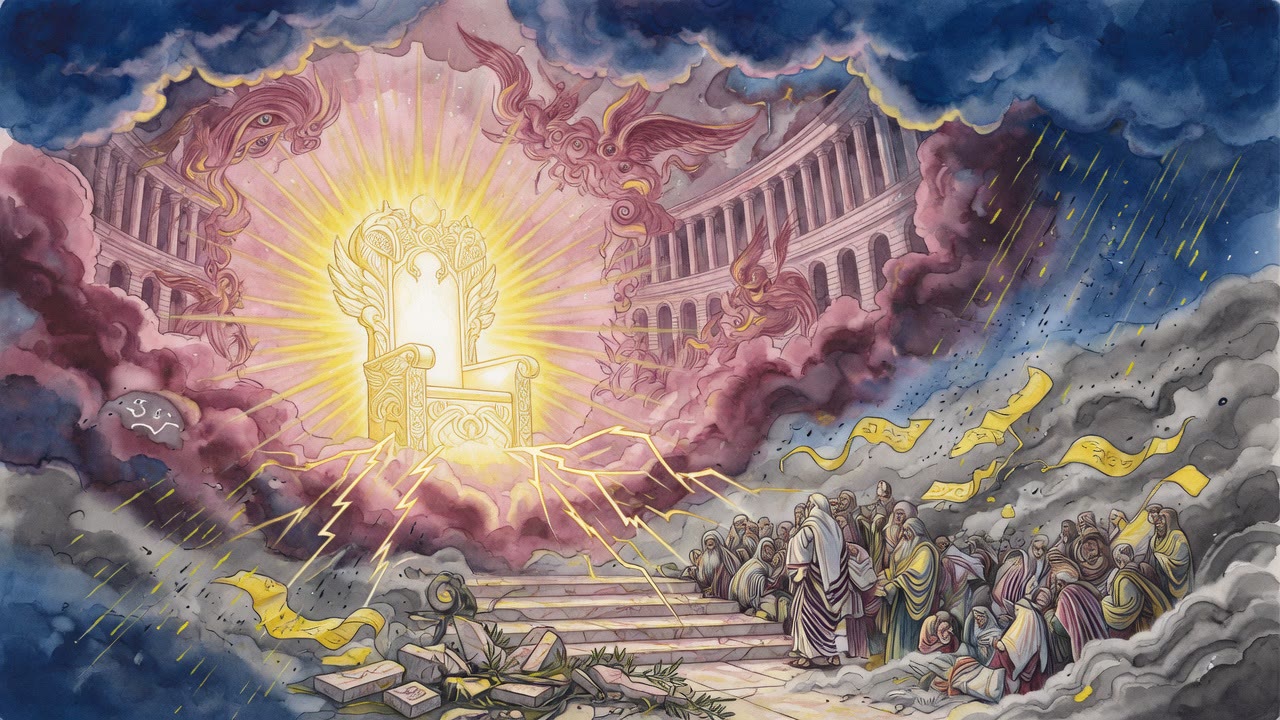
The mountains were summoned as witnesses, and they came. So did the hills, and the deep foundations of the earth, dragged up into a courtroom that had no walls. A voice rolled across them, and the voice belonged to the plaintiff, the judge, and the wronged party all at once. The Holy One had come down to sue His own people.
 Click for full size
Three times this happened, the old teachers said. Three times the heavens were called to attention and the earth told to listen and the everlasting hills ordered to hear the controversy of the Lord. And three times the nations of the world crowded the edges of that courtroom and could not believe their luck.
The Nations Lean In to Watch the Verdict
The first summons came soft, almost gentle. "Come now, and let us reason together," the voice said. The nations heard the word reason and read it as reckoning. They nudged each other. How does a creature dare argue its case against the One who made it? No clay wins an argument with the potter. No flame outlasts the furnace. They settled in to watch the stubborn people get wiped from the world at last, the way a man brushes crumbs from a table.
But the Judge saw them grinning at the back of the court, and the trial bent in His hands. "Though your sins be as scarlet," the voice went on, "they shall be as white as snow." The nations went silent. Was that a rebuke? Was that even an argument? He had not come to destroy these children. He had come to be reconciled with them, and He had dressed the reconciliation in the robes of a lawsuit so that no one watching would mistake mercy for weakness.
The Mountains Are Called to Hear the Charge
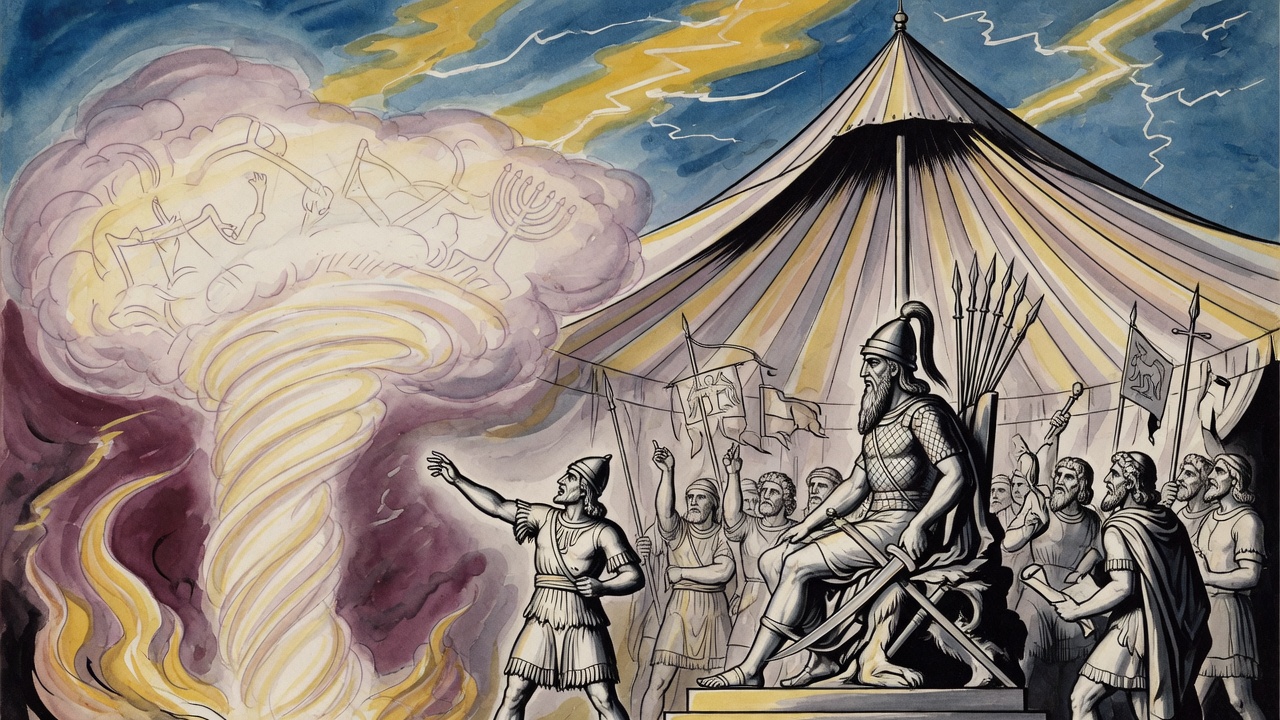
The second time, the summons was louder. "Hear, O mountains, the Lord's controversy, and you enduring foundations of the earth." The peaks straightened. The whole world held its breath as a witness. And again the nations pressed in at the margins, certain that this time the charge would be a death sentence, that a God who calls the mountains to testify must be building a case for annihilation.
Then the plaintiff turned and faced the accused, and what came out of His mouth was not an accusation. It was a question, and it had the ache of a parent in it. "My people, what have I done to you, and how have I wearied you? Testify against Me." He did not ask the people to defend themselves. He asked them to indict Him. He stood in the dock of His own court and invited the verdict to fall on His head. And then, quietly, He reminded them of an old kindness instead of an old crime. "My people, remember now what Balak king of Moab plotted, and how I turned the curse aside." The nations were astonished all over again. This was no rebuke. The Judge was pleading to be let back in.
A Mother Waits Outside the Courtroom Door
To make the strangeness plain, the teachers told it as a small story. There was once a woman who came to lay a complaint against her son before a judge. She found the judge already on the bench, hearing the day's cases, and the cases were grave ones. Men were being sentenced to death in front of her. She watched the gavel fall, and fall again, and a cold thought took hold of her. If I name my son's offense now, in this room, on this day, this judge will kill him.
So she said nothing. She let the morning burn down. She waited while the murderers and the thieves were carried off, and she pressed her case to the very end of the docket, until the judge looked up, tired, and asked her what her son had done. She stepped forward. "When he was inside my belly," she said, "he kicked me." The judge stared at her. "And now? Does he wrong you now?" "No," she said. He waved his hand. "There is no offense here at all." The watching nations heard this and shook their heads. One charge after another, and every one of them dissolving into nothing the moment it was spoken aloud. The Father had filed three suits against His children and lost all three on purpose.
The Light Yoke He Laid Upon Them
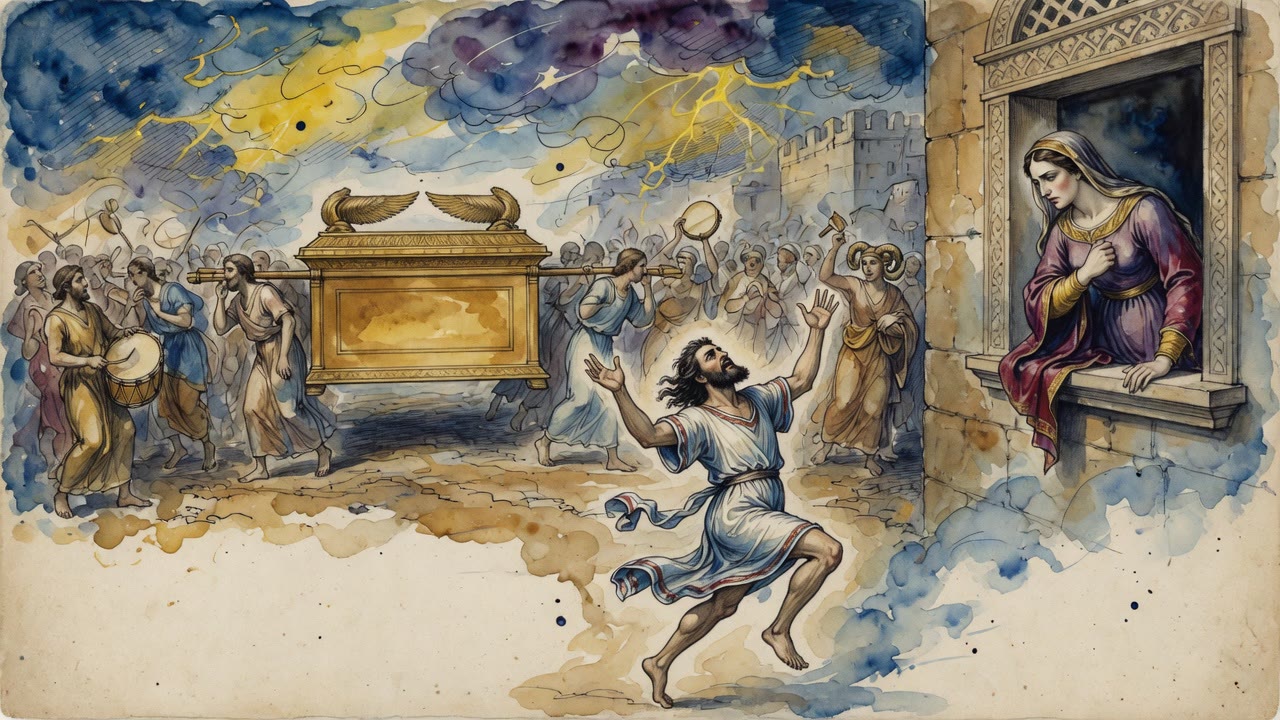
"And how have I wearied you?" The question hung there, and the answer the teachers gave turned the whole trial inside out. A king once sent a written proclamation to a far province, and the people there received it trembling. They rose to their feet. They bared their heads. They read every line with awe and dread, sure that a single misstep would cost them. The Holy One looked at that and said to Israel: this is not how I treat you. The Shema (Hear O Israel) is My proclamation to you, My official word. I did not command you to stand for it. I did not command you to bare your heads. I told you to say it sitting in your house and walking on the road, lying down and rising up. I made My word a thing you could carry without bending under it.
He went further. Ten clean animals I gave you, He said, and only three of them live at your own stall, the ox and the sheep and the goat. The other seven run wild in the hills, the deer and the gazelle and the wild goat, and I never once told you to climb the mountains and exhaust yourselves chasing them down to set before Me. Bring Me what is already in your hand. The whole indictment, it turned out, was a list of burdens He had refused to lay on them.
The Judge Who Insisted on Comforting
And when the trials were over and the nations had drifted away confused, the same voice took up a different word entirely. "Comfort, comfort My people." Even here He argued, as if He had to win the right to console them. Boaz comforted a foreign widow gleaning in his field, He said, took her in when the law would barely allow it. If a man can comfort like that, shall I not comfort? The plaintiff who had summoned the mountains to hear His grievance ended the day not pronouncing sentence but reaching for the broken to gather them up. The courtroom emptied. The hills sat back down. And the accused walked out unharmed, holding a light word they could say lying down.
← All myths