Abraham Walked the Land Before He Could Own It
Figs and olives and mountain water met Abraham in Canaan. None of it was his. He asked God how a childless man could inherit a country.
Table of Contents
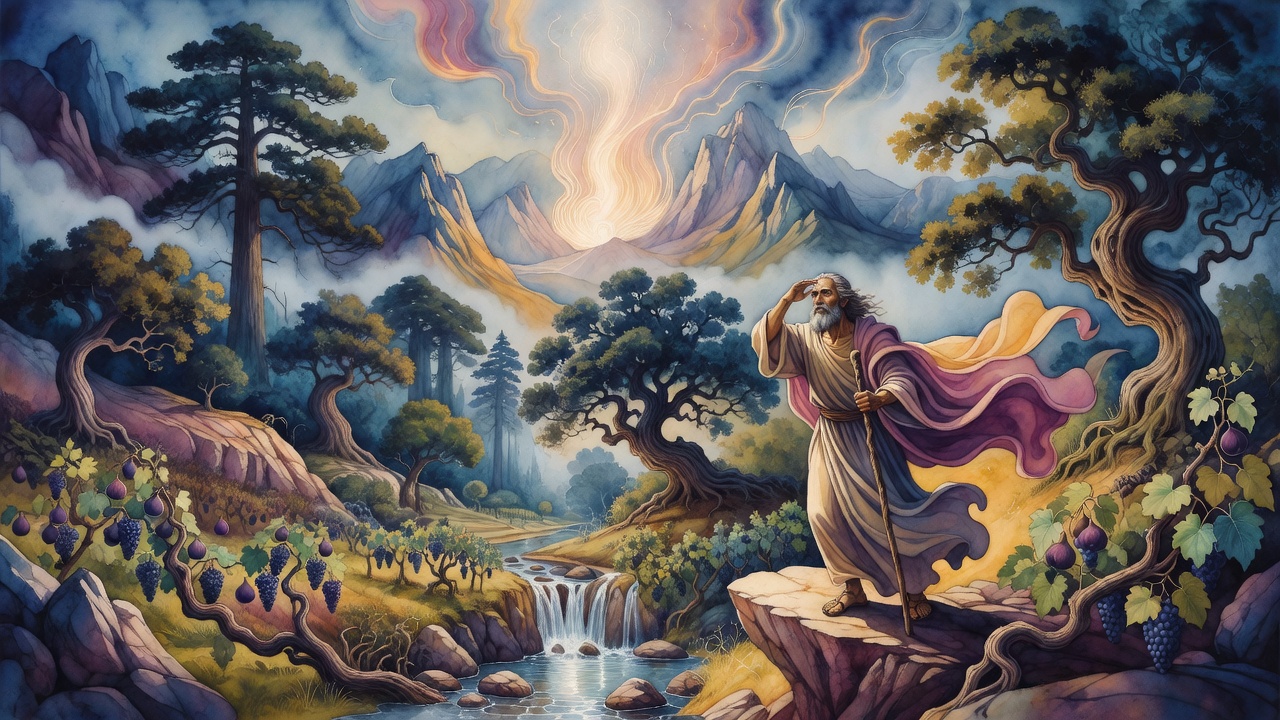
Abraham stood among figs he could not eat as an owner. Vines. Pomegranates. Oaks and terebinths. Olives. Cedars, cypresses, date palms. Water came down the mountains and ran past his feet. God had told him to look, not toward one hill, just look, and the country spread itself in every direction that would later be argued over. None of it belonged to him.
 Click for full size
An Altar on Ground He Did Not Hold
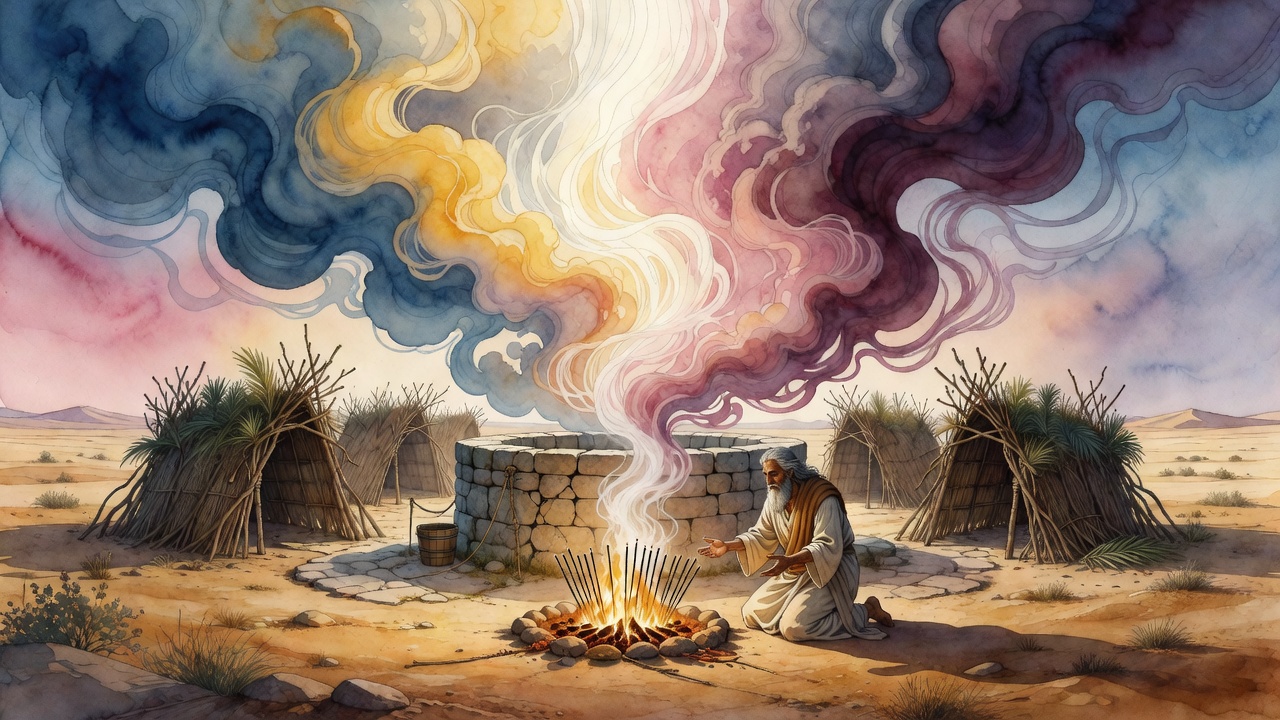
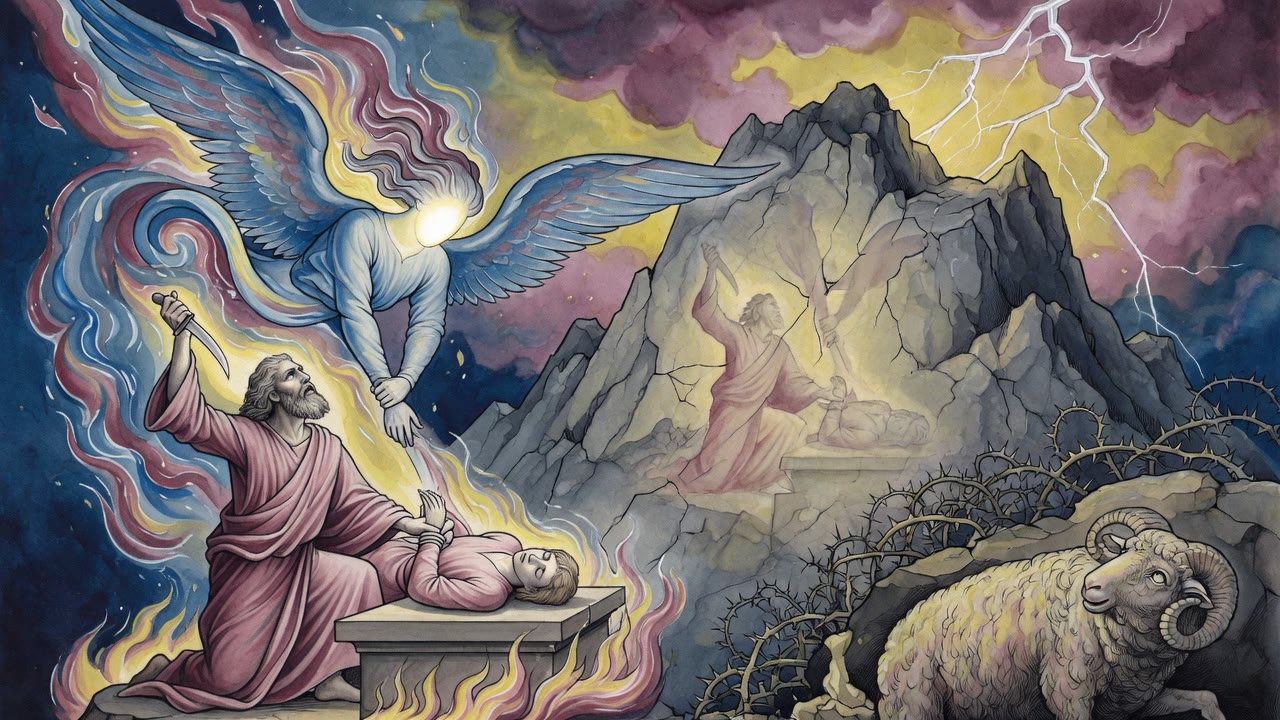
He built an altar on that mountain anyway, on the new moon of the first month, in the first year after he arrived. He called on the Name. "You, the eternal God, are my God." He offered a burnt sacrifice so that God would stay with him and not forsake him all the days of his life. Then he moved on. The Canaanites were still in their towns. He lived among them without driving them out. The time for that had not come, and the people who would inherit what he was walking had not yet been born.
He blessed the Lord who had led him out of Ur of the Chaldees and had brought him to this land. The blessing did not put a deed in his hand. It put him on a road.
He Walked the Length and the Breadth
Lot took the well-watered Jordan and left. The shepherds had been quarreling, and the land was too narrow for two camps. Abraham watched his nephew's flocks go down toward the cities of the plain, then stood in the quieter country that remained. After Lot had parted from him, God spoke again. "Raise your eyes. Look north and south, east and west. All the land that you see, I give to you and to your offspring forever. Arise, walk through the land in its length and its breadth, for I will give it to you."
Abraham walked. North. South. East. West. He stopped and planted, moved and returned. Dust coated his ankles. His feet did the claiming his sword was not allowed to do. Every step was a mark on a field that still had other names on it. He walked until the light went thin. A terebinth threw a long shadow across a path that was not his. He put his heel down on the shadow and lifted it, and the ground stayed. No angel handed him a deed. The command had been walk, so he walked, and the country received the mark of a man who believed a sentence God had spoken over empty fields.
He walked past towns that were not his. He slept on ground that would bury him before it would feed his grandchildren. The Canaanites watched a stranger cross their fields and did not yet understand that the crossing was the point. Abraham was not touring. He was taking possession the only way open to a man with no army and no son.
How Will I Know
God appeared to him again and took him outside and told him to look at the stars. "Count them if you can. So shall your seed be." Abraham believed God. The night was large enough to hold that belief. Then he asked the question the stars did not answer.
"Lord, by what shall I know that I shall inherit it?"
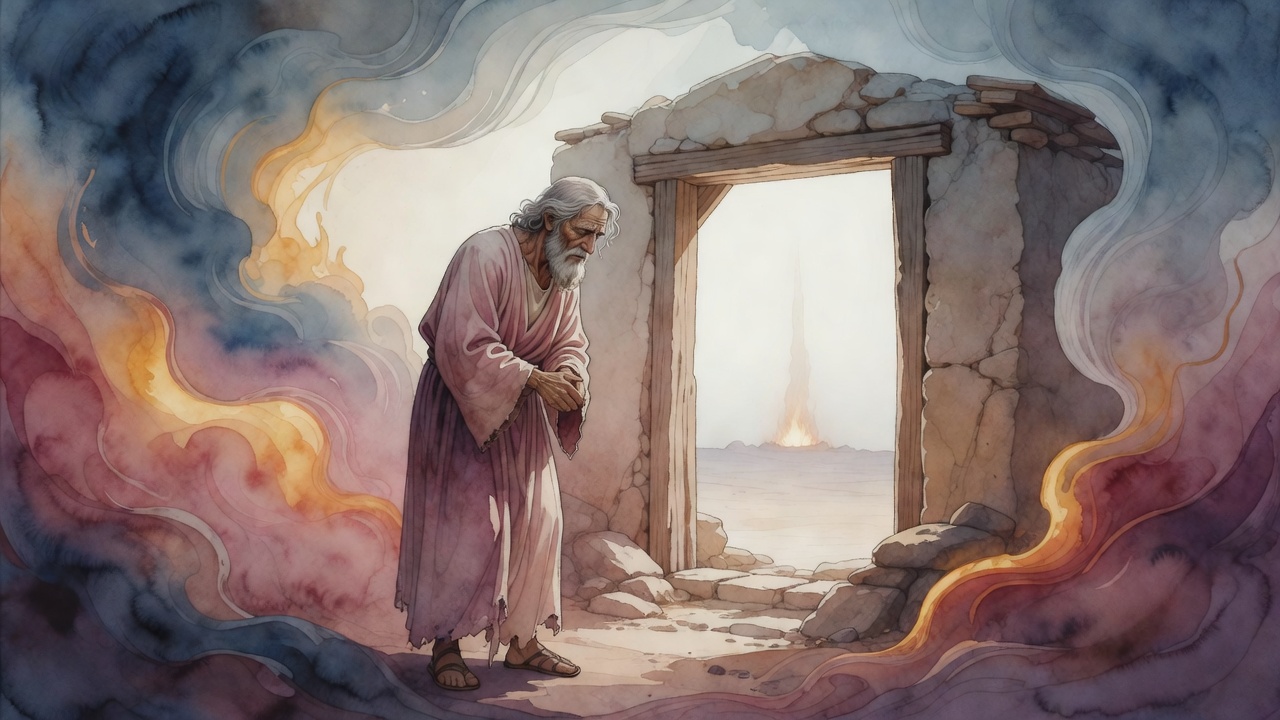
Not a refusal. Not a bargain. A man who had been walking on someone else's land for years, who had buried no one there yet, who was old and had no son, who understood that a promise still has to survive famine, delay, and every ordinary way a line can die out. He saw the problem clearly. Then he believed anyway. The question stayed in the air between them, honest as a wound.
The Borders Outran His Feet
The land God named was larger than any map Abraham could finish in a lifetime. From the wilderness to the Euphrates. From the mountain of the Emori to the seacoast, Ashkelon and Gaza and the plain, the forest, the King's Mountain, the lowland of the south. Abraham's walking covered a portion of this. The rest would take generations to approach, and even then would be argued over, lost, taken back, and mourned.
He pitched his tent by the oaks of Mamre at Hebron and built another altar there. He still owned no field. Later he would buy a cave to bury Sarah, a single plot paid for in silver, the first ground in the country that was legally his, and it would be a grave. The walking had been the claim. The grave would be the receipt.
He died with a promise in his mouth and a burial place in the ground. His descendants would spend centuries pressing the rest of what his feet had started.
← All myths