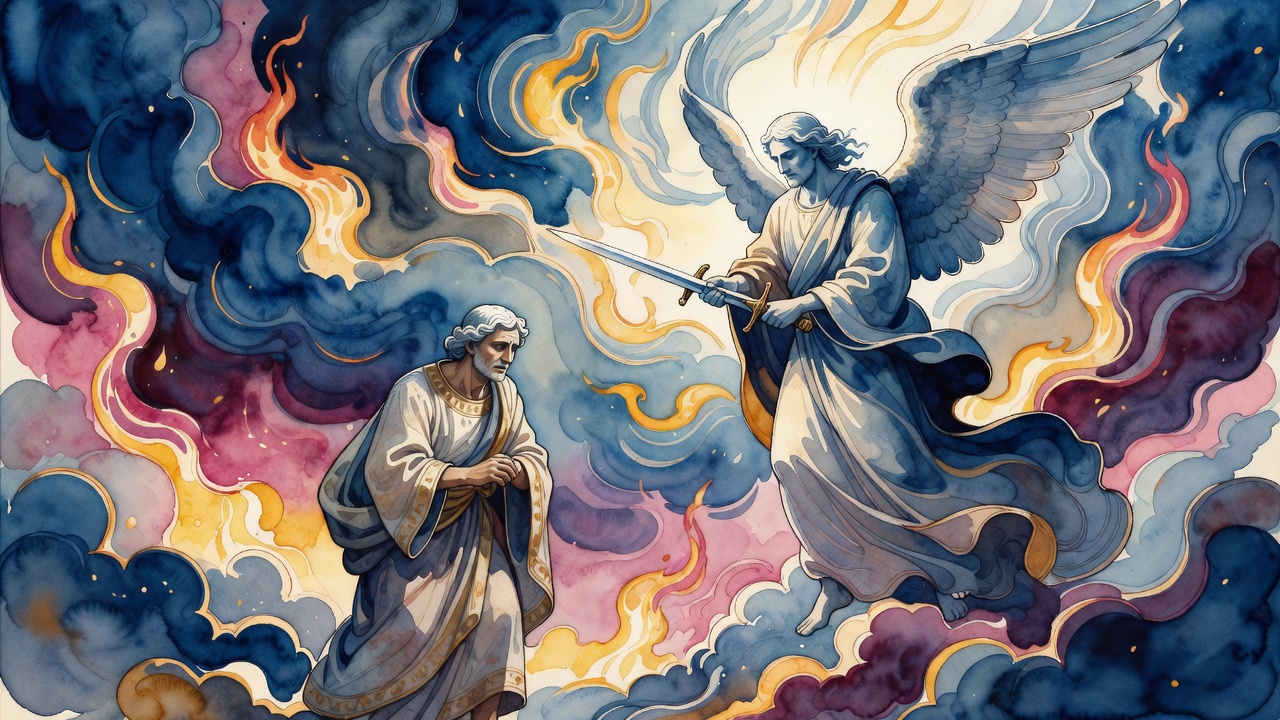
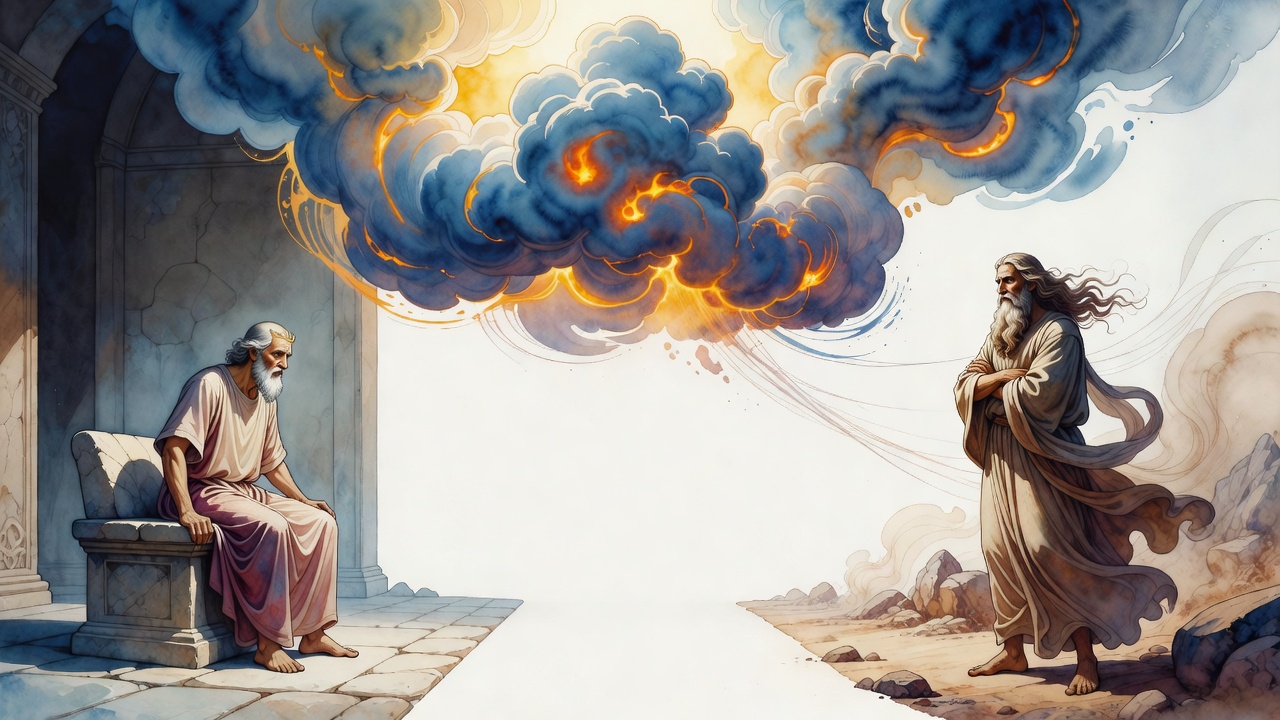
Moses Spent His Last Night Arguing for Reuben and Judah
On his last night, Moses would not bless Reuben and Judah quietly. He argued for two sons who had no grounds to stand on, and refused to stop.
Table of Contents
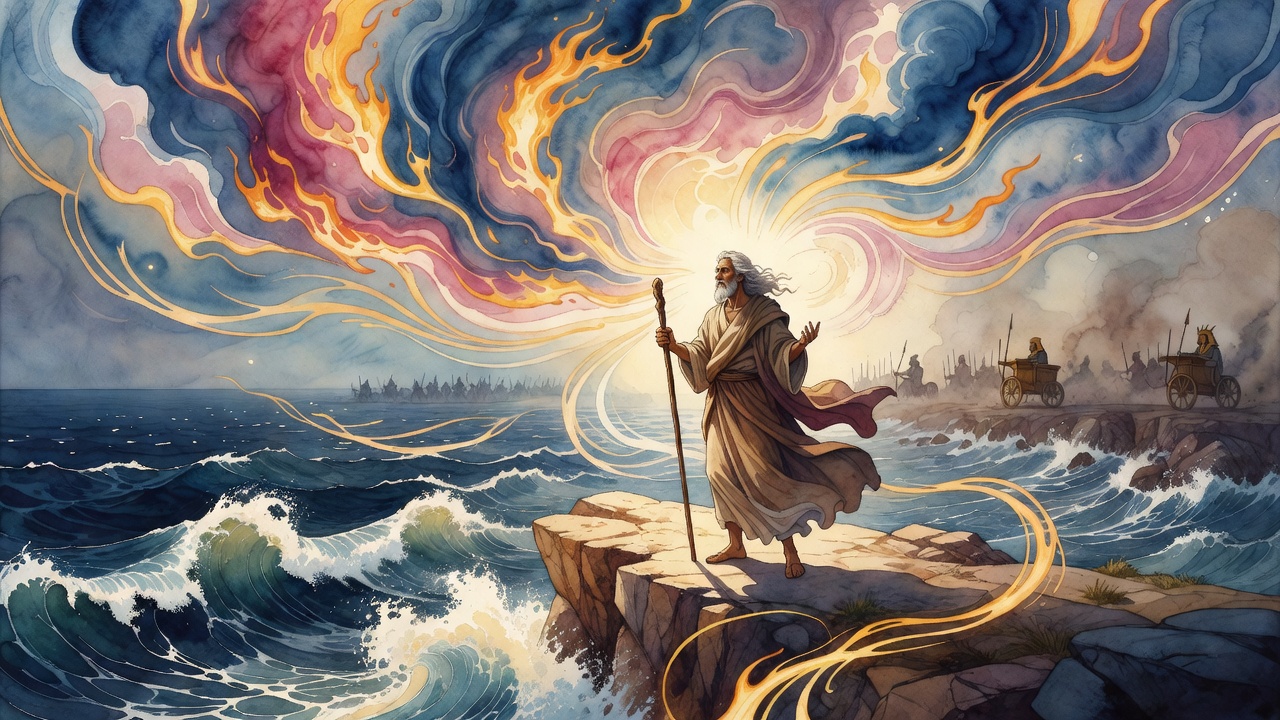
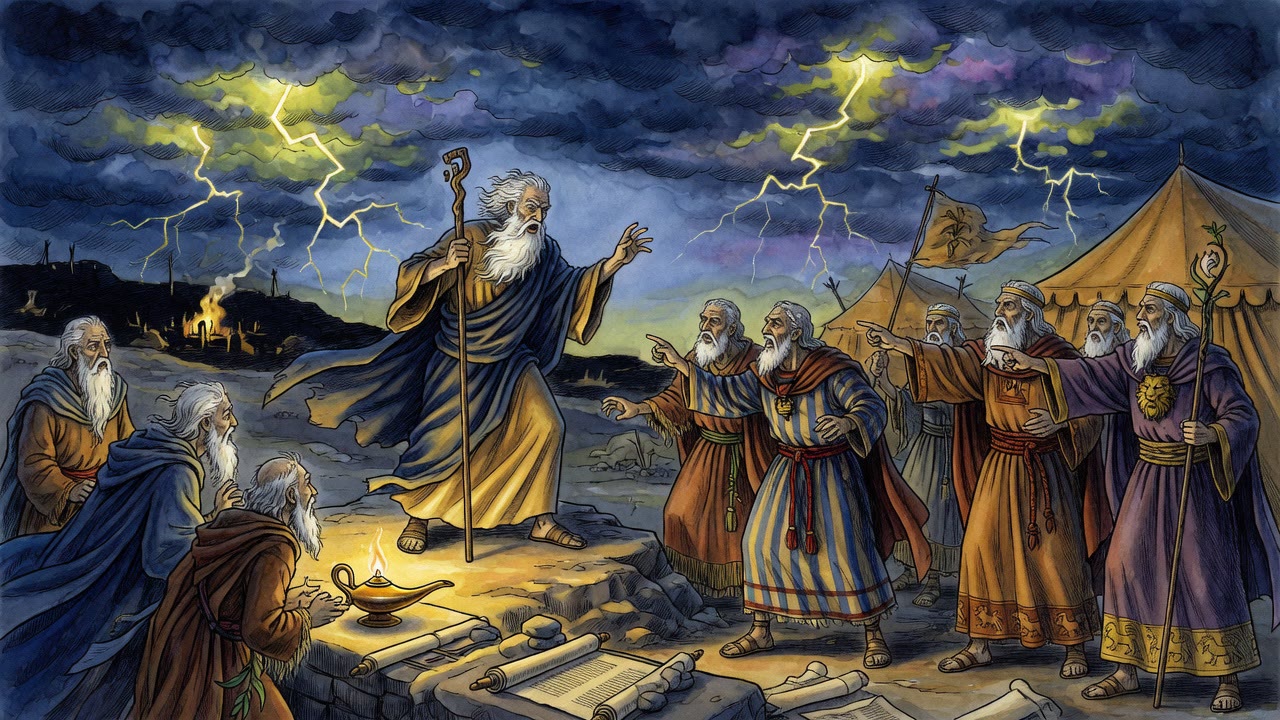
The mountain wind was cold, and Moses had until morning. He could feel it the way a man feels the last coal in a fire, the heat thinning, the dark pressing closer at the edges. Below him the tents of Israel held their breath. He had eleven blessings left to give, one for nearly every tribe, and the people downhill believed those blessings would fall like rain, gentle, certain, kind.
 Click for full size
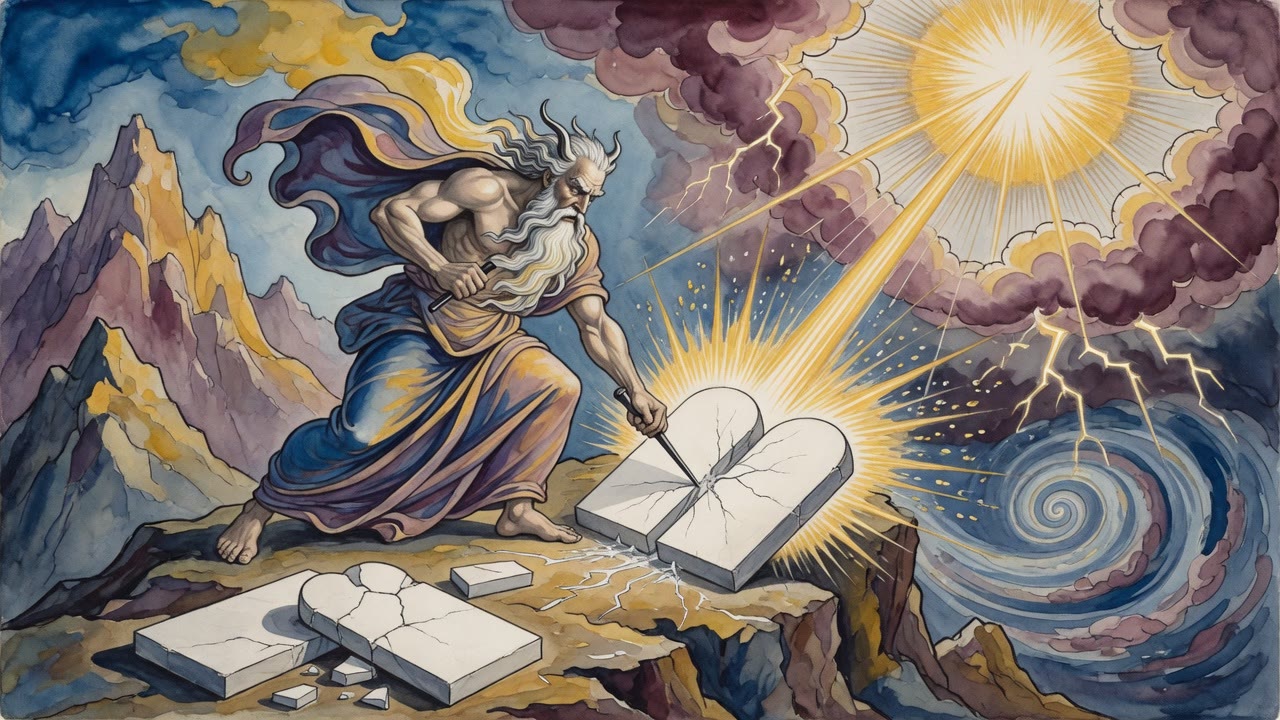
They were wrong about that. What he was about to do was not gentle. It was a fight, and he meant to win it before the breath went out of him.
He Will Not Bless the Easy Names First
A man dividing his estate begins with the favored heir. Moses did the opposite. He went straight to the name that should have been buried in silence, the name no one expected the dying prophet to lift toward heaven at all.
Reuben. The firstborn who had thrown his birthright in the dirt. He had gone into Bilhah, his own father's concubine, and the shame of it had followed him out of the tent and clung to him for the rest of his life. Jacob stripped the privilege of the eldest from him before the old man was cold in the ground. By every accounting that mattered, Reuben's share in the world to come was forfeit, signed away by his own hands.
Moses knew it. He did not pretend otherwise. He stood in the thin cold air and said the name out loud, and the saying of it was the first blow of the argument.
He Asks God to Open the Grave Again
"May Reuben come to life again in the future world," Moses said. He did not whisper it. "May he not remain forever dead on account of his sin."
The words hung there. He was asking for a man to be pulled back out of the deepest hole there is, asking that the door God had shut be opened a second time. He had no soft argument to offer. He would not stand here and call the thing with Bilhah small, would not shrink the shame down to a stumble. The deed was the deed.
Therefore he reached for the other side of the scale. There was one act, one only, and Moses set it down with both hands.
One Day at the Pit, Weighed Against a Life
Years before any of them stood at any mountain, the brothers had thrown the boy Joseph into a pit in the wilderness and sat down to eat. Eleven of them had hate in their mouths. One did not. Reuben had heard the killing in their voices and had said, "Let us not take his life." He had meant to come back when the others slept and lift the boy out of the pit and carry him home to his father (Genesis 37:21-22).
It had not worked. Reuben was outvoted, then absent at the worst hour, and the brothers sold Joseph while his back was turned and his good intention came to nothing. The boy went down to Egypt in chains anyway.
Moses did not care that the rescue failed. He cared that it was meant. He took that single interrupted mercy, that one time among twelve brothers that a hand had reached toward the pit instead of away from it, and he laid it before God against the whole weight of the sin. Weigh it honestly, he was saying. Weigh the night he tried.
And Strength, and Torah, for the Sons He Left
Moses was not finished with Reuben. A man's sin is his own, but his children stand behind him in the dark, waiting to learn what they inherit. So Moses asked for them too. Let Reuben's descendants be strong in battle, he prayed, the kind of strength that holds a line when the line wants to break. And let them be wise in Torah, the other strength, the one that holds when no enemy is even in sight.
It was a strange thing to ask for the heirs of a man he had just admitted was guilty. That was the whole shape of the prayer. Mercy for the father, a future for the sons, both pulled out of the same forfeited account by a dying man who refused to leave the name unsaid.
He Turns to Judah and Will Not Step Down
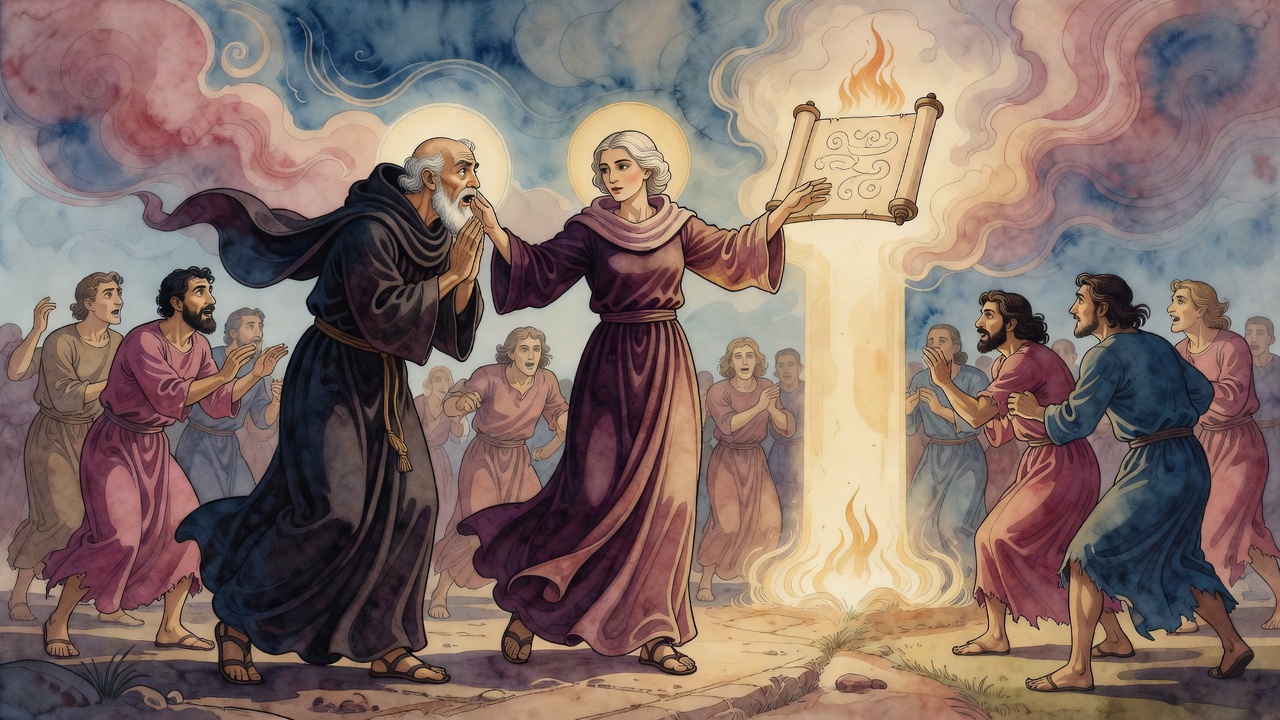
One name was not enough for that last night. Moses turned to Judah, another of Jacob's sons carrying his own old weight, another portion that an honest judge might rule against. And Moses wrestled for him the same way, the way a man grips something he is determined not to let fall, pressing the case for forgiveness until the argument was made and could not be unmade.
Two sons. Two of the least defensible names in the whole house of Jacob. Of all the things a prophet might choose to spend his final hours on, Moses chose the two that no one would have blamed him for skipping. He stood between them and the verdict, and he did not step down.
The Answer He Carried Out of the Dark
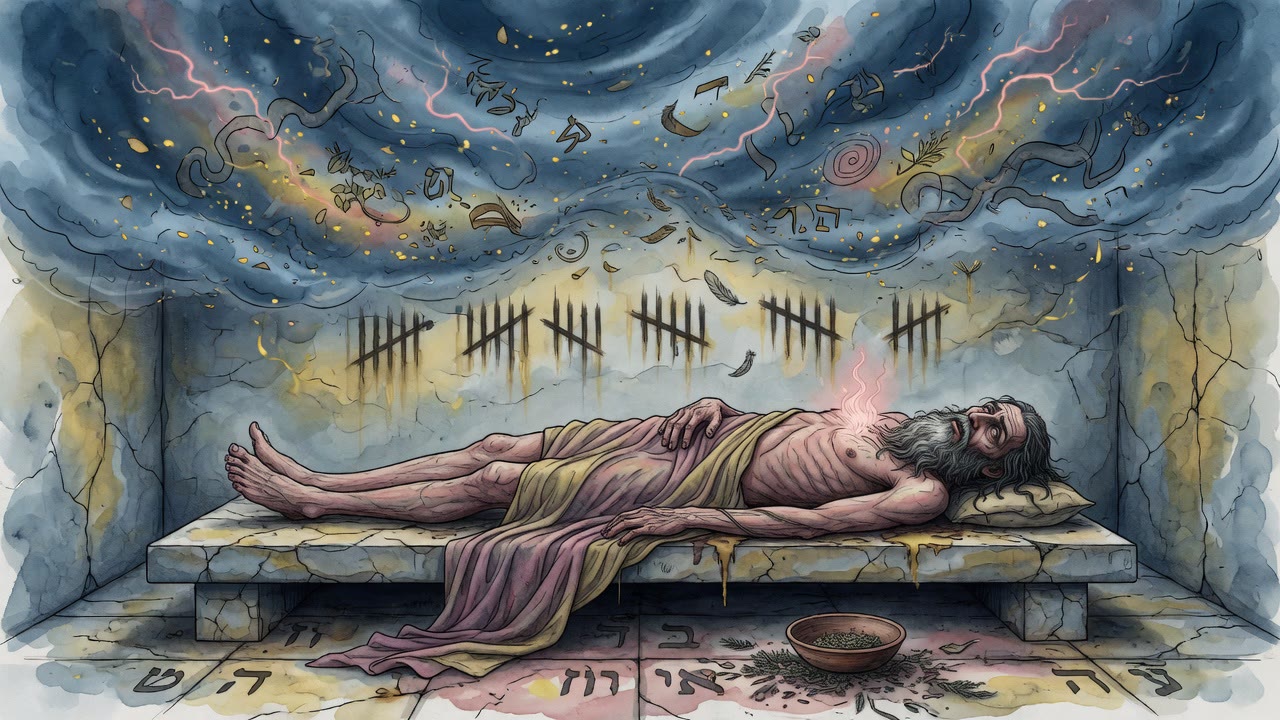
When it was done, when the cold had reached his hands and the morning was close, the prayer had landed. The grave that should have stayed shut over Reuben would open in the world to come. The name pulled back from the silence. The two sons who had nothing to stand on now stood, because one man had argued for them at the edge of his own death and won.
Moses gave the rest of his blessings after that. They came easier. The hard work was already behind him, finished on the mountain in the dark, where the dying do their fiercest living.
← All myths