Moses Did Not Know the Punishment Until God Told Him
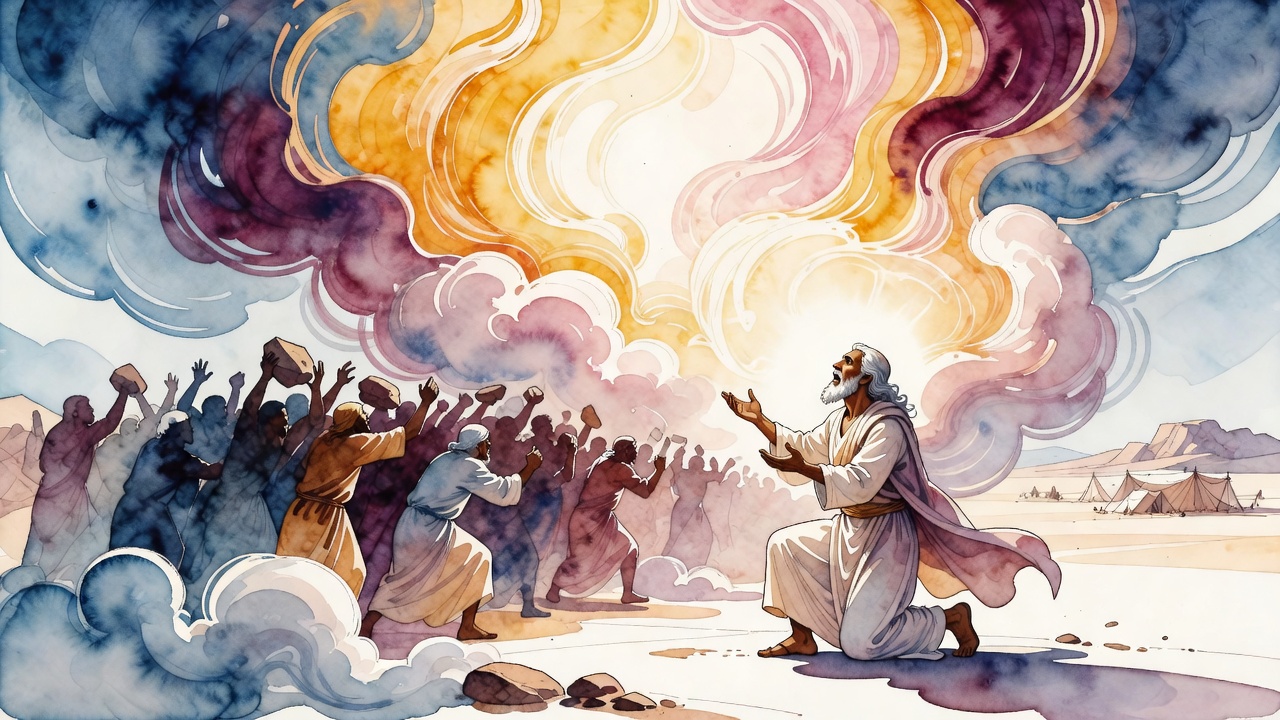
The man gathered sticks on the Sabbath and Moses held him, because even Sinai had not named the death. He said he had not heard.
Table of Contents
 Click for full size
He Said He Had Not Heard
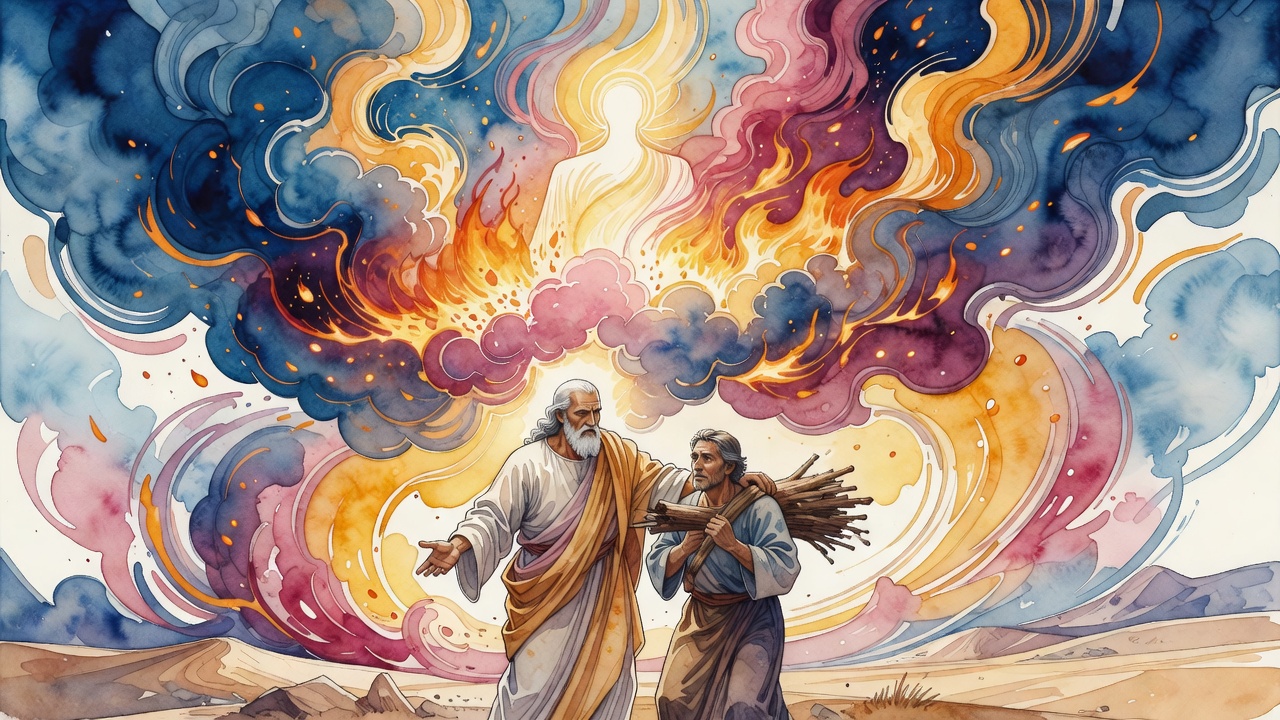
They brought the man to Moses with sticks still in his hands. The whole camp froze around him. He had gone out on the Sabbath and gathered wood, and the witnesses had caught him pulling it up, and now even Moses, who had come down Sinai with the whole Torah, stood in front of a wood-gatherer and did not know what to do with him.
The prohibition was clear. He who profanes it shall be put to death. The mode of the death had not been named for this case. So they placed the man in custody, and Moses went to God, and God said stoning. The community stoned him outside the camp. (Numbers 15:32-36)
Moses did not manufacture the answer. He asked. He said, on purpose, "I have not heard," so that every judge who came after him would not be ashamed to say the same. This was one of four judgments brought before him. In cases of money he ruled quickly. In cases of life he waited. The man of the house of Joseph, who had wounded the witnesses that found him, died by stones, and the greatest of the prophets had held him first because he would not guess.
The Man of Joseph's House
The Targum names the wood-gatherer a man of Joseph's house. He went out saying to himself that he would pull up wood on the Sabbath day. He did not stumble into it. He chose it. When the witnesses found him, he wounded them. The camp brought a violent man, not a confused one, and still Moses would not hurry the death.
He held him. He asked. God answered. The congregation put their hands on him, and the stones followed. Forgiveness was not the verdict in that yard. The asking was the thing Moses learned there, the gap he refused to fill with his own mouth. Leadership, on that afternoon, was the willingness to stand in front of a guilty man and wait.
Show Me Thy Glory
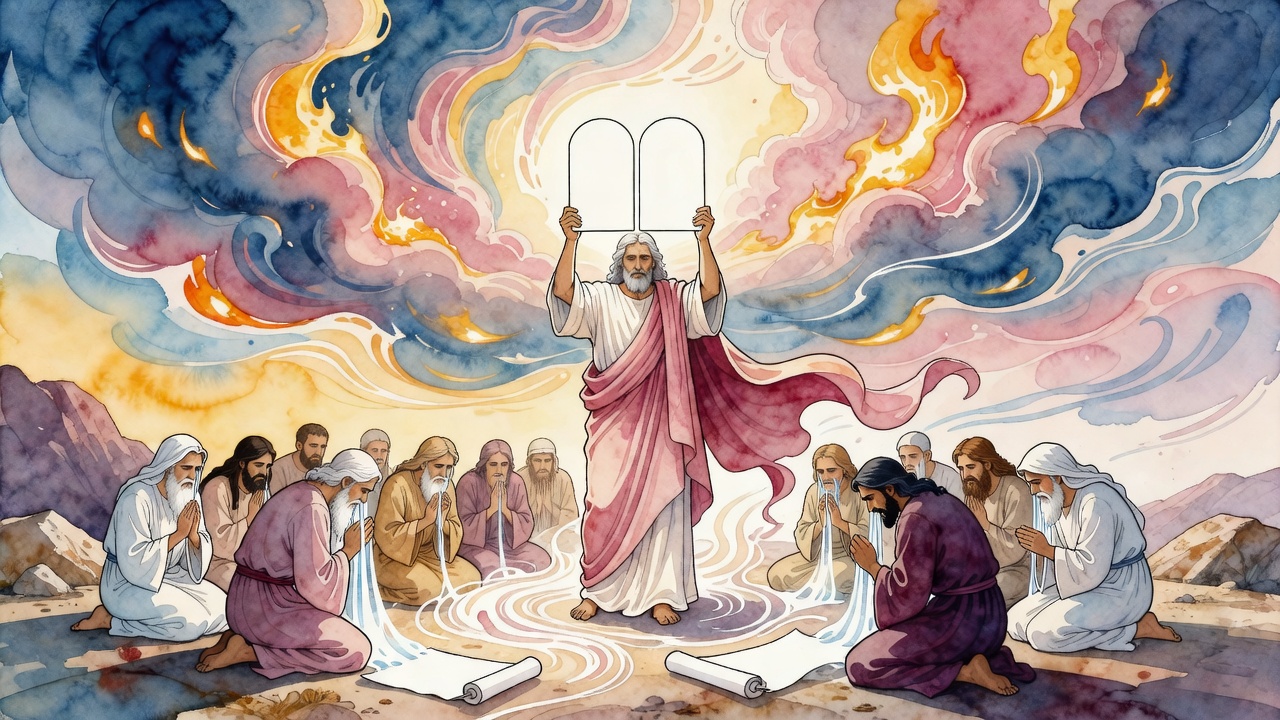
On another mountain Moses asked for something larger than a ruling. He said that on Yom Kippur, the Day of Atonement, he would behold God's glory and make atonement for the iniquities of Israel. He asked it straight. "Show me, I pray thee, thy glory." (Exodus 33:18)
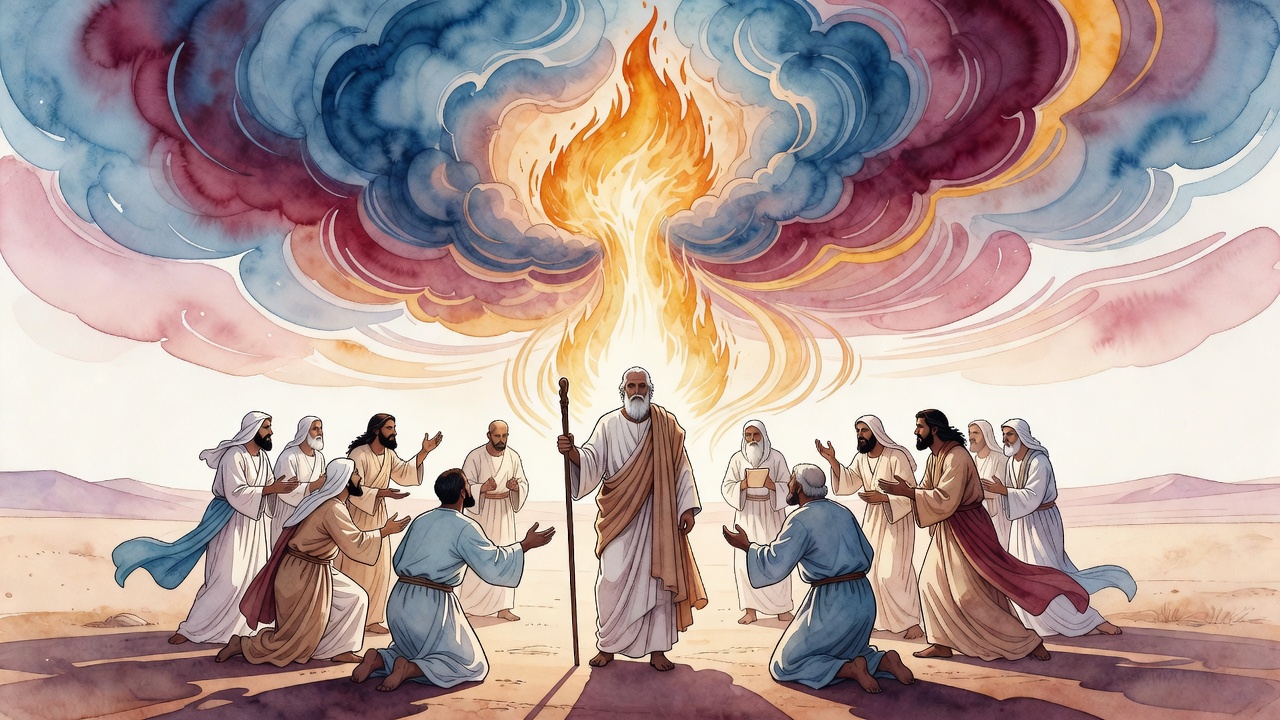
God said he was not able to see it, lest he die. "For men shall not see Me and live." (Exodus 33:20) The vision would unmake him. What followed was not a closed door. God told him to stand at the entrance of the cave. He would make all the angels who move before Him pass before Moses's face. Stand in thy might, and do not fear. When you hear the Name, I am there.
Then God taught him the Thirteen Attributes of Mercy, the litany that begins the Lord, the Lord, a God merciful and gracious, slow to anger, and said, when Israel sins, recite these. The attributes themselves will do the atonement. Moses had asked to see a face. He was given the structure of forgiveness instead. Not the vision. The words that open the door for everyone who comes after.
A Son Who Cannot Face His Father
All through the wilderness the people cried to Moses instead of to God. The fire broke out in the camp, and they ran to him. "How would Moses help them?" someone later asked. Should it not have been a cry to the Lord?
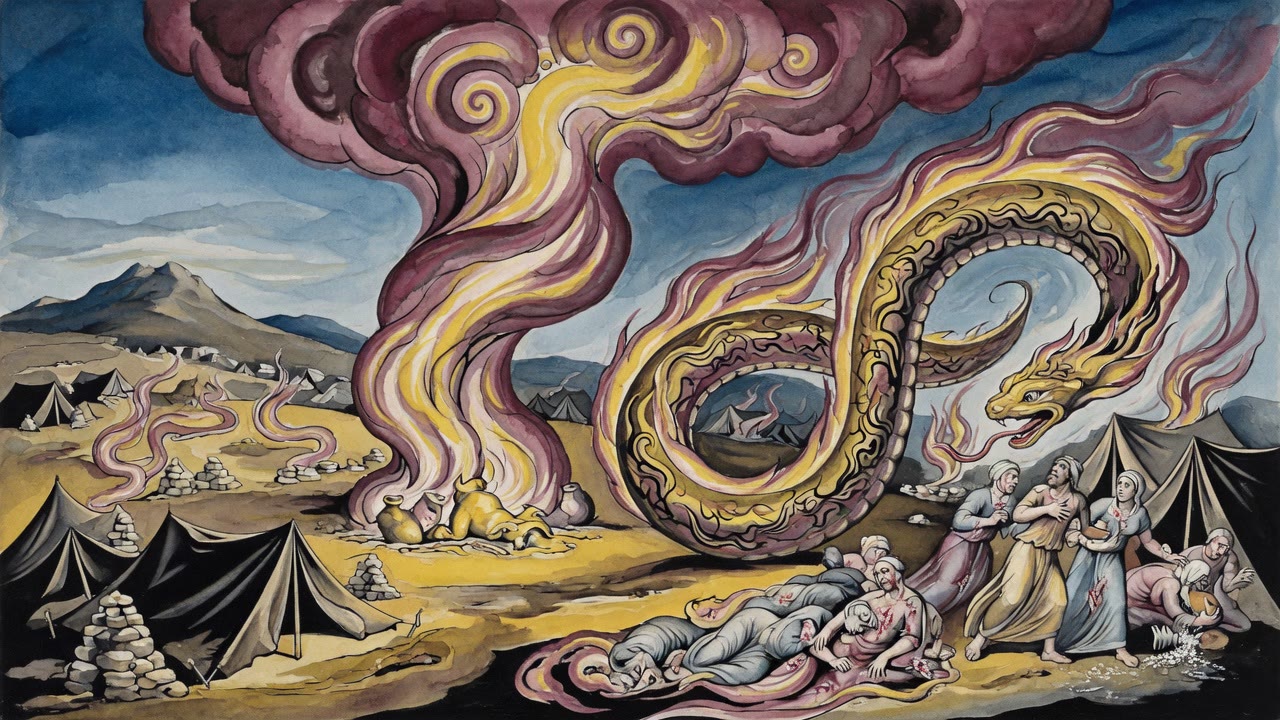
A king was angry with his son. The son went to the king's loved one and said, please intercede for me with father. Israel went to Moses the same way. Please intercede for us with the Lord. Moses did not demur. He prayed. The fire sank in its place. If it had gone back to heaven they would have returned to the wrong. If it had gone to the side it would have razed that whole side. It sank where it was. Moses told them to repent, and the fire stayed put, burning in its hole, a reminder that the friend of the father had spoken and the father had heard.
He stood between a people who kept failing and a God who kept not destroying them, for forty years, with no guarantee the path would hold. They had learned to come to him. He had learned, from a man gathering sticks, to go further up and ask.
Closer Than Other Enemies
Then God commanded him to treat Moab and Ammon, nations descended from Lot, Abraham's nephew, with a stricter hand than any other enemy. Until then Israel had to proclaim peace to a city before fighting it, and they were forbidden to destroy the trees around it. Now they were to proceed to hostility at once, and to cut what lay in their path.
Proximity did not earn favor. It sharpened the account. Lot's connection to Abraham did not soften the judgment on his descendants. Those near the covenant who had tempted Israel to sin were judged harder than Egyptians and Edomites who had come with the sword. A tempter, God said, takes from a person this world and the world beyond.
Moses held both postures in one life. He waited over a wood-gatherer of his own camp because the death had not been named. He received the names of mercy because the face would have killed him. He prayed when the people could not face their Father. And he was told that some nations, close enough to have known better, would get no pause. The Torah calls him the most humble man on earth. Humility, on his mouth, was precision. He knew what he knew. He did not know what he did not know. He went to the right source for each.
← All myths