Saul Asked What Wrong the Amalekite Children Had Done
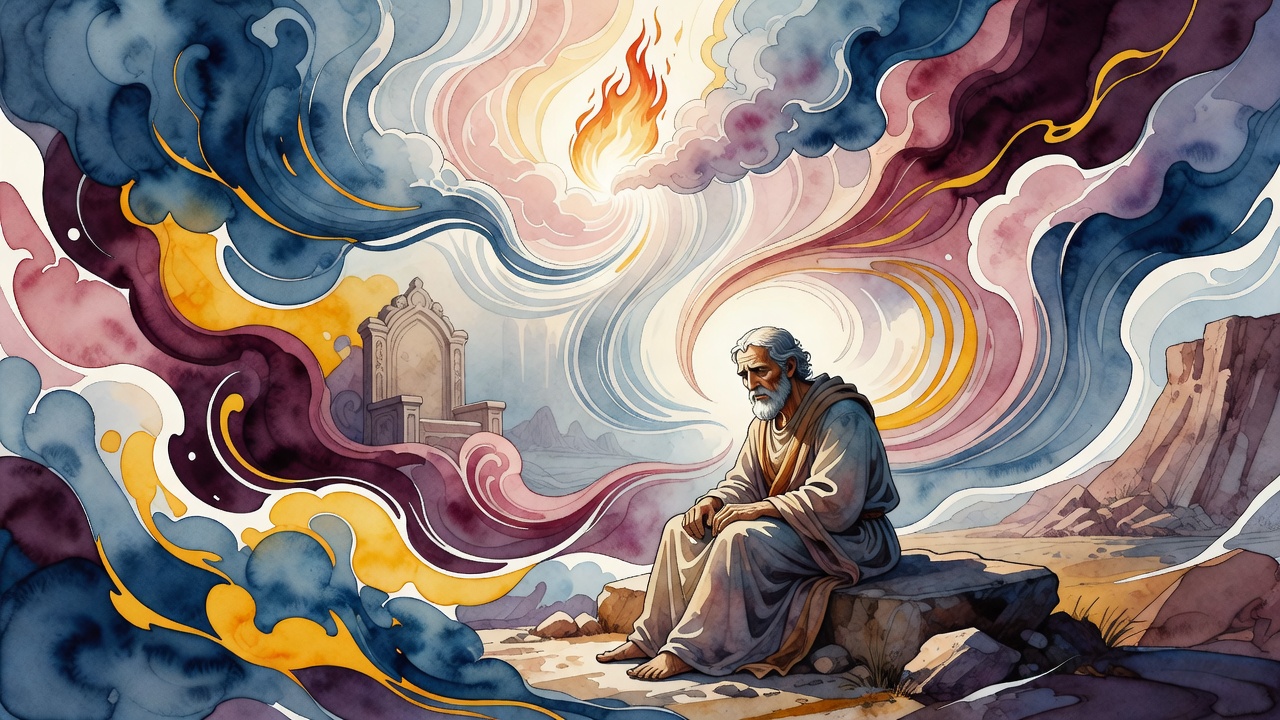
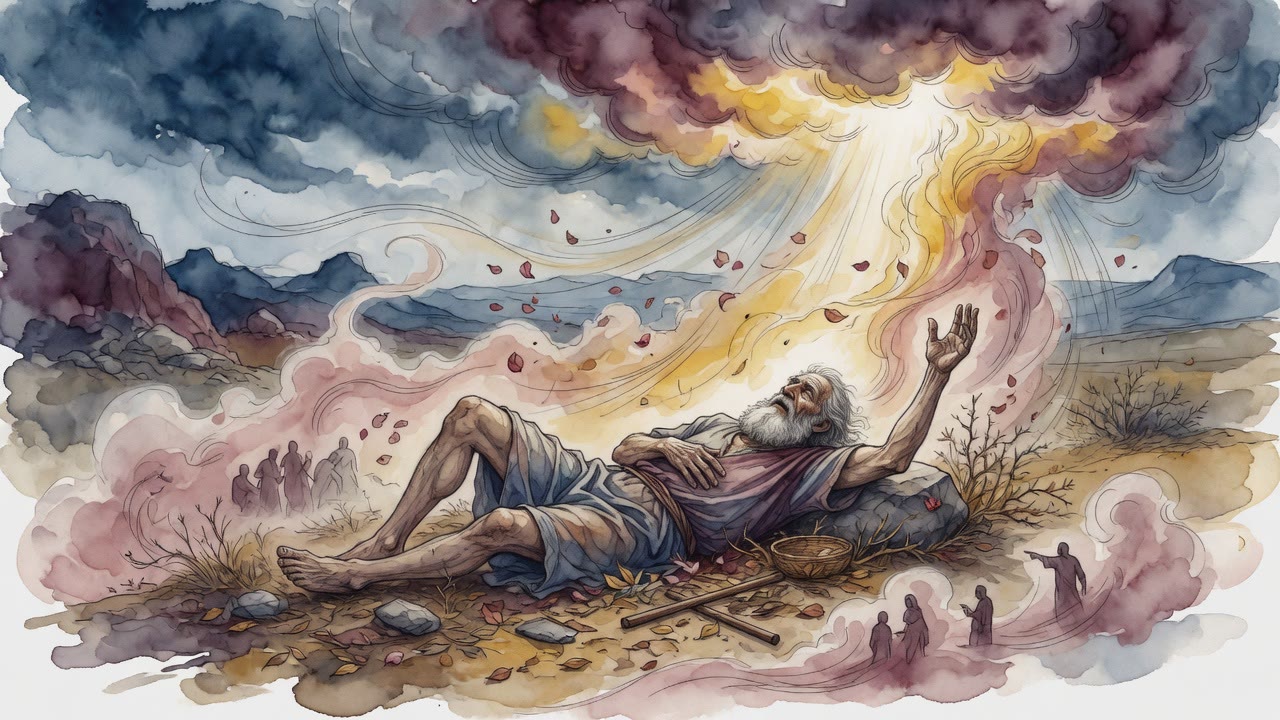
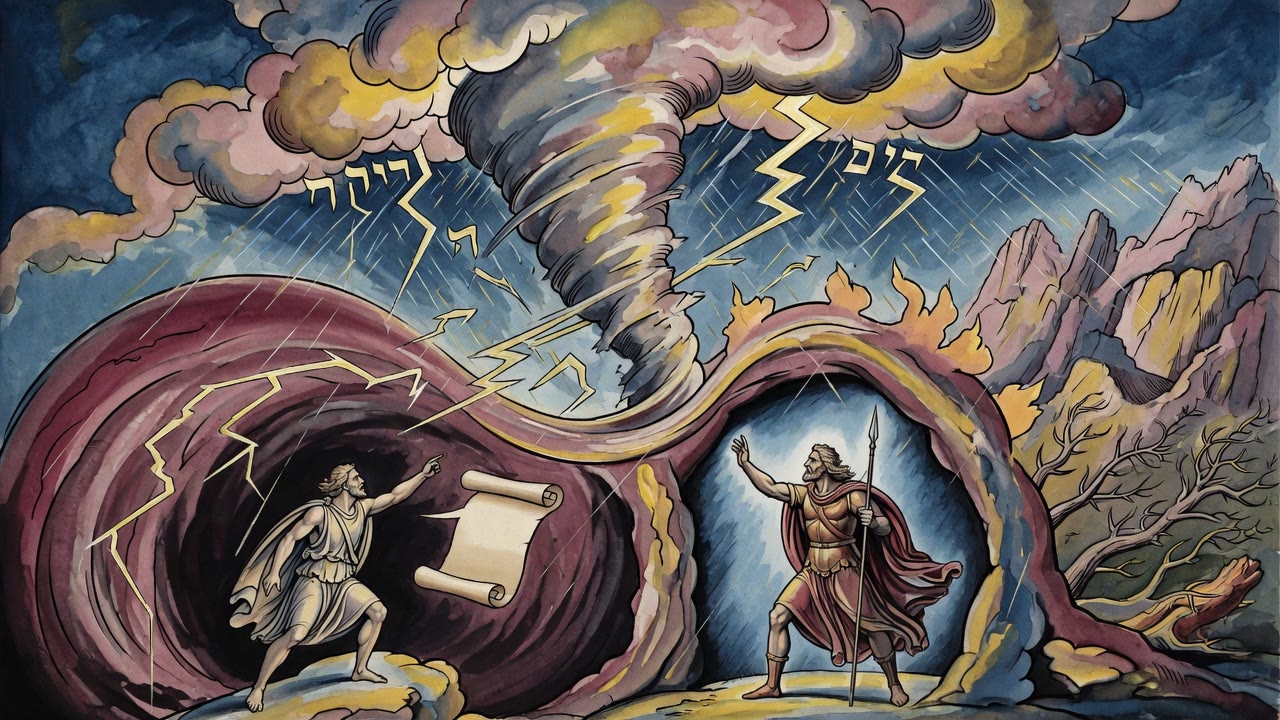
Before attacking Amalek, Saul asked God what wrong the children had done. A voice answered: do not be overjust. He ignored the warning and it destroyed him.
Table of Contents
 Click for full size
The Command and the Question
The command came through Samuel: destroy Amalek entirely. Every man, woman, child, and animal. Leave nothing alive. The tradition behind the command was old, going back to the ambush at Rephidim when Amalek had attacked the weakest Israelites trailing at the back of the column as they came out of Egypt, striking at those who could not defend themselves and had no strength left. The debt had been accumulating for generations. Samuel told Saul that God had sent him to collect it.
Saul prepared the army. Then he asked a question.
The tradition records it precisely: if the Torah demands atonement even for a single life, what atonement is sufficient for the slaughter of this many? And what wrong have their cattle done? What have the children done?
The Voice That Said Do Not Be Overjust
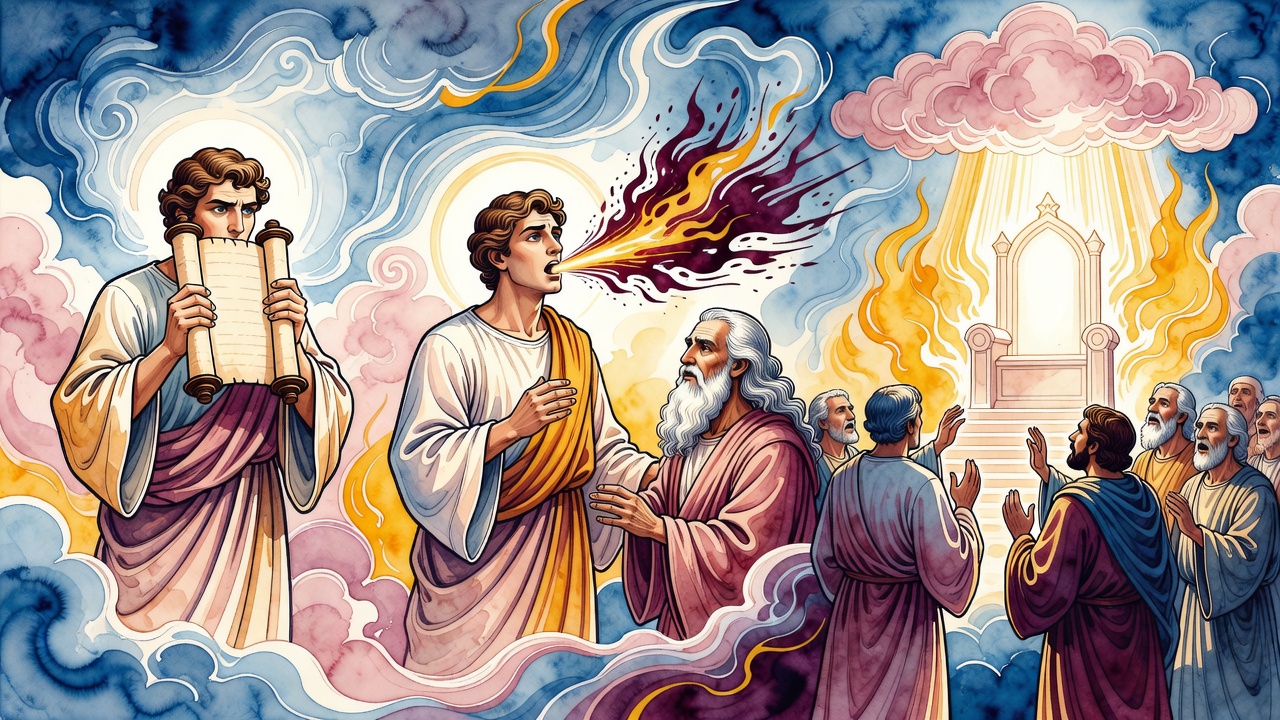
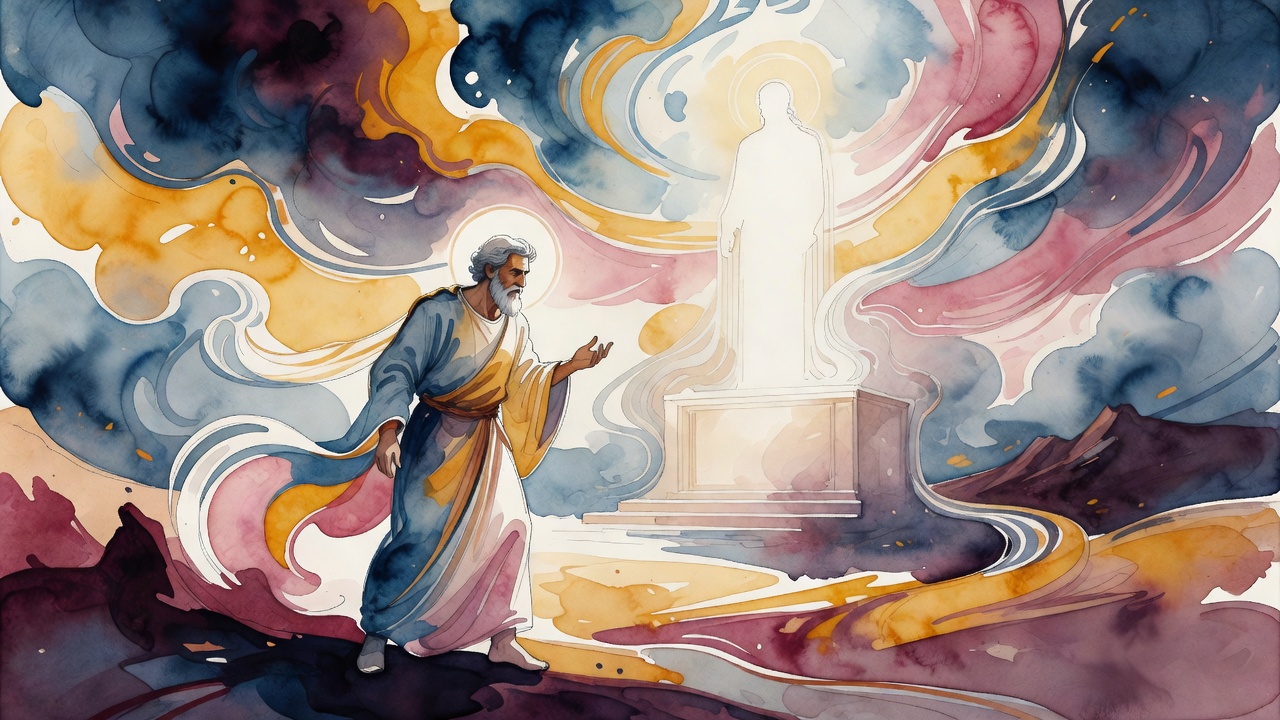
A heavenly voice responded. Three words: be not overjust. Not a refutation of Saul's reasoning. Not a defense of the command's morality. A caution against a specific category of error: the excess of righteousness applied in the wrong direction at the wrong moment.
The tradition understood this warning as a precise diagnosis. Saul's mercy was real. The question about the children was sincere. But sincerity and righteousness pointed in a particular direction are not the same thing as wisdom. A man who cannot execute an enemy because he is thinking about the enemy's children is not simply compassionate. He is also allowing his moral instinct to override a command issued through a channel he had accepted as authoritative.
The tradition noted, without pleasure, what this kind of misapplied mercy tends to produce: the person who cannot be cruel to an enemy often ends up being cruel to an ally. Saul, who could not bring himself to kill Amalekite children, had no difficulty later turning against the priests of Nob.
What Saul Actually Did
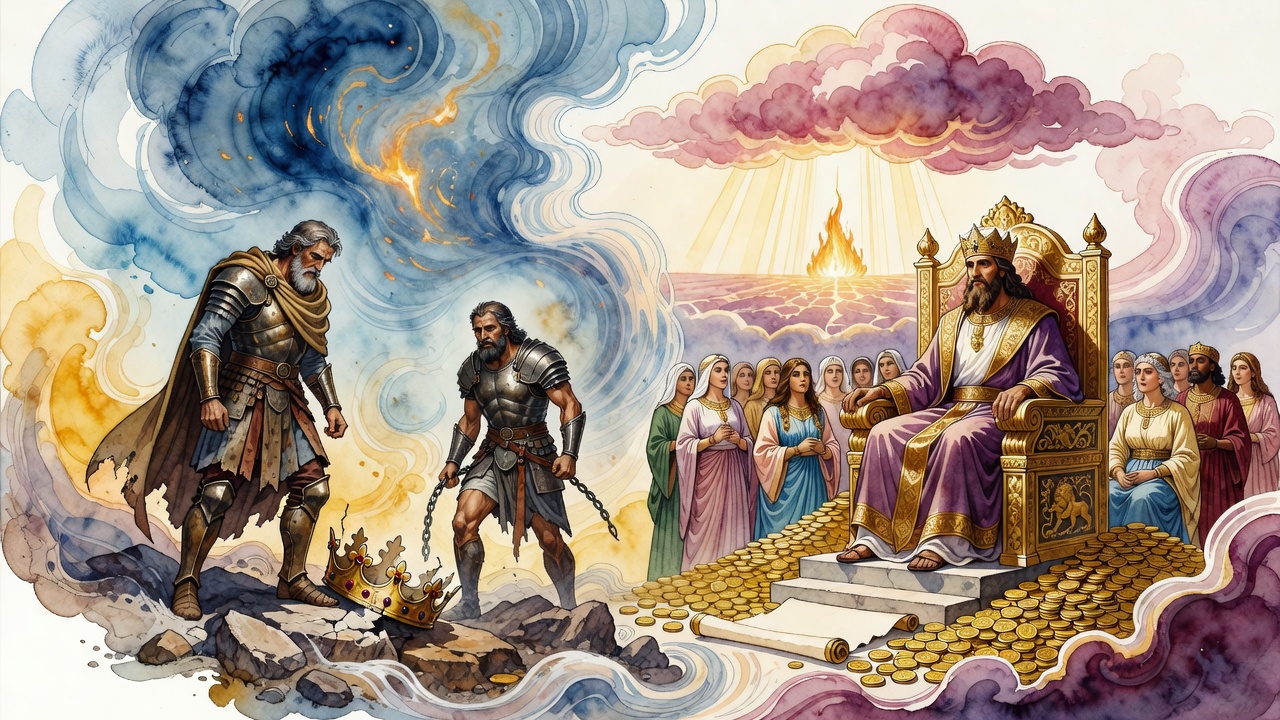
He attacked Amalek. He defeated them. He killed the people, men and women and children, through the campaign. But he kept Agag, the king, alive. And he kept the best animals, the fat cattle and the choice sheep, alive. The official explanation offered to Samuel afterward was that the people had wanted to bring the animals as offerings to God at Gilgal, and that Agag was too valuable a prisoner to simply kill.
Samuel asked him: why do I hear the sound of sheep and cattle? Saul said: the people brought them. Samuel cut through the evasion: when you were small in your own eyes, you were made the head of the tribes of Israel. Now you have rejected the word of God.
That day, the kingship began to leave Saul.
The Asymmetry of Mercy
The tradition's commentary on Saul's failure is not that he was a bad man. The tradition is clear that he was not. He was a good man who applied his goodness in a way that violated the structure of the command he had been given, and then constructed a justification that had just enough truth in it to be convincing to himself. The animals were for offerings. That was probably true of some of them. The justification was probably half-genuine even as it was entirely inadequate.
What the tradition found instructive about Saul's case was precisely that he was good. The danger was not that Saul was evil. It was something more difficult: he let the excess of one virtue crowd out the obedience that the moment required. A king of Israel was not simply a man of good instincts. He was a man whose instincts had to operate within a structure of covenantal obligation that his personal moral reasoning could not override.
← All myths