228 myths · Page 3 of 8
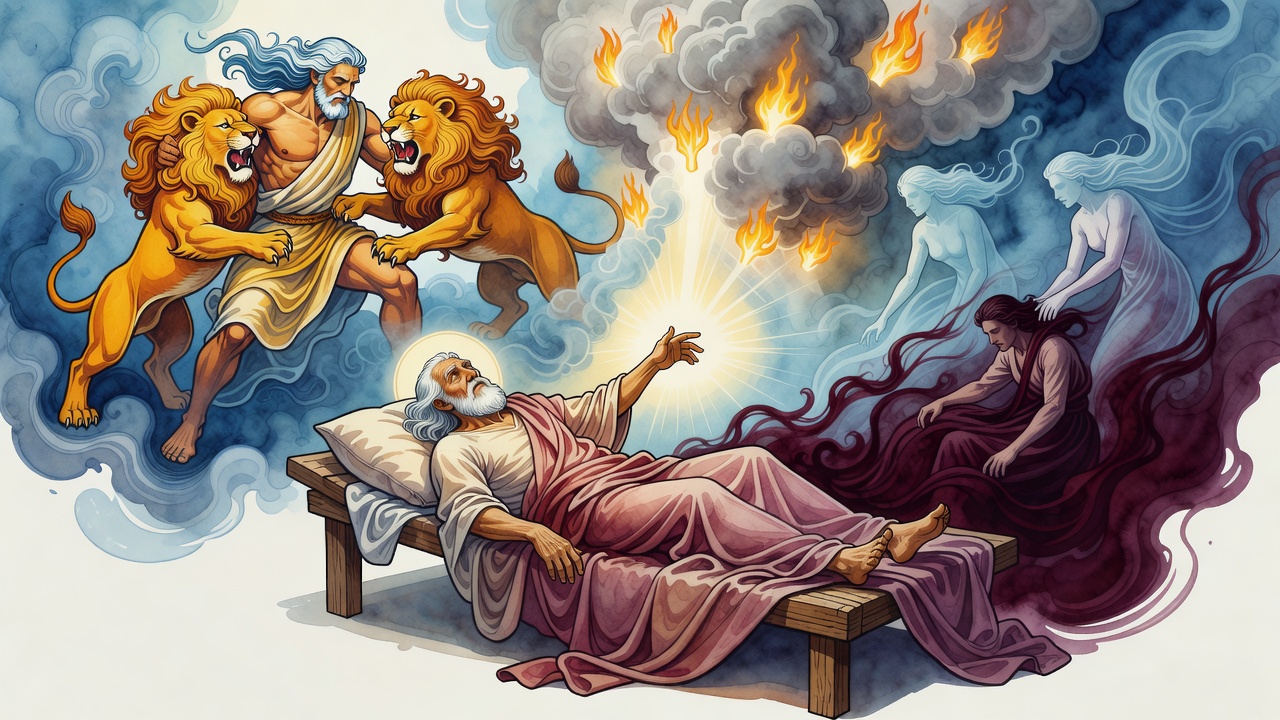
Judah killed lions bare-handed. Wine and beauty brought him low twice. On his deathbed he named both failures so his children could see the terrain.
After Joshua died, Israel needed a leader. God's method was a purity test followed by lots, and the man selected was almost nobody's first guess.

Israel fasted seven days before heaven moved, and heaven did not move for their sake. Deborah won the war. Then the gift went out of her mid-verse.
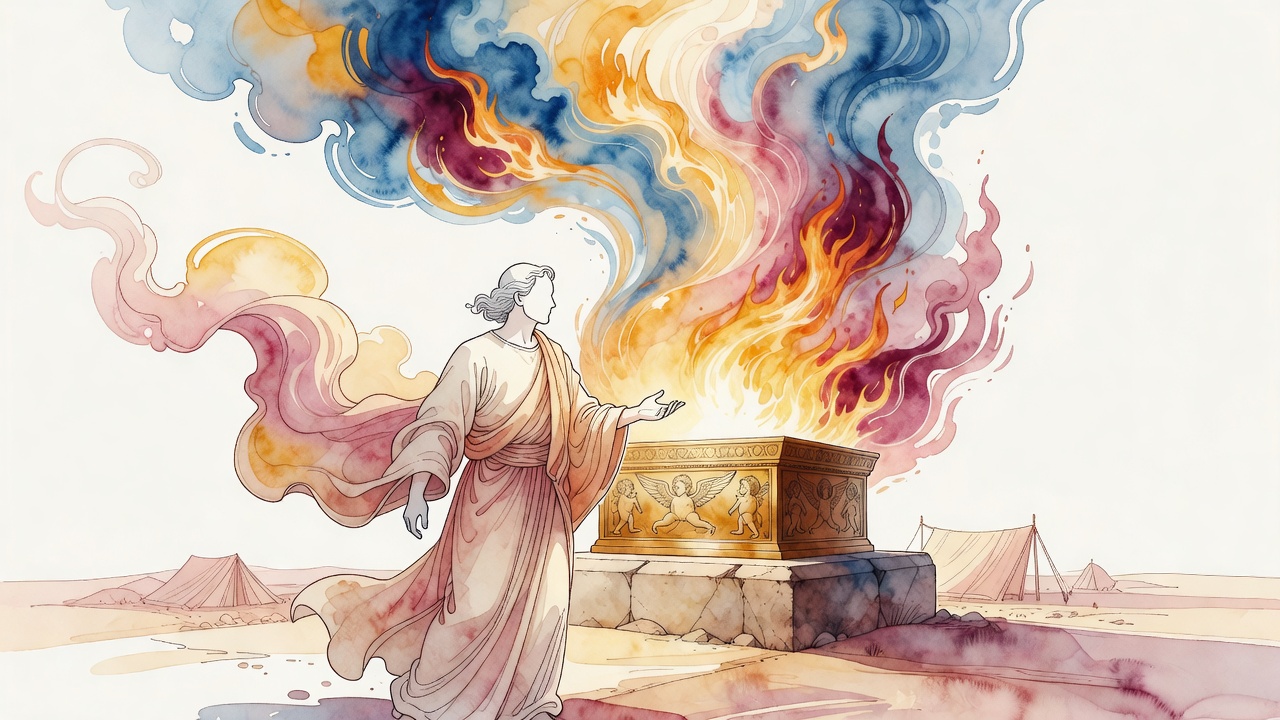
The oracle had said go forward. Two campaigns later the dead were stacked, and Phinehas stood at the Ark and asked why God had sent them.
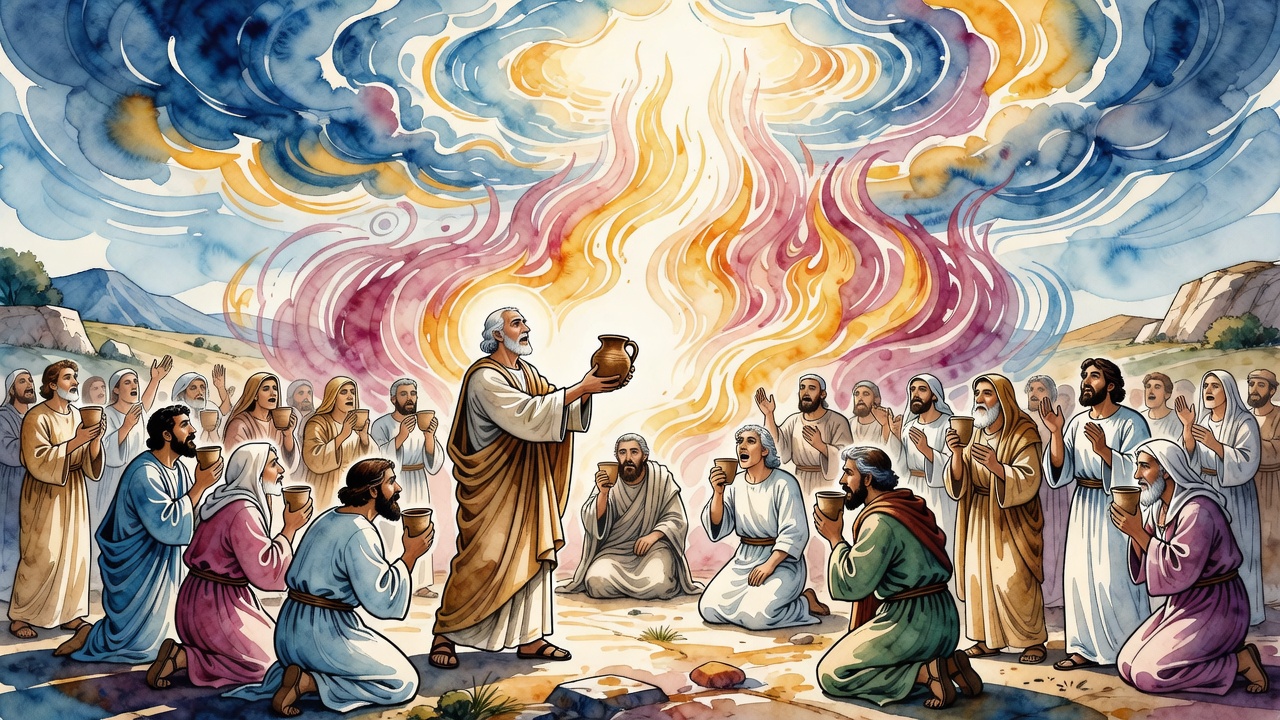
At Mizpah, Samuel gave Israel special water to drink. Those who had worshipped idols could not speak afterward. Most confessed before they lifted the cup.
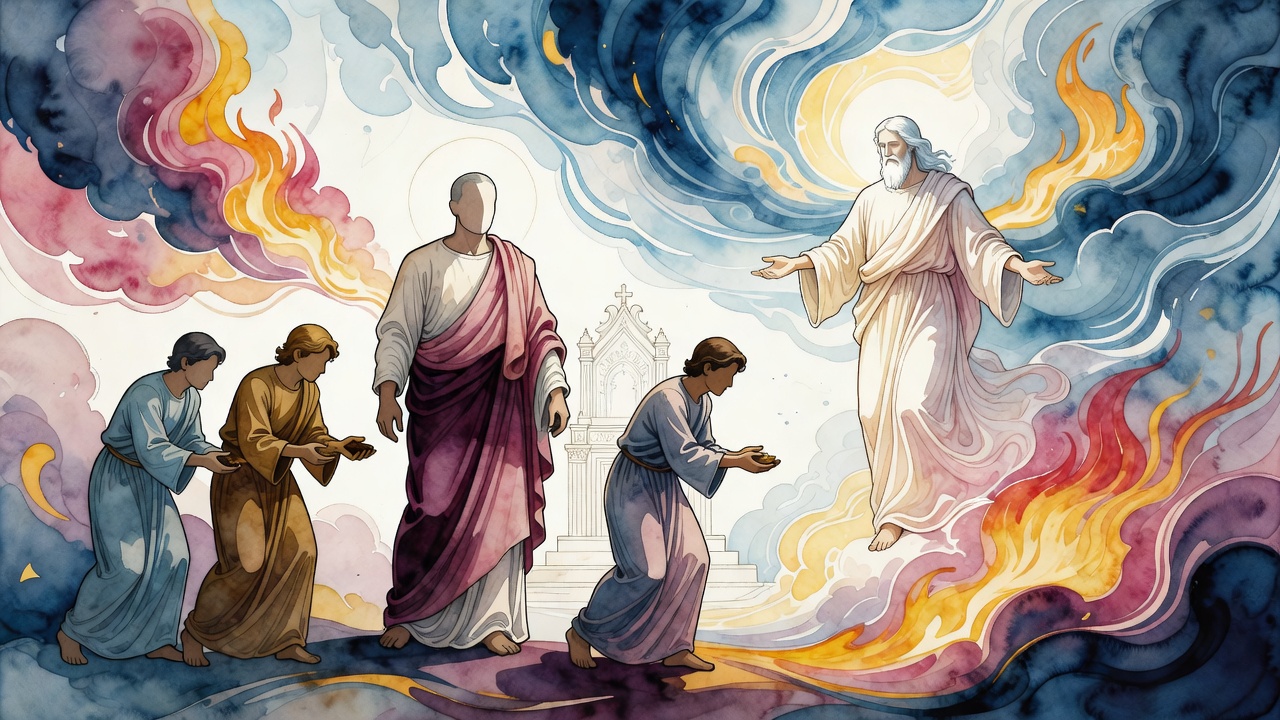
Samuel stood before Israel and dared them to name one gift he had taken. Nobody could. His sons sat at Beersheba and collected before they heard a case.
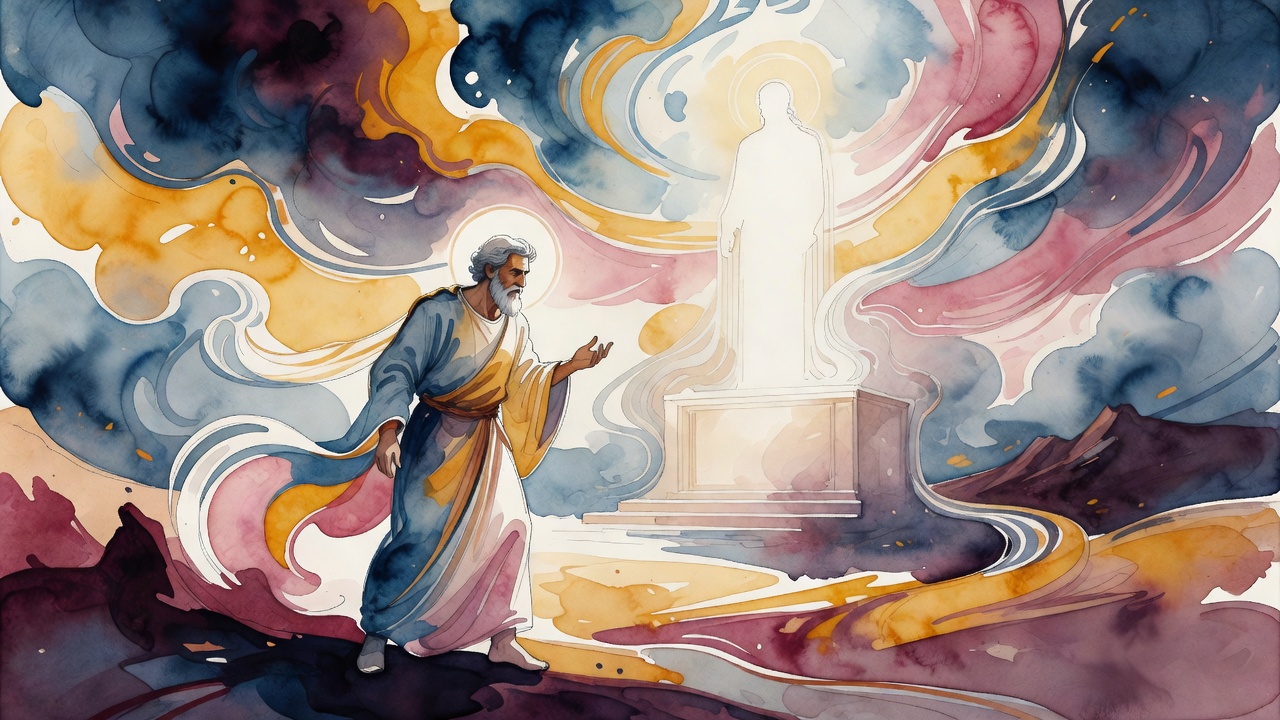
Before attacking Amalek, Saul asked God what wrong the children had done. A voice answered: do not be overjust. He ignored the warning and it destroyed him.
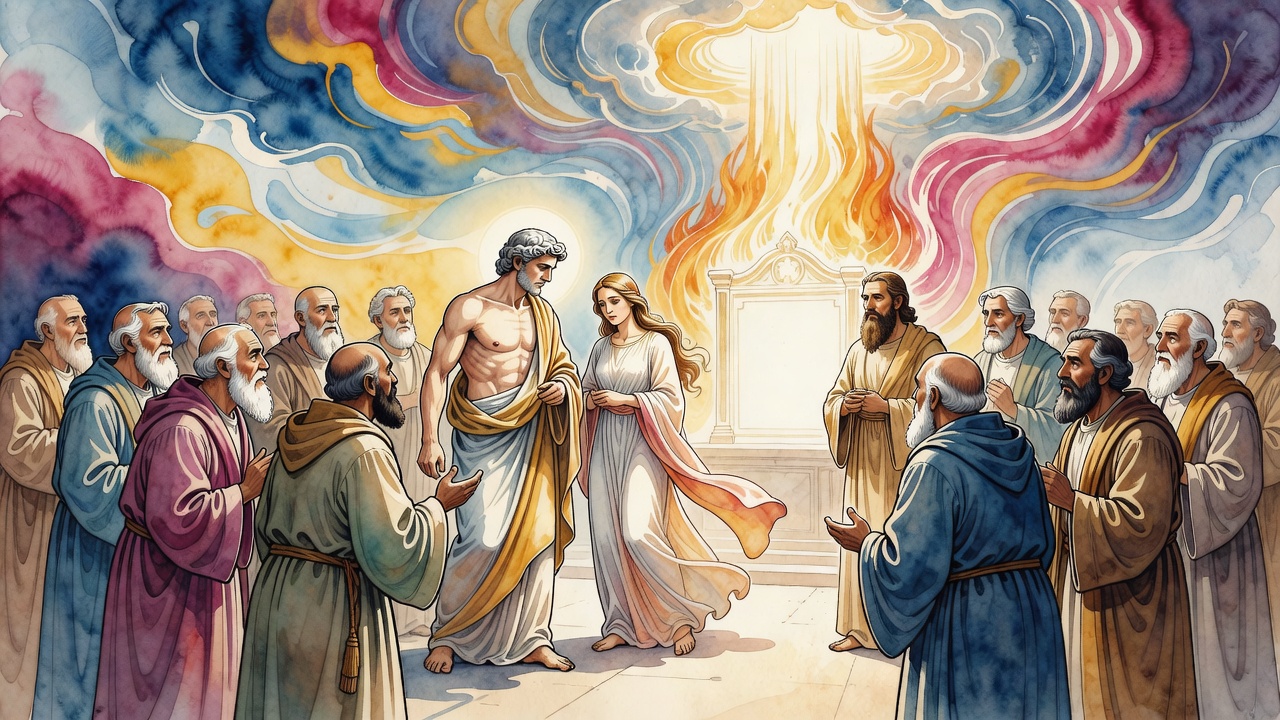
David's sin with Bathsheba was real. The rabbis did not look away. But they also asked why God would allow the most righteous king to fall this far.
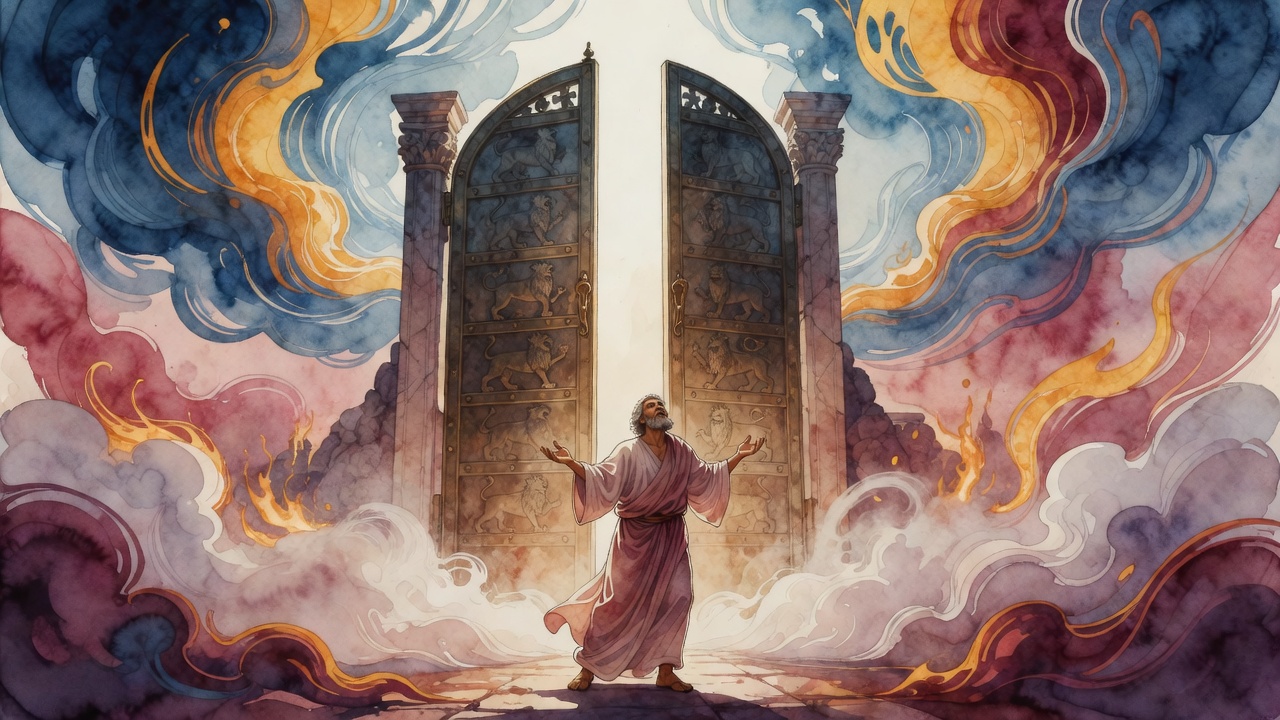
The Temple was complete, the Ark was ready, and the gates refused to open. Solomon prayed until he understood whose name had to be spoken.
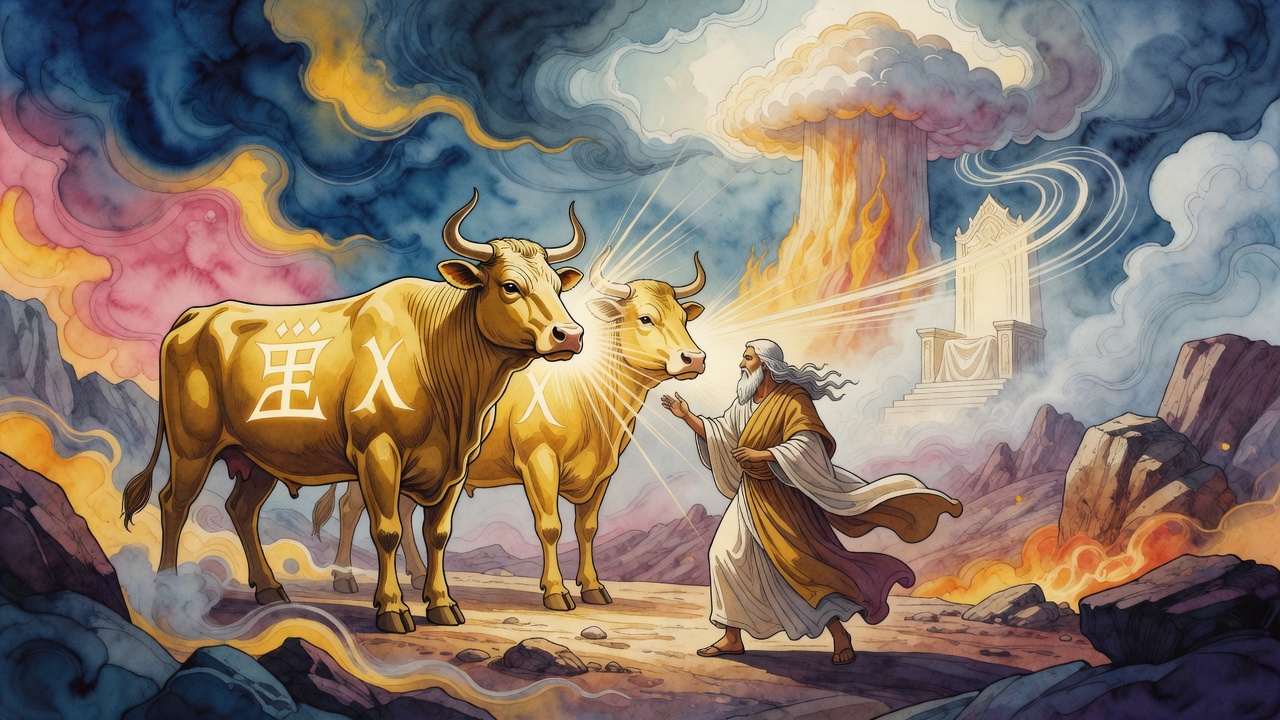
Elisha's most gifted disciple inscribed the Divine Name on golden calves and made them utter the words of Sinai. Nothing after that could be undone.
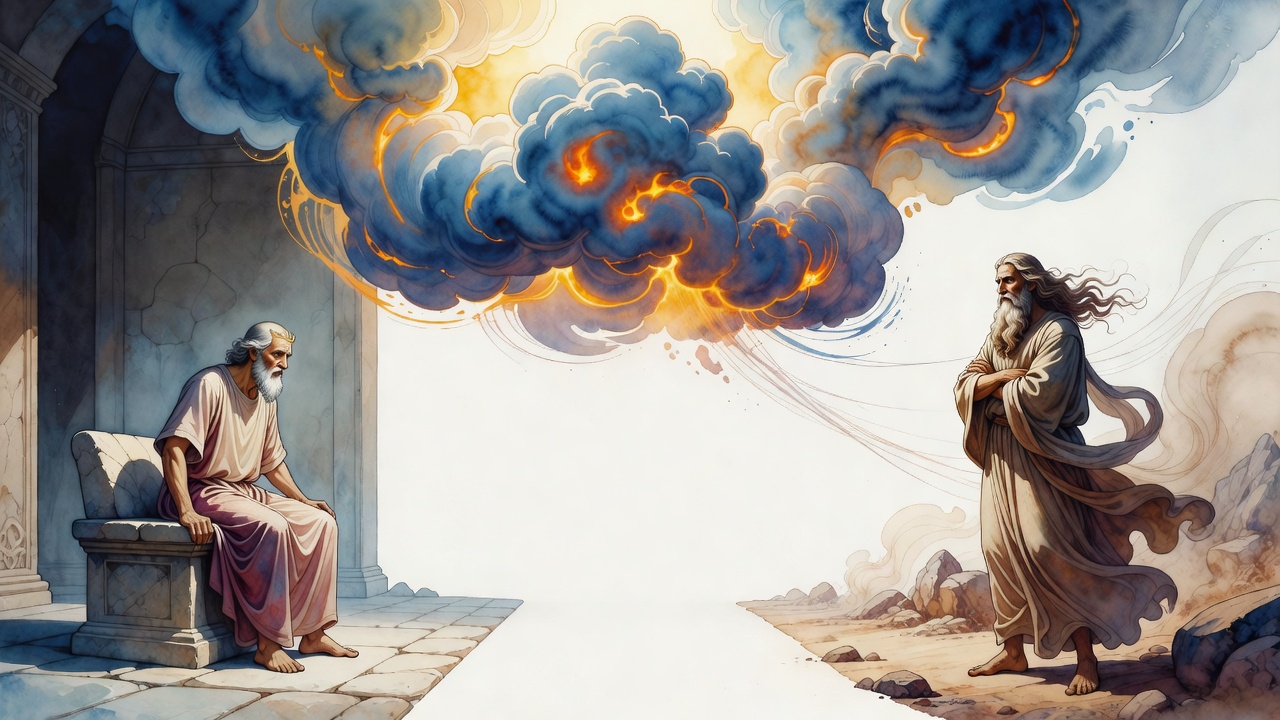
Hezekiah had stripped gold from the Temple for Assyria. Now his own skin peeled, and still Isaiah would not walk to the bed.
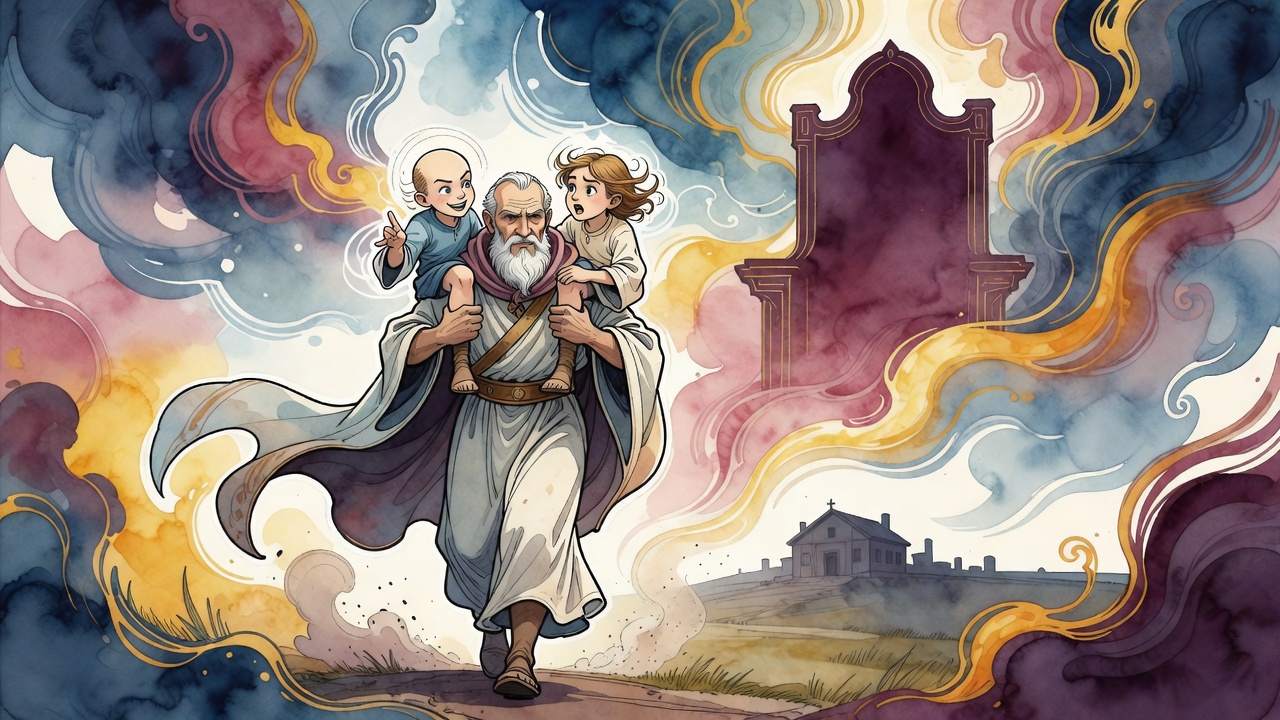
Isaiah pushed him into the marriage. The king already knew what his sons would be, and he found out how right he was on a walk to the house of study.
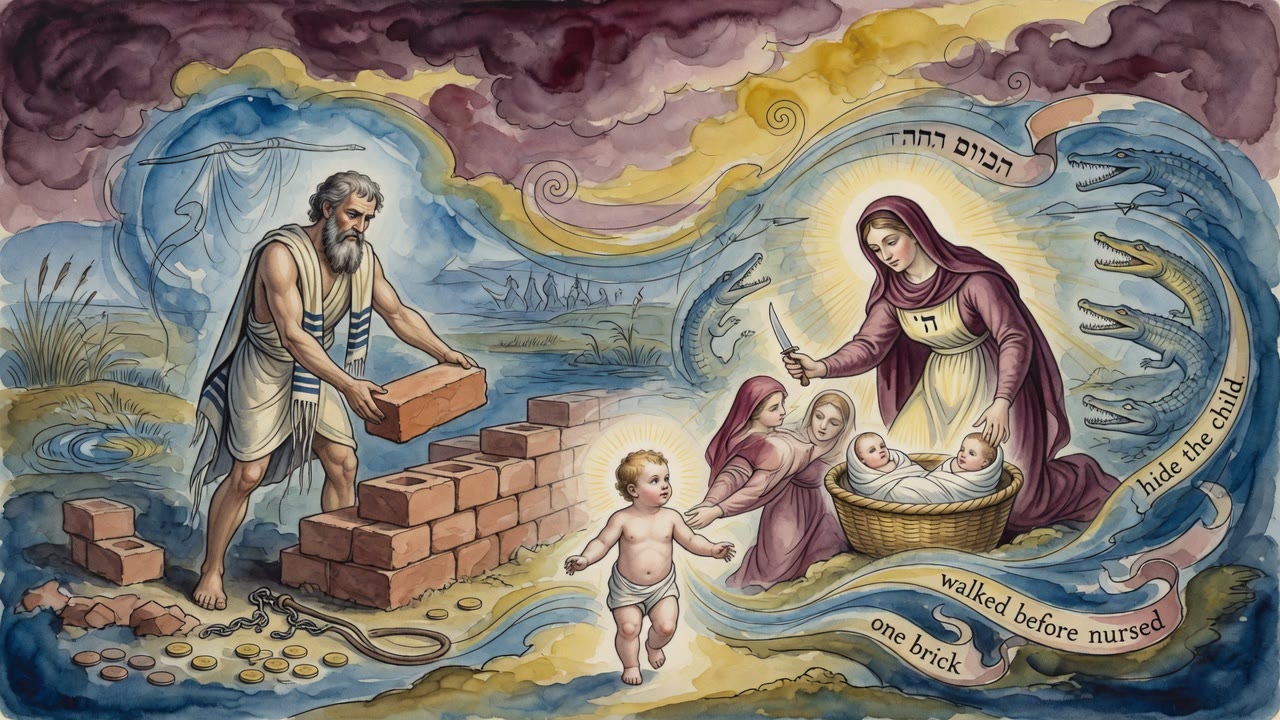
King Amon hunted down every Torah scroll in Judah and burned them. One scroll survived in the Temple wall. His son Josiah wept when he read it.
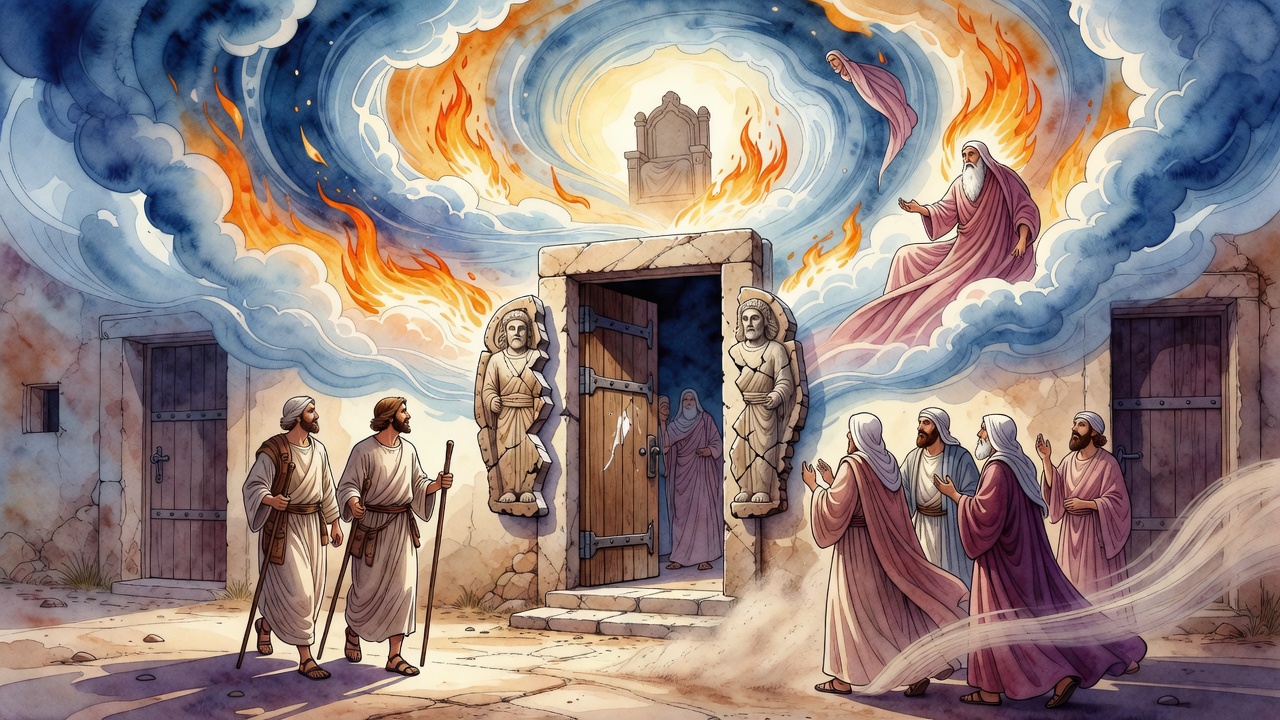
The inspectors opened every door in Judah and found no idol. Behind them the doors shut, and two halves met in the dark.
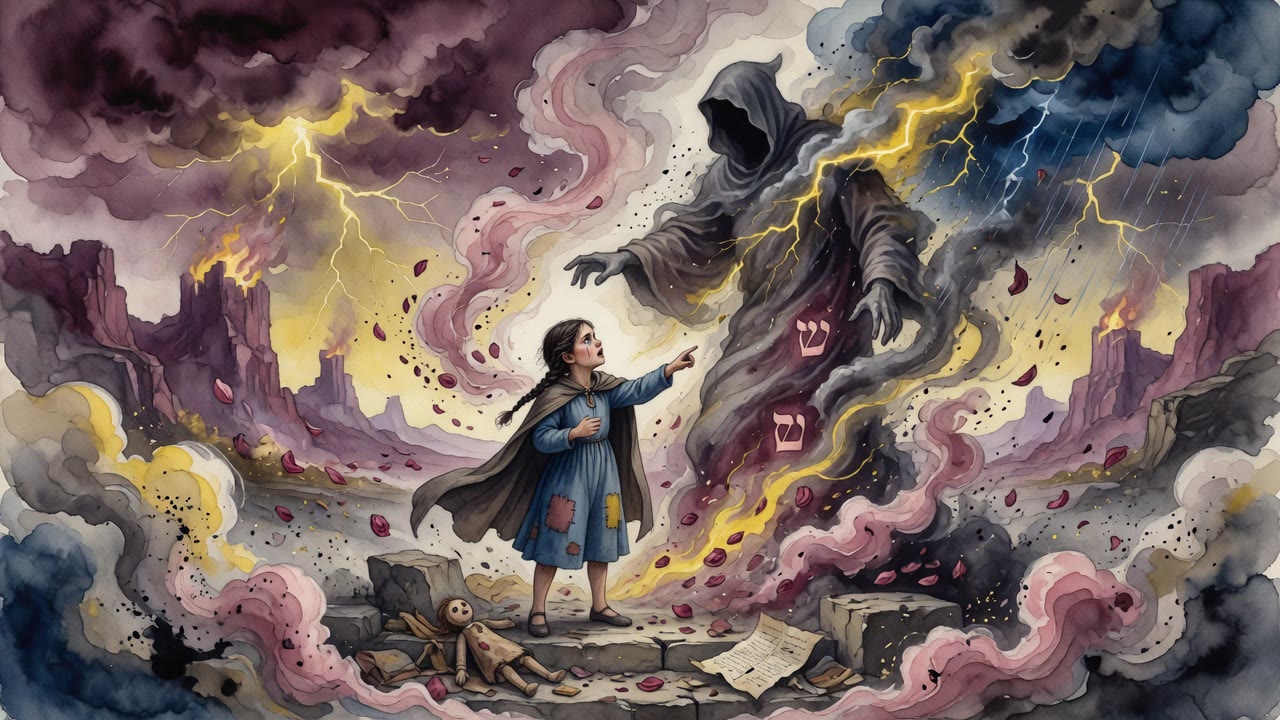
Nineveh was eating the northern kingdom city by city. Jonah paid for a berth toward Tarshish. A fish was already waiting in the sea.
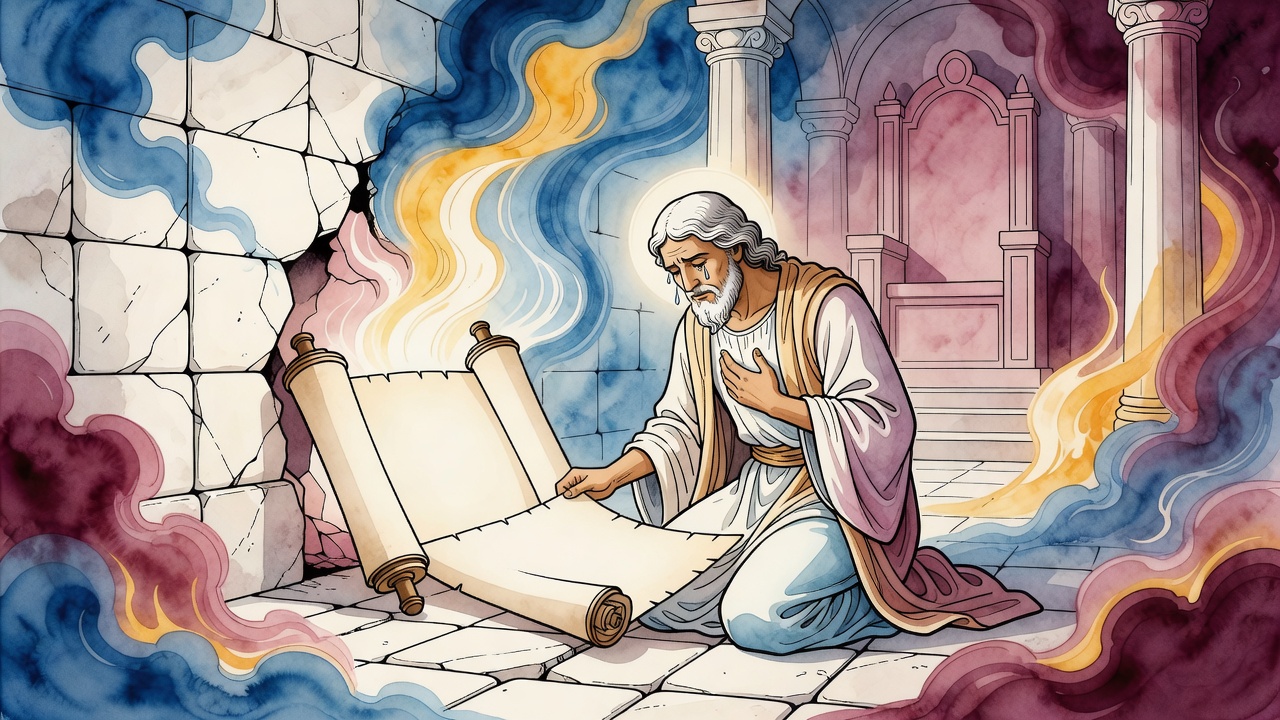
The Torah of Moses had been lost in the Temple so long no one searched for it. When it turned up in the walls, the king who heard it wept.
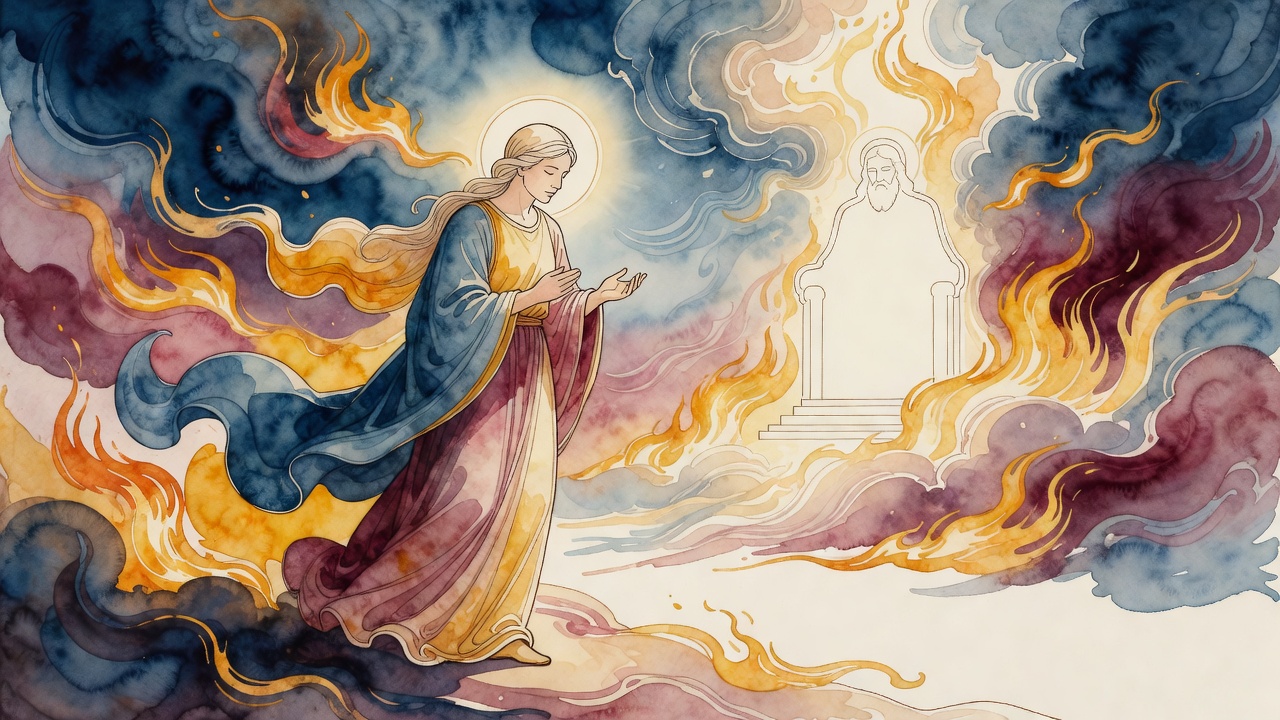
She was ten years old when the sea split and fifty when she asked to be let in. In between she ran a house on the wall of Jericho.
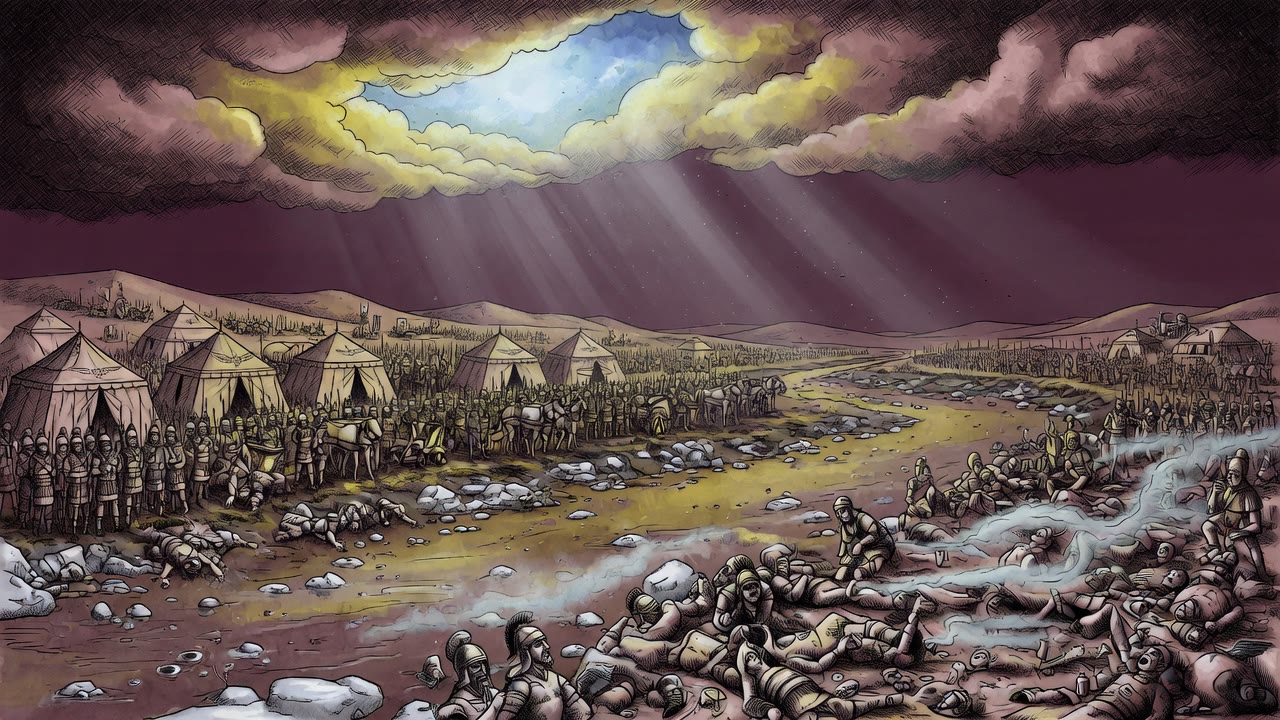
She kissed the pillars and called from the hill for three years. Nobody climbed up. The innkeeper would not open after dark.
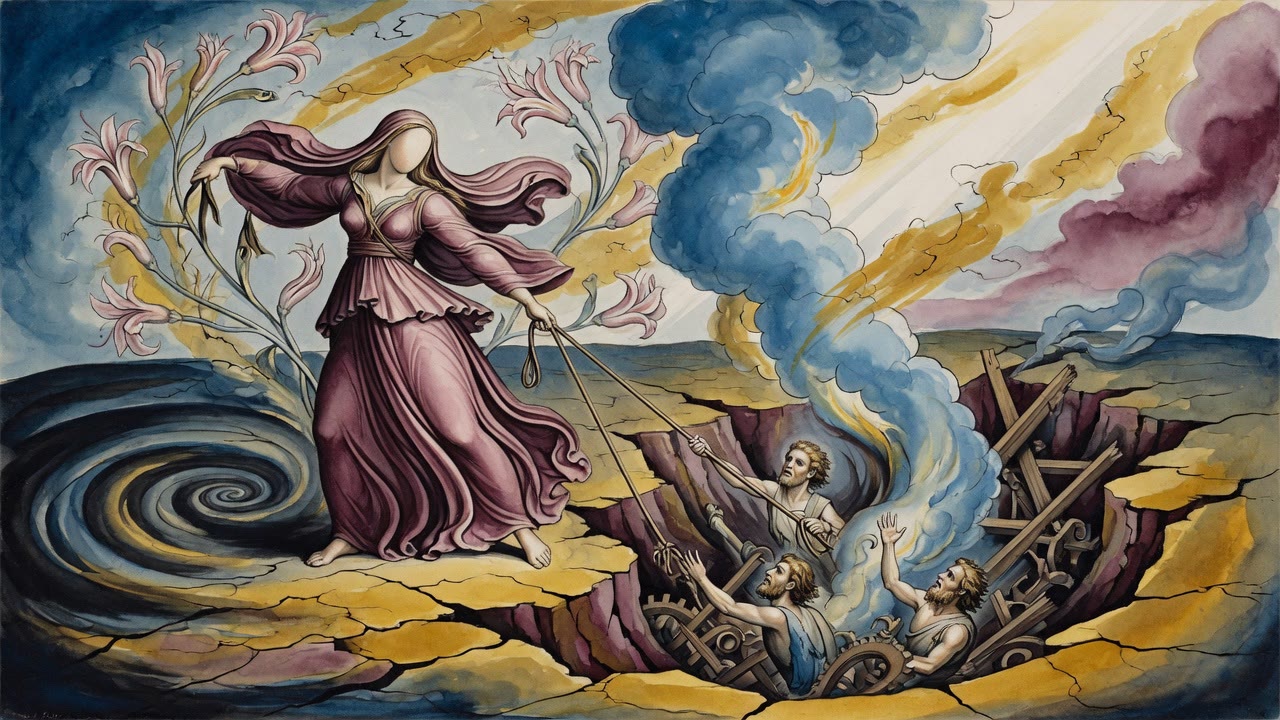
The earth opened under Korah. His three sons sat on a pillar in the fire and sang. A noblewoman in Rome would not let three men die.
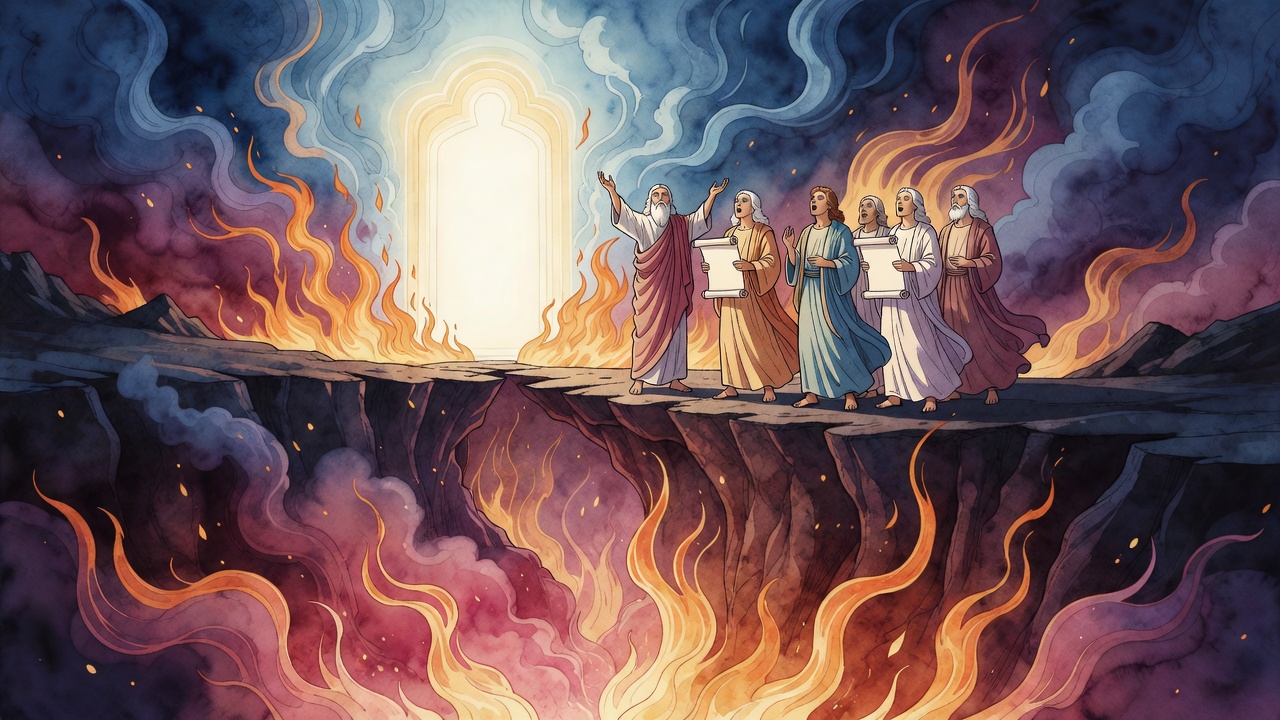
The earth opened beneath their father and they were left suspended on a ledge inside Gehinnom (afterlife of judgment), and from there they composed the psalms.
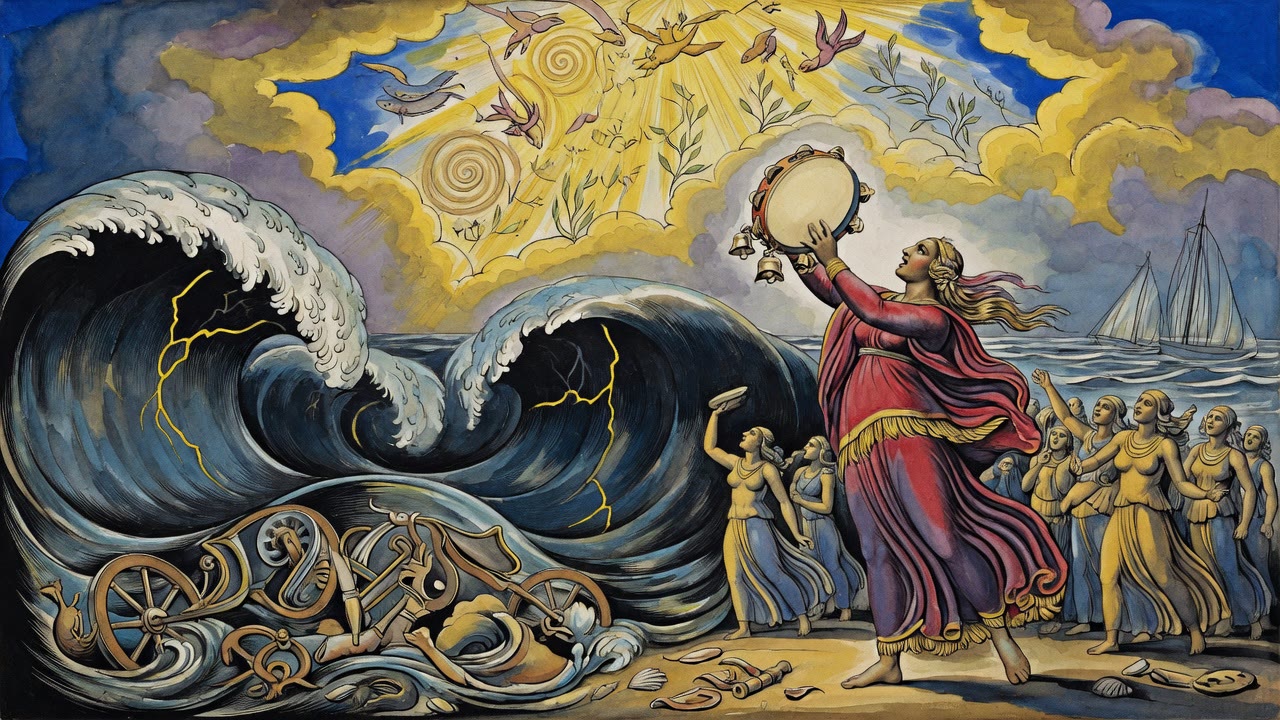
The earth opened under Korah while the censer was still in his hand. His three sons could not speak. A pillar rose under them in the fire.
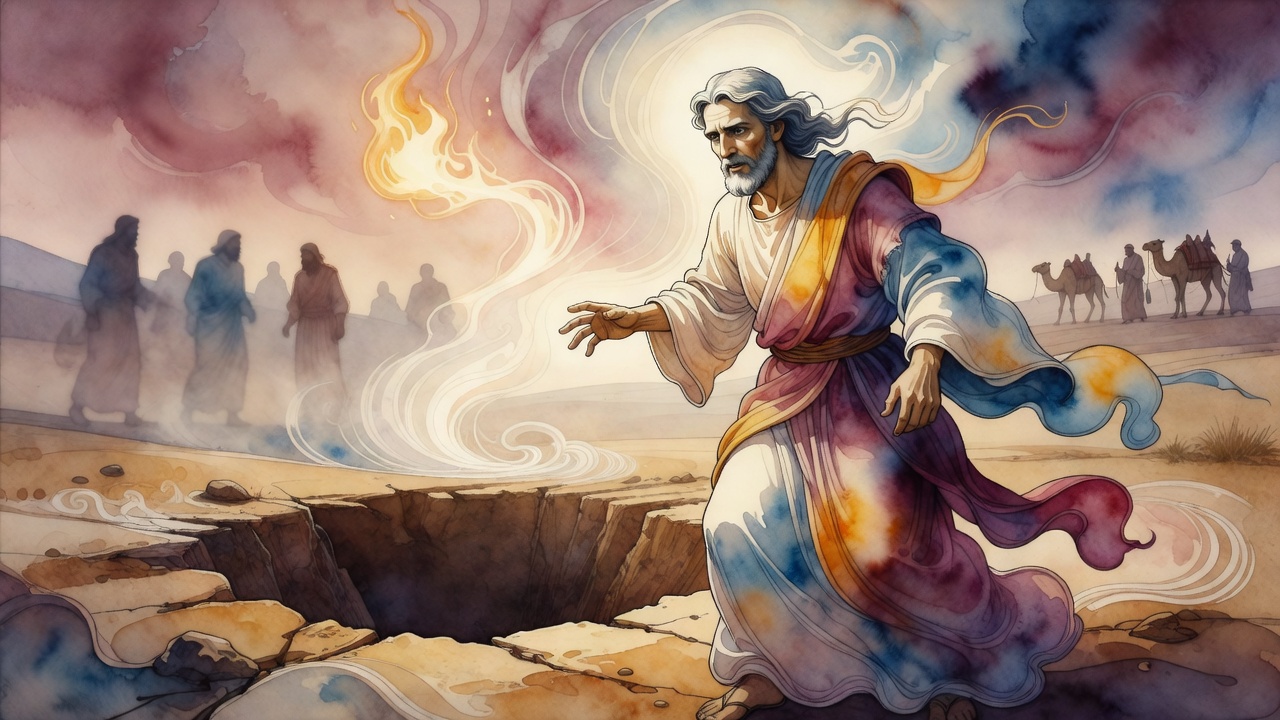
Reuben planned to rescue Joseph from the pit. He left before the caravan arrived and came back to find the boy gone.
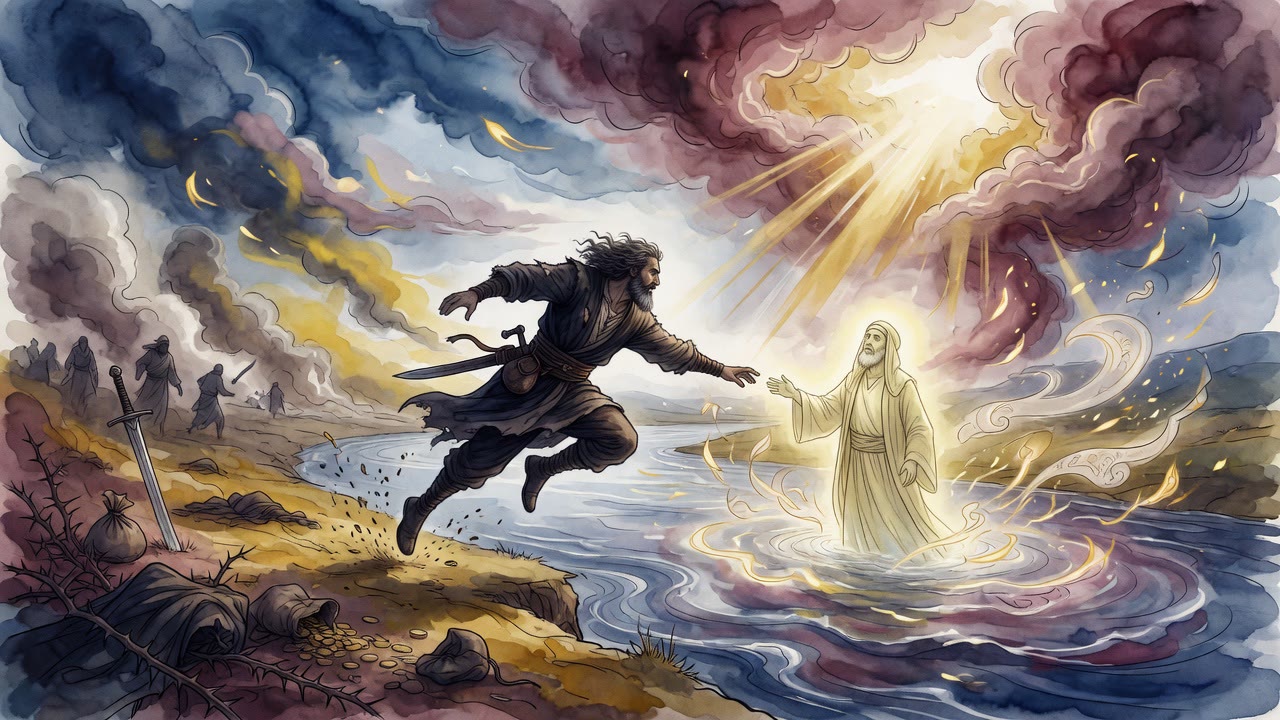
Yohanan was in the water when the bandit came after him. He offered his sister if the man would study. The weapons stayed on the bank.
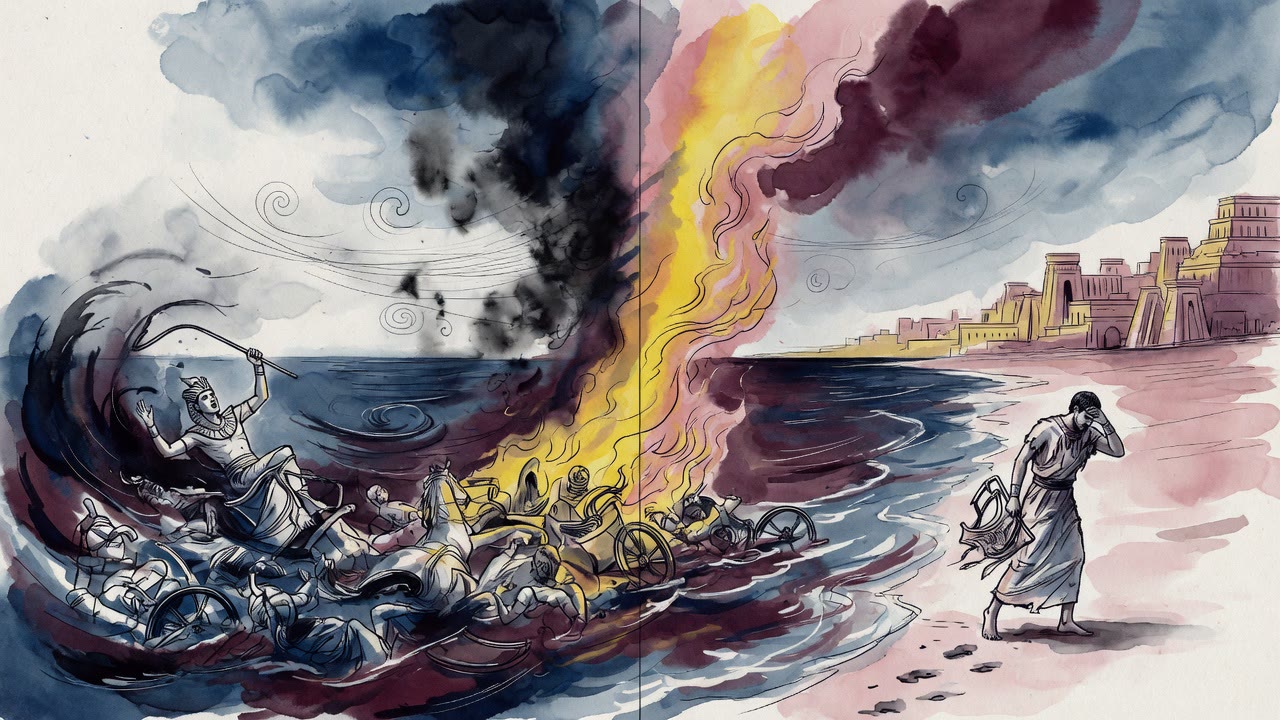
The rabbis could not agree whether Pharaoh drowned at the Red Sea or walked out to rule Nineveh as a witness to God's power.
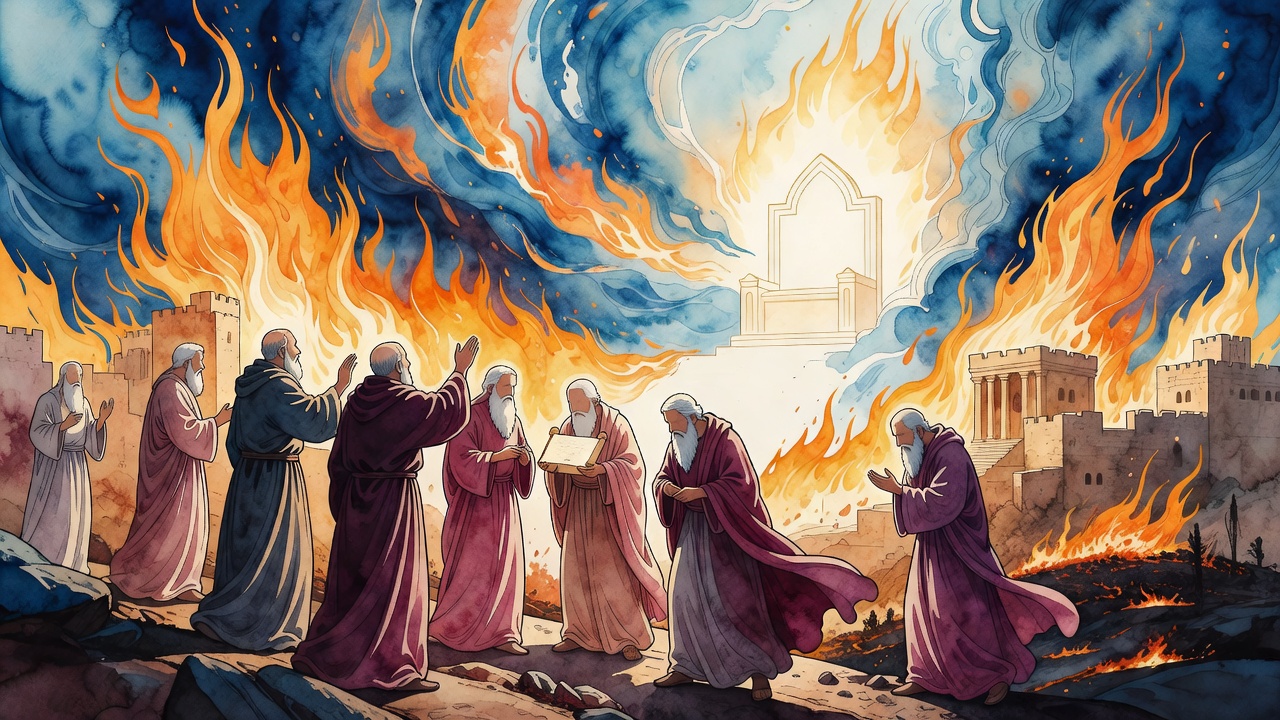
The soldiers of Babylon walked through the Temple as if they had won. In Judah they were still burying their children.
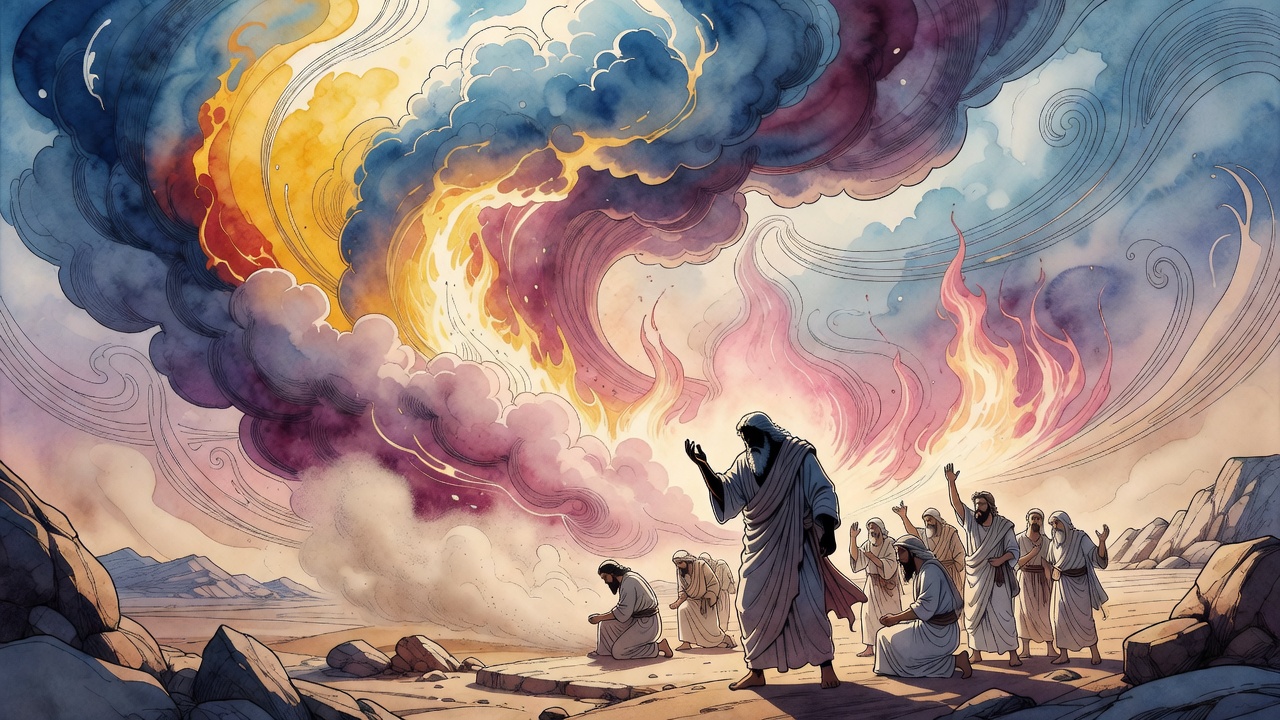
The Torah says Moses trespassed against God at Meribah. The rabbis read the Hebrew causative and found a heavier charge: he caused others to trespass.
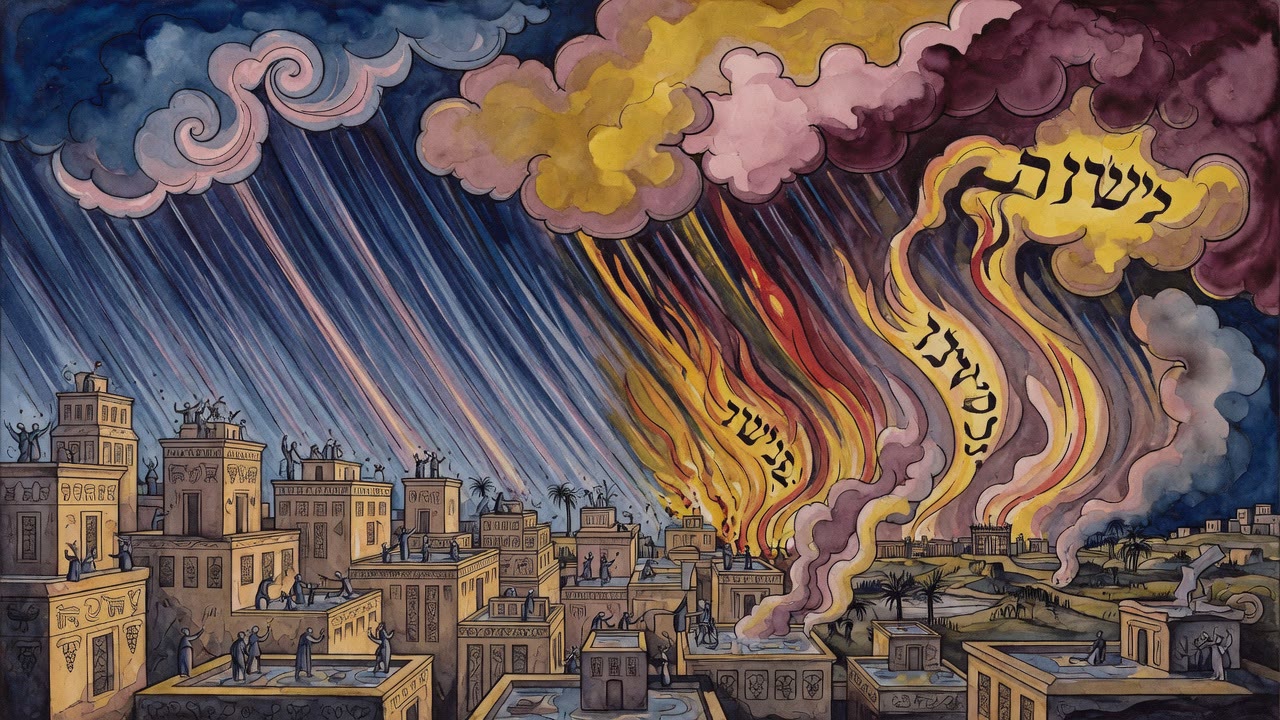
Lot set unleavened cakes in front of two travelers and it only seemed to him that they ate. Before the night ended the whole city was at his door.
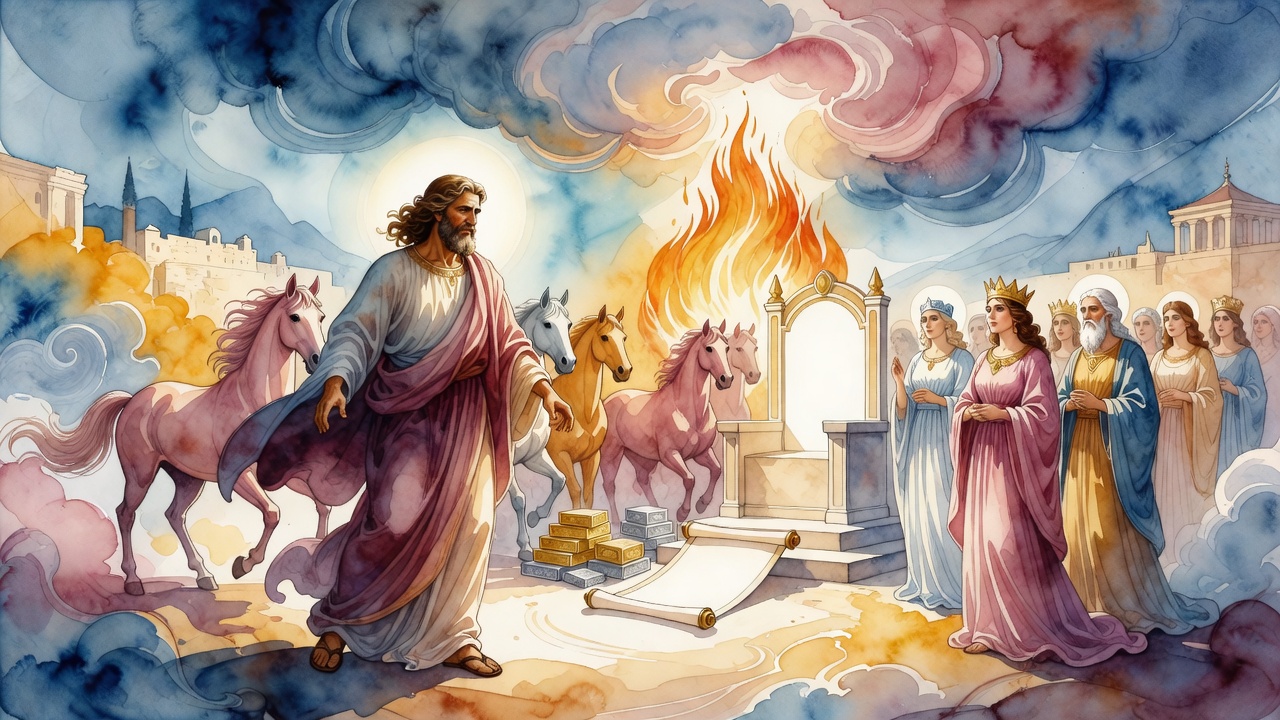
The Torah gave kings three specific prohibitions. Solomon knew all three and violated all three. His reasoning was brilliant. His reasoning was wrong.
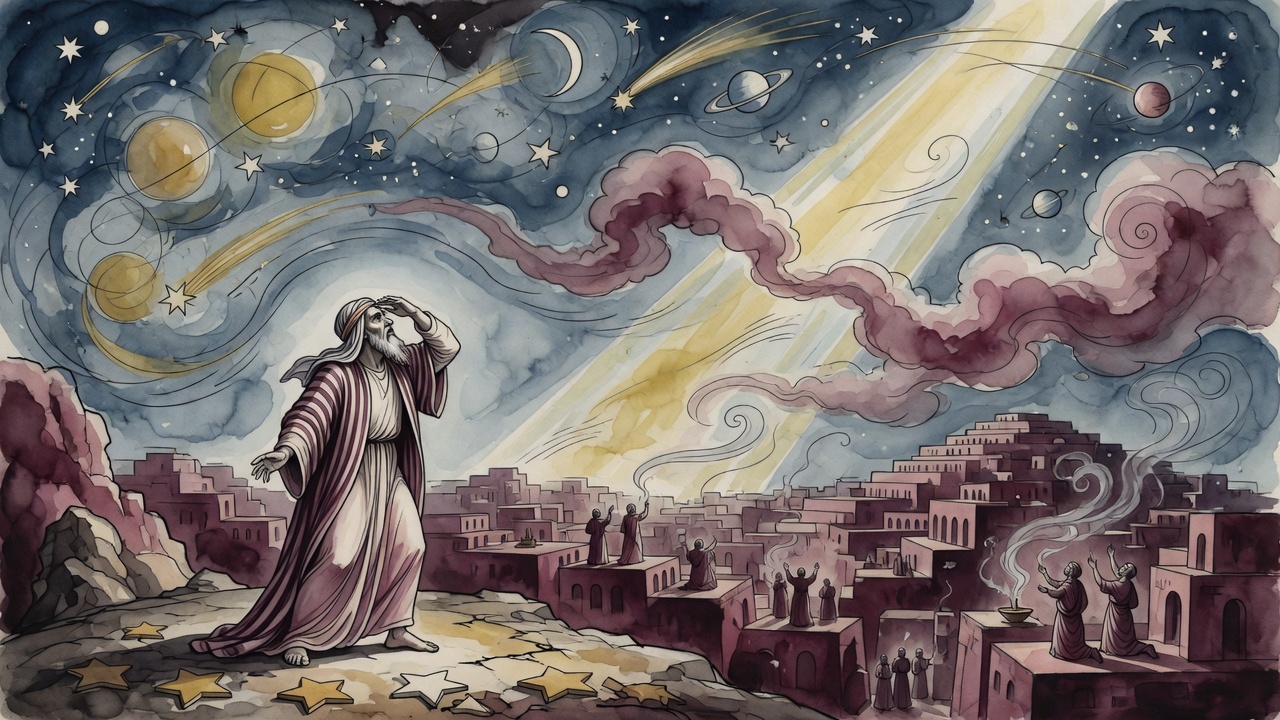
Nimrod threw Abraham into the furnace and Abraham walked out alive. What followed the miracle was the part the tradition cared about most.
A skeptic demanded the whole Torah on one foot. Hillel gave him a single sentence, then added three words that turned the summary into an obligation.
