Hannah's Prayer That Broke the Silence at Shiloh
Her lips moved and no sound came out. Eli watched from the doorpost of the sanctuary and told her she was drunk. She had not touched wine.
Table of Contents
 Click for full size
Love That Could Not Protect Her
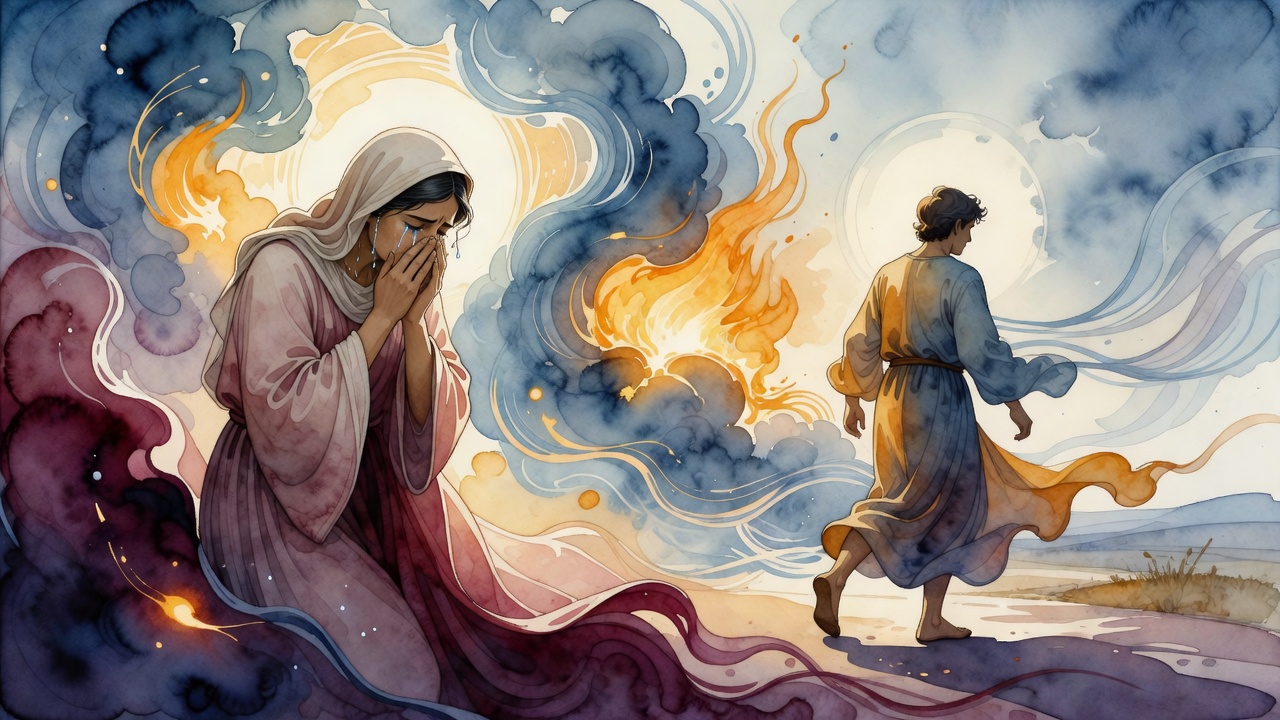
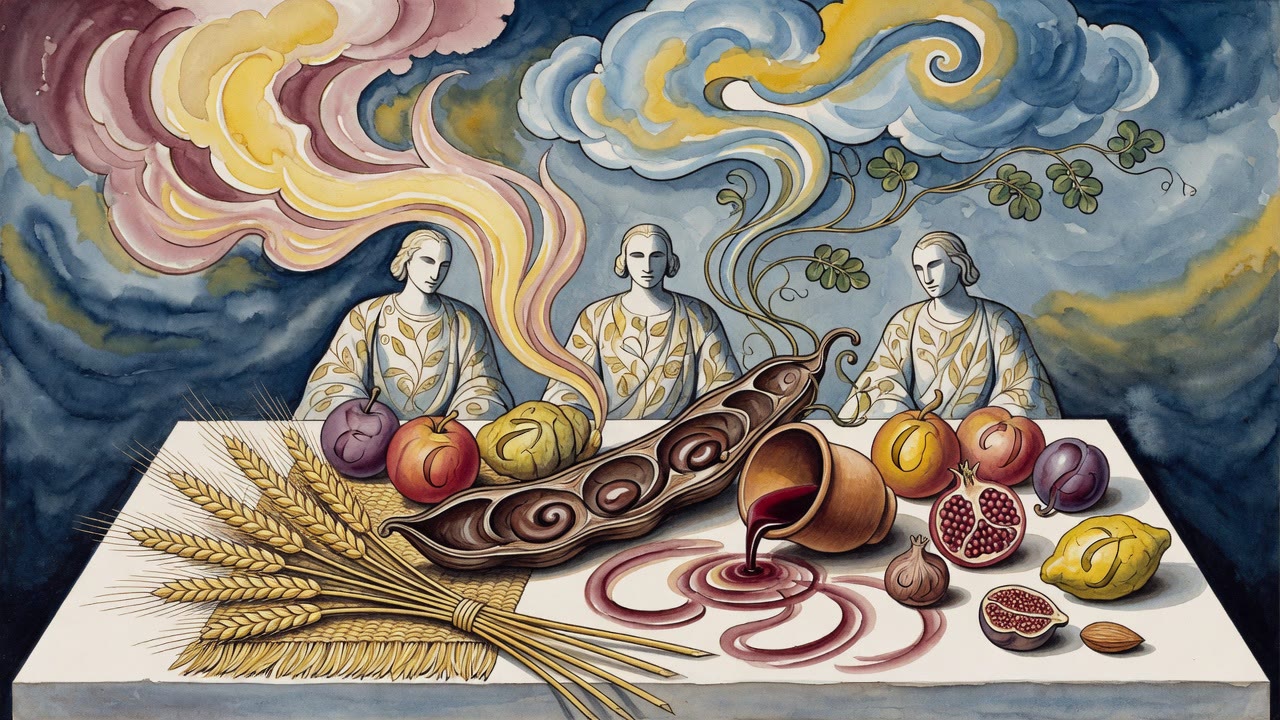
Elkanah loved Hannah with a completeness that could not help her. He gave her a double portion at the yearly pilgrimage to Shiloh, more than he gave Peninnah, more than he gave Peninnah's children. He said to her: "am I not better to you than ten sons?" It was an honest question. He meant it as comfort. Hannah received it as a description of what she lacked, delivered by the one person in the world who was supposed to understand her.
Peninnah had children. She used them as weapons, taunting Hannah every year at the pilgrimage with a cruelty that was precise and calibrated. The tradition in Ginzberg's Legends records that Elkanah saw this, knew it, and did not stop it. He redistributed gifts to make Hannah feel valued, but the taunting continued. The powerlessness of a beloved woman surrounded by love that could not solve the one problem that mattered is the emotional backdrop for everything that follows.
The Legal Case at Shiloh
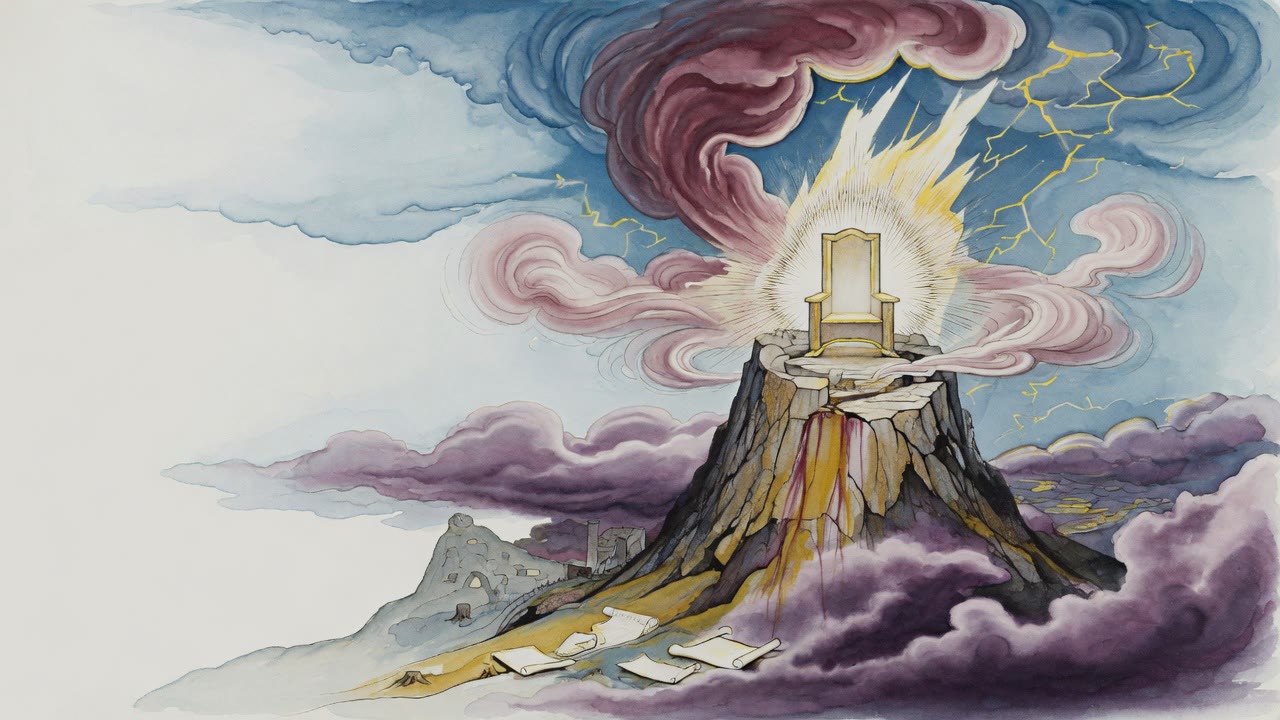
Hannah went to the sanctuary and stood before God. What the rabbis who preserved her story saw in the text of First Samuel was not a weeping supplicant. They saw an advocate pressing a case.
The argument she made, as reconstructed in the midrashic tradition, was not a request. It was an argument from divine logic. She said: "you created a woman. You gave her a womb. Either this organ has a purpose or it does not. If it has a purpose, let it serve that purpose in me. If it does not, let it not be a source of contempt from my rival." The argument has the structure of a legal brief: you are responsible for the design, and the design implies an obligation.
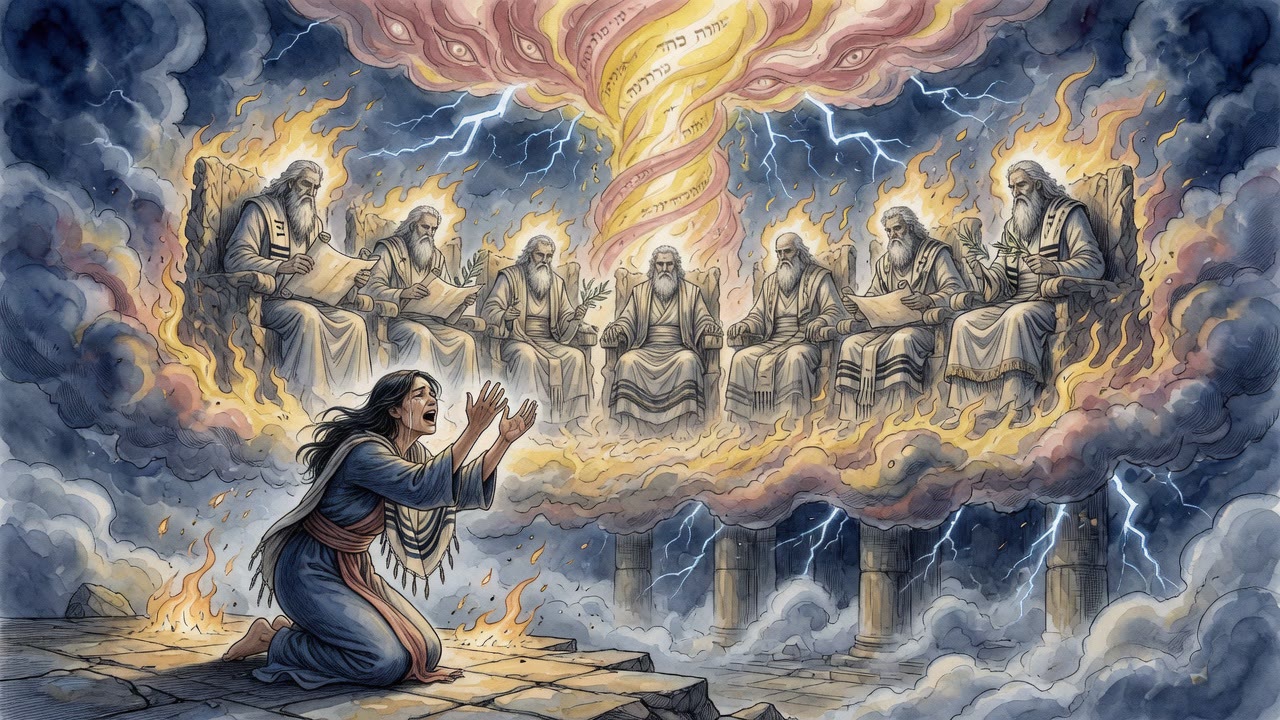
The tradition in Aggadat Bereshit elaborates this. Hannah did not merely pray. She invoked divine names as leverage. She named the Lord of Hosts, a divine name that appears for the first time in the biblical text at this exact moment. The sages noticed. They read the first appearance of this name as Hannah's contribution: she coined a divine address that had not been used before, finding in her desperation a way to invoke God that no one before her had found.
The Invention of Silent Prayer
Her lips moved. Her voice was not heard. Eli the priest, watching her from the doorpost of the sanctuary, concluded she was drunk and said so. She corrected him: "I have not drunk wine. I am a bitter woman of spirit. I have been pouring out my soul before the Lord."
The Talmud in Berakhot reads this scene as the origin point of silent prayer in Jewish practice. Hannah invented the form. Not because she was modest or because she wanted to hide her grief from other worshippers. Because what she was saying was too direct, too confrontational, too much like a legal argument for the kind of God who needed to be addressed in formal court terms, to be said in a public voice. The prayer was intimate and technical simultaneously, and both qualities required silence.
The tradition derives from her example the rules that govern Jewish prayer to this day: you pray with your mouth, not just your mind, but your voice does not need to be heard by anyone other than the one you are addressing.
What Eli Understood Too Late
When Eli realized he had misread her, he corrected himself and gave her a blessing: "go in peace, and the God of Israel will grant what you have asked." Hannah's response is one of the small miracles of the text: after he blessed her, she ate, and her face was no longer sad. Not after she became pregnant. Not after Samuel was born. Immediately after the blessing, she ate and her grief lifted.
The tradition finds this detail significant. The grief was not about the child. The grief was about the silence, the sense that no one, not her husband, not the priest, not the pilgrimage ritual, had heard her actual case. The moment someone heard her, even imperfectly, even after having misread her as a drunk woman at the sanctuary door, the weight lifted. The child would come. The prayer had been received. She knew it before any physical sign confirmed it, because the knowing preceded the evidence.
← All myths