Samuel's Sons Took Bribes and One Became a Prophet
Samuel stood before Israel and dared them to name one gift he had taken. Nobody could. His sons sat at Beersheba and collected before they heard a case.
Table of Contents
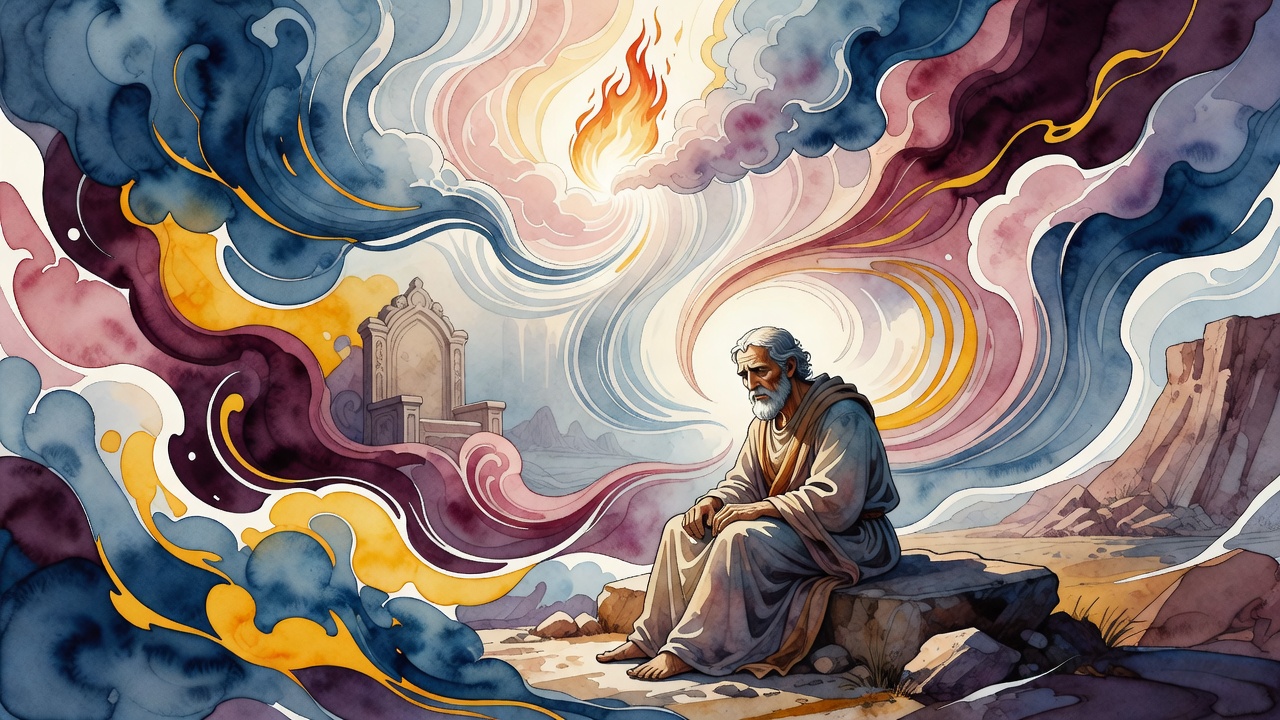
Samuel stood in the open at Ramah with all Israel watching. He was old. He had walked a circuit for decades: Bethel, Gilgal, Mizpah, back to Ramah. He had not taken a fee. He had not taken a meal as payment. He had not let a litigant pay for his lodging on the road.
 Click for full size
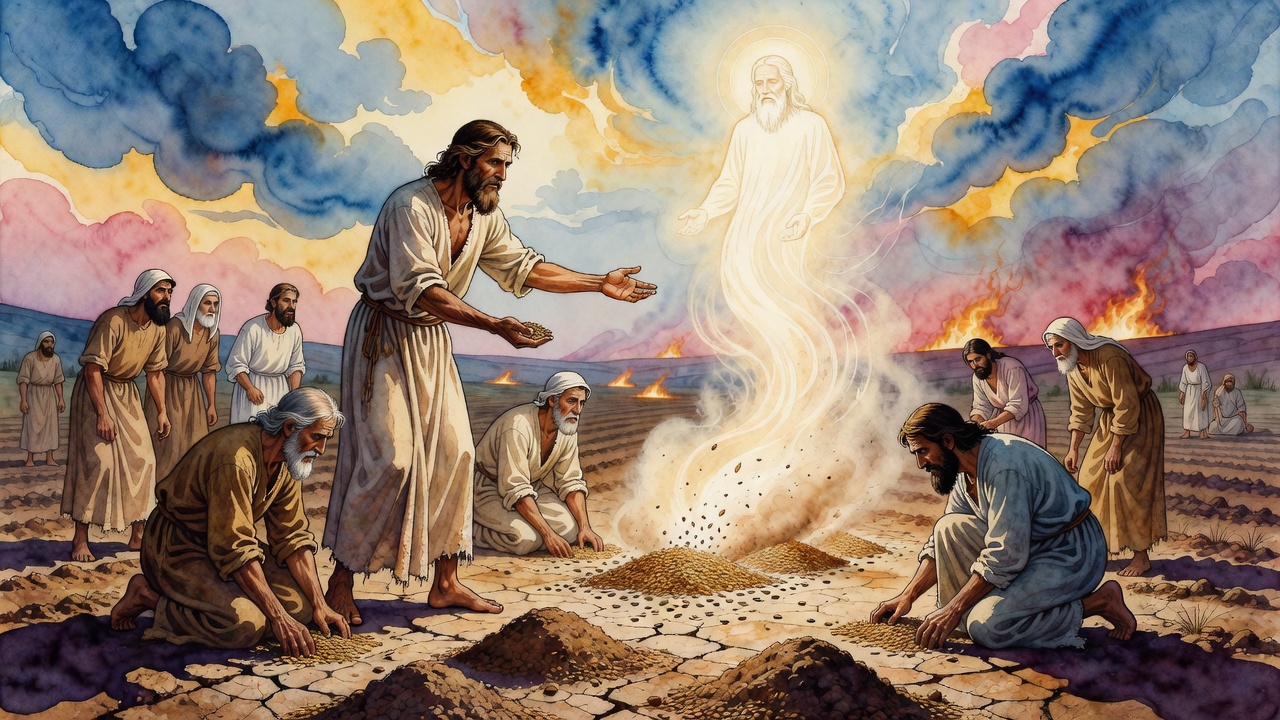
"Here I am," he said. "Witness against me before the Lord and before His anointed. Whose ox have I taken? Whose donkey? Whom have I defrauded? Whom have I oppressed? From whose hand have I taken a bribe to blind my eyes? I will restore it" (1 Samuel 12:3).
Nobody spoke. The silence was the only gift they could give him.
His sons were not in that circle.
Accuse Me of One Thing
He had refused money his whole career. Cases came to him on the road, in the shade of a tree, at a gate, wherever the people were. He went to them. That was the shape of the office. God had once told him he had placed himself between two good roads, and that life, righteousness, and glory would find him because he had walked them (Proverbs 21:21). Samuel had believed the gifts would pass through the house.
They did not. The sons strayed.
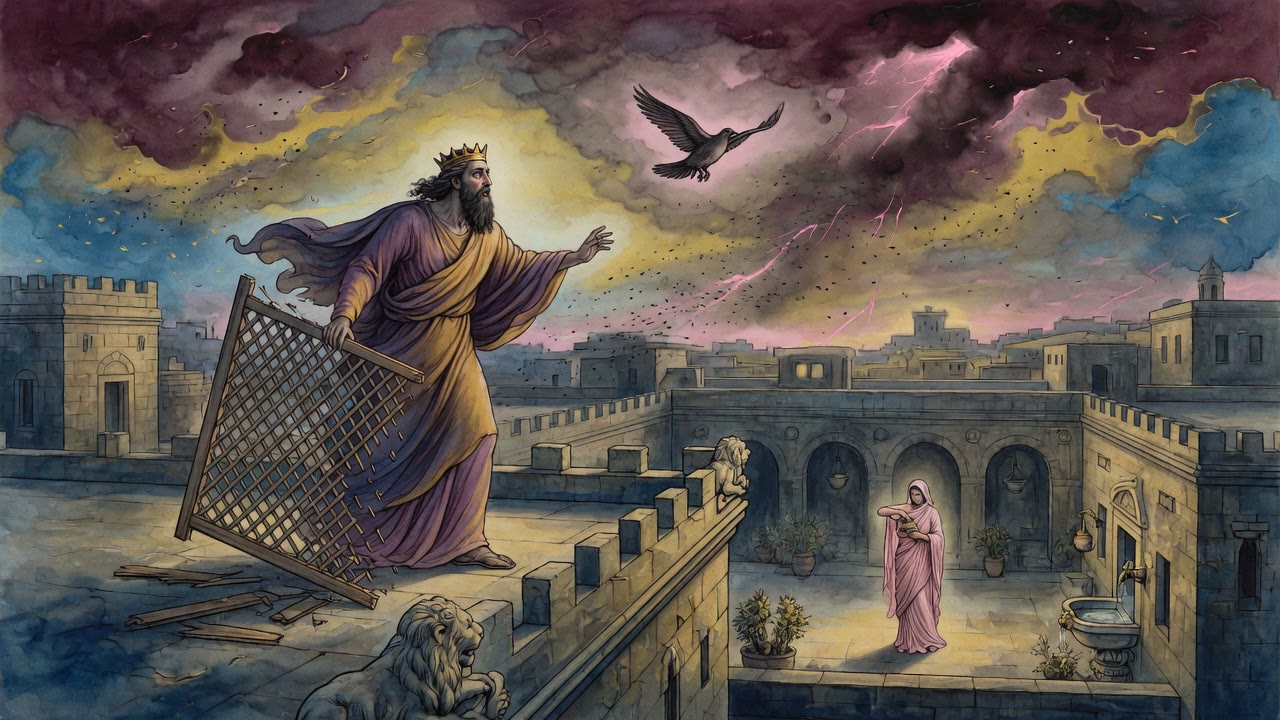
Joel and Abijah sat at Beersheba, far south of their father's circuit. They did not travel. They made the people come. They ringed themselves with officials, and the officials collected from the litigants before a word of the case was heard. The bench Samuel had kept clean for decades took a price at the door.
Beersheba Collected First
Samuel had grown up under Eli at Shiloh. He still remembered the fork. Hophni and Phinehas used to send a servant with a three-pronged hook into the pot while the meat was boiling, and they took what the hook brought up before the fat was burned for God (1 Samuel 2:13-14). Eli had heard and had not stopped them. A boy named Samuel had been woken in the night and told that the house would fall for that silence.
Now his own sons sat at a southern bench and took before they judged. The curse Eli had spoken over a child had found a rhyme in the man. Samuel could still stand in the open and dare Israel to name one ox. He could not dare them about Beersheba.
He had given the public everything. The circuit never slackened. What his sons absorbed was the shape of the career, not the thing inside him that kept the judging clean. They saw a man whom people came to. They did not see why he had always gone out.
Jacob's Mouth Closed
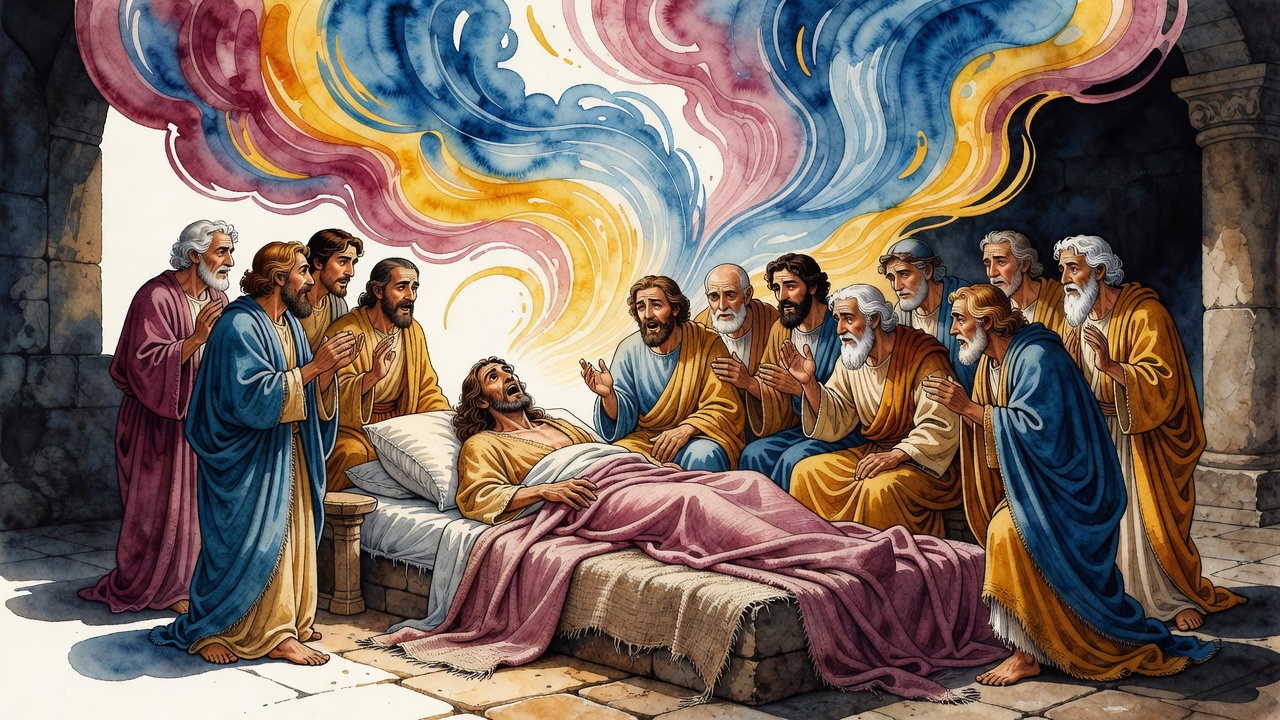
Long before, Jacob had called his sons to the bed. "Gather, and I will tell you what will befall you at the end of days" (Genesis 49:1). They crowded in. He opened his mouth. The vision shut. He blessed them tribe by tribe and died without showing them the last page.
A father can gather sons and still fail to hand them what he sees. Samuel did not even get the gathering. His sons had moved the court to themselves. The people walked south with gifts in their hands, and the sons received the gifts as if they were the office.
Samuel walked his old road and heard the talk at the gates. He did not need a prophet to translate it. The clean name he had spent a life protecting was being spent in Beersheba as coin.
Give Us a King
The elders came to Ramah. They did not come about a donkey or a field. They came about his house.
"You are old," they said, "and your sons do not walk in your ways. Now make us a king to judge us, like all the nations" (1 Samuel 8:5).
Samuel was grieved. He prayed. God said, "They have not rejected you. They have rejected Me, that I should not be king over them" (1 Samuel 8:7). Give them the king. Tell them what a king will take: sons for chariots, daughters for cooks, fields, vineyards, a tenth of the seed, and they will cry out later and not be heard (1 Samuel 8:11-18).
Samuel told them. They wanted the king anyway. The corruption he had refused to practice had come into the world wearing his name, and it had given Israel a pretext that would not be walked back. Judges would end. Thrones would start.
Joel Wrote Return
The sons did not stay in disgrace forever. The taking was real. The king was real. The accounting was not the last word. One of them, Joel, turned. The man who had taken bribes as a judge in Beersheba became the prophet whose book opens with locusts and a call that still sounds like a man who has been on the wrong side of a door:
"Return to Me with all your heart, and with fasting, and with weeping, and with mourning" (Joel 2:12).
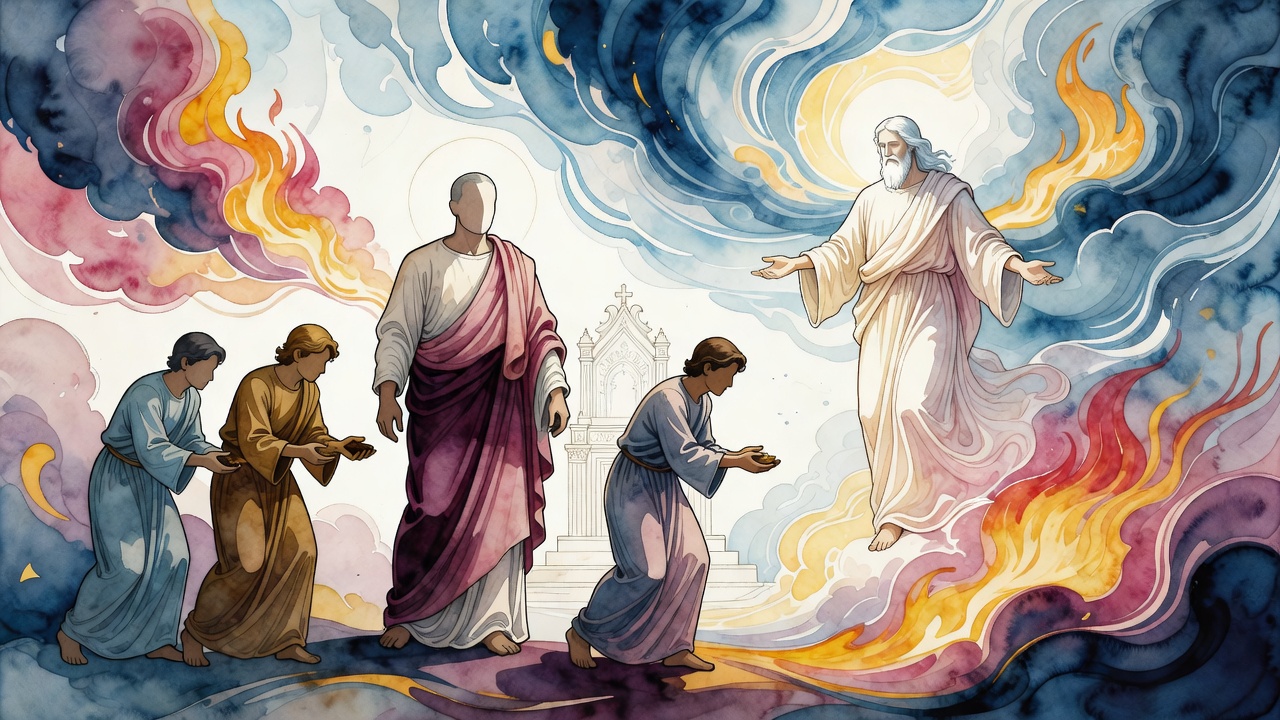
Teshuvah (תשובה), return. Not a mood. A road back from a bench that had a price on it. A man who writes return that way has usually needed to return from somewhere. Samuel had stood between two good roads and been promised life, righteousness, and glory. Joel had sat between two litigants and taken. Then he got up, and the second life was a prophet's mouth, not a judge's palm.
Samuel died, and all Israel gathered to bury him, and they lamented him in Ramah, his city. The circuit stopped. The king was already in the land. One son still had a book to write, and the book would not mention Beersheba. It would mention a heart, and fasting, and a God who turns when a man turns.
← All myths