Ishmael Was Exiled From the Land but the Rabbis Said He Repented
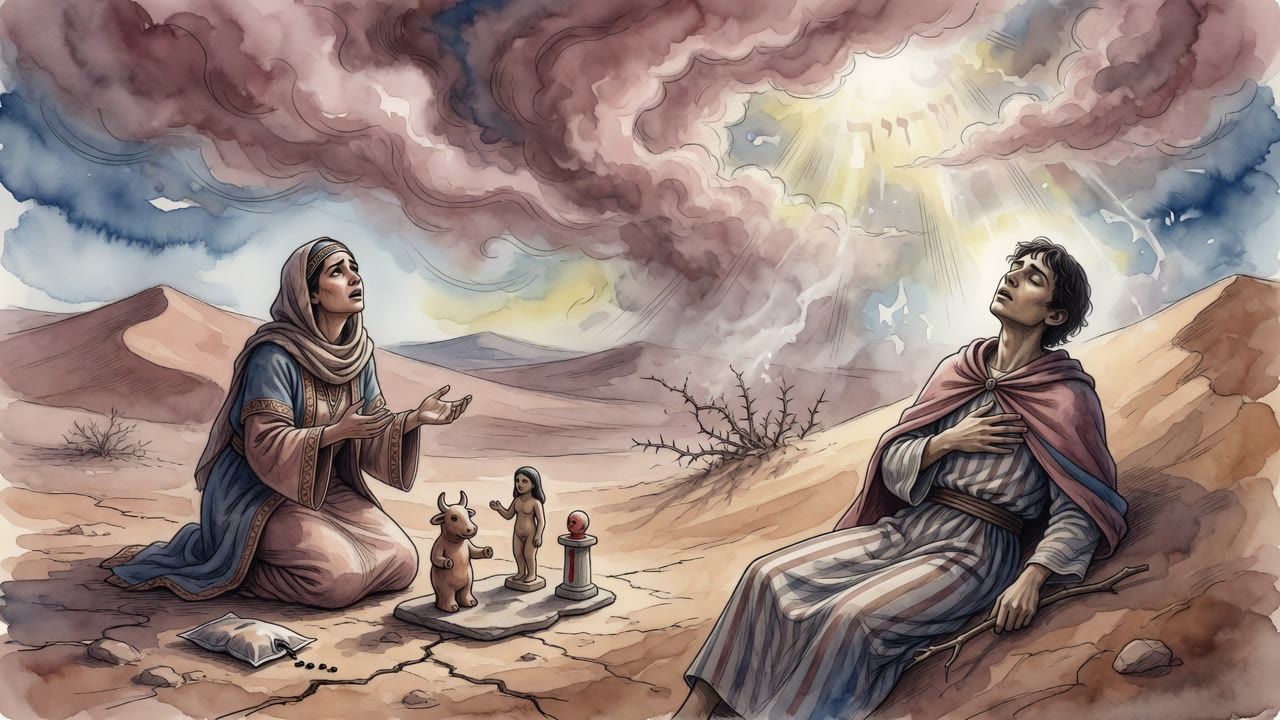
Ishmael shot arrows toward Isaac and called it play. When the water ran out in the wilderness, Hagar set him under a bush and walked away.
Table of Contents
 Click for full size
The Trial That Outweighed the Binding of Isaac
Abraham was very distressed. And he sent them anyway.
Legends of the Jews, Louis Ginzberg's synthesis of Talmudic and midrashic sources, preserves the full weight of the choice. The rabbis who counted Abraham's trials, who argued over which was hardest, gave the question serious attention. The binding of Isaac was obviously severe. A father about to kill his son. But some rabbis judged the expulsion of Ishmael to be more agonizing. Ishmael was the firstborn, the child Abraham had waited twenty-five years to have, the boy circumcised at thirteen as the first Israelite to receive the covenant of the flesh as an adult. Sending him into the wilderness was not performed on a mountain in response to a direct divine command. It was executed in the morning, before witnesses, in the family's own courtyard, in response to Sarah's demand. And Abraham did it because God told him to listen to Sarah.
What the Brothers Were Fighting About
The conflict between Ishmael and Isaac that precipitated the expulsion had a specific content. Legends of the Jews records that Ishmael, skilled with a bow, would shoot arrows in Isaac's direction and claim it was play. The arrows were not play. The inheritance was the actual subject: Ishmael believed that as firstborn he deserved a double portion, and Isaac should receive one. Sarah saw through the archery. She told Abraham that Ishmael was not worthy to be heir with her son and that his connection to the household, in this world and in the world to come, must be severed entirely.
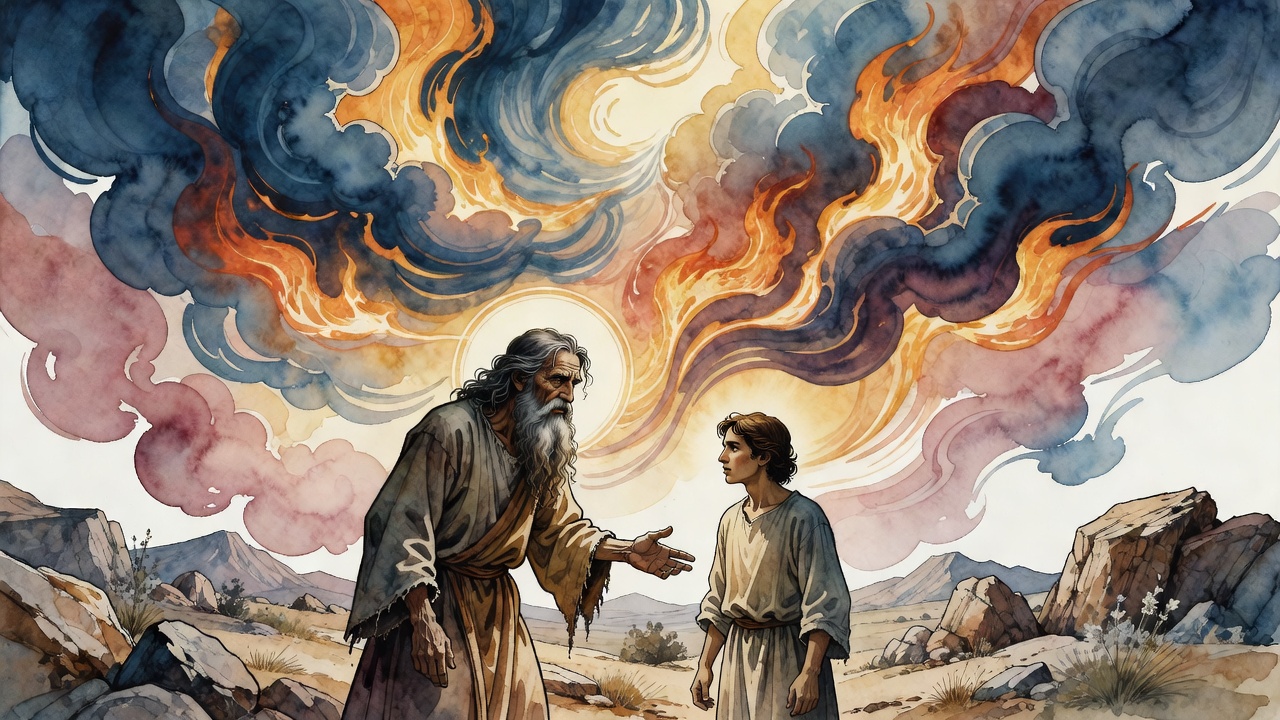
The demand was hard. God confirmed it. Abraham sent Hagar and Ishmael into the wilderness with bread and a skin of water.
What Happened When the Water Ran Out
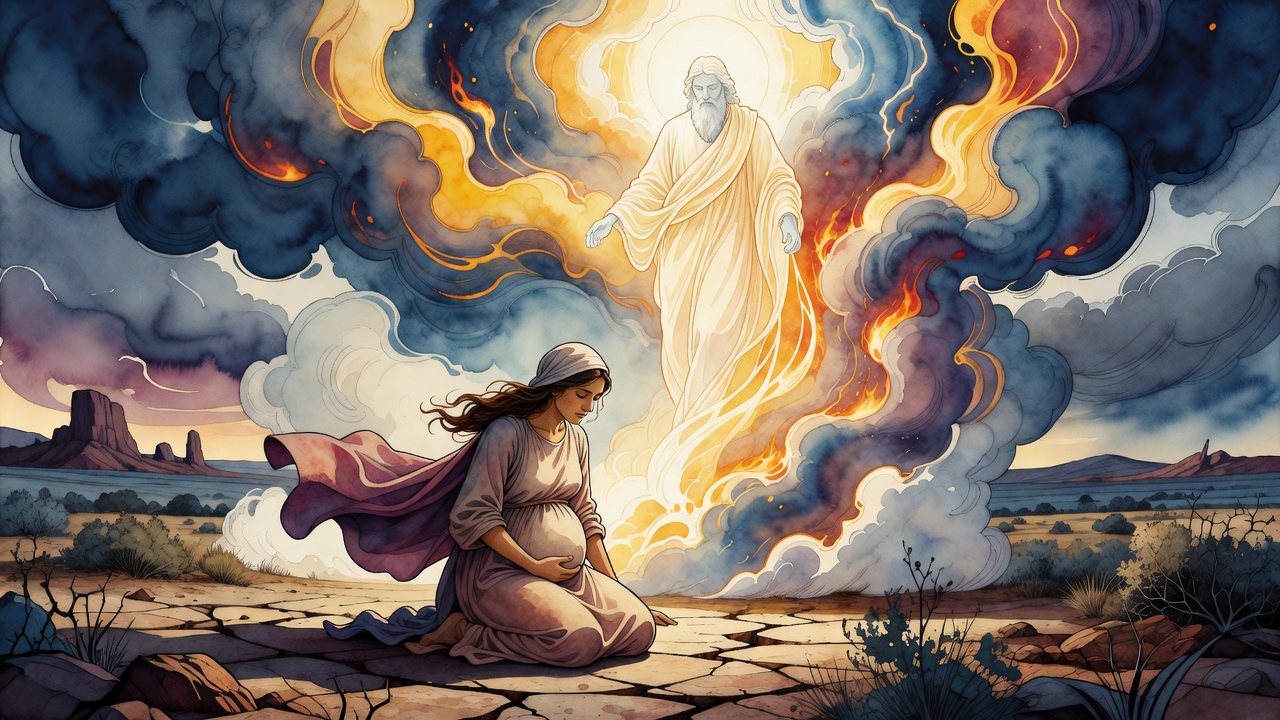
The water was gone before they reached shelter. Hagar placed the boy under a bush and walked away far enough that she would not watch him die. She called on the gods of her Egyptian childhood. Ishmael prayed to the God of his father's house. The Midrash records the two prayers as structurally different: Hagar reached for the familiar, Ishmael reached for the genuine. His prayer was heard. God commanded Miriam's well to spring up in the desert and provide water. God appeared to Hagar and showed her what was already there waiting to be found.
God also made a promise to Hagar about Ishmael's future: he would become a great nation. The promise did not contradict Isaac's covenant inheritance. It ran parallel to it. Being outside the covenantal center is not the same as being outside God's hearing, and the rabbis were careful to preserve that distinction.
The Boast and the Counter-Offer
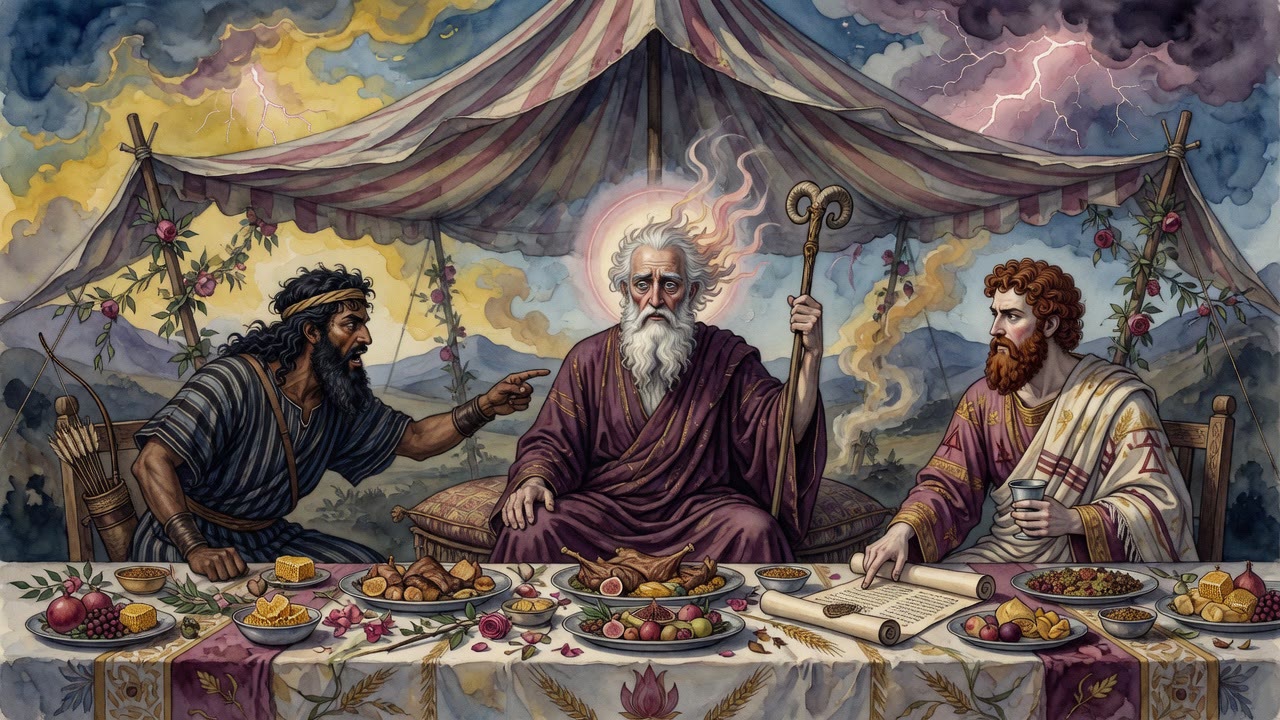
Before the expulsion, while both brothers were still in Abraham's household, Legends of the Jews records a scene of sibling confrontation. Ishmael boasted to Isaac: I was thirteen when I was circumcised, and I bore it willingly. My circumcision was a greater act of faith than yours because I had the capacity to refuse and did not. Isaac answered: you think you have done something significant by giving one small piece of flesh? I would give my entire life if God asked for it.
The rabbis read this exchange as the moment when the covenant's direction was already visible. Ishmael offered what cost him something at the time. Isaac offered everything, including what he had not yet been asked to give. The binding of Isaac was not a surprise when it came. It was the fulfillment of an offer Isaac had already made in an argument with his brother over whose sacrifice was greater.
What Repentance Looked Like
The tradition does not describe Ishmael's repentance as a speech or a conversion. Bamidbar Rabbah, the midrash on Numbers, preserves the tradition alongside a broader meditation on names and destiny. The names of Ishmael's descendants are read as encoding what became of the man who was cast out: someone who continued, who built a nation, who grew old, and who at the end made room for the brother who had inherited what he had been denied.
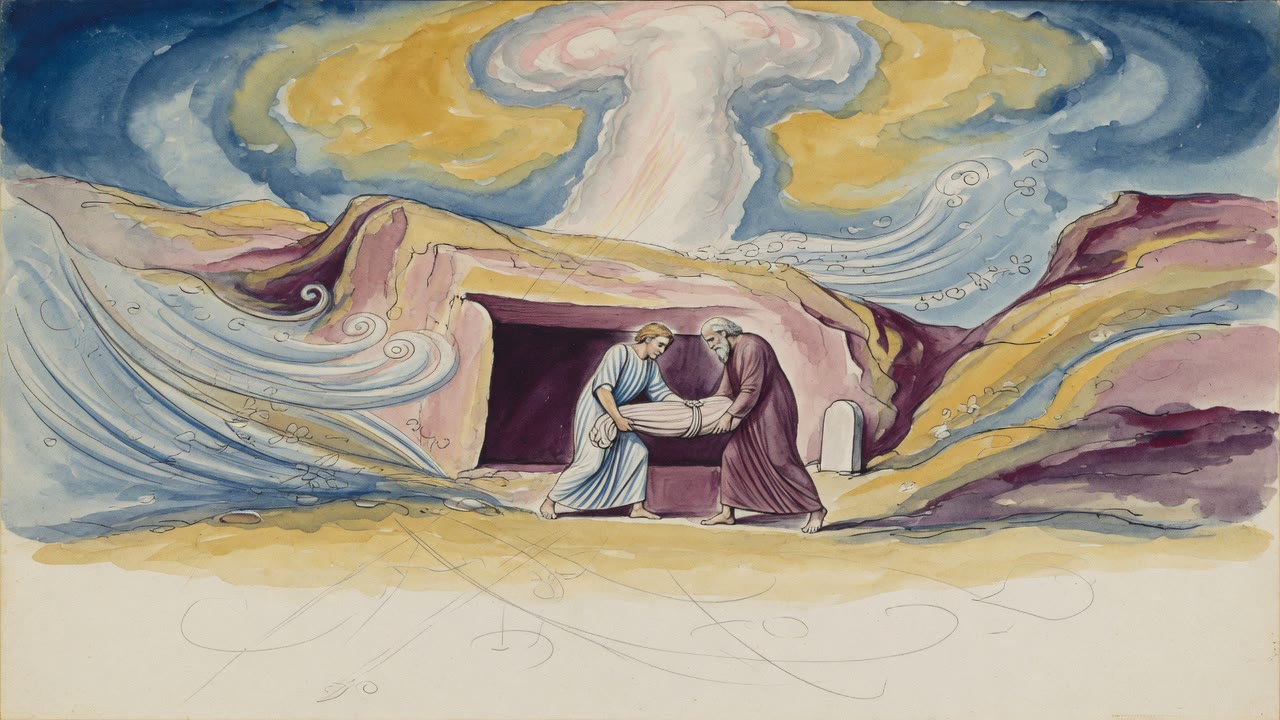
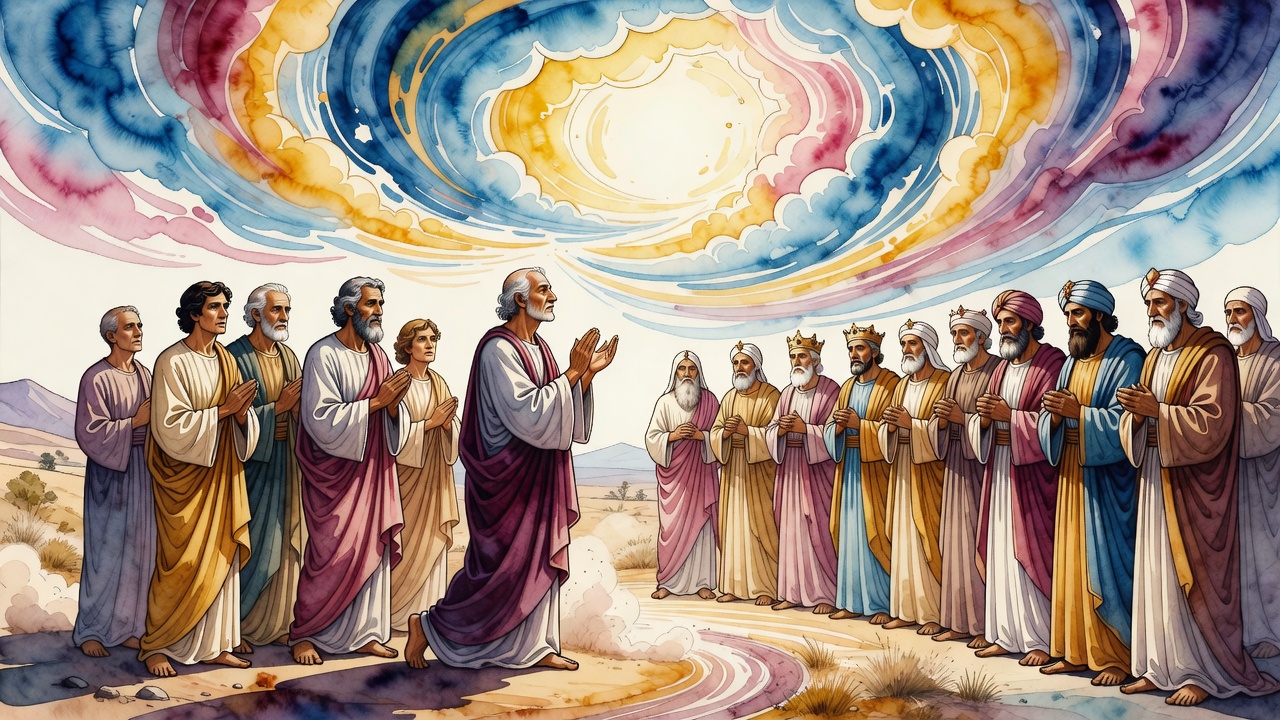
When Abraham died (Genesis 25:9), the text names both sons at the burial: Isaac and Ishmael. Ishmael is named first in some readings, Isaac in others, but both are present. Both sons buried their father. Legends of the Jews treats Ishmael's presence at the grave as the visible evidence of his repentance: he came, and he let Isaac take the position of precedence, and he stood behind him at the grave of the man who had loved them both and sent one of them away. The rabbis called this teshuvah, return, the full arc of a man who had been expelled from the family structure and came back to it at the end, not to reclaim what he had lost but to honor what he had never stopped being part of.
← All myths