Moses Climbed Out of a Pit and Walked Toward the Burning Bush
Thirty years before Moses, the tribe of Ephraim left Egypt and died in the wilderness. Moses waited in a pit in Midian until the moment was exactly right.
Table of Contents
 Click for full size
The Tribe That Miscalculated by Thirty Years
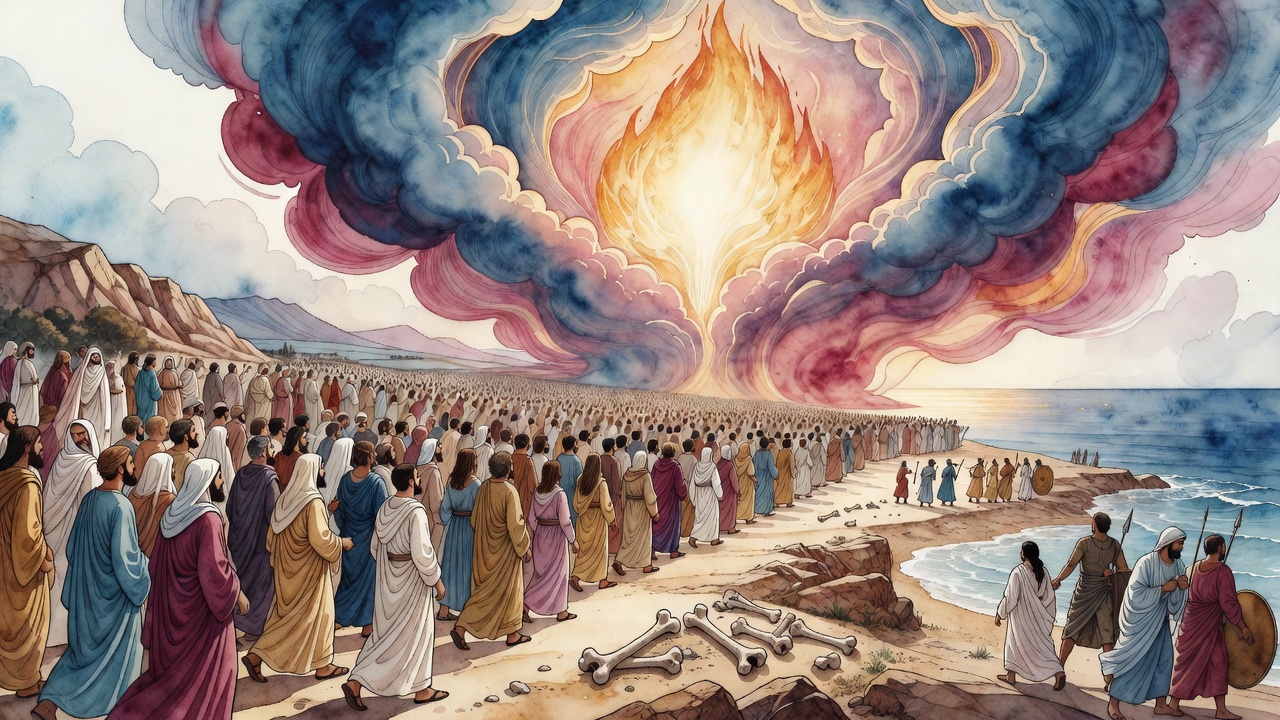
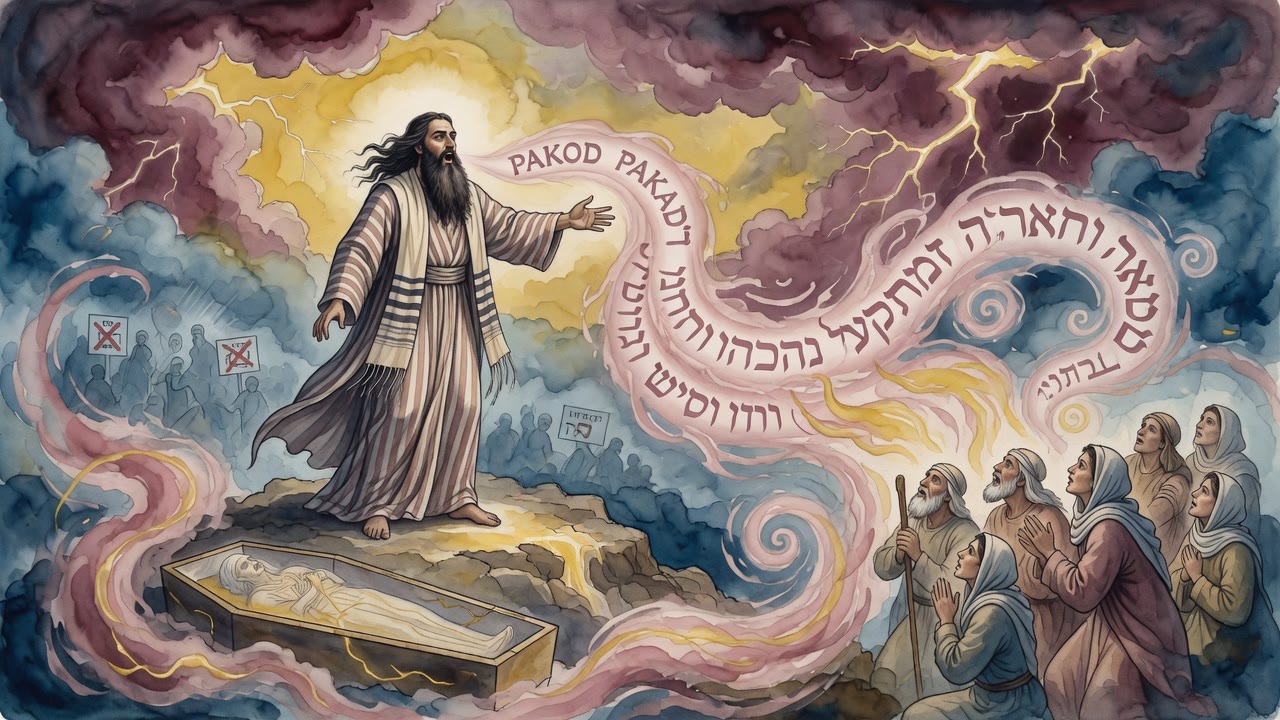
The tribe of Ephraim did not wait for Moses. They left Egypt early, thirty years before the Exodus, carrying weapons and the calculations they had made from Joseph's deathbed promise. Joseph had told his brothers that God would come to redeem them and carry their bones out of Egypt. The sons of Ephraim had counted the years and decided the time was now. They were wrong by thirty years.
They marched out without divine sanction, without the plagues that would have shattered Egypt behind them, without a prophet to lead them. The Philistines met them at the border and killed them all. Their bones lay scattered for decades across the road from Egypt to Canaan. When Israel finally walked out behind Moses, God took them the long way around, through the wilderness, specifically so they would not see the bones of Ephraim's generation. The sight would have broken their nerve before the journey had begun. The Yalkut Shimoni and the Pirkei DeRabbi Eliezer both set down the same hard warning: the same act performed at the wrong moment is not courage, it is catastrophe.
Moses in the Pit Before the Bush
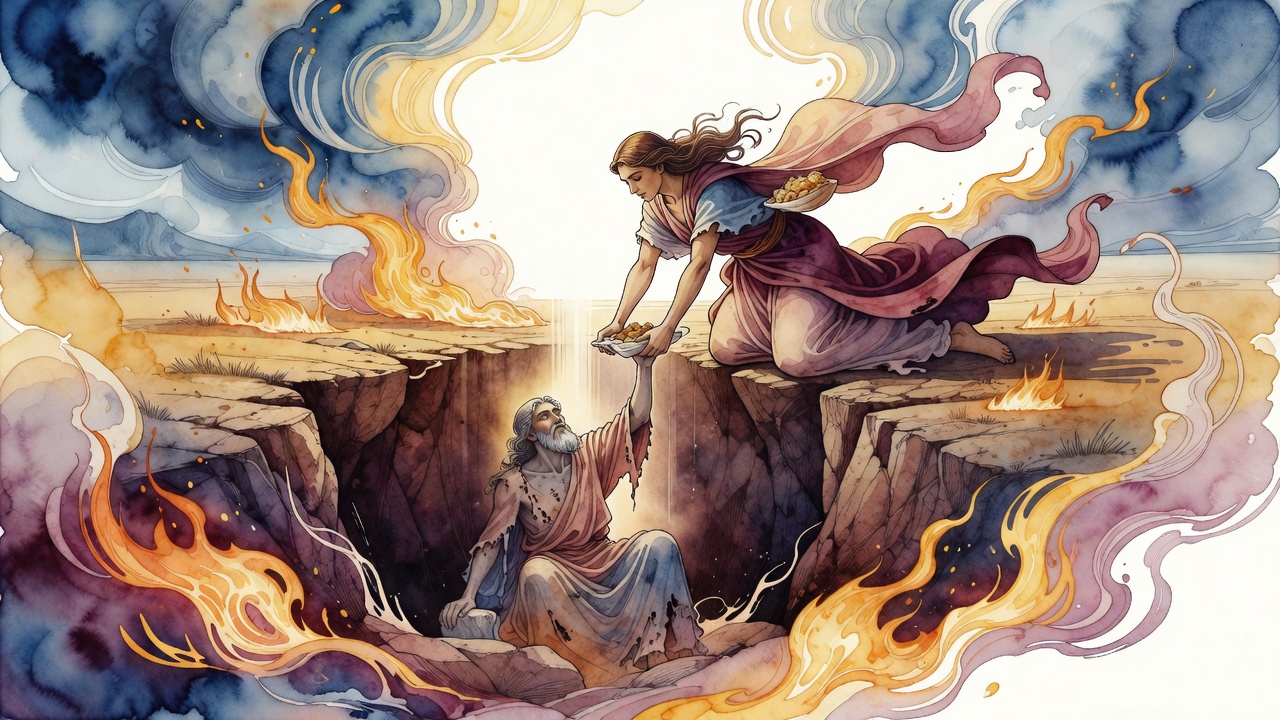
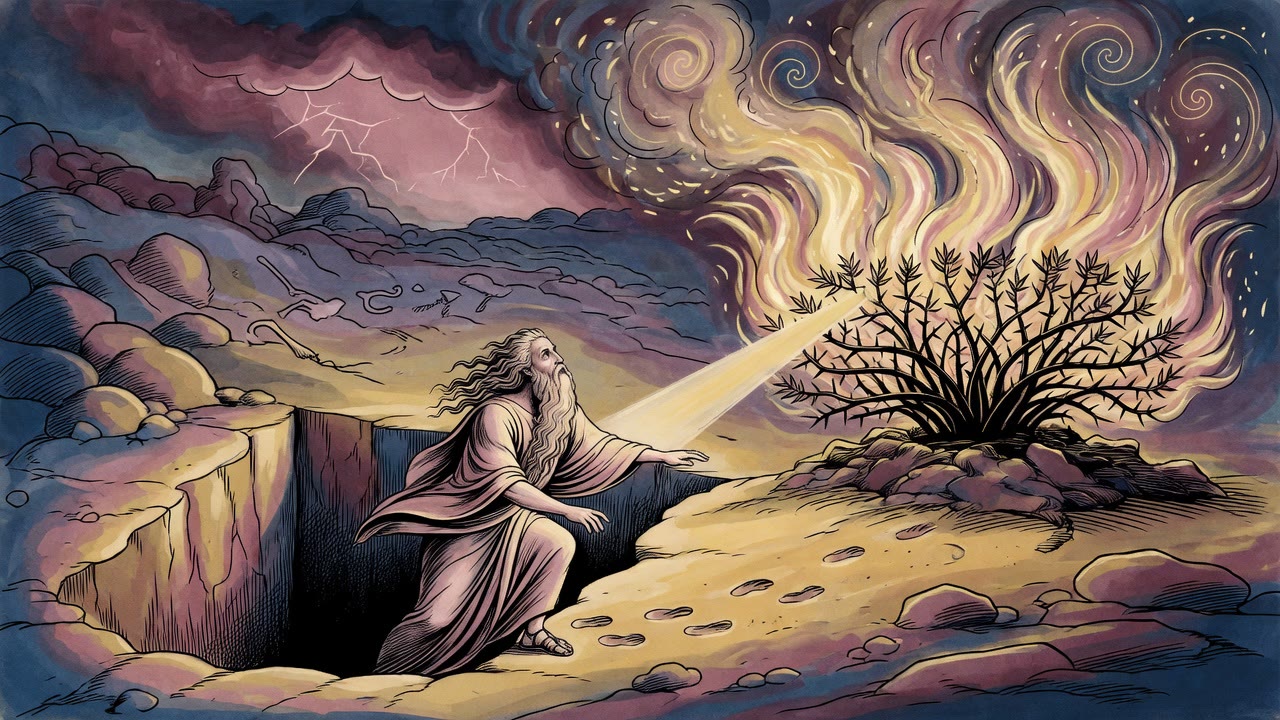
Moses did not make the mistake of going early. But he spent years in a pit before he ever reached the burning bush, and the tradition wants this known.
The Legends of the Jews records that after Moses fled Egypt following the killing of the Egyptian taskmaster, he was imprisoned in Midian before Jethro took him in. Some versions place him in a pit or a dungeon for an extended period, fed by the angels, sustained through what looked from the outside like abandonment. The parallel to Joseph is not accidental. The tradition built it deliberately: the great leaders of Israel do not move directly from calling to action. They wait in darkness first. They are sustained through the wait in ways they cannot explain. And then, when the moment is exactly right, the pit opens.
The Doubt God Did Not Punish
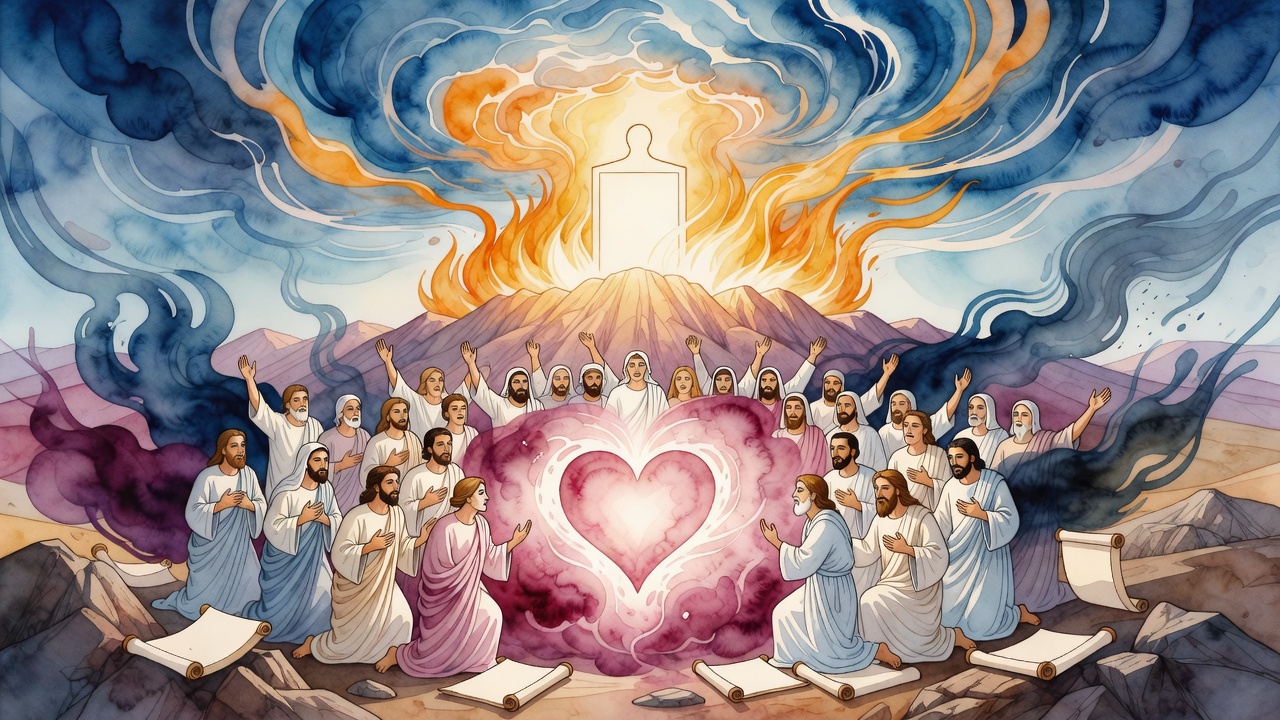
Even after the burning bush, even after the ten plagues, even after the sea, Moses doubted. The tradition records a specific moment when God told Moses that the people would be fed in the wilderness, and Moses responded with arithmetic: six hundred thousand men, and you want to feed them? The manna would have to fall daily for months. It was not a small request. Moses's doubt was not faithlessness, it was the particular doubt of a man who had been responsible for feeding people before and knew what it required.
God did not punish this doubt. He answered it. The manna came. The quail came. The water came from the rock. Moses learned, across forty years, that the arithmetic he knew from the human side of the equation was not the only arithmetic in play. This is not a comfortable lesson for a man who preferred to plan things out. Moses was a planner. He picked the seventy elders through a lottery specifically because the planning involved was too politically volatile to do by preference. He sent scouts into Canaan because reconnaissance was prudent. The gap between his habit of mind and the situation he was in never fully closed.
What Egypt Was Judged For
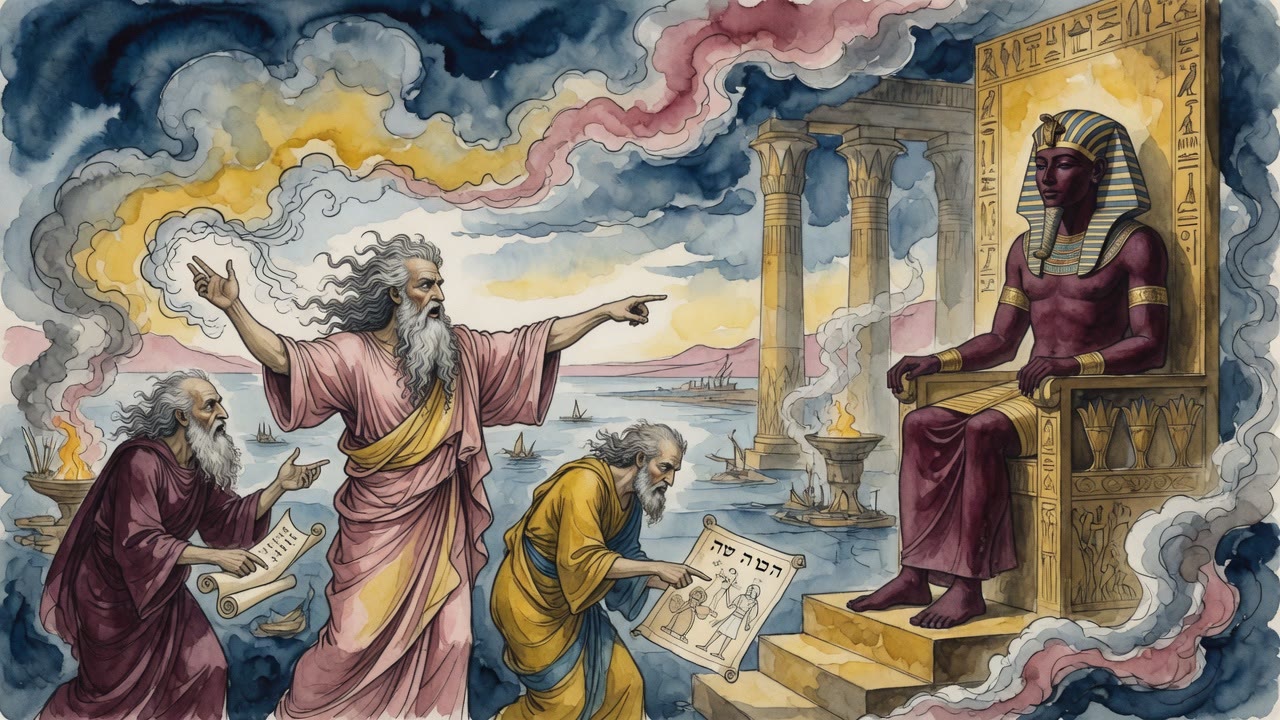
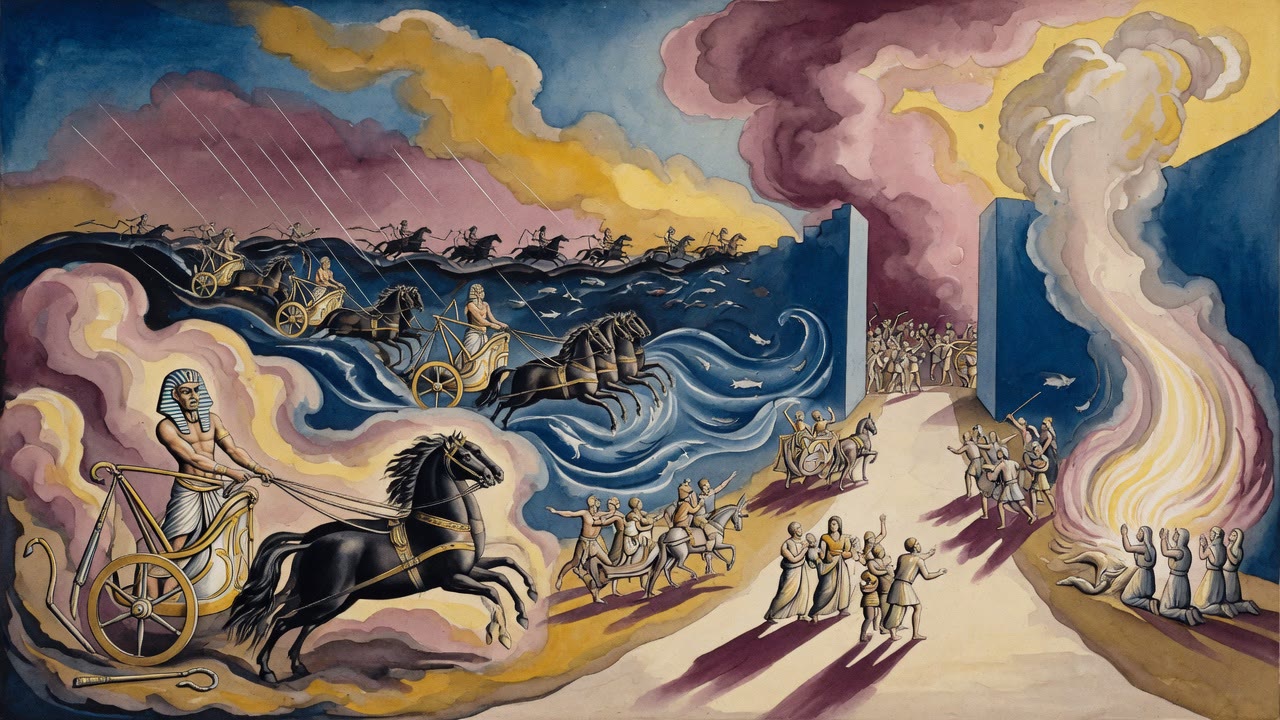
The divine judgment of Egypt was not arbitrary. The tradition is careful about this. Egypt had enslaved Israel, had drowned their sons in the Nile, had broken their bodies with forced labor across generations. The plagues were proportionate, the rabbis argued, not excessive. Each plague addressed a specific Egyptian behavior or belief. The darkness was not random cruelty; it targeted a nation that had kept Israel in moral and spiritual darkness. The death of the firstborn answered the killing of Israel's children.
Moses understood this framework. He had grown up in Pharaoh's court, had been educated in Egyptian power, and had then watched Egypt destroyed from the inside. He did not celebrate. He had lived among those people. But he did not mistake the destruction for injustice either. He had seen what Egypt had done to Israel, and he had seen it from birth.
← All myths