436 myths · Page 7 of 15
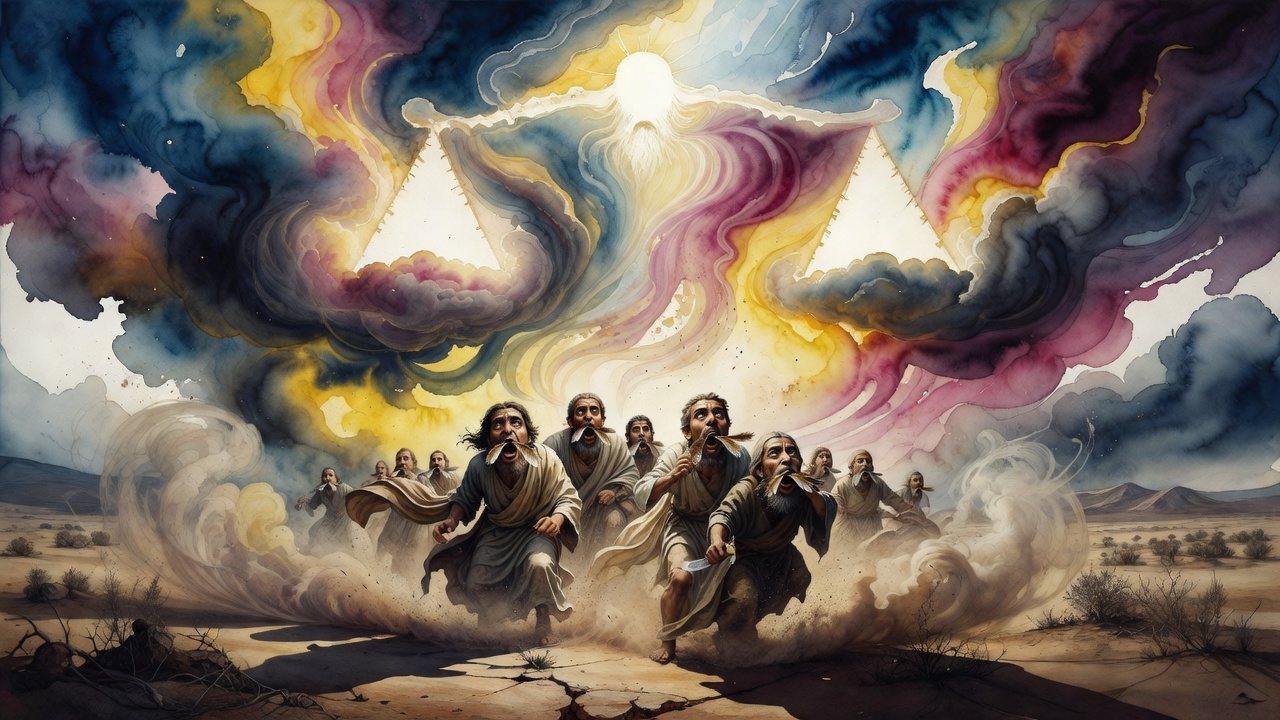
The quail were still in their mouths when the plague hit. The Mekhilta reads the wilderness to learn how God measures punishment against the size of a sin.
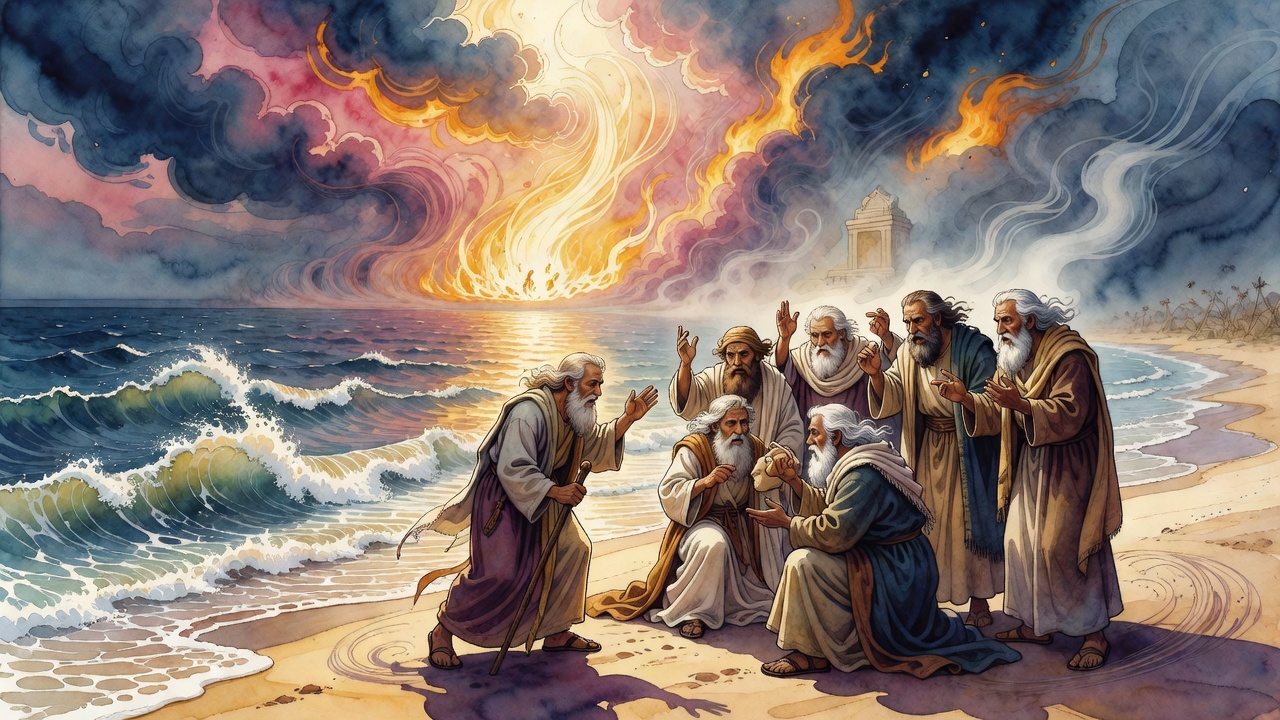
Ten plagues struck Egypt. Then the rabbis did the arithmetic on the sea and the number kept climbing, fifty, two hundred, two hundred and fifty.
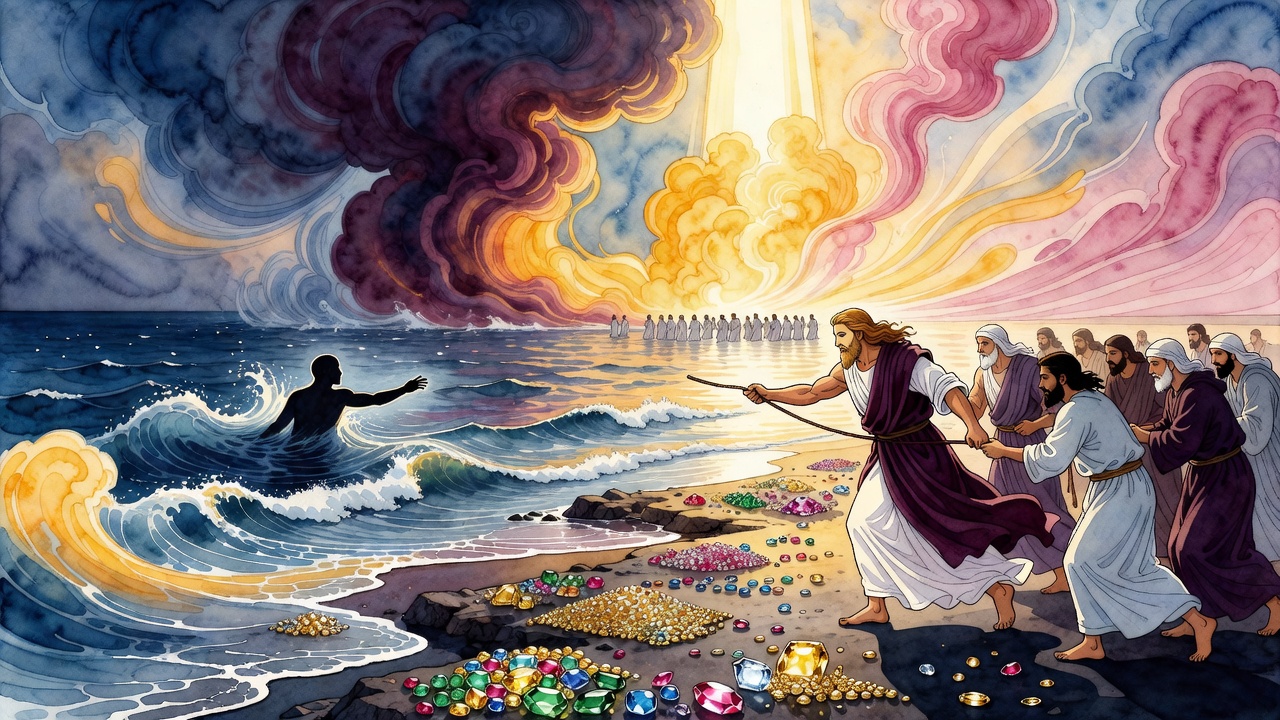
The tide laid pearls and stones on the sand every morning, and Israel would not leave. Moses had to pull them off the shore by the wrists.
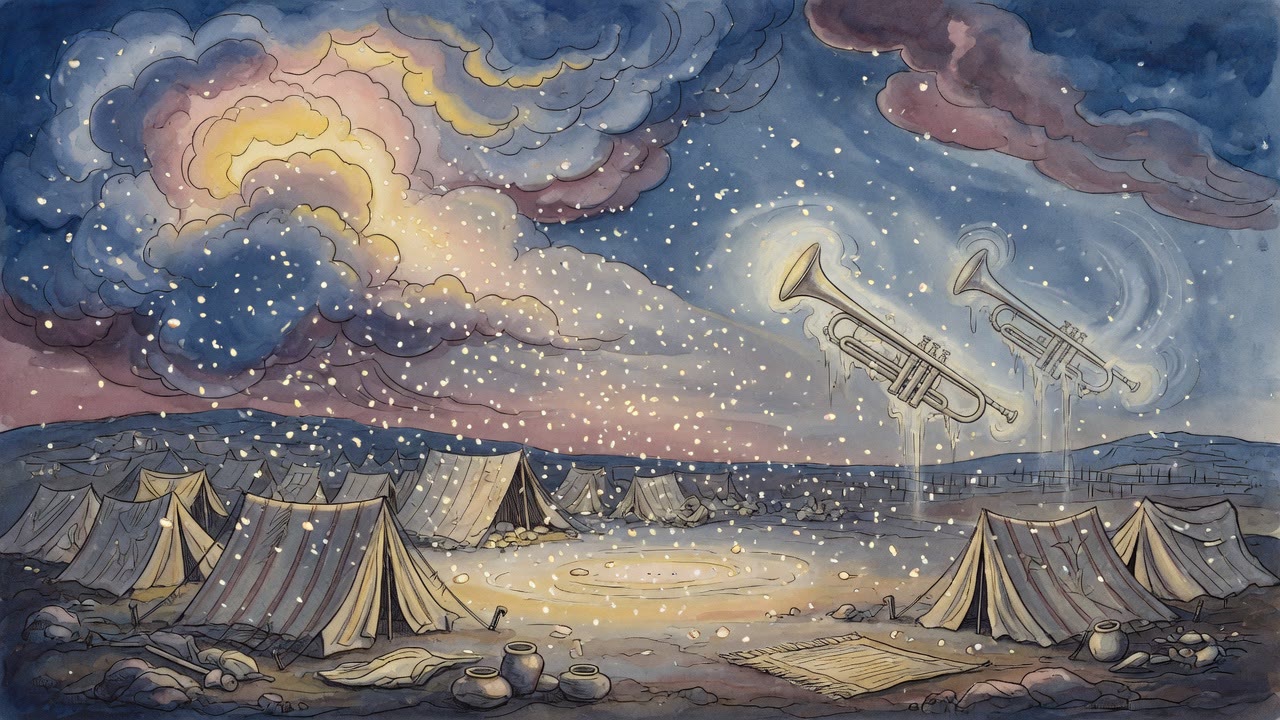
When Moses died, heaven's bread fed Israel thirty-nine more days. His silver trumpets disappeared before Joshua could touch them.
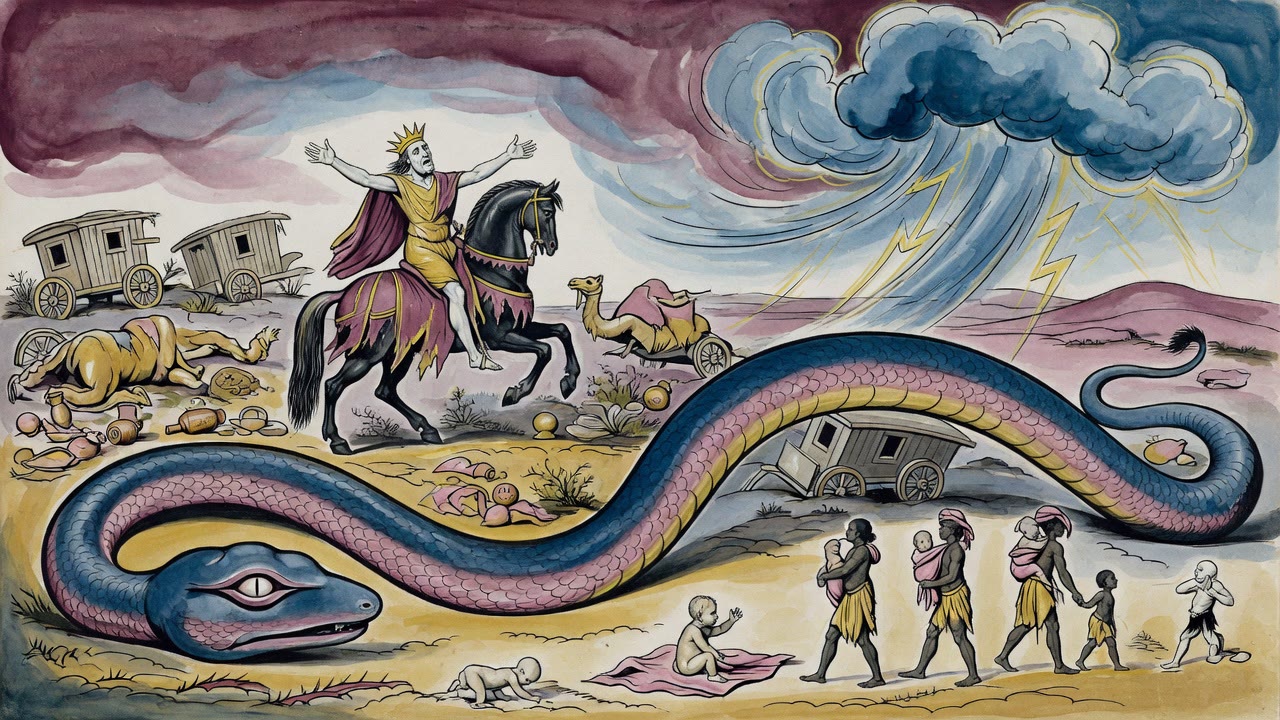
A king lost three caravans to the serpents of Shur and a woodcutter lost his hair to one glance, yet slaves and infants crossed the same waste untouched.
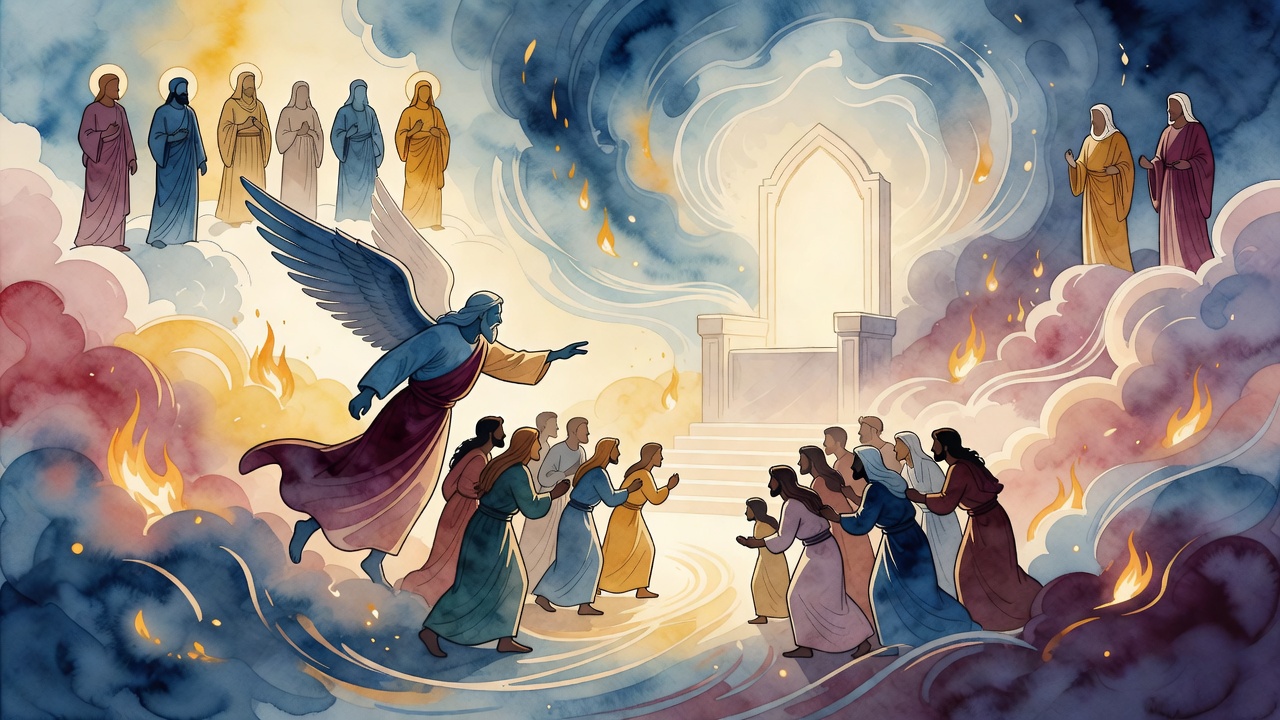
Egypt was still owed 314 years of slave labor, Uzza argued. He asked God to send Michael to argue back, and God agreed to hear the case.
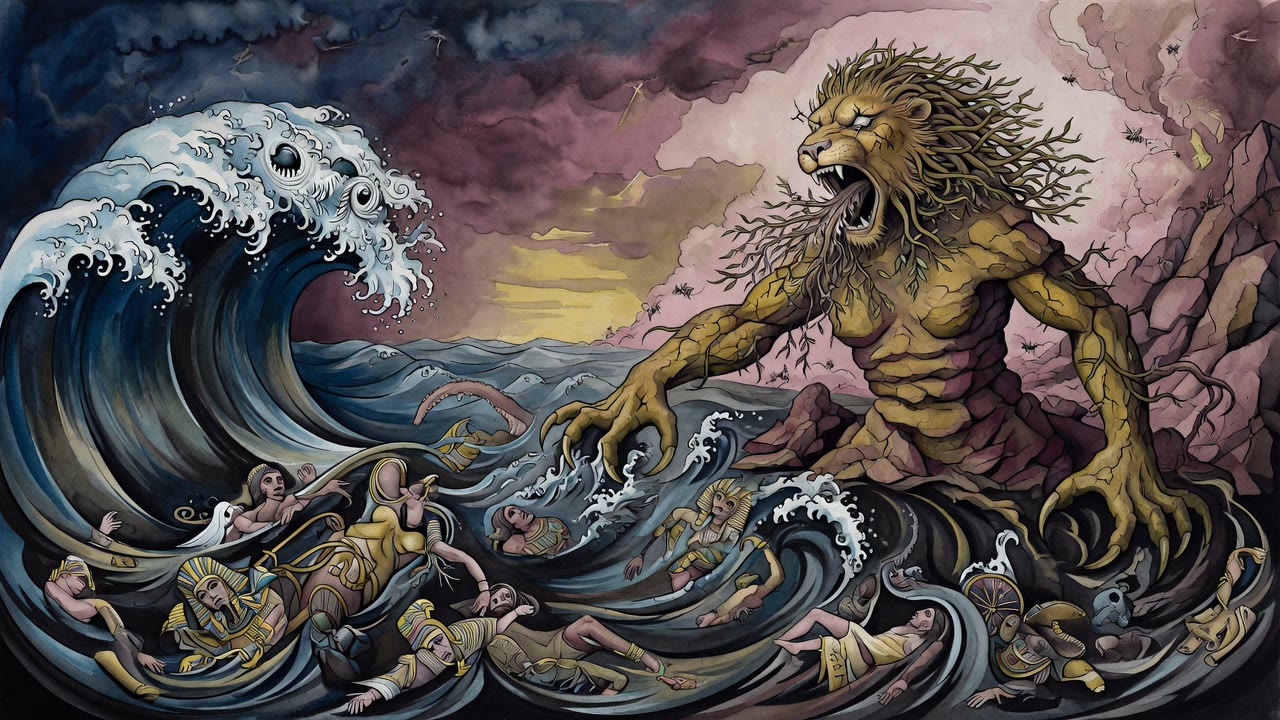
God orders Rahab to swallow the waters of creation. He refuses and is slain, and then the sea and the earth quarrel over who must take the dead.
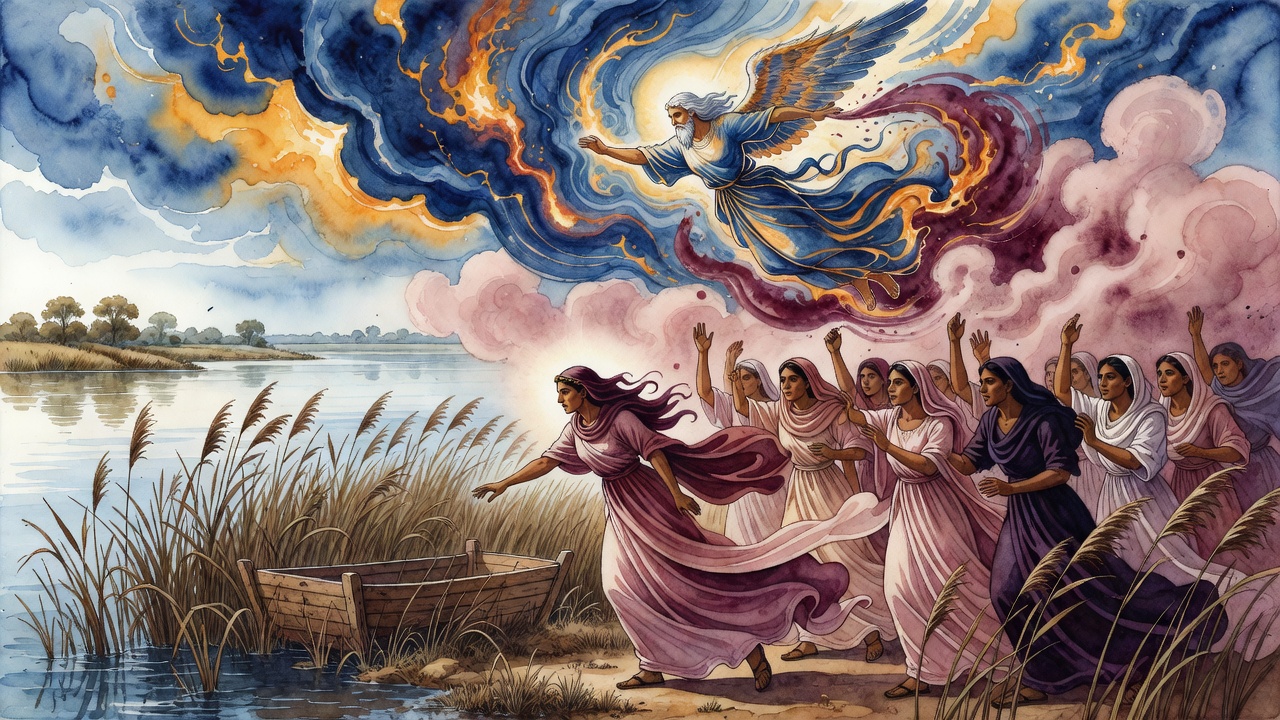
Pharaoh's daughter reaches for the ark in the reeds, her maidens block her in the name of the decree, and Gabriel strikes them down.
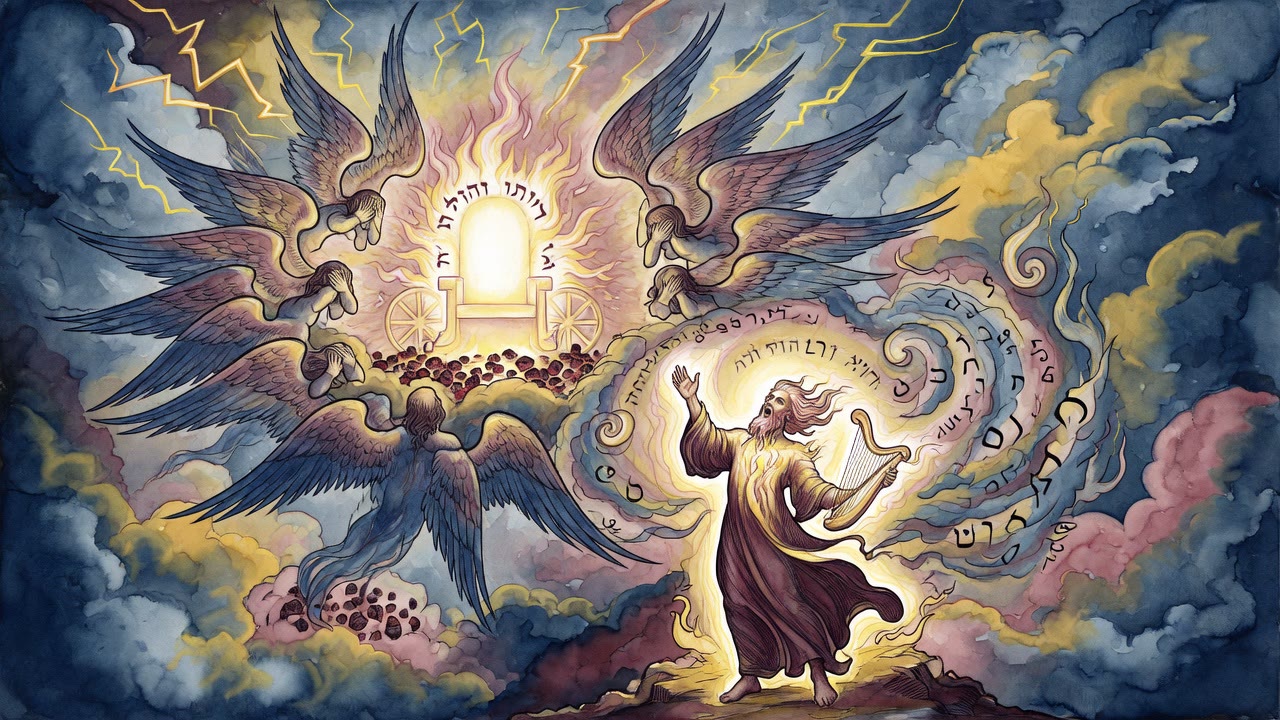
She had been told to look at the floor. Between two walls of standing water she pointed at the glory and named God as hers.
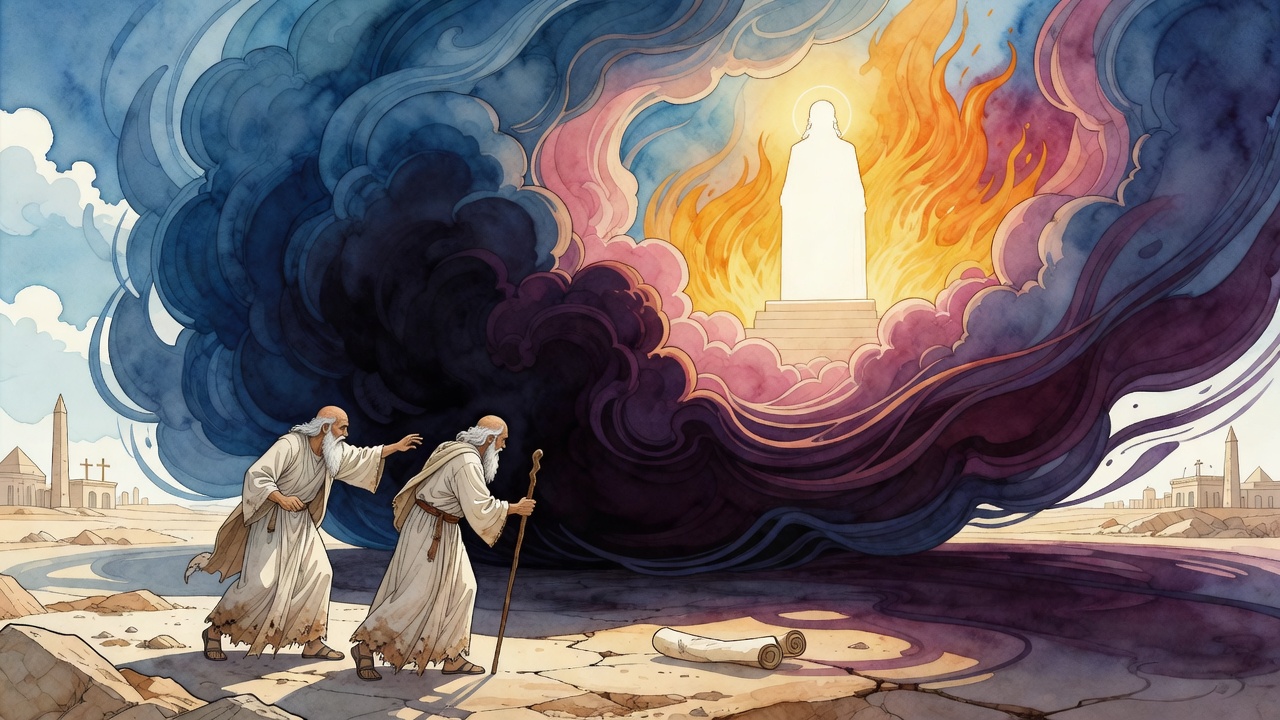
Two sages traced the dark that pinned Egypt to the blackness God hides behind, a coin-thick scoop of the deep that doubled once it was loosed.
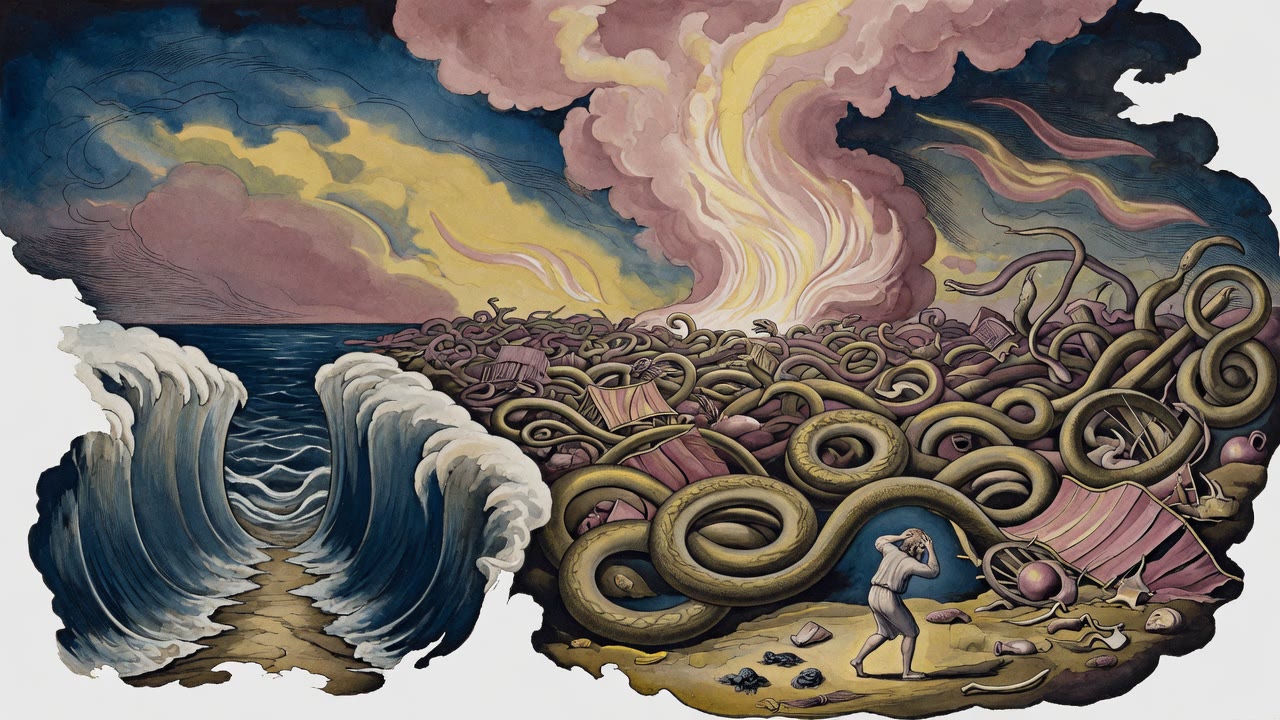
The sea still stood in two walls behind them when the ground began to move. Serpents thick as olive-press beams did not make way.
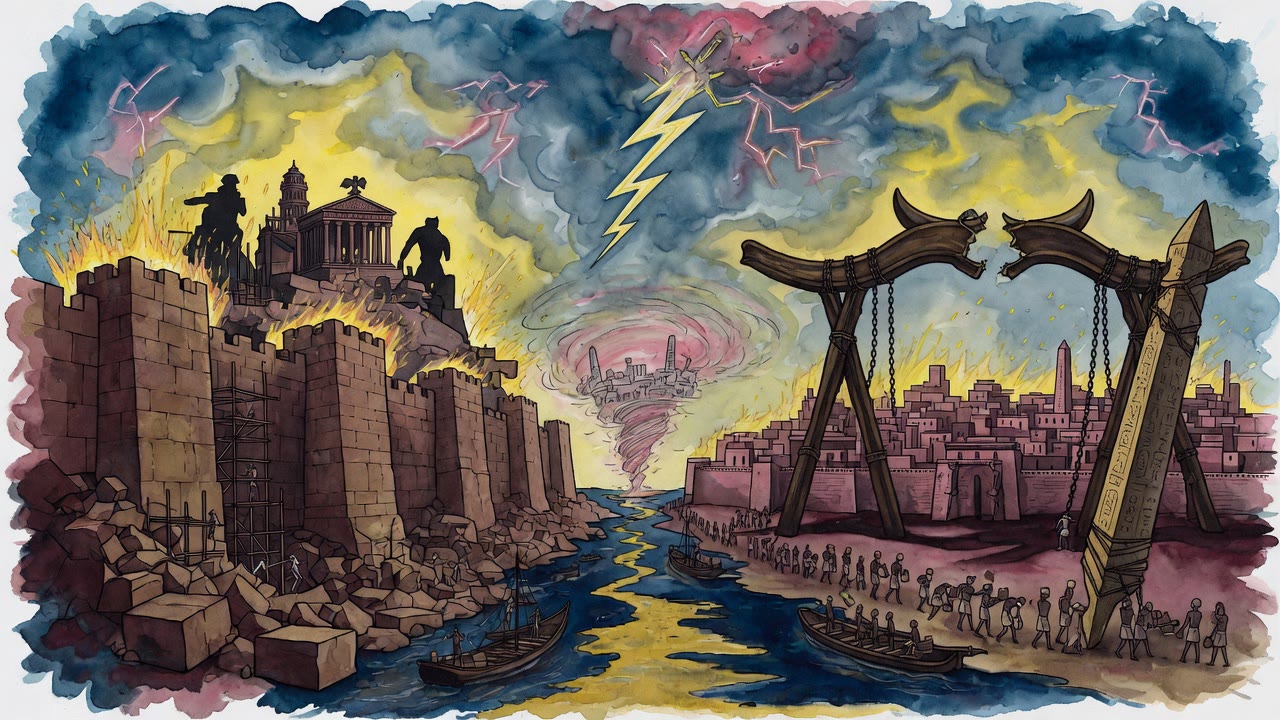
A she-wolf fed two boys on a hillside in Jotham's reign. South of there, Hebrew women laid infants in the furrows and left them.
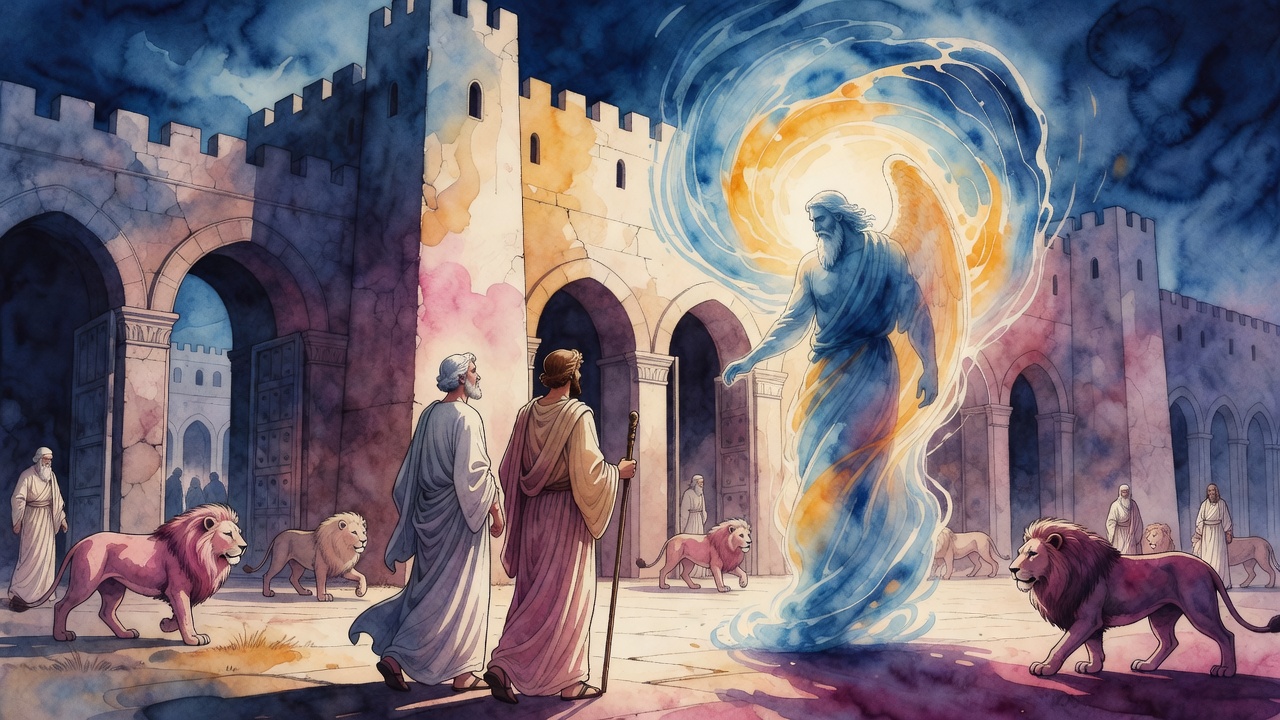
The elders slipped away one by one until only two brothers faced a fortress of four hundred gates and lions, and an angel walked them in.
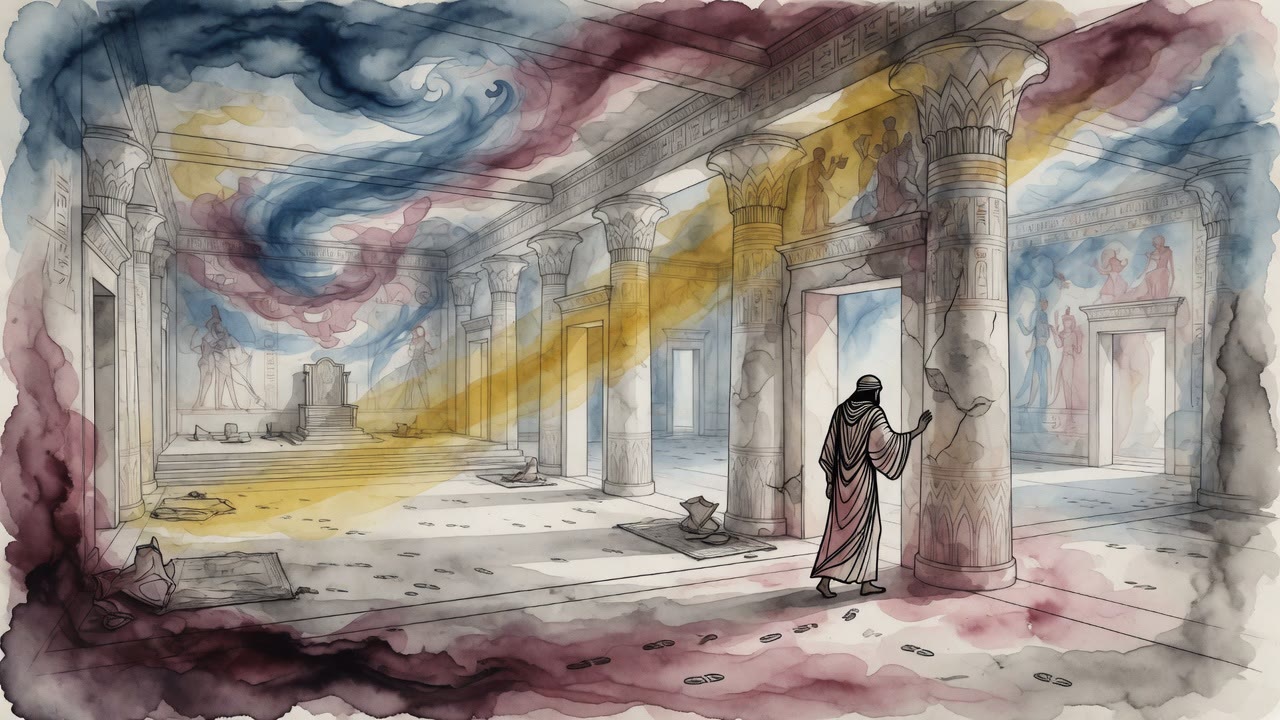
Pharaoh turned the Nile into a grave for Hebrew sons, but the river spat the infants back onto the sand, where God fed them milk and oil from the rock.
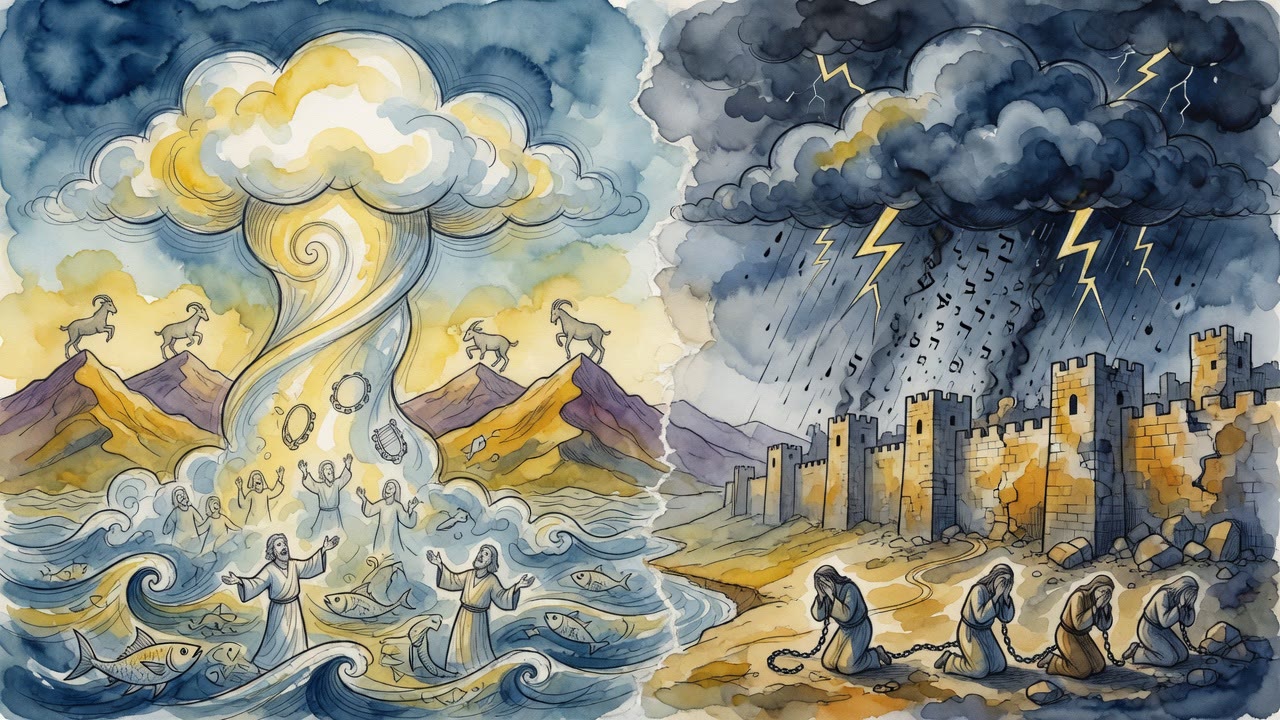
At the sea a freed nation sang until the mountains leapt. Out of Jerusalem the same people wept in chains, every mercy turned to ruin.
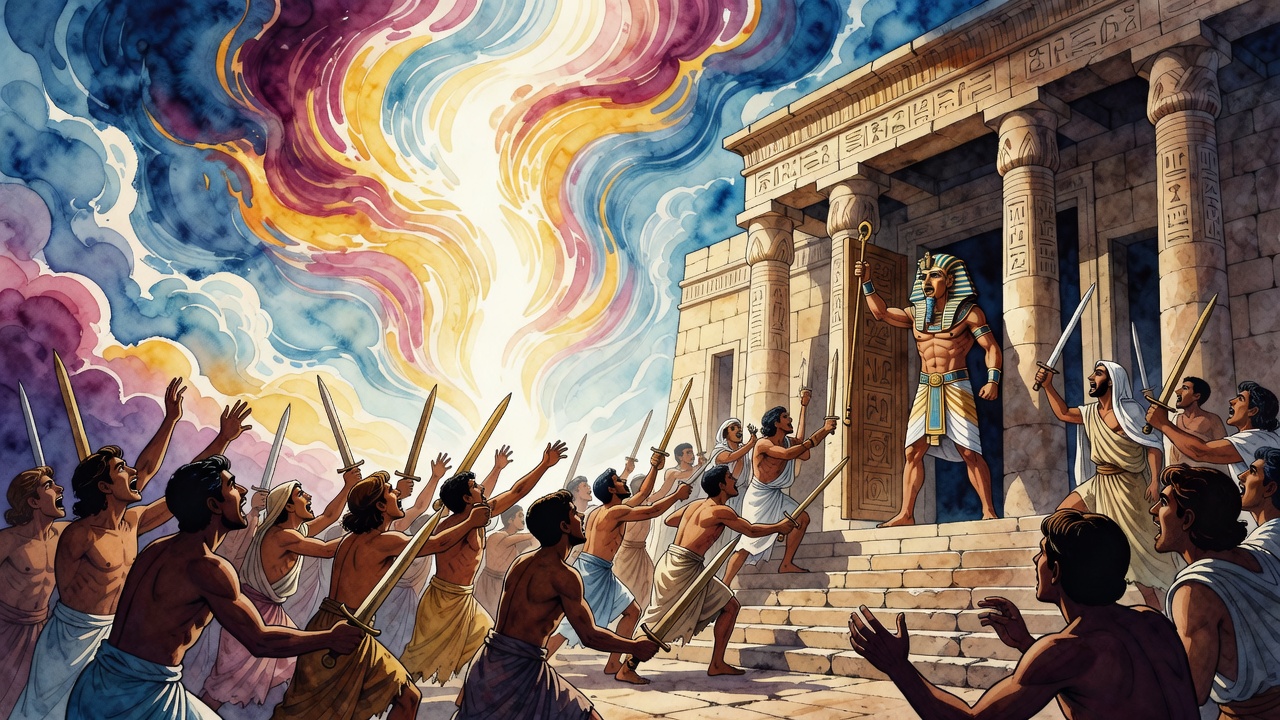
Firstborn sons stormed the palace with swords and pleas. Pharaoh beat them back. At exact midnight God walked Egypt without a guide.
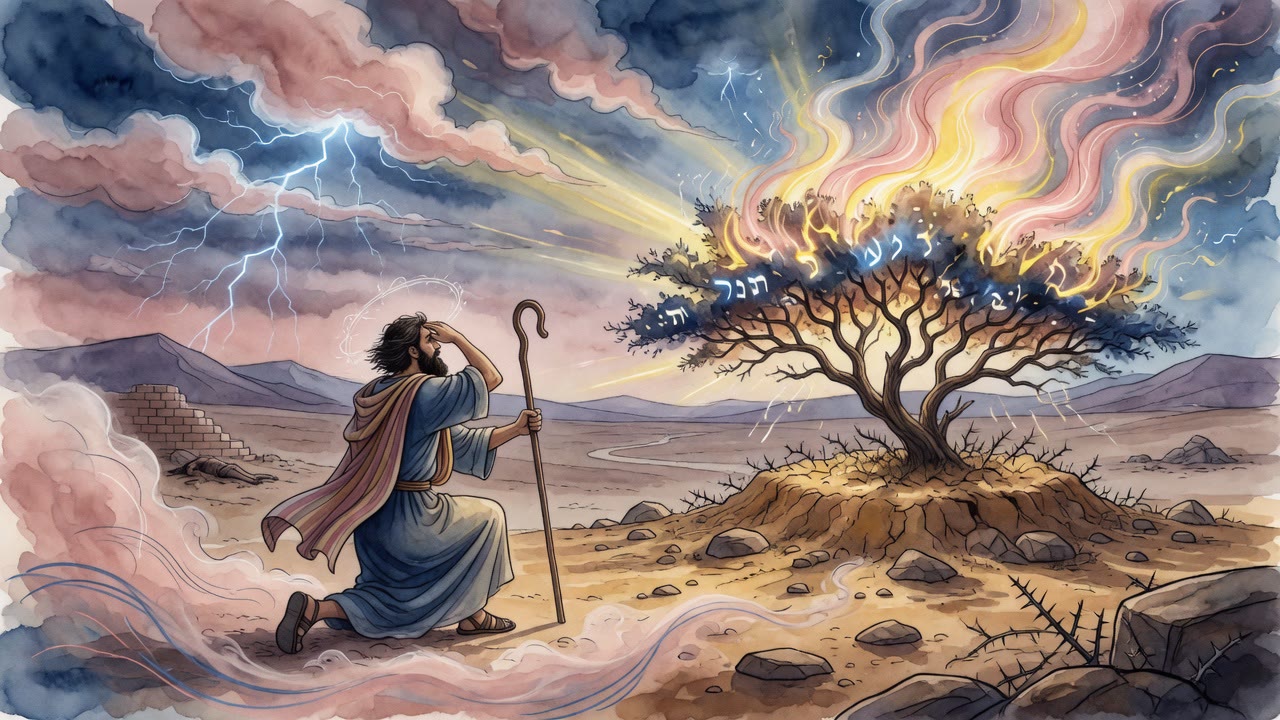
A bush burned on Sinai and would not fall to ash. Moses named his heavy mouth. God said the hunters were already in their graves.
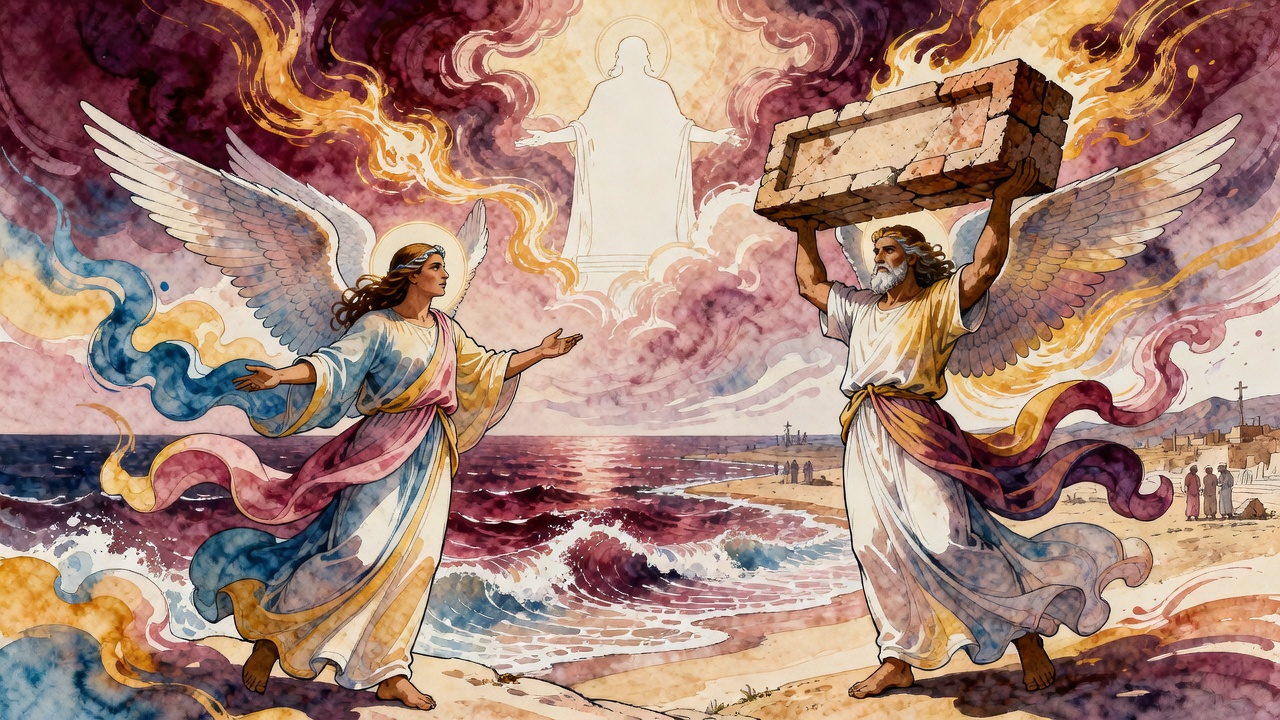
Egypt's angel said the slaves had already been paid in silver. Gabriel held up a brick-mold with straw still stuck in the corners.
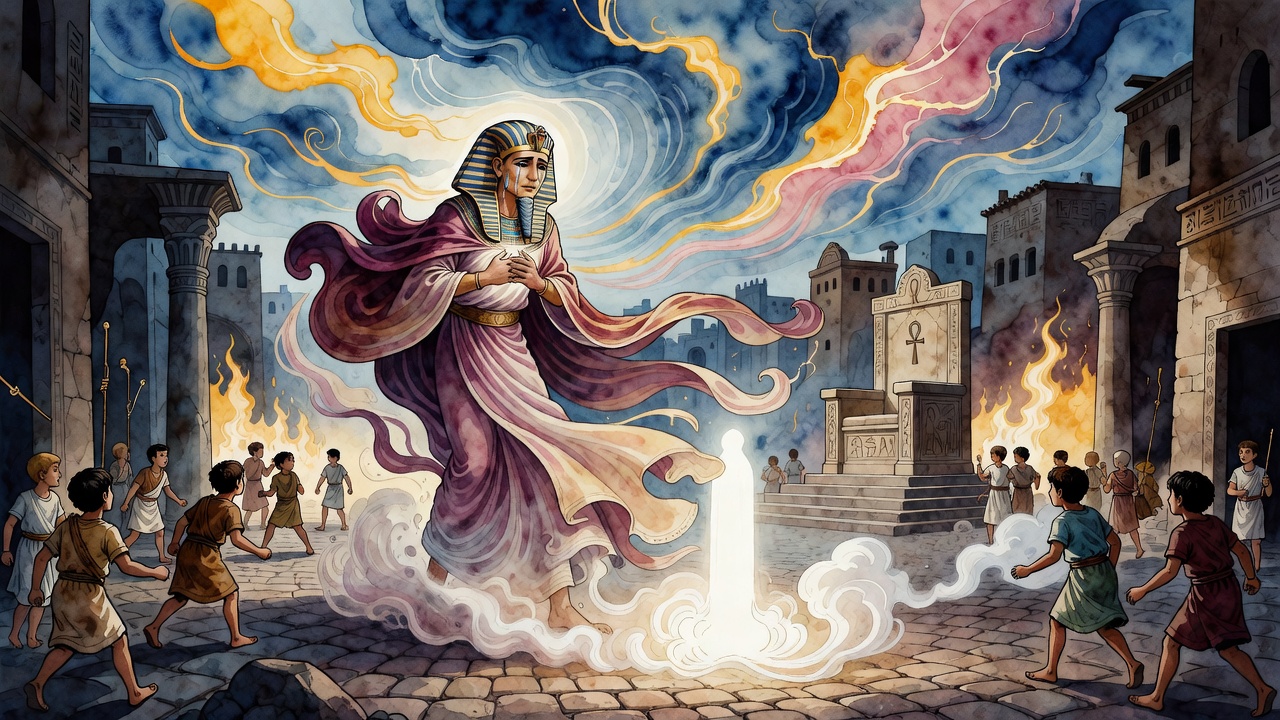
On the night death walked Egypt, Pharaoh wandered the streets weeping for Moses, while Hebrew boys misled the king who no longer knew where his slaves slept.
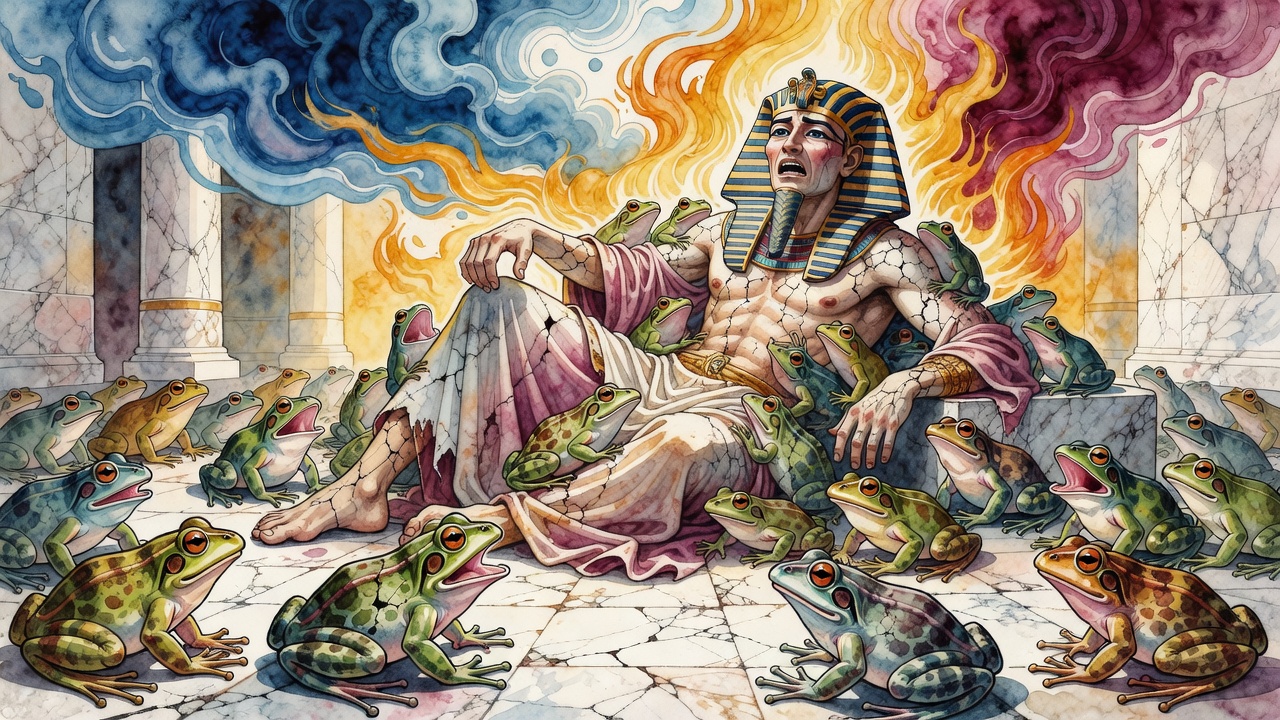
One frog croaked and an army answered, marble cracked on command, and Pharaoh finally suffered in his own body what blood in the Nile had left untouched.
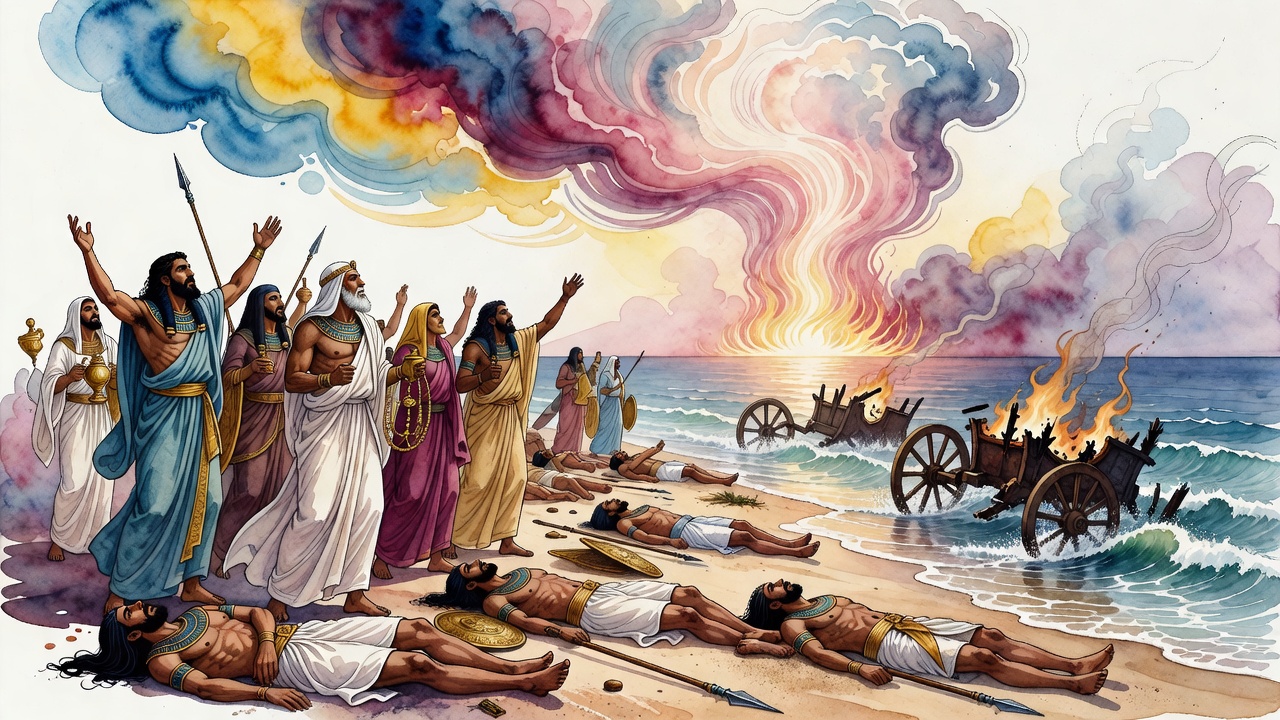
After the tenth plague, Pharaoh forced gold into Hebrew hands and left corpses unburied in his haste. At the sea, fire took the chariot wheels next.
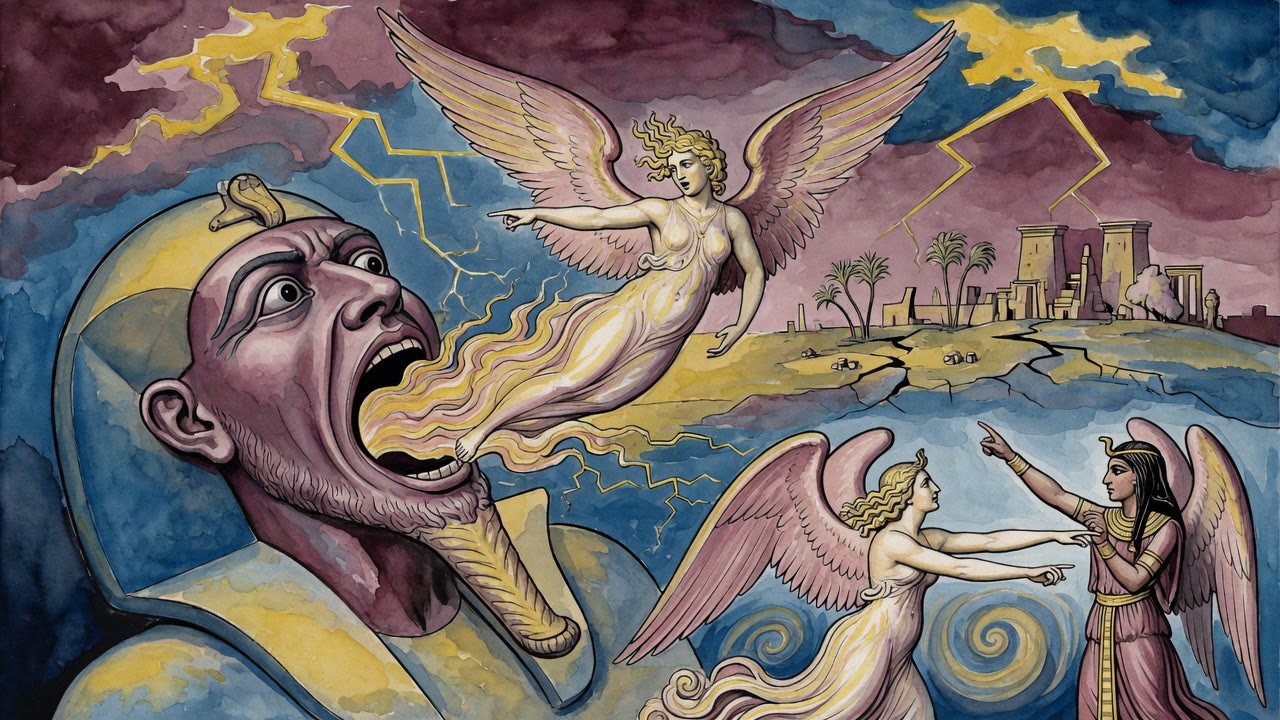
The sand burned under the first steps out of Egypt. Then a cloud spread under their feet, and the camp walked on it.
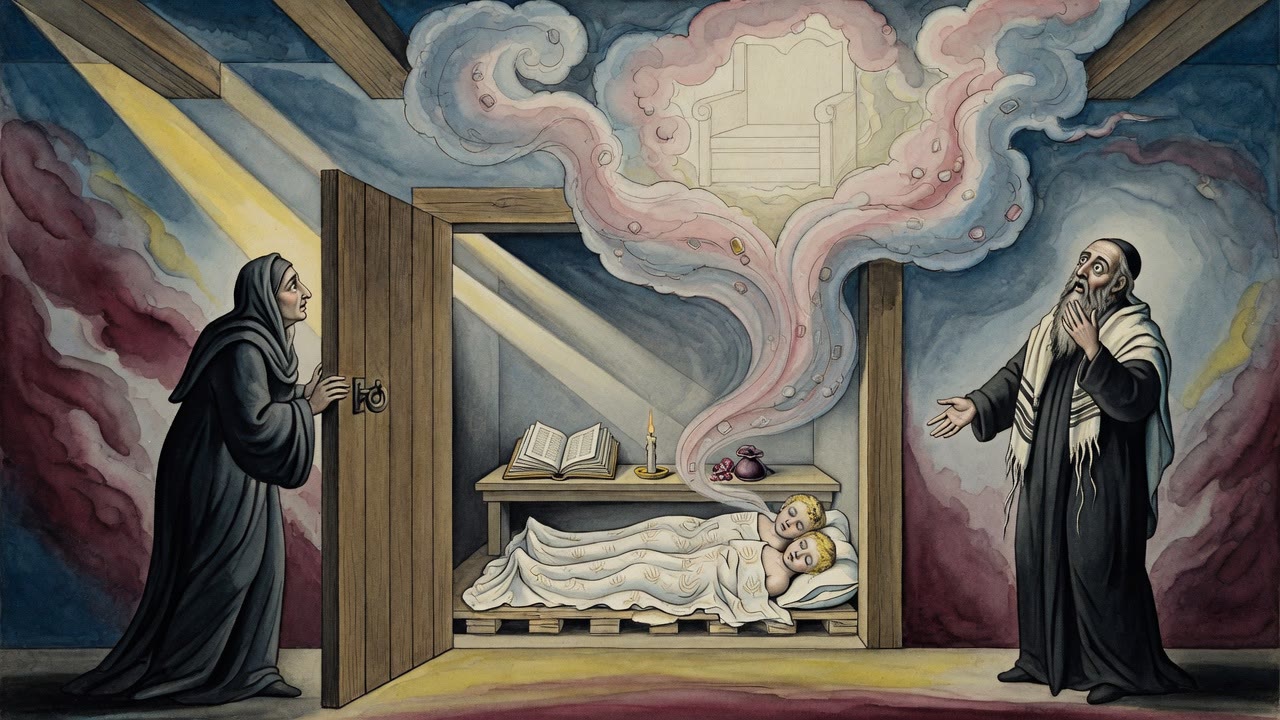
When Hebrew men divorced their wives to spare unborn sons from the Nile, Amram remarried Jochebed in public so despair would not erase Israel.
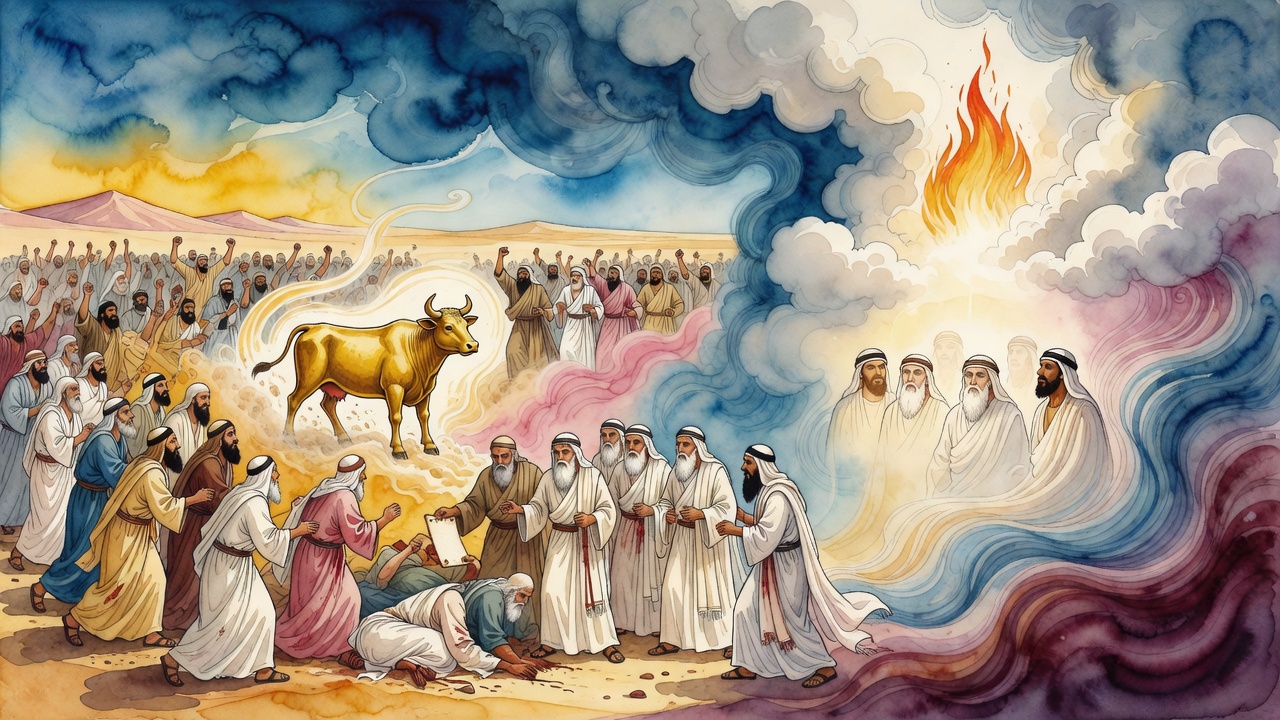
The crowd made the metal bull move and bellow, then told the judges to call it God. The judges said no, and the crowd killed them for it.
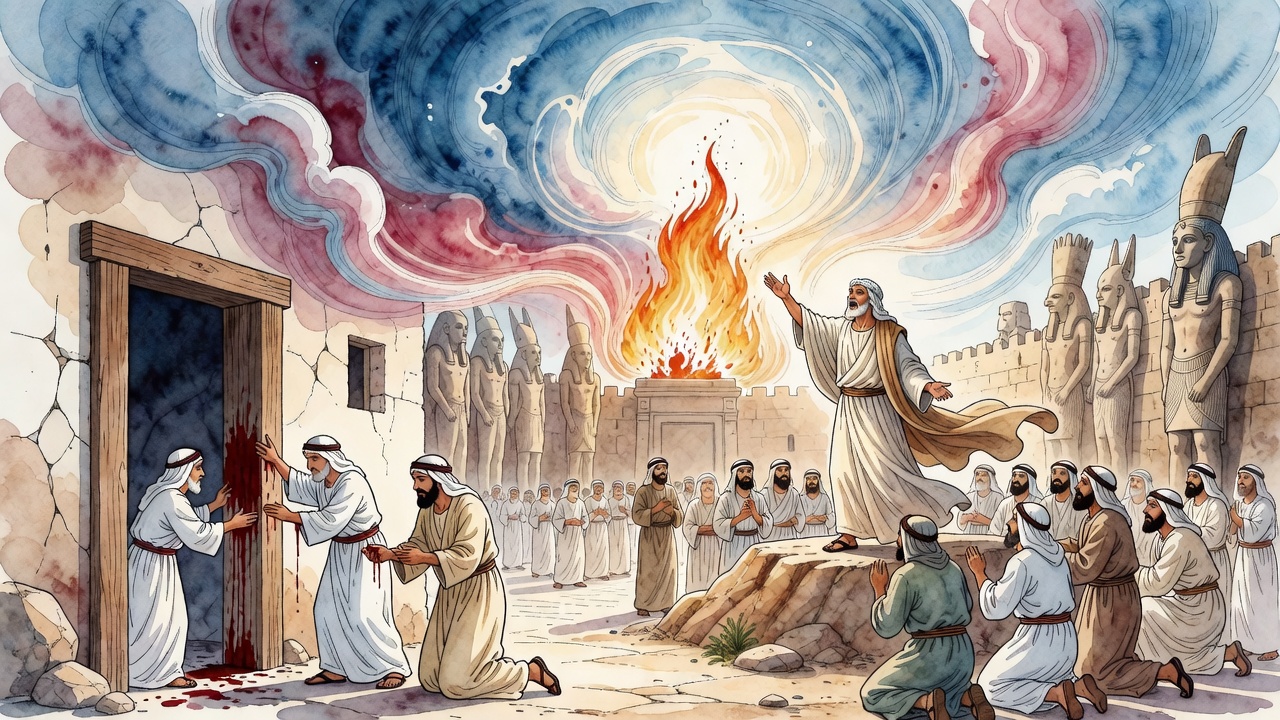
Rabbi Yishmael put the mark on the inside of the doorframe. No neighbor could count the painted houses, and no Egyptian ever saw one.
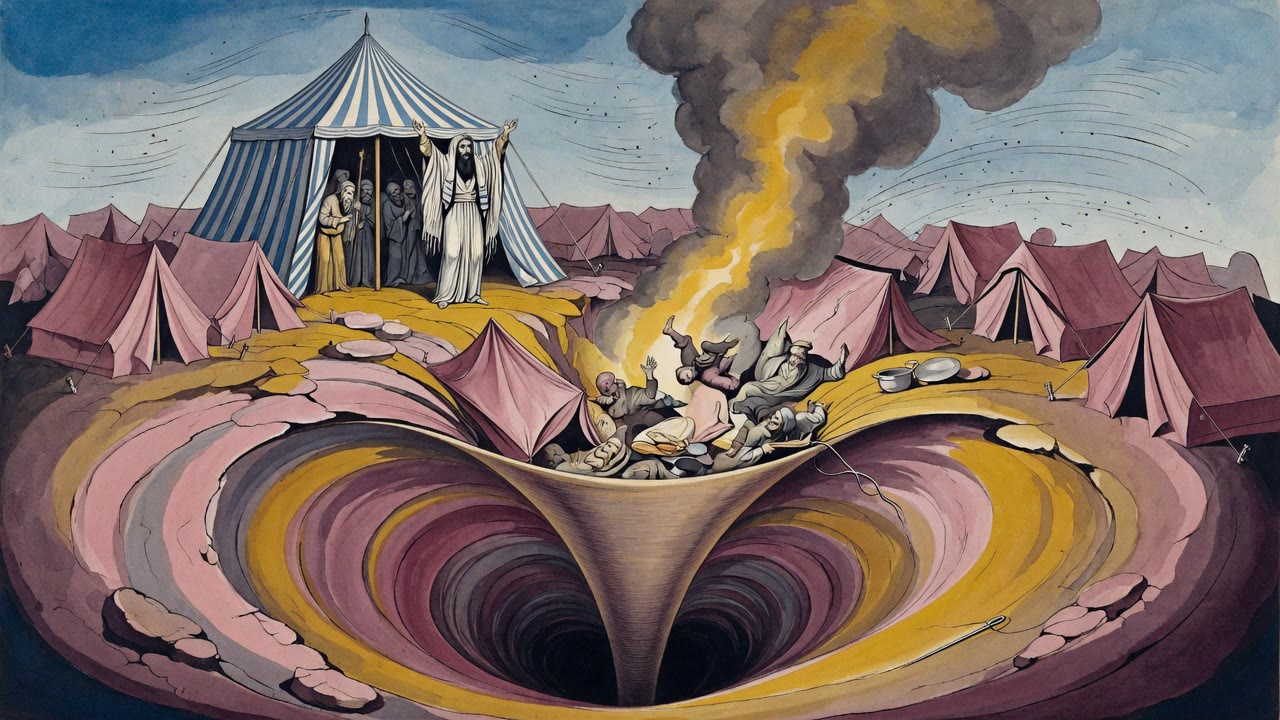
The chariots were already dead on the sand. The ground refused the burial until God swore by His right hand they would stay.
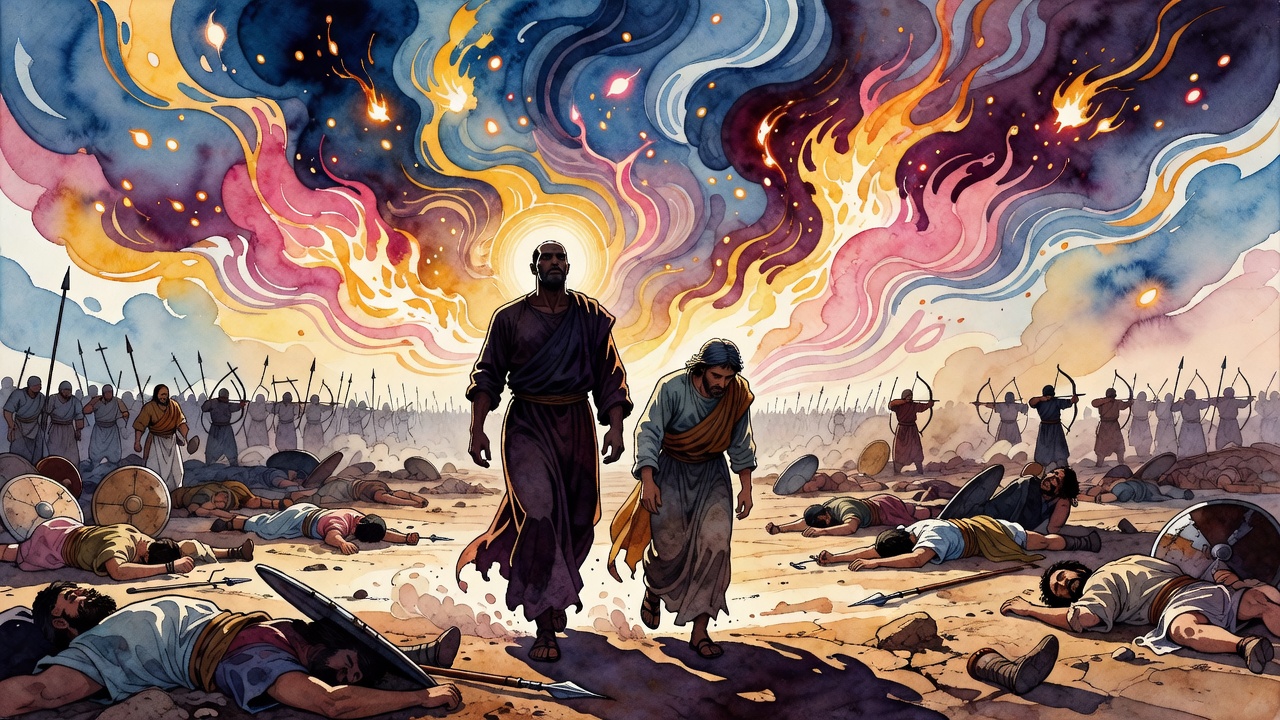
Ganoon said God had spoken and it was time to leave. Two hundred thousand of Ephraim walked out with bows and no blood on the doors.
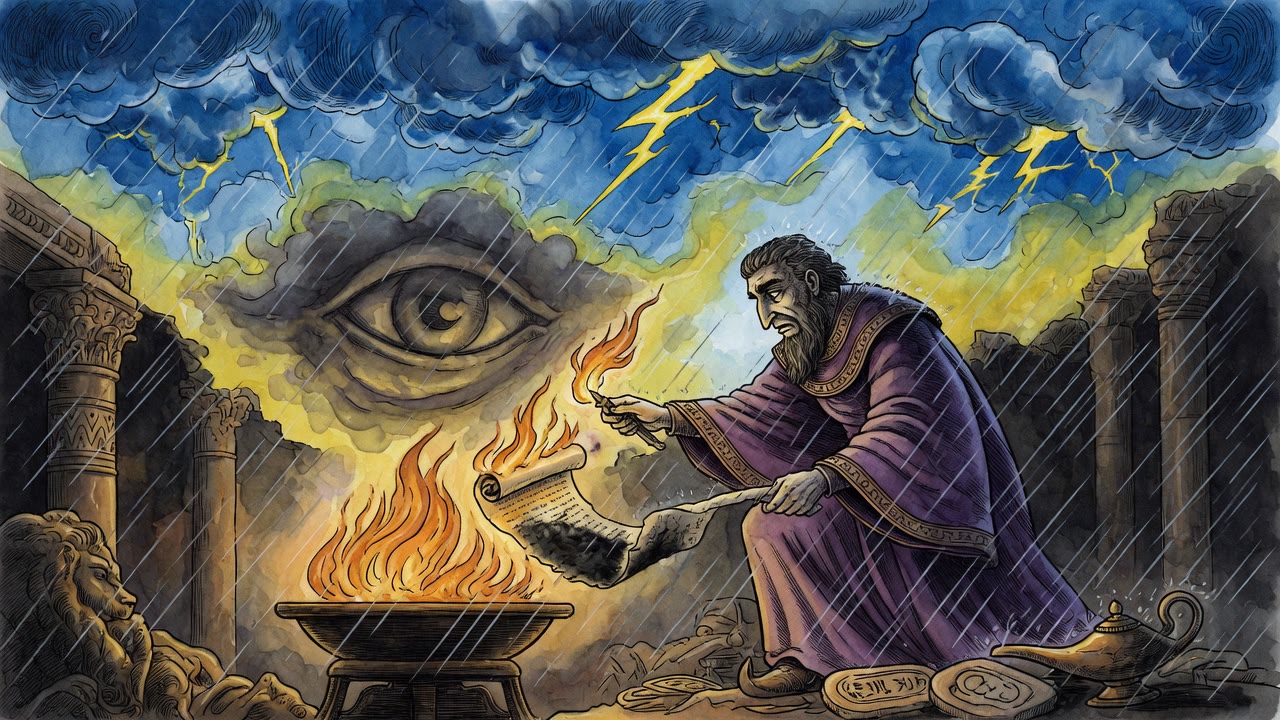
The prophet left a letter on the table and a rope from the beam. Eighty thousand sick men were already cutting stone when the palace learned he was dead.
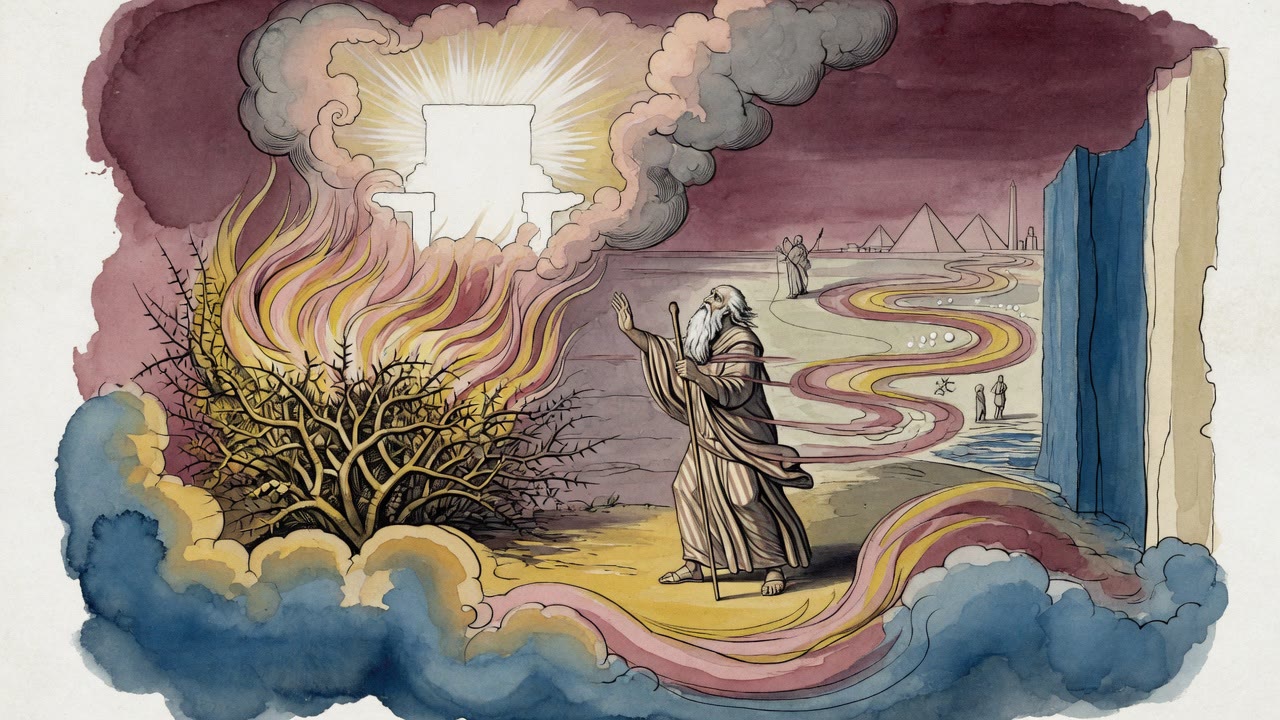
At the bush Moses asked God to send someone else. God sent him anyway, and eighty-year-old Moses walked Egypt into plagues and a split sea.
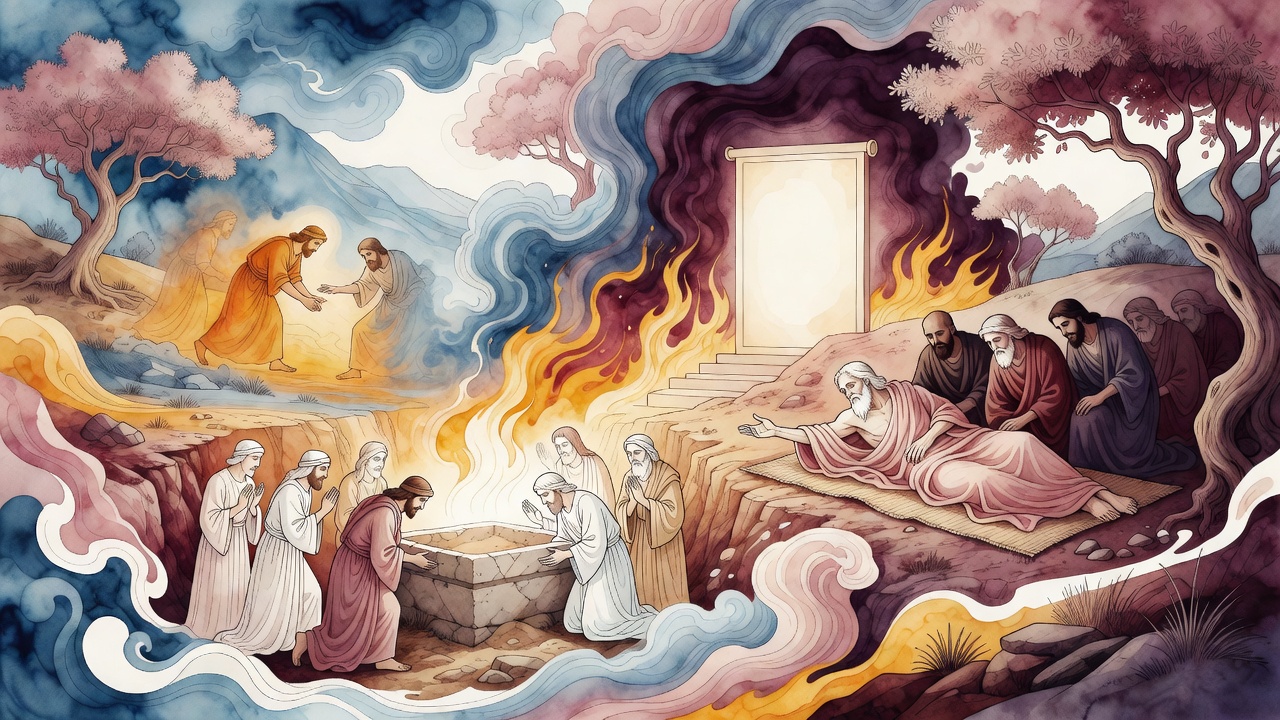
Dying, Jacob ordered Joseph to forgive and shield his brothers. Ages later the tribes buried Joseph in Shechem, the ground that first took him.
