Pharaoh Chased the Future He Could Not Read
Pharaoh's seers glimpsed Moses, water, and Egypt's danger, but the king turned a true warning into slaughter and a doomed chase.
Table of Contents
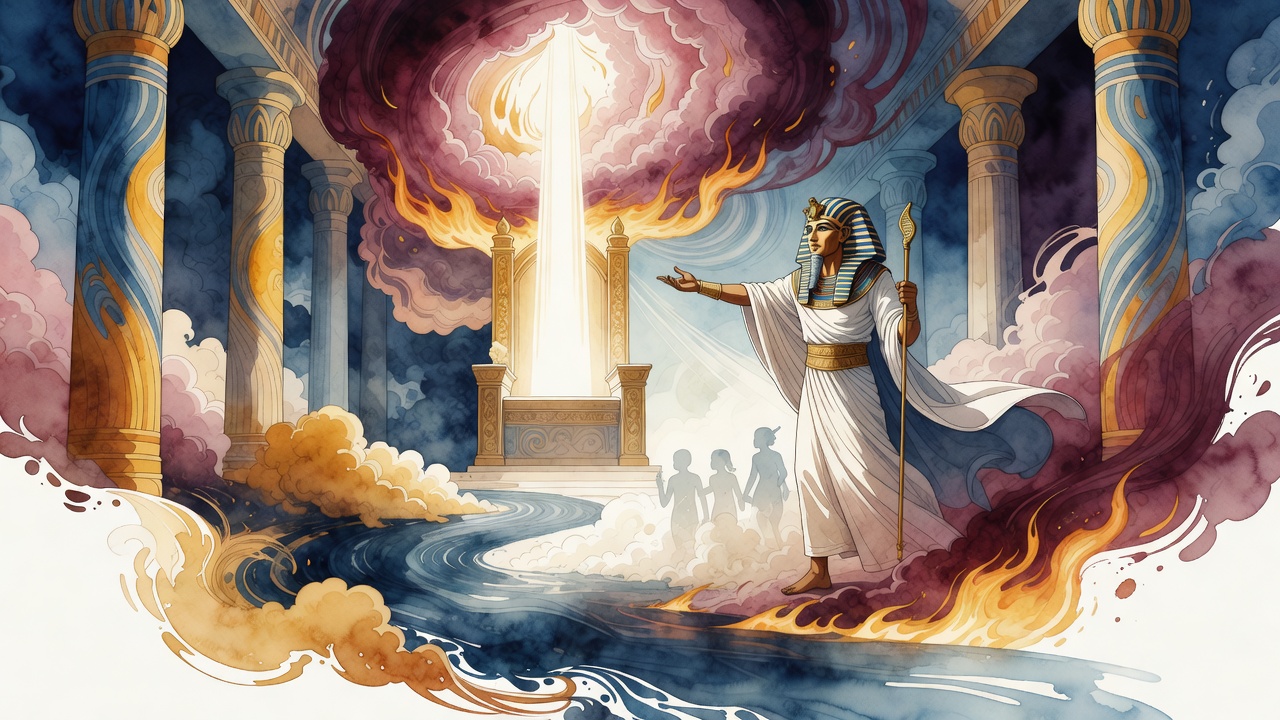
Pharaoh heard the future and mistook it for permission.
 Click for full size
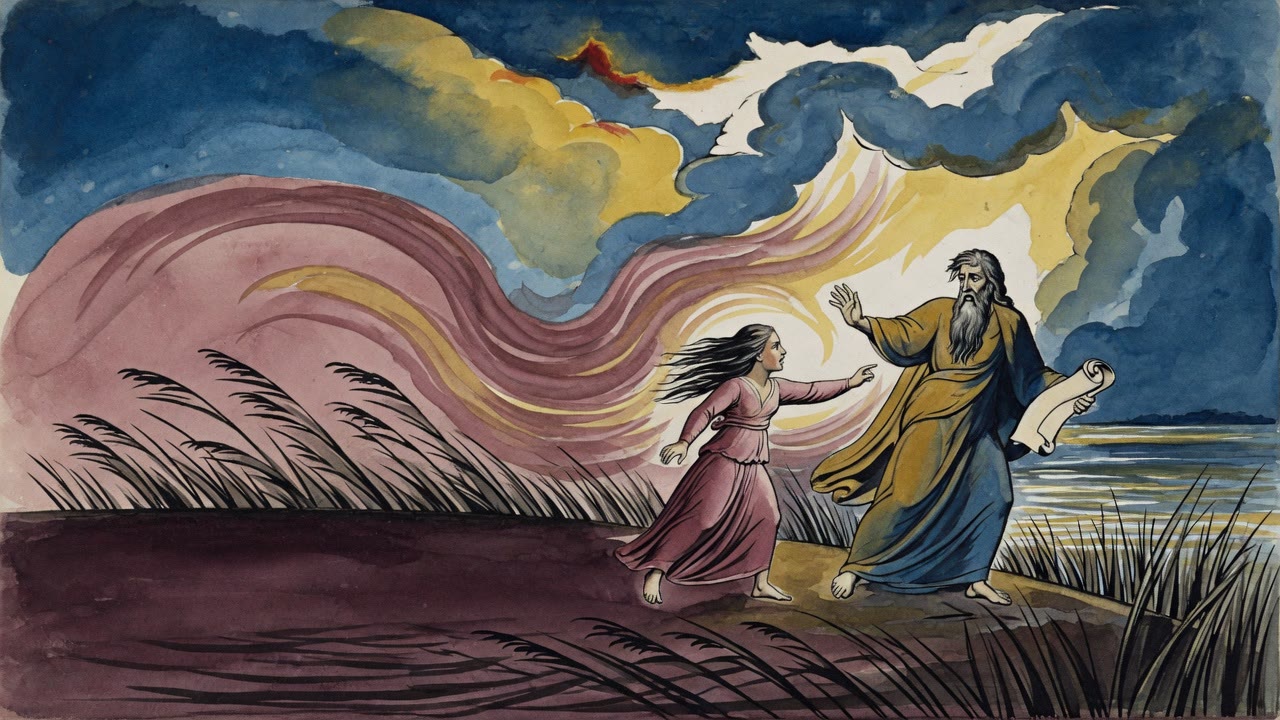
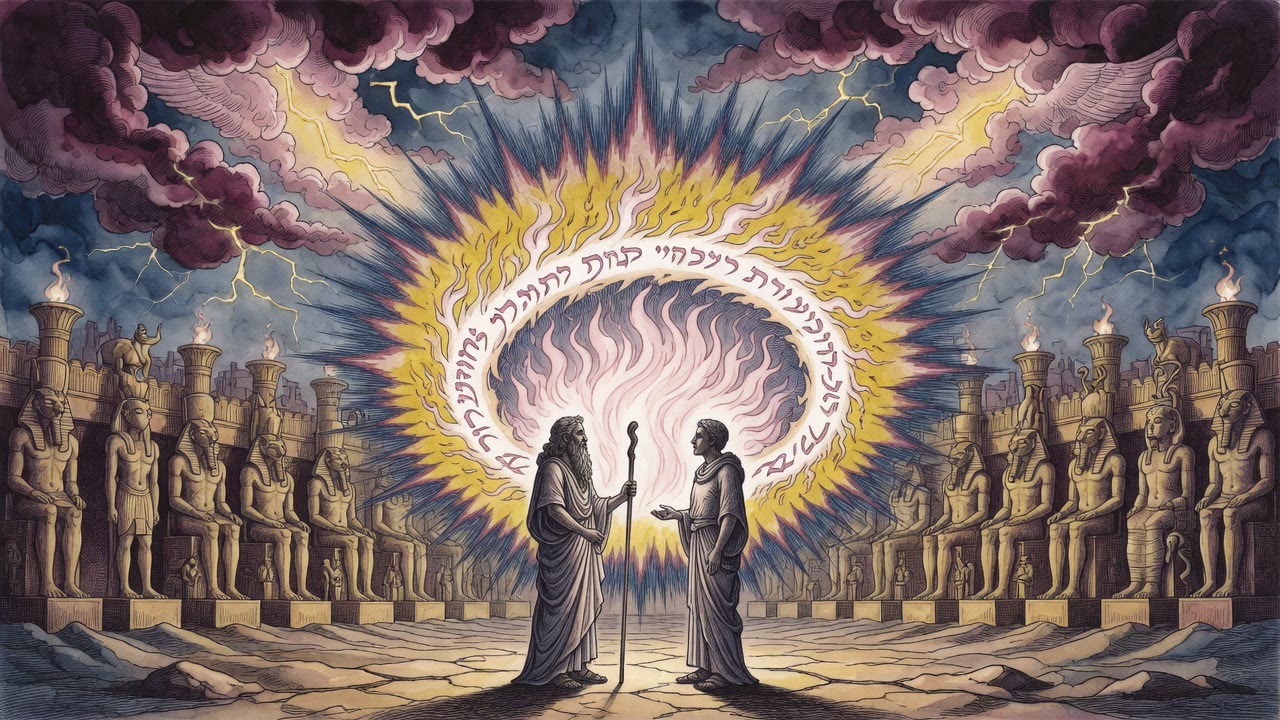
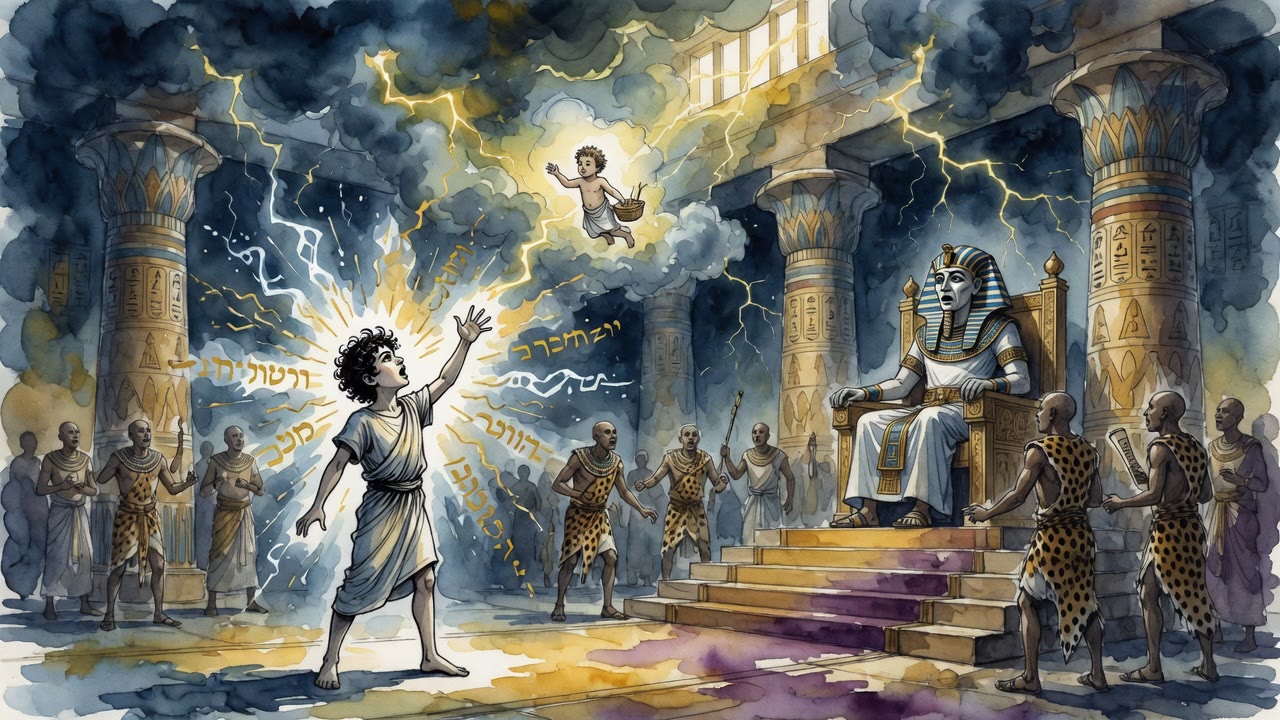
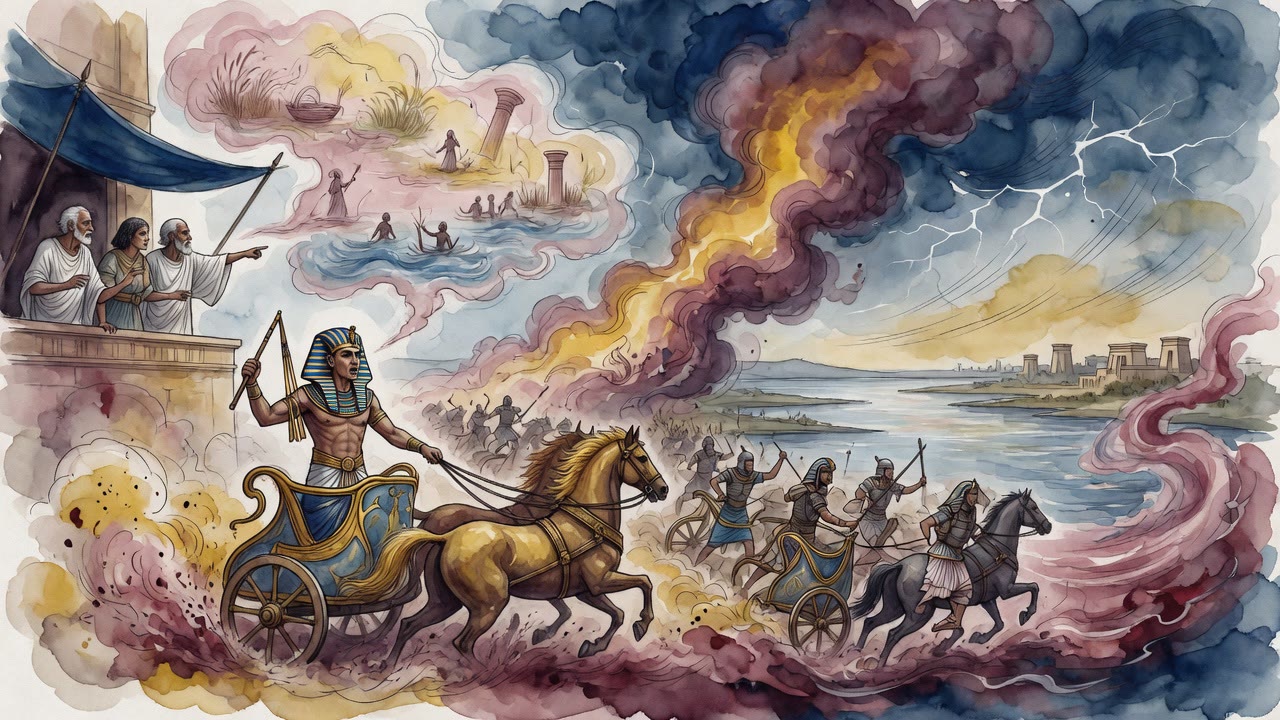
The men who watched the stars did not come trembling with nonsense. They came with enough truth to sharpen a knife. A child was coming. A redeemer would rise from the slaves. Water stood in the vision like a dark mark beside his fate.
The Sky Put Water in His Ear
One word lodged in the palace: water. The king sat with it until fear became policy. If water waited for the child, then water could be made into a net. If the river would be the end, then let the river receive every newborn son before the child could grow teeth, hands, memory, speech.
Moses was still only a danger in the language of signs. No trumpet had sounded. No staff had struck the ground. The slaves still bent beneath Egypt's work, and brick dust still clung to their faces. But Pharaoh already treated the unborn child as a rebel army.
The River Took the Blame
The order passed from the palace into alleys and birthing rooms. Hebrew boys were to be thrown into the Nile. The river did not shout for them. It only waited, broad and brown, while soldiers and neighbors learned how quickly a command can turn a cradle into evidence.
The astrologers had not lied. That made the danger worse. Lies can be exposed. Partial truth can sit in a throne room wearing a crown. Pharaoh did not hear, "A boy is bound to water." He heard, "Kill by water." A ruler with fear in his blood can turn one unclear sign into a machine.
The Earth Hid What Egypt Hunted
Egypt did not get the clean victory it wanted. Infants vanished into the earth. Fields that had taken seed and rain became hiding places, swallowing the children whom the decree had marked for death. The Egyptians went out with oxen and plows, dragging blades through the soil as if babies could be harvested like grain.
The plows bit down. The earth did not give them up.
There is cruelty so practical that it becomes ridiculous. Men who had watched children disappear beneath the ground tried to farm for victims. They had Pharaoh's order, their animals, their tools, their panic. The land kept its mouth shut. Egypt could command mud for bricks, but it could not command the ground to betray a hidden child.
The Head Start Collapsed
Years passed, and the boy whom water was supposed to kill walked out of Egypt at the head of a people. Pharaoh had already lost the first reading of the sign. He lost the second on the open road.
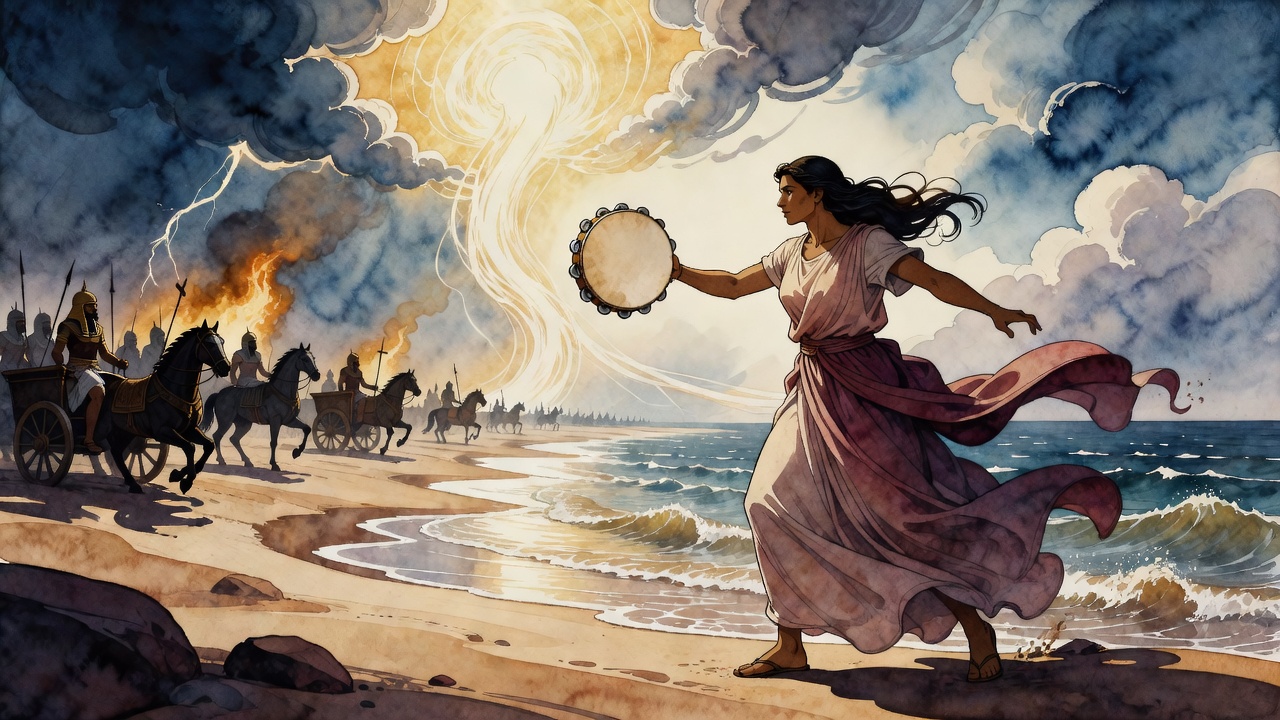
Israel had traveled three days. That should have meant distance, breath, a strip of safety between the freed slaves and the army that wanted them back. Pharaoh's scouts tore through the same three-day distance in a day and a half. Dust flew behind them. Hooves struck the road with the rhythm of a king's refusal.
Then Pharaoh outran his own messengers. What took them a day and a half, he covered in one day. His chariots moved as if anger had become a second team of horses. The man who once tried to drown the future now chased it faster than reason, faster than scouts, faster than the ordinary measures of pursuit.
The King Read Speed as Victory
Every mile fed him. The shrinking gap looked like proof. The reports came back: the slaves were close, the road was closing, the head start had broken. Pharaoh could feel the old palace certainty returning. Signs could be managed. Water could be weaponized. Children could be hunted. Fugitives could be dragged back.
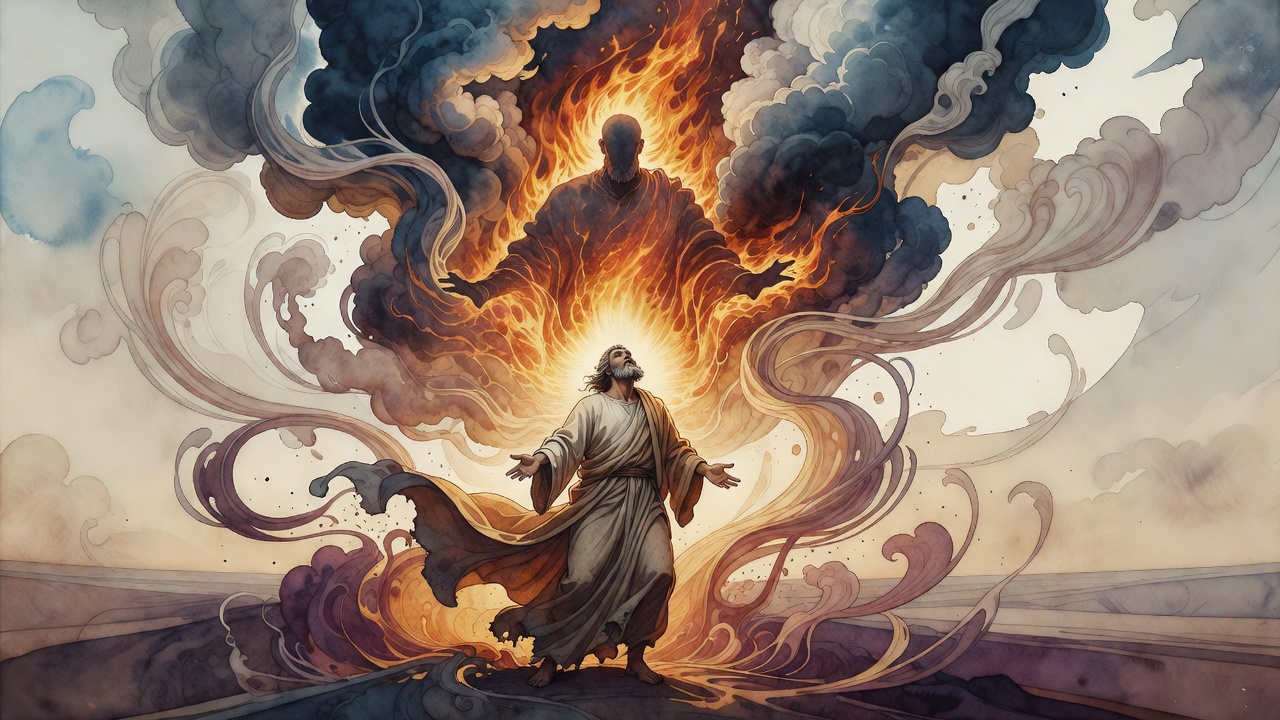
But the pattern had already condemned him. He kept mistaking motion for mastery. The child on the horizon was not an army he had failed to kill by accident. The chase itself was another wrong reading, another palace decree written against a future Pharaoh did not own.
Behind him came Egypt, iron, wheels, command. Before him went the people he had tried to erase. The same water-sign that had made him murder infants now pulled him toward the edge of another judgment, and still he pressed forward.
← All myths