13 myths
Each story names the sources it was written from.
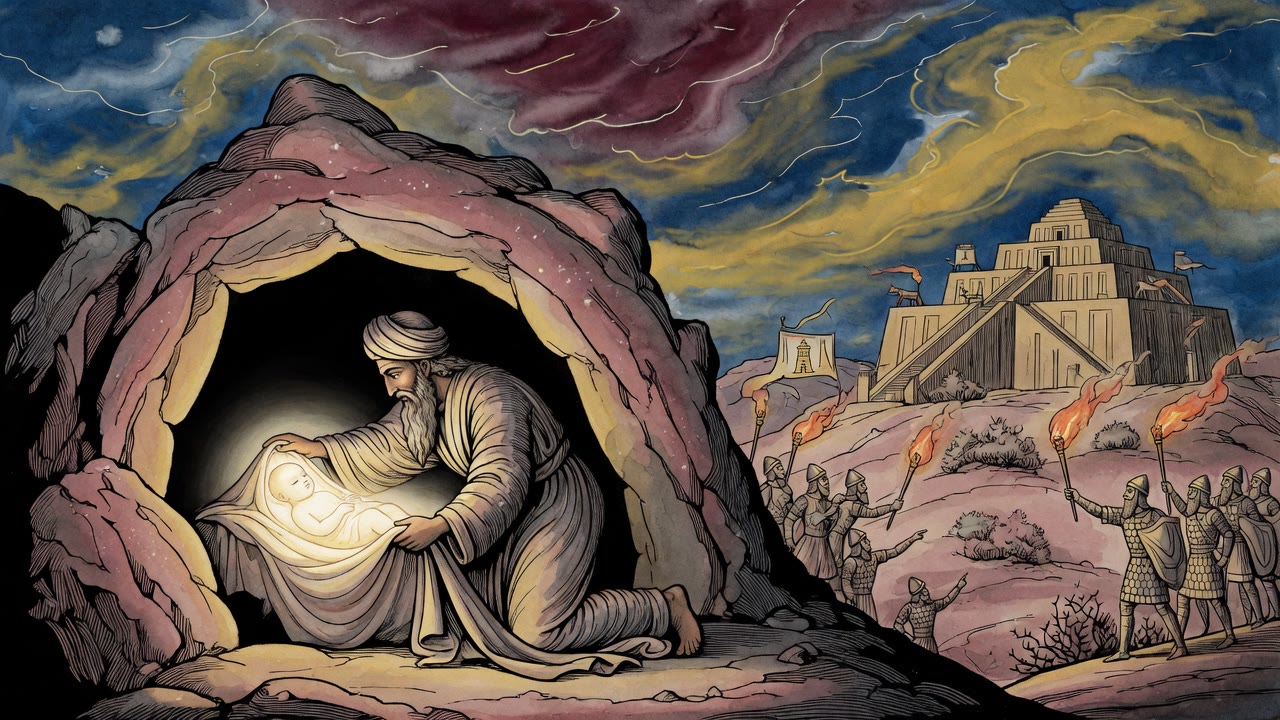
The Torah introduces Abraham as a grown man. The older traditions say his father had already saved his life once by swapping him for a slave child.
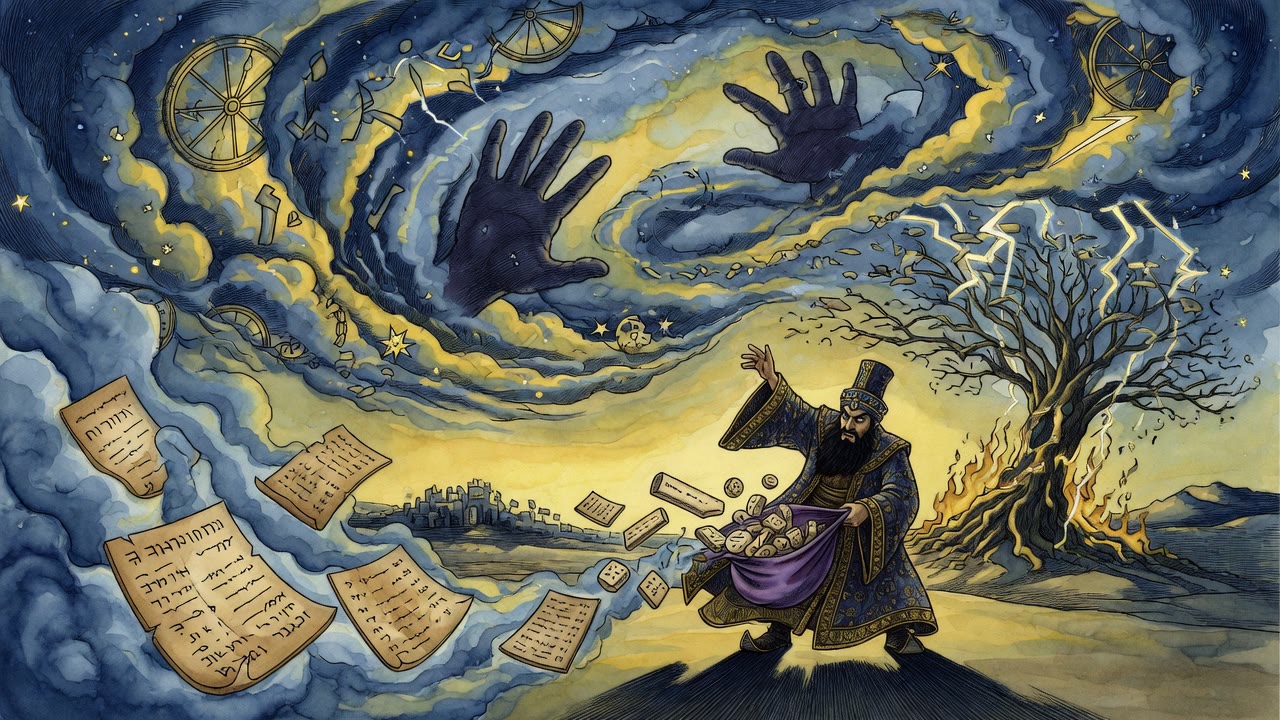
Haman threw lots at days and months until Adar smiled at him. Moses had died there. He did not know Moses had been born there too.
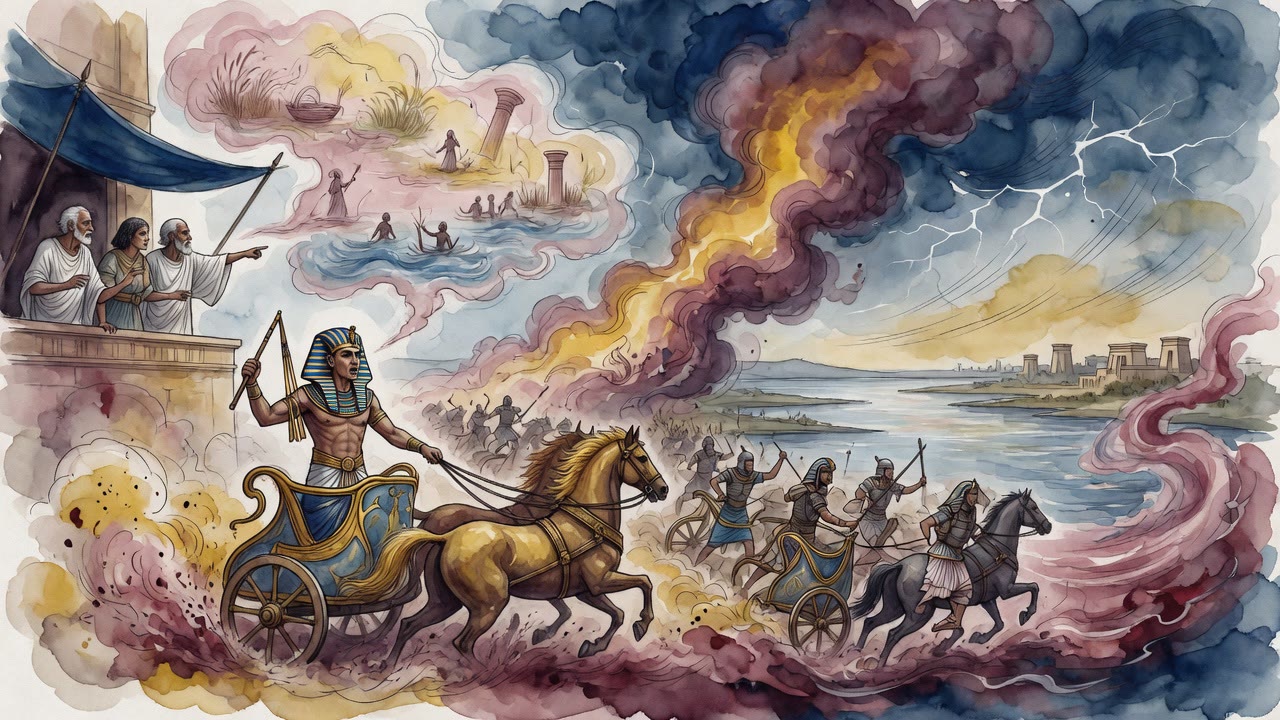
Pharaoh's seers glimpsed Moses, water, and Egypt's danger, but the king turned a true warning into slaughter and a doomed chase.
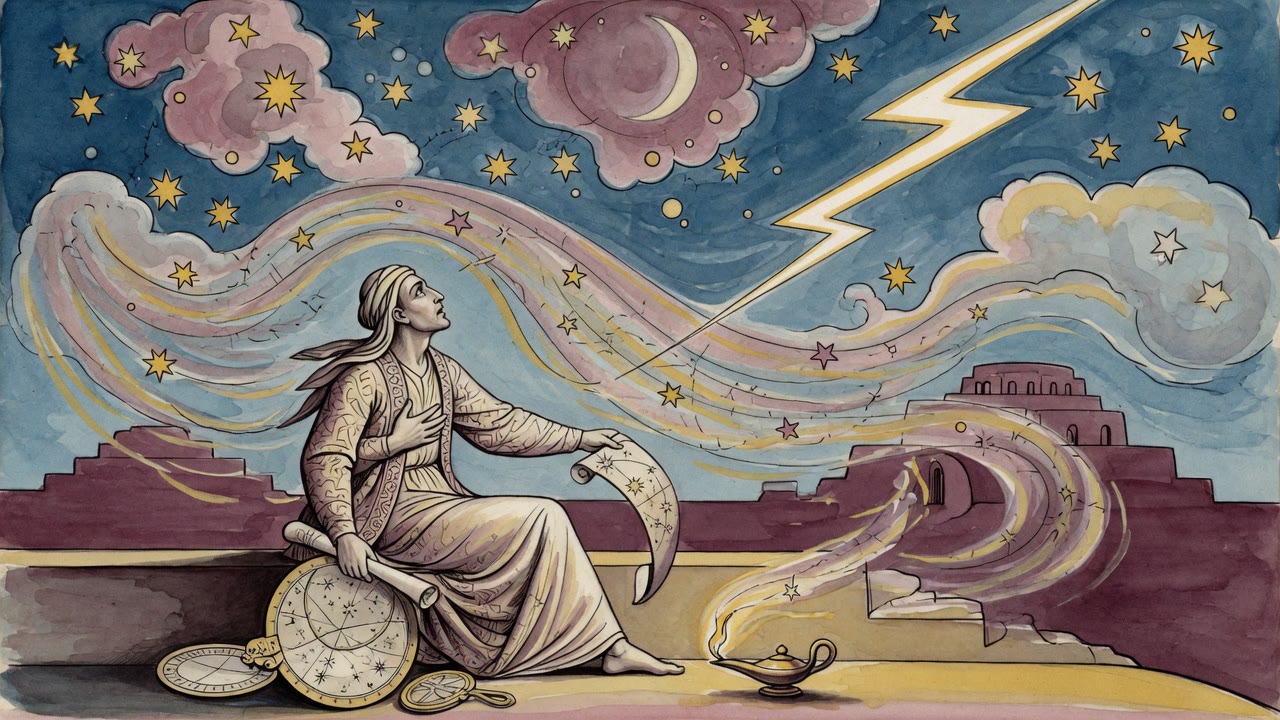
Abraham was a trained Chaldean astrologer. One night he sat watching the sky to predict the rain and talked himself out of the entire profession.
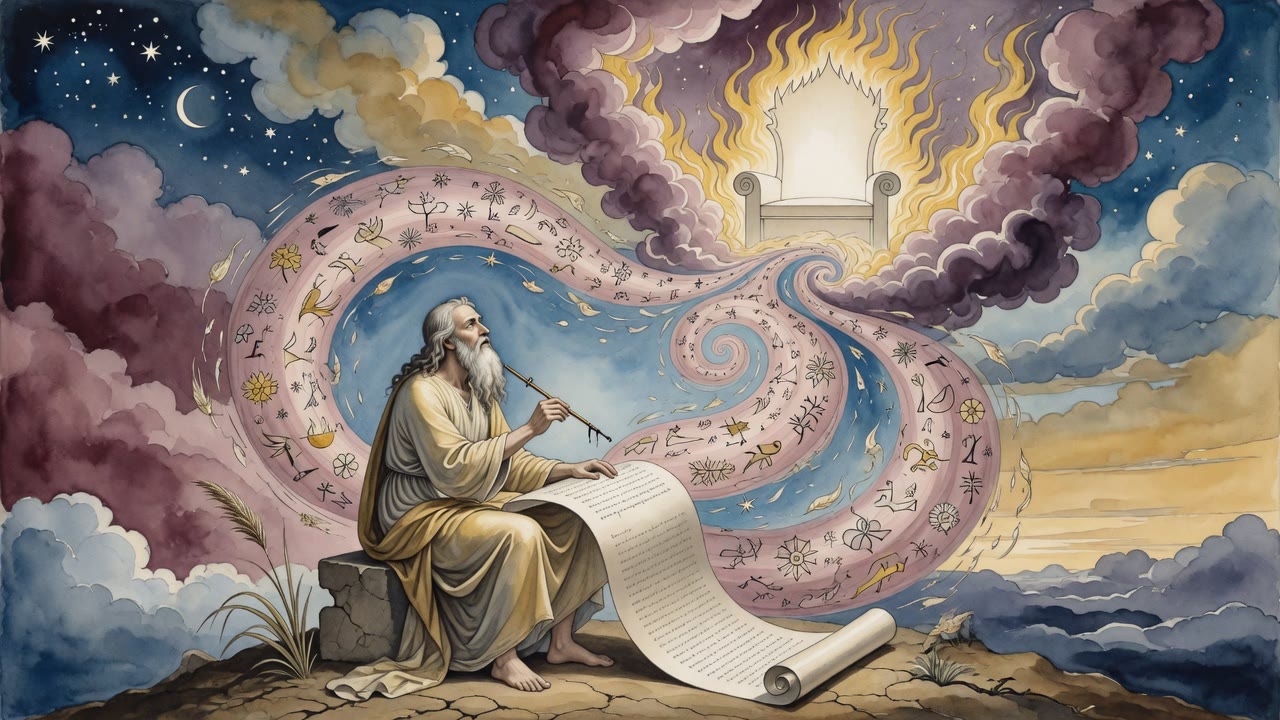
The rock had writing older than the rain. Kainam copied it into a hand Noah would never see, then went on looking for a city.
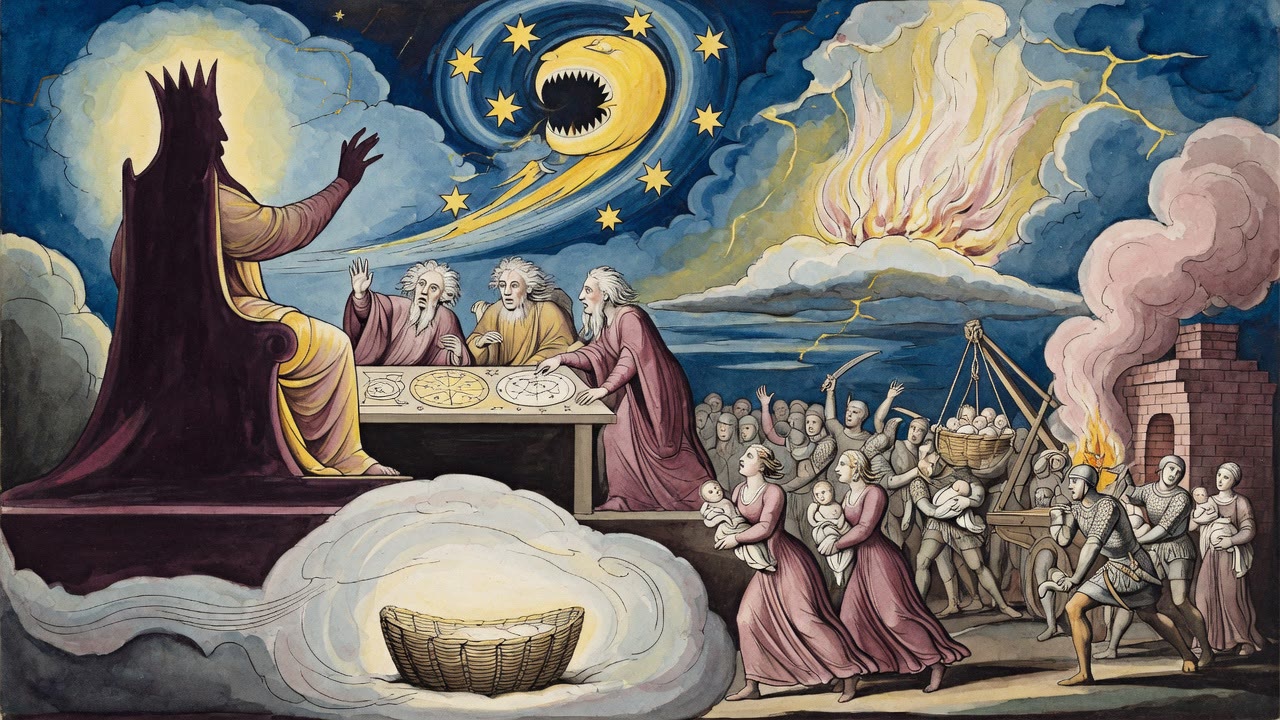
Abram knew how to read a horoscope, and his own said he would never father a son. God agreed with the reading, then took him up above the sky.
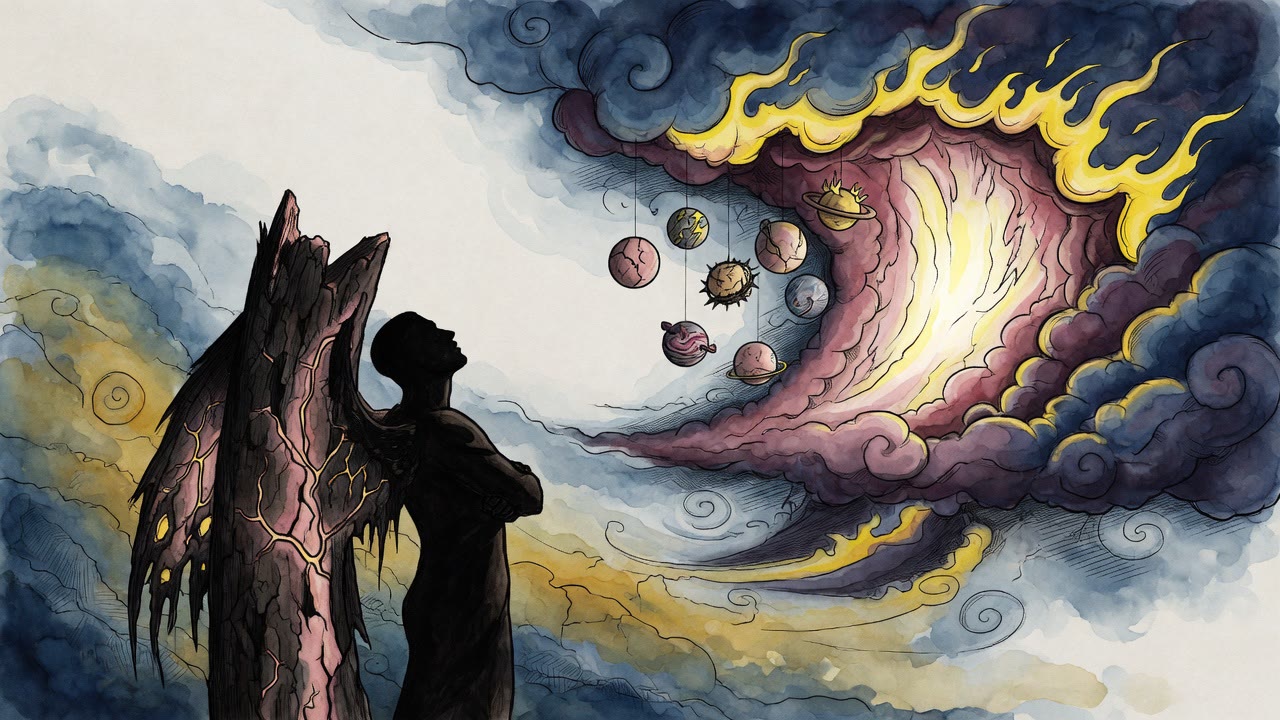
Akiva knew the wedding night was marked. He set the date anyway. By morning a hairpin had gone through a dead serpent's eye.
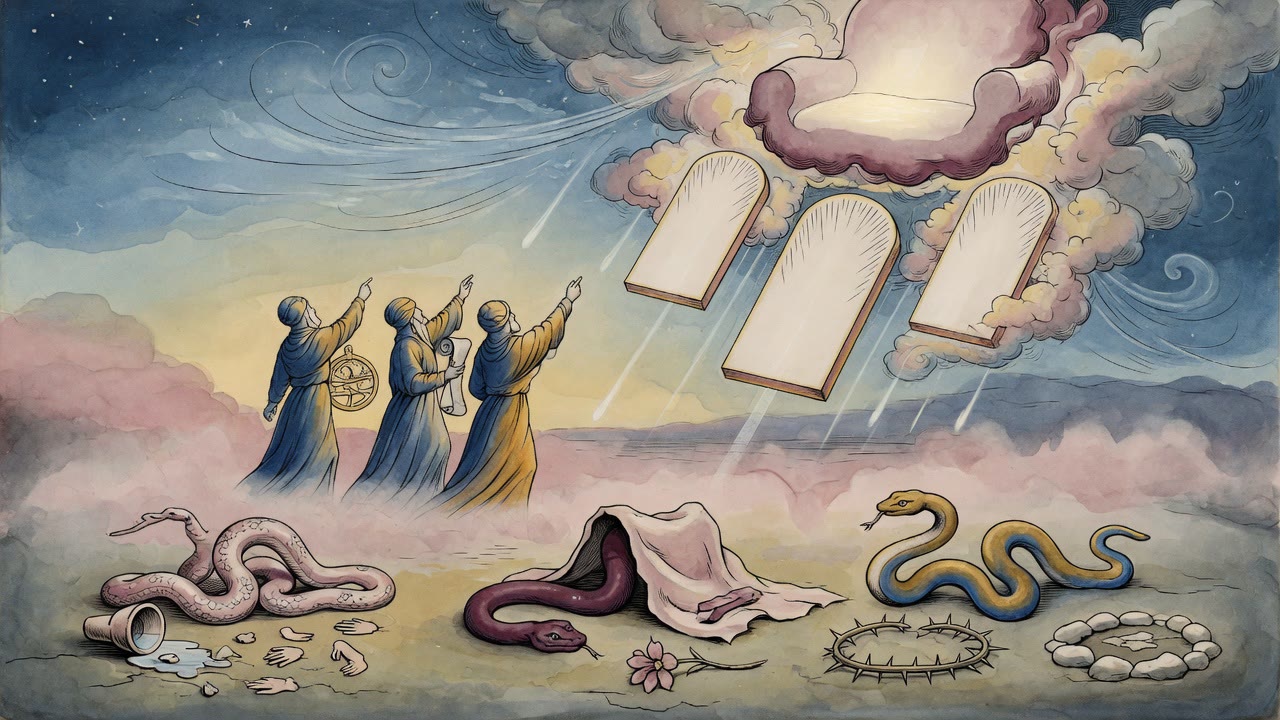
Before the first day, God faces a creature black as a burnt log, hangs seven planets with secret tempers, and hides a light too strong to keep.
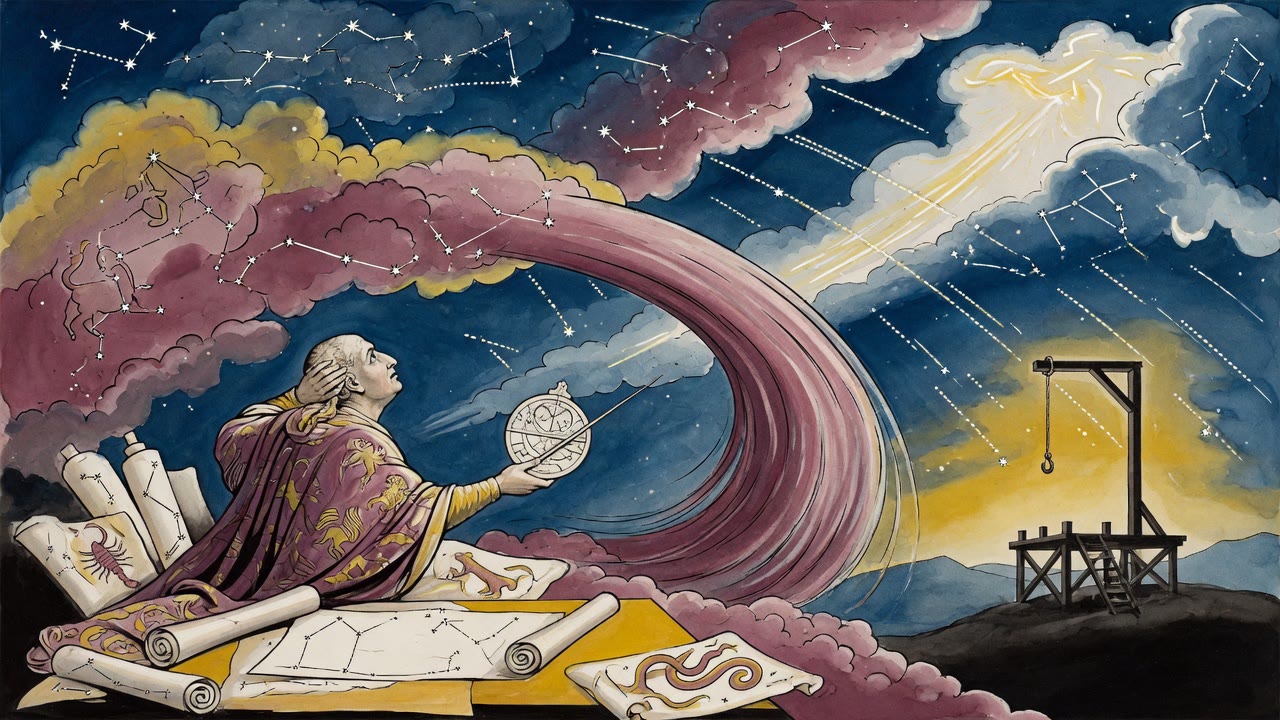
On a Shushan roof he waited for the Lion. The thirteenth of Adar looked safest. He never asked who hung the stars he trusted.
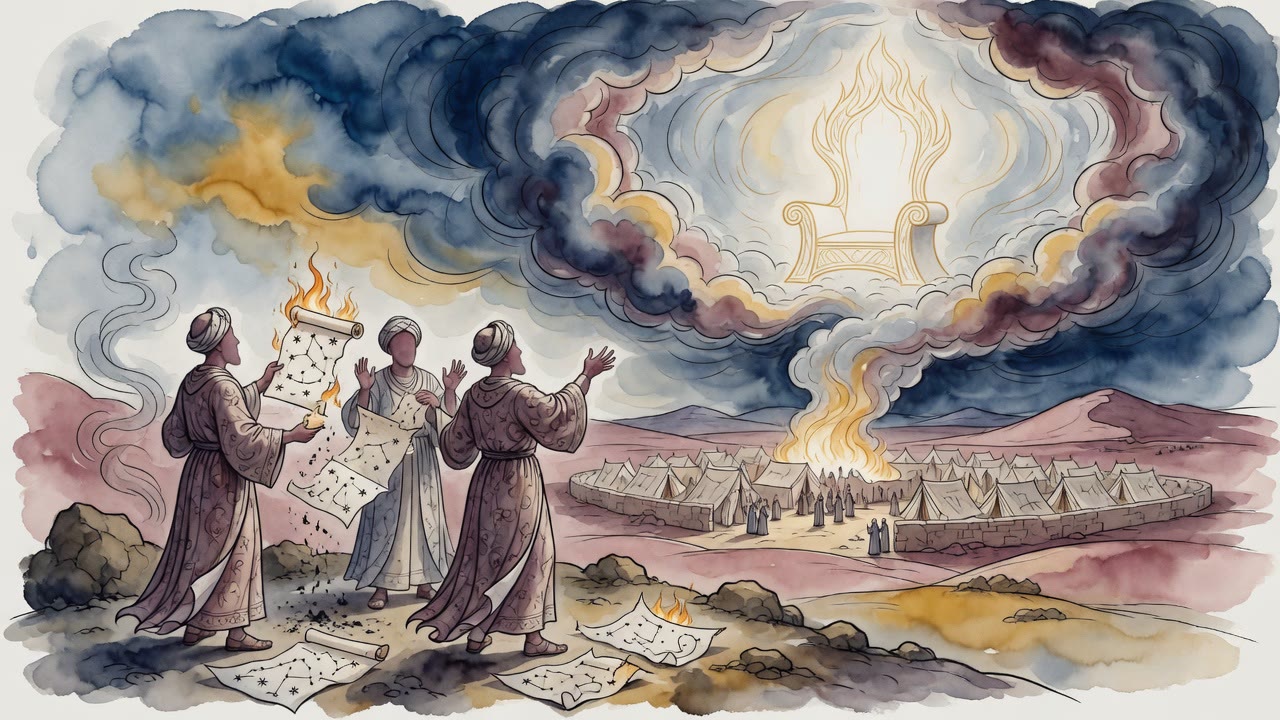
Stargazers came baffled that Israel still lived. The sages said God names the stars, and Israel is not subject to their charts.
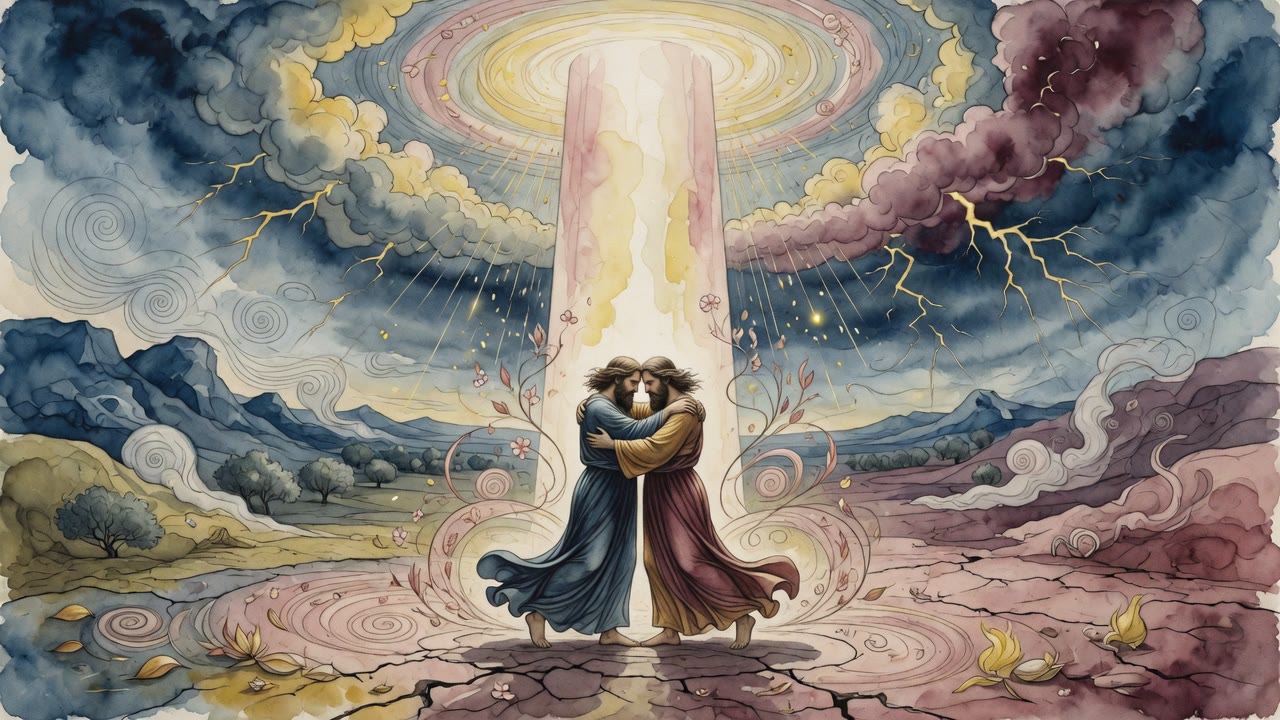
The year turned on its hinge. She would not let the child drink until a nail had settled on the floor of the jug. The water could wait.
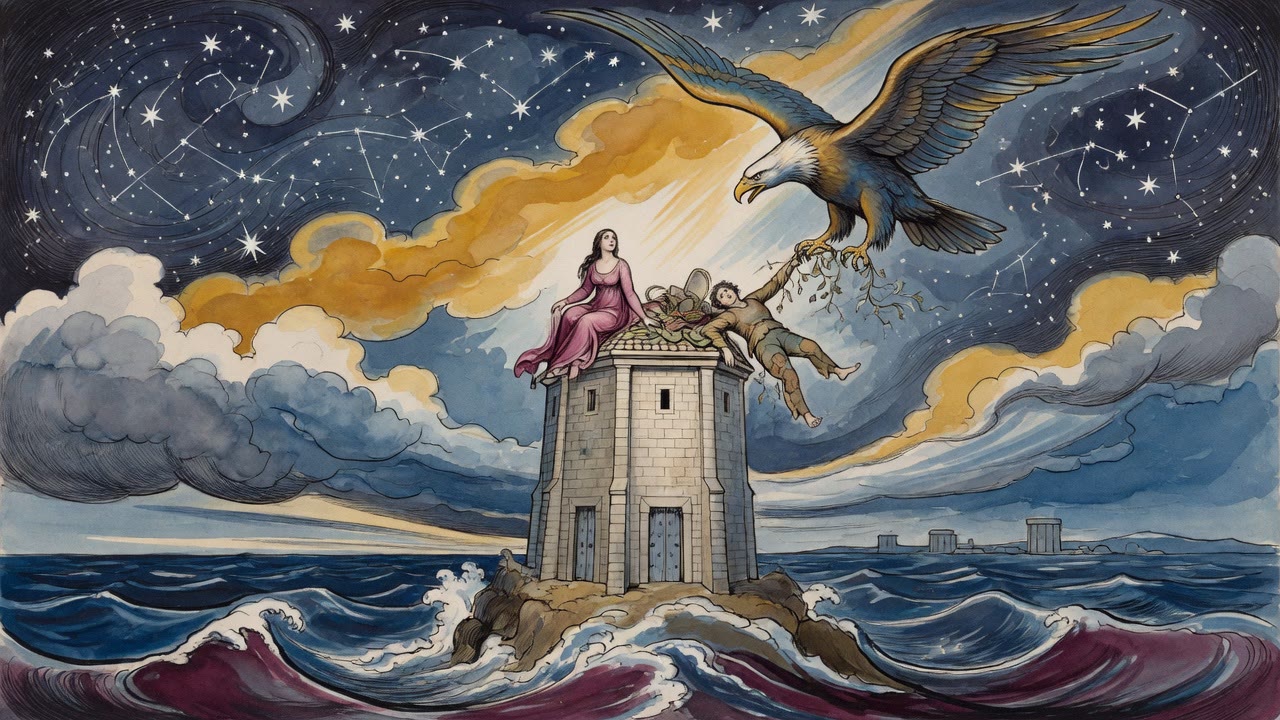
A bird dropped a torn ox on the tower roof. Solomon's daughter climbed up at dawn, and a young man stood up out of the carcass.
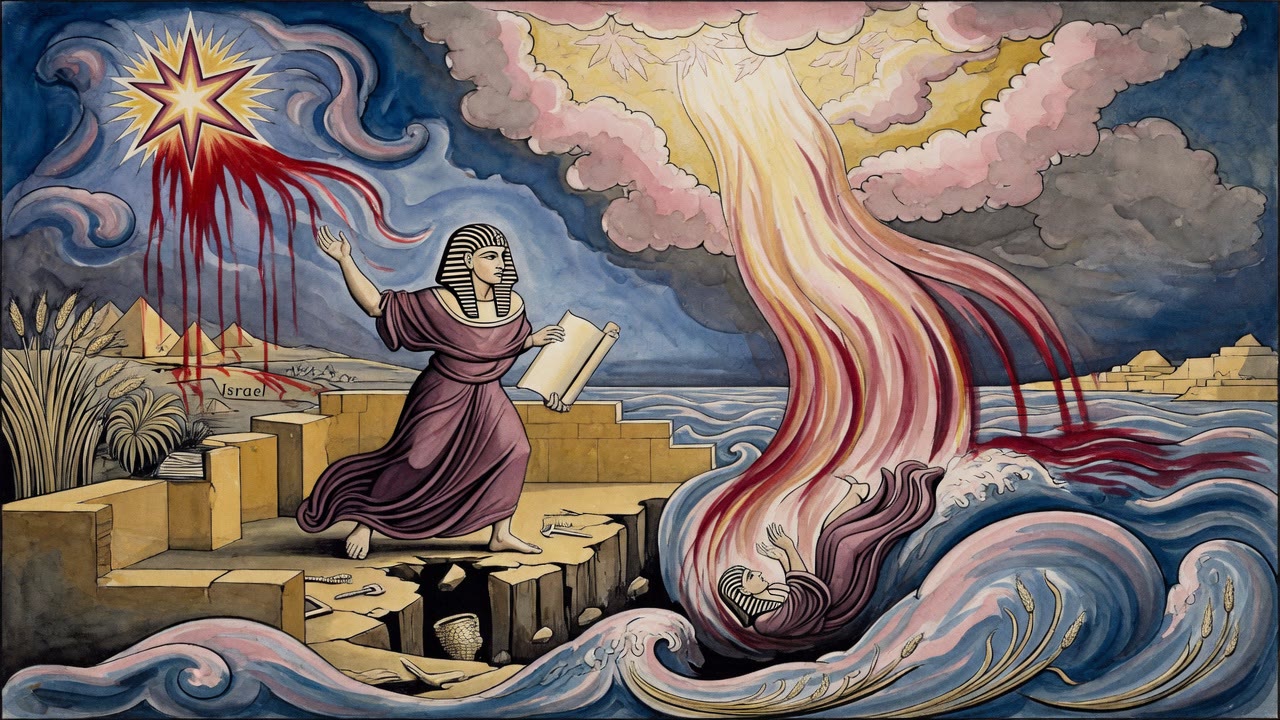
Pharaoh read a star named Evil rising to bleed Israel, but God turned the omen into covenant blood and the sea took the man who dug the pit.
