289 texts · Page 6 of 7
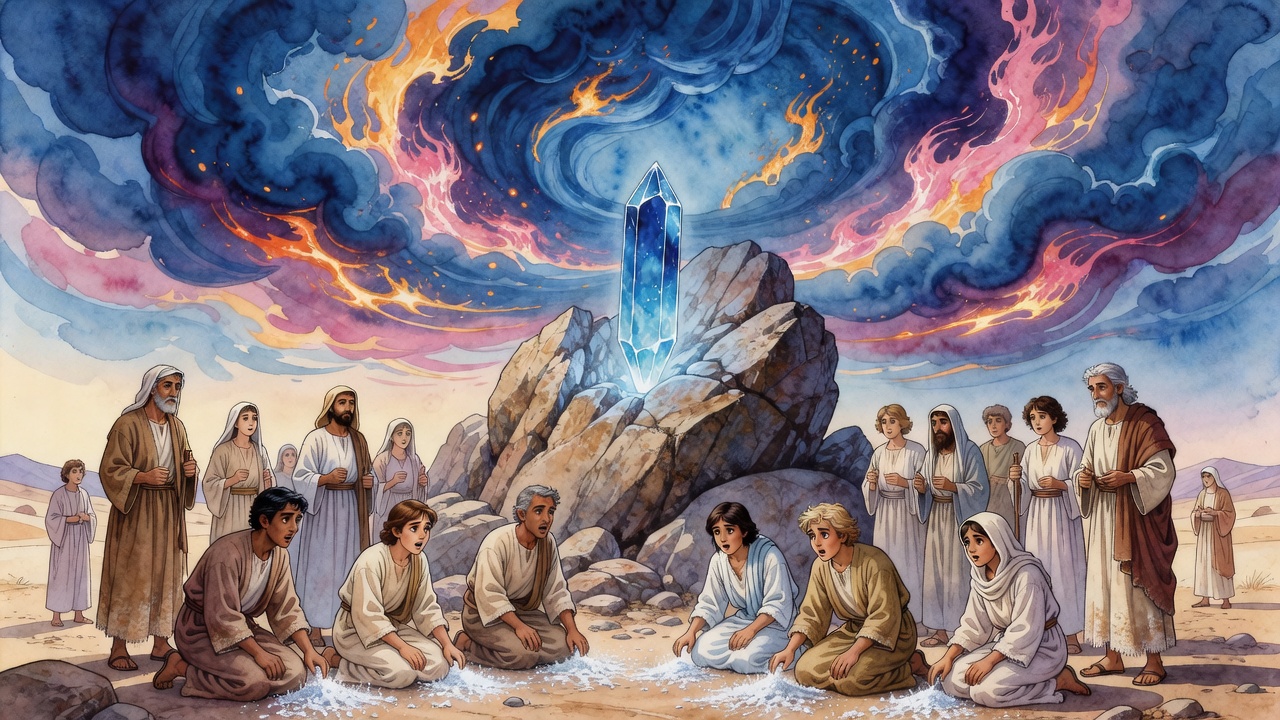
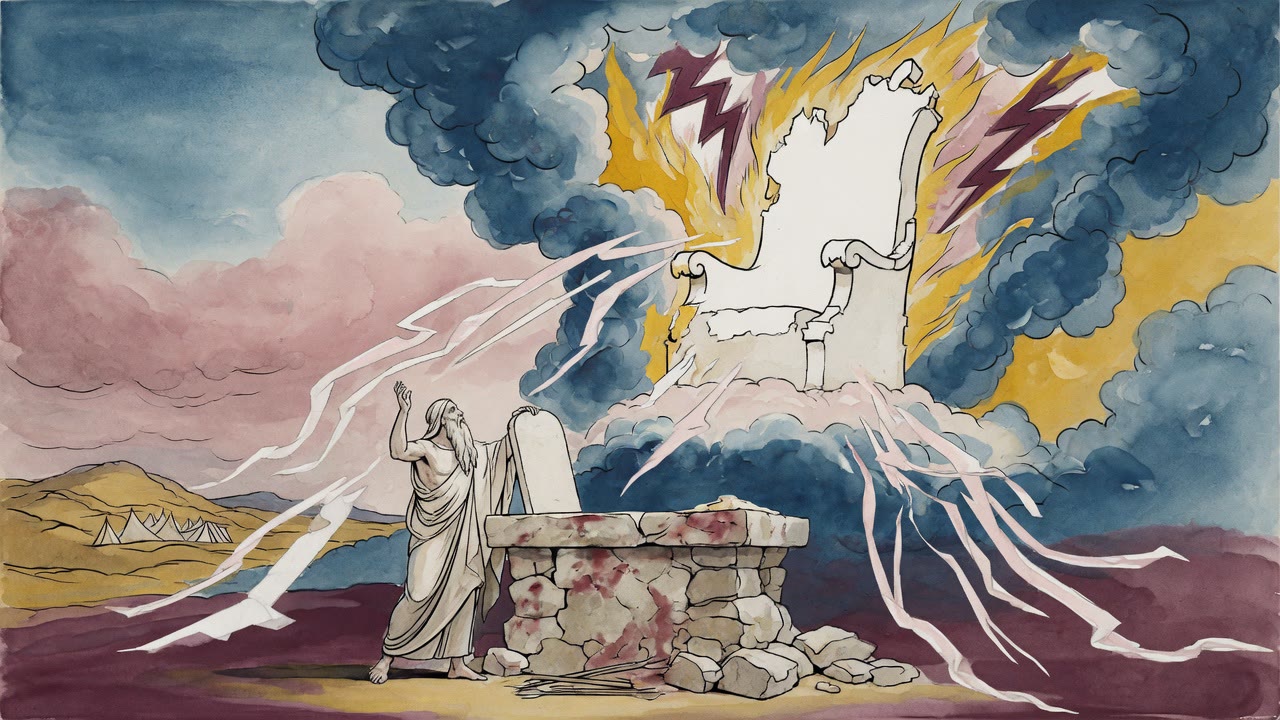
Rabbi Tachanah, quoted in Pirkei DeRabbi Eliezer (chapter 46), gives us a fascinating glimpse behind the curtain. He says the tablets weren't some earthly creation, dug up from the...
The ancient Israelites certainly did. And sometimes, their reactions… well, let's just say they weren't always their finest moments. We find a particularly vivid example of this in...
The Book of Numbers – in Hebrew, Bamidbar, meaning "in the wilderness" – is full of intricate details about the Tabernacle, the sacrifices, and the duties of the Levites. And withi...
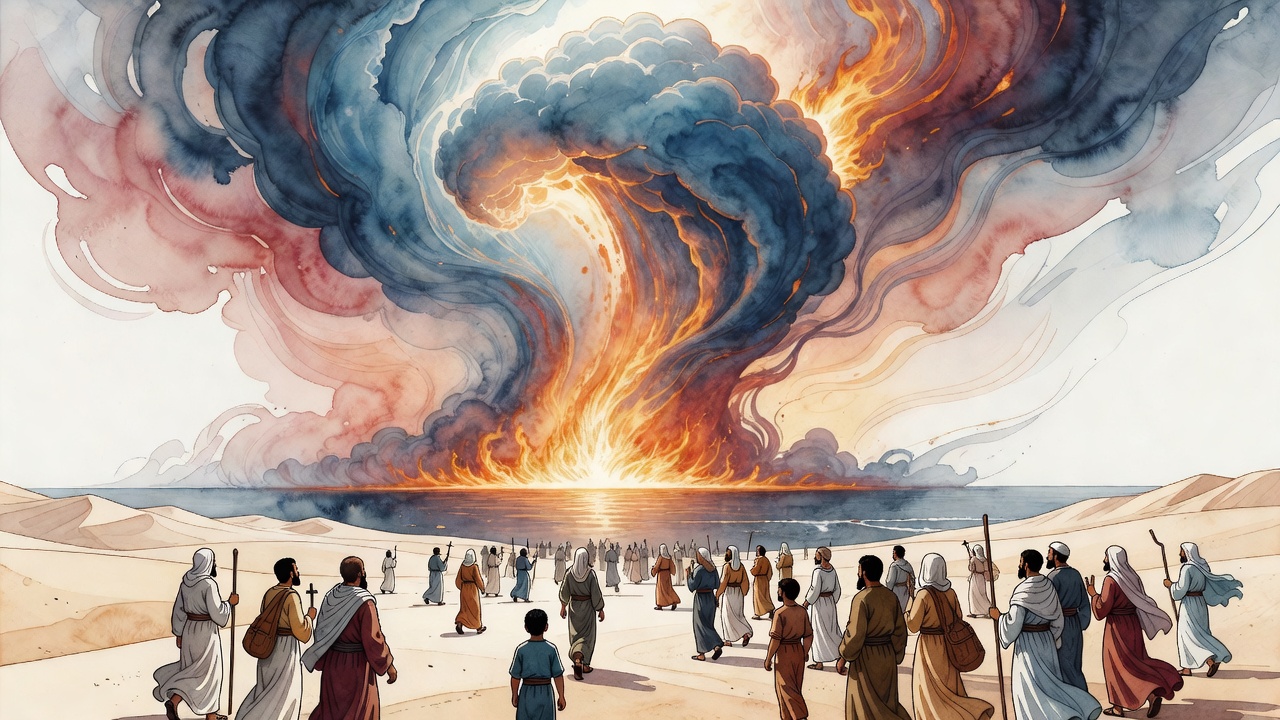
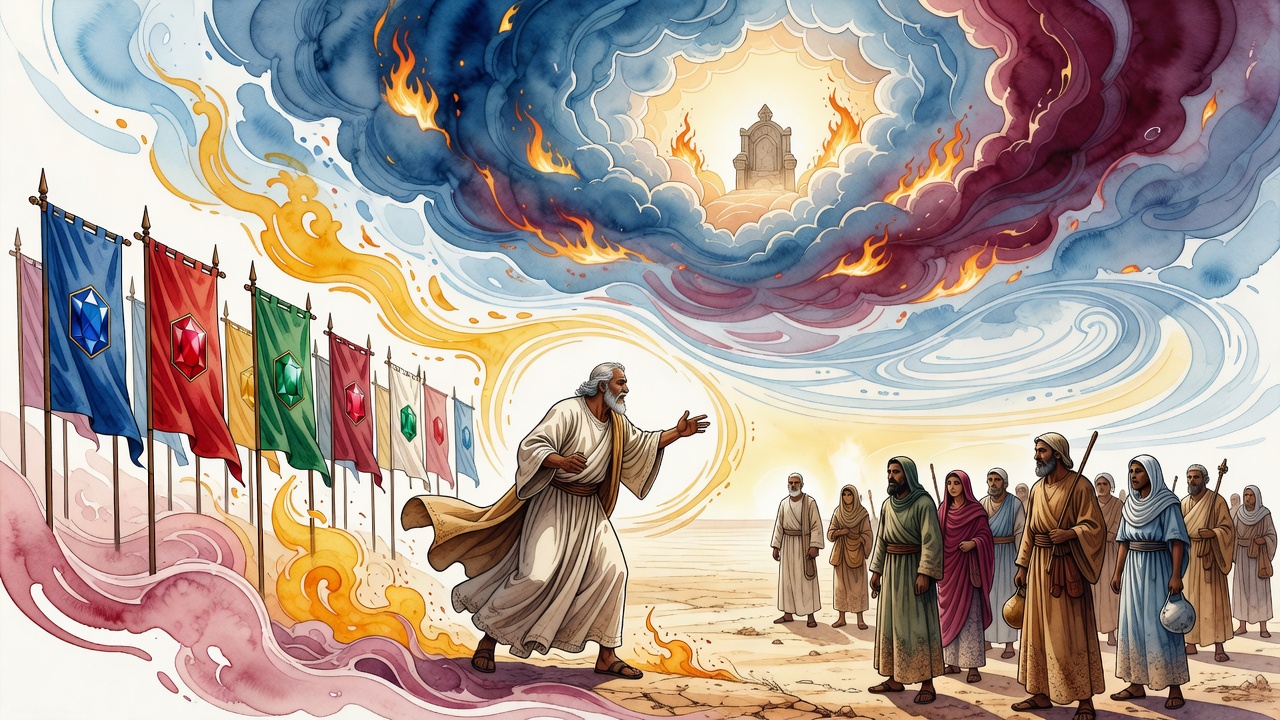
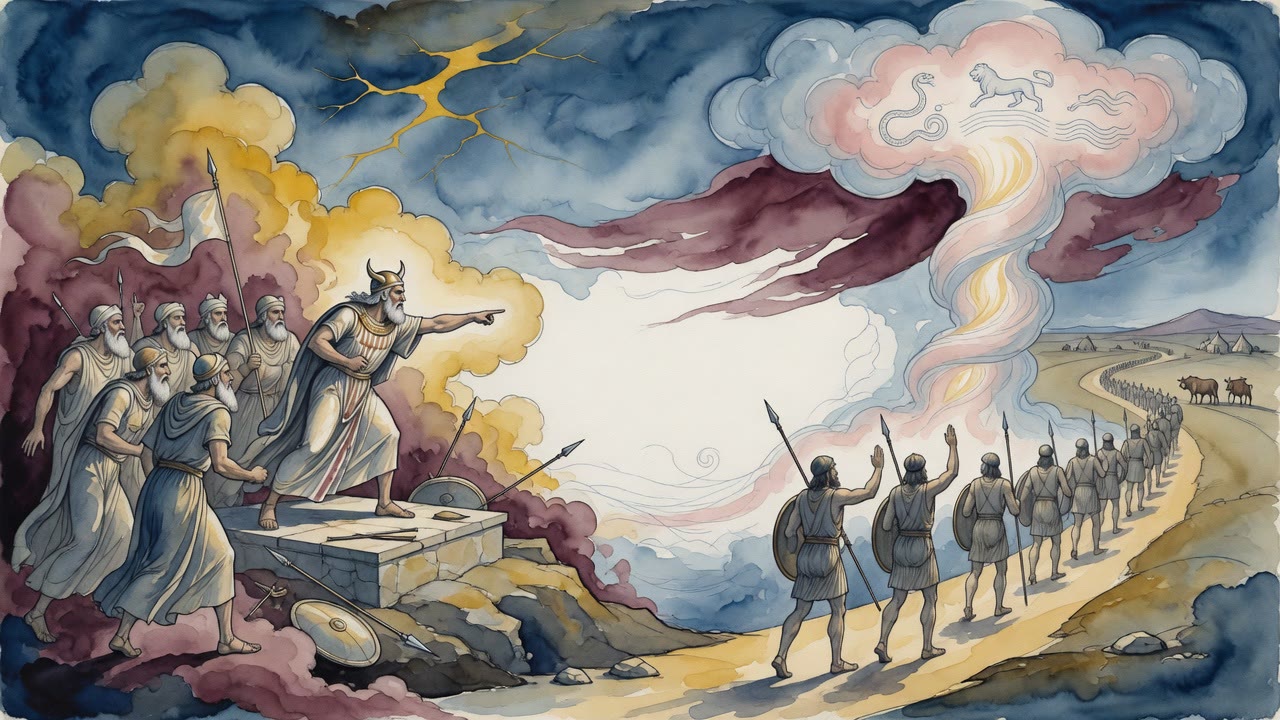
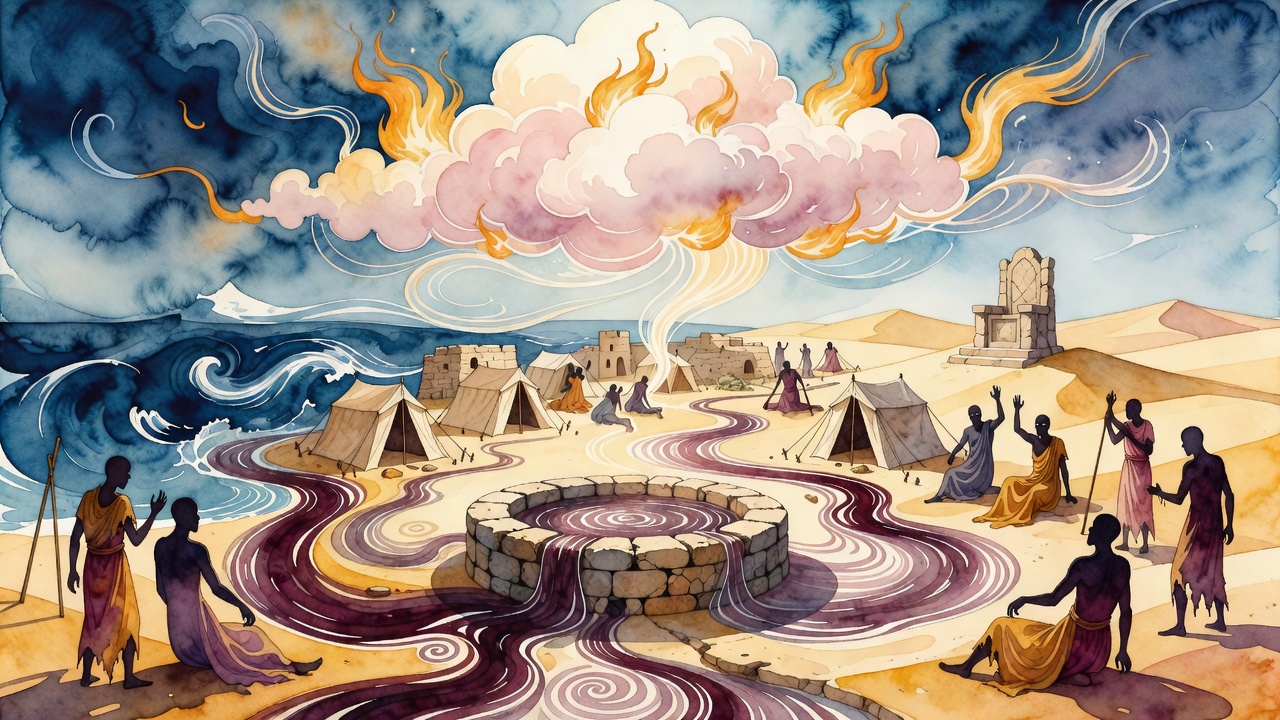
We often picture them trudging through sand, but the Torah tells us there was something else accompanying them: a cloud. Actually, maybe more than one cloud. The verse in Bamidbar ...
It tells us that "the cloud of the L-rd was above them by day when they set forth from the encampment" – and this protection wasn't just for the healthy and able-bodied. The text s...
The Torah, in the book of Devarim (Deuteronomy), gives us a little geographical detail that hints at a much bigger story about journeys, delays, and maybe even missed opportunities...
Our ancestors certainly understood that struggle. But what if I told you there's a promise woven into the Torah, a promise of abundance right where you are? to a fascinating little...
That, in essence, is the tragedy of Moses, as captured in the book of Devarim (Deuteronomy). We all know the story: after forty years of wandering, leading the Israelites through t...
The opening verse of Deuteronomy lists a string of place names — "in the wilderness, in the Arabah, over against Suph, between Paran and Tophel, and Laban, and Hazeroth, and Di-zah...
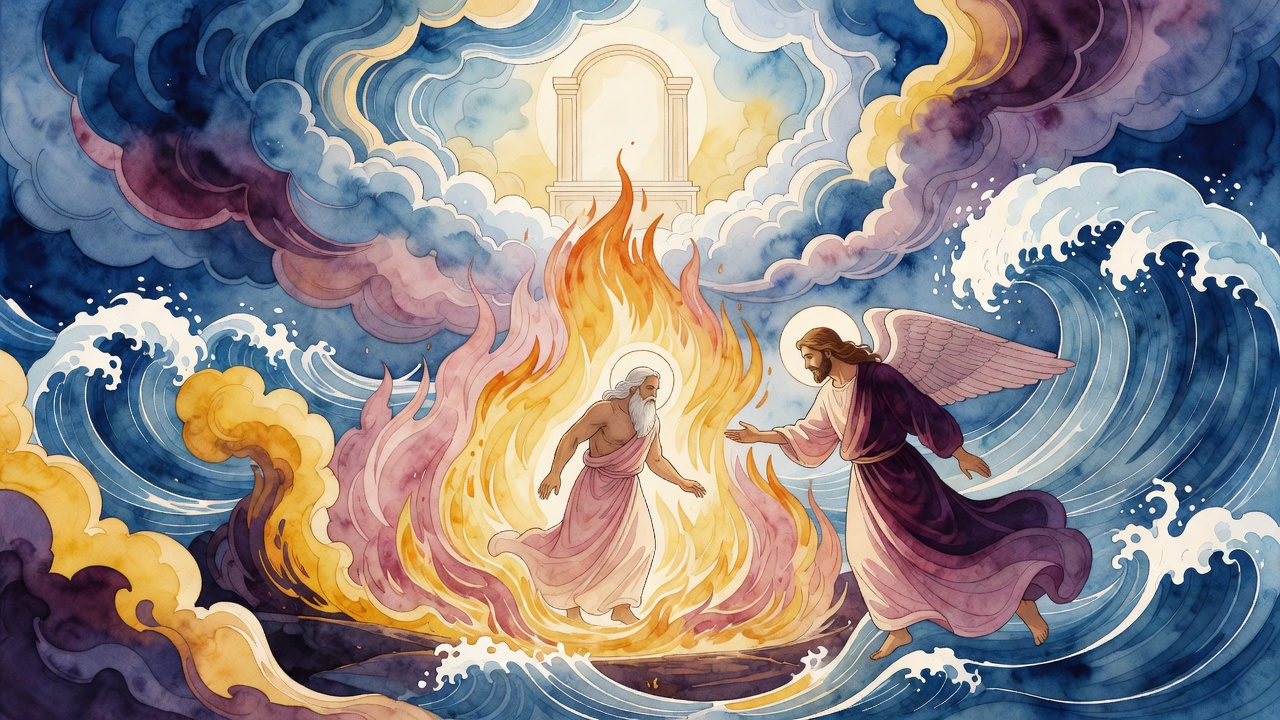
The standard book of Exodus says an angel appeared to Moses in the burning bush. The Targum Jonathan, an ancient Aramaic translation composed in the land of Israel, names that ange...
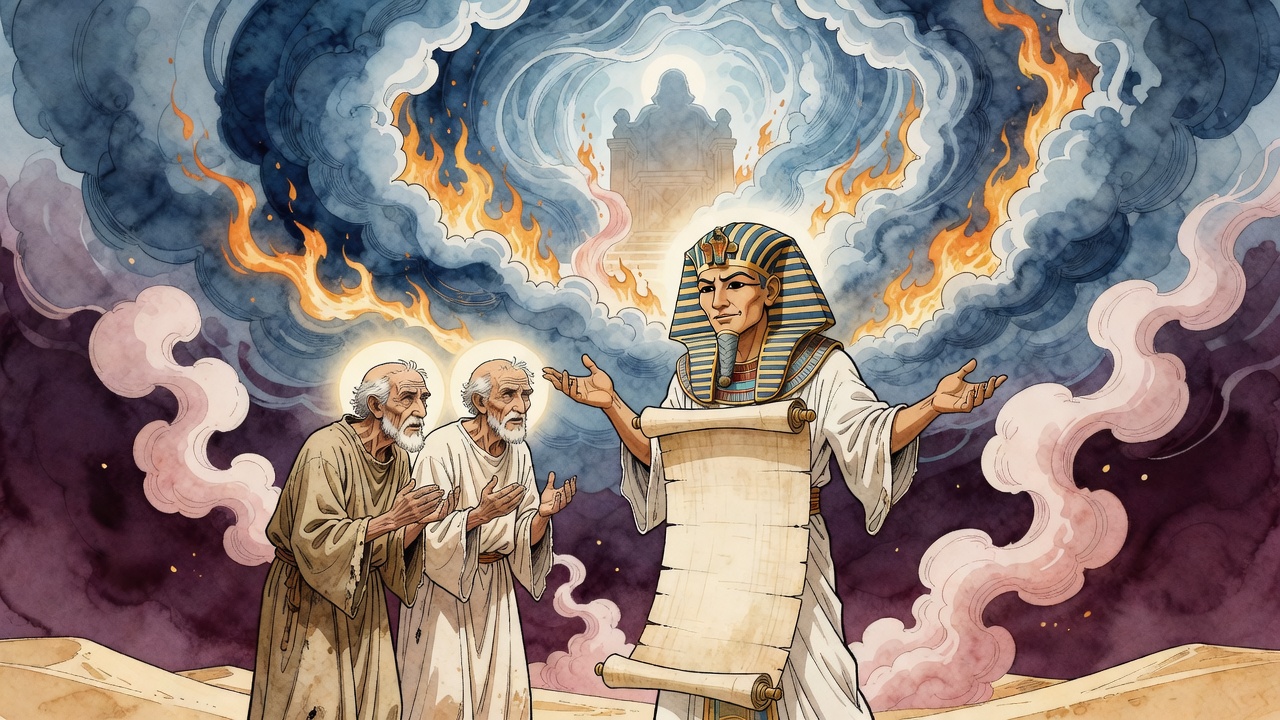
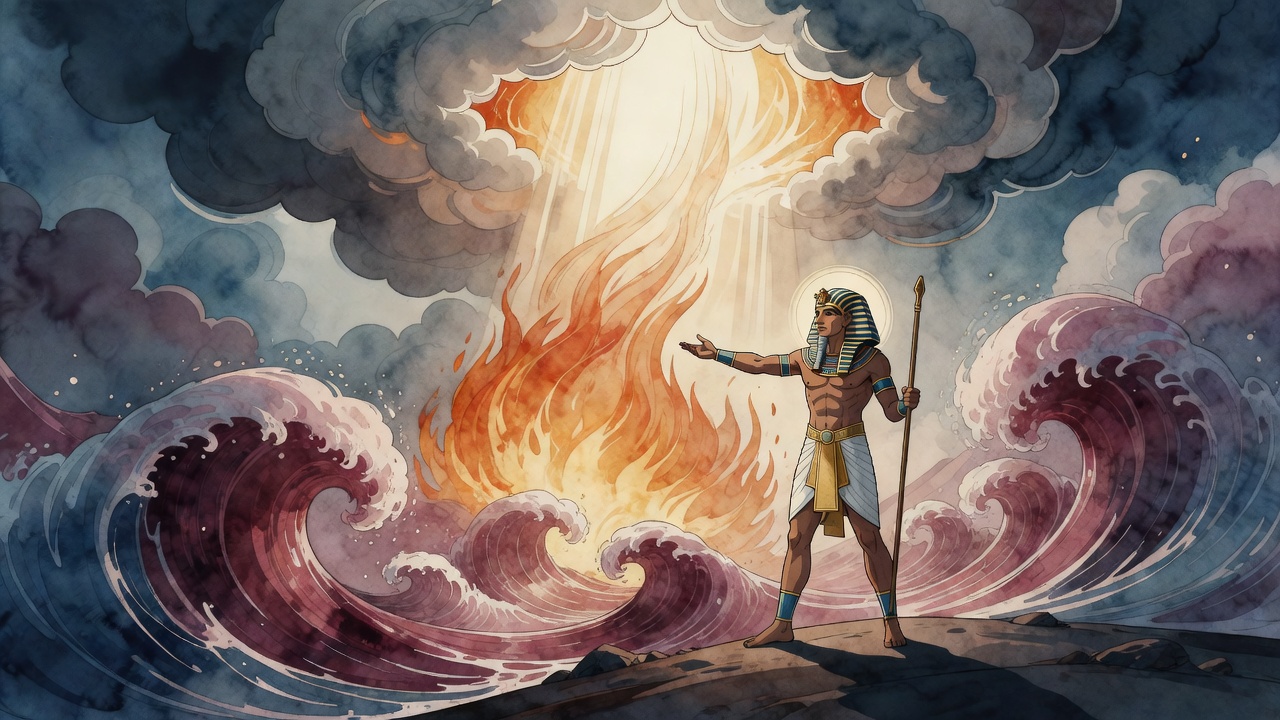
When Moses and Aaron first confronted Pharaoh and demanded he release Israel, the Hebrew Bible records Pharaoh's defiant reply: "Who is the Lord, that I should obey his voice?" (Ex...
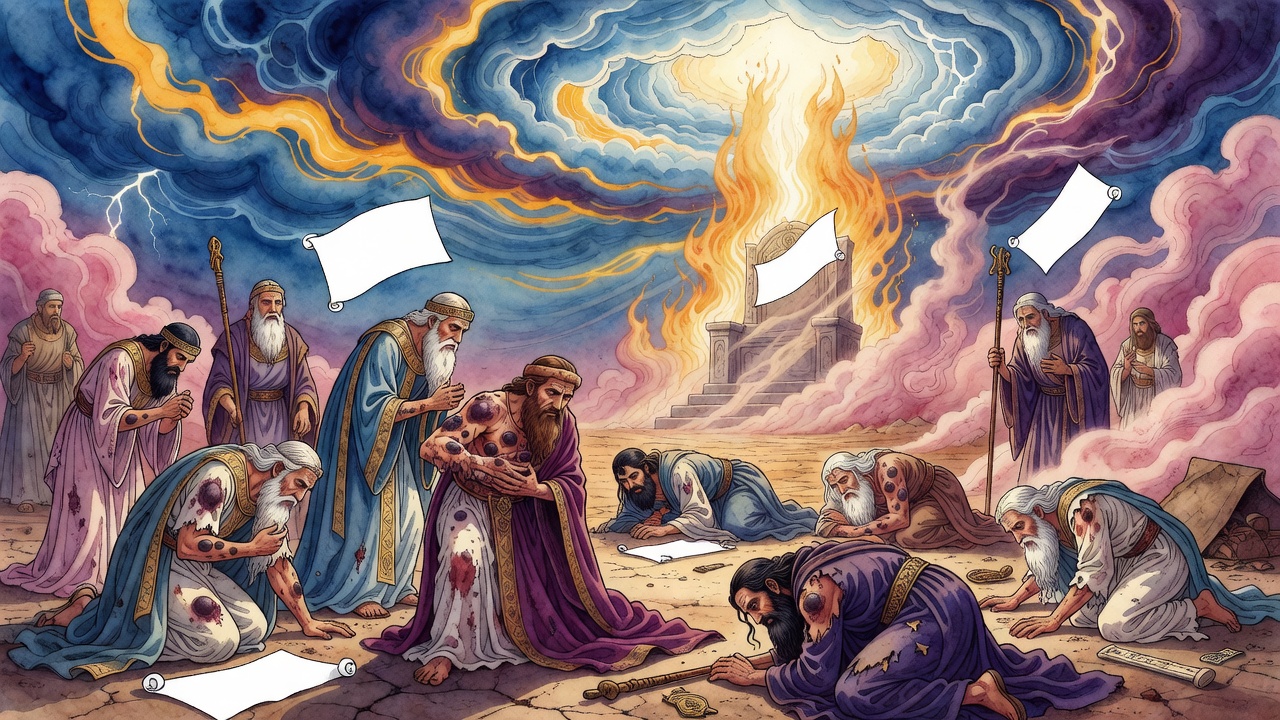
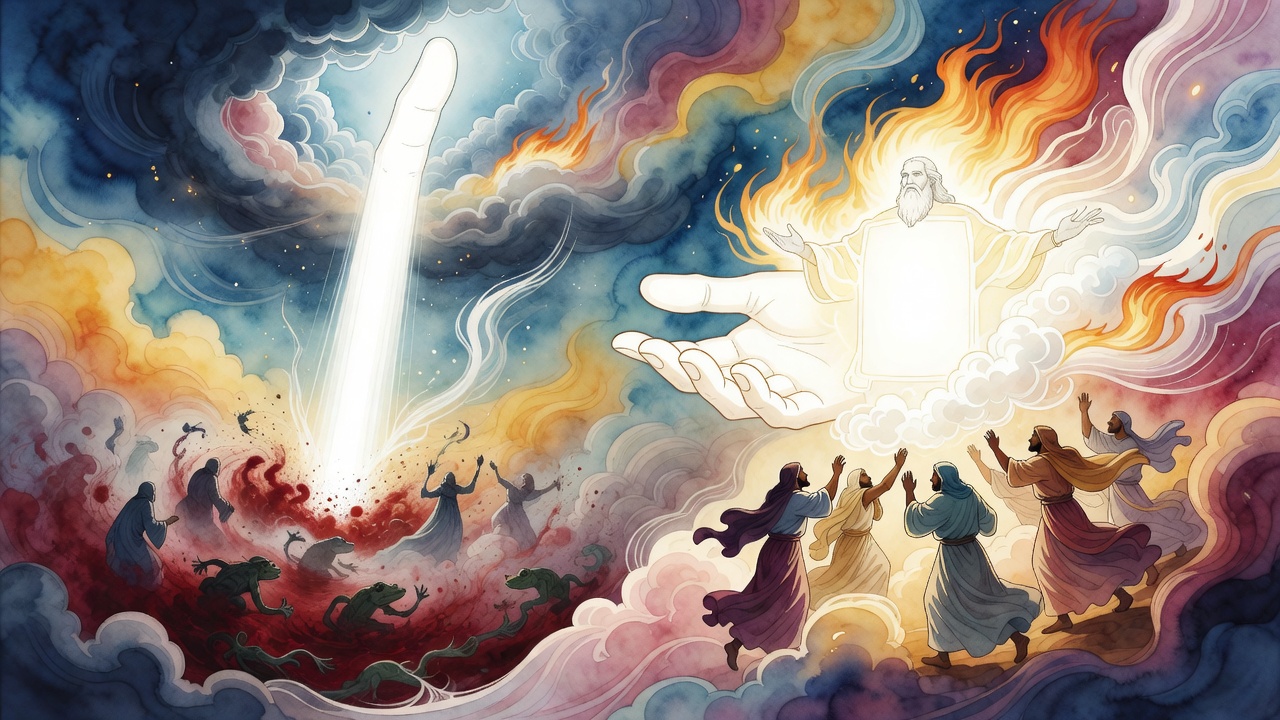
The Targum Jonathan on Exodus 8 contains one of the most remarkable theological additions in all of ancient Aramaic literature: the reason Moses personally refused to bring the pla...
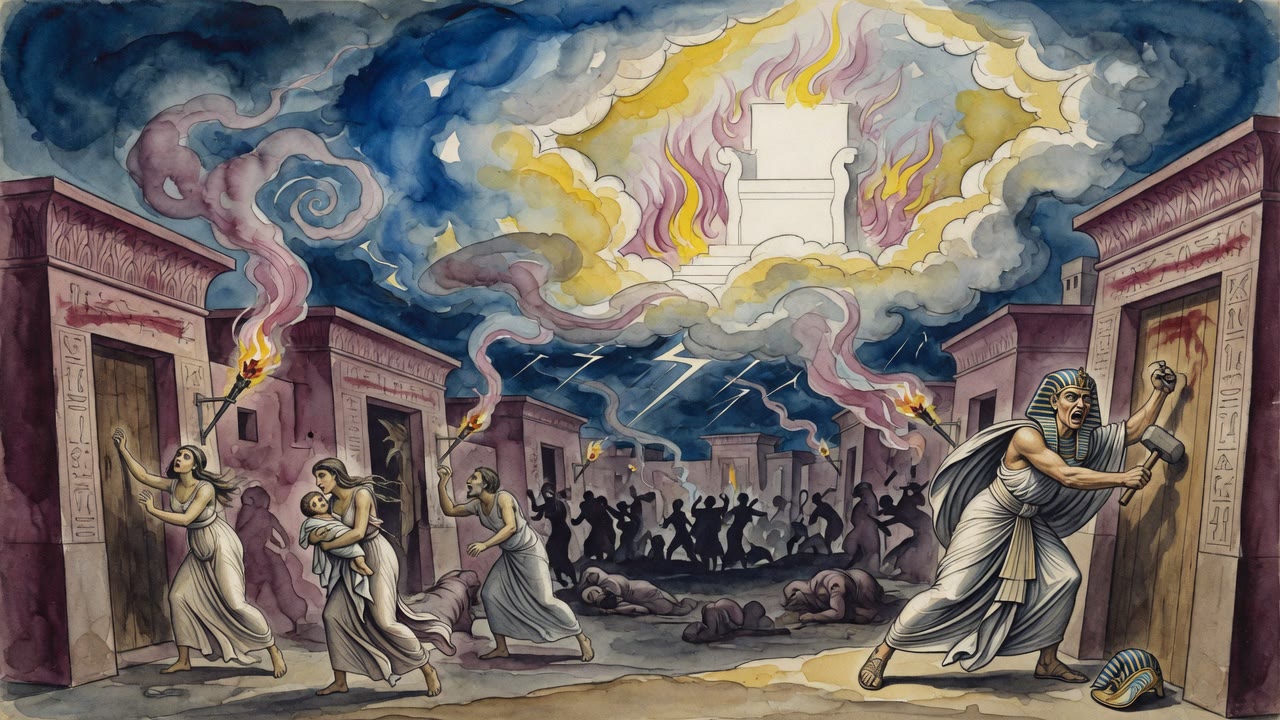
The standard Exodus text says God promised one final plague against Egypt. The Targum Jonathan transforms this announcement into something far more personal and humiliating for Pha...
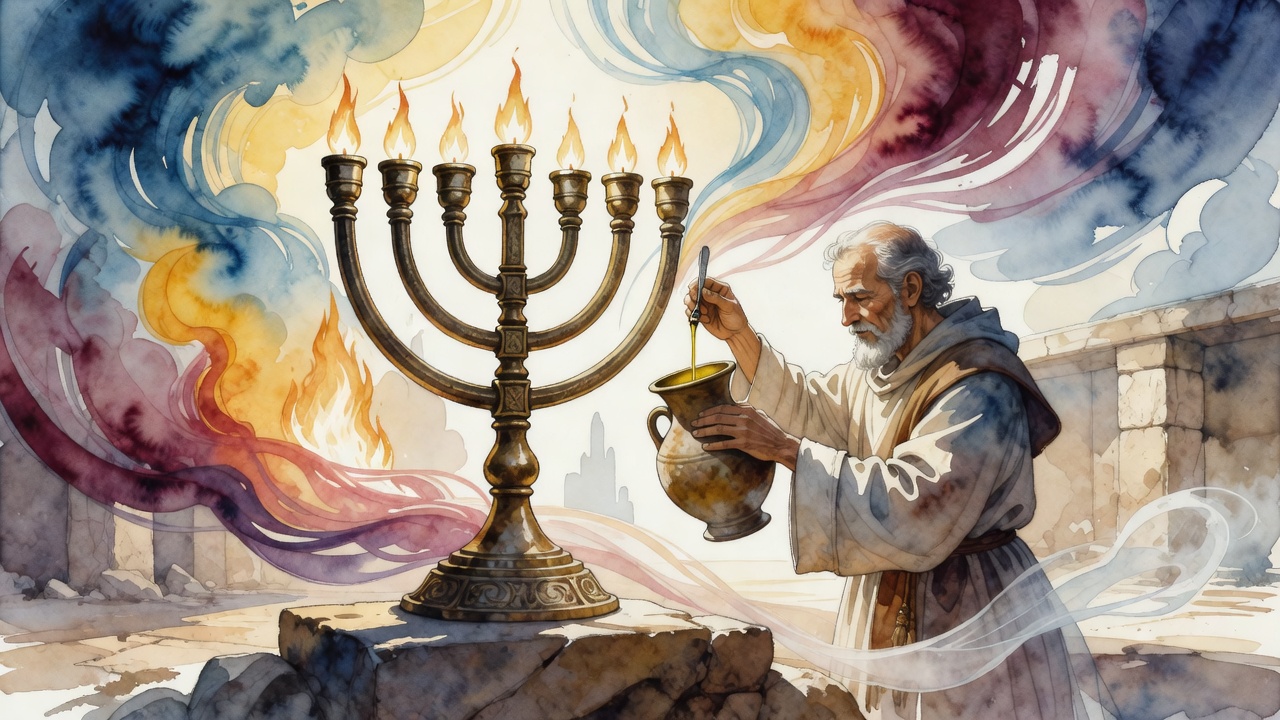
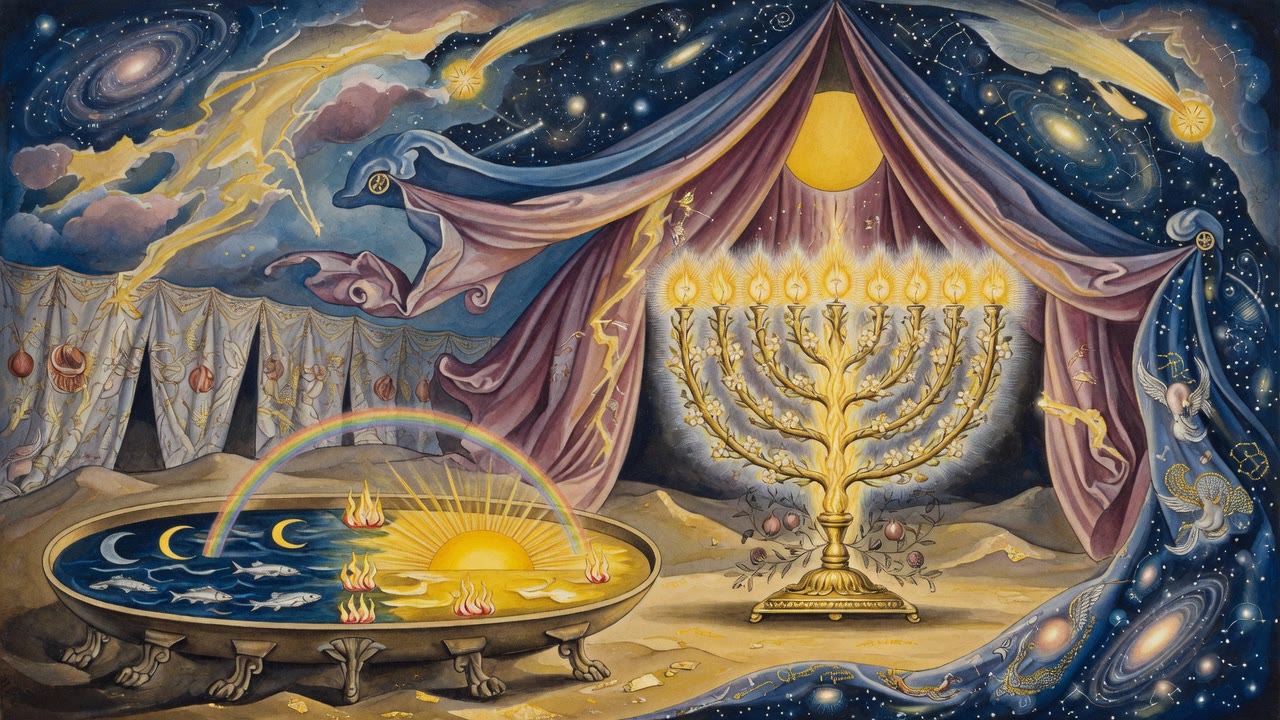
Bezalel built the Ark, the Table, the Candelabrum, and the Incense Altar in (Exodus 37:1-29). The Hebrew text describes each object's dimensions. The Targum Jonathan explains how a...
The Hebrew Bible says Moses sent twelve spies into Canaan. The Targum Jonathan says he sent "keen-sighted men"—then reveals how spectacularly their vision failed them. Moses dispat...
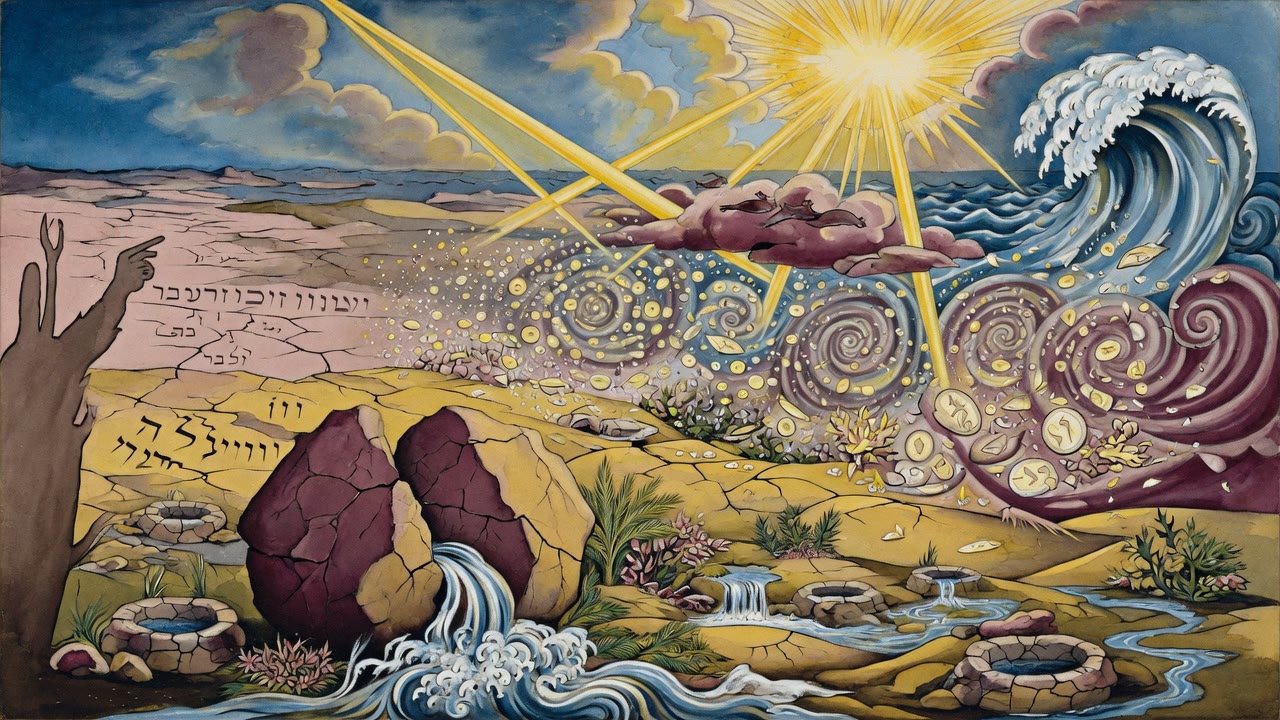
The Targum Jonathan on (Deuteronomy 8) transforms a description of the Promised Land's natural resources into a prophecy about its intellectual future. The Hebrew says the land has...
"Remember what Amalek did to you" (Deuteronomy 25:17). God remembers the righteous for good and the wicked for destruction. When He recalled Abraham, He spoke with affection: "Shal...
The Seder Olam reveals a pattern hidden in the calendar of sacred history: the most important events in Israel's story all cluster around one date — the fifteenth of Nisan. It bega...
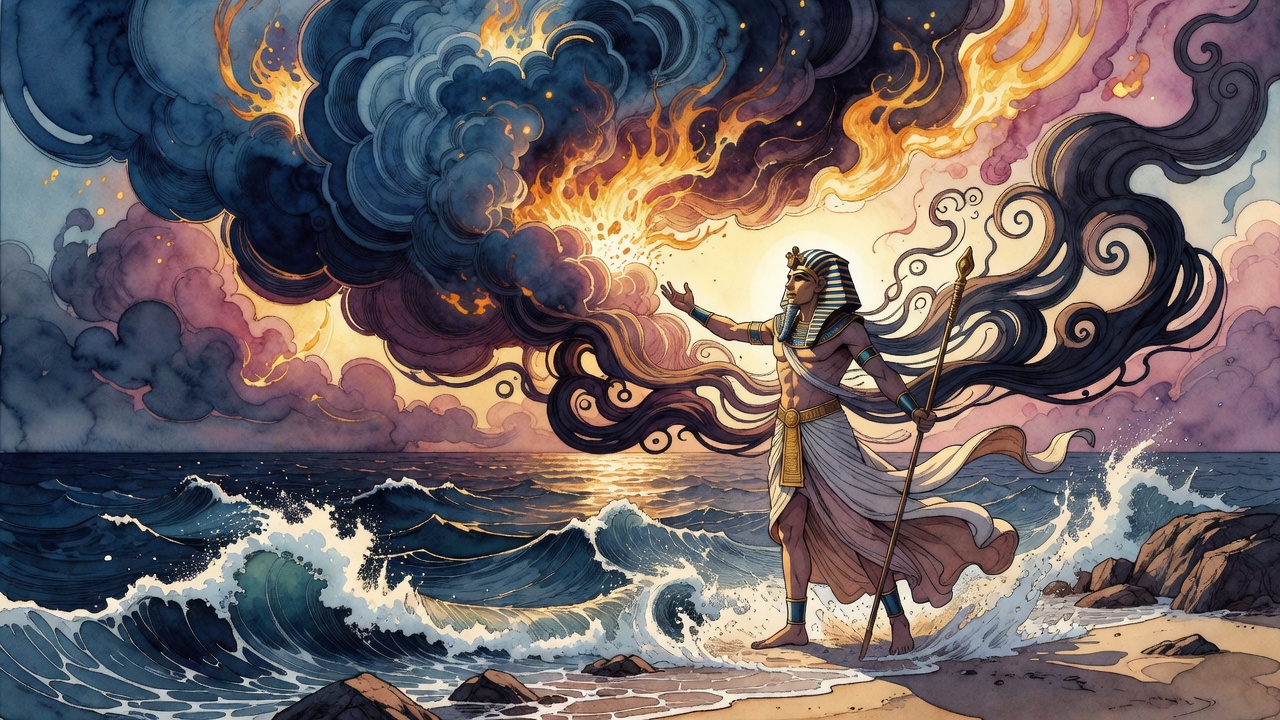
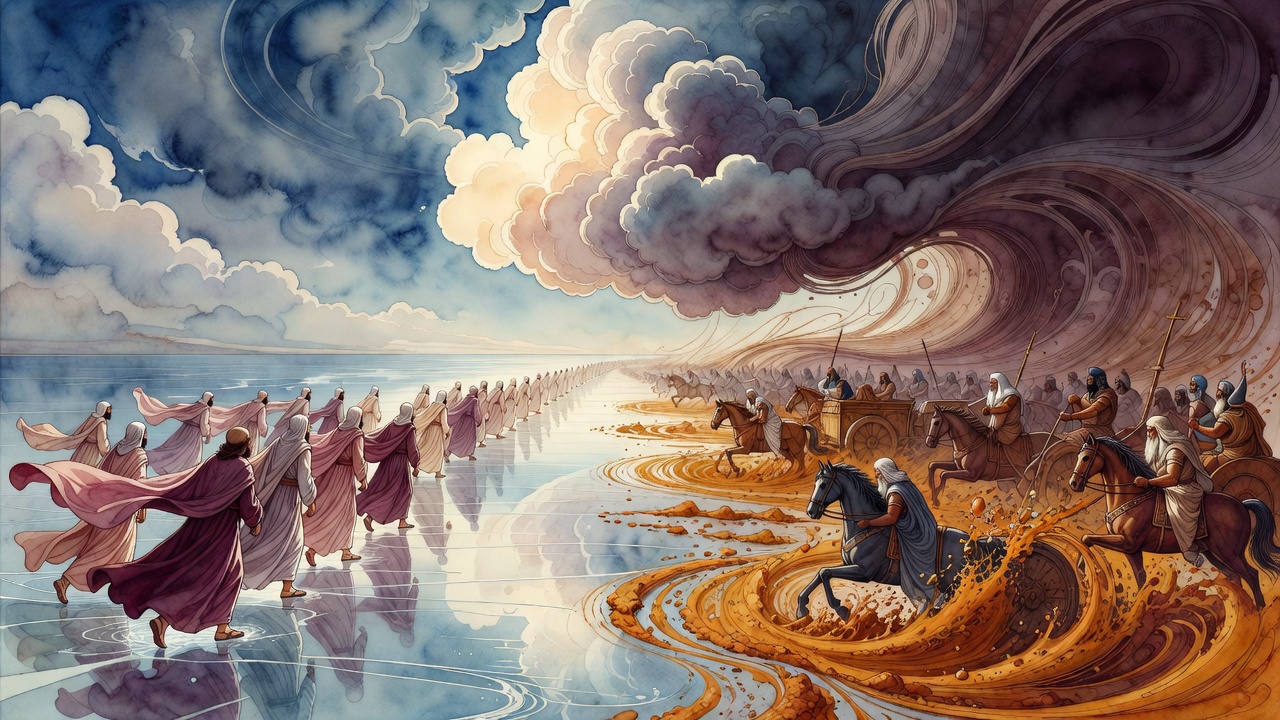
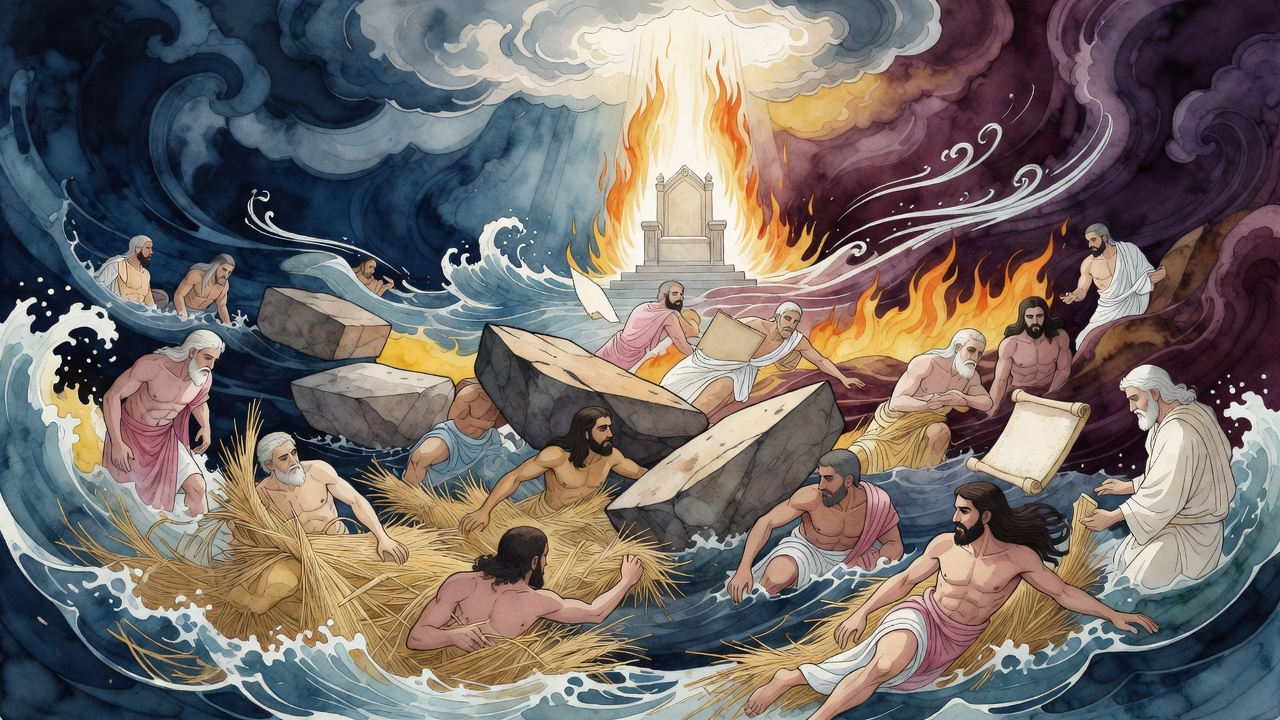
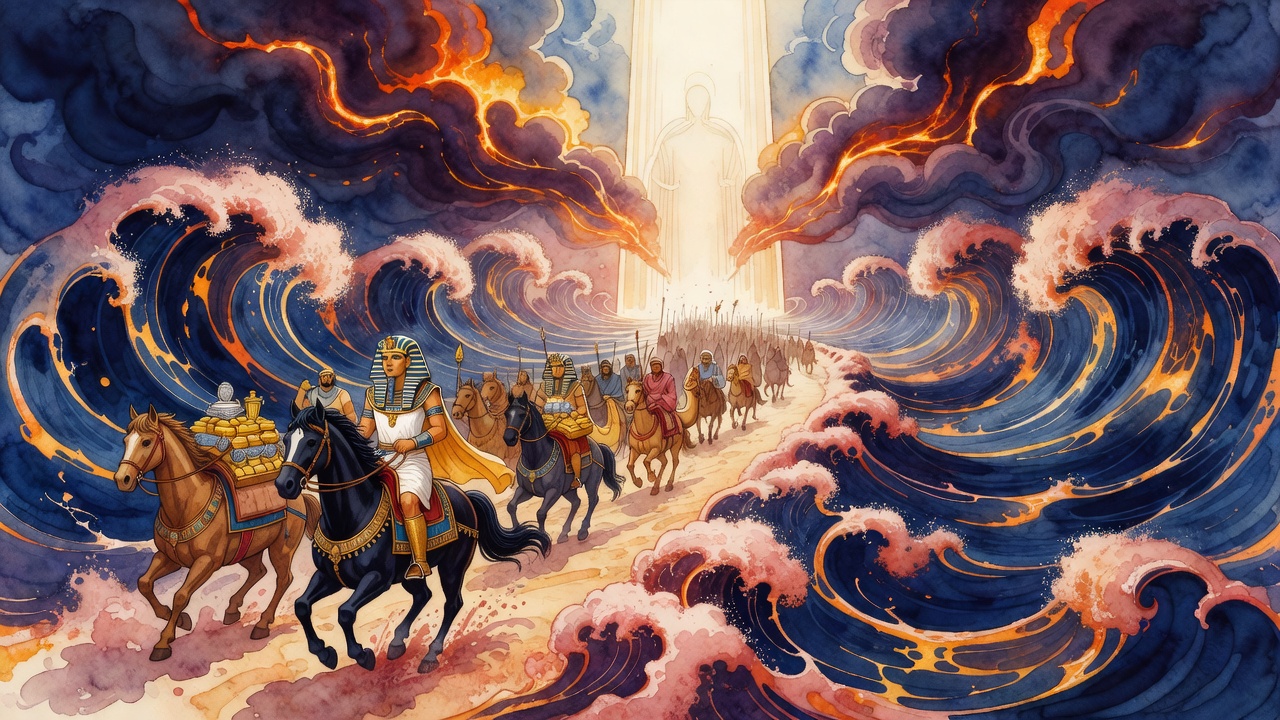
"And the waters will came back and cover the chariot and the horsemen" (Exodus 14:26) And even Par'oh, according to Rabi Yehuda, as it says "the chariots of Phar'oh and his army" (...
Parashat Masei These are the journeys of the children of Israel. The Lord said to Moses, "Write down the journeys that the Israelites have taken in the wilderness, so that they may...
When the Egyptians were drowning in the Red Sea, the ministering angels wanted to sing. God stopped them cold. According to Megillah 10b, He said: "My handiwork is drowning in the ...
When Pharaoh decided to enslave the Israelites, he consulted three advisors. According to Sotah 11a, what happened to each of them perfectly matched the advice they gave. Balaam re...
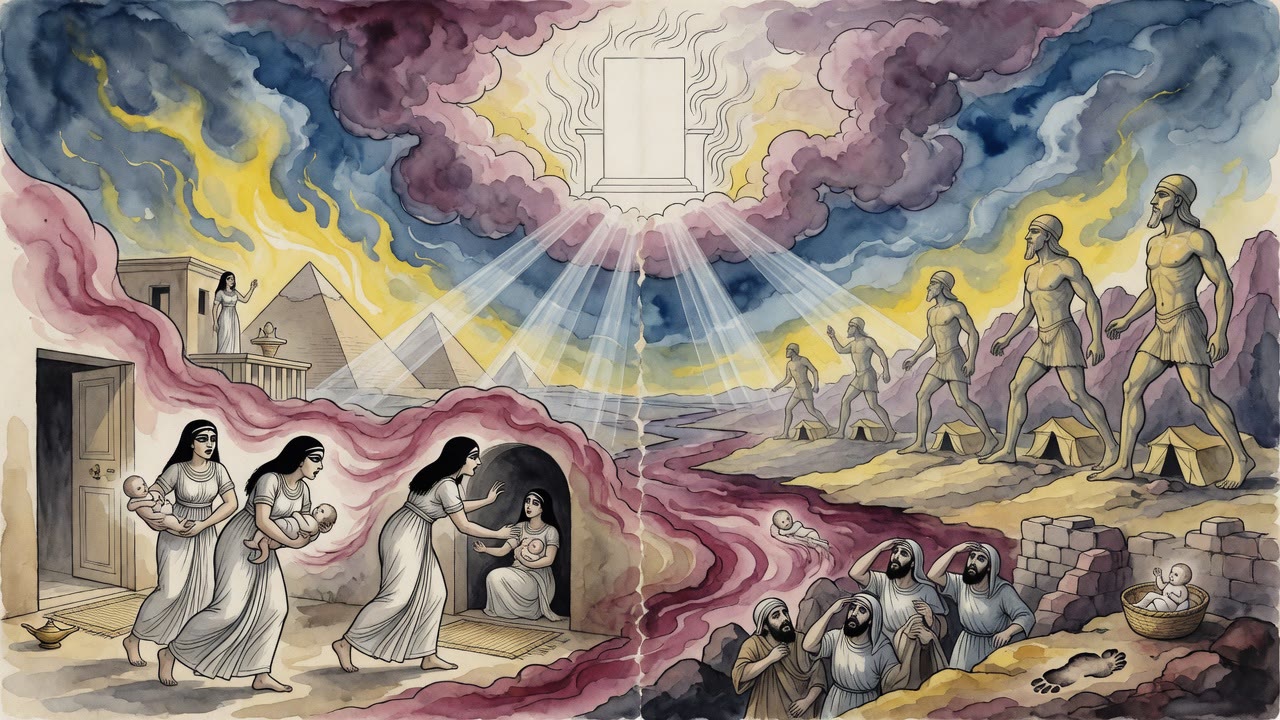
The Jewish people were redeemed from Egypt because of the righteous women. According to Sotah 11b, Rav Avira taught that while the men had given up hope under Pharaoh's slavery, th...
When Moses was born, the entire house filled with light. According to Sotah 12a, his mother Yocheved saw immediately that he was special—the Torah's phrase "she saw that he was goo...
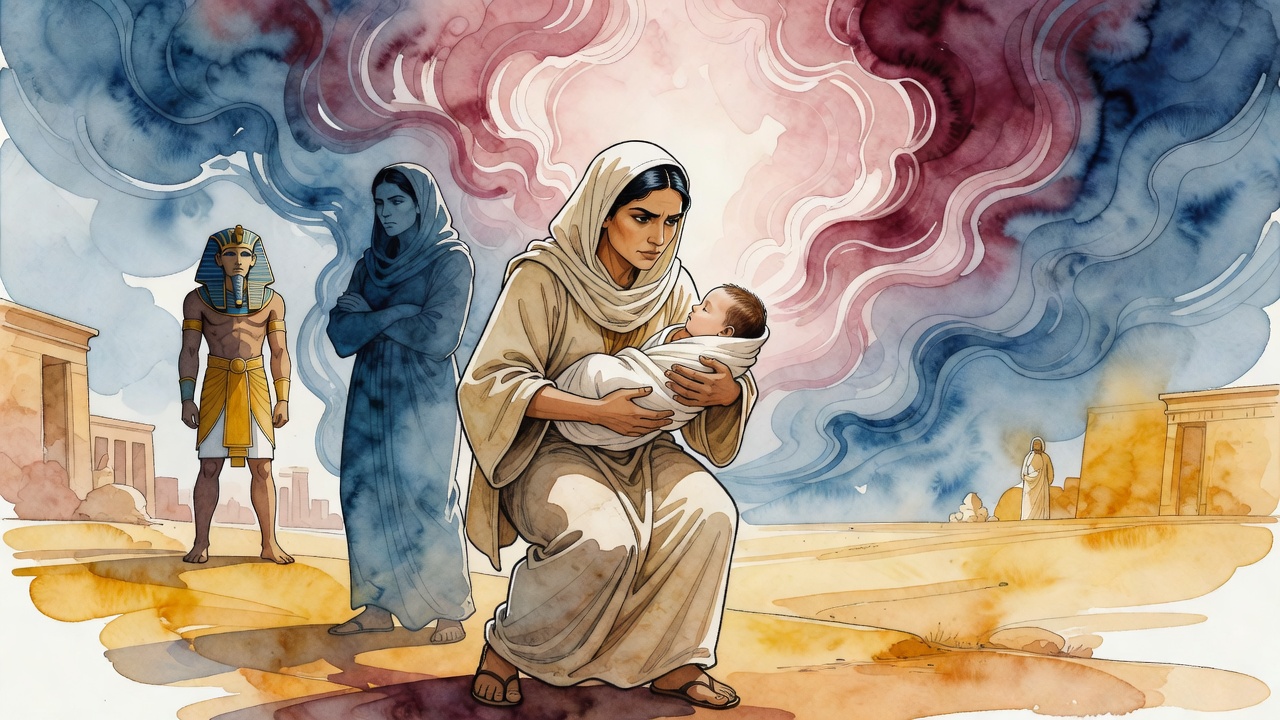
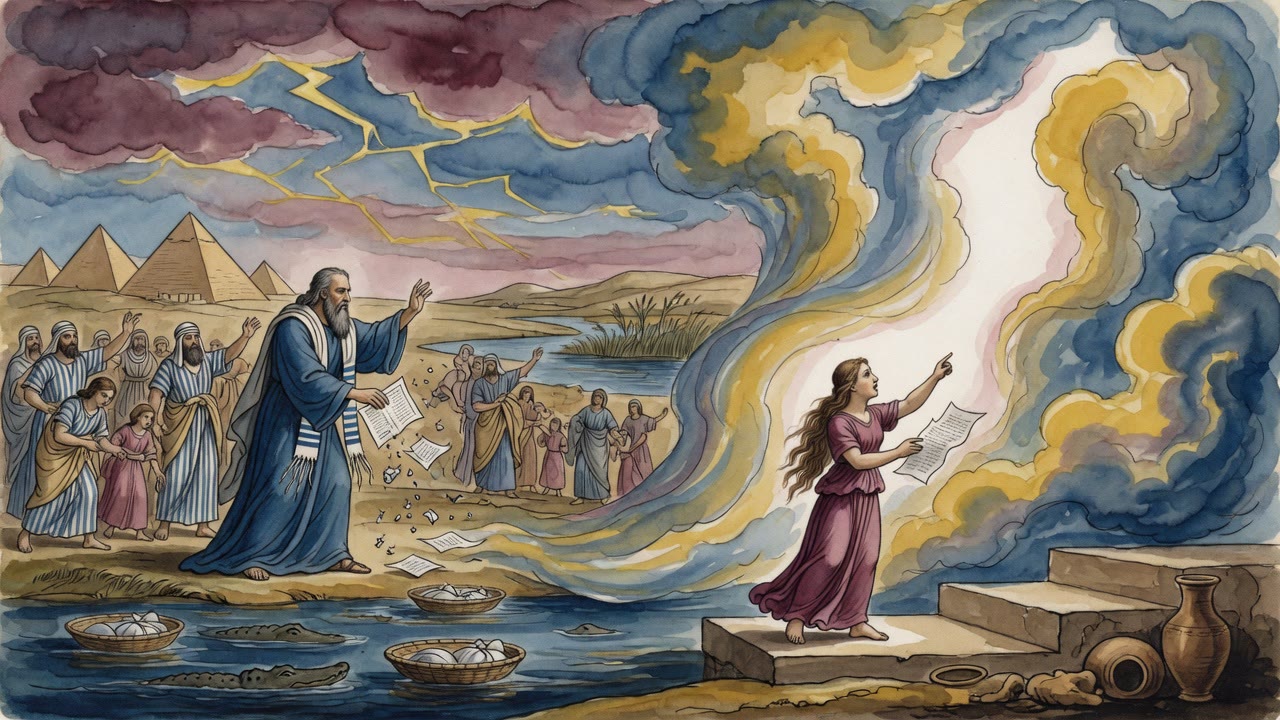
Pharaoh's daughter did not accidentally find Moses. According to Sotah 12b, she came to the river to immerse herself—not for bathing, but to wash away the spiritual impurity of her...
On the night of the Exodus, while the entire nation of Israel was loading Egyptian gold and silver, Moses was doing something else. According to Sotah 13a, he was searching for the...
The death of Moses is the most devastating scene in the Torah—and the Talmud in Sotah 13b expands it into something almost unbearable. Moses pleaded with God not to let him die. He...
The Hebrew Bible says God told Moses, "Who gave man a mouth, or who makes a person dumb or deaf, seeing or blind? Is it not I—God?" (Exodus 4:11). Targum Onkelos translates this ve...
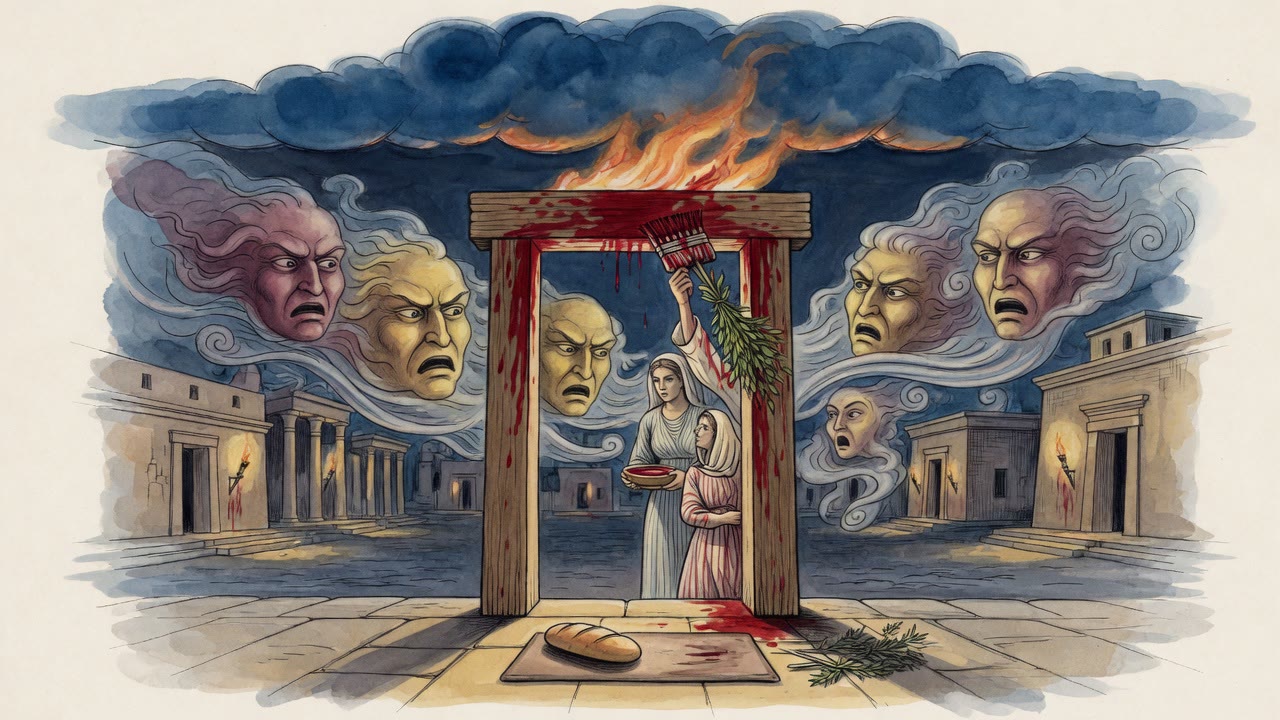
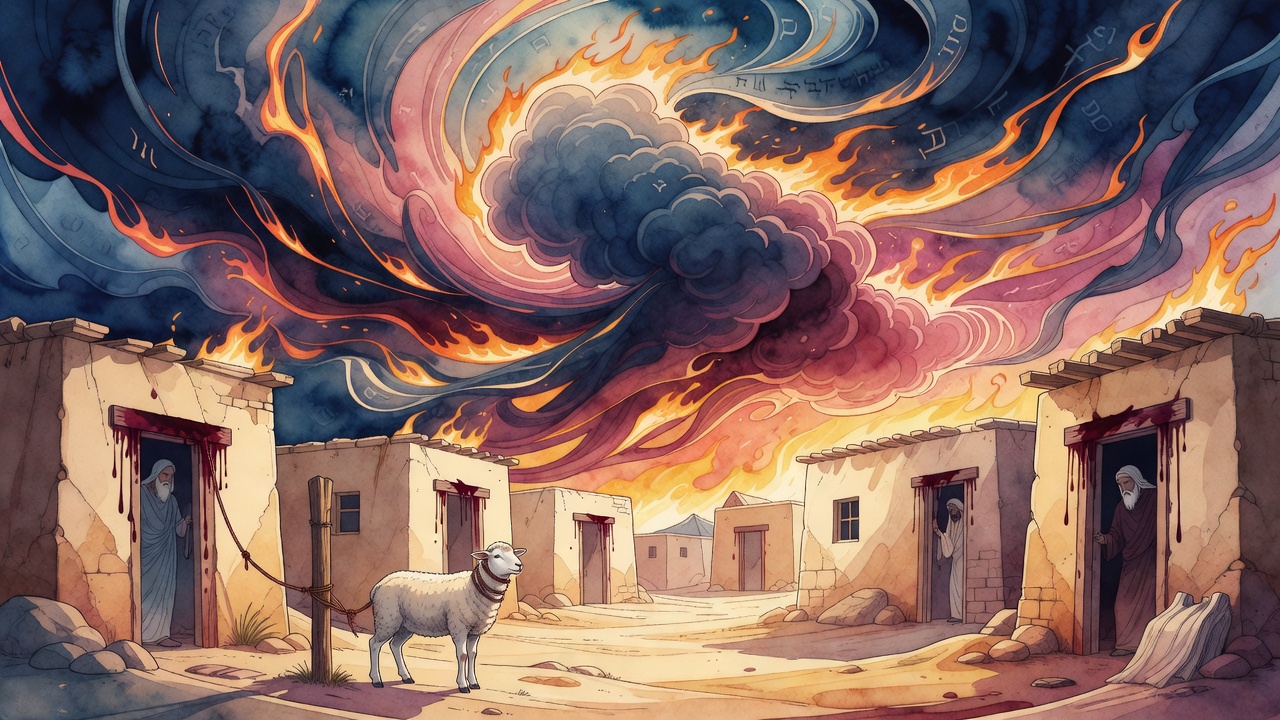
The Hebrew Bible says God will "pass through" Egypt on the night of the Passover (Exodus 12:12). Targum Onkelos changes this to God will "become revealed in" Egypt. God does not tr...
The Hebrew Bible says God "hardened Pharaoh's heart" and he pursued the Israelites (Exodus 14:8). Targum Onkelos translates this without softening or explaining. The hardening stan...
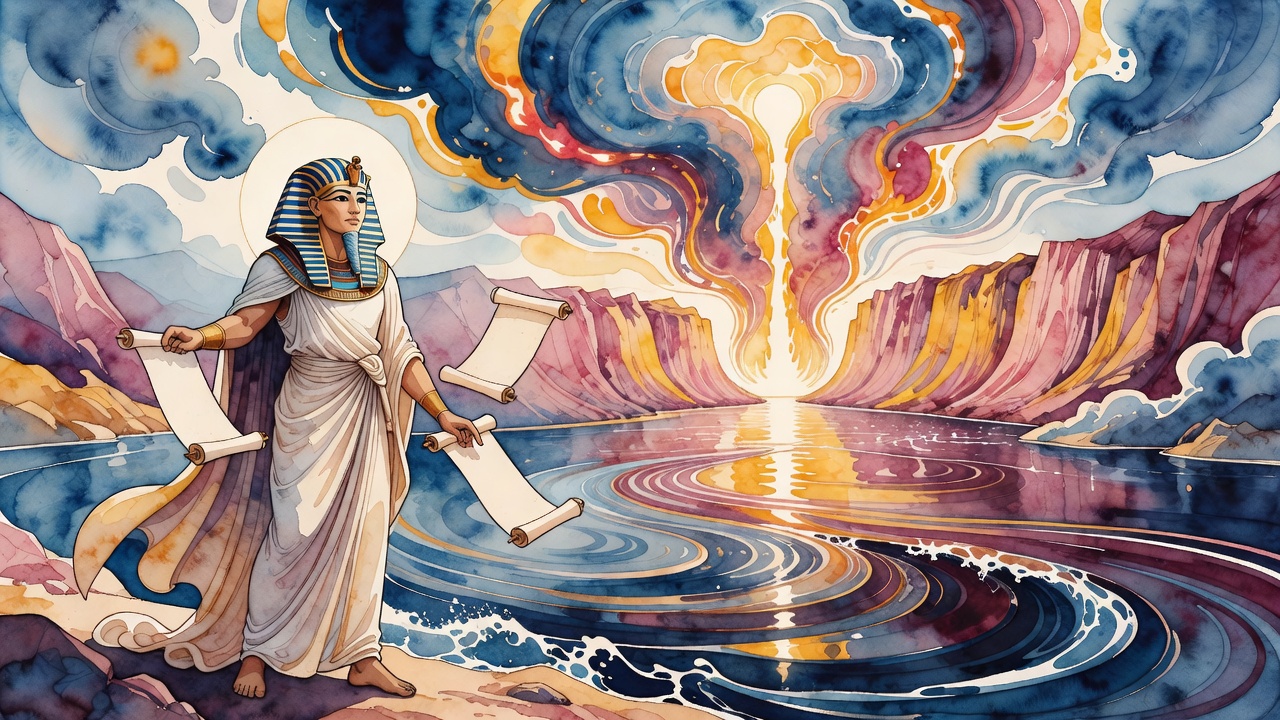
The Hebrew Bible records Moses and the Israelites singing a triumphant song after the sea closes over the Egyptians (Exodus 15). Targum Onkelos transforms this victory hymn into so...
The Hebrew Bible says the people told Aaron: "Make us gods that will lead us, for this Moses, we do not know what happened to him" (Exodus 32:1). Targum Onkelos translates this wit...
When they went out of Egypt, they broke out in song, as it is written: ‘then Moses and the children of Israel sang the song’ (Exodus 15:1); and when Israel went out of Jerusalem th...
Like stacking the deck. Well, Shemot Rabbah, the great collection of interpretations on the Book of Exodus, wrestles with just that. One fascinating reading hinges on a verse from ...
The Rabbis certainly did, and their answers, as found in Shir HaShirim Rabbah, are…well, they're Rabbi Berekhya offers us one possibility: the wilderness itself! Can you imagine? T...
And she opened it, and saw it, even the child; and behold, a boy that wept (Exod. 2:6). The verse does not say “And behold, a child that wept” but rather a boy. This informs us tha...
And he led the flock to the farthest end of the wilderness (Exod. 3:1). In answer to the query Why did he go into the wilderness? R. Johanan said: He went into the wilderness becau...
And the Lord went before them by day (Exod. 13:21). You find that there were seven clouds of glory in all. And the Lord went before them by day in a pillar of cloud (ibid.) was the...
And the Lord went before them (Exod. 13:21). Just as a man treats other men, so is he treated. Because Abraham escorted the ministering angels, as it is said: And Abraham went with...
And Moses led Israel onward from the Red Sea, and they went out into the wilderness of Shur (Exod. 15:22). The wilderness of Shur is actually the wilderness of Kazab. They say that...
In the third month (Exod. 19:1). Scripture says elsewhere in reference to this verse: He layeth up sound wisdom for the upright, He is a shield to them that walk in integrity (Prov...
"And it was on the day that Moses had finished" (Numbers 7:1). Rabbi Yehoshua ben Levi said, "The Holy One, blessed be He, made conditions with Israel before they left Egypt, that ...
(Numb. 21:17:) “Then Israel sang.” For what reason is Moses not mentioned there?136Numb. R. 19:26. For the reason that he was being punished because of the waters; and no person pr...
"To these apportion the land" (Numbers 26:53). And who are they? The ones standing on the Plains of Moav. And was the land not apportioned to those that left Egypt? As it is writte...
"Command the Children of Israel" (Numbers 28:2). This is [the meaning of] that which was stated by the verse (Job 27:23), "The Omnipresent we have not found to be of great power"; ...
"These are the journeys of the Children of Israel" (Numbers 33:1). This is what is stated in the verse (Psalms 77:21), "You led (nachita) Your people like a flock through Moshe and...
(Deut. 1:1:) “These are the words (elleh hadevarim).” May the name [of the Holy One, blessed be He,] be blessed and may His memory be exalted. All the miracles that he did for Isra...
When the Lord cuts down (Deuteronomy 12:29): The Holy One, blessed be He, said to Israel, "By your lives, I will conduct your wars and write about you that you killed them." Come a...