436 myths · Page 10 of 15
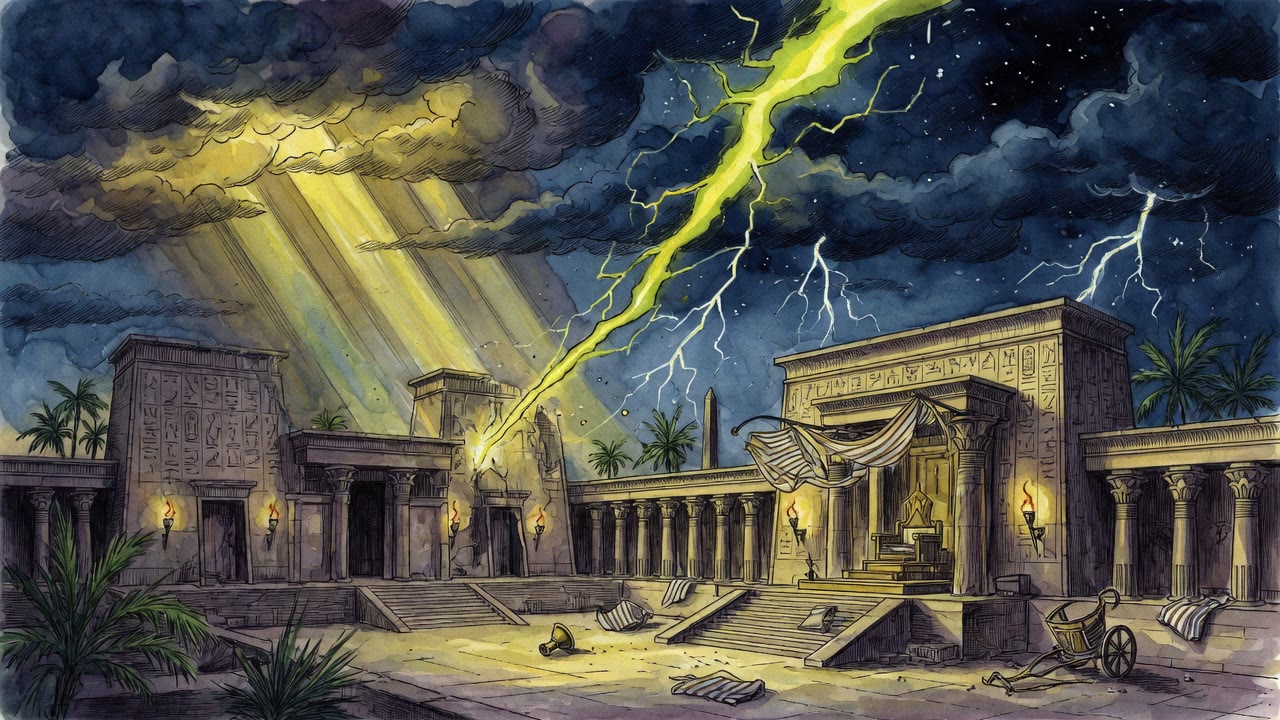
Moses says about midnight because flesh cannot clock Heaven. The night splits, firstborn tremble, and two midwives once taught Egypt what life costs.
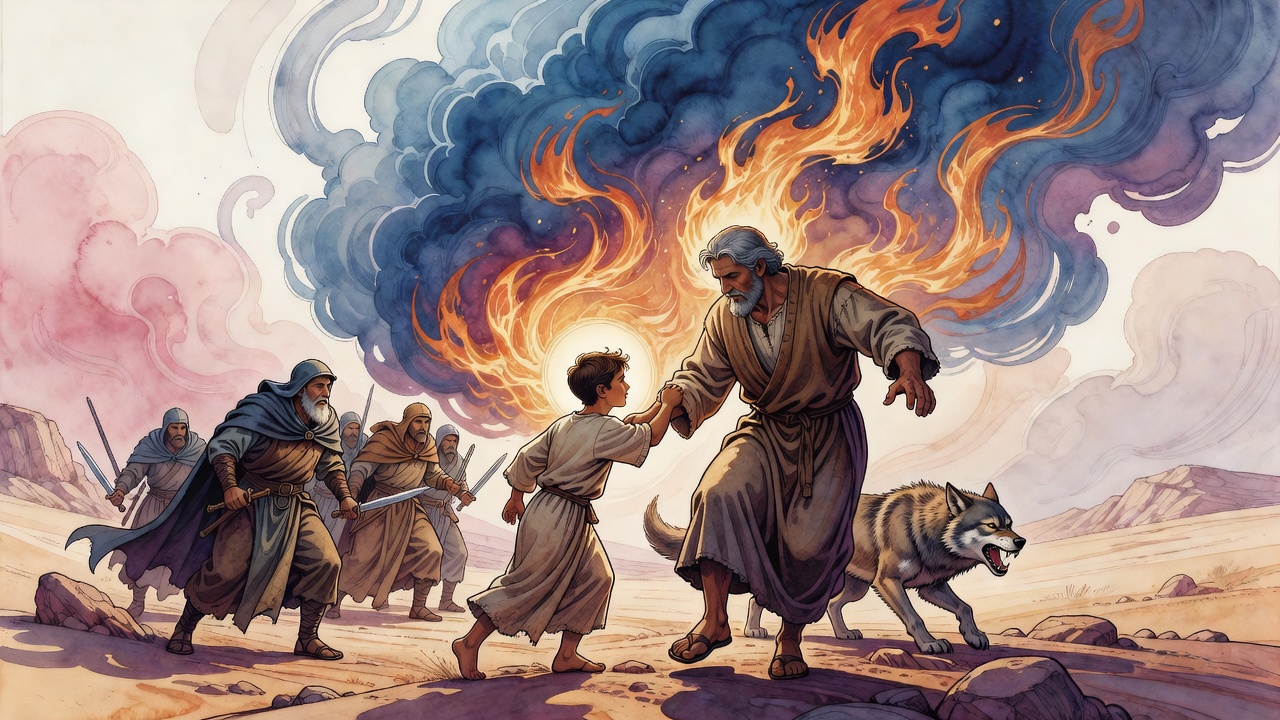
Bandits ahead, a wolf behind, sun on the boy's neck. A father keeps moving the child. Cloud and fire take the same shifts so Israel is never left alone.
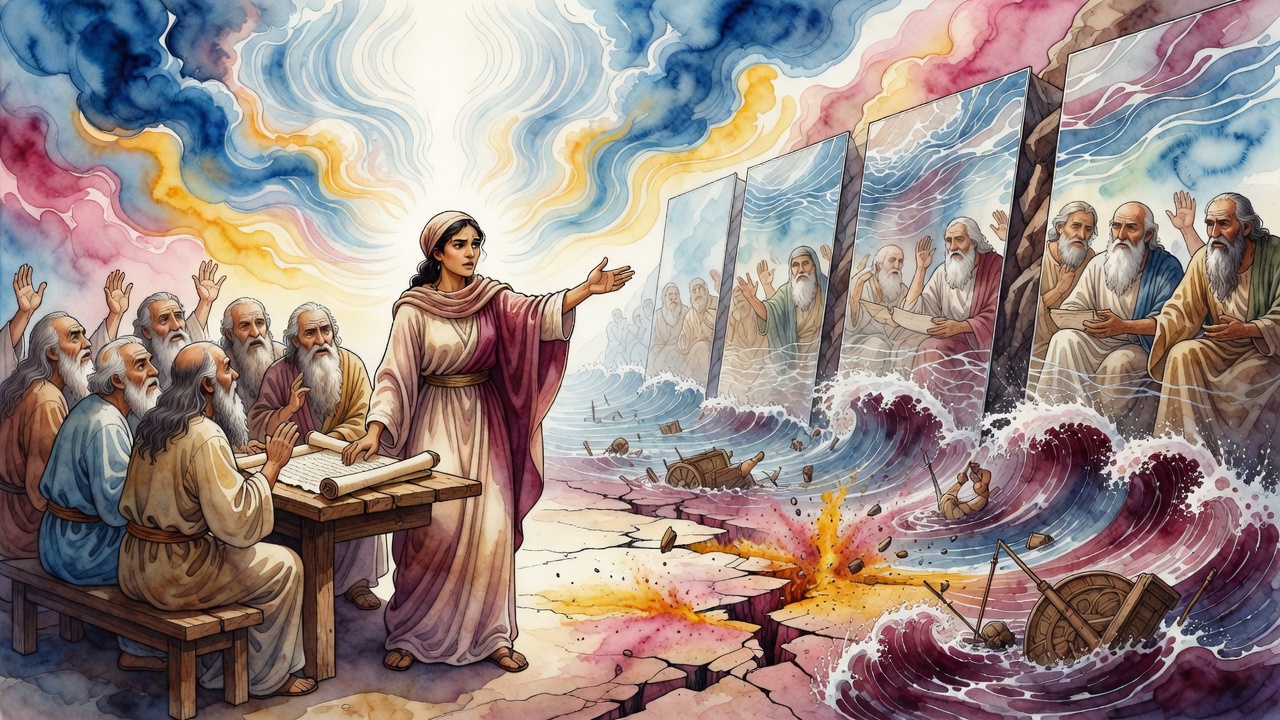
In the study hall Serah bat Asher corrects the sages. The sea walls were mirrors of all Israel. Earth and sea then fight over Egypts drowned host.
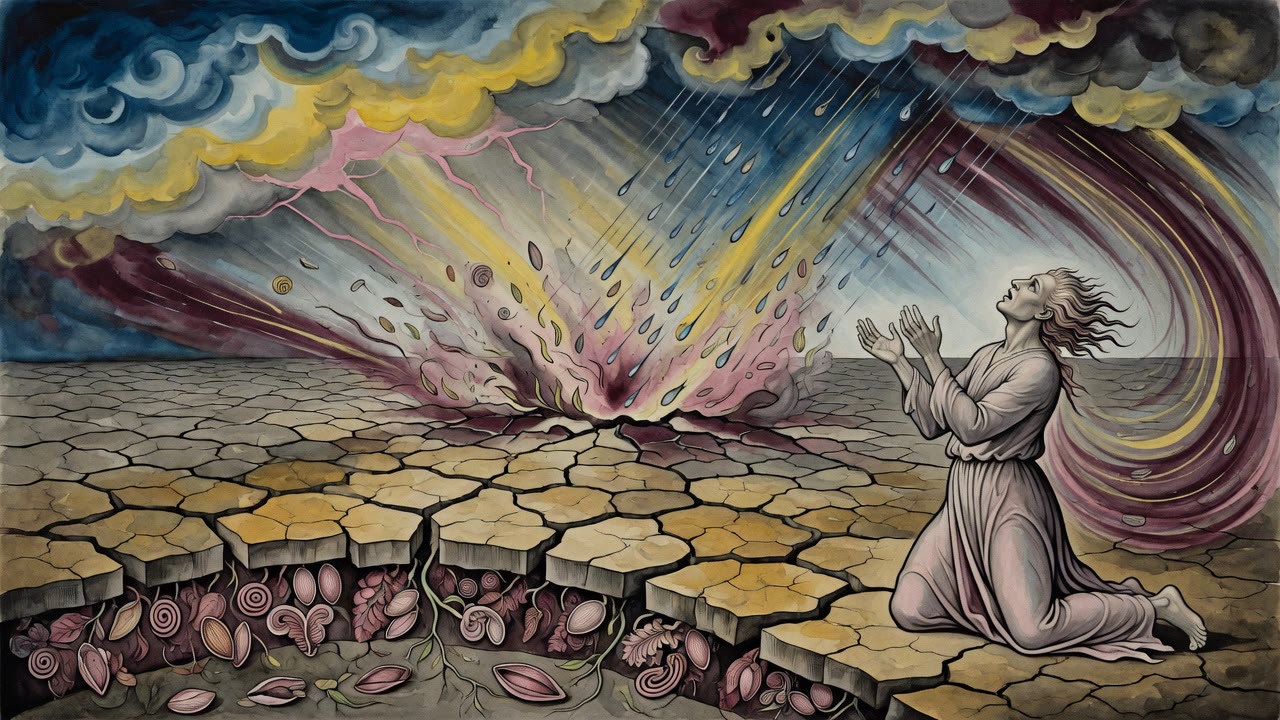
At the bush God named a mountain after the rescue. Through every plague Moses kept one private calendar. When the third month arrived, the long watch answered.
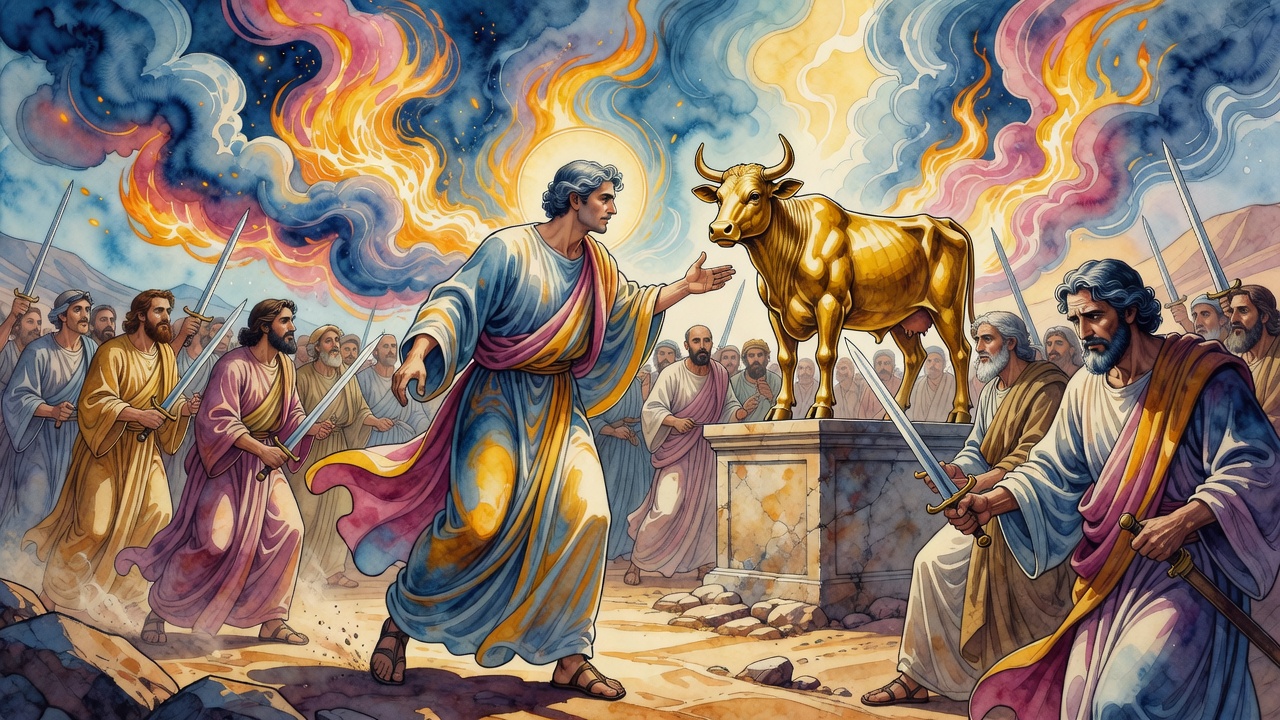
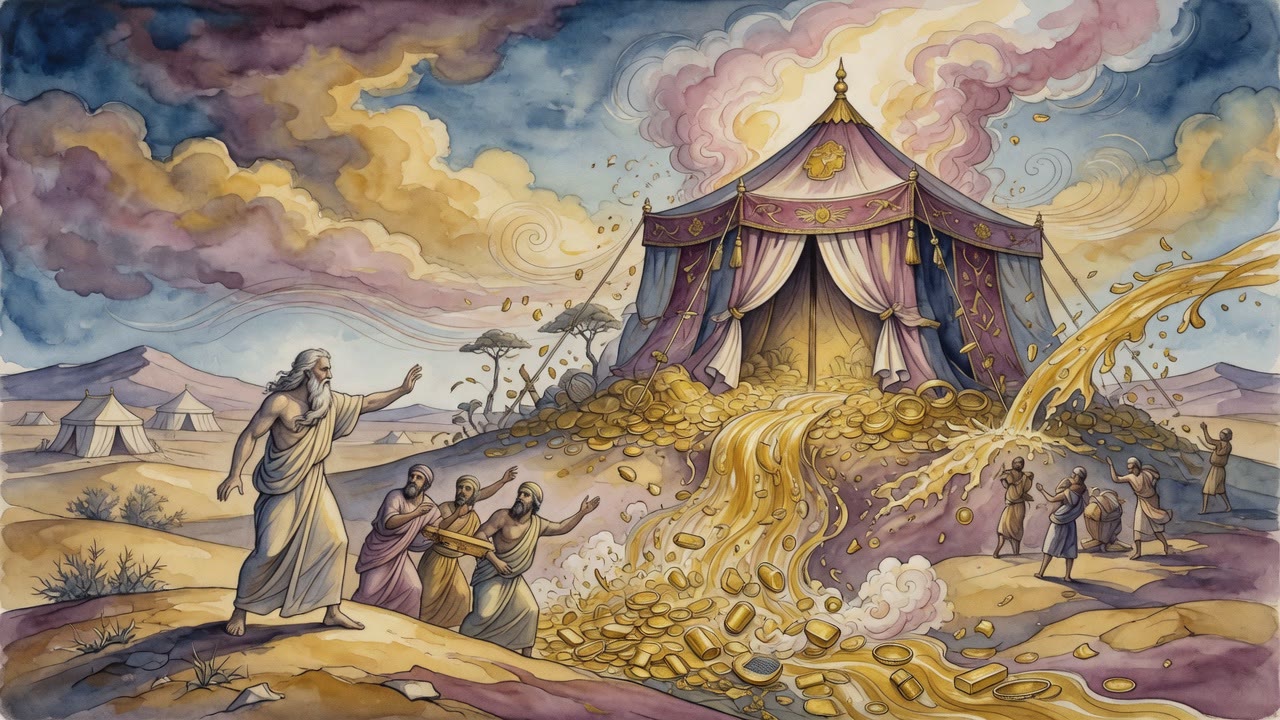
Aaron takes the gold before the people can. Better one tutor cut than a nation bleed. Moses sees guilt written, and Levites draw swords.
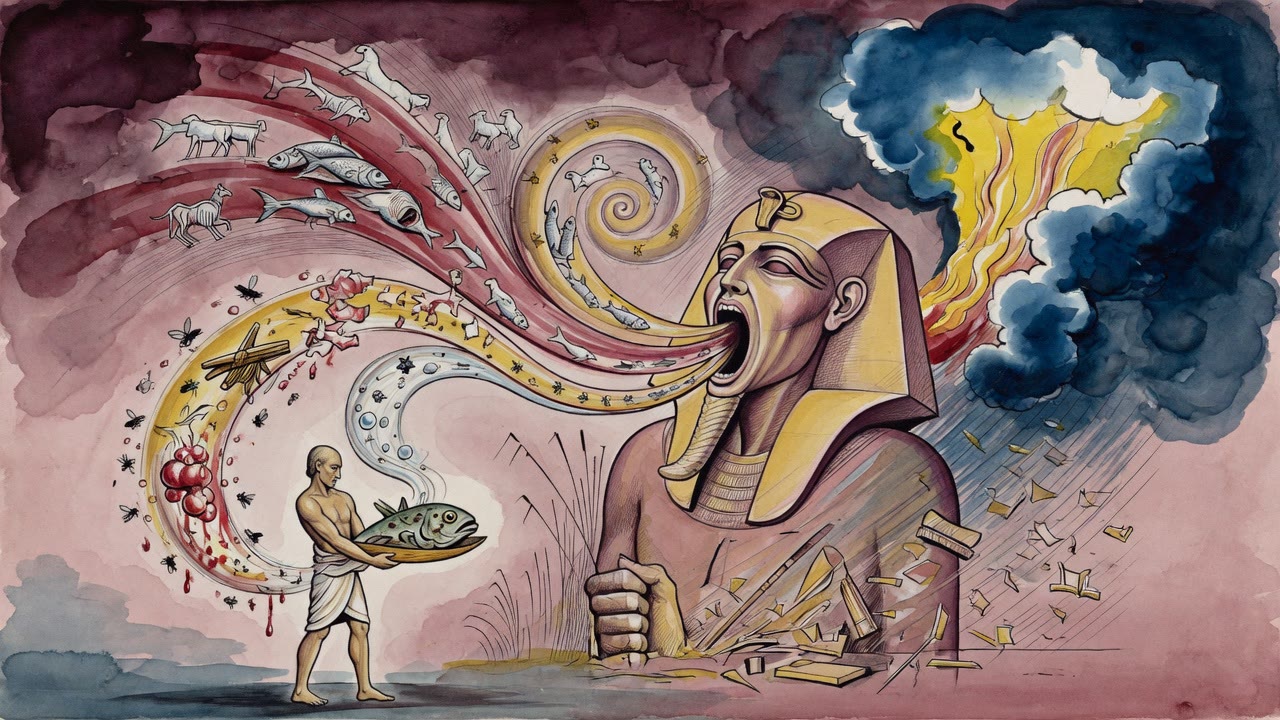
A servant picks the lightest penalty for a rotten fish and still pays all three. Pharaoh bargained the same way through every plague in Egypt.
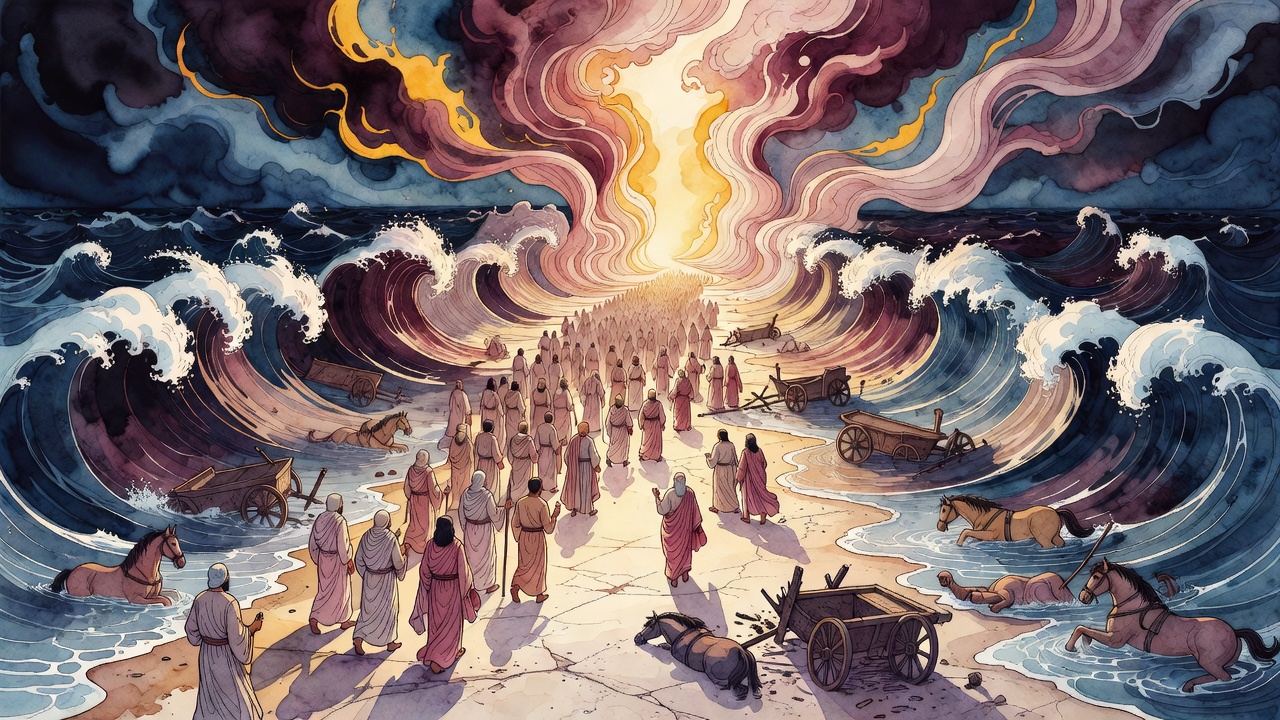
Moses told Pharaoh the last plague would make him shove Israel out. At midnight the king hunted the brothers through the dark himself.
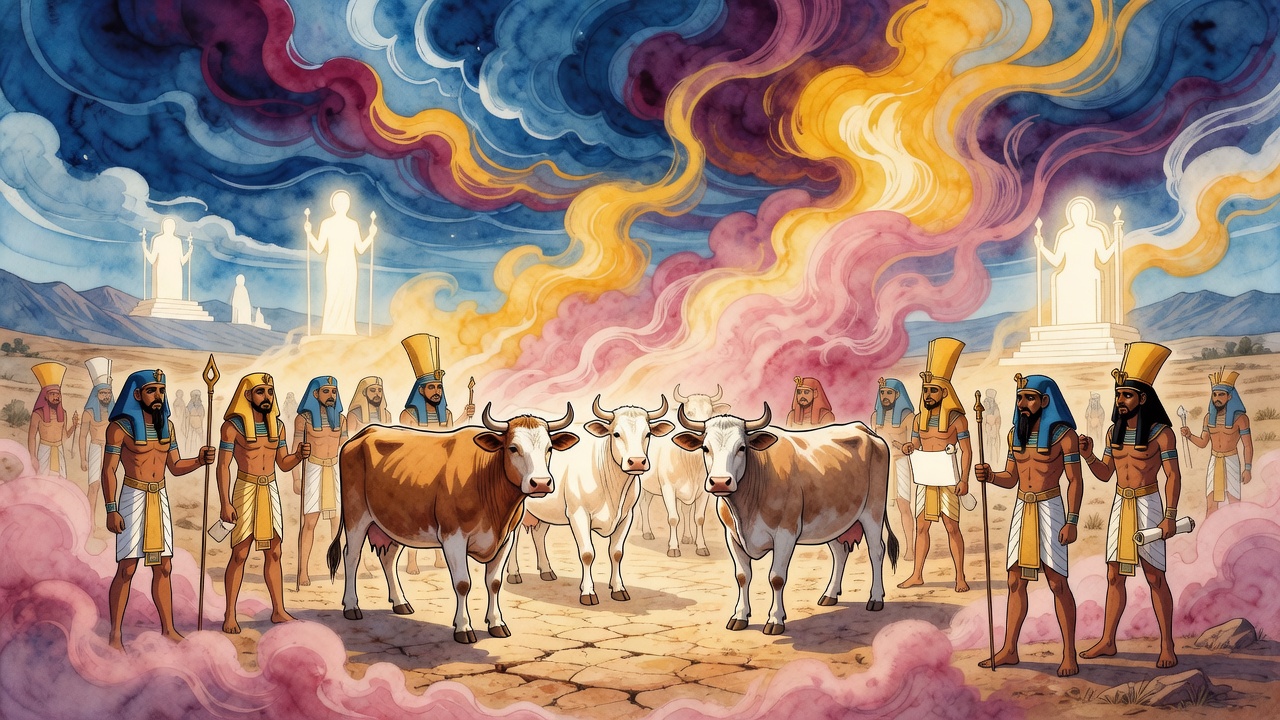
Egyptian fields already reeked of dead livestock. Riders went east to count Hebrew herds and came back with a number the king refused to use.
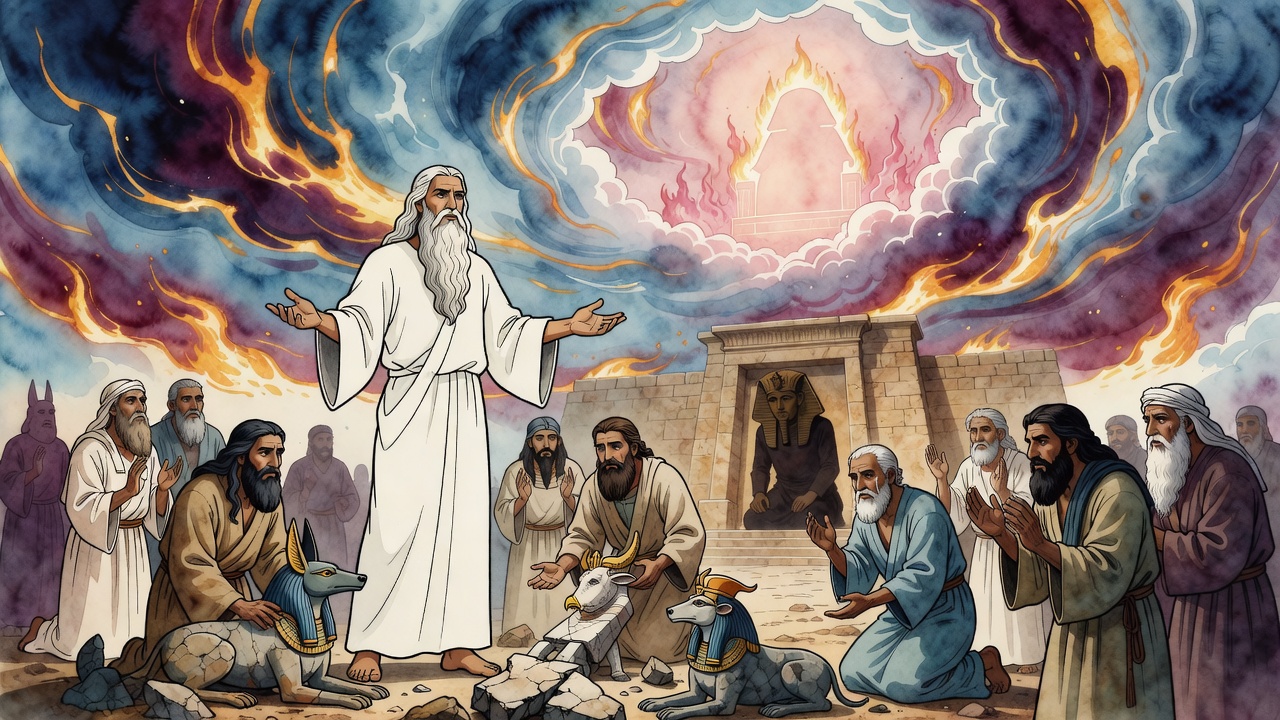
Moses made the elders pull their hands off Egypt's idols before anyone touched a lamb. Four hundred years leave residue. Blood went on the lintels that night.
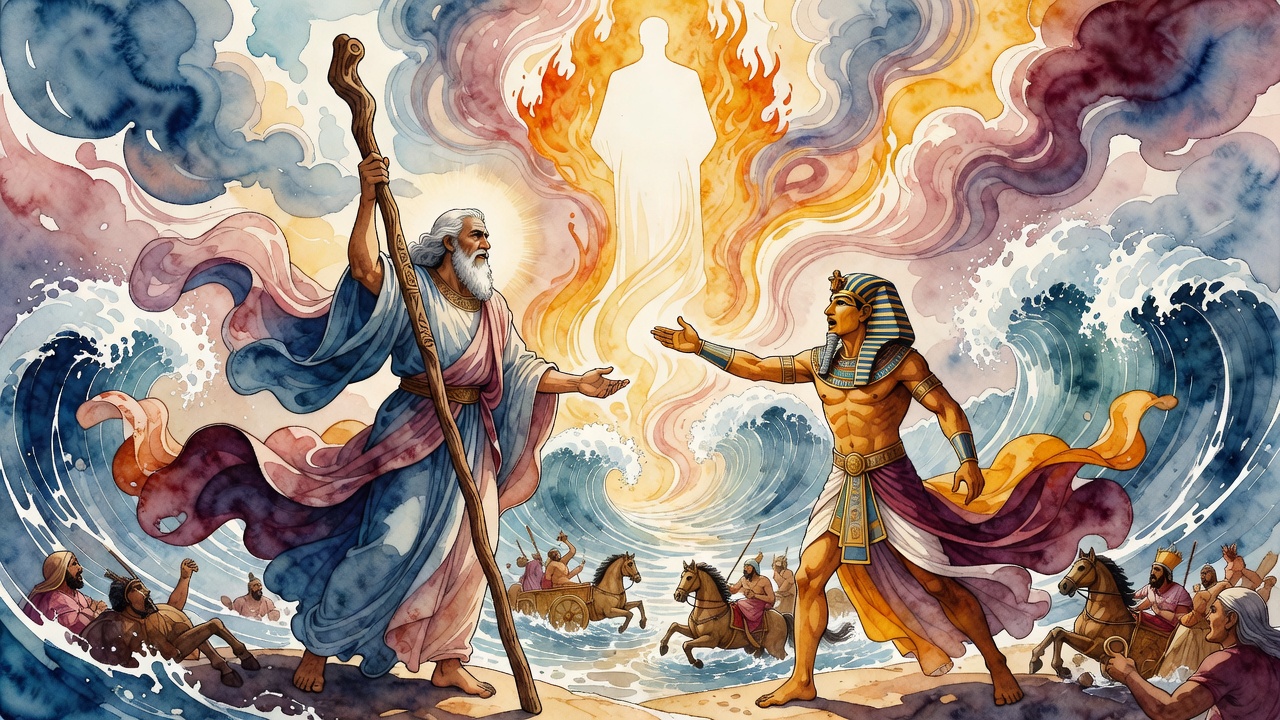
Sand in front. Chariots behind. They told Moses they had already chosen Egypt over a death in the open desert.
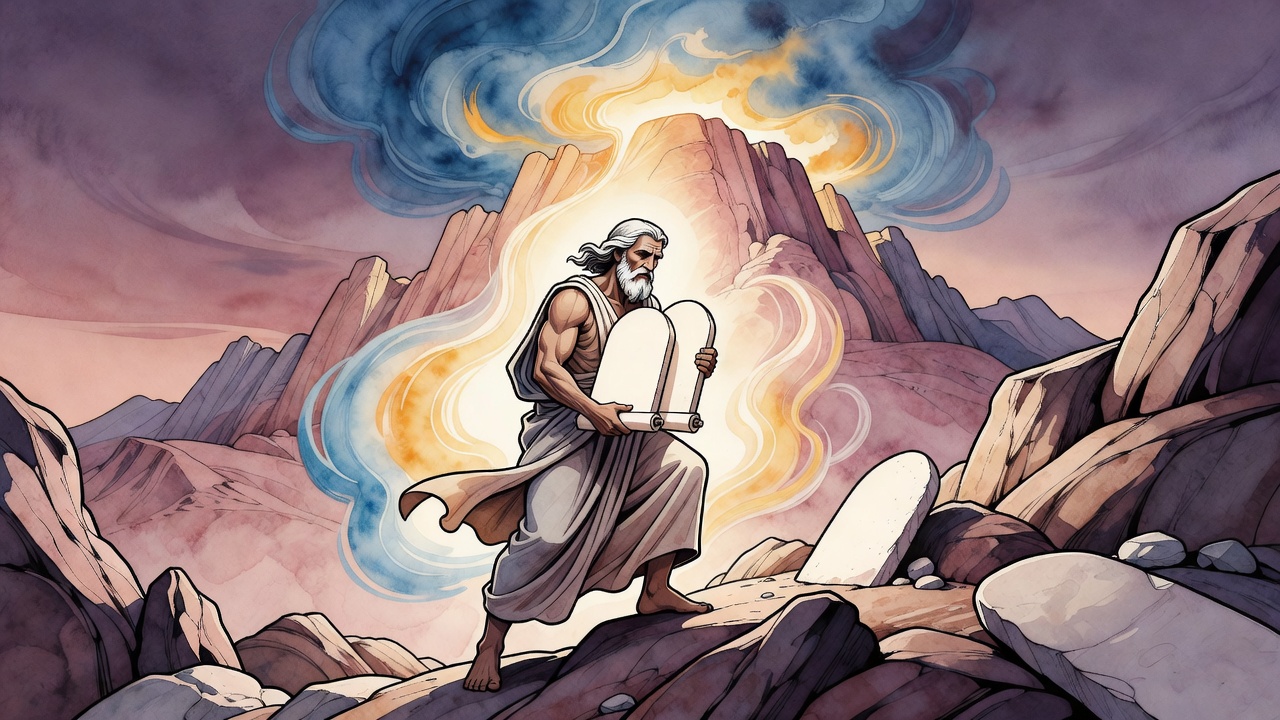
The first tablets had been cut by heaven. Moses hewed the next pair himself, then climbed Sinai before dawn with the stones in his hands.
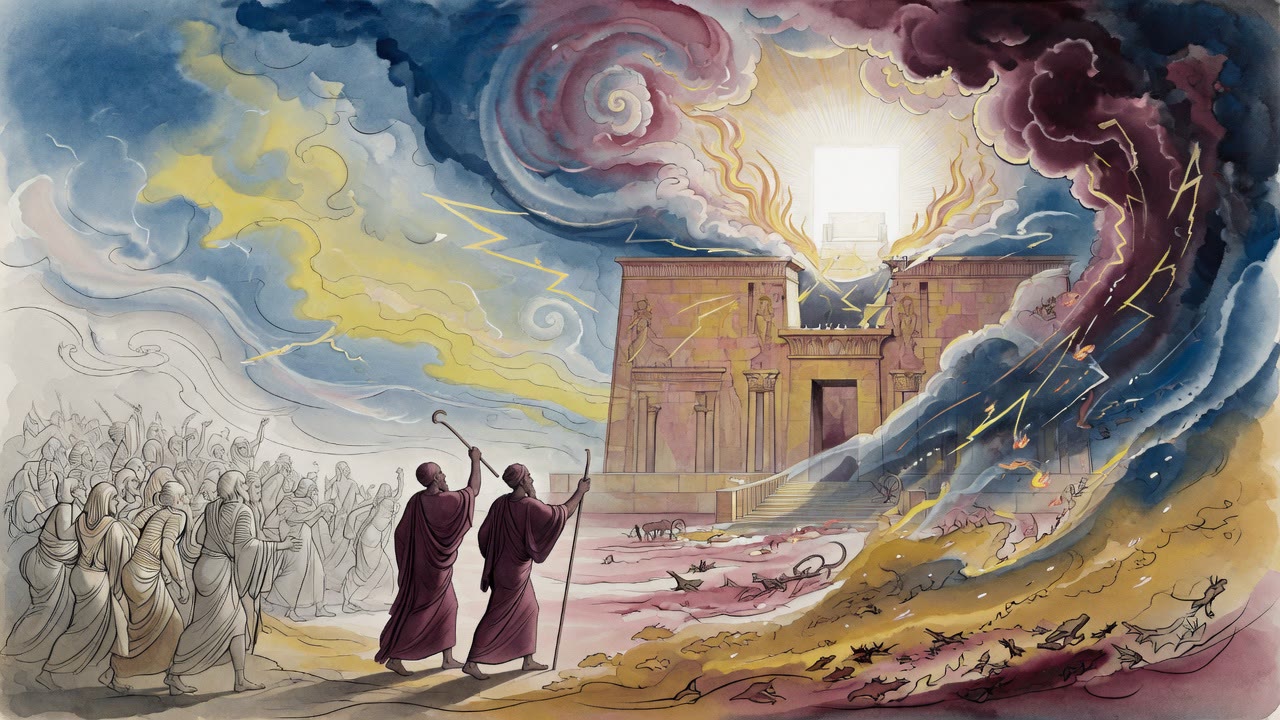
Kings do not rise before the third hour. This one was out in the dark asking strangers where to find the man he had thrown out of his hall.
One dawn the taskmaster led a Hebrew out early, then slipped back inside. Shelomith thought the man in the doorway was her husband.
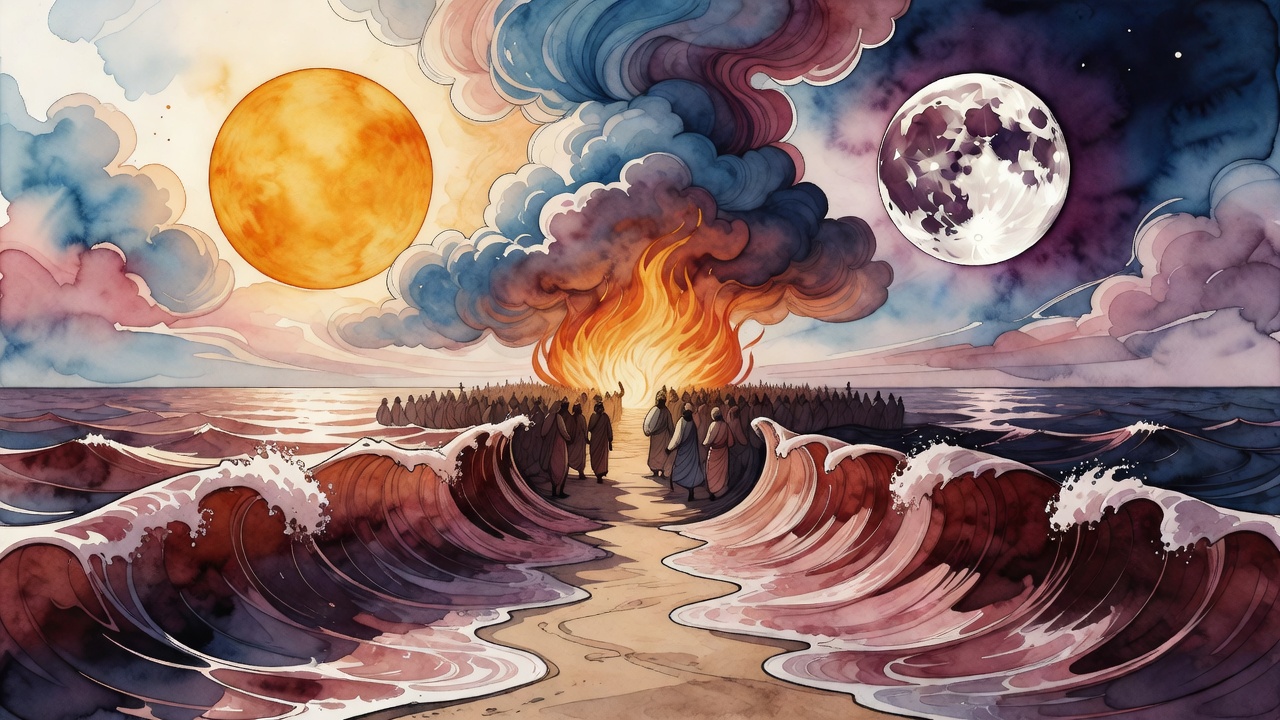
Before the first wave rose, the sun and moon already stood as witnesses that God had bound Himself to tear the sea for Israel.
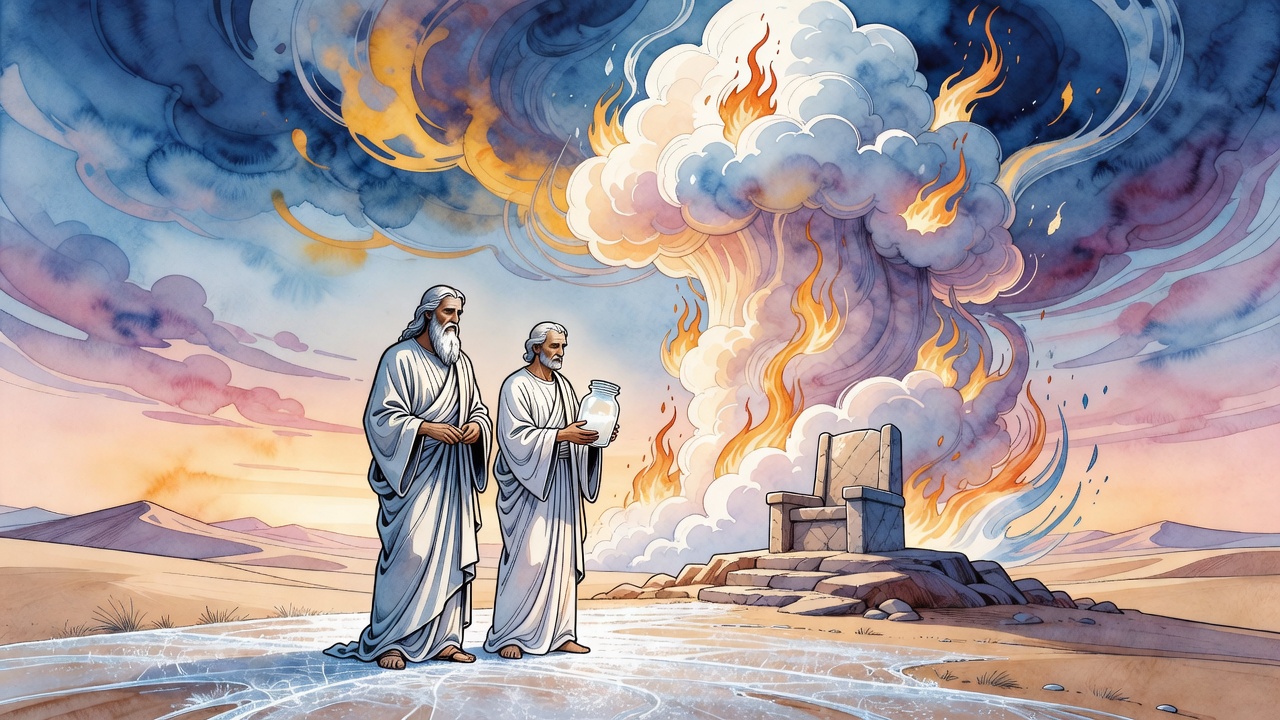
Each dawn a thin ice-like crust covered part of the desert. Moses and Aaron promised morning glory, and Aaron sealed a clear jar for later eyes.
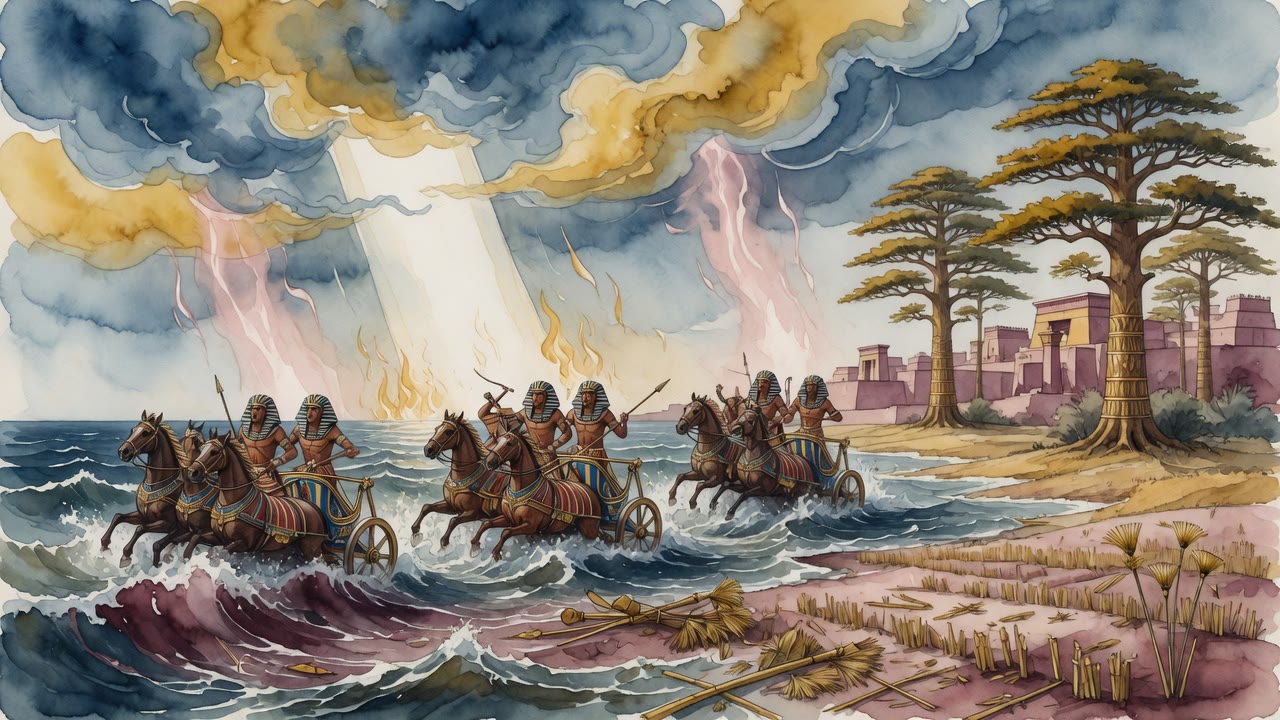
Plasheth heard the sea had split. They did not think of magic first. They thought of Ephraimite graves under their own fields.
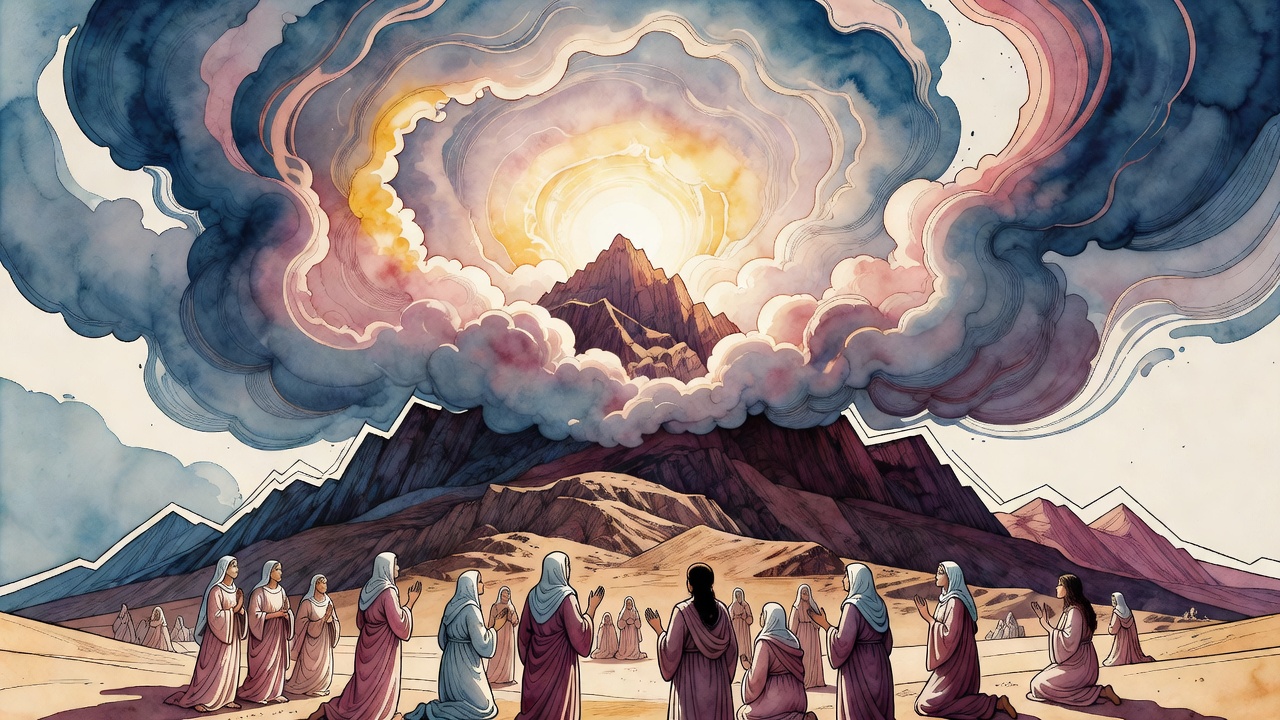
Glory covered Sinai for six silent days. Moses waited. God spoke first to the women of Jacob's house. Limits held the mountain so the people would not die.
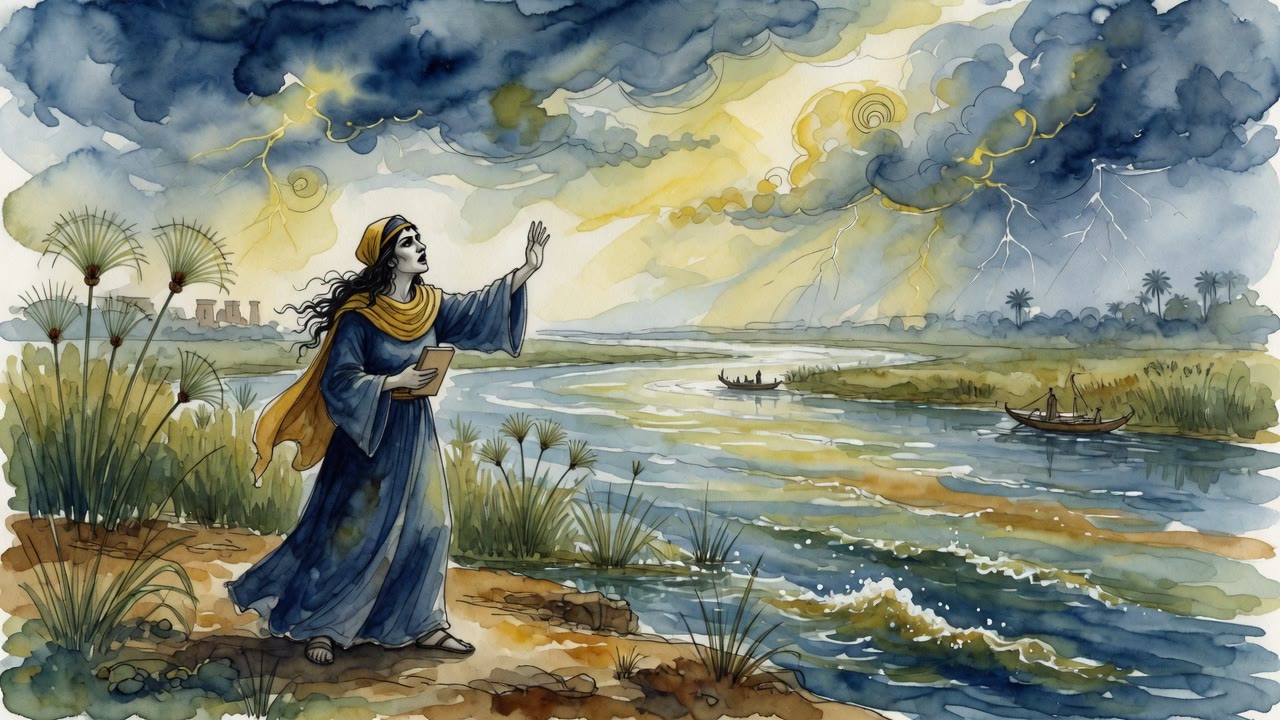
Light filled the house when Moses was born. Then the basket hit the Nile. Jochebed struck Miriam's head. The girl walked to the reeds and kept her prophecy.
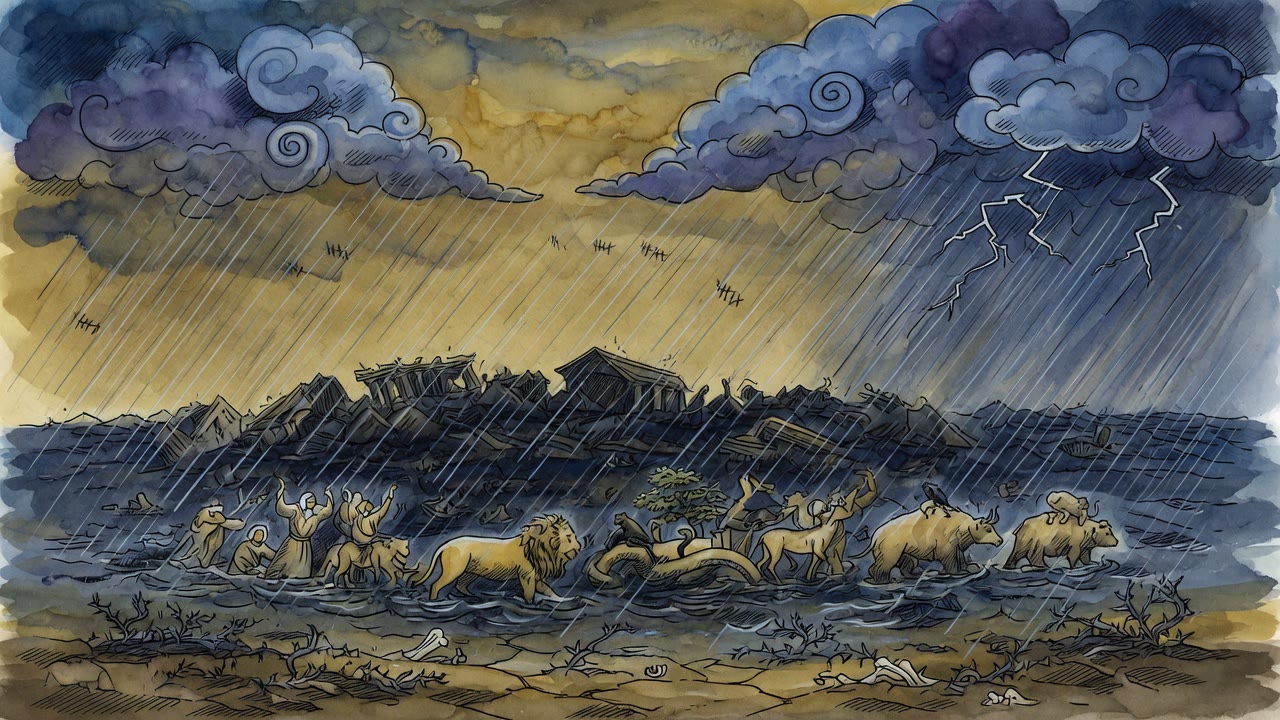
The flood pressed the ark like a king in fury. God remembered not only Noah, but Israel not yet born standing open-handed at Sinai.
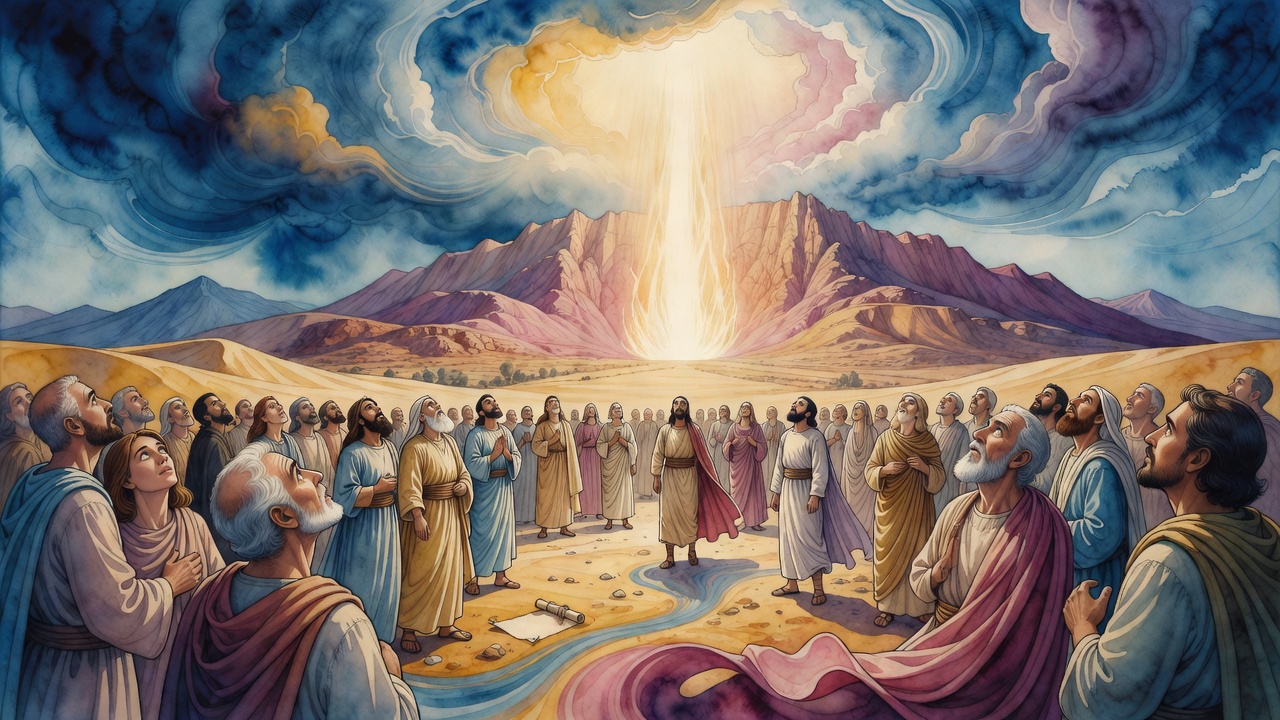
Israel left Egypt blind, deaf, and lame. Before Sinai, God burnished the people like a king's old hall so a perfect Torah met a whole generation.
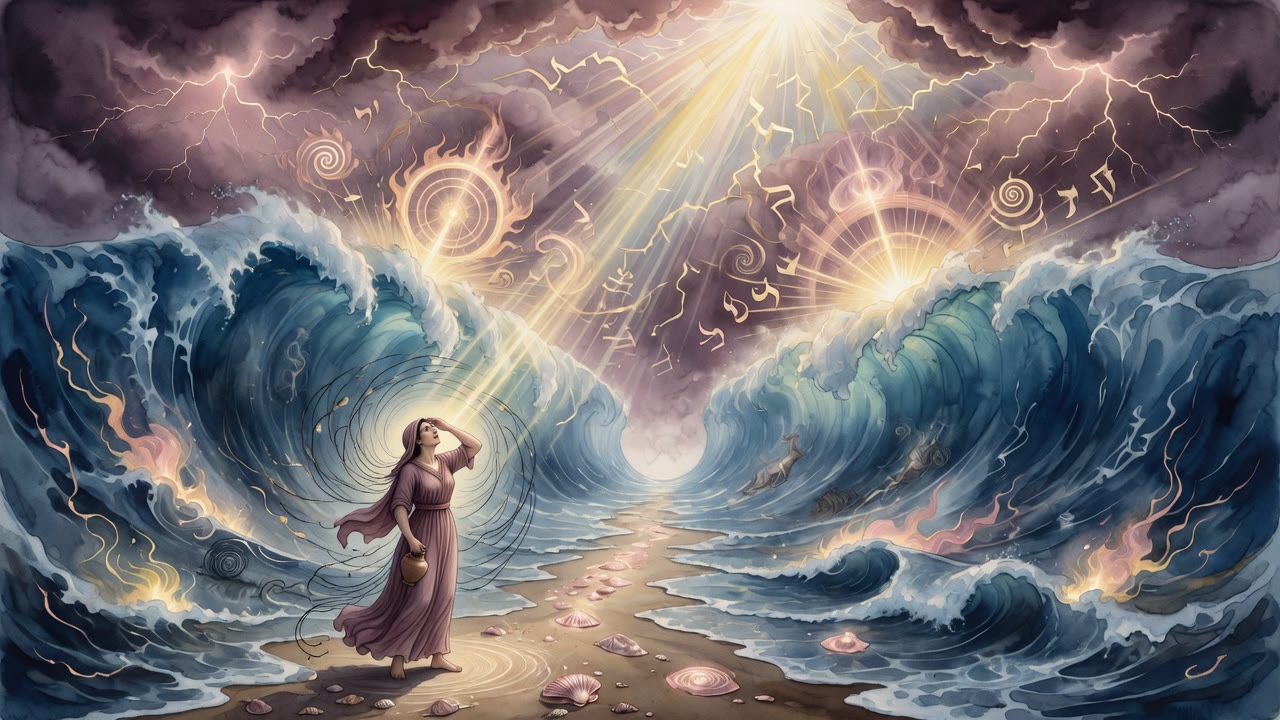
Salt water dried on her ankles. She pointed at the standing sea and named God, and no one in the camp had to ask which figure He was.
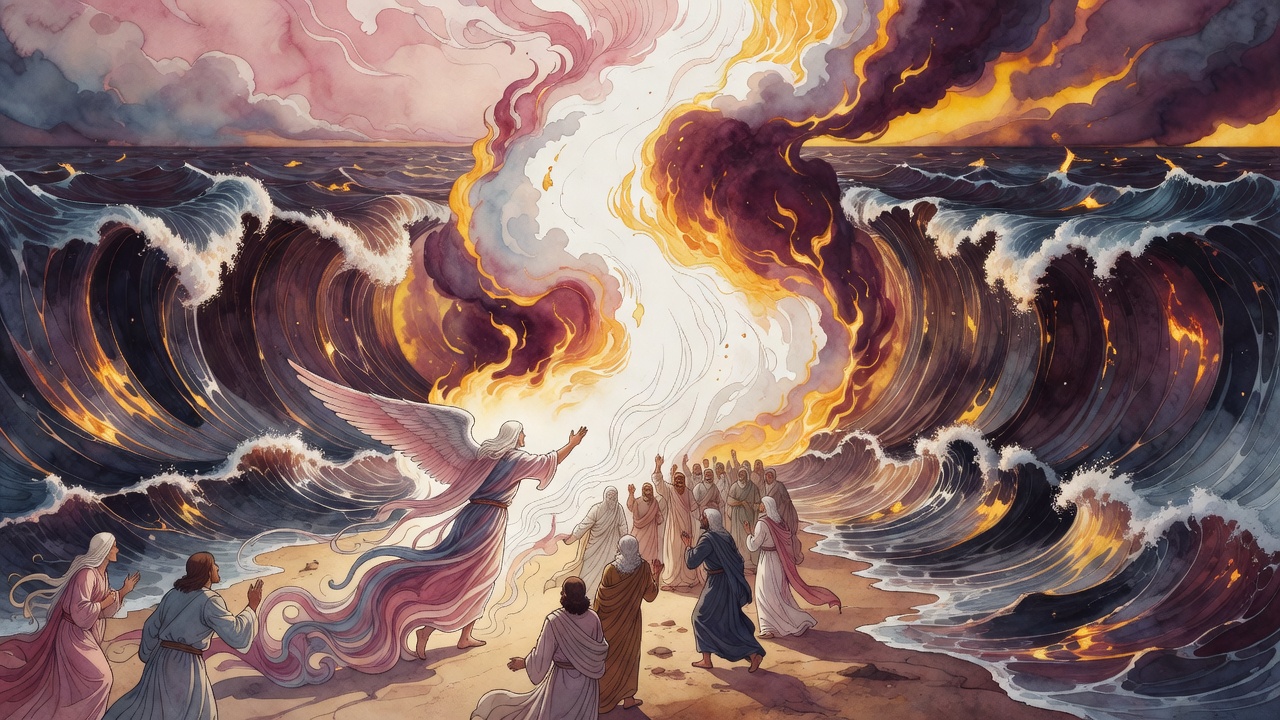
Darts hit a cloud and dropped into the sand. The Angel of the Lord had left the front of the camp and taken Israel's back.
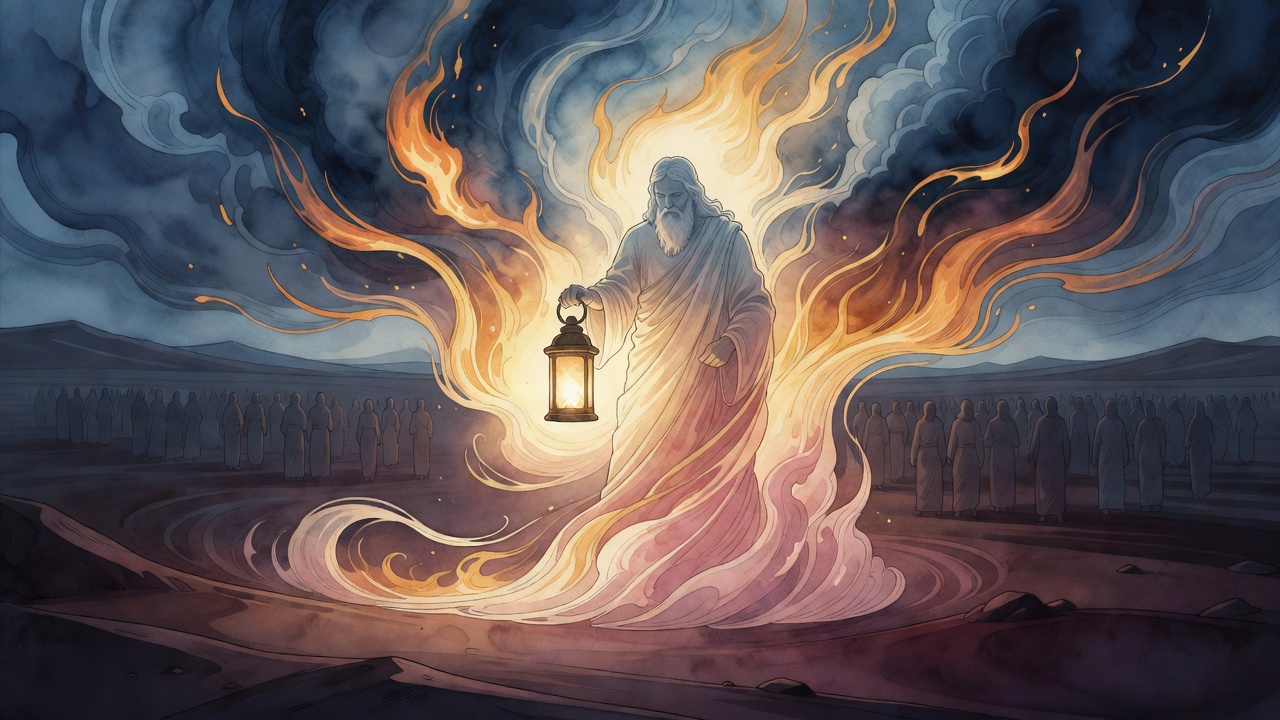
The desert had no road after the sea. At the front of the camp a lamp moved, close enough that a child could name who held it.
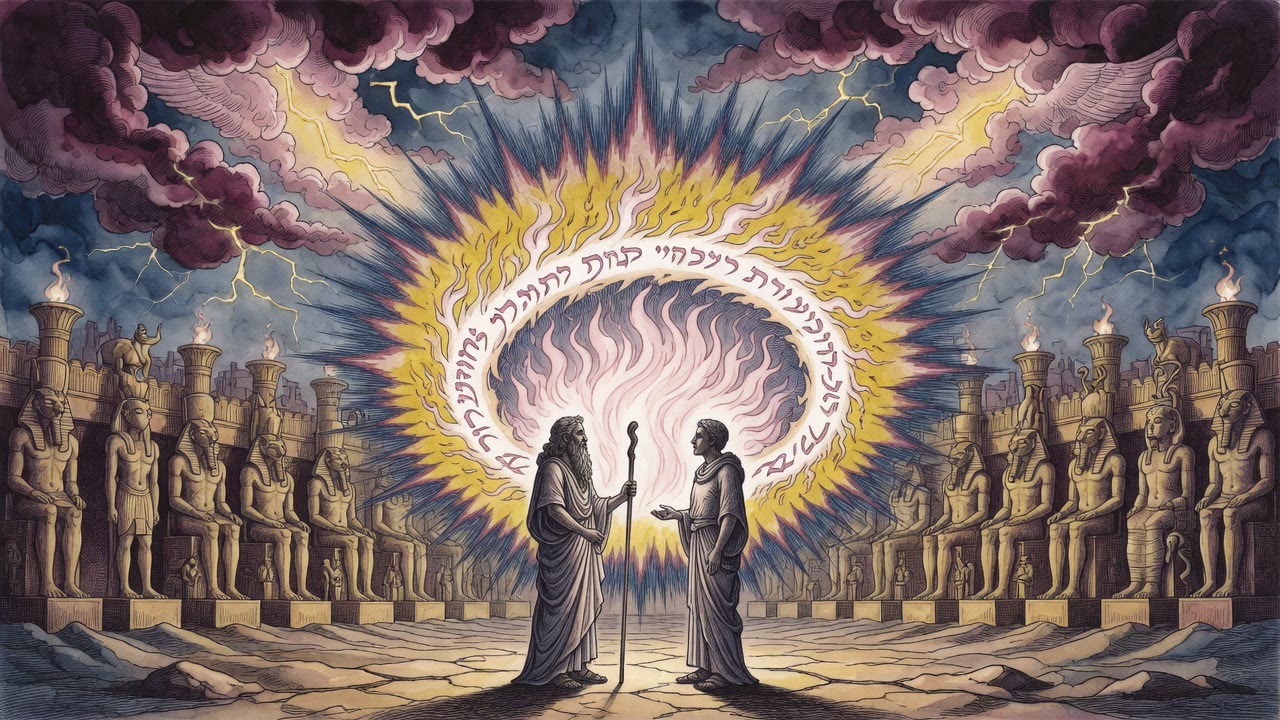
Outside a city thick with idols, God spoke to Moses and Aaron as equals, and the quieter brother learned prophecy would not leave him in shadow.
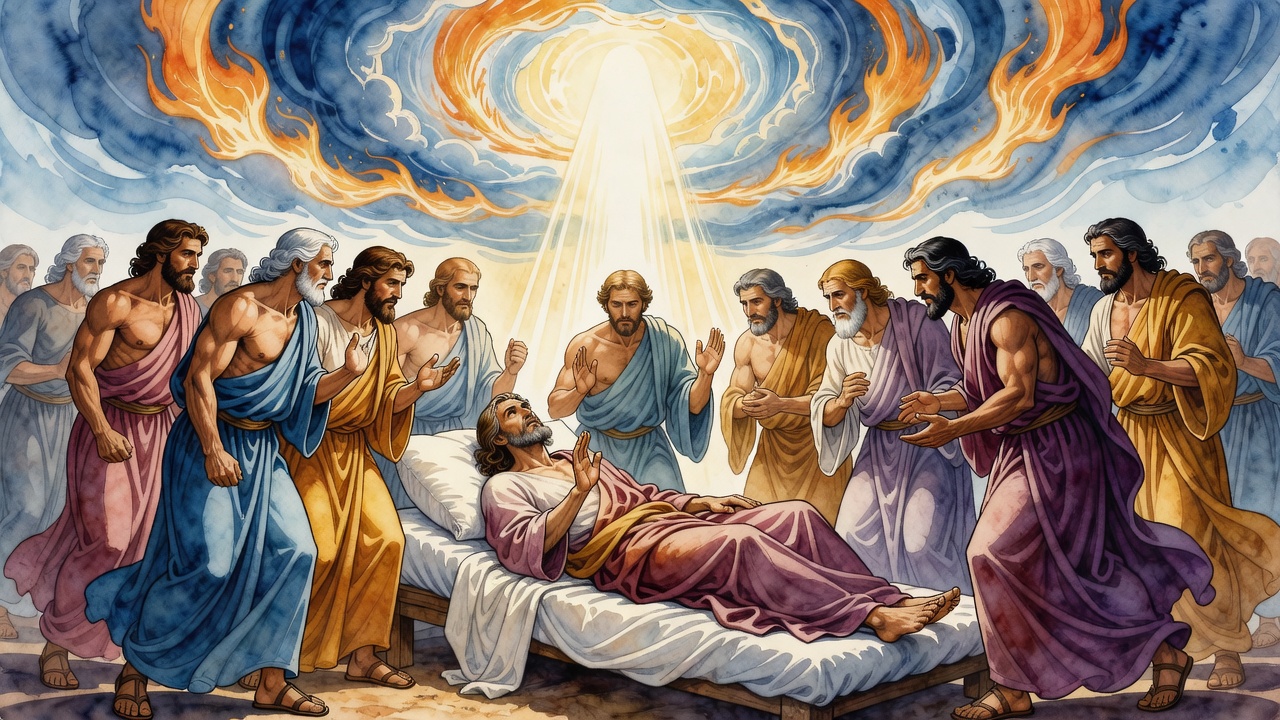
Jacob wanted a hand on the mark of the covenant and a formal oath. Joseph balked; a son's word should not need that. He swore anyway, and Pharaoh let him go.
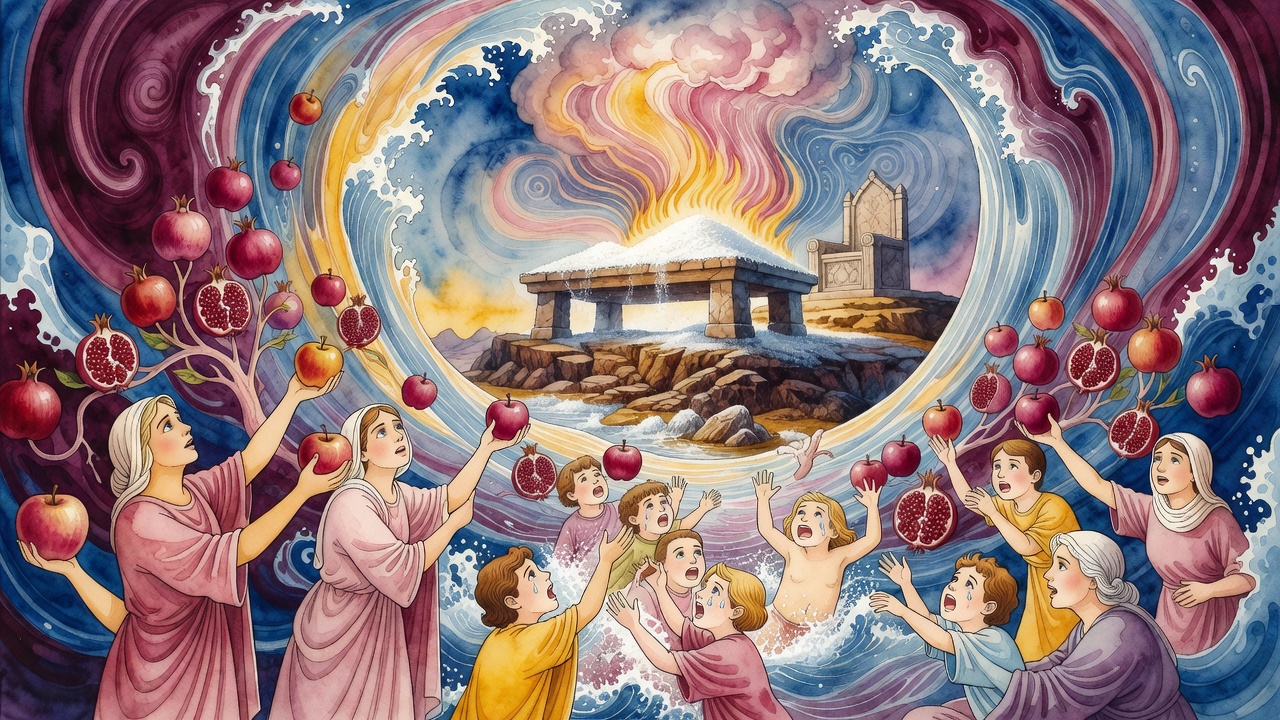
A baby cried on the seabed, so his mother reached into the standing water and pulled out an apple. Another woman found a pomegranate in the wall.
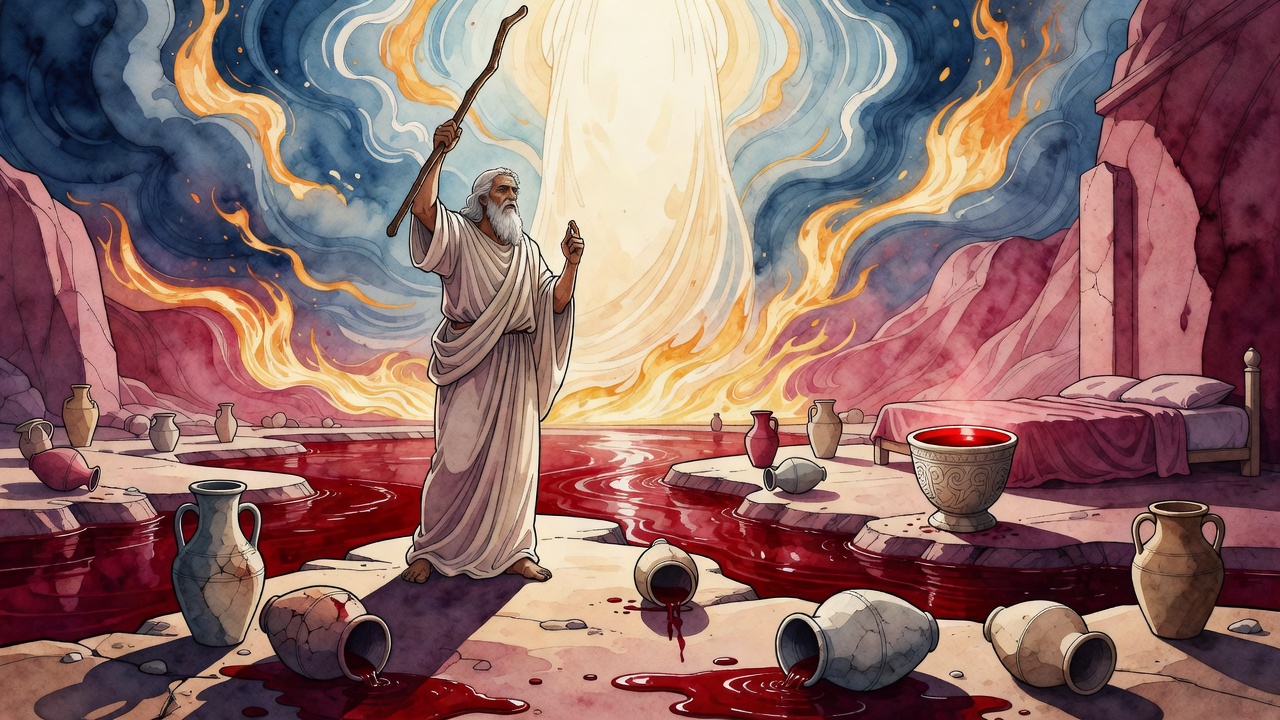
The wooden bucket by the door still held yesterday's water. Aaron lifted the rod. Even the stone jug by the master's bed went dark.
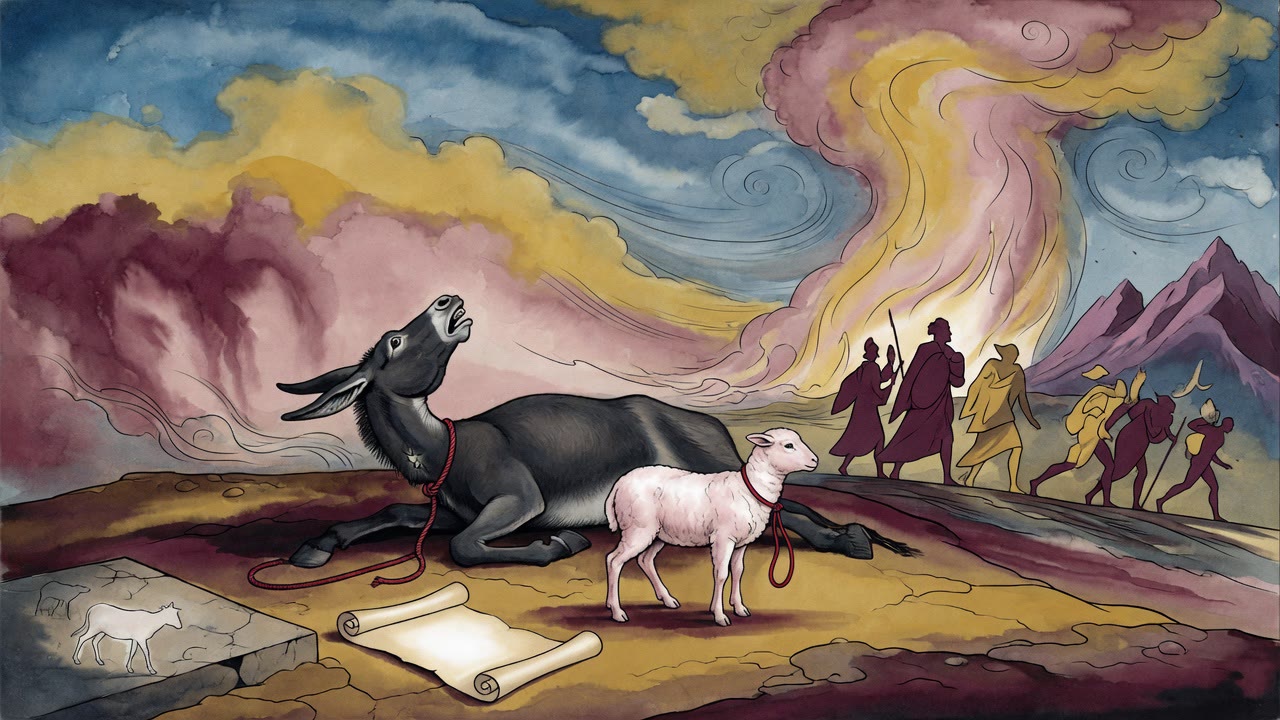
On Nisan night Israel ate whole lamb from open flame with horehound and lettuce before midnight, loins girded, staff ready.
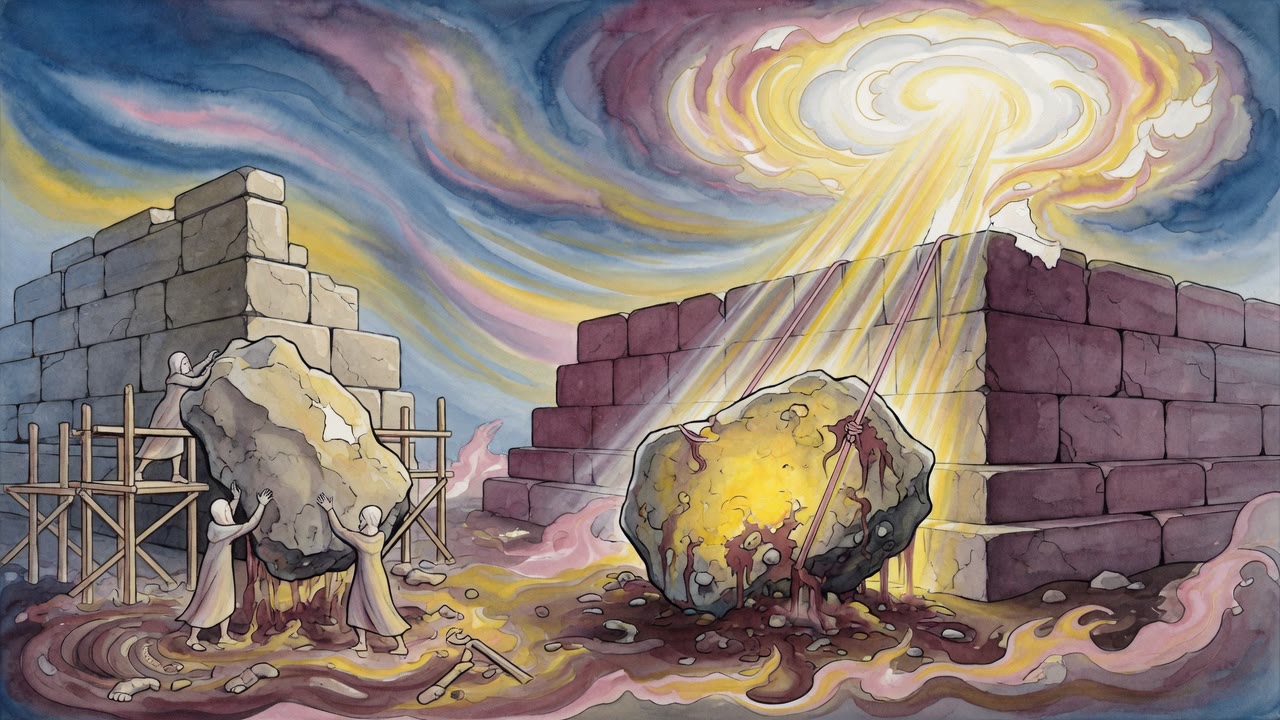
Nebuchadnezzar looked down from his boat, saw the kings of Judah walking the riverbank with nothing on their backs, and ordered loads put on them.
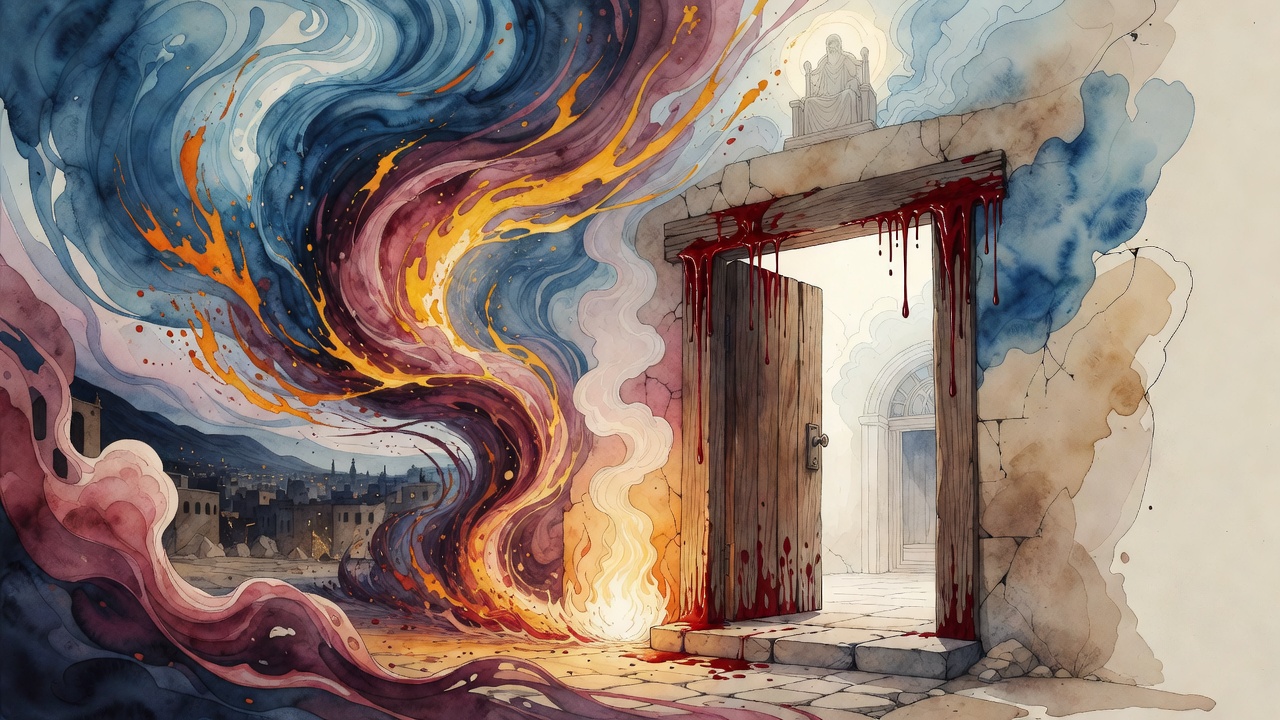
Israel stayed behind blood-marked lintels while Egypt screamed, because once the destroyer received leave he would not sort righteous from wicked in the street.
