436 myths · Page 9 of 15
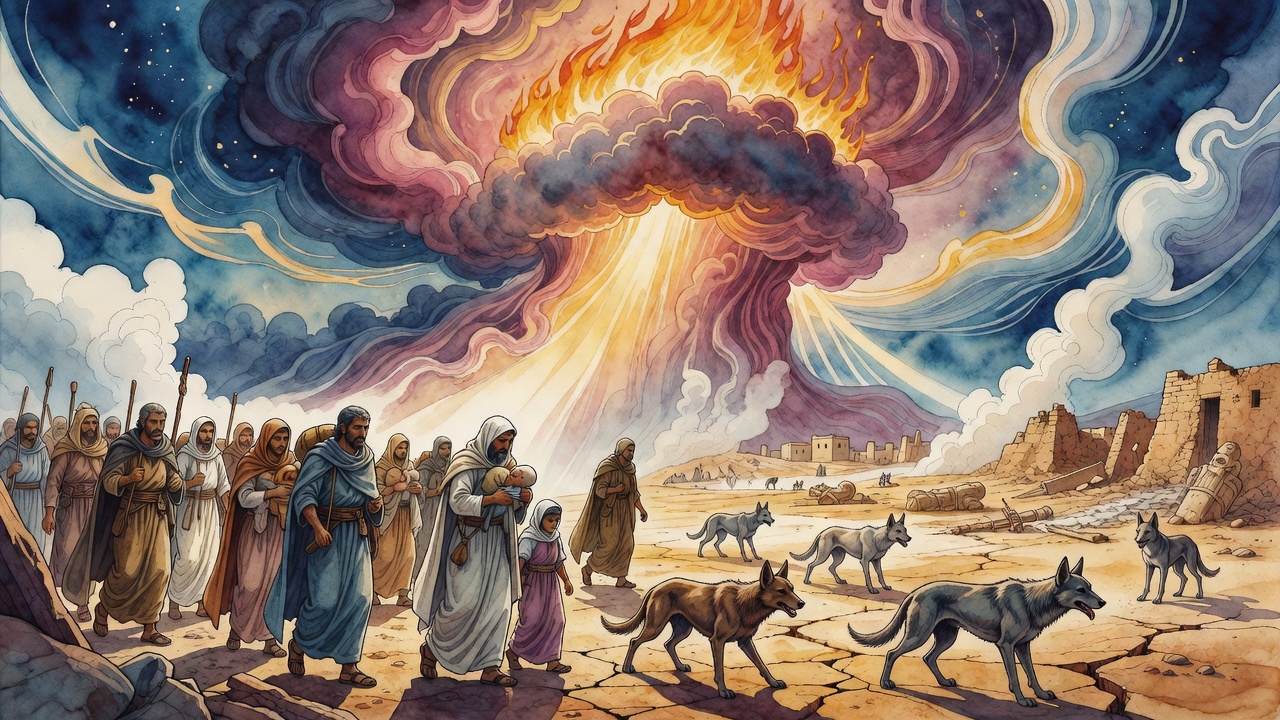
On the night Egypt broke, no dog sharpened its tongue. Israel walked out under a silence Heaven later paid back in full.
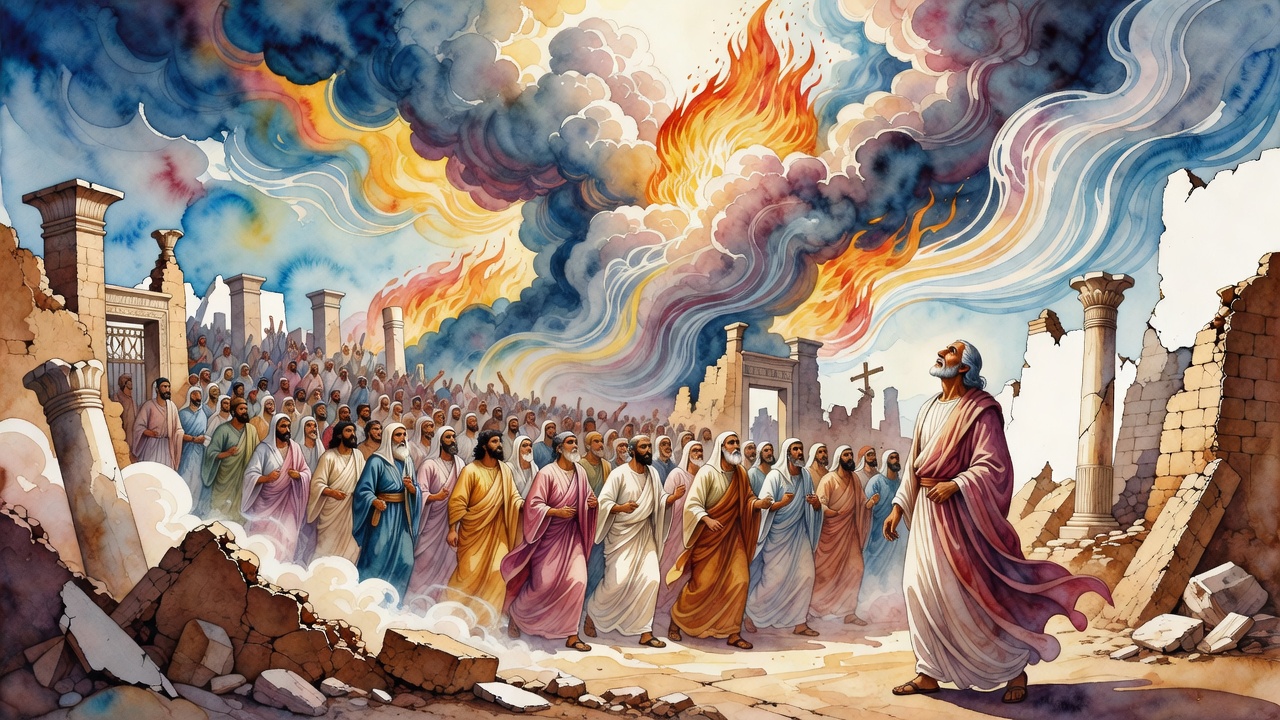
No slave had ever walked out of Egypt. Then six hundred thousand men took the road in daylight, and a priest in Midian finally said now.
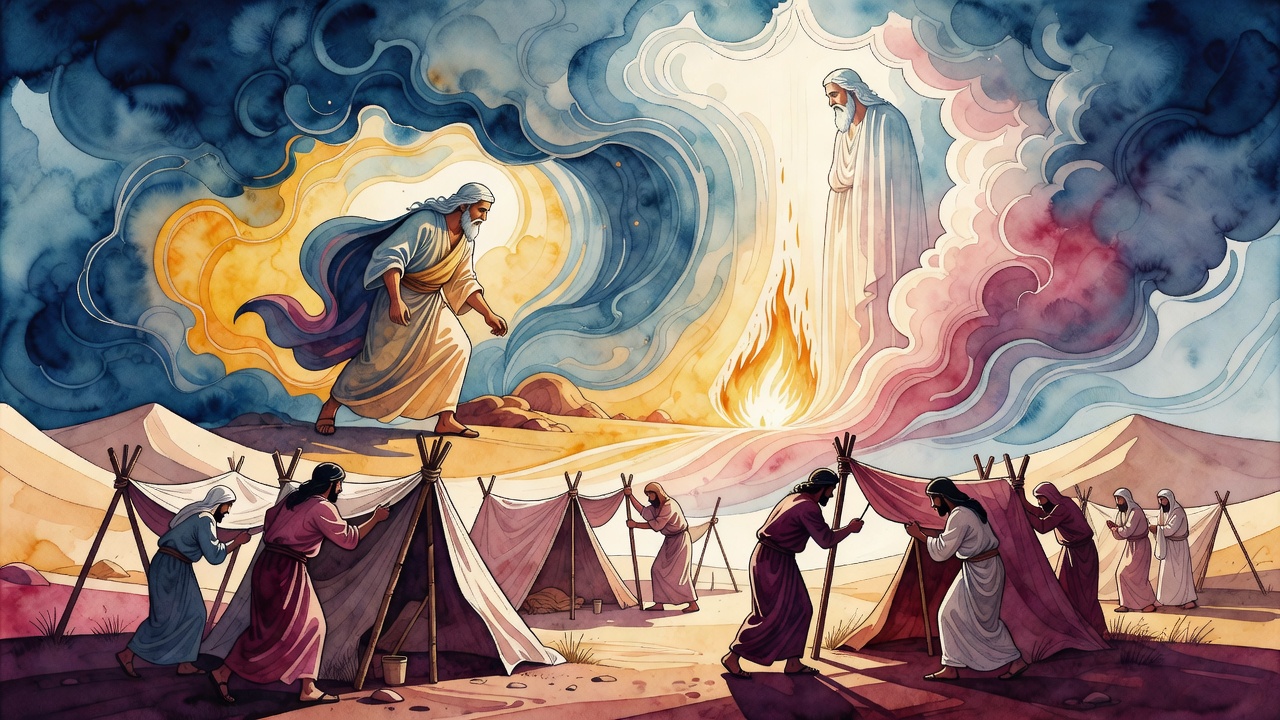
The first night out of Egypt, a man cut branches and leaned them into a frame nobody had measured for him. The roof leaked starlight.
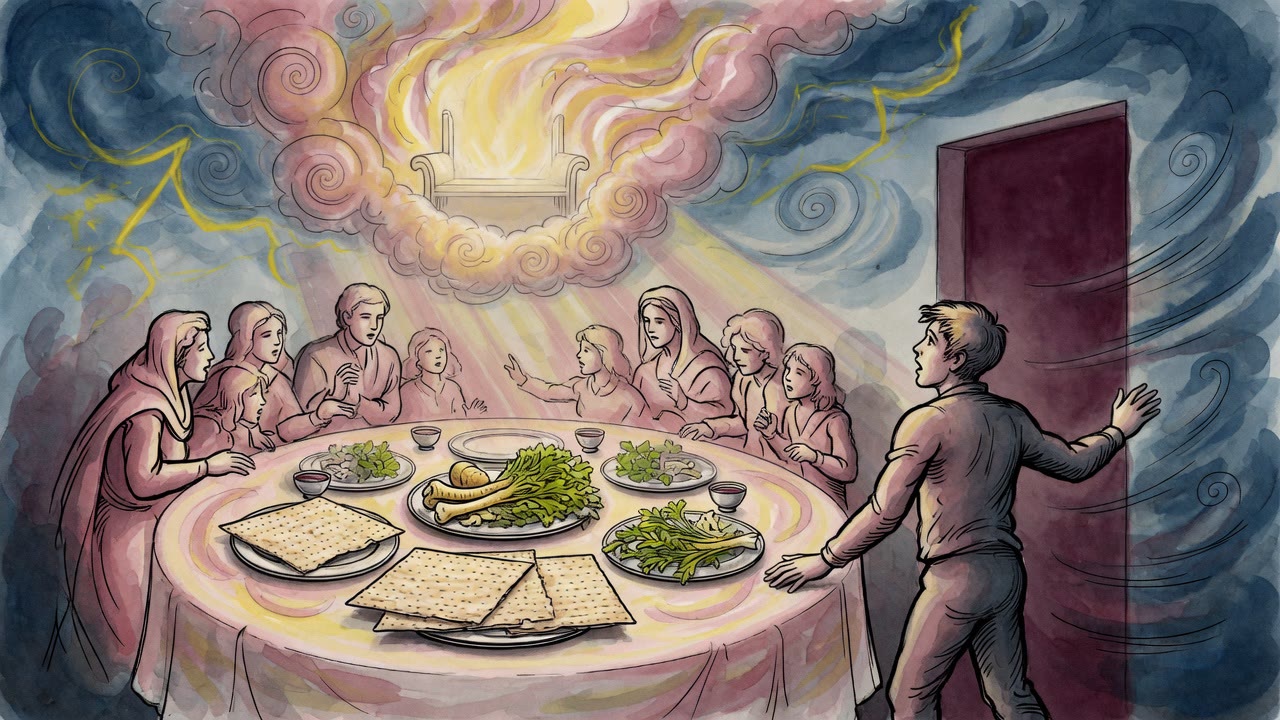
The plate held matzah and maror. A son asked what the work was to them. The father answered with a night that no longer named him.
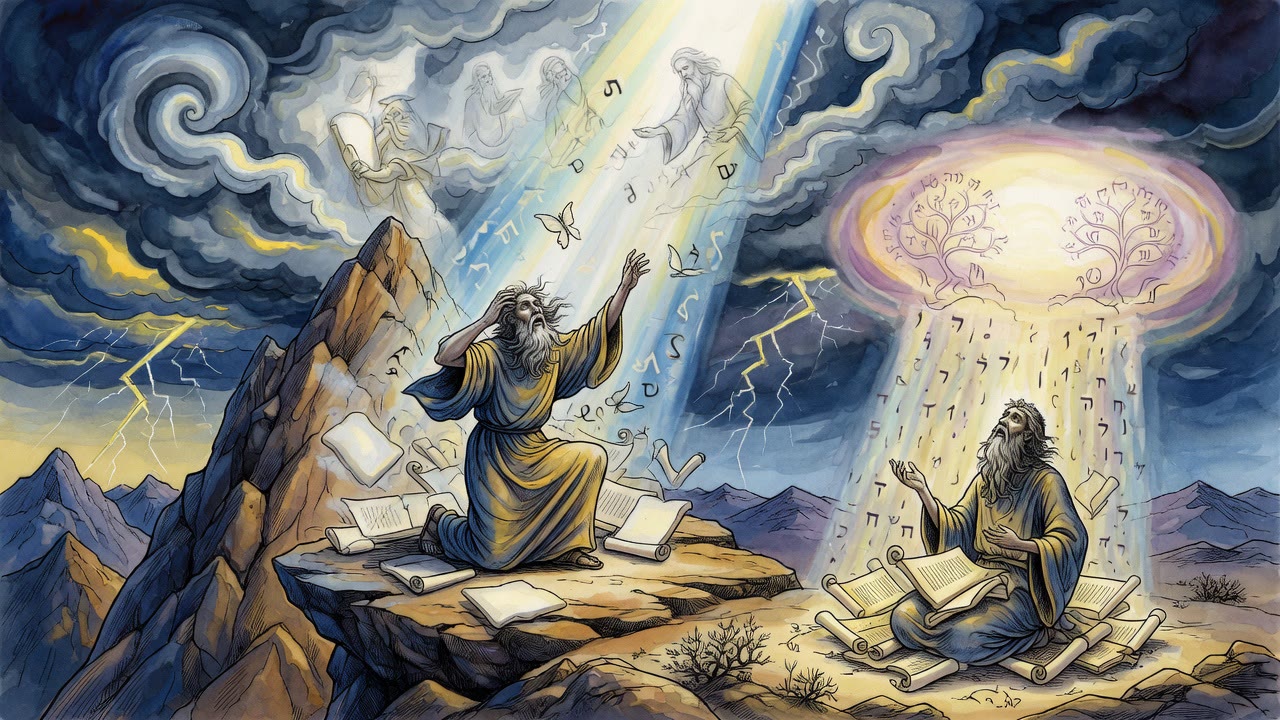
For forty days Moses learned Torah and forgot it. God poured it into him as a gift, and Ha-Satan (the Accuser) hunted the treasure across earth, sea, and death.
The hall still smelled of locust. Pharaoh offered the children and held the herds. Moses named the price: beasts given in Egypt's name.
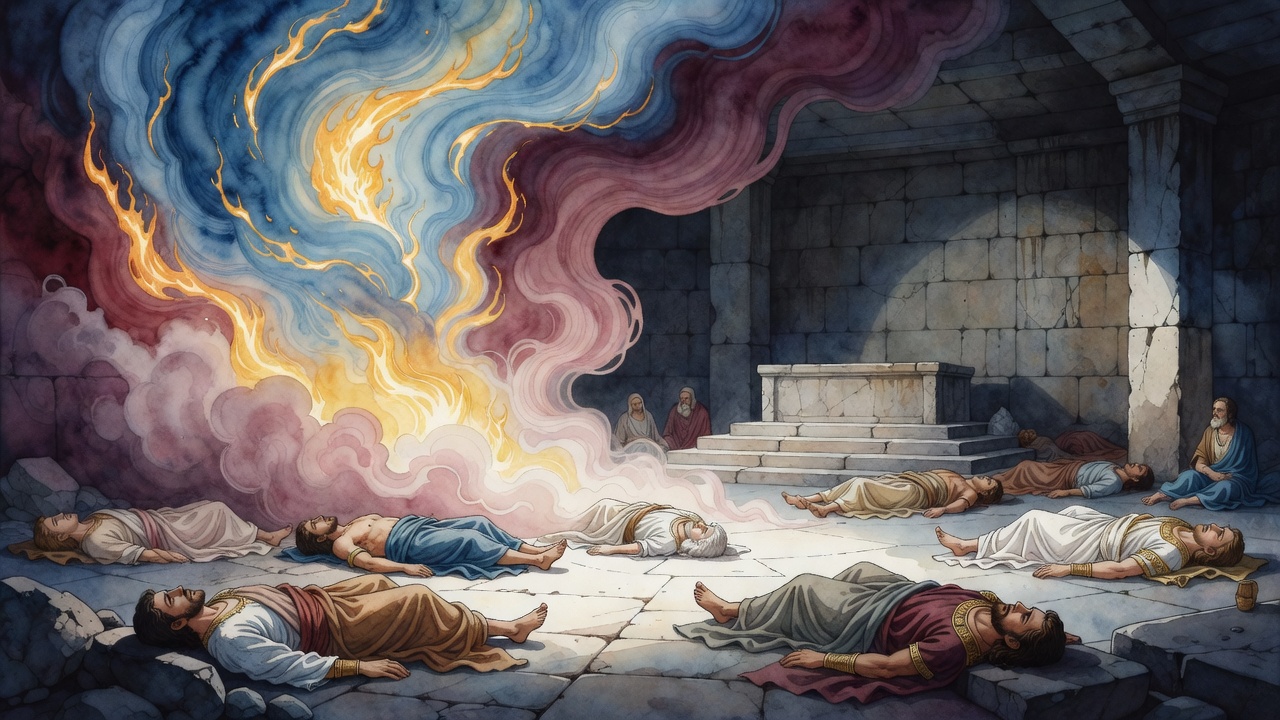
At midnight God struck dungeon captives' firstborn with Egypt's heirs. Survival would have let foreign gods steal credit for Israel's freedom.
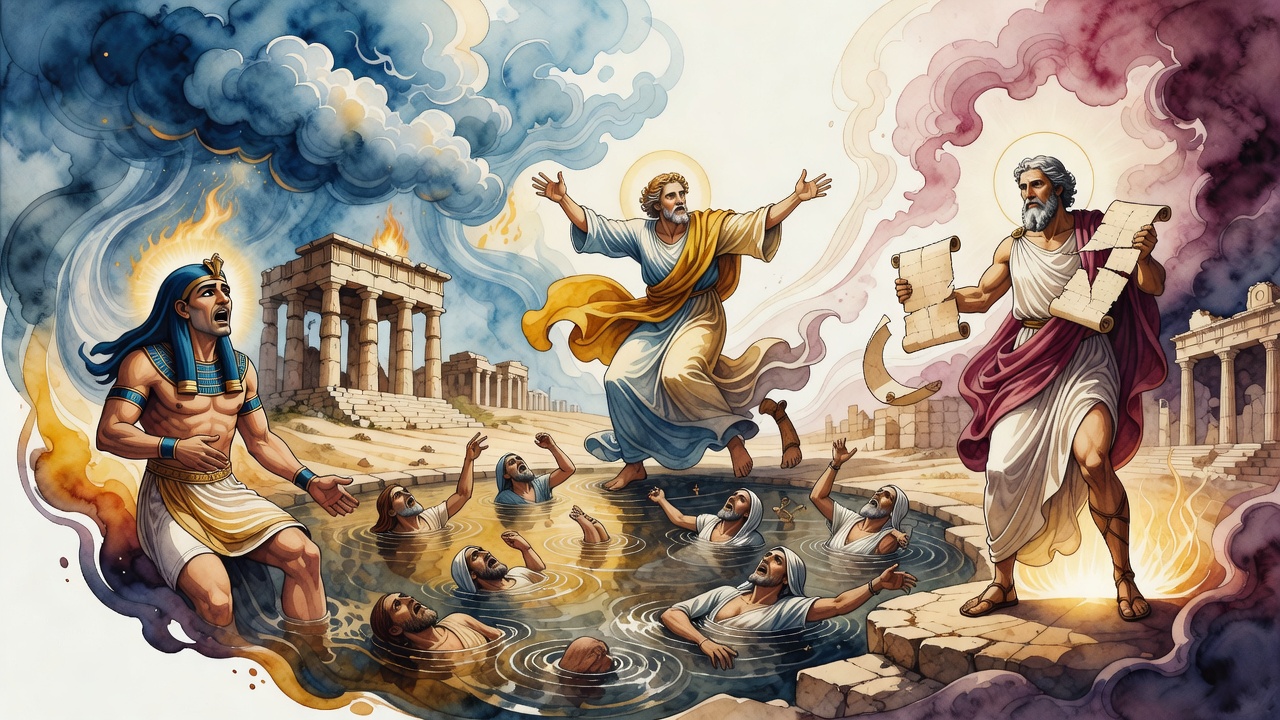
Amenophis woke with a goddess still scolding him in the dark. His scribe's cure was to drive two hundred fifty thousand people from Egypt.
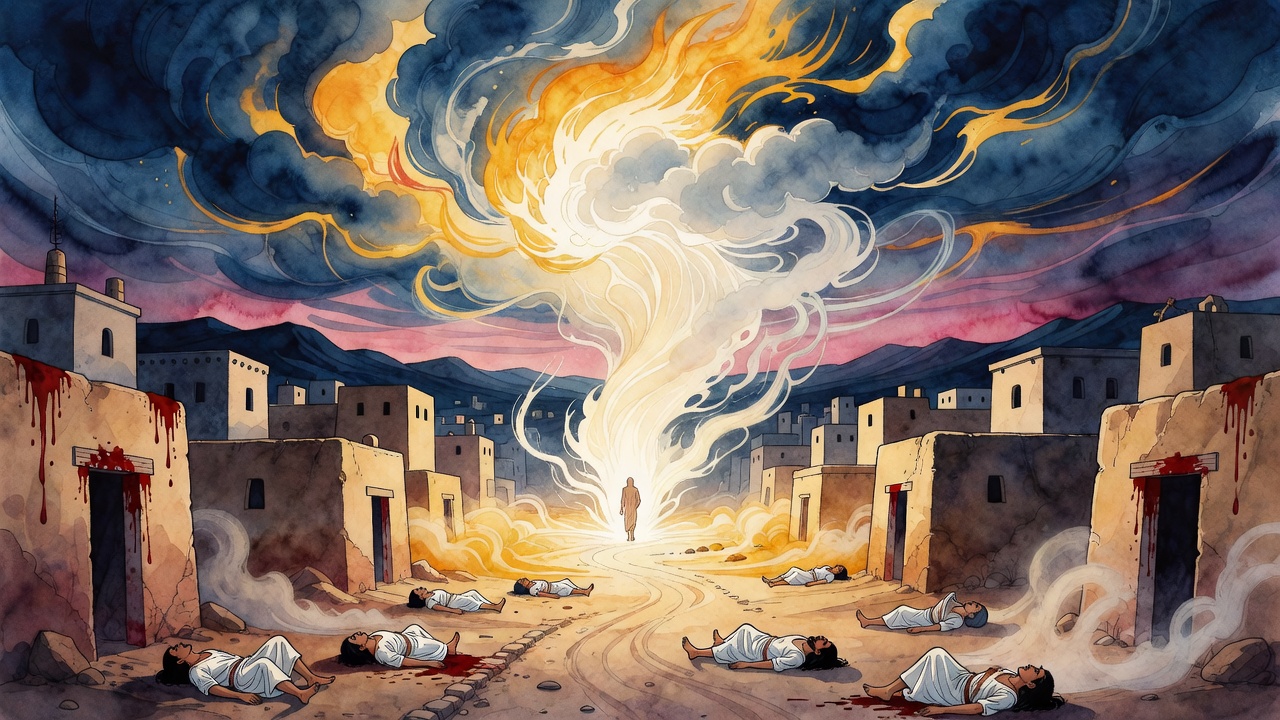
At the hairsbreadth of midnight, no angel takes the blow. God walks Egypt alone while firstborn fall and blood marks the doors.
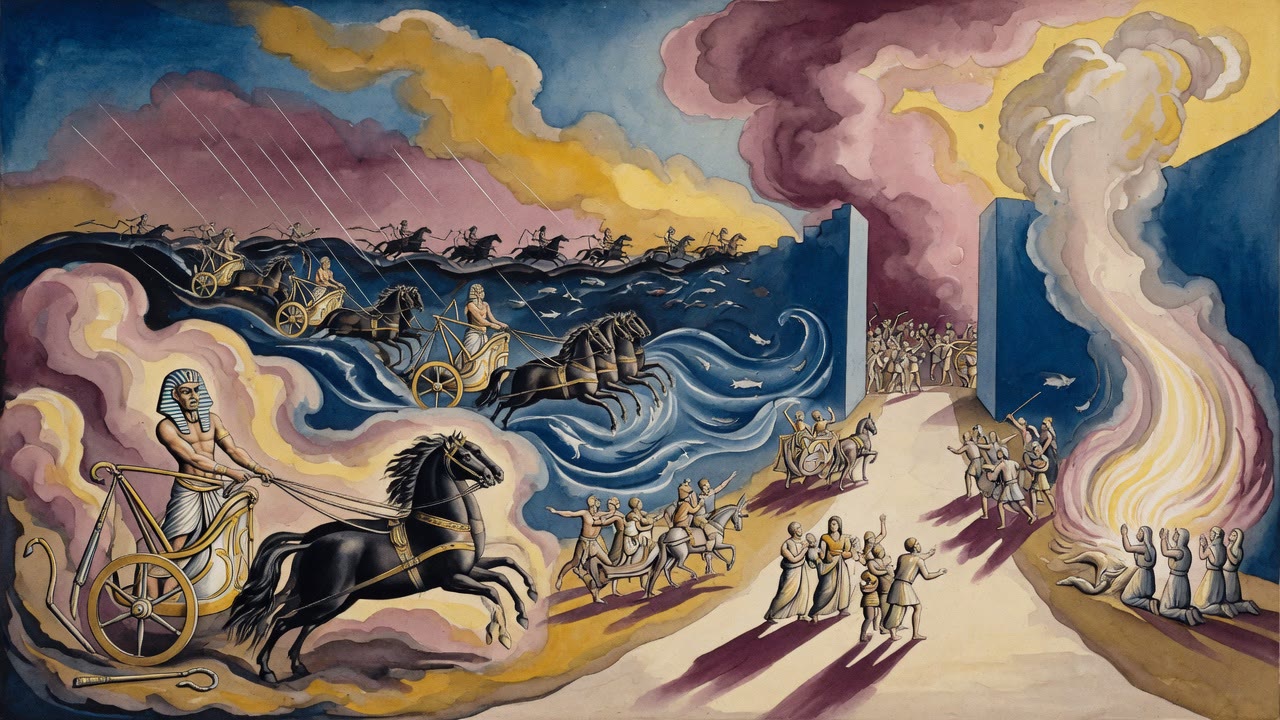
At the sea, fire burns chariot wheels while heavy labor returns on Egypt; clouds of glory still shelter the people who walk free.
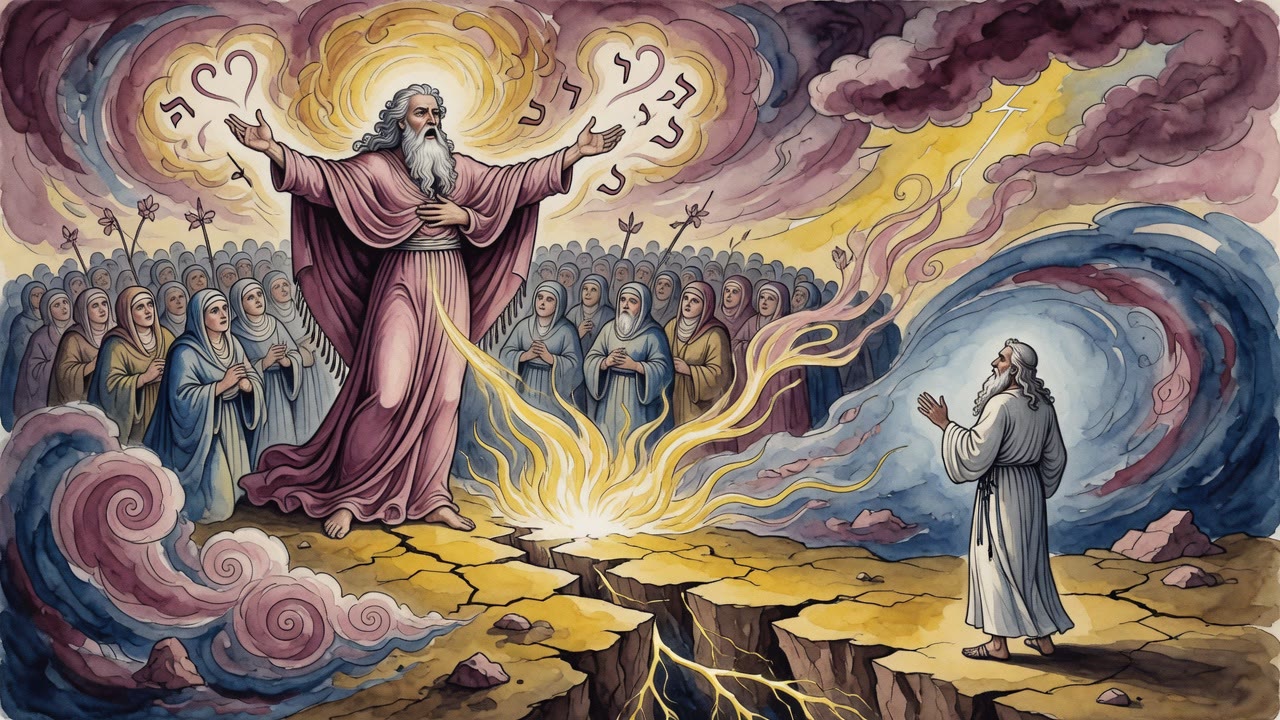
After the sea splits, the land and the water fight over Egyptian corpses, each refusing burial until God swears by His right hand.
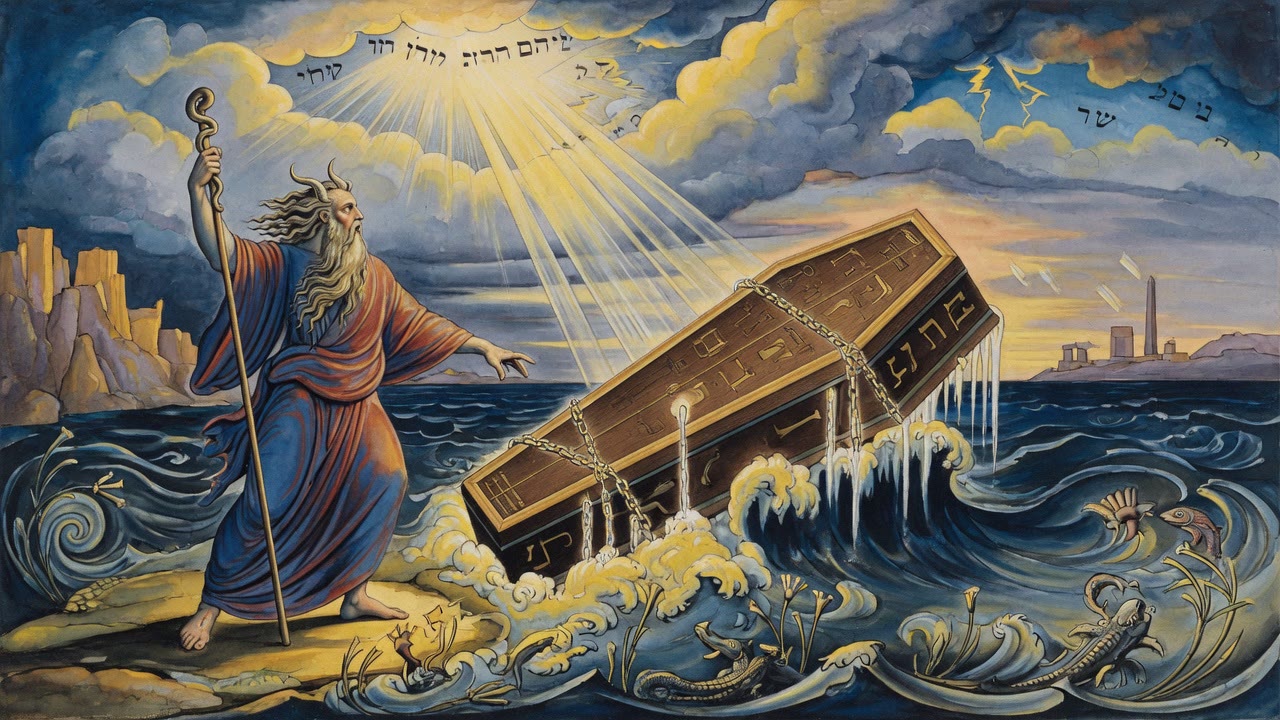
While Israel grabbed Egyptian gold, Moses spent three days hunting Joseph's sunken coffin until Serah bat Asher led him to the river's secret.
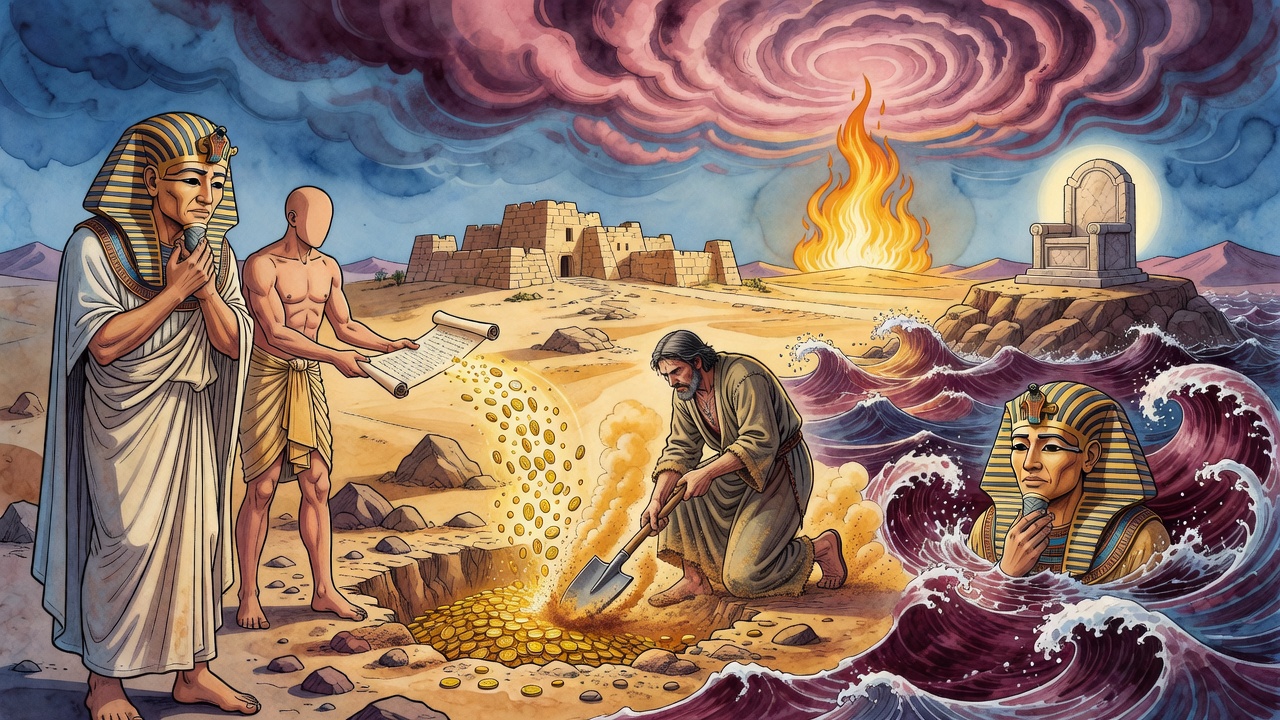
He sold a country-seat he had never walked. The buyer dug and pulled gold and pearls from the dirt. On the shore Egypt began to choke.
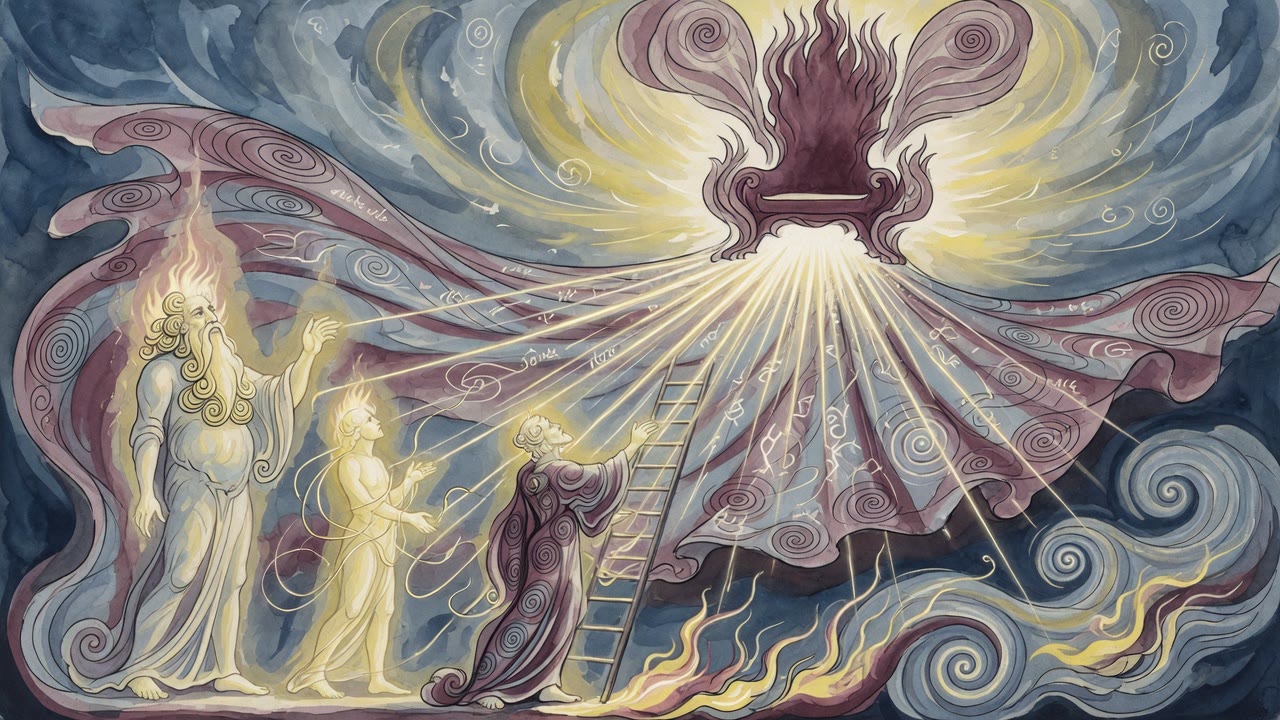
Moses came to the burning bush for a mission and left with a script. Abraham, Isaac, Jacob: the names God gave him there still open the standing prayer.
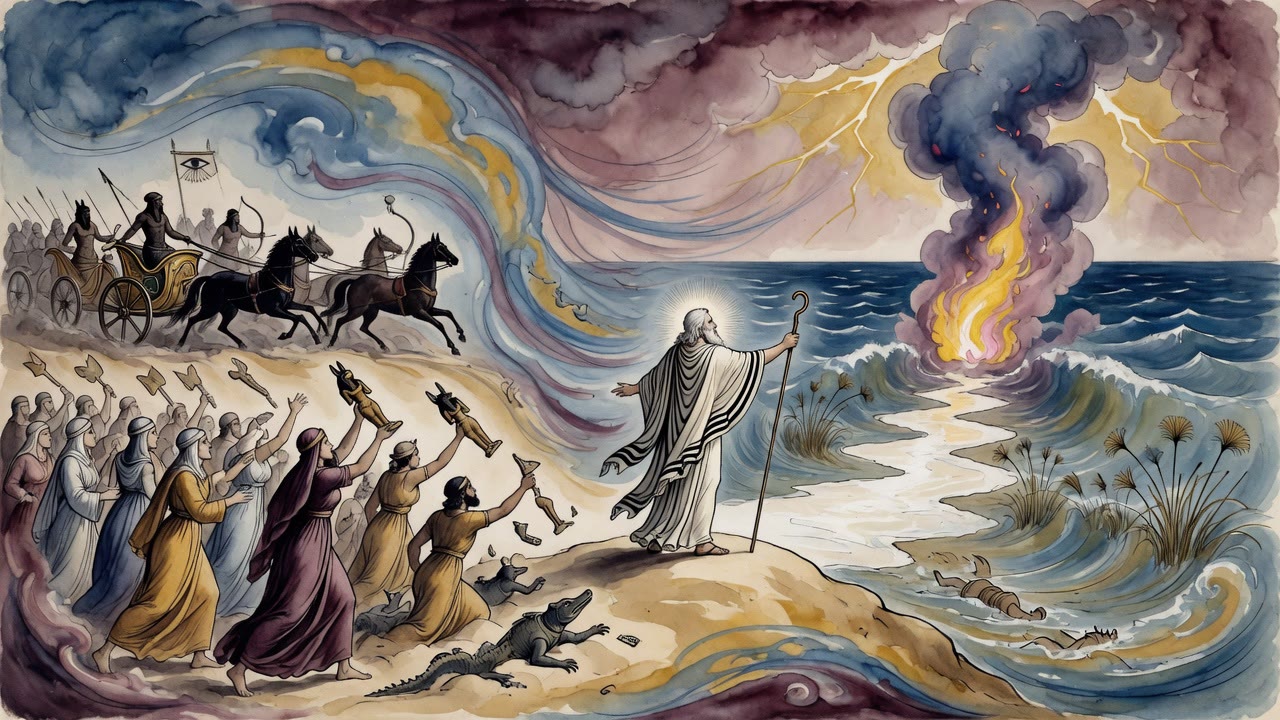
Pinned between Pharaoh's chariots and the Reed Sea, Israel flings Egyptian idols into the sand, then Moses is told only to go forward.
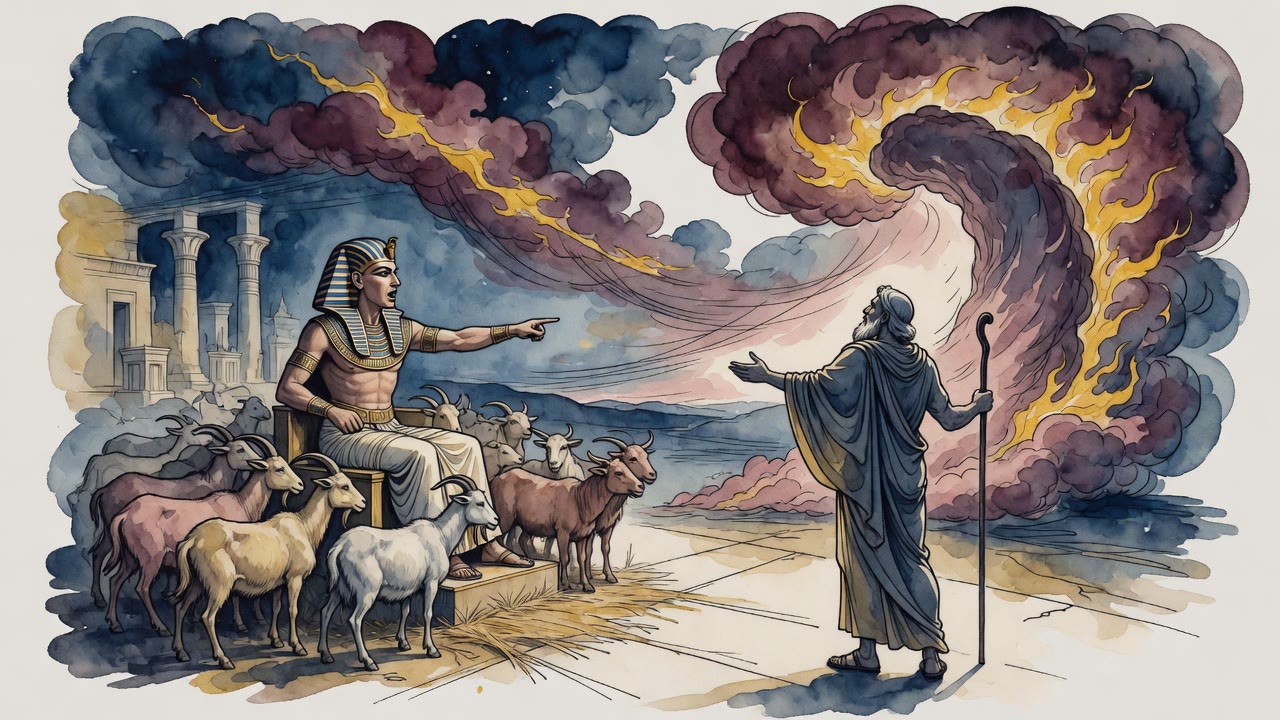
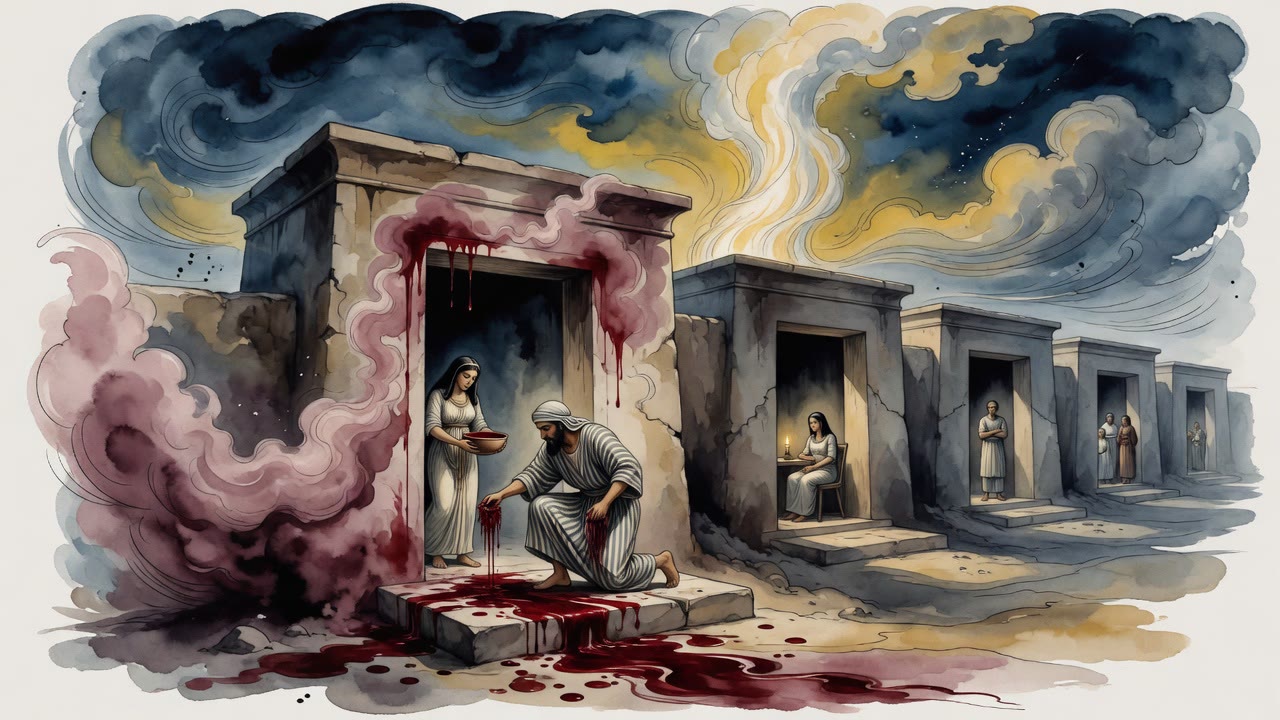
On the night of the tenth plague, Israel carves blood into the threshold while neighbors keep twelve months of silence and trust.
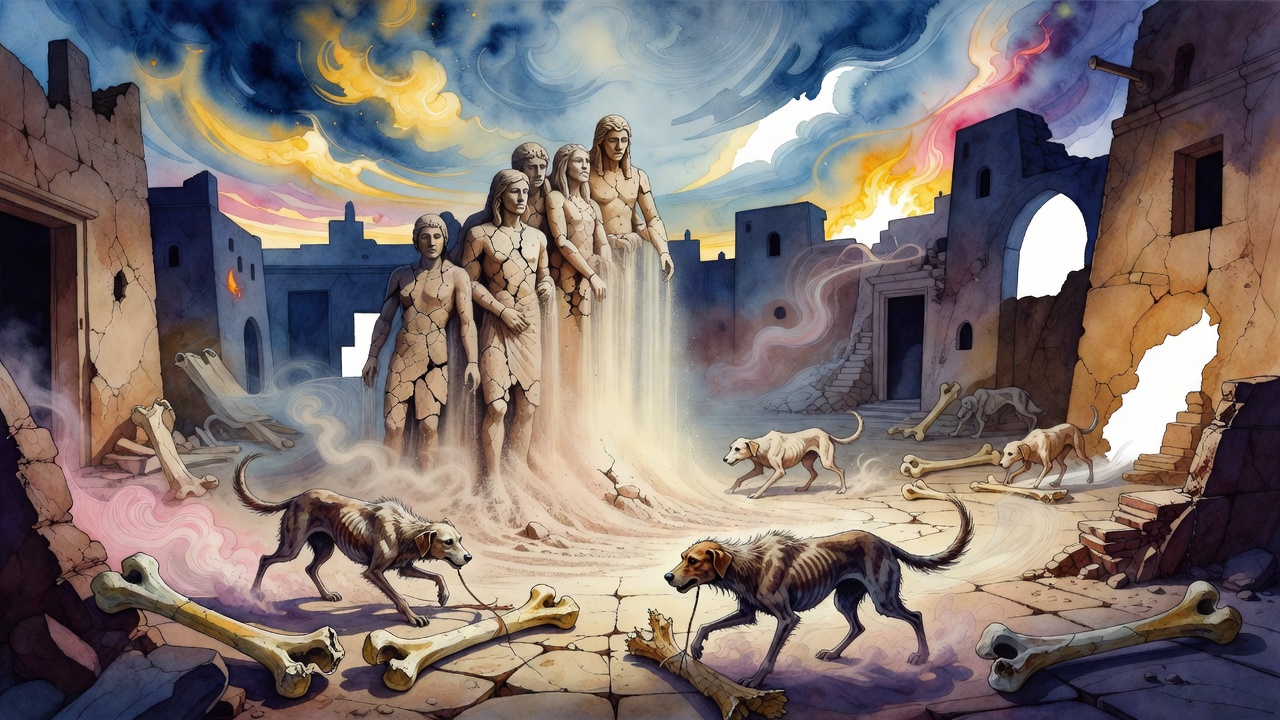
On the tenth plague night, clay images of dead sons crumbled to powder and house-dogs dragged old bones into the courtyards of Egypt.
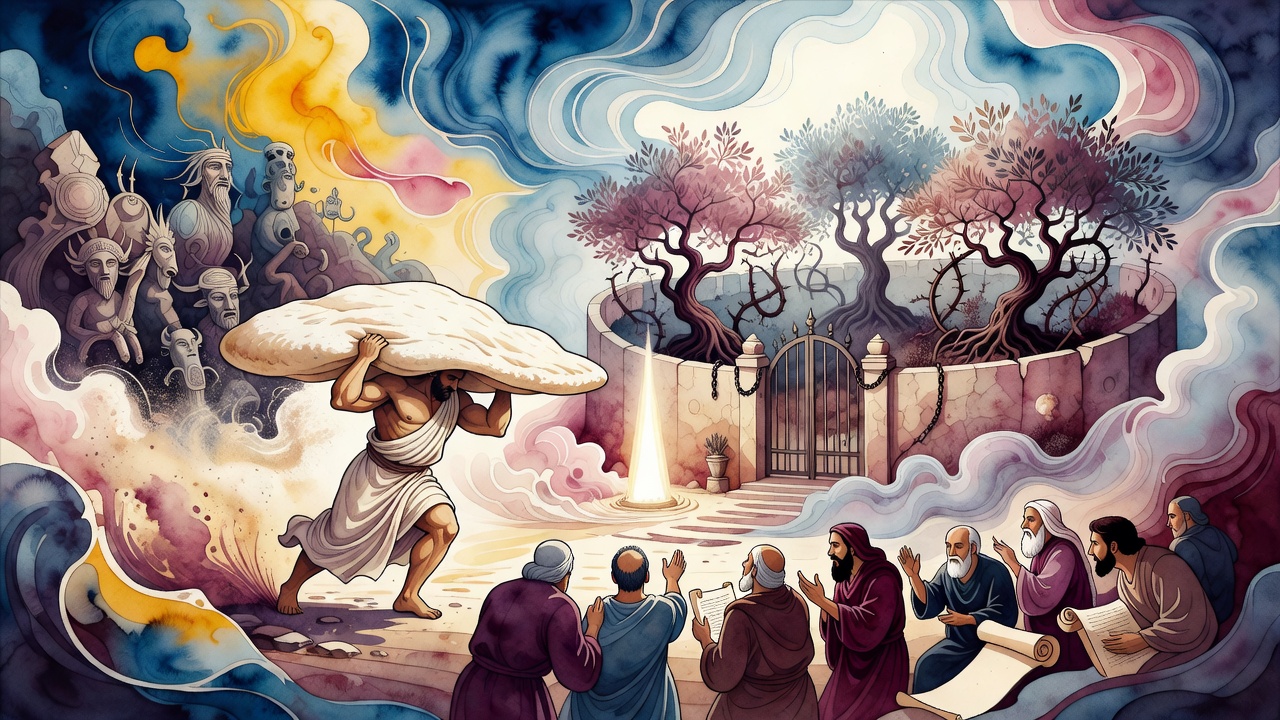
The cattle walked empty. Households swung wet dough onto their own backs. Egypt's gods left with them as lumps of metal.
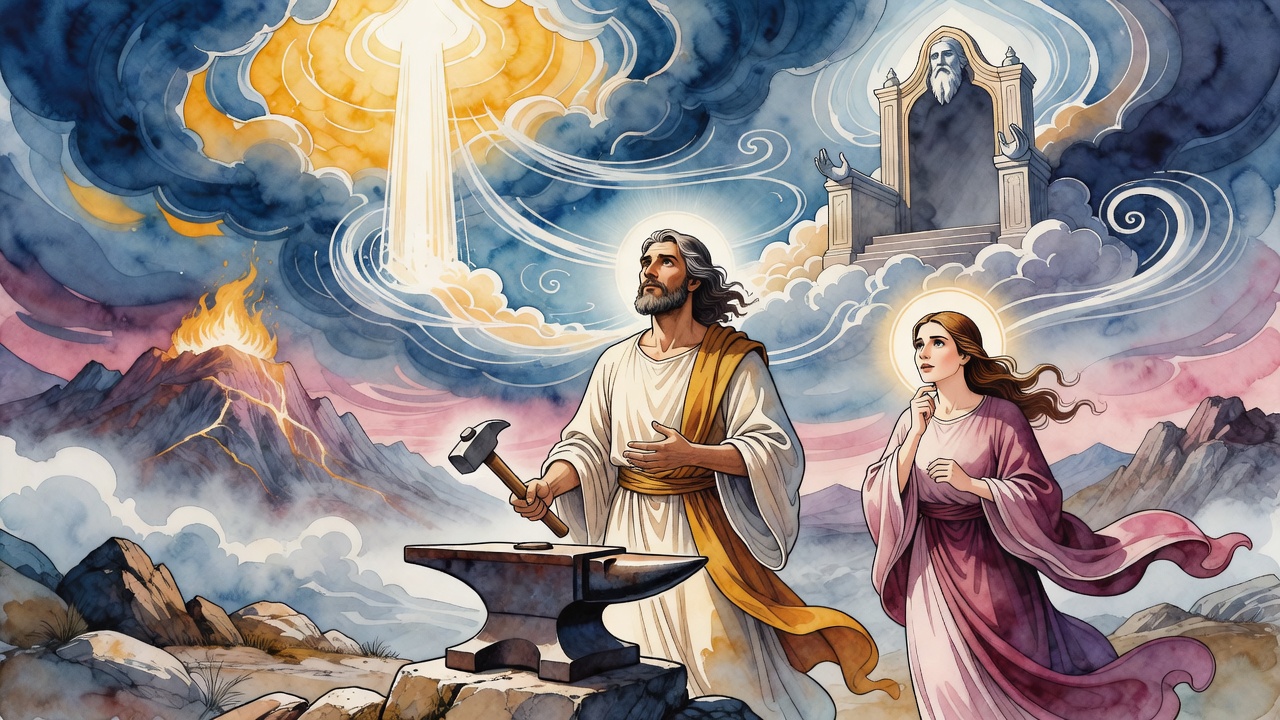
Bezalel is called by name before he lifts a tool, and a lady learns why wisdom is lent only to those who already know how to spend it.
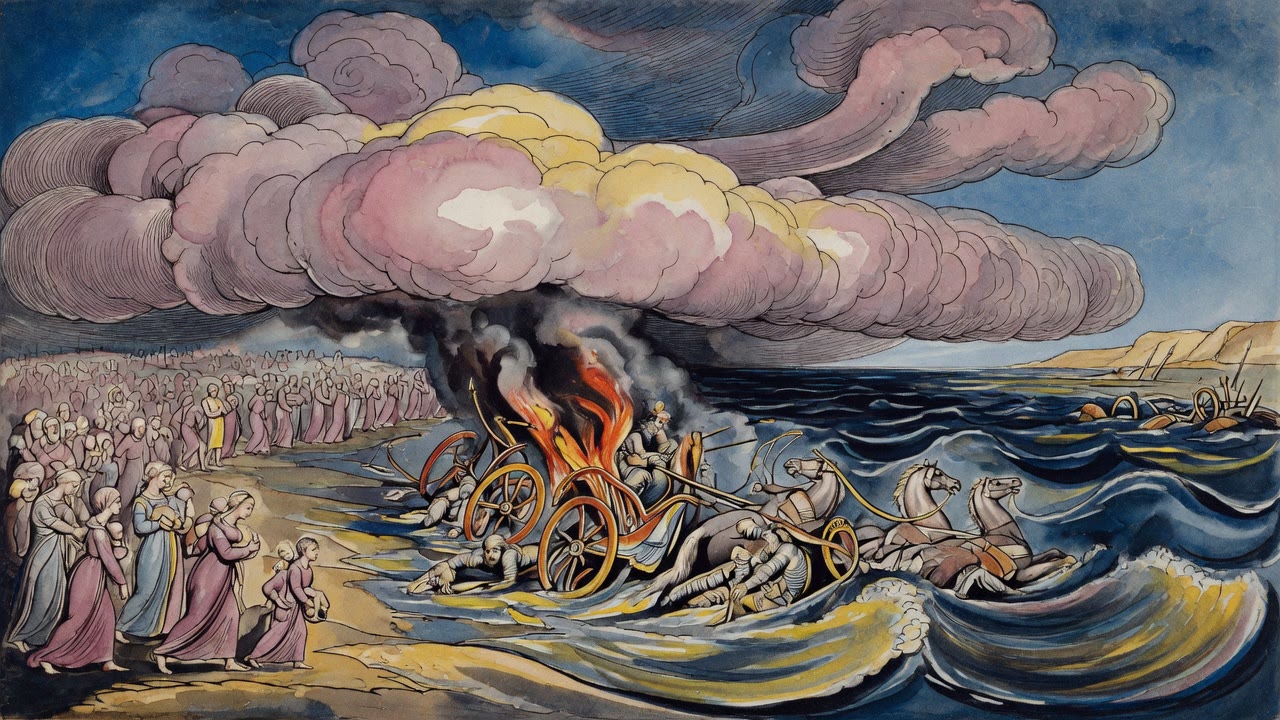
Hatred makes a king his own stable hand, six hundred chariots rise from Egyptians who once feared hail, and at the sea Israel splits into four panicked plans.
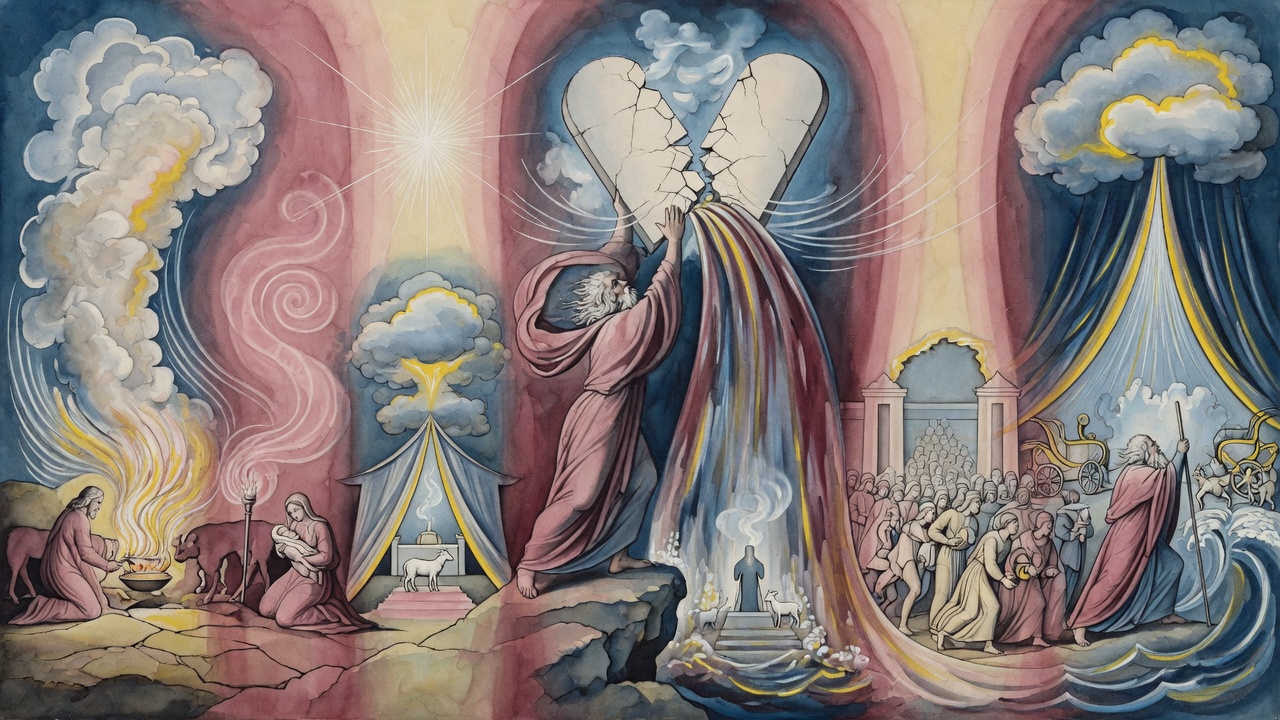
God cut the covenant with Abraham one spring night. On that same date angels told him Sarah would bear Isaac, and later Israel walked out of Egypt.
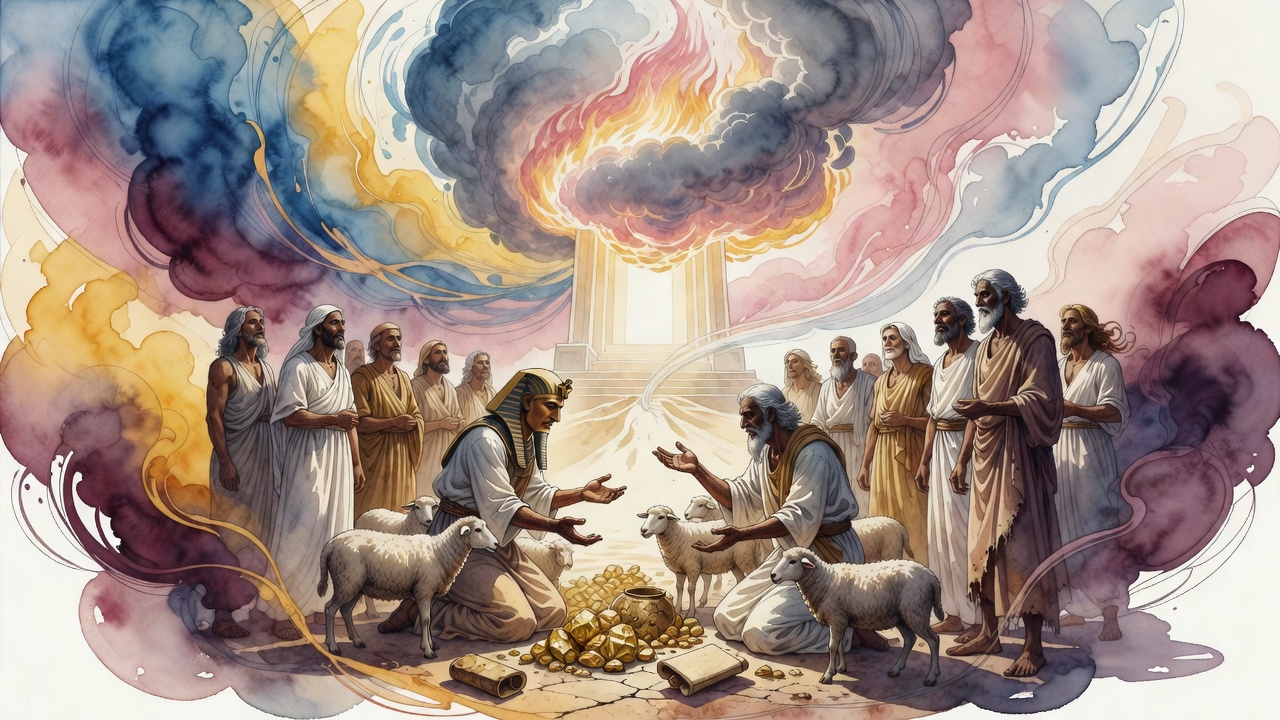
The king who once sneered at the Lord hands over flocks and gold, then asks the people he whipped to bless him before they go.
Joshua cuts Amalek's ranks below while Moses' arms fail on the hill, and Aaron and Hur hold them skyward until the enemy breaks at dusk.
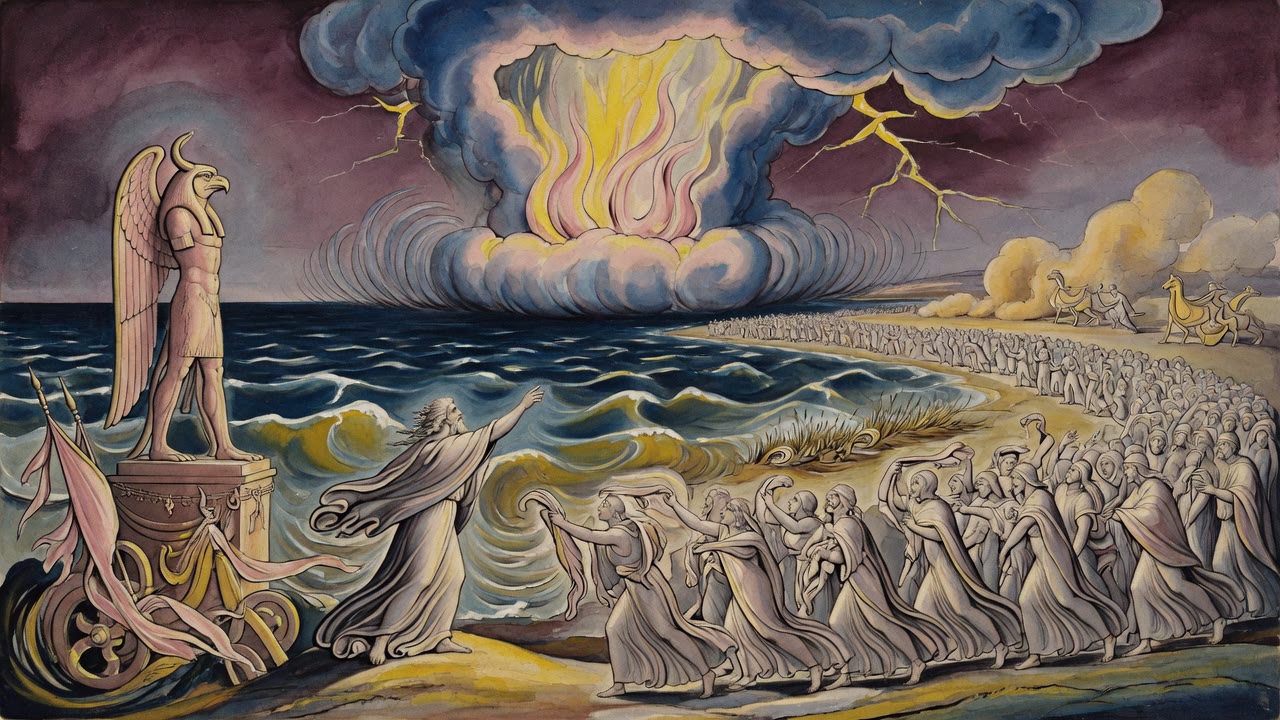
Moses turns the camp toward Pi-Hahiroth. The sea ahead, Egypt behind, Baal-Zephon left standing on purpose. Some tear their clothes.
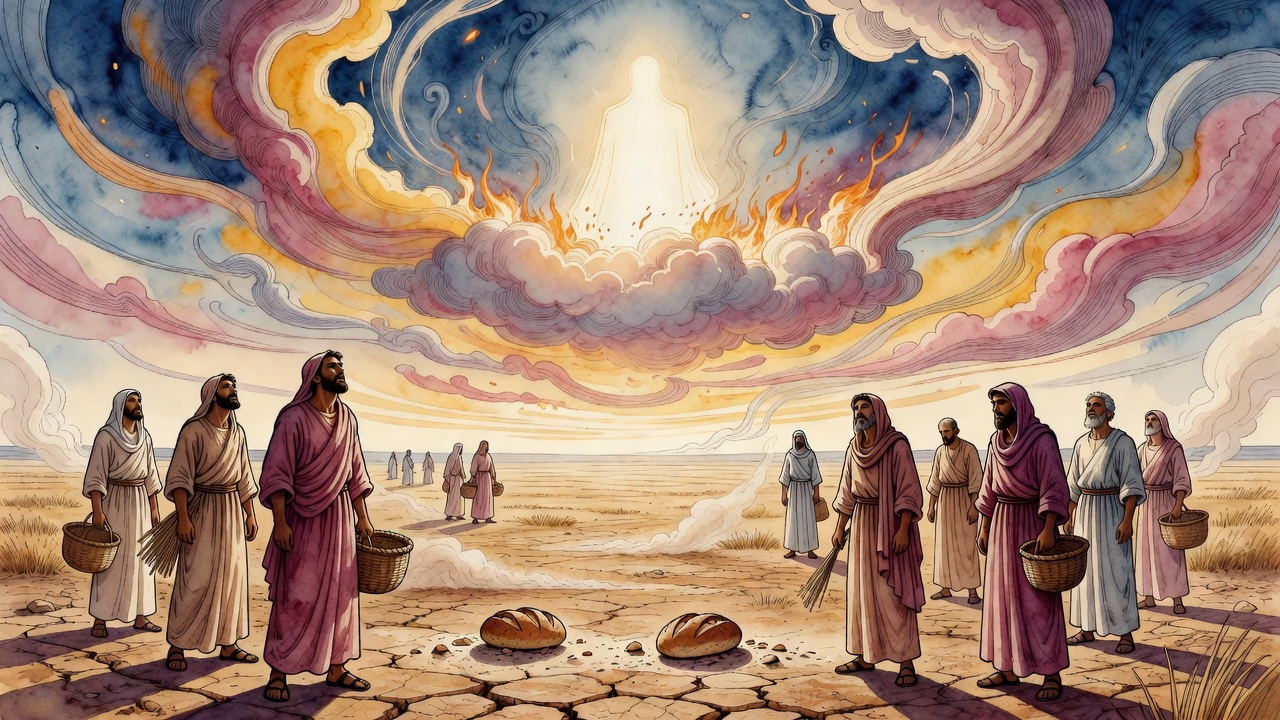
The sixth morning filled every jar twice. A few men still walked out on the seventh with baskets. The field had nothing left to give.
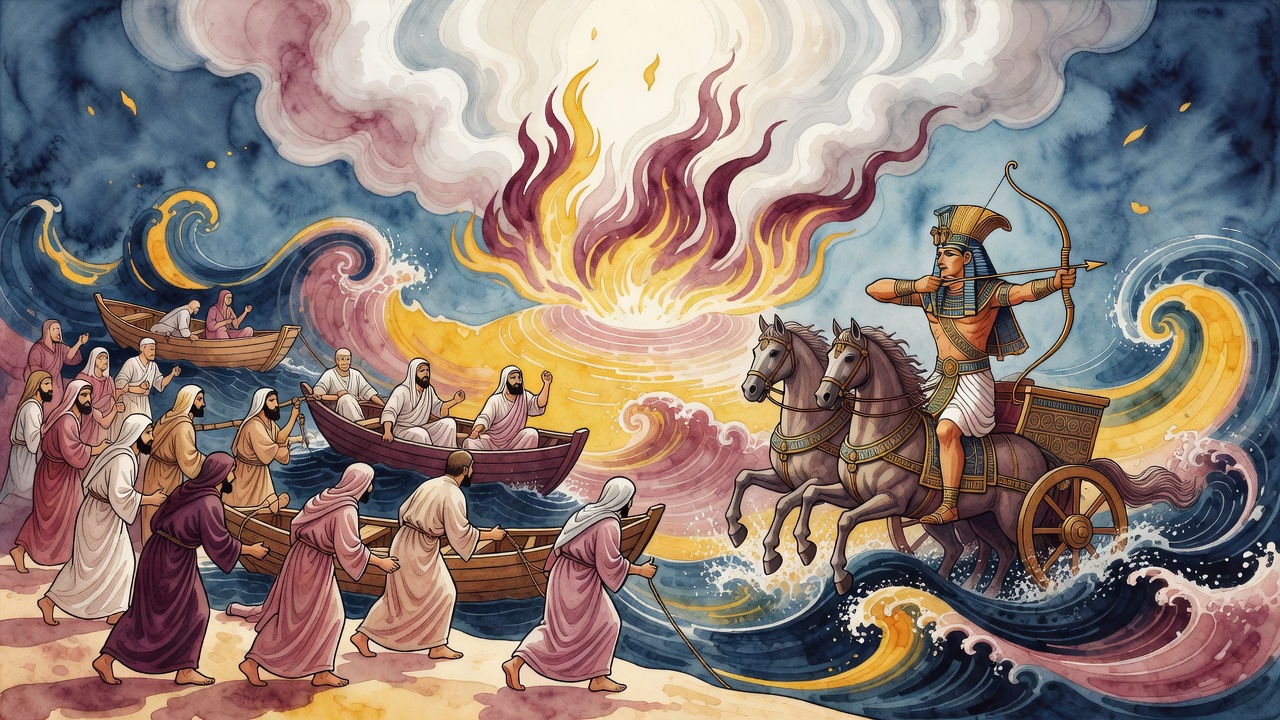
Israel took three days to reach the shore. Pharaoh burned that same road into one day of rage. At the sea the water was already waiting.
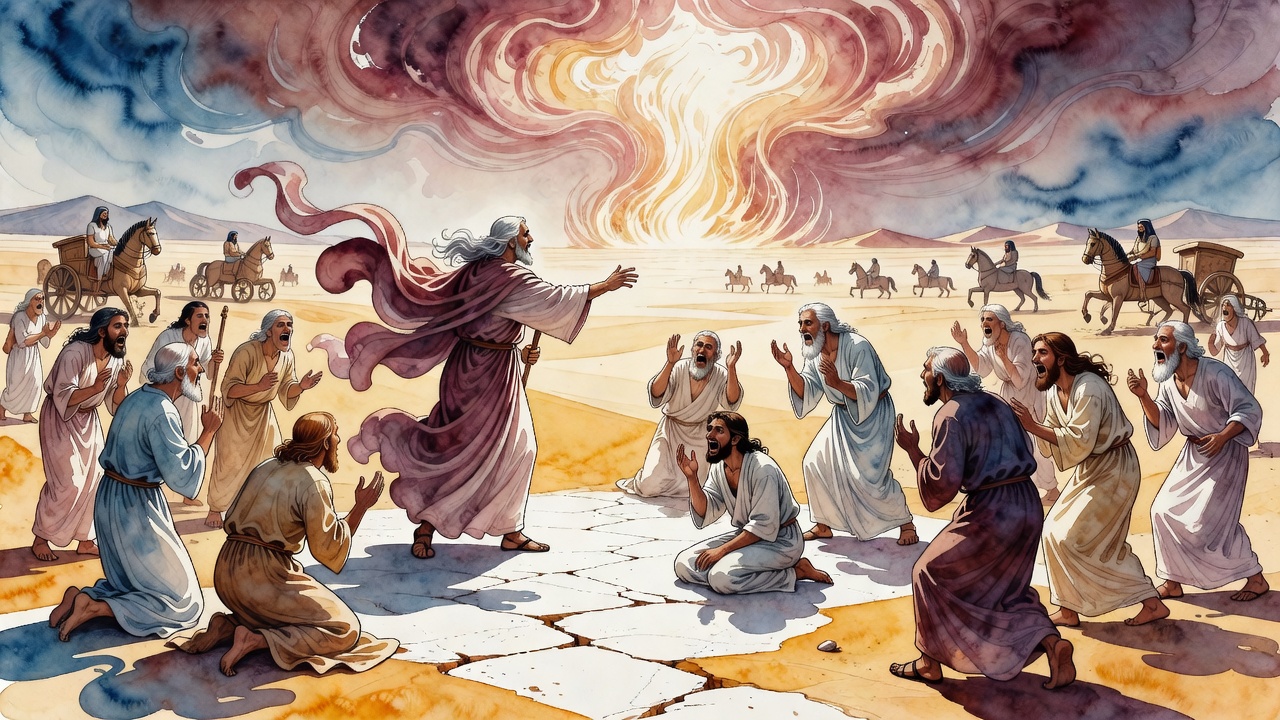
Chariots at their backs, the people turn on Moses. Death in the open desert, they cry, is worse than bondage with a proper burial.
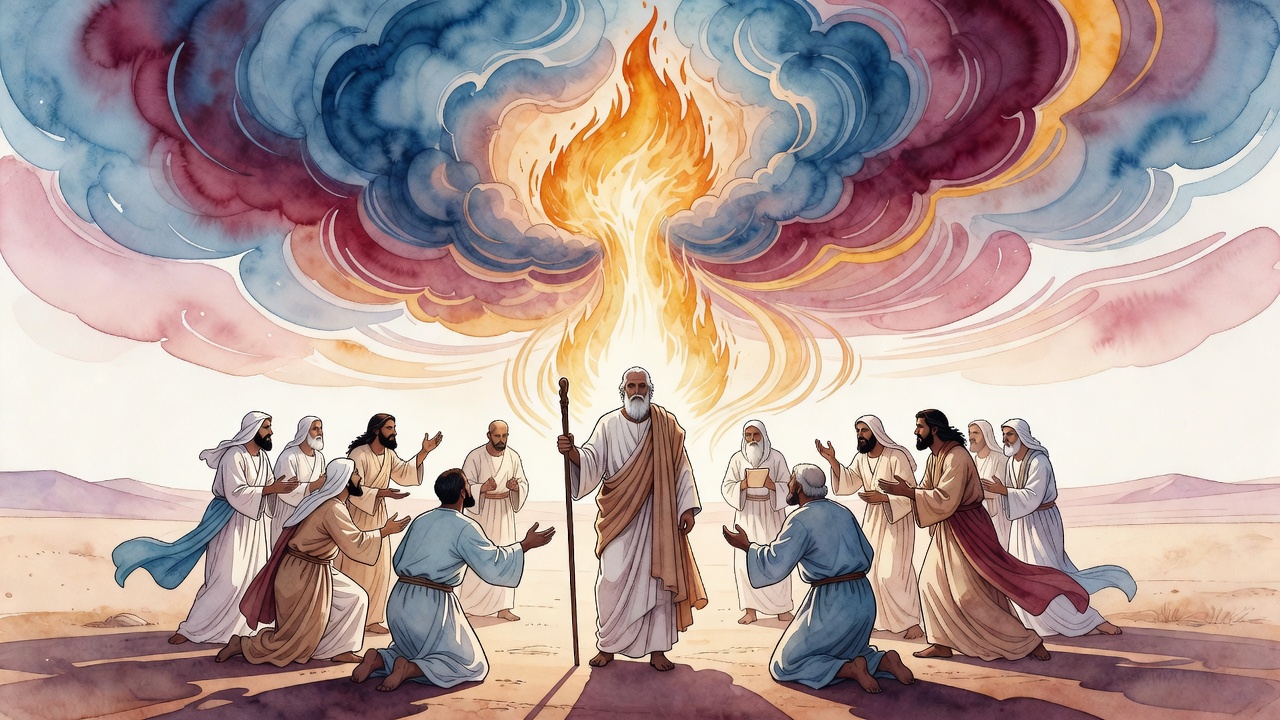
Just the morning, they asked. Then just the evening. Moses kept them in the tents, and the seventh-day field stayed empty on purpose.
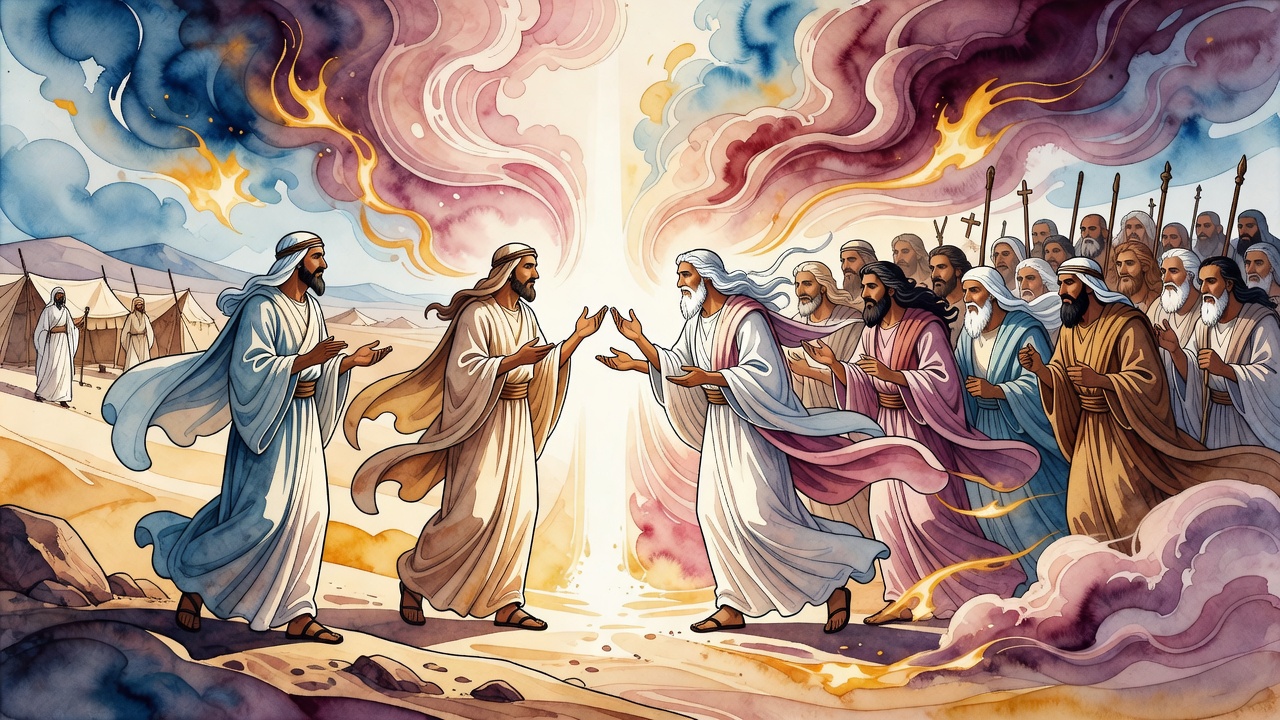
A Midianite priest nears the camp. Moses, Aaron, and seventy elders stream out. Before any miracle is told, two men ask after each other's peace.
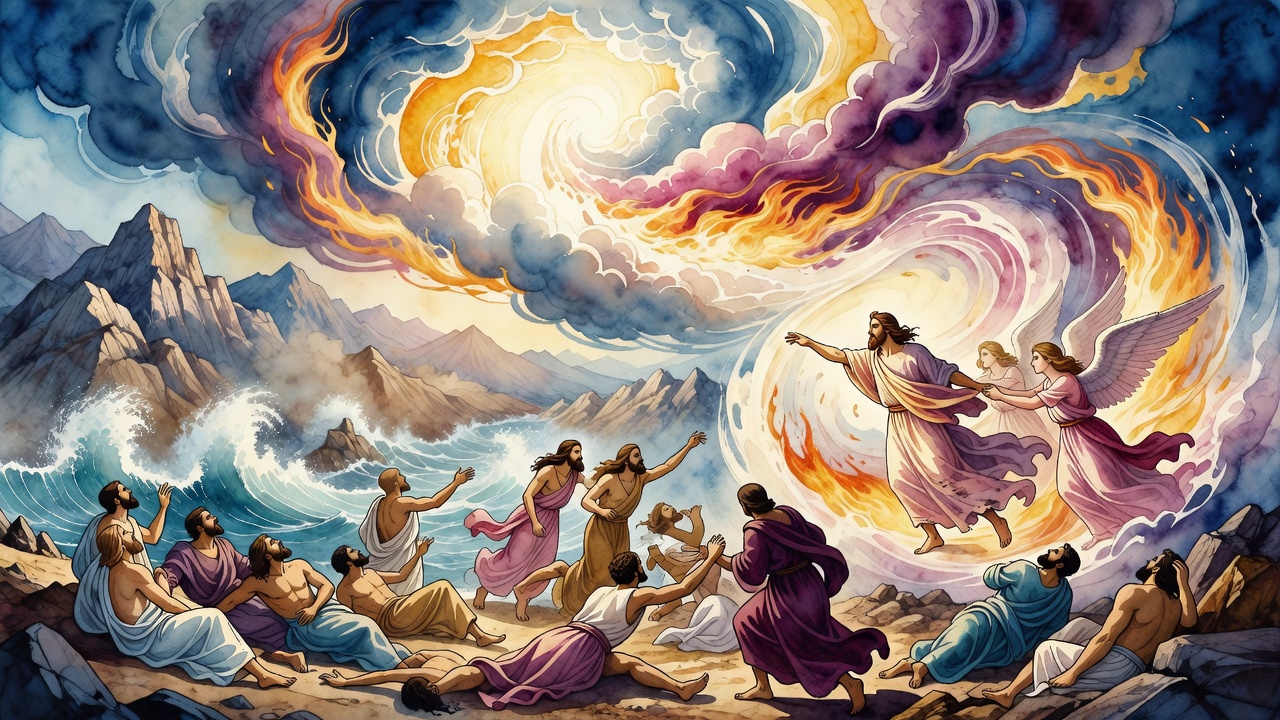
Heaven's first utterance shakes seas and mountains. Israel's dead stand up, the living fall twelve mil back, and angels drag Moses into the cloud.
