Exodus

289 texts · Page 2 of 7

The liberation from Egypt, the parting of the sea, and the journey from slavery to Sinai that defined the Jewish people.

The Promise to Bring Israel to the Land Was Made Before the Exodus

Mekhilta DeRabbi Yishmael Mekhilta DeRabbi Yishmael

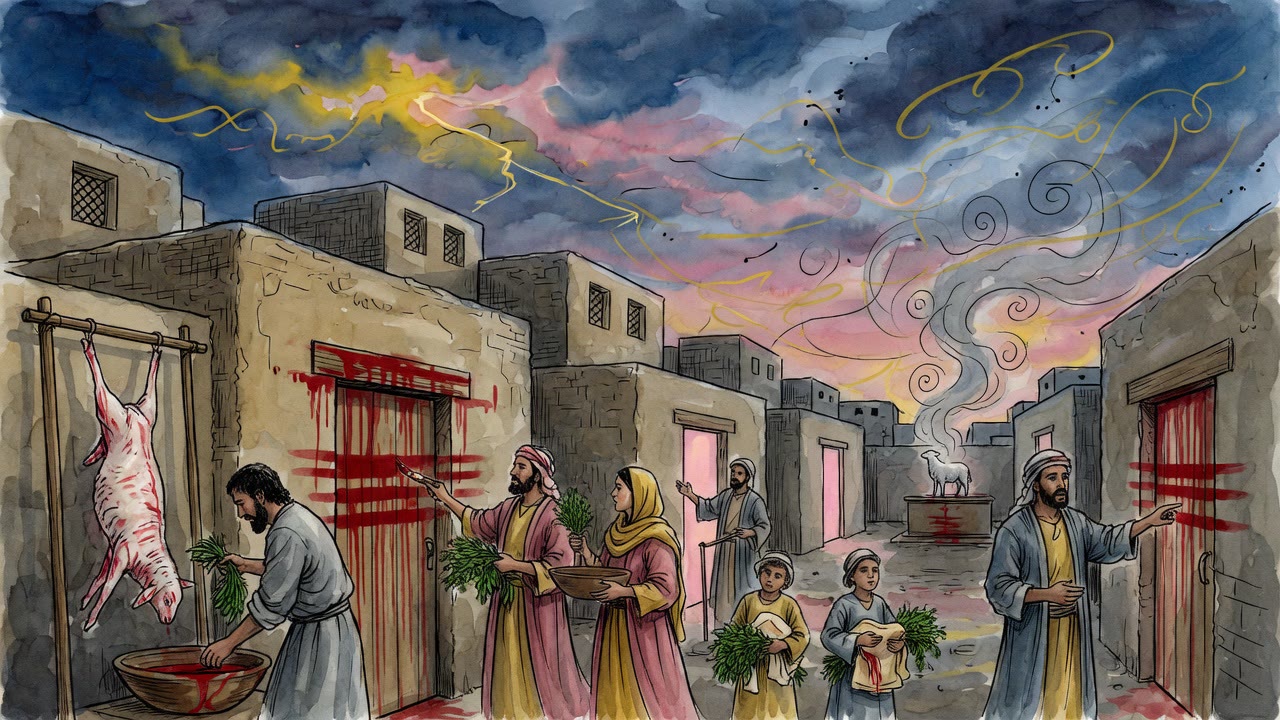
When God instructed Israel about the Passover observance, He included a forward-looking phrase: "And it shall be, when you come to the land that the Lord will give you, as He has s...

(Exodus 12 — 29) "And it was in the middle of the night" — Its

Mekhilta DeRabbi Yishmael Mekhilta DeRabbi Yishmael

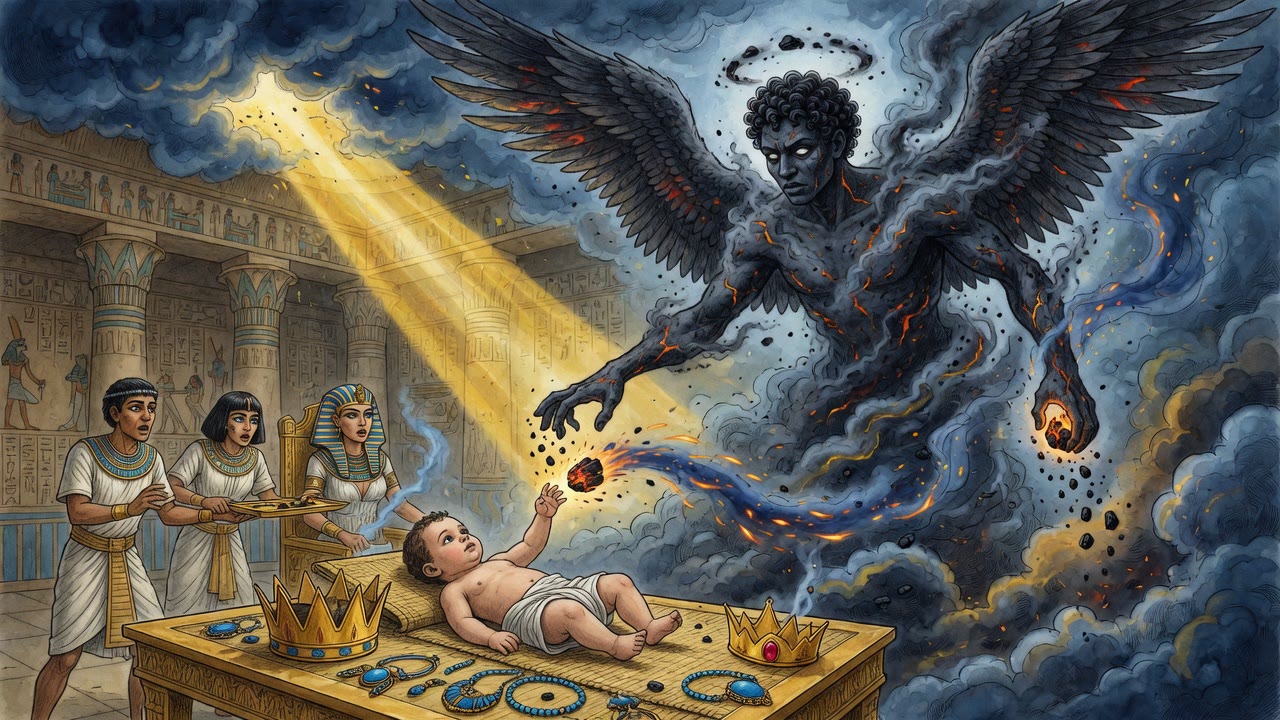
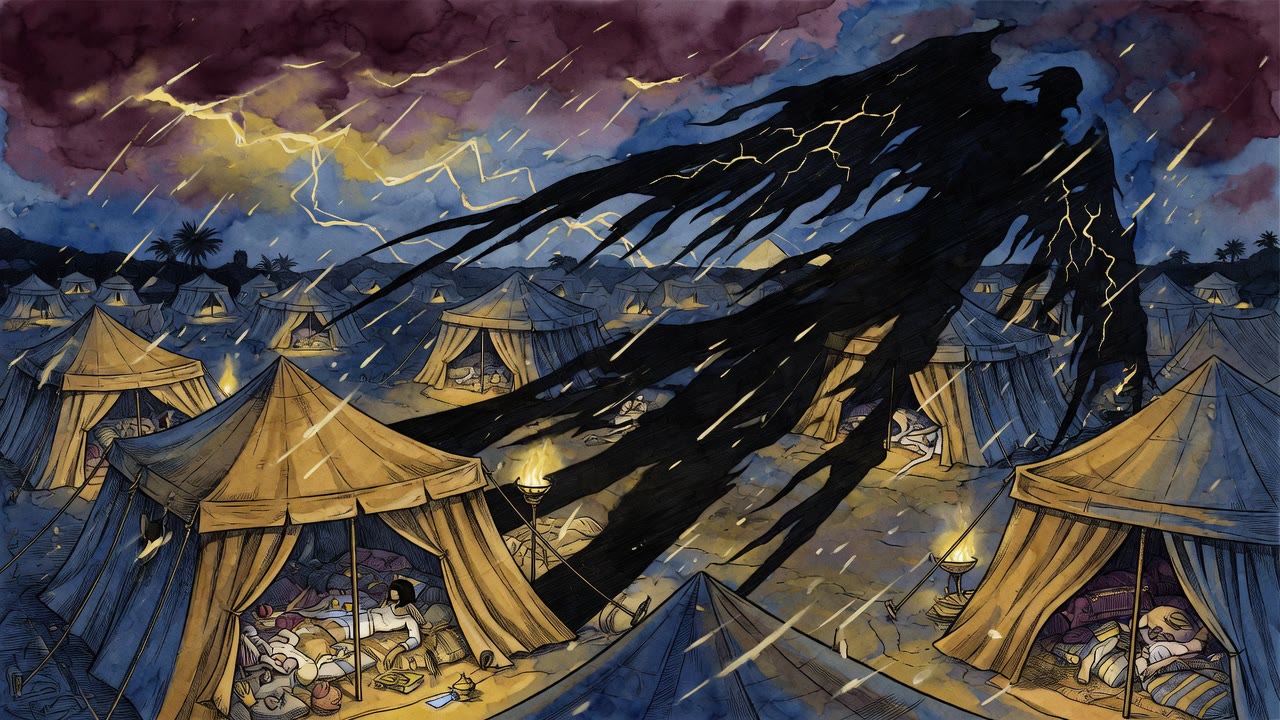
"And it was in the middle of the night" (Exodus 12:29). The tenth plague — the slaying of the firstborn — struck at midnight. But the Mekhilta, the tannaitic midrash on Exodus, rai...

and the L–rd smote every first-born" — I might think through

Mekhilta DeRabbi Yishmael Mekhilta DeRabbi Yishmael

The Mekhilta, the tannaitic midrash on Exodus, addresses a question that cuts to the heart of the Passover story: who actually killed the firstborn of Egypt? The verse states simpl...

(Exodus 12 — 34) "their remnants" — of matzoh and maror

Mekhilta DeRabbi Yishmael Mekhilta DeRabbi Yishmael

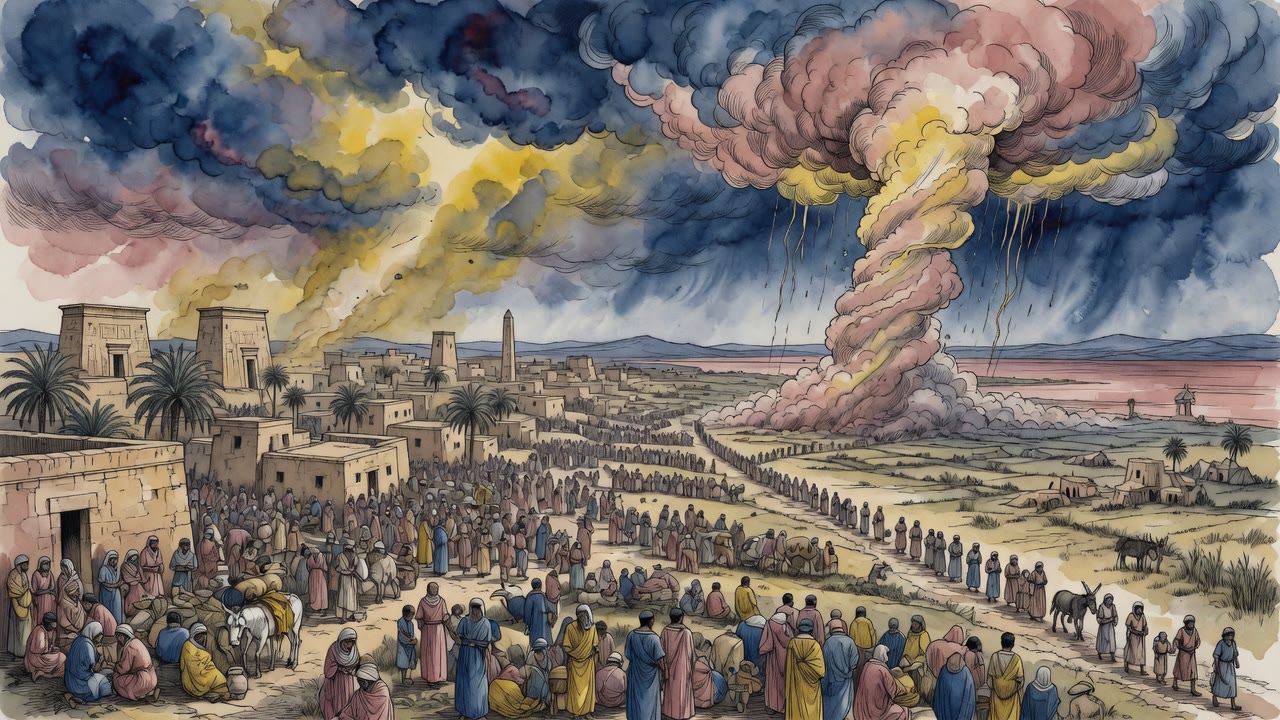
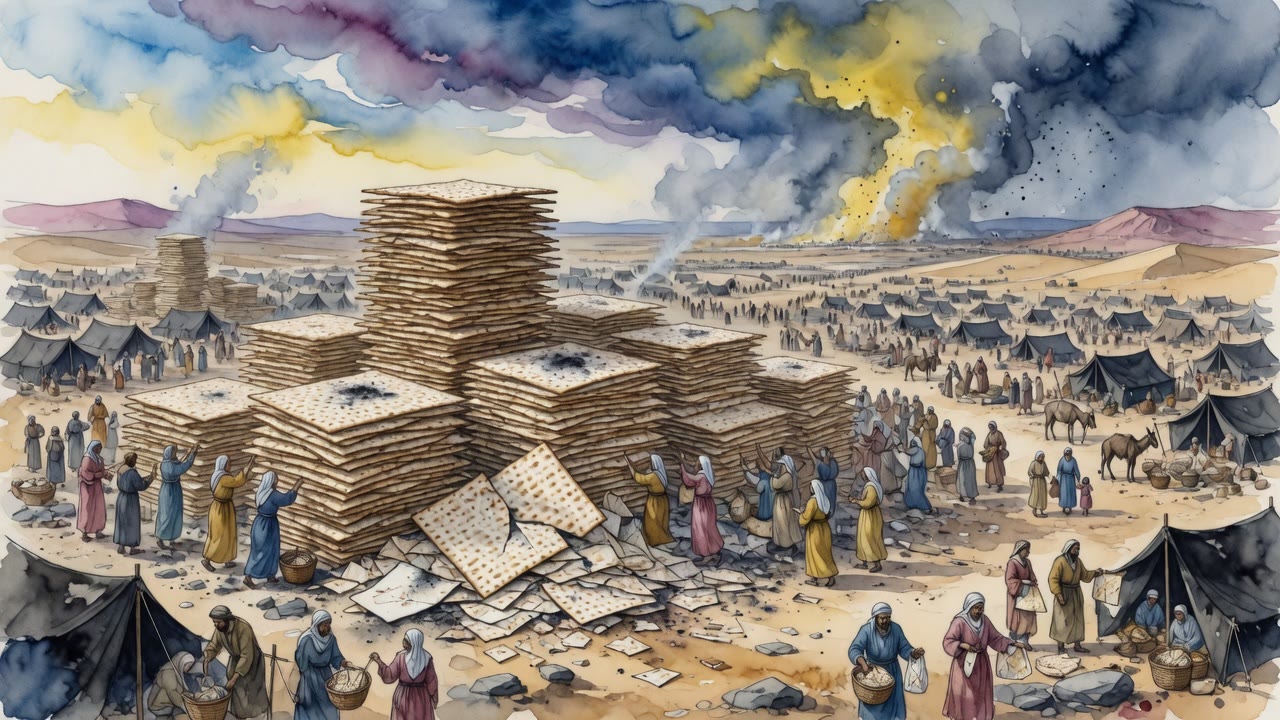
The Mekhilta, the tannaitic midrash on Exodus, turns its attention to a small but revealing detail about the night of the Exodus. The Torah states that the Israelites carried "thei...

("their remnants) bound up in their clothes on their

Mekhilta DeRabbi Yishmael Mekhilta DeRabbi Yishmael

The Mekhilta, the tannaitic midrash on Exodus, preserves a question from Rabbi Nathan that captures the emotional texture of the Exodus. The Torah describes the Israelites carrying...

(Exodus 12 — 35) "And the children of Israel did as Moses had

Mekhilta DeRabbi Yishmael Mekhilta DeRabbi Yishmael

The Mekhilta, the tannaitic midrash on Exodus, examines a verse that seems to state the obvious: "And the children of Israel did as Moses had bid them" (Exodus 12:35). The rabbis a...

and they asked of Egypt vessels of silver and vessels of

Mekhilta DeRabbi Yishmael Mekhilta DeRabbi Yishmael

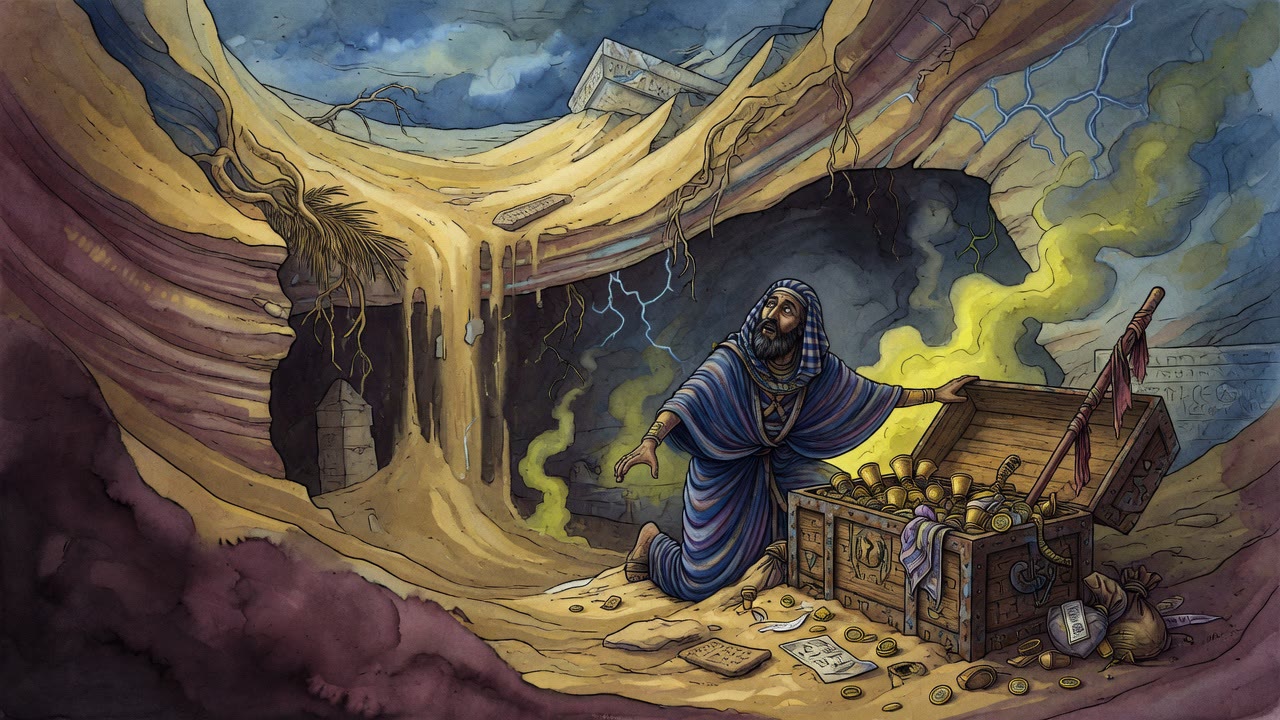
The Mekhilta, the tannaitic midrash on Exodus, pauses on a detail in the Exodus narrative that seems redundant: "And they asked of Egypt vessels of silver and vessels of gold and r...

Nathan says — This is not needed (to comprehend the verse)

Mekhilta DeRabbi Yishmael Mekhilta DeRabbi Yishmael

The Mekhilta, the tannaitic midrash on Exodus, records Rabbi Nathan's interpretation of one of the most loaded words in the Exodus narrative. The Torah says the Egyptians "vayashil...

to succoth" — "succoth," ("booths") literally, as in

Mekhilta DeRabbi Yishmael Mekhilta DeRabbi Yishmael

The Mekhilta, the tannaitic midrash on Exodus, takes up a question about the Israelites' first stop after leaving Egypt: a place called Succoth. "And they traveled from Rameses to ...

Akiva says — "succoth" refers to the clouds of glory, as in

Mekhilta DeRabbi Yishmael Mekhilta DeRabbi Yishmael

R. Akiva says: "succoth" refers to the clouds of glory, as in (Isaiah 4:5) "And the L–rd will create on the entire base of Mount Zion and on all of its branchings a cloud by day an...

(Exodus 12 — 38) "and also a great multitude" — a hundred and

Mekhilta DeRabbi Yishmael Mekhilta DeRabbi Yishmael

The Mekhilta, the tannaitic midrash on Exodus, records a debate among three sages about the size of the "great multitude" (erev rav) that accompanied the Israelites out of Egypt. T...

(Exodus 12 — 46) "In one house shall it be eaten" — R

Mekhilta DeRabbi Yishmael Mekhilta DeRabbi Yishmael

Rabbi Shimon ben Yochai tackled a puzzle in the laws of the Passover sacrifice. The Torah states: "In one house shall it be eaten" (Exodus 12:46). Does this mean literally one phys...

(Exodus 12 — 46) "And a bone shall you not break in it" — What

Mekhilta DeRabbi Yishmael Mekhilta DeRabbi Yishmael

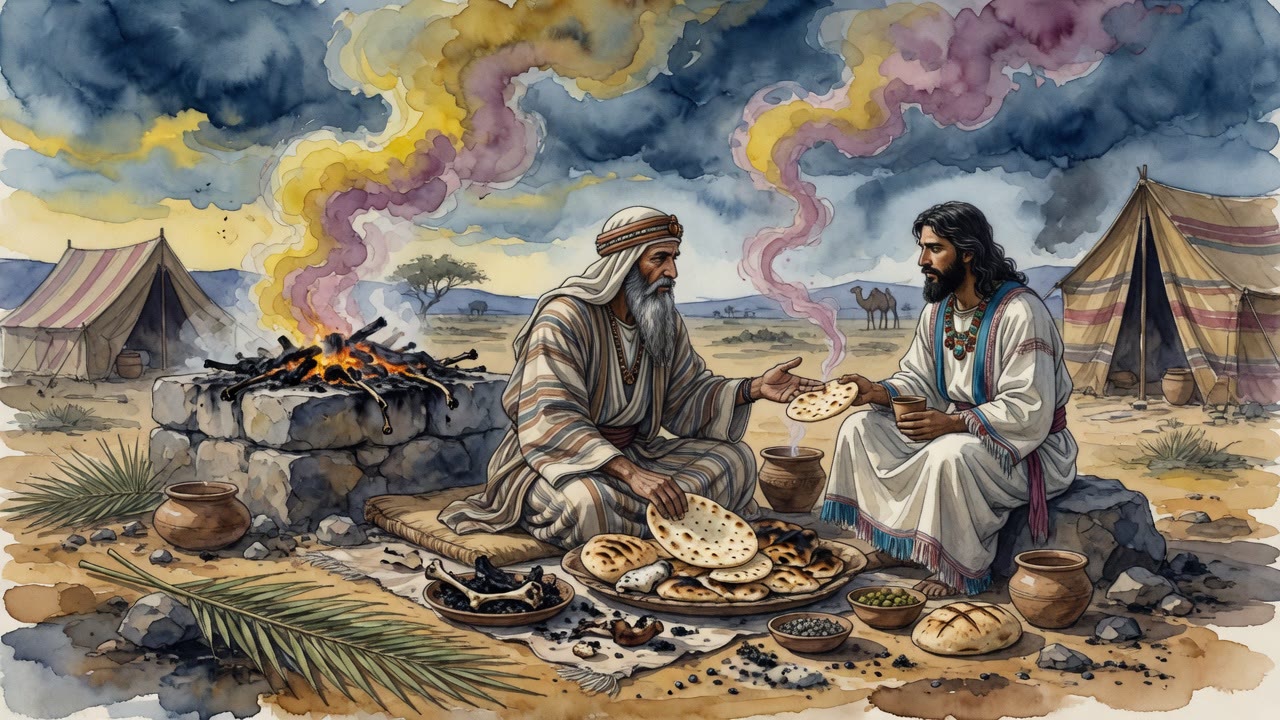
The Torah issues a distinctive command about the Passover sacrifice: "And a bone shall you not break in it" (Exodus 12:46). The Mekhilta asks a deceptively simple question — does t...

(Exodus 12 — 48) "And if there live with you a stranger (i

Mekhilta DeRabbi Yishmael Mekhilta DeRabbi Yishmael

The Torah states: "And if there live with you a stranger, and he would offer a Pesach (Passover) to the Lord" (Exodus 12:48). The Mekhilta immediately identifies a potential misund...

(Exodus 12 — 49) "One Torah shall there be for the citizen, etc

Mekhilta DeRabbi Yishmael Mekhilta DeRabbi Yishmael

"One Torah shall there be for the citizen and for the stranger" (Exodus 12:49). This verse — one of the most sweeping declarations of equality in the Torah — might seem redundant. ...

Sanctify unto Me every first-born"—generic (implying both

Mekhilta DeRabbi Yishmael Mekhilta DeRabbi Yishmael

"Sanctify unto Me every first-born"—generic (implying both males and females). (Devarim 15:19) "the male"—specific, (excluding females). If I have the generic, why do I need the sp...

(Exodus 13 — 2) "in man and beast he is Mine" — Whatever

Mekhilta DeRabbi Yishmael Mekhilta DeRabbi Yishmael

The Torah states: "in man and beast, he is Mine" (Exodus 13:2), declaring God's ownership of every first-born. The Mekhilta draws from this verse a principle of elegant symmetry: w...

(Exodus 13 — 3) "And Moses said to the people — Remember this

Mekhilta DeRabbi Yishmael Mekhilta DeRabbi Yishmael

Moses commanded the people: "Remember this day when you went out of Egypt" (Exodus 13:3). The Mekhilta notices that this verse, taken alone, refers to the daytime — "this day." The...

The Chametz Ban Applies to Feeding Others Not Just Eating

Mekhilta DeRabbi Yishmael Mekhilta DeRabbi Yishmael

The verse (Exodus 13:3) states, "and chametz shall not be eaten." The passive phrasing — "shall not be eaten" rather than "you shall not eat" — caught the attention of Rabbi Yoshiy...

God Chose Spring for the Exodus So Israel Would Not Suffer

Mekhilta DeRabbi Yishmael Mekhilta DeRabbi Yishmael

(Exodus 13:3) records Moses telling the people, "This day you go out, in the month of Aviv." The Hebrew word Aviv means spring. But the verse seems redundant — everyone present alr...

The Year Israel Left Egypt the Calendar Did Not Need an Extra Month

Mekhilta DeRabbi Yishmael Mekhilta DeRabbi Yishmael

"This day you go out in the month of Aviv" (Exodus 13:3) — a verse that seems to state the obvious. Of course Israel left in the month of Aviv (spring). The Torah already told us t...

Why Exodus Names Five Nations but Means Seven

Mekhilta DeRabbi Yishmael Mekhilta DeRabbi Yishmael

(Exodus 13:5) states, "And it shall be, when the Lord brings you to the land of the Canaanite, the Hittite, the Amorite, the Hivvite, and the Jebusite." That is five nations. But J...

(Exodus 13 — 10) "And you shall keep this statute in its

Mekhilta DeRabbi Yishmael Mekhilta DeRabbi Yishmael

(Exodus 13:10) "And you shall keep this statute in its time": What is the intent of this? From "And it shall be to you as a sign upon your hand," I might think that (the mitzvah of...

(Exodus 13 — 11) "And it shall be, when the L–rd brings you

Mekhilta DeRabbi Yishmael Mekhilta DeRabbi Yishmael

Canaan heard the news that Israel was coming to claim the Promised Land, and he did something no one expected. Instead of fighting, he stepped aside. He voluntarily made way for Go...

(Exodus 13 — 13) "and every firstling of an ass shall you

Mekhilta DeRabbi Yishmael Mekhilta DeRabbi Yishmael

The Torah is specific about how to redeem the firstborn of a donkey: "And every firstling of an ass shall you redeem with a lamb" (Exodus 13:13). The Mekhilta takes this precision ...

among your sons shall you redeem" — What is the intent of this

Mekhilta DeRabbi Yishmael Mekhilta DeRabbi Yishmael

"among your sons shall you redeem": What is the intent of this? It is written (Numbers 18:16) "And redemption from one month"—general. "according to the monetary valuation, five sh...

(Exodus 13 — 13) "Every human first-born among your sons

Mekhilta DeRabbi Yishmael Mekhilta DeRabbi Yishmael

The Mekhilta DeRabbi Yishmael addresses a practical legal question arising from (Exodus 13:13): "Every human first-born among your sons shall you redeem." The commandment to redeem...

(Exodus 13 — 15) "and every firstling of my sons I shall

Mekhilta DeRabbi Yishmael Mekhilta DeRabbi Yishmael

(Exodus 13:15) records a foundational obligation: "and every firstling of my sons I shall redeem." The redemption of the firstborn, known as pidyon haben, is one of the Torah's mos...

(Exodus 13 — 14) "And it shall be if your son asks you

Mekhilta DeRabbi Yishmael Mekhilta DeRabbi Yishmael

When the Torah says "tomorrow," does it mean the next day or some distant point in the future? The Mekhilta demonstrates that the word carries both meanings, depending on context. ...

16) "And it shall be as a sign upon your hand, etc

Mekhilta DeRabbi Yishmael Mekhilta DeRabbi Yishmael

(Ibid. 16) "And it shall be as a sign upon your hand, etc.": In four places, the mitzvah of tefillin (leather phylacteries worn during prayer) is mentioned: (Exodus 13:1-10) "Sanct...

21) "And the L–rd went before them by day with a pillar of

Mekhilta DeRabbi Yishmael Mekhilta DeRabbi Yishmael

(Ibid. 21) "And the L–rd went before them by day with a pillar of cloud": We find there to have been seven clouds: here, (Numbers 14:14) twice, (Ibid. 9:19), (Exodus 40:36), (Ibid....

Yoshiyah says — There were four (clouds) — one before, one

Mekhilta DeRabbi Yishmael Mekhilta DeRabbi Yishmael

When the Israelites left Egypt and marched into the wilderness, they did not travel unprotected. God surrounded them with clouds of glory—miraculous pillars that shielded, guided, ...

He did not dispel the pillar of cloud in the day, and the

Mekhilta DeRabbi Yishmael Mekhilta DeRabbi Yishmael

The Torah states that God "did not dispel the pillar of cloud in the day, and the pillar of fire at night." The Mekhilta reads this verse carefully and discovers two teachings hidd...

(Exodus 14 — 1-2) "And the L–rd said to Moses, saying — Speak

Mekhilta DeRabbi Yishmael Mekhilta DeRabbi Yishmael

(Exodus 14:1-2) "And the L–rd said to Moses, saying: Speak to the children of Israel that they return and encamp": R. Shimon b. Yochai says: Wherever it is written "saying and tell...

(Exodus 14 — 4) "And I shall strengthen Pharaoh's heart" — for

Mekhilta DeRabbi Yishmael Mekhilta DeRabbi Yishmael

(Exodus 14:4) "And I shall strengthen Pharaoh's heart": for it was divided, whether to pursue or not to pursue. "and I will be honored through (the downfall of) Pharaoh and all of ...

In the past, Pharaoh's servants said to him (Exodus 10 — 7)

Mekhilta DeRabbi Yishmael Mekhilta DeRabbi Yishmael

In the past, Pharaoh's servants said to him (Exodus 10:7) "How long will this one be a stumbling block to us?" and now (Ibid. 14:5) "What is this that we did in sending Israel away...

whereupon Moses said to them (Exodus 14 — 13) "Do not fear, etc

Mekhilta DeRabbi Yishmael Mekhilta DeRabbi Yishmael

With the Egyptian army bearing down and the Red Sea blocking their path, the Israelites succumbed to terror. It was Moses who stepped forward and spoke the words that steadied an e...

(Exodus 14 — 19) "And the angel of G–d, who went before the

Mekhilta DeRabbi Yishmael Mekhilta DeRabbi Yishmael

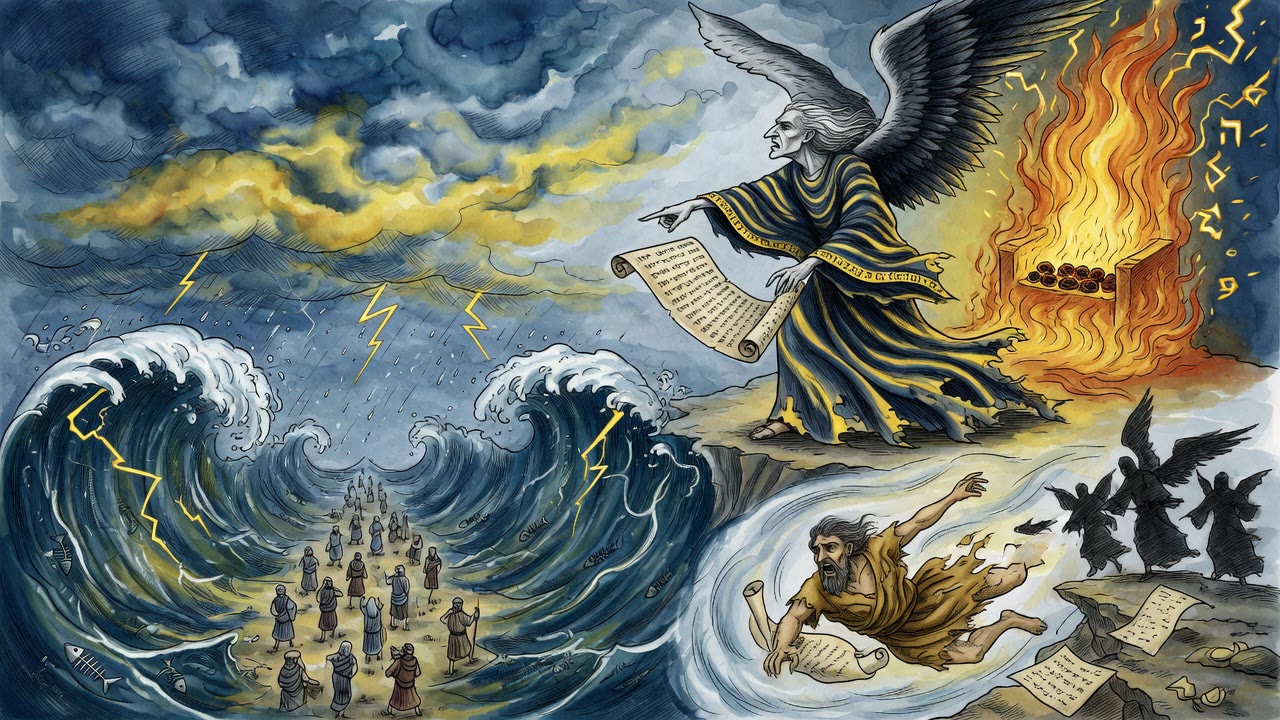
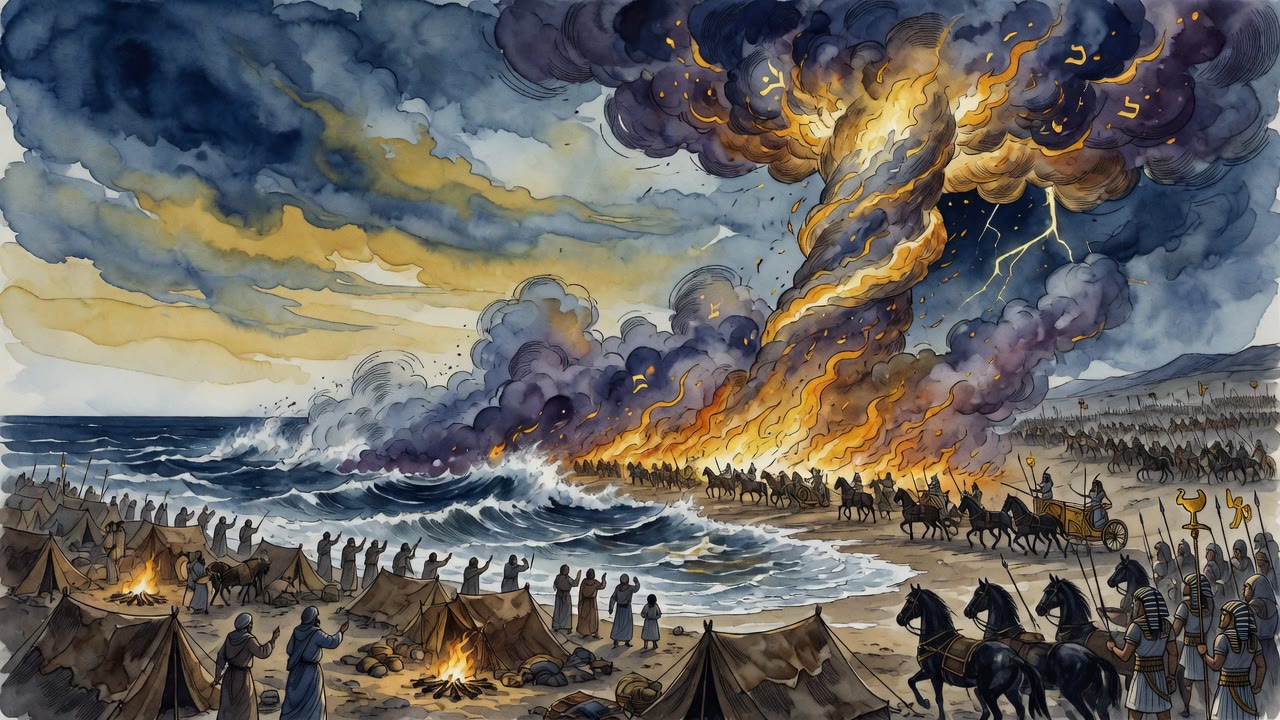
When the Israelites stood trapped between the sea ahead and Pharaoh's army behind, a single verse describes the moment the divine rescue began (Exodus 14:19): "And the angel of God...

(Exodus 14 — 20) "And one did not come near another the

Mekhilta DeRabbi Yishmael Mekhilta DeRabbi Yishmael

(Exodus 14:20) "And one did not come near another the entire night": Scripture hereby apprises us that a standing Egyptian could not sit down, and a sitting one could not stand up....

(Exodus 14 — 22) "And the children of Israel came in the

Mekhilta DeRabbi Yishmael Mekhilta DeRabbi Yishmael

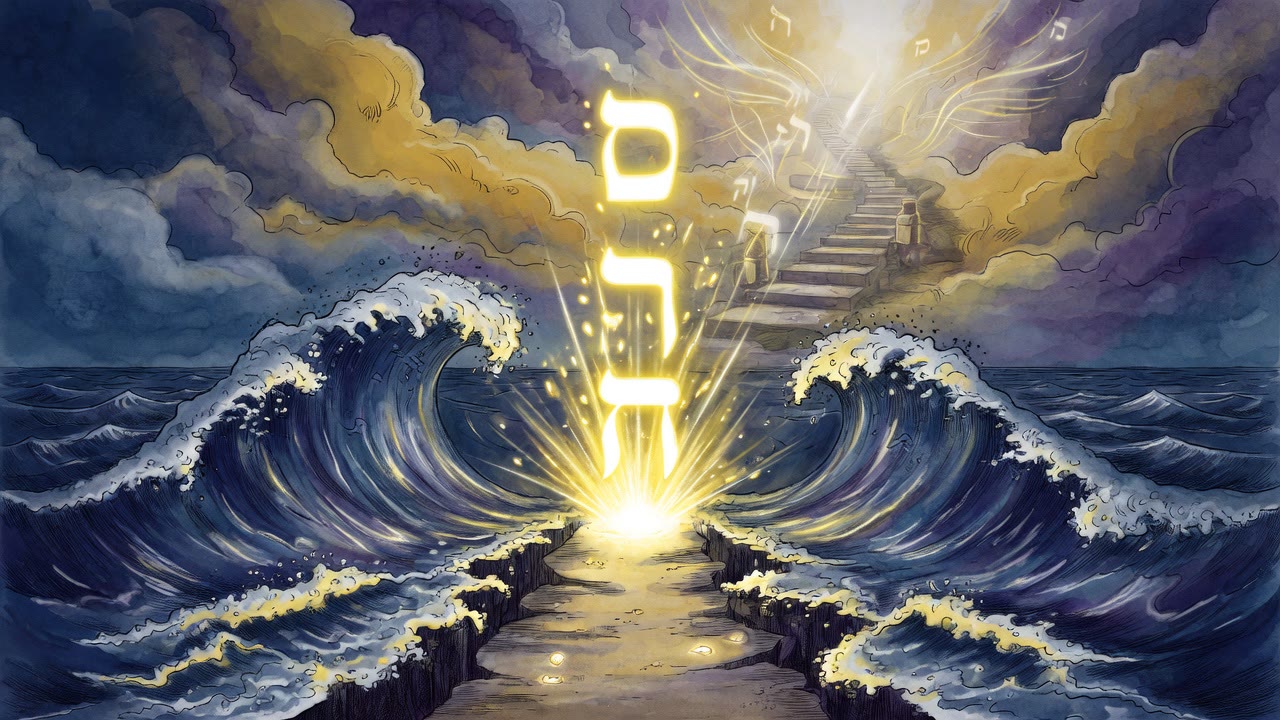
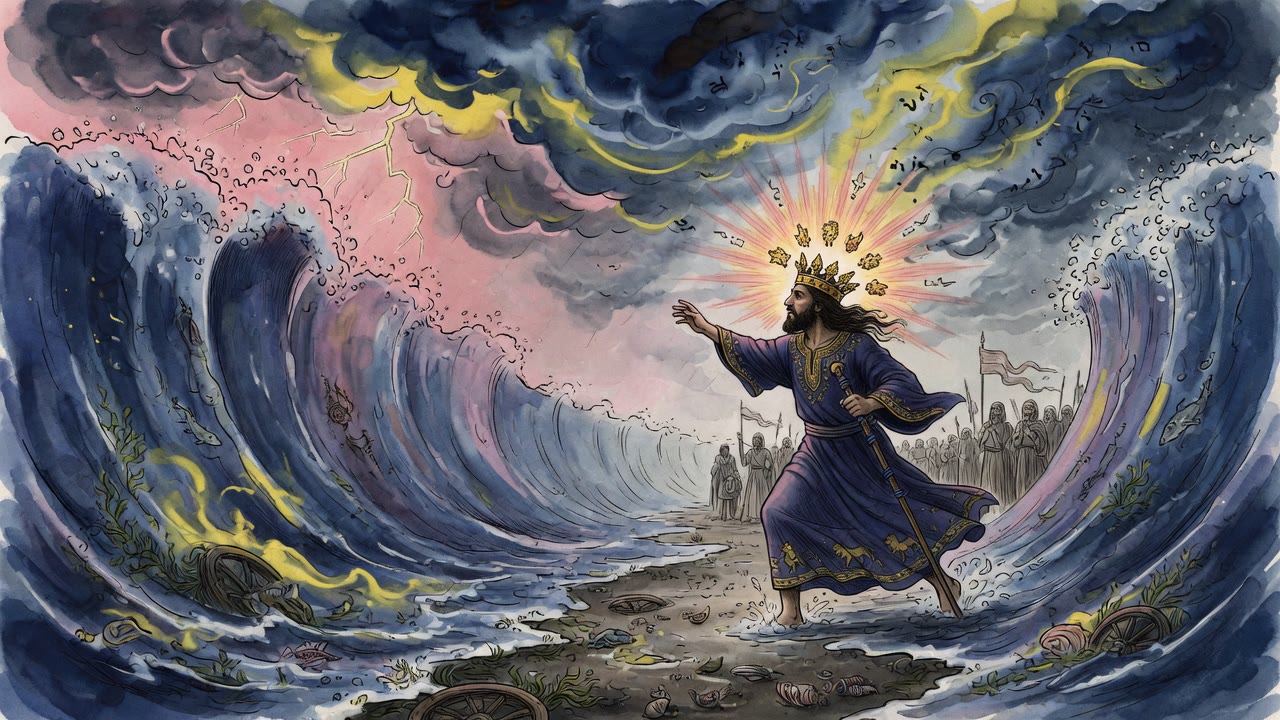
(Exodus 14:22) "And the children of Israel came in the midst of the sea on the dry land": R. Meir perceives it one way; R. Yehudah, another. R. Meir: When the tribes were standing ...

(Exodus 14 — 25) "And He removed their chariot wheels" — R

Mekhilta DeRabbi Yishmael Mekhilta DeRabbi Yishmael

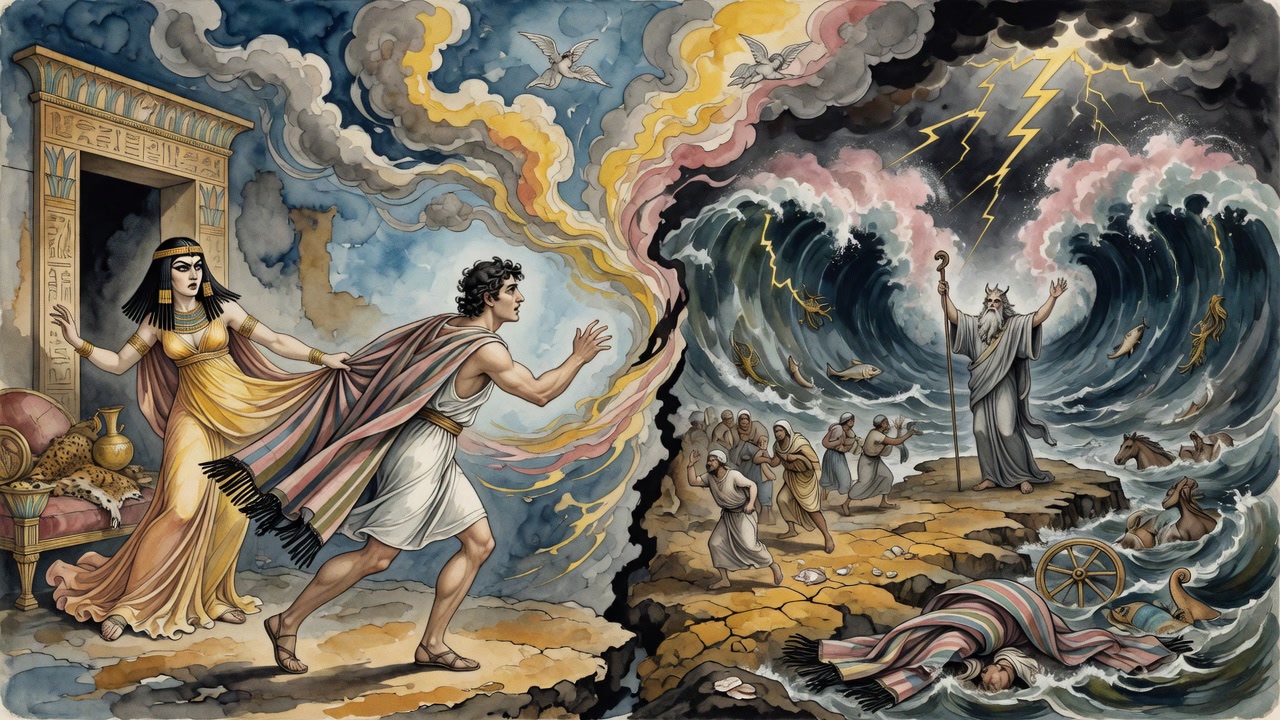
Rabbi Yehudah interprets the verse "And He removed their chariot wheels" (Exodus 14:25) as describing a scene far more spectacular than a simple mechanical failure. According to hi...

And thus did Yithro say to Moses (Exodus 18 — 11) "Now I know

Mekhilta DeRabbi Yishmael Mekhilta DeRabbi Yishmael

When Yithro, the father-in-law of Moses, heard about everything that had happened at the Red Sea, he made a remarkable declaration: "Now I know that greater is the Lord than all th...

(Exodus 14 — 28) "And the waters returned and covered the

Mekhilta DeRabbi Yishmael Mekhilta DeRabbi Yishmael

(Exodus 14:28) "And the waters returned and covered the chariot, etc.": even that of Pharaoh. These are the words of R. Yehudah, it being written (Ibid. 15:4) "the chariots of Phar...

(Exodus 15 — 1) "to the L–rd" — They sang it to the L–rd, and

Mekhilta DeRabbi Yishmael Mekhilta DeRabbi Yishmael

The Mekhilta DeRabbi Yishmael draws a pointed contrast between two moments of song in Israelite history, and the difference reveals something fundamental about the nature of the So...

(Exodus 15 — 1) "A horse and its rider He has cast into the

Mekhilta DeRabbi Yishmael Mekhilta DeRabbi Yishmael

The Song of the Sea declares: "A horse and its rider He has cast into the sea" (Exodus 15:1). But this statement raises an immediate question. Was there really only one horse? The ...

There is a warrior, at the height of his power, forty years

Mekhilta DeRabbi Yishmael Mekhilta DeRabbi Yishmael

The Mekhilta presents another parable contrasting human warriors with God, this time focusing on the problem of aging. A human warrior reaches the height of his power at forty year...

(Exodus 15 — 4) "the chariots of Pharaoh and his host" — "As

Mekhilta DeRabbi Yishmael Mekhilta DeRabbi Yishmael

(Exodus 15:4) "the chariots of Pharaoh and his host": "As one measures, so is it meted out to him." They (the Egyptians [i.e., Pharaoh]) said (Ibid. 5:2) "Who is the L–rd that I sh...

(Exodus 15 — 5) "so that the depths should cover them" — Now

Mekhilta DeRabbi Yishmael Mekhilta DeRabbi Yishmael

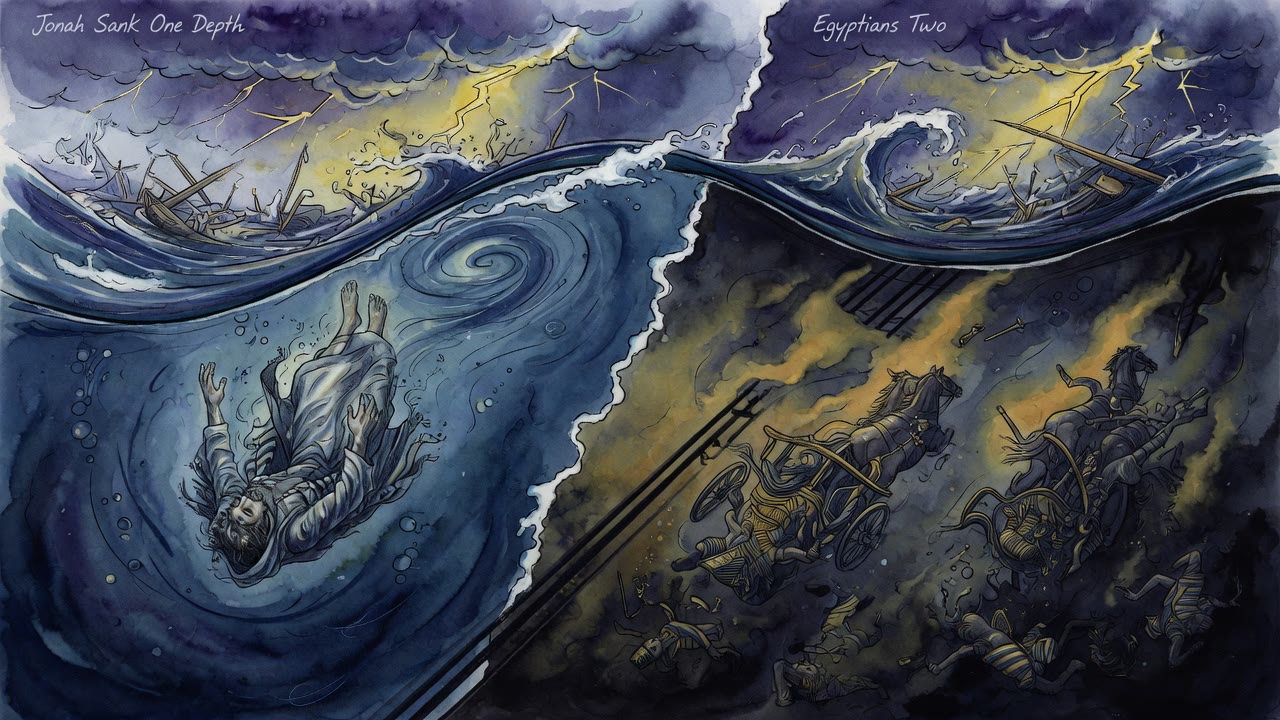
The Song of the Sea declares: "The depths covered them" (Exodus 15:5). The Mekhilta asks an obvious but brilliant question: are there really depths at the bottom of the sea? The Is...