The Ram at Moriah Was Made Before the World and Nothing Was Wasted
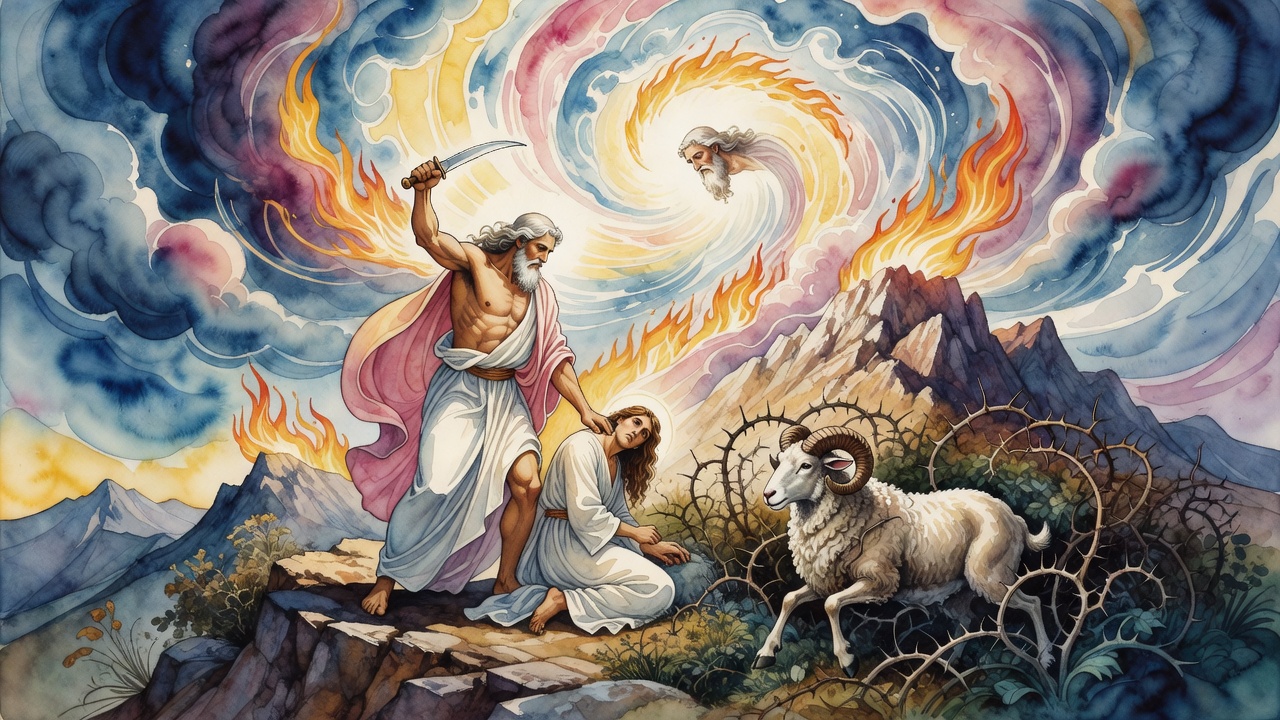
The ram had been waiting since the first dusk. Samael tangled its horns in the thicket. Abraham looked up from the knife and saw it catch his shawl.
Table of Contents
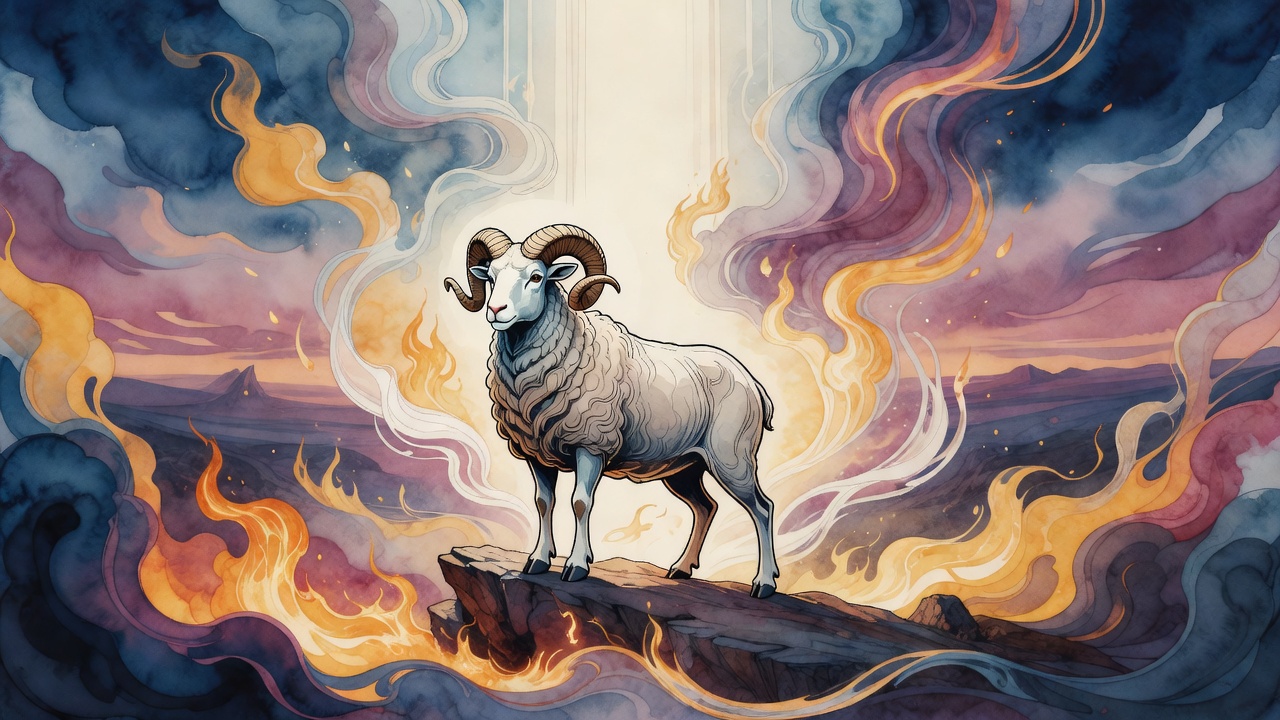
On the sixth day, as the light began to fail and the first Sabbath approached, God placed into existence things the world would need later. Not kinds. Specific objects. Among them, a ram.
 Click for full size
Not a guarantee that some animal would be grazing at the right moment. One ram, male, with horns already fully grown, created at that twilight and set in Paradise to wait. Its destination was already determined. It knew what it had been made for.
One Ram Waited from the First Dusk
It waited for centuries. Paradise was not a pasture. The ram stood among the righteous in the celestial garden, in the particular peace of a thing that has a purpose and has not yet been called to fulfill it. Ordinary rams were born and grazed and died without any of this. They did not know what they were for.
This one had been made before the world was finished, which means it had existed before the sequence of time that produced Abraham, Isaac, the mountain in Moriah, the wood, the fire, the knife, and the angel's voice. It had been waiting for the end of a story that had not yet begun when it was created.
When the morning came, Abraham bound his son on the altar. The knife rose. Heaven had already refused the boy. Something still had to die in his place.
Samael Caught Its Horns in the Thicket
The ram ran toward the altar, eager to take Isaac's place.
Samael stepped into its path. He tangled its horns in the thicket to keep Abraham's offering from being completed. Ha-Satan (הַשָּׂטָן), the Accuser, held the animal fast by those two horns so it could not slip away. He thought he was blocking the substitute. He was holding it for the man with the knife.
The ram did not wait for rescue. It reached out a foreleg, then another, and snagged Abraham's prayer-shawl. It pulled. The old man, who a moment before had been looking down at his son, felt the tug at his garment and turned.
The thicket held a ram as if it had wandered there by chance. As if nothing unusual were happening. Abraham looked up from the altar where Isaac had been lying and saw it catch his shawl.
Abraham Untied It and Brought It Up
He went to the thicket. He untied the horns. He brought the ram in Isaac's place and offered it as a burnt offering instead of his son (Genesis 22:13). The boy got up. The ram did not.
Even the Accuser's snare had served Heaven. The horns that were meant to stop the offering became the handle by which the offering was found. Isaac walked down the mountain. The ram's smoke went up from the same rock.
Nothing of that body was thrown away.
The Horns Went On Sounding
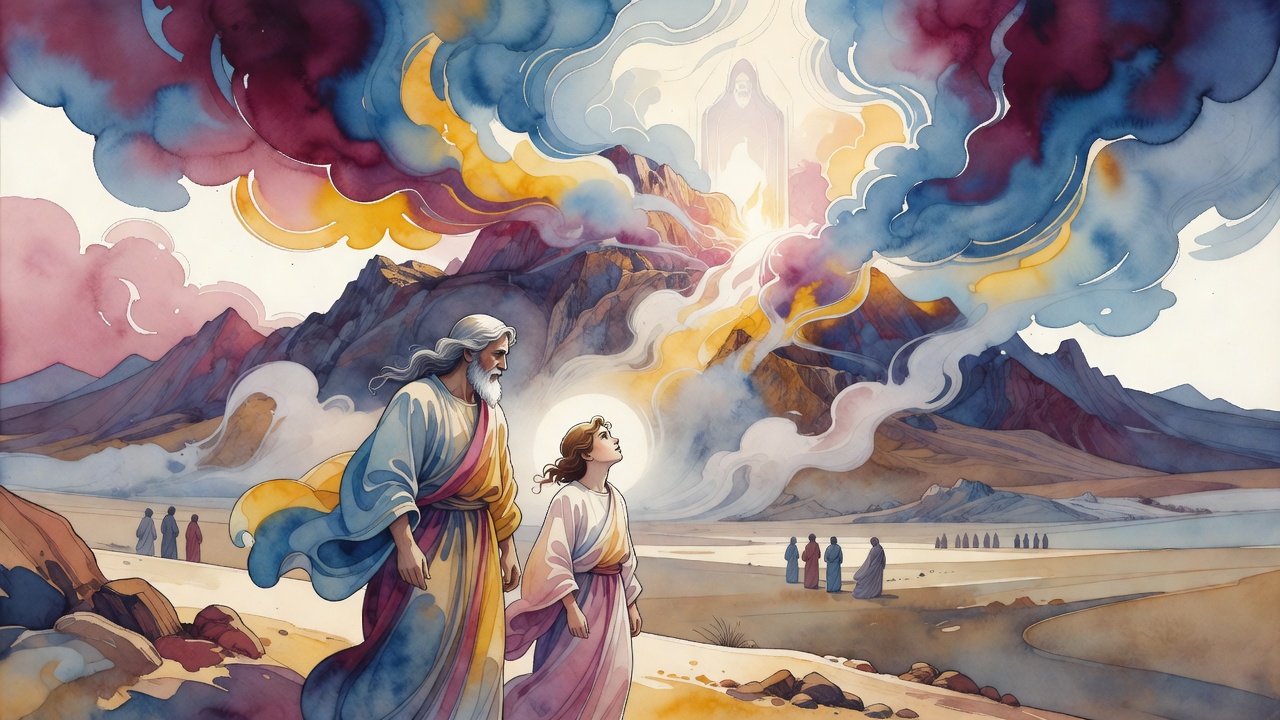
Its sinews were strung on David's harp, ten strings that drove a dark spirit from Saul and ran through the psalms Israel would keep in its mouth. Its hide became the belt that wrapped the body of Elijah. Its left horn was the shofar sounded at Sinai when God descended to give the Torah and the mountain trembled. Its right horn, the larger of the two, waits still unblown, reserved for the blast that will gather the exiles at the end of days.
One ram. Ashes, strings, leather, and two sounds, one already heard and one not yet. When Israel is caught in the thicket of a year's iniquities, the blast of a ram's horn delivers them. When Israel is caught in the thicket of the kingdoms, the right horn still waits.
The echo did not stay on Moriah. It moved.
The Mountain Moved When the Sea Would Not
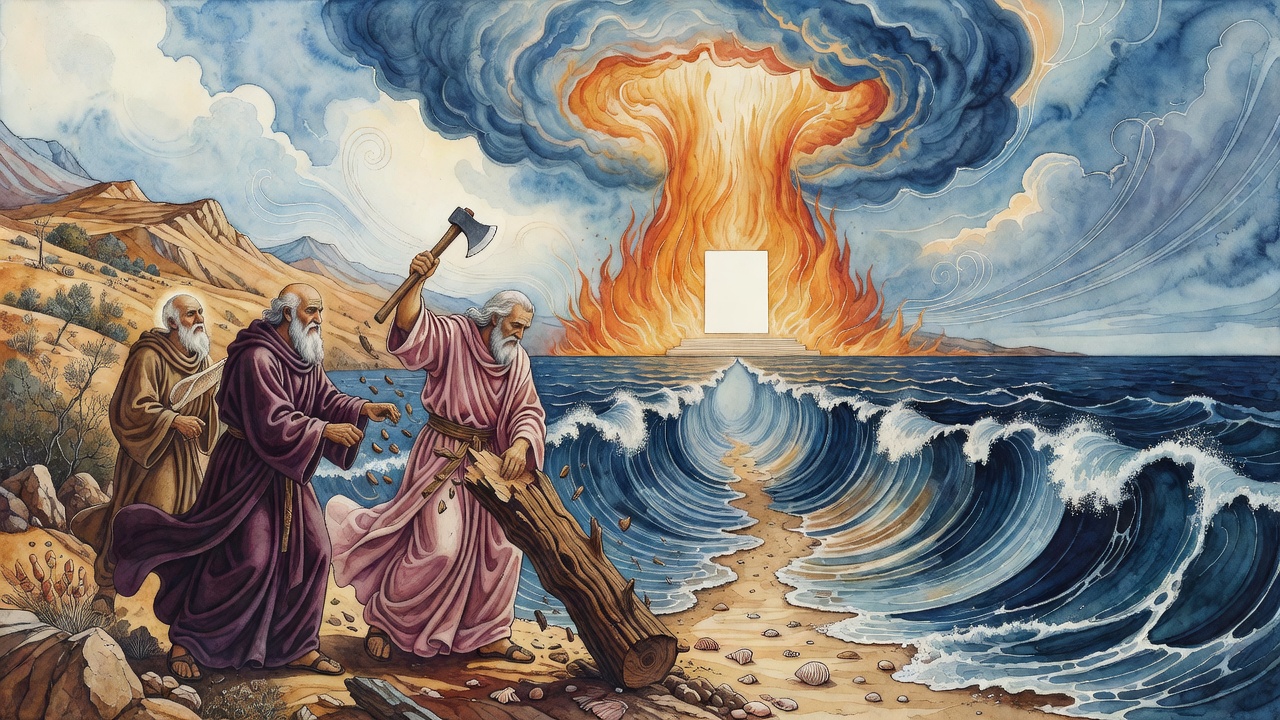
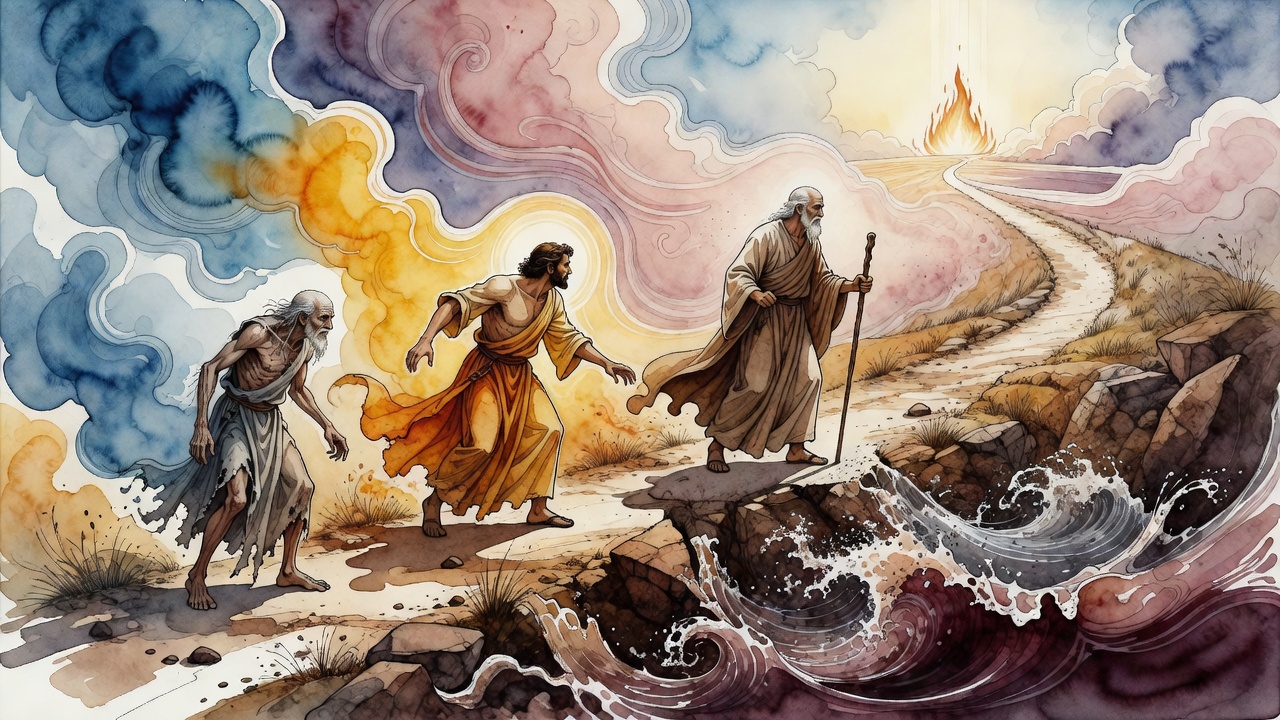
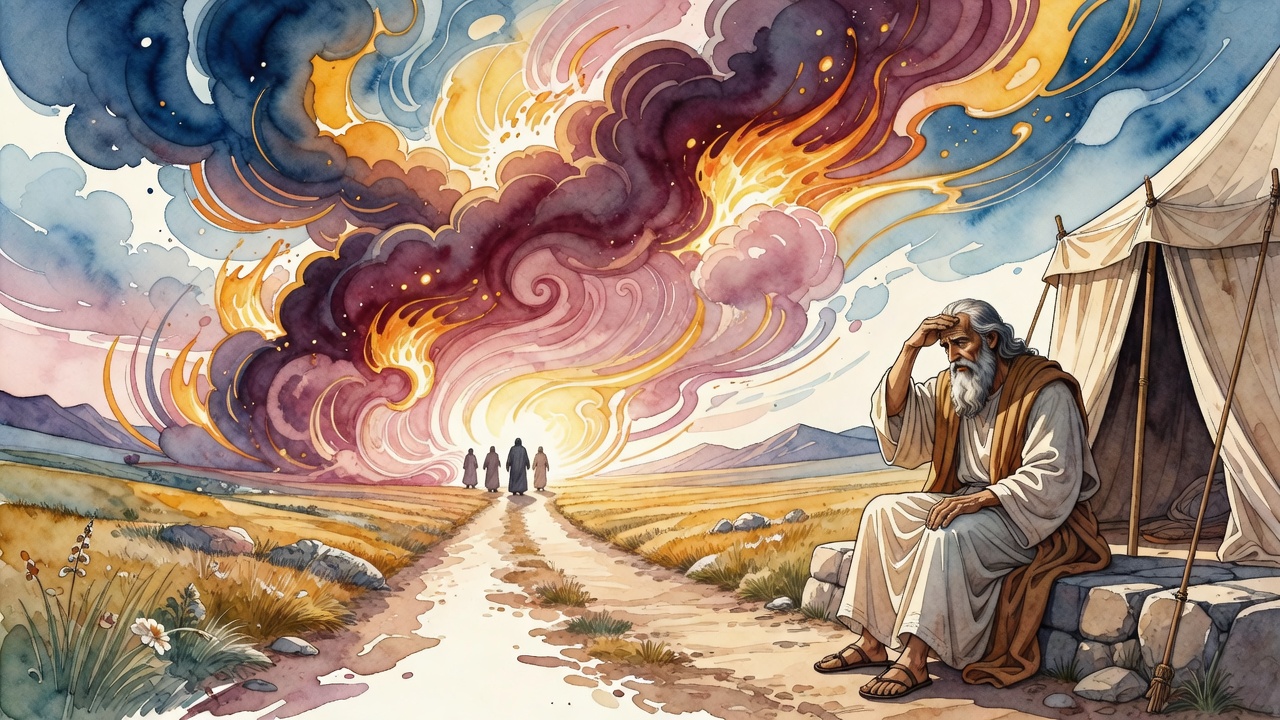
Later, Israel stood trapped, the sea in front and Egypt behind. Panic rose. Moses stood too long in prayer. God said, My children are in distress, the sea is blocking them, the enemy is pursuing, and you stand so long praying? Raise up your staff.
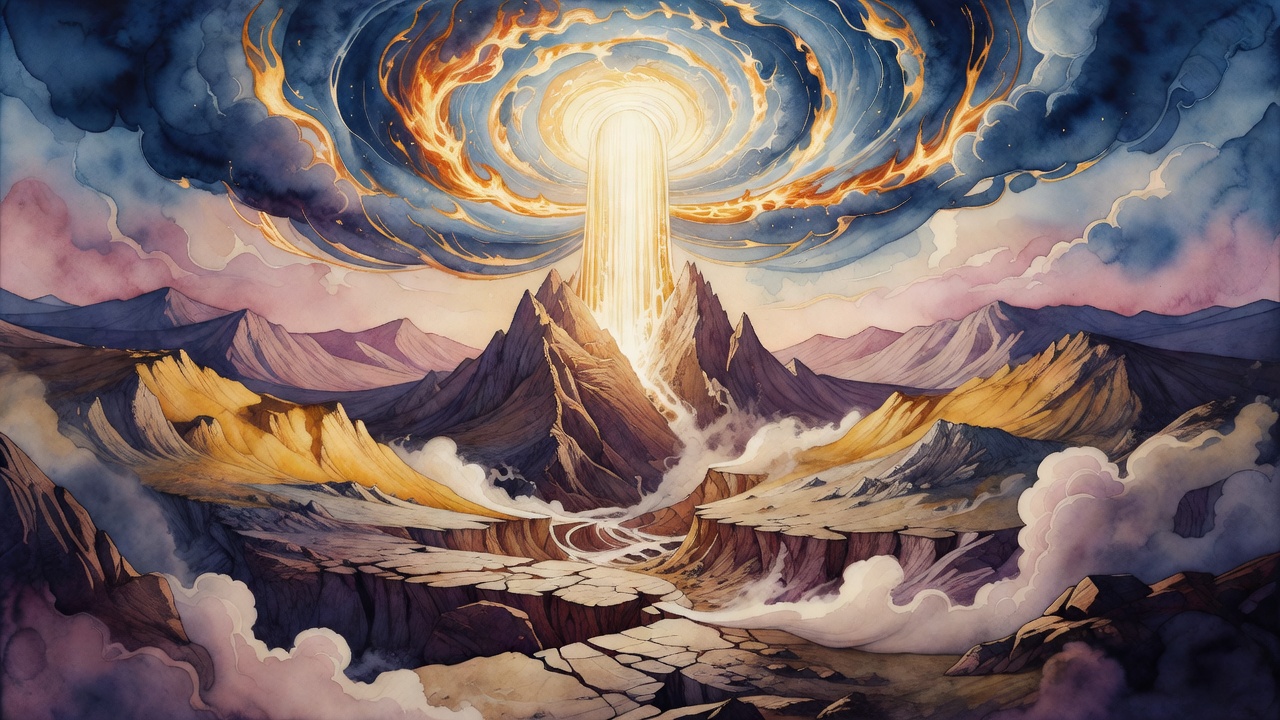
At that same instant Mount Moriah itself began to shift, and the altar Isaac had lain upon moved with it. The mountain that had received the twilight ram did not stay still while Abraham's other children drowned. Moses lifted the staff. The sea split. The ground that had held a bound boy and a substitute ram leaned toward the water as if it still owed that family a path.
Years after the knife, Jacob passed that same mountain on his way to Haran, and the sun dropped two hours early so he would have to stop and sleep on the ground. Dawn later repaid him, rising two hours soon, shining with the ardor it had on the six days of creation. The ram had been made at the first dusk. The mountain kept using light to pull Abraham's seed back onto its rock.
The right horn is still unblown. The thicket is empty. The shawl has been released. Somewhere ahead of every later terror, a ram made before the world still has one sound left.
← All myths