117 myths · Page 2 of 3
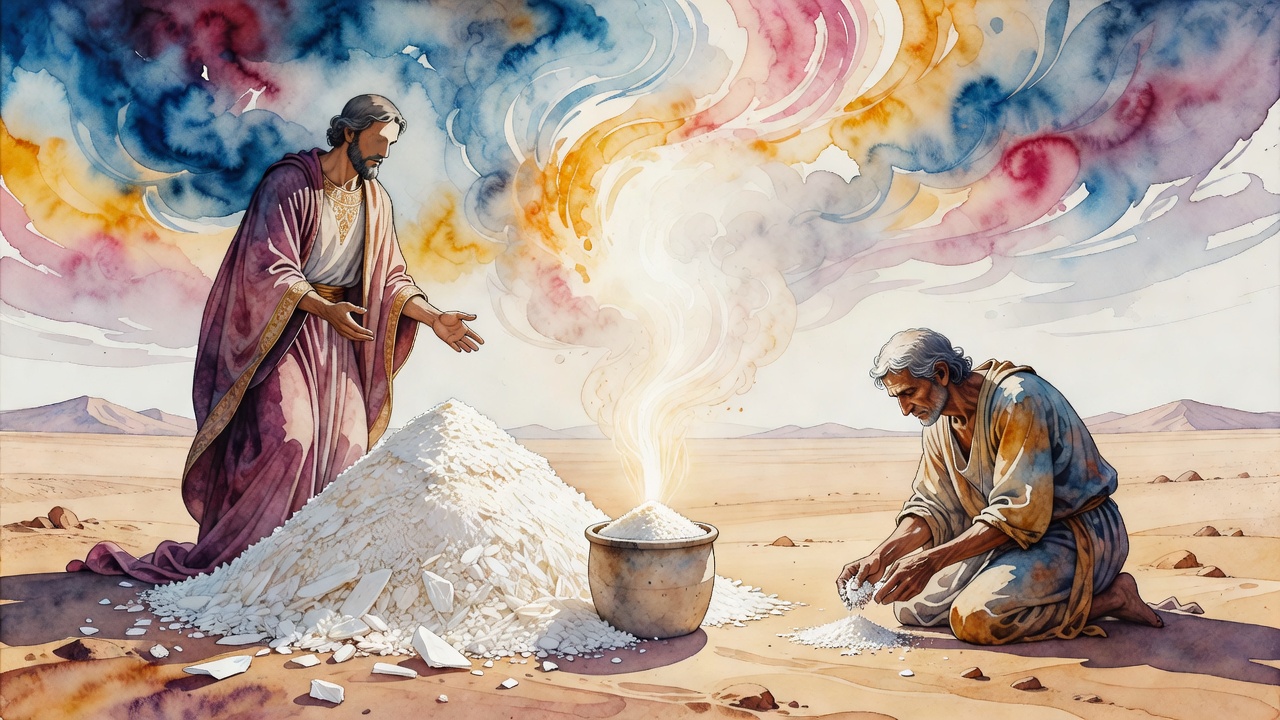
Nachshon sent his whole household out to gather. A poor man went out alone. When they measured, both jars stopped at the same line.
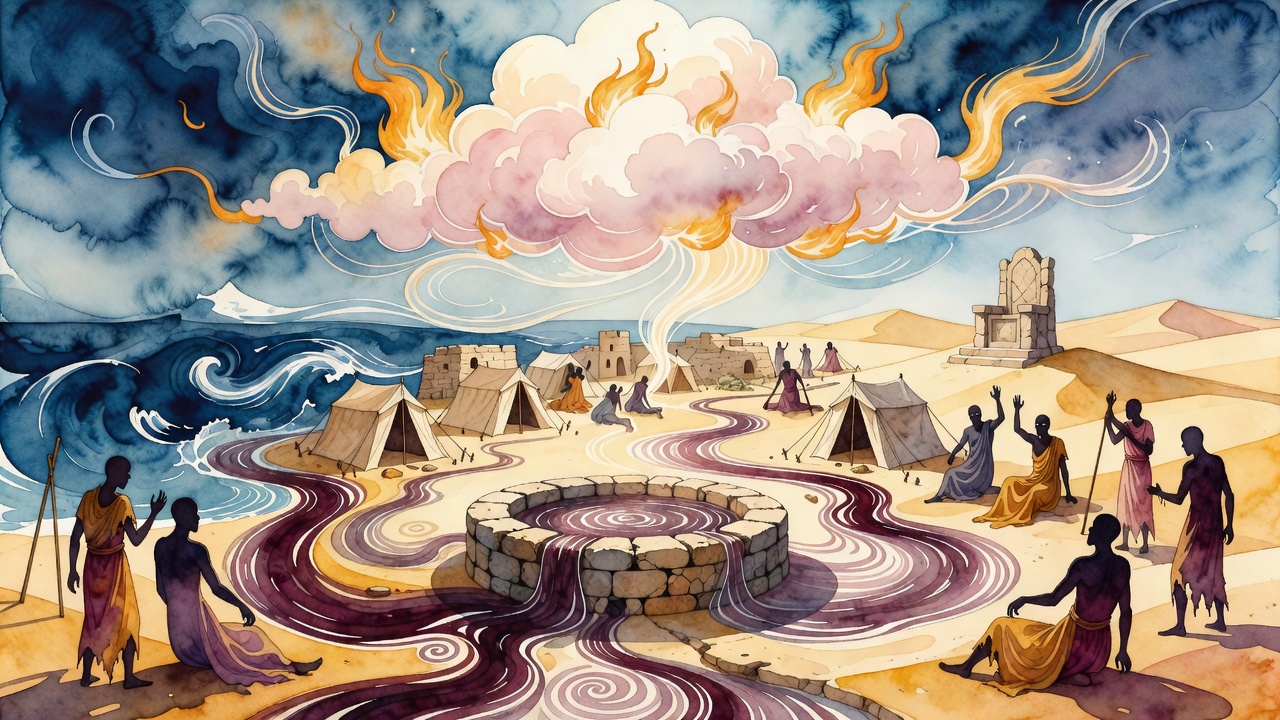
Before any Israelite army reached Canaan, the news from the sea had already hollowed out its kings. A singing well then drew rivers around the desert camp.
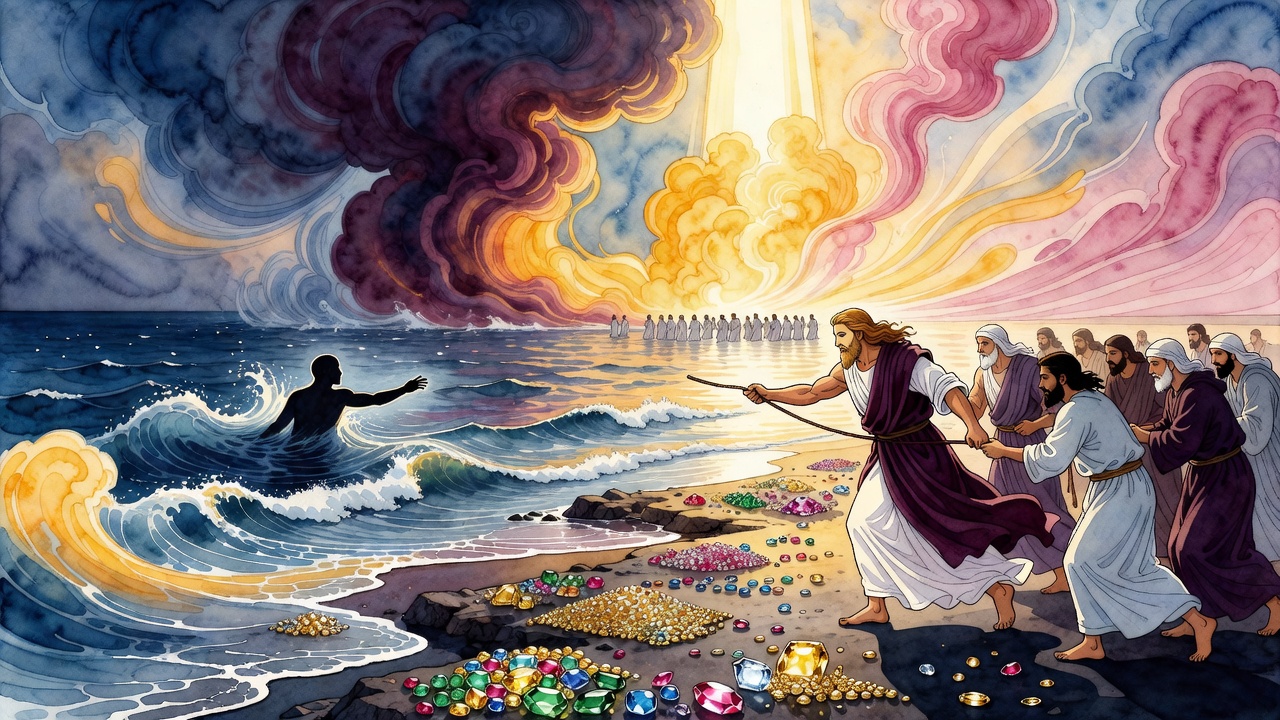
The tide laid pearls and stones on the sand every morning, and Israel would not leave. Moses had to pull them off the shore by the wrists.
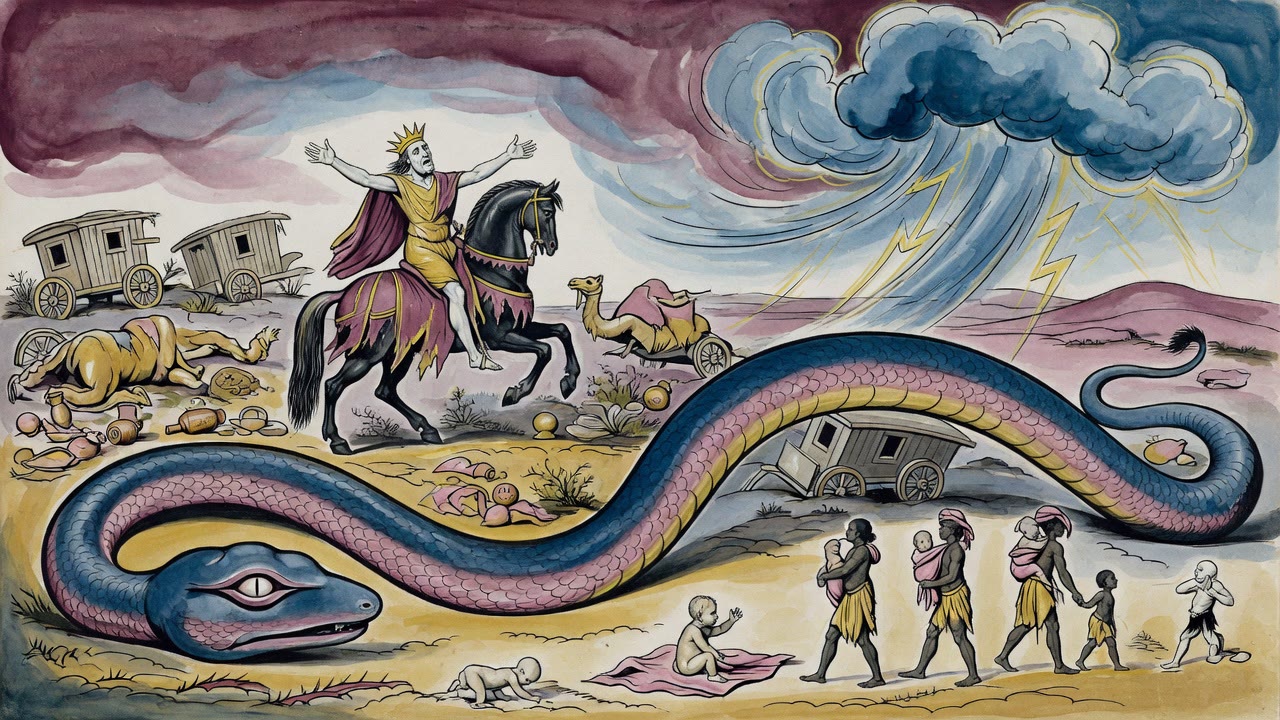
A king lost three caravans to the serpents of Shur and a woodcutter lost his hair to one glance, yet slaves and infants crossed the same waste untouched.
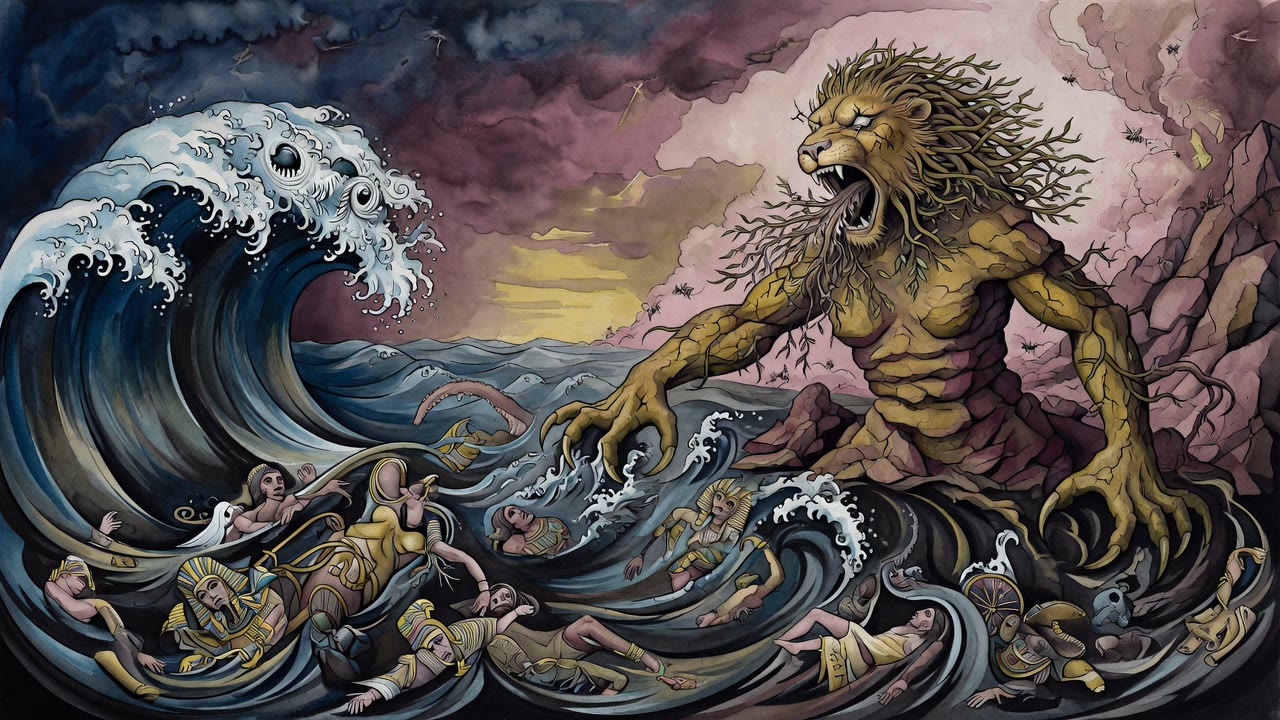
God orders Rahab to swallow the waters of creation. He refuses and is slain, and then the sea and the earth quarrel over who must take the dead.
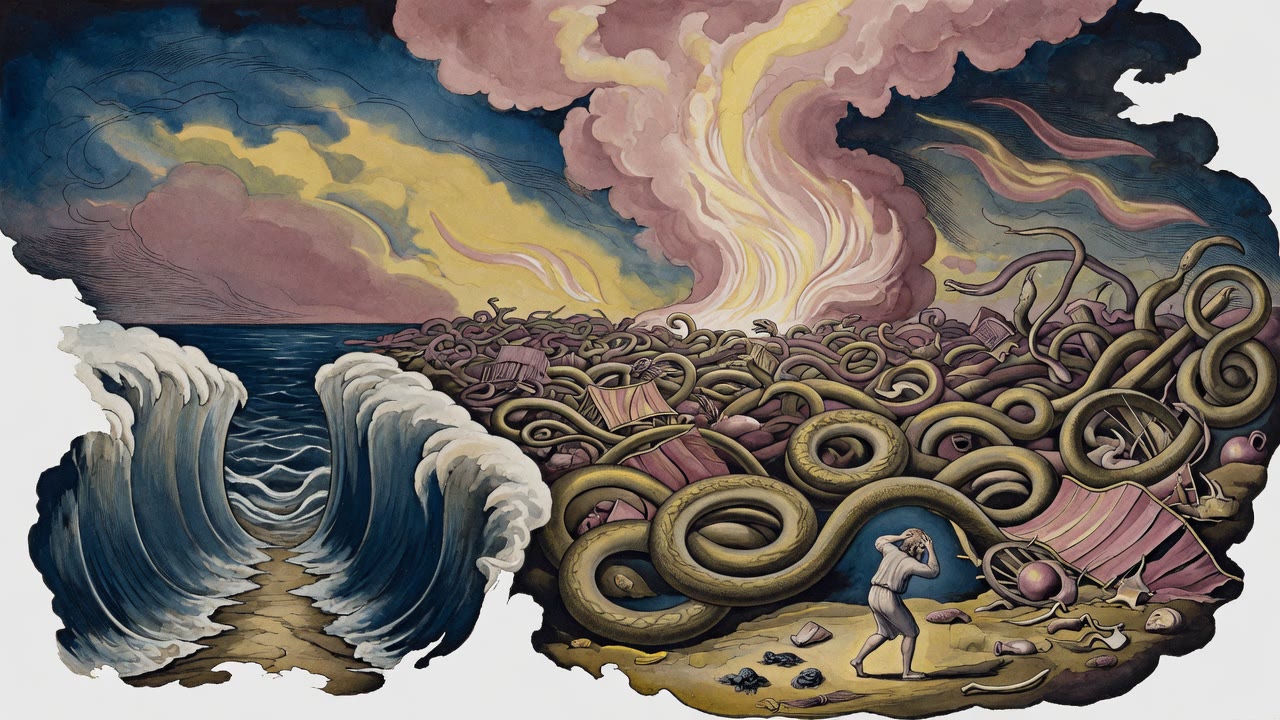
The sea still stood in two walls behind them when the ground began to move. Serpents thick as olive-press beams did not make way.
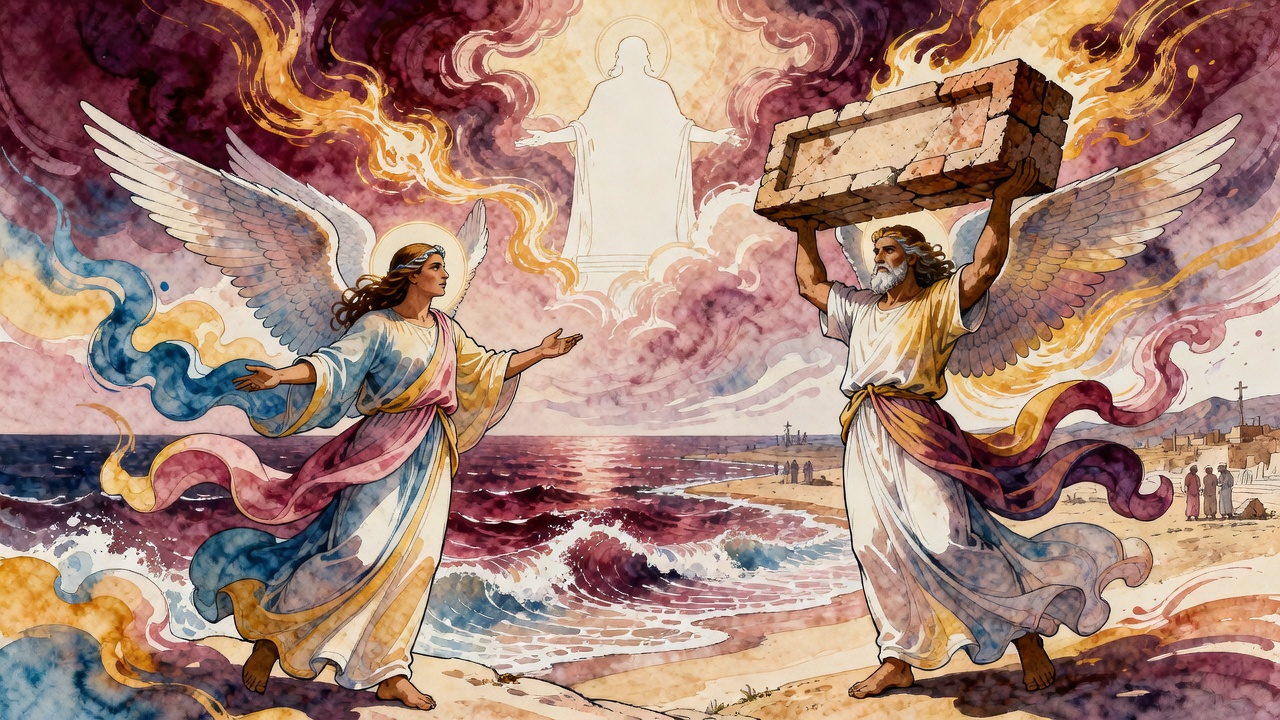
Egypt's angel said the slaves had already been paid in silver. Gabriel held up a brick-mold with straw still stuck in the corners.
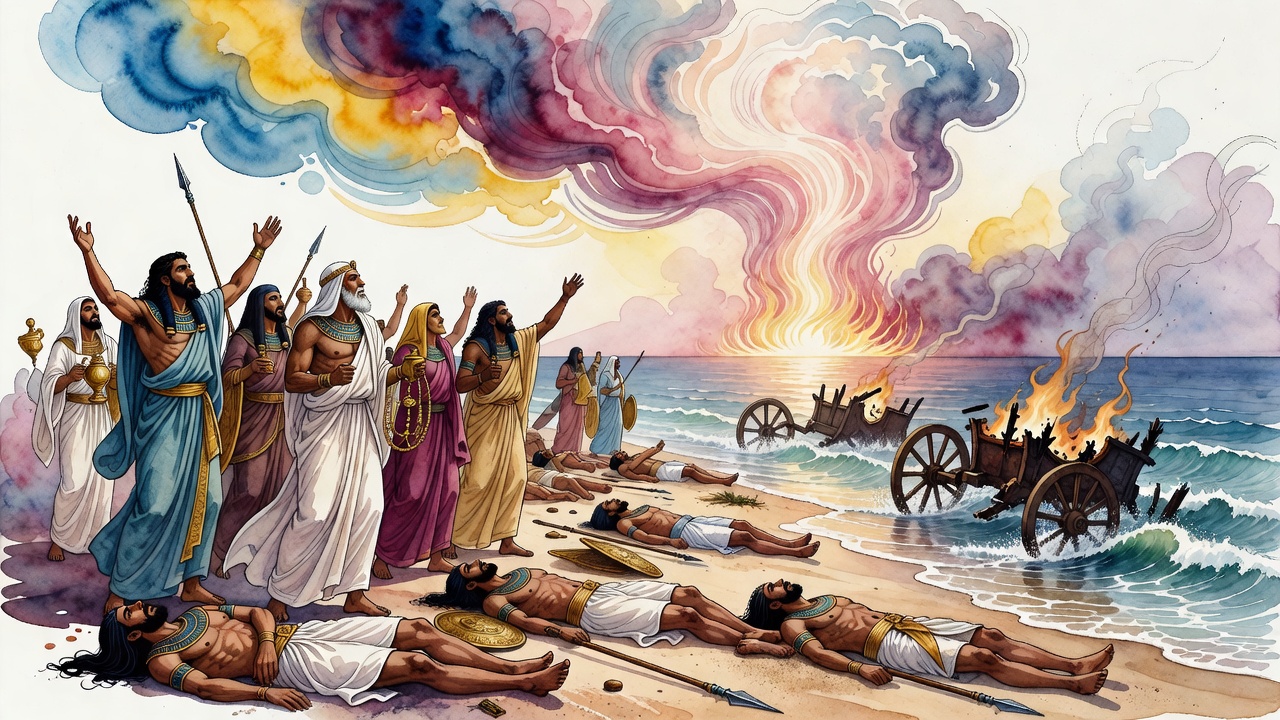
After the tenth plague, Pharaoh forced gold into Hebrew hands and left corpses unburied in his haste. At the sea, fire took the chariot wheels next.
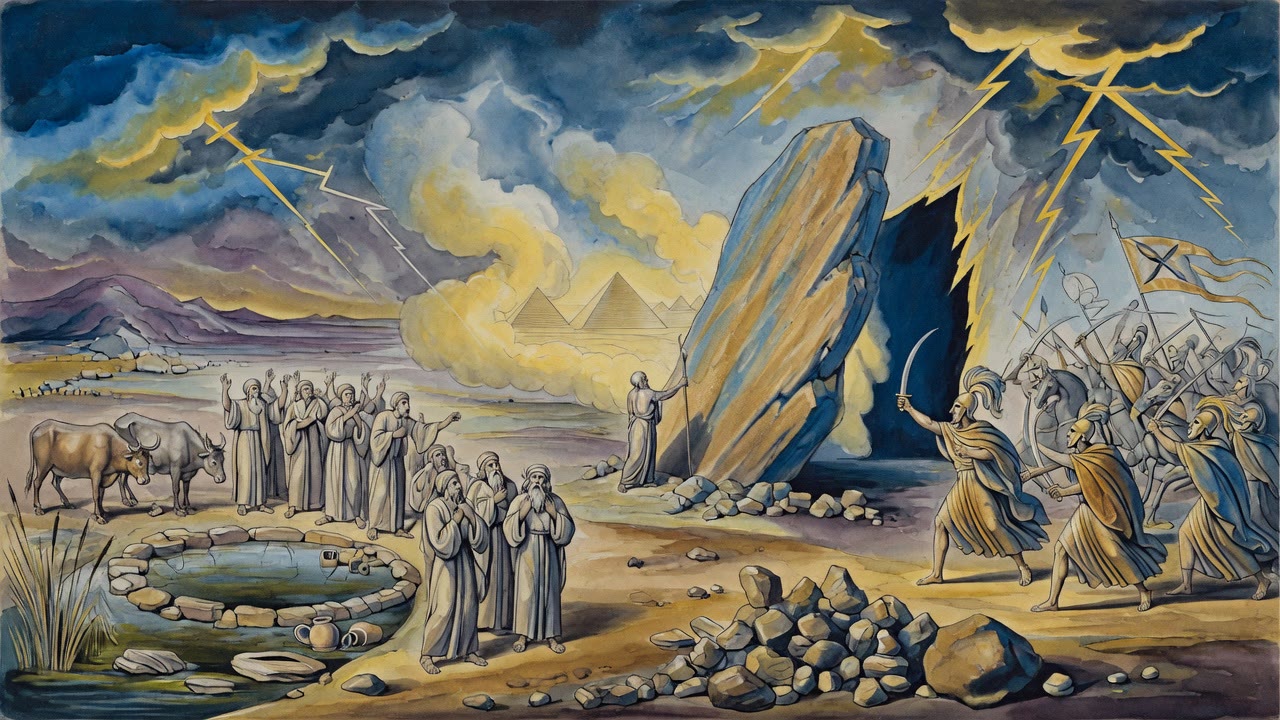
Three months out of Egypt, Israel found water the cattle refused. Doubt opened the door, and Amalek walked through it with swords.
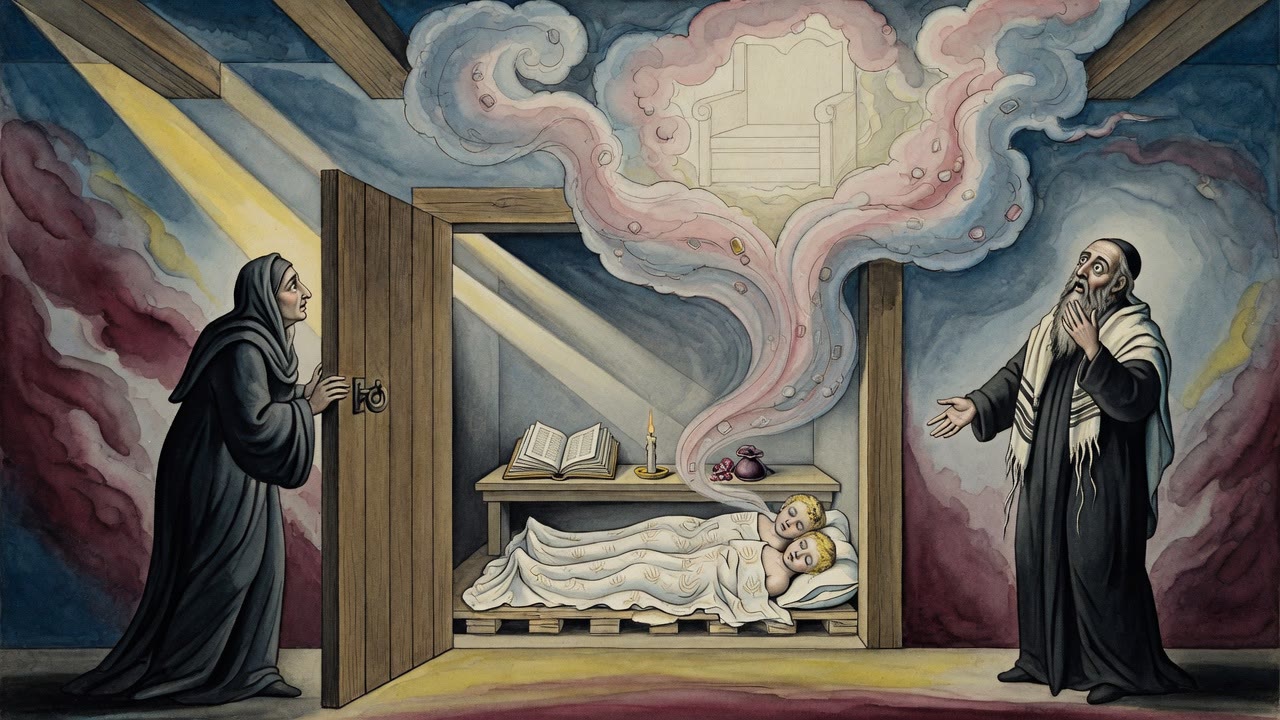
The sand burned under the first steps out of Egypt. Then a cloud spread under their feet, and the camp walked on it.
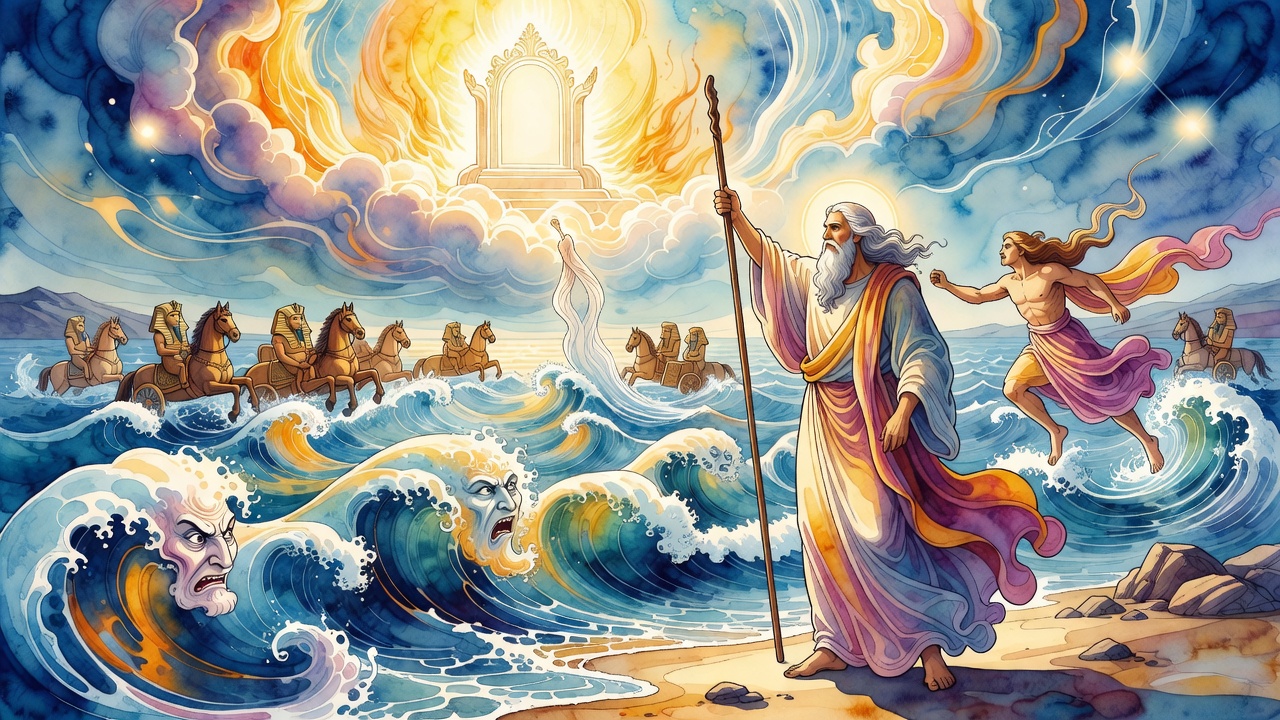
The sea told Moses it was three days older than he was. God called it a rebellious slave. Nahshon walked in until the water reached his nose.
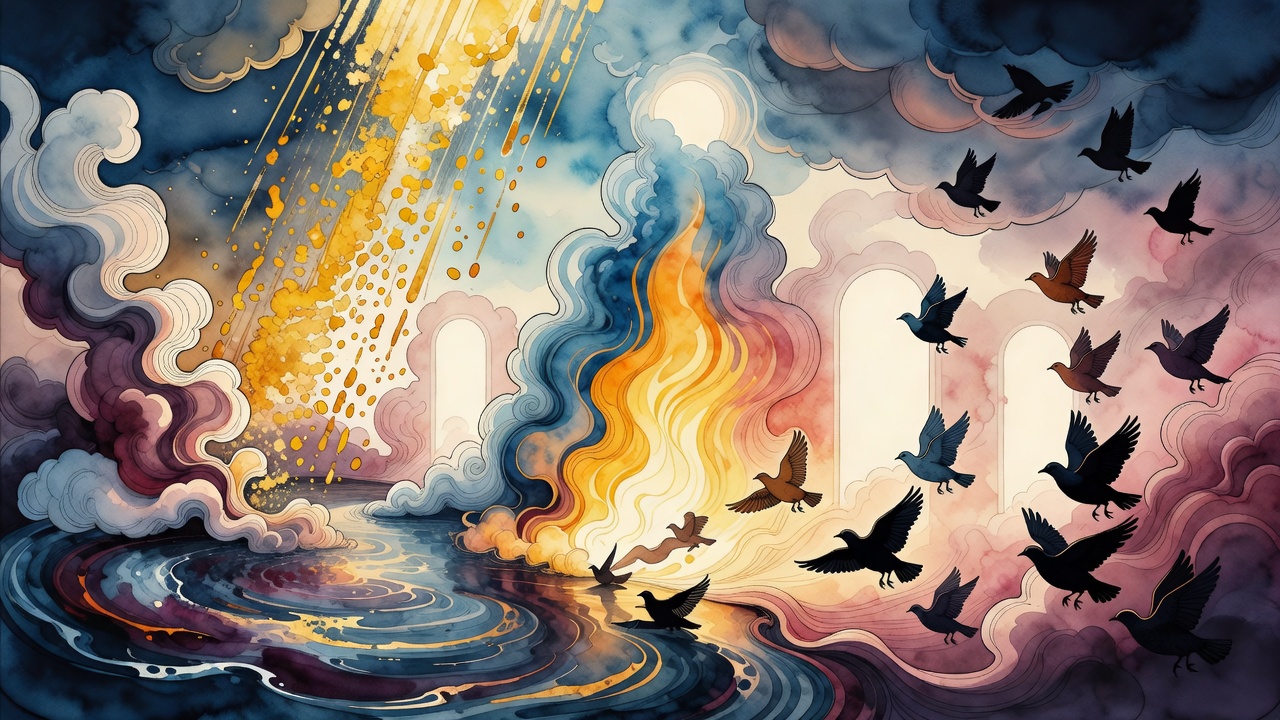
Three days without Torah turned water bitter at Marah, manna fell hot each morning, and quail arrived at night under a darkened face of heaven.
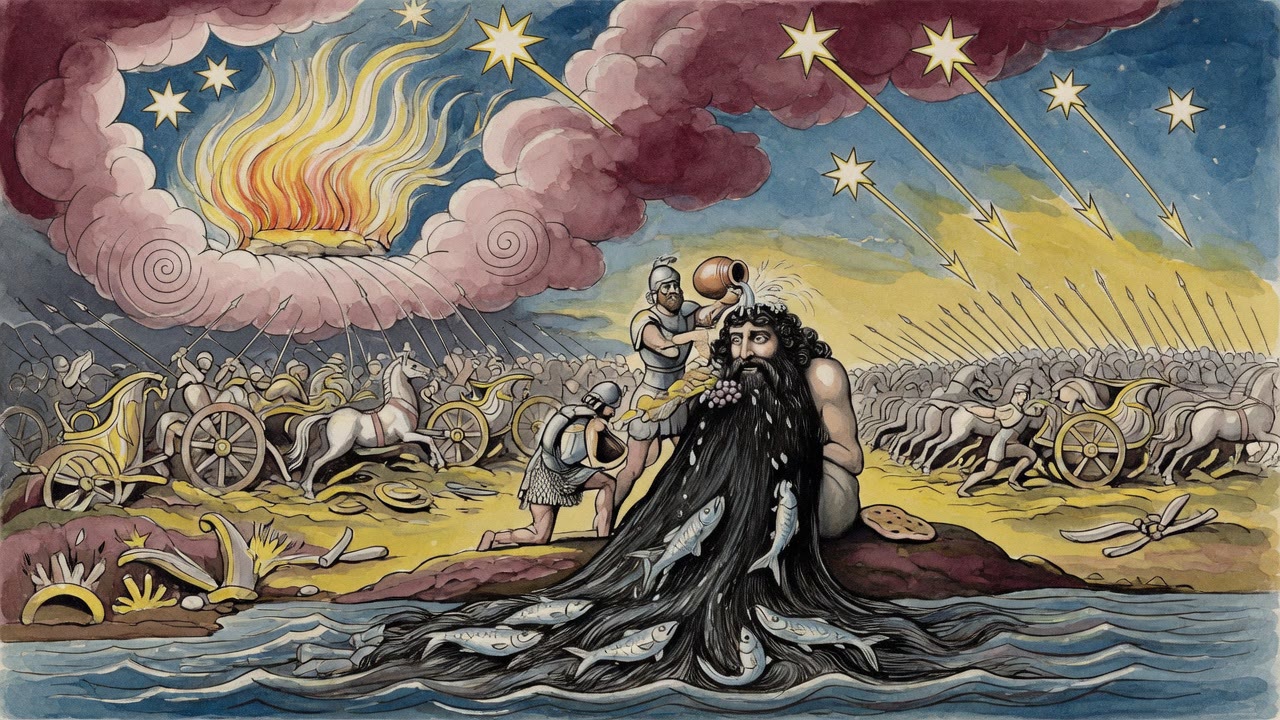
Egypt's cattle had died in the plague. Six hundred chariots still rolled, pulled by beasts that belonged to men who had feared God.
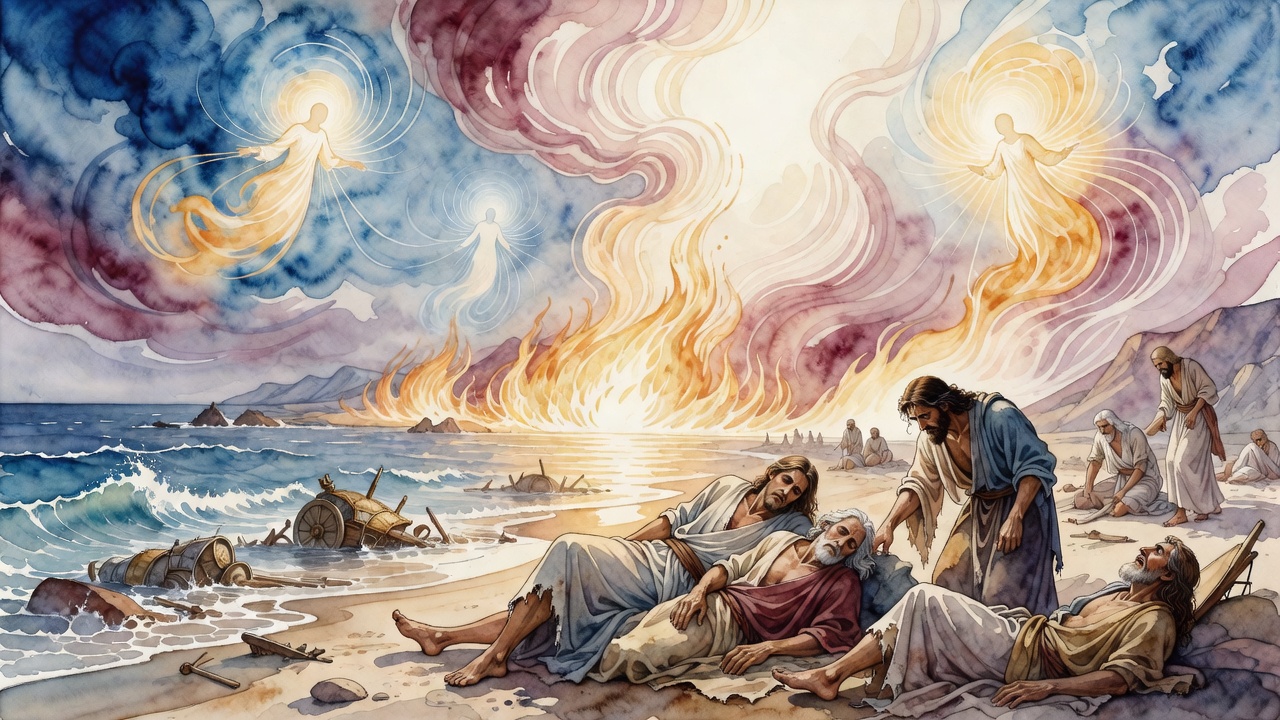
Pharaoh learned Israel would not return, the sea crushed Egypt's host, and freed slaves could not stand until angels and fragrance healed them.
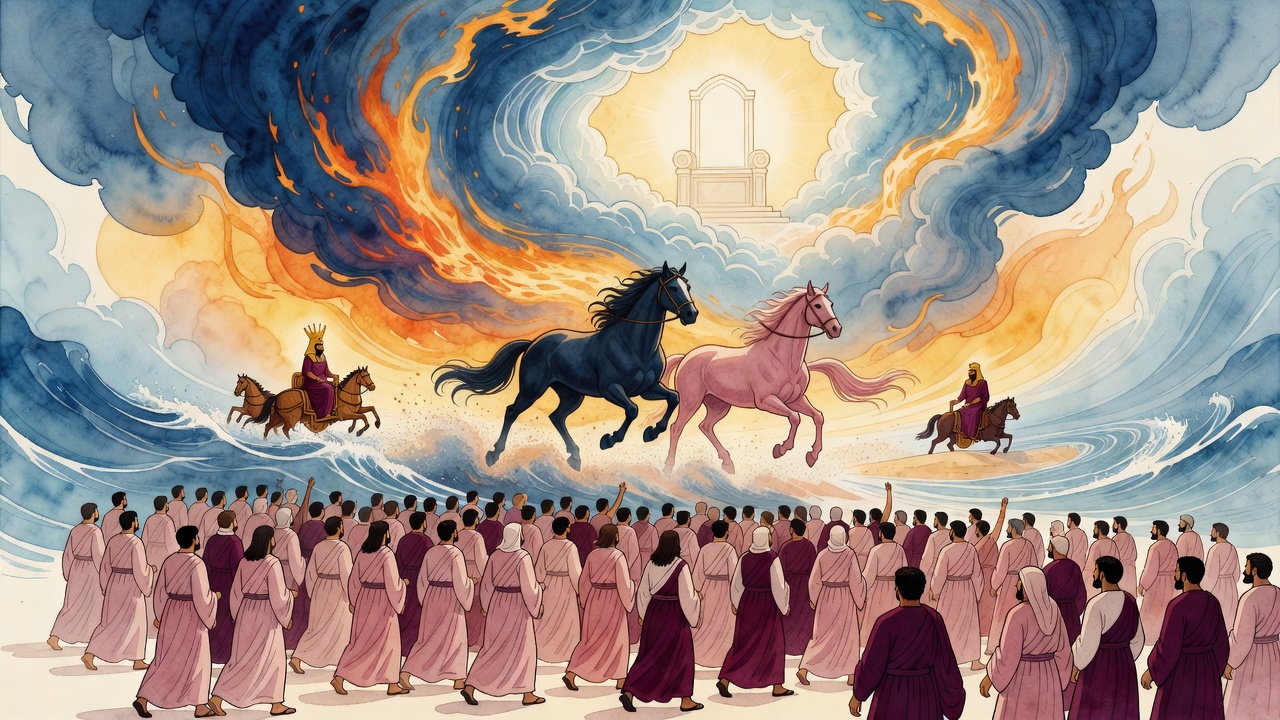
Pappus taught that God matched Pharaoh horse for horse at the sea. When Moses ordered a turn back toward Egypt, Israel obeyed without panic.
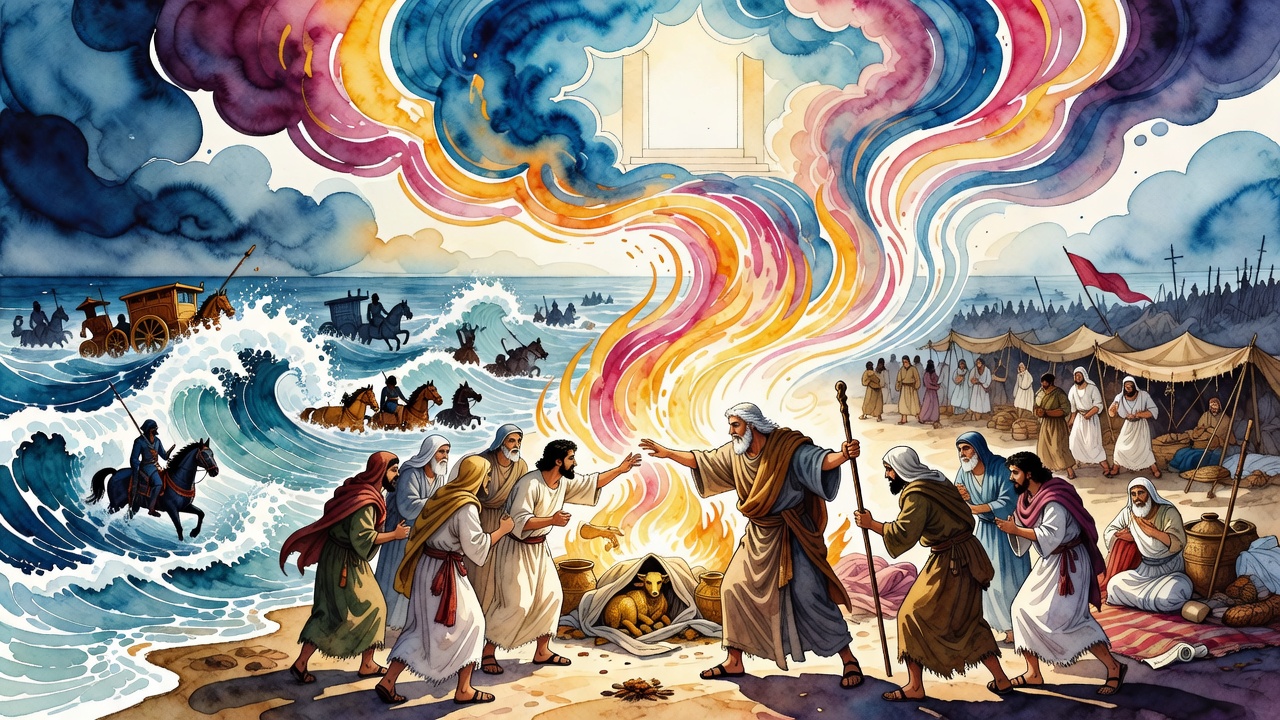
Egyptian corpses rocked in the surf. Then the camp listed five gifts and asked Moses for the road back to the bricks they knew.
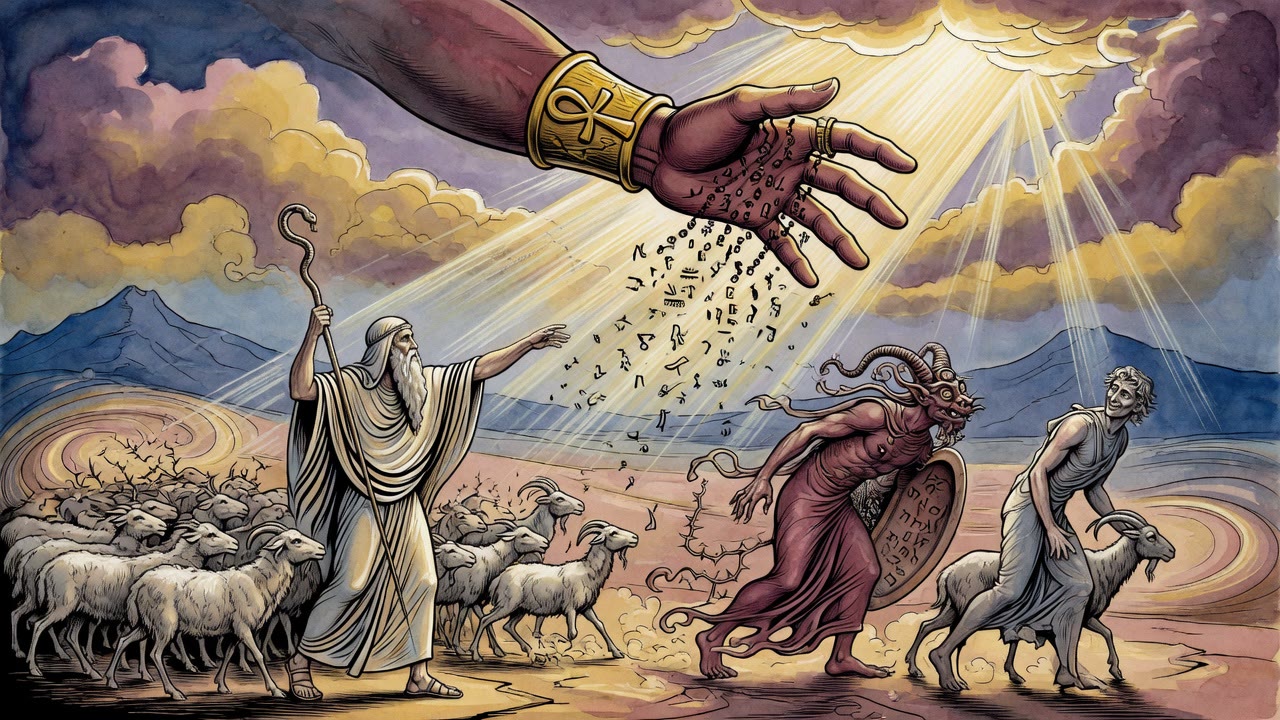
At the sea Moses kindled each phrase and Israel completed it. The Name warred without weapons, and faithfulness turned left hand into right.
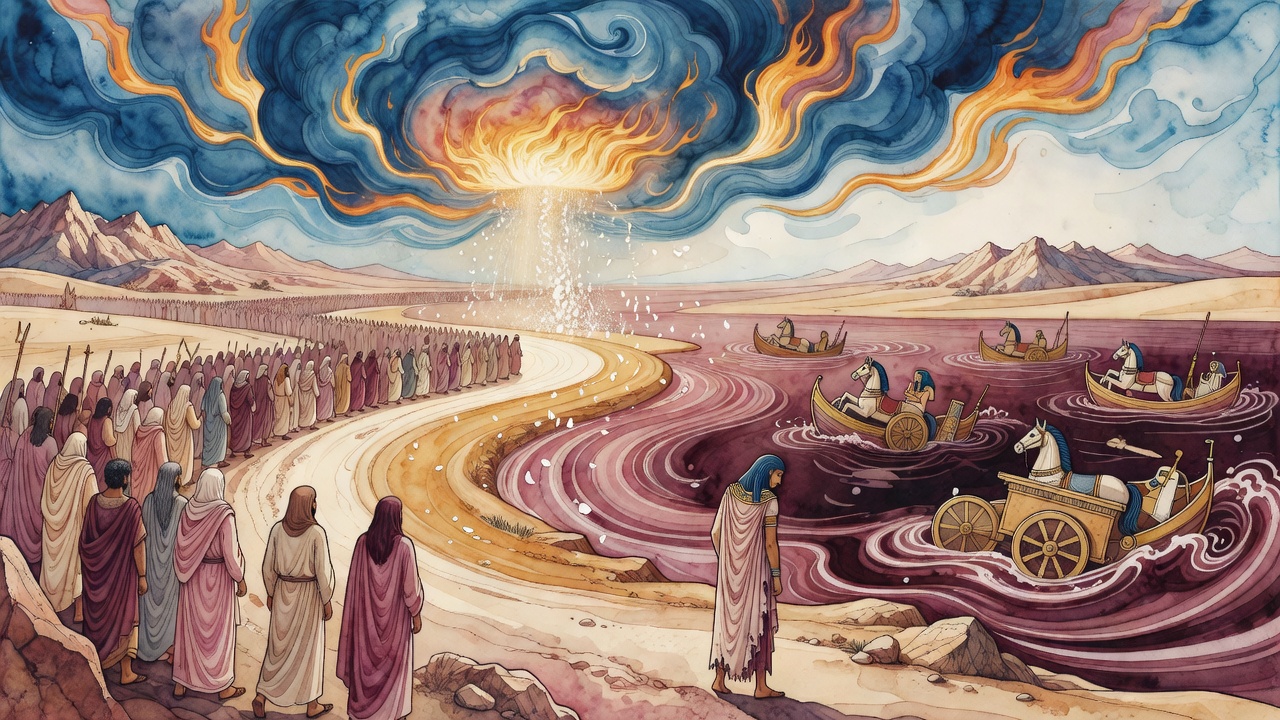
Pharaoh's horse ran at the water it had refused the day before. Down in the waves it saw the height of the world. The rider could not turn its head.
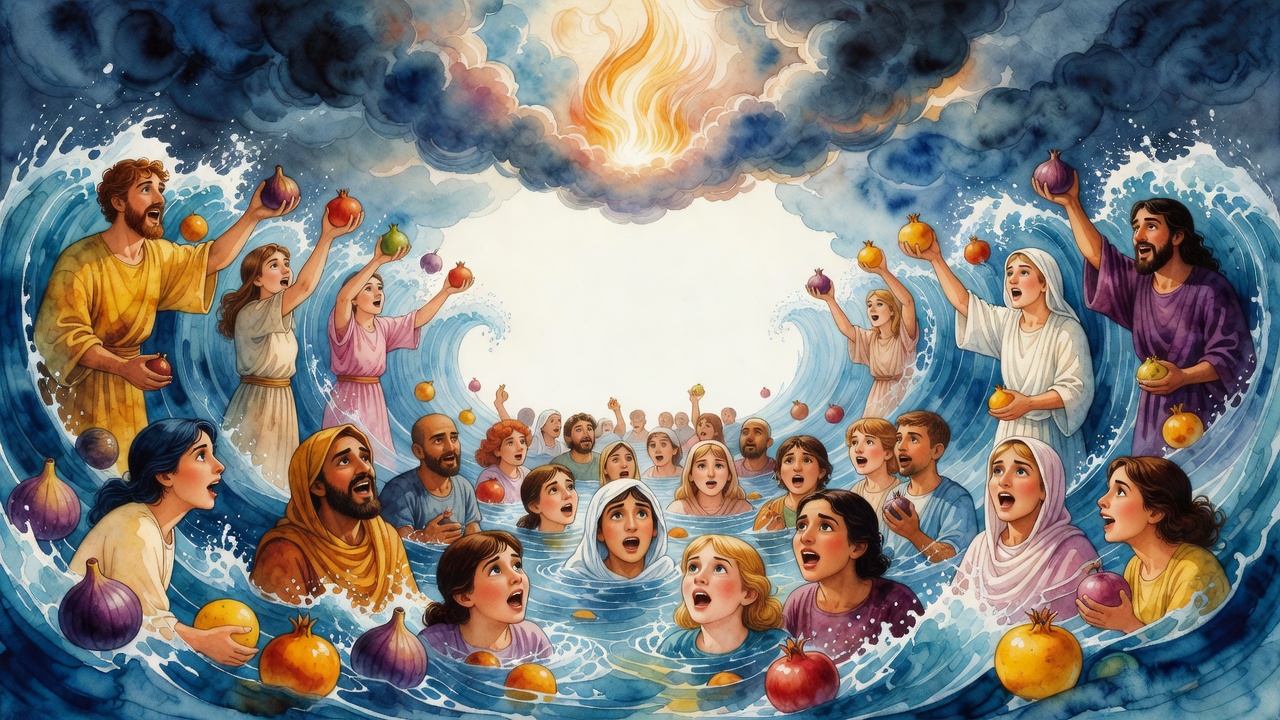
God detours Israel from the Philistine road. At the sea they enter to their noses, pluck fruit from water walls, and sing as dark yet comely.
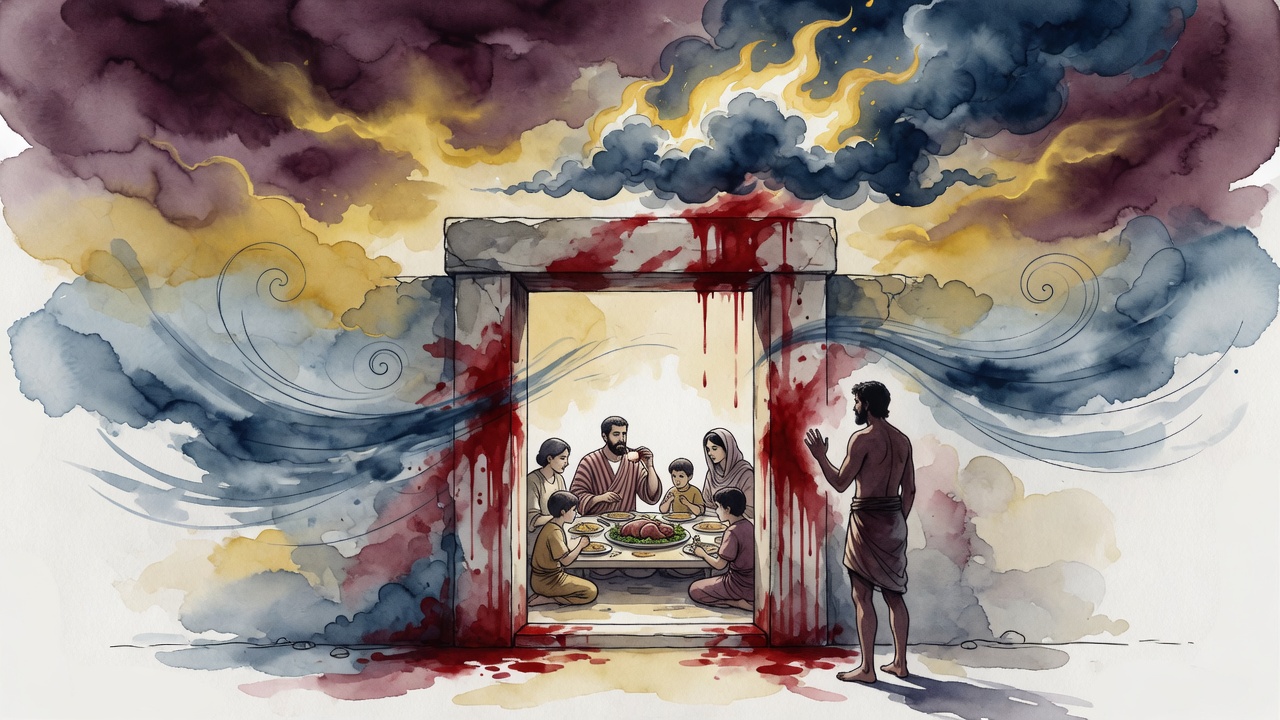
Israel stood at the water with the eighth-day mark in their flesh. Moses sang one word, and the sea tore along that cut.
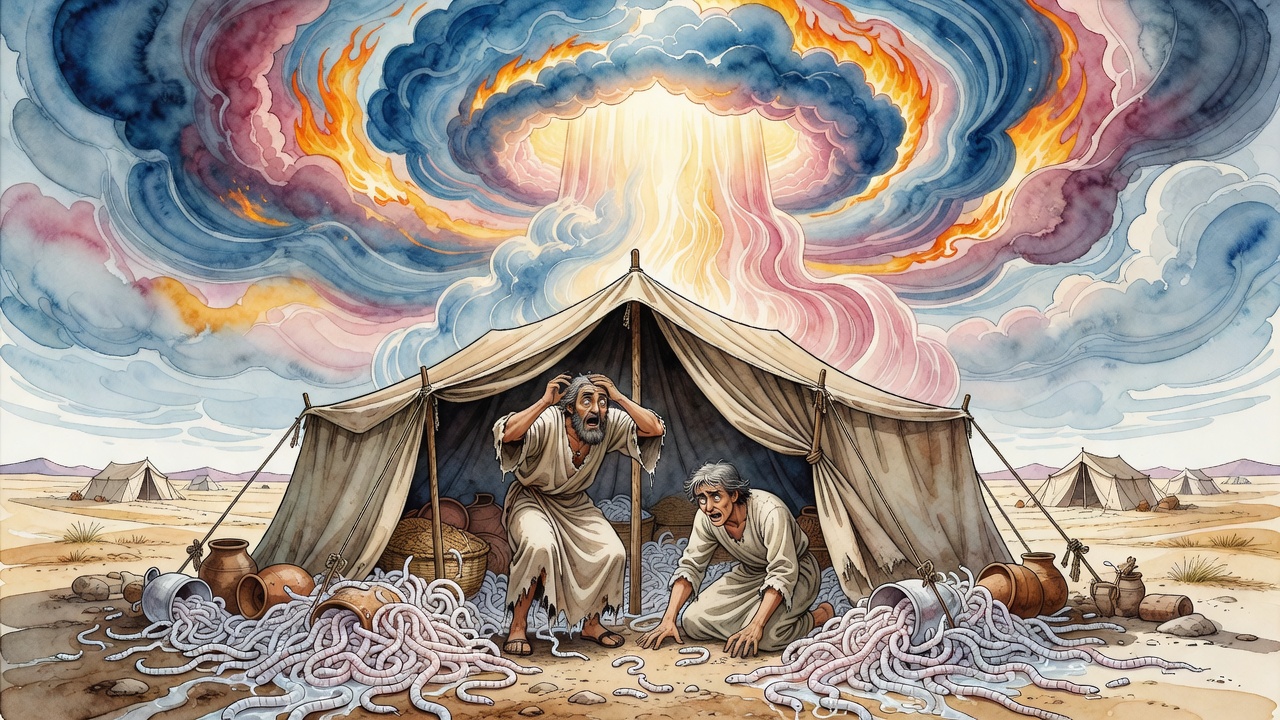
A child tasted milk in the flake. Two brothers hid tomorrow's bread, and worms marched out of their tents at dawn.
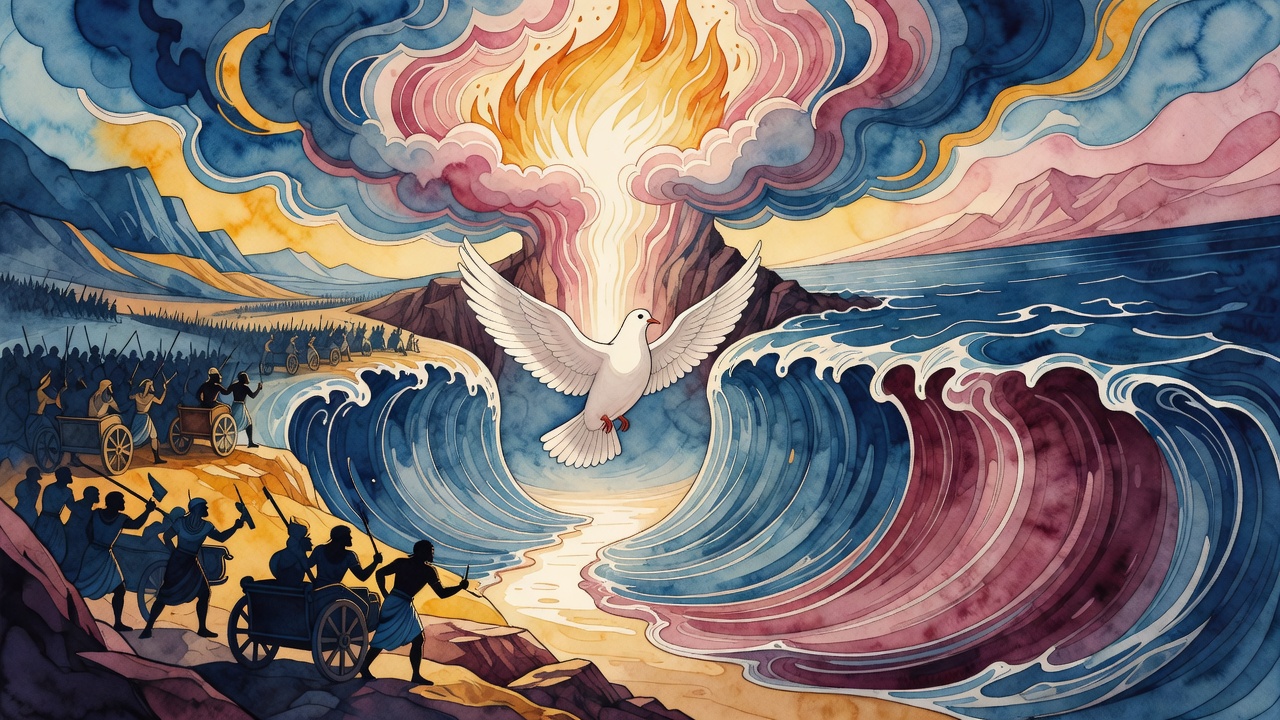
The army filled the rear. The sea filled the front. Israel stood in the wet sand, looking for a crack that was not death.
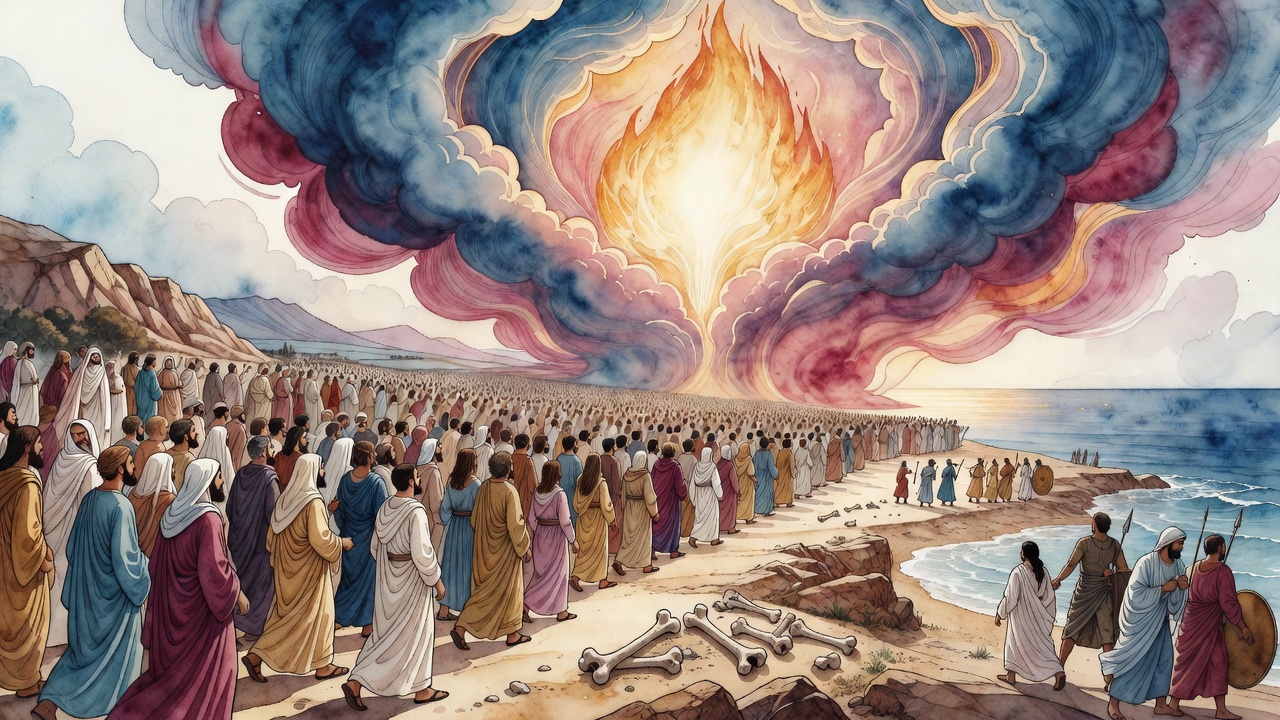
The coastal road was shorter. Along it lay Philistine war and Ephraimite bones. God took the people the long way so they would not turn back.
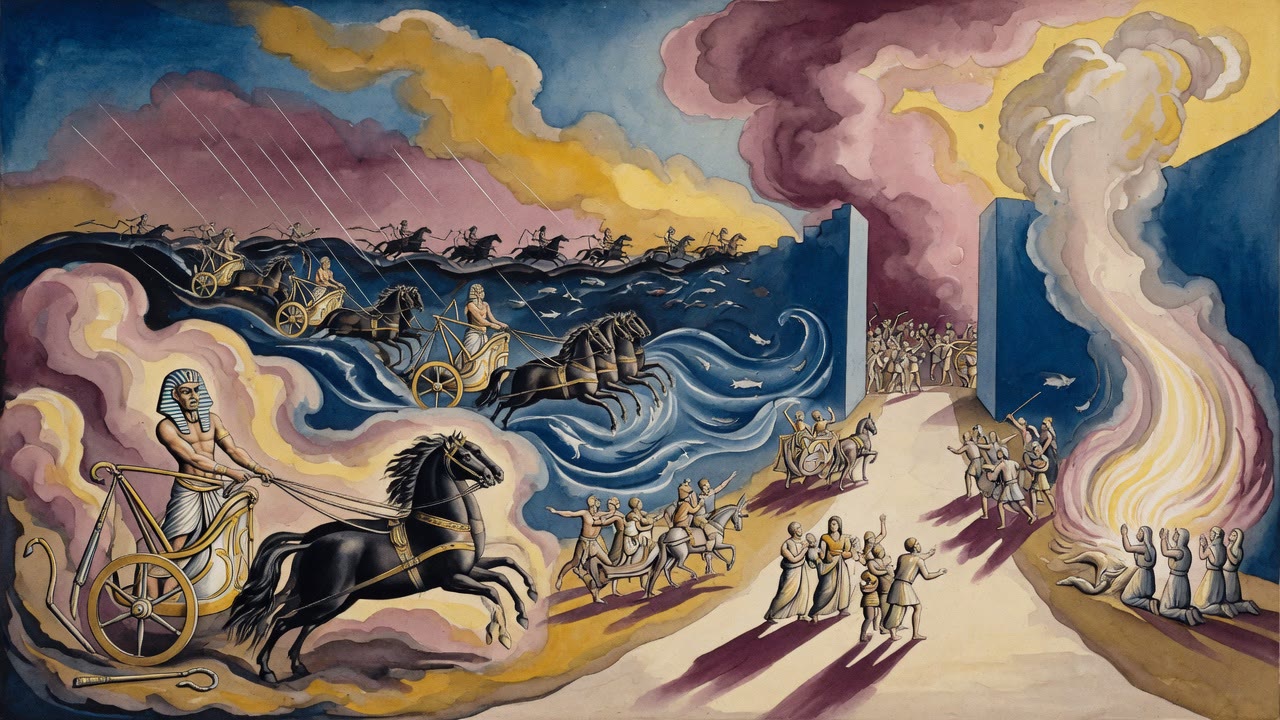
At the sea, fire burns chariot wheels while heavy labor returns on Egypt; clouds of glory still shelter the people who walk free.
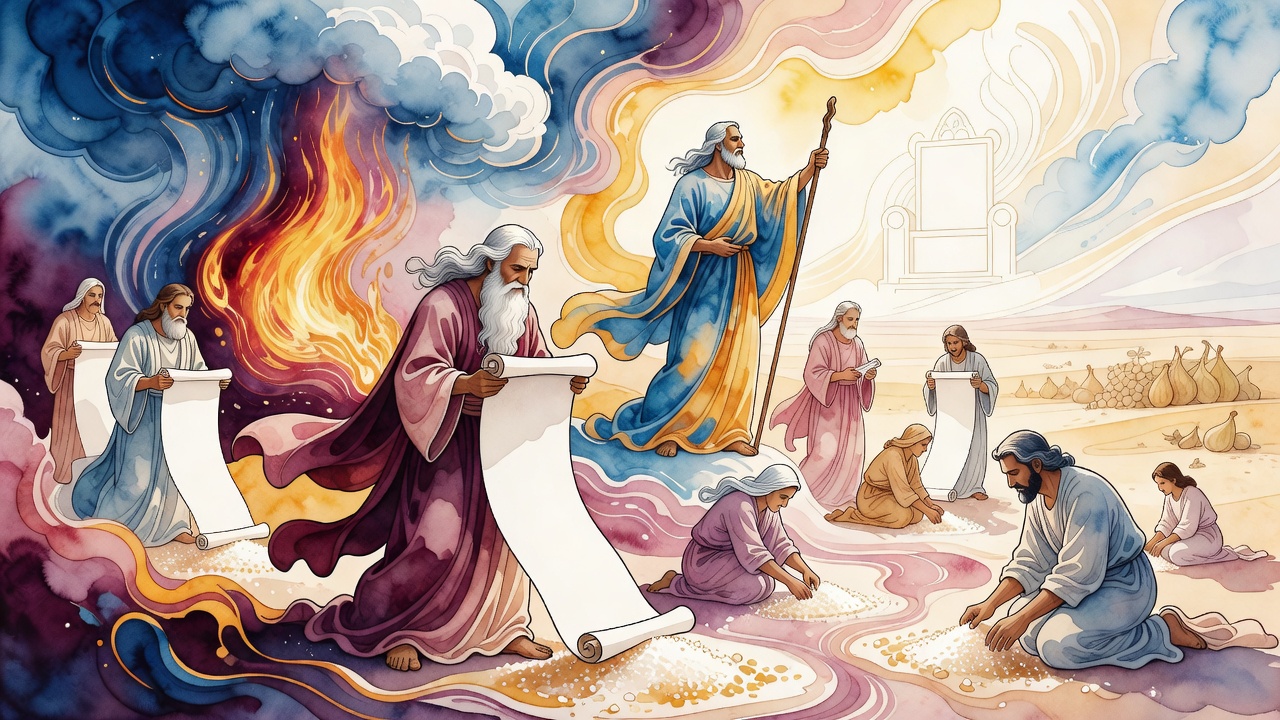
R. Yossi counts forty years of manna under Moses and fourteen more after his death, until Canaan's produce fully replaced heaven's bread.
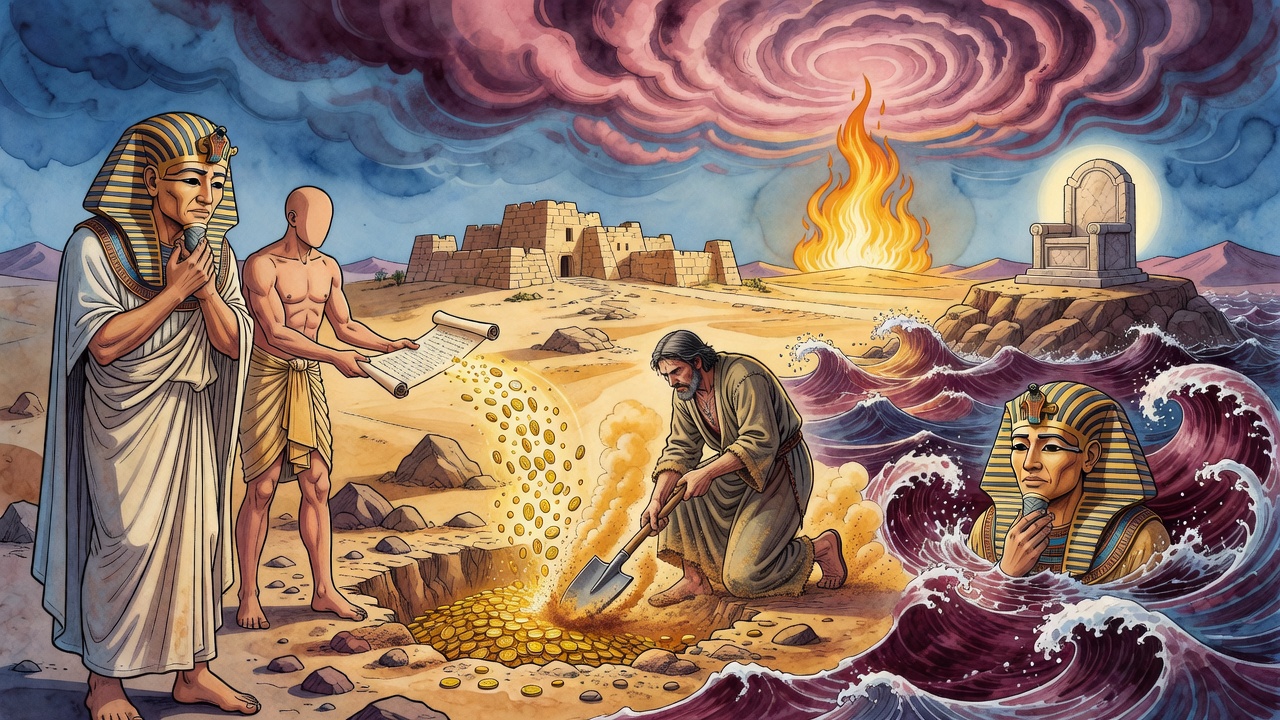
He sold a country-seat he had never walked. The buyer dug and pulled gold and pearls from the dirt. On the shore Egypt began to choke.
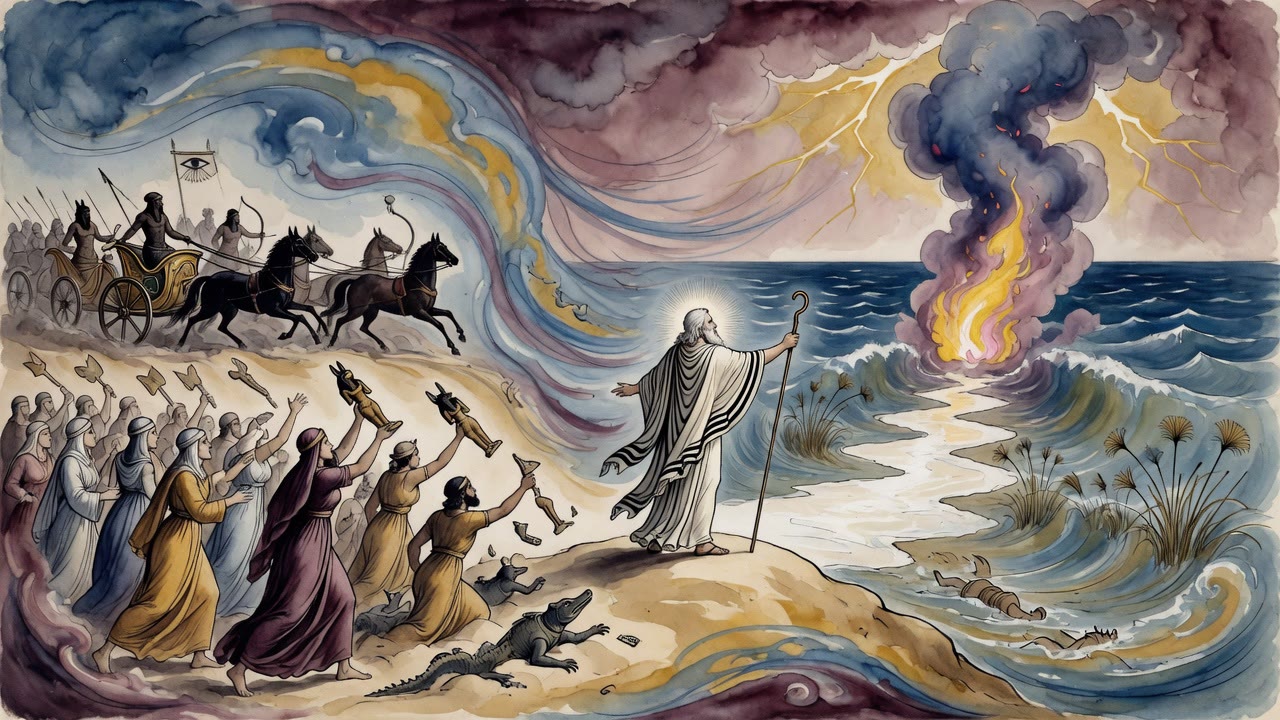
Pinned between Pharaoh's chariots and the Reed Sea, Israel flings Egyptian idols into the sand, then Moses is told only to go forward.
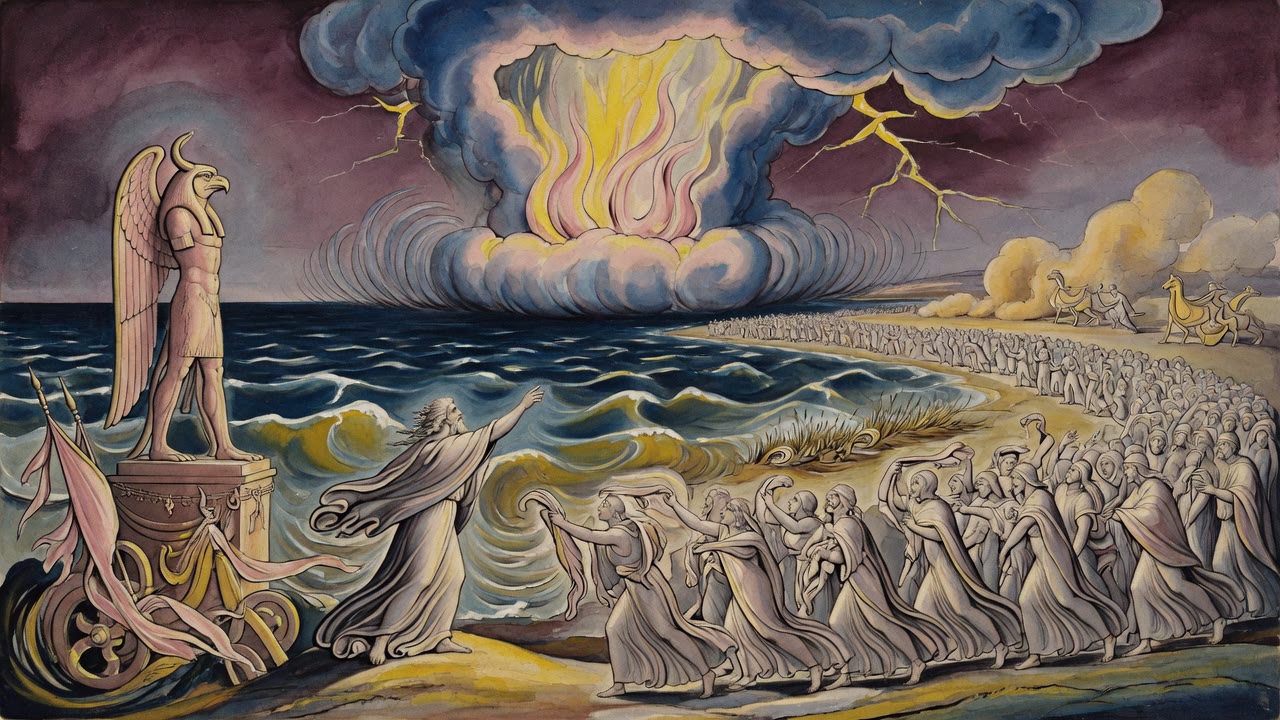
Moses turns the camp toward Pi-Hahiroth. The sea ahead, Egypt behind, Baal-Zephon left standing on purpose. Some tear their clothes.
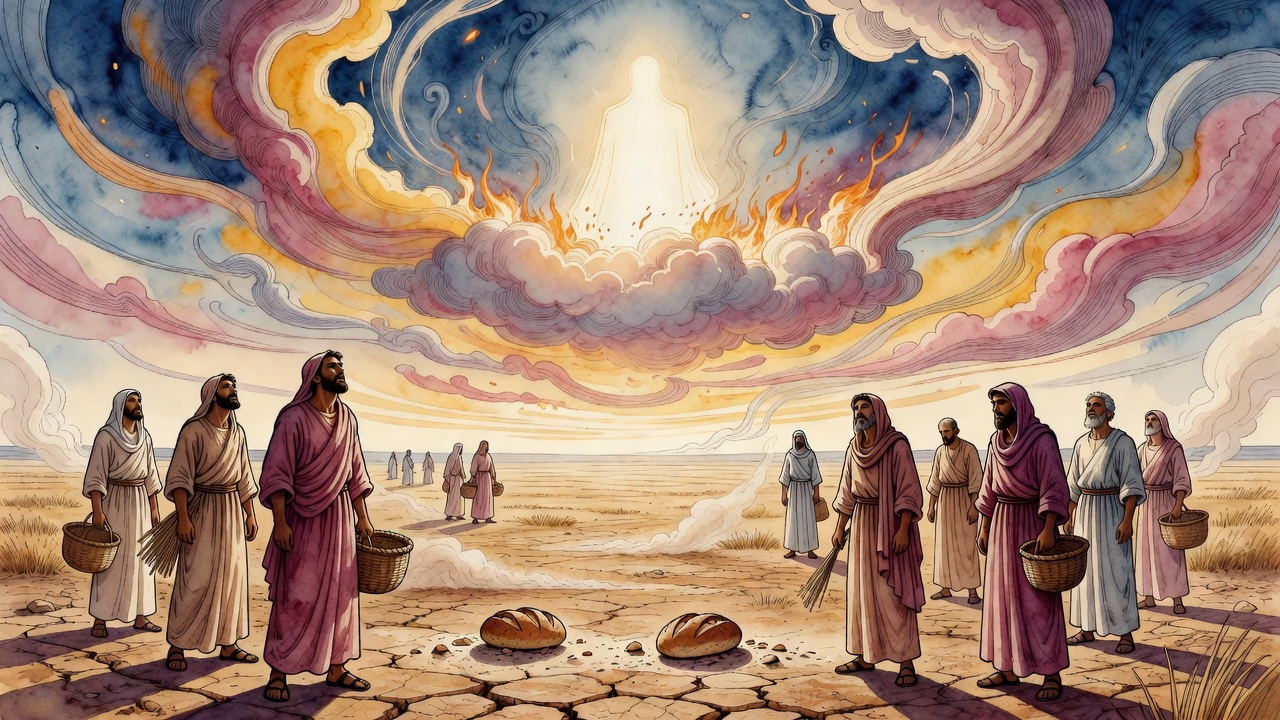
The sixth morning filled every jar twice. A few men still walked out on the seventh with baskets. The field had nothing left to give.
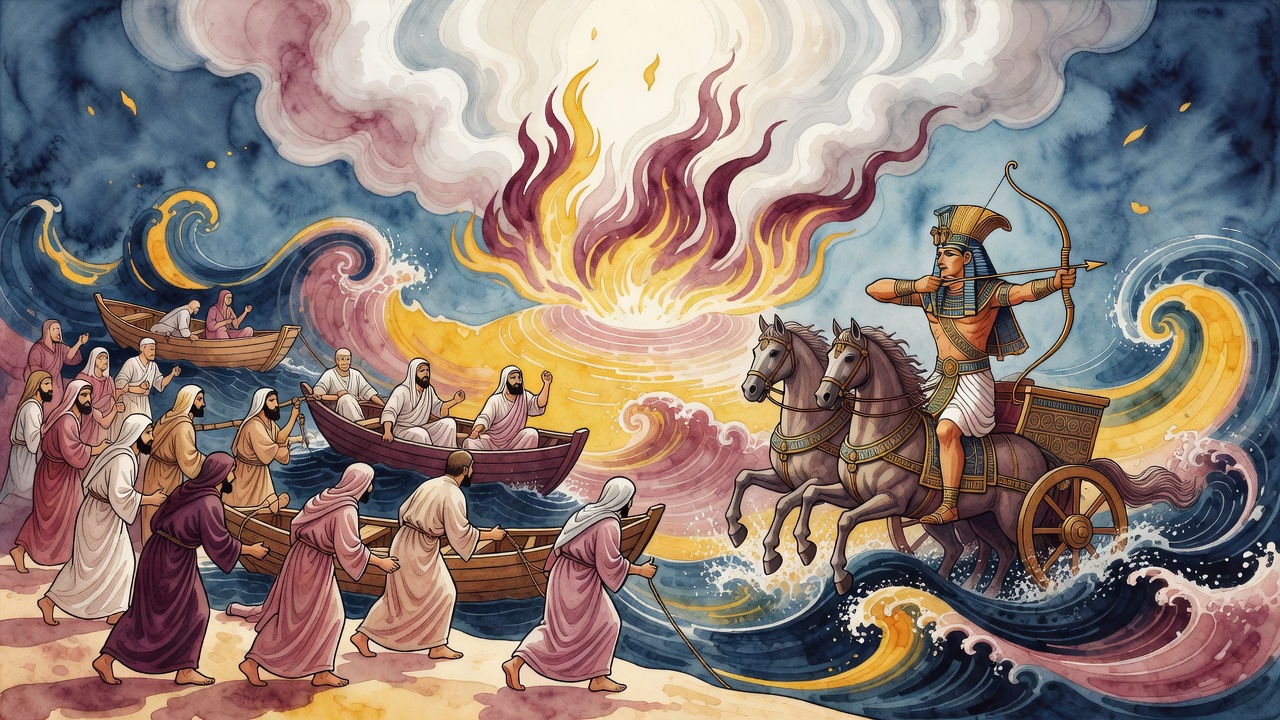
Israel took three days to reach the shore. Pharaoh burned that same road into one day of rage. At the sea the water was already waiting.
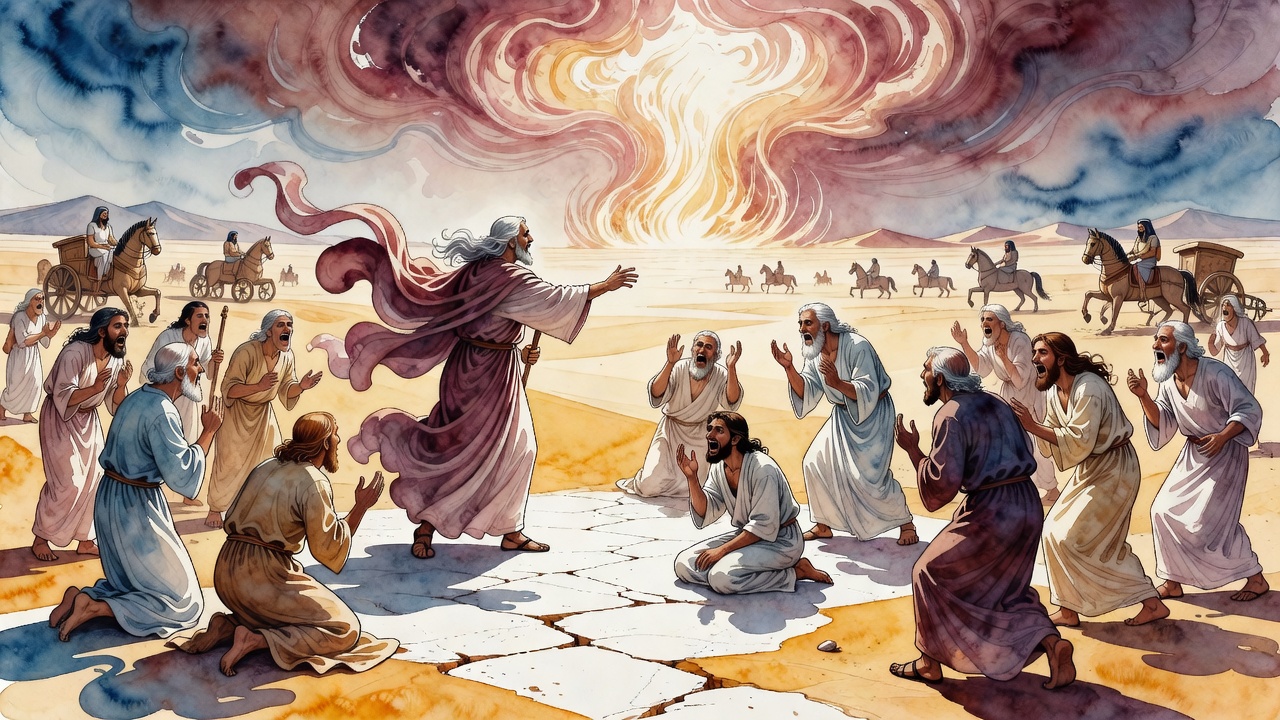
Chariots at their backs, the people turn on Moses. Death in the open desert, they cry, is worse than bondage with a proper burial.
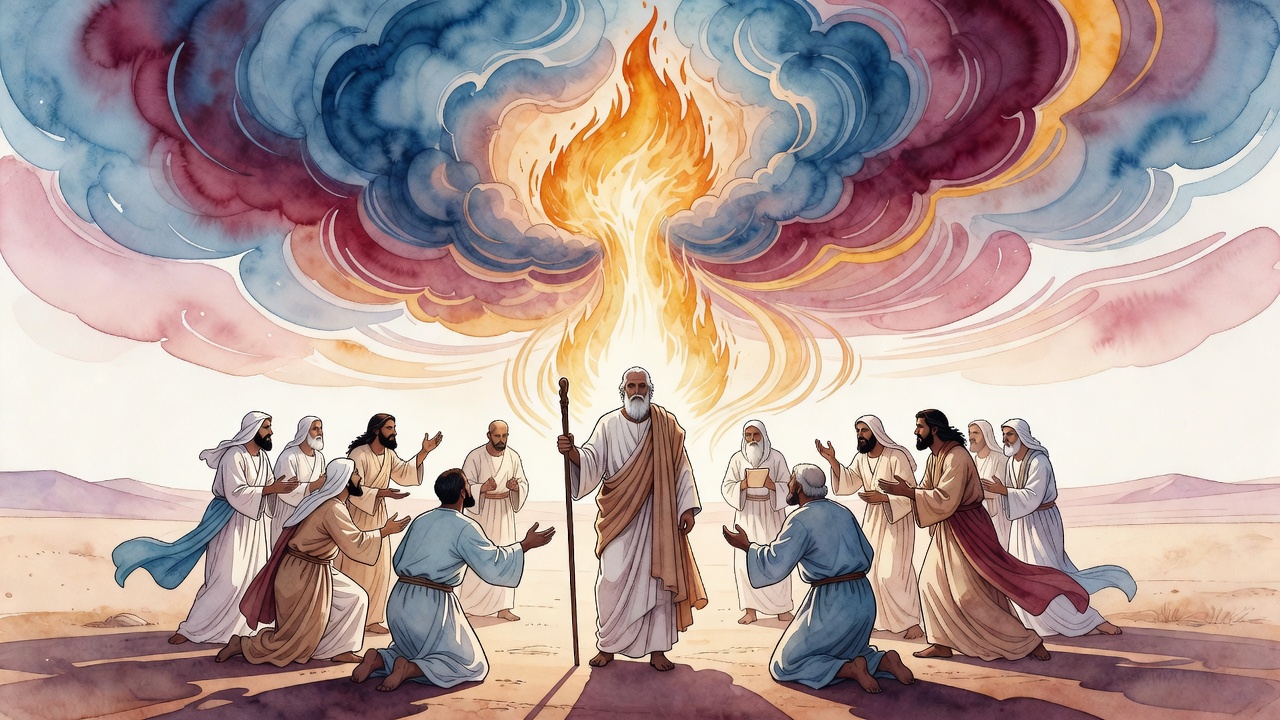
Just the morning, they asked. Then just the evening. Moses kept them in the tents, and the seventh-day field stayed empty on purpose.
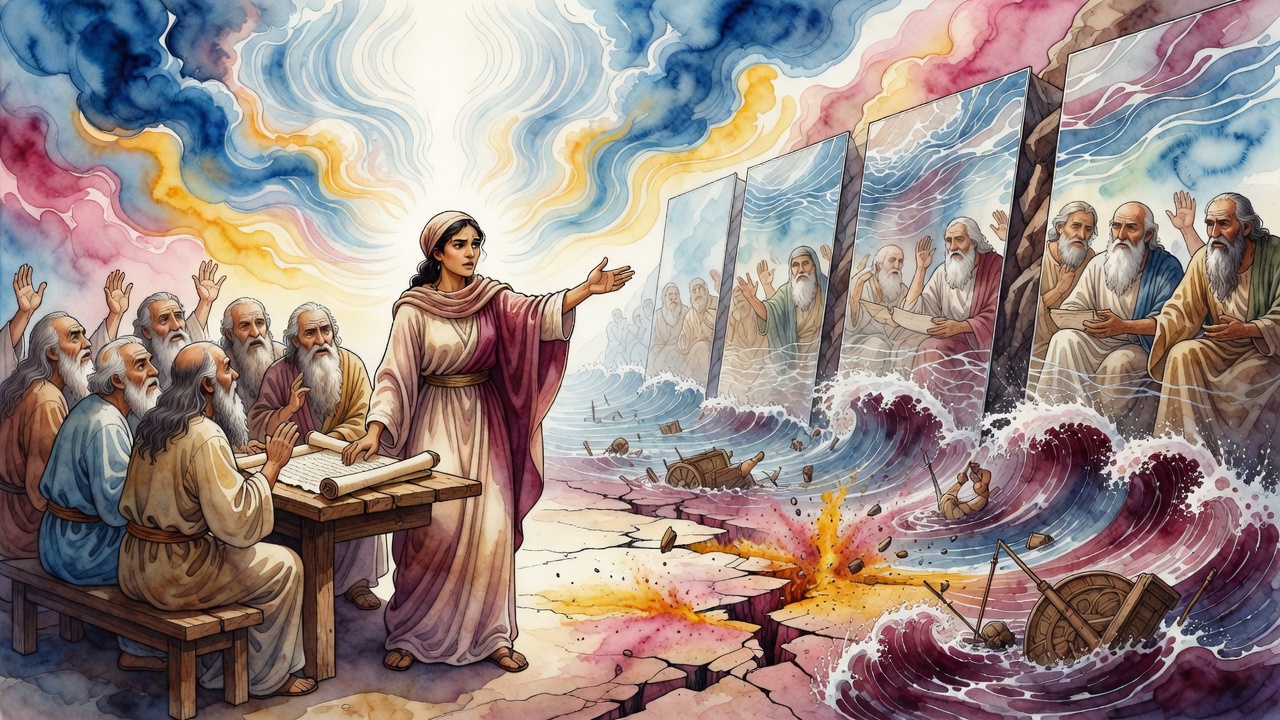
In the study hall Serah bat Asher corrects the sages. The sea walls were mirrors of all Israel. Earth and sea then fight over Egypts drowned host.
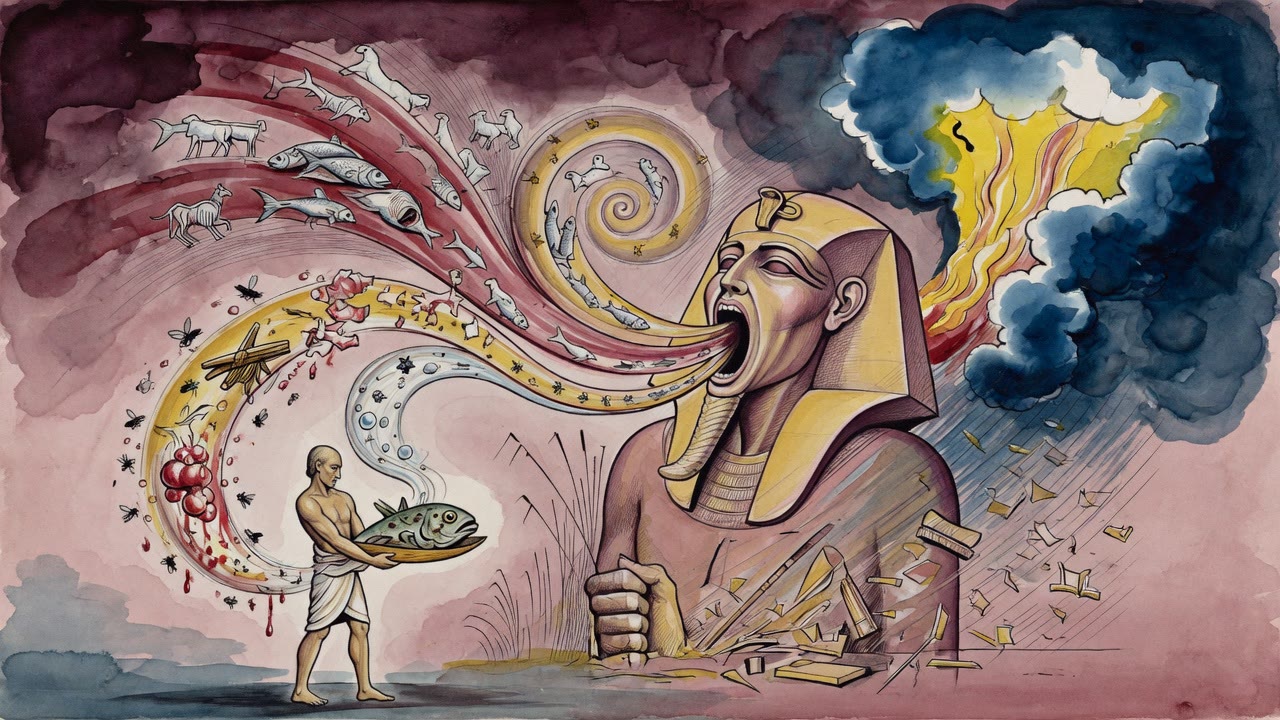
A servant picks the lightest penalty for a rotten fish and still pays all three. Pharaoh bargained the same way through every plague in Egypt.
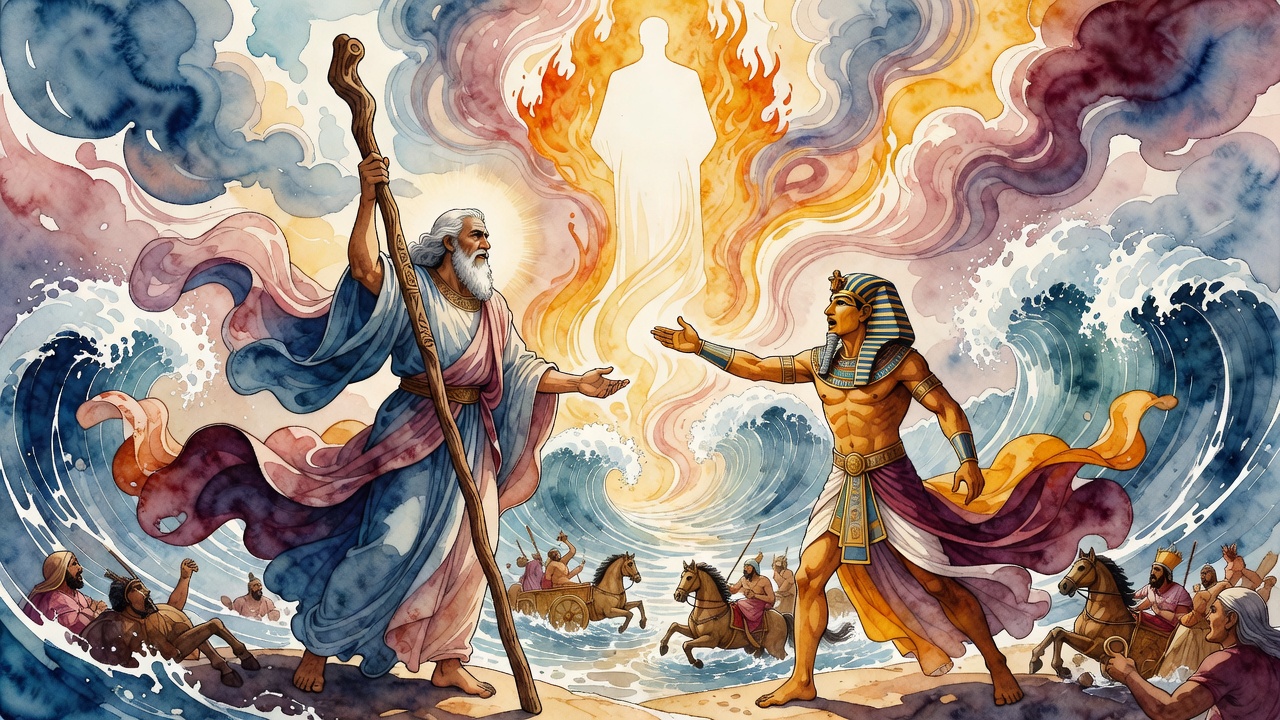
Sand in front. Chariots behind. They told Moses they had already chosen Egypt over a death in the open desert.
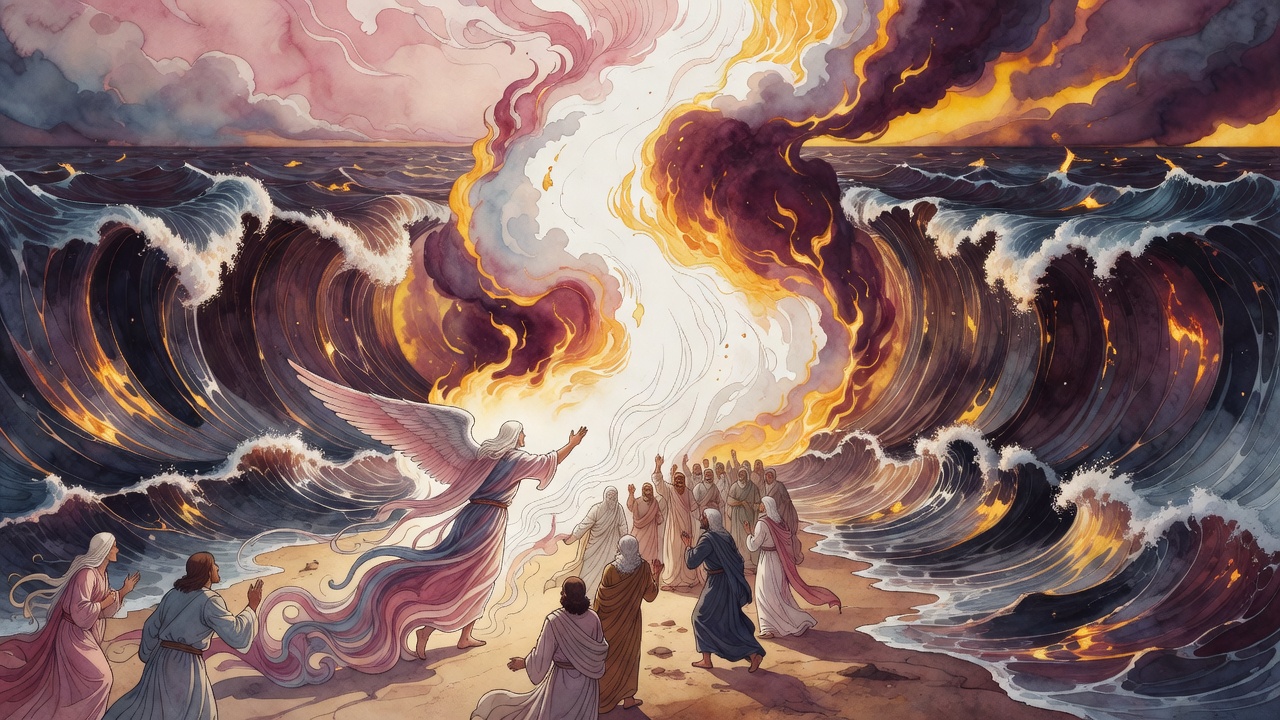
Darts hit a cloud and dropped into the sand. The Angel of the Lord had left the front of the camp and taken Israel's back.
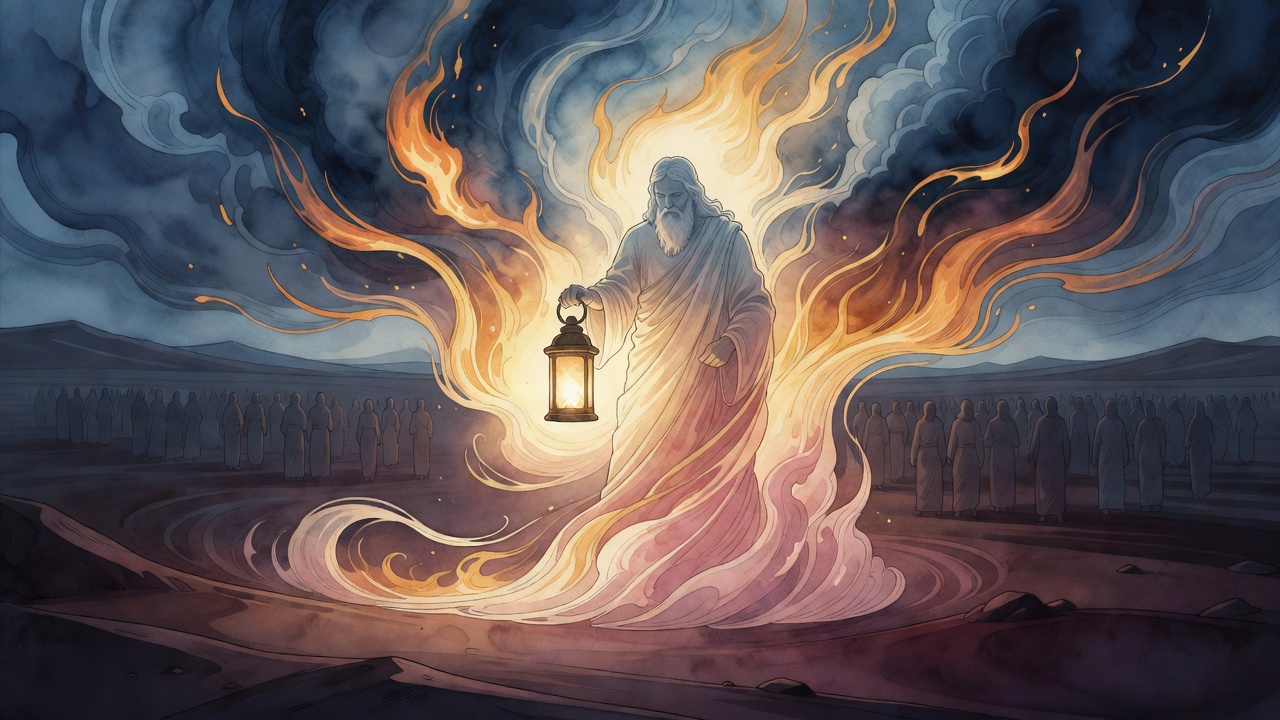
The desert had no road after the sea. At the front of the camp a lamp moved, close enough that a child could name who held it.
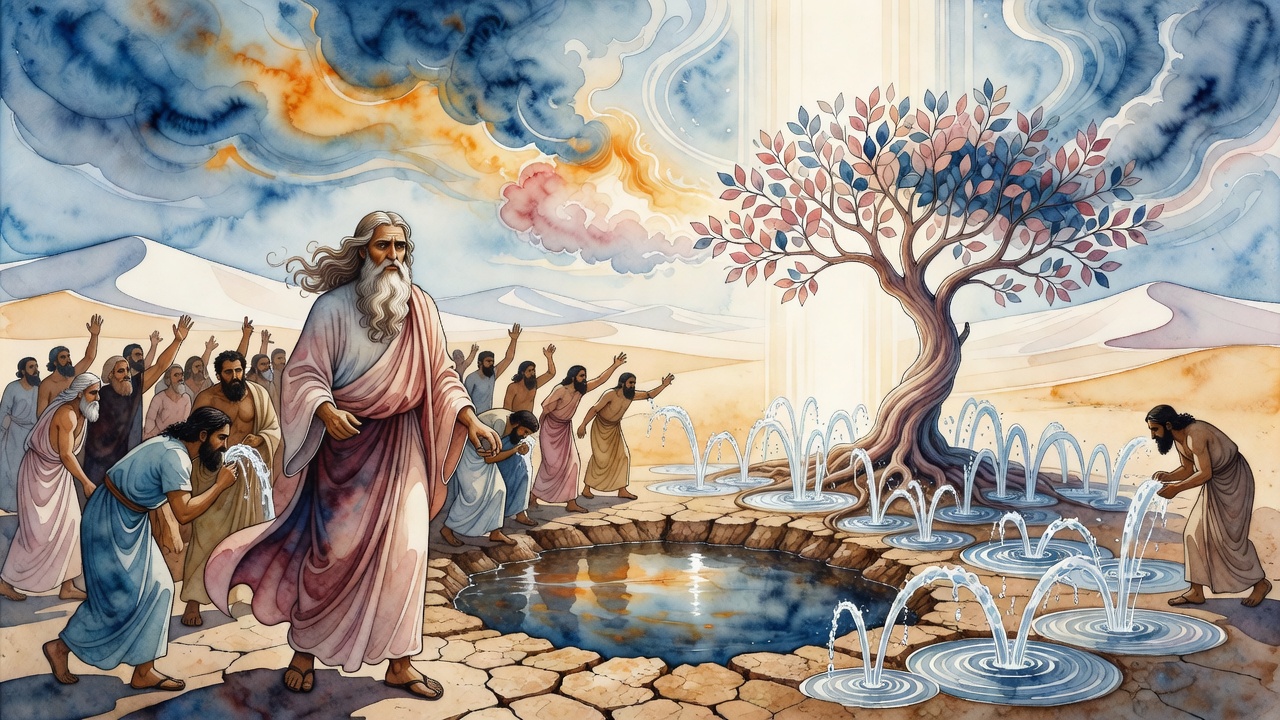
Three dry days ended at a bitter pool and a mob against Moses, then a sweetened tree and twelve springs made for tribes not yet born.
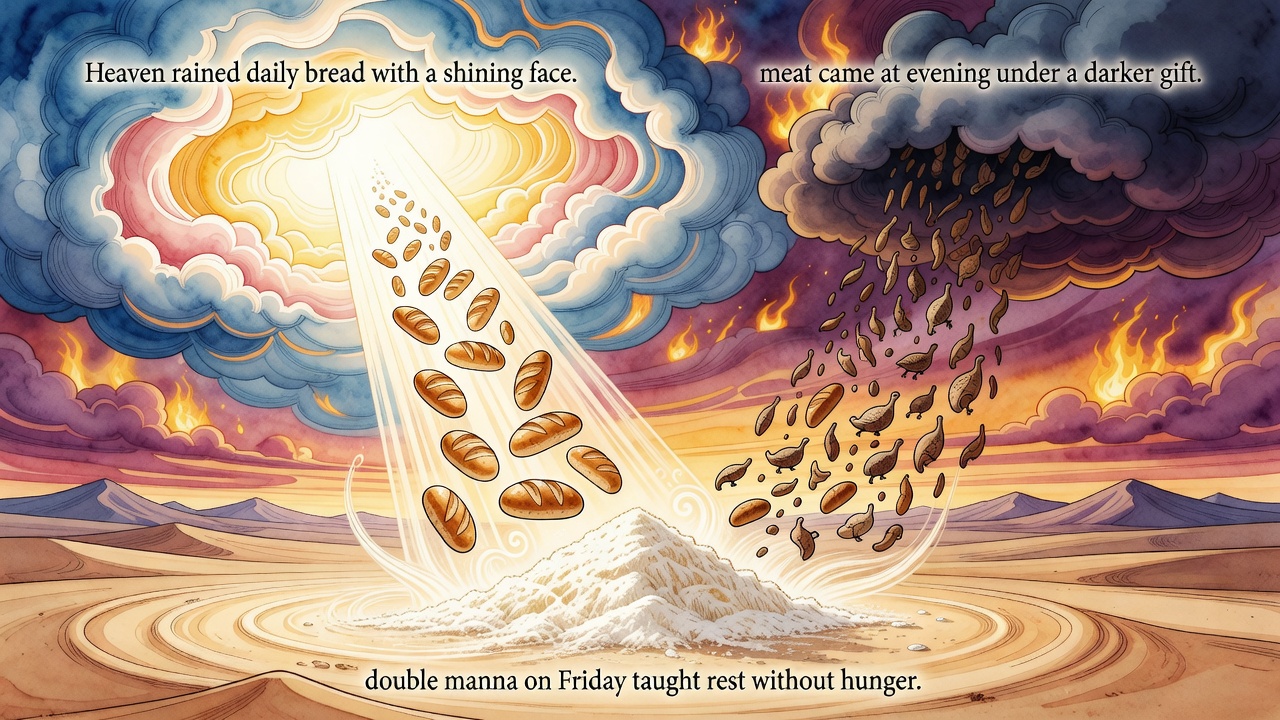
Dew covered the camp at dawn. When it lifted, a fine white flake lay underneath that nobody had a name for. Some kept it overnight, and worms got in.
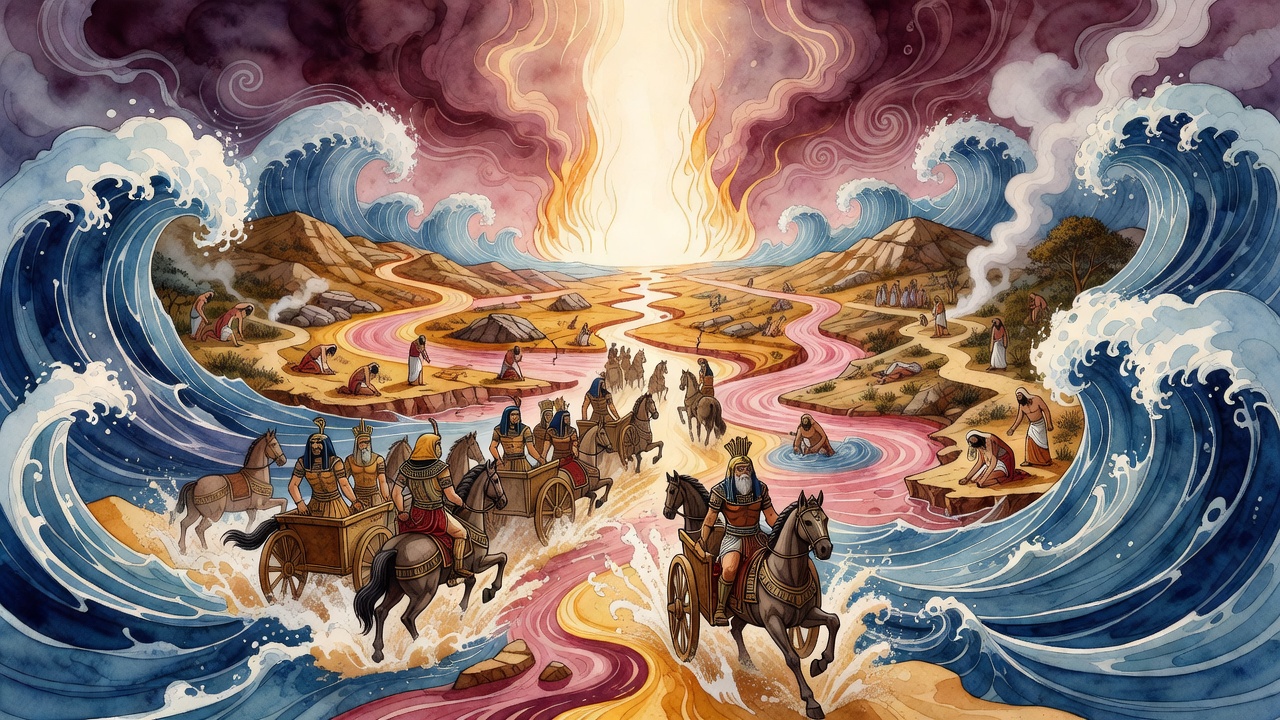
The drivers who once whipped Hebrew backs raced their horses down the dry seabed as if it were a road. Then the water came back and broke the chariots.
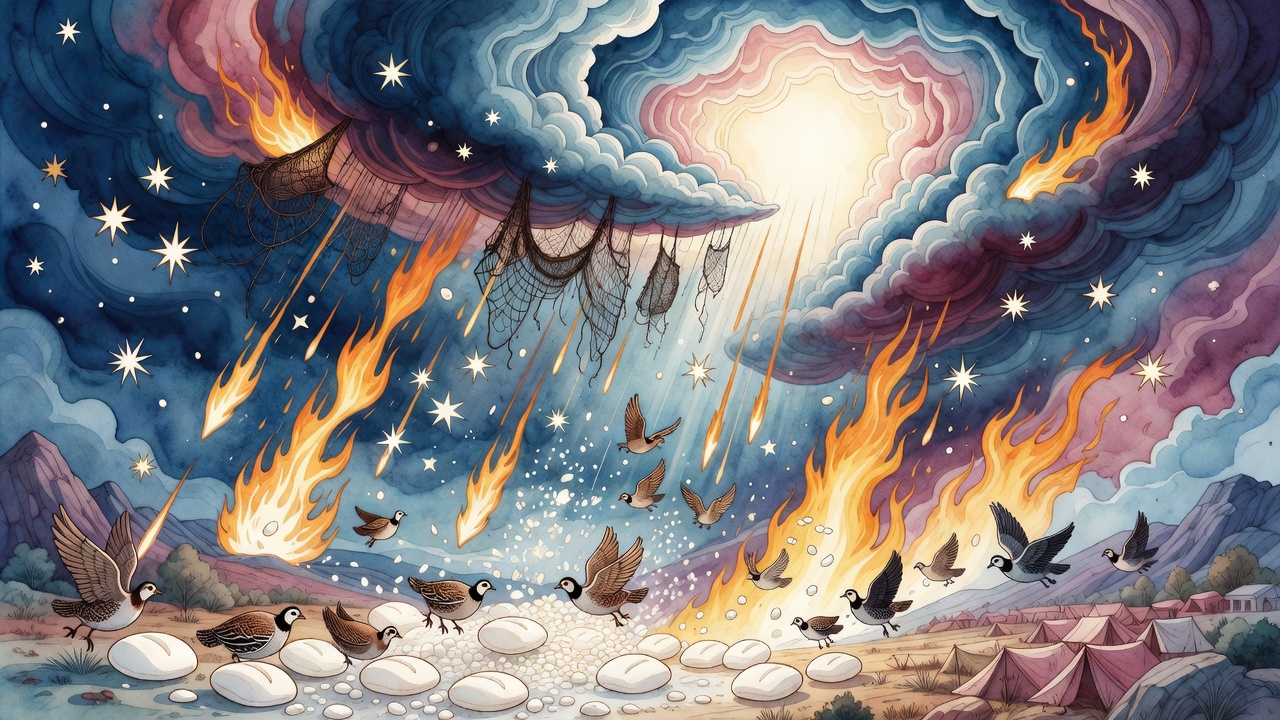
From one heaven God rained snares, fire, and stars of war, then soft manna for Israel, while quail fell with a darkened face beside the white bread of the camp.
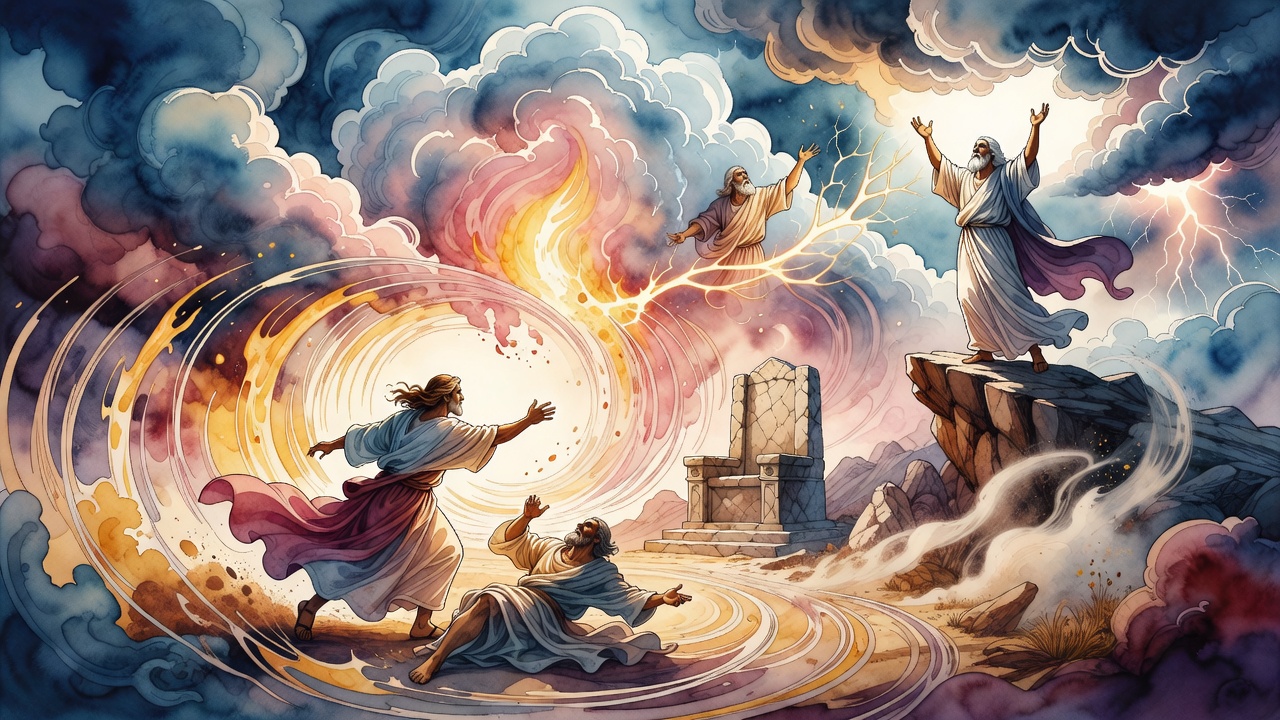
At Rephidim Joshua weakened Amalek while Moses hands held the sky. Rabbi Eliezer later split one verb into king, family, and armies in full.
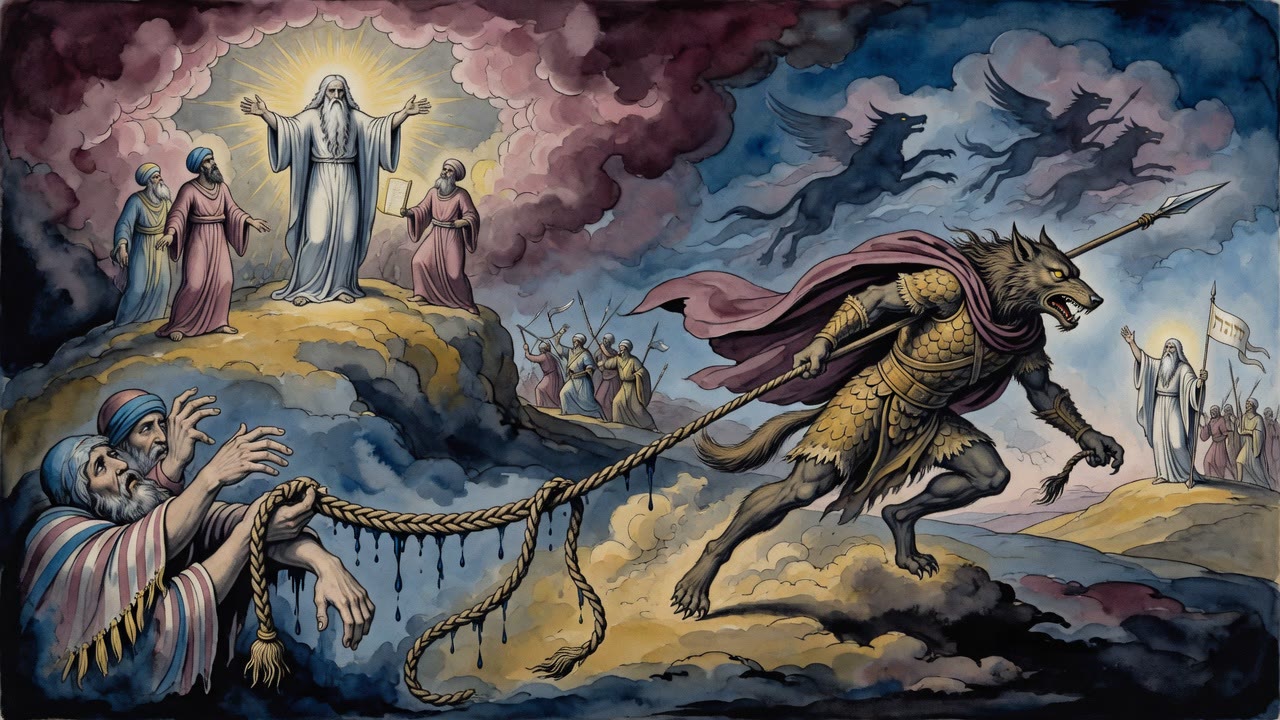
Scrolls lay closed in the tents at Rephidim. Then Amalek came in from the rear, and Moses had to have his arms held up until sundown.
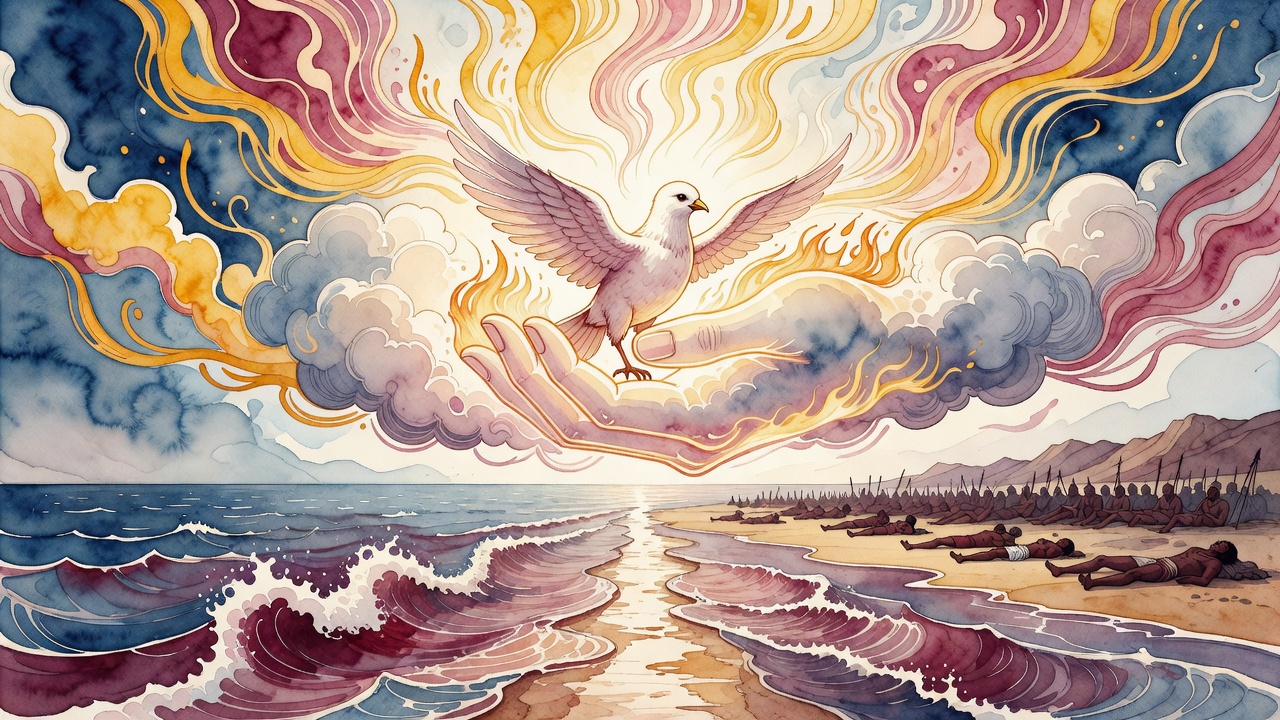
God cradles Israel like a bird in an open palm at the sea, then the song crowns Him king while Egypt lies dead on the shore.
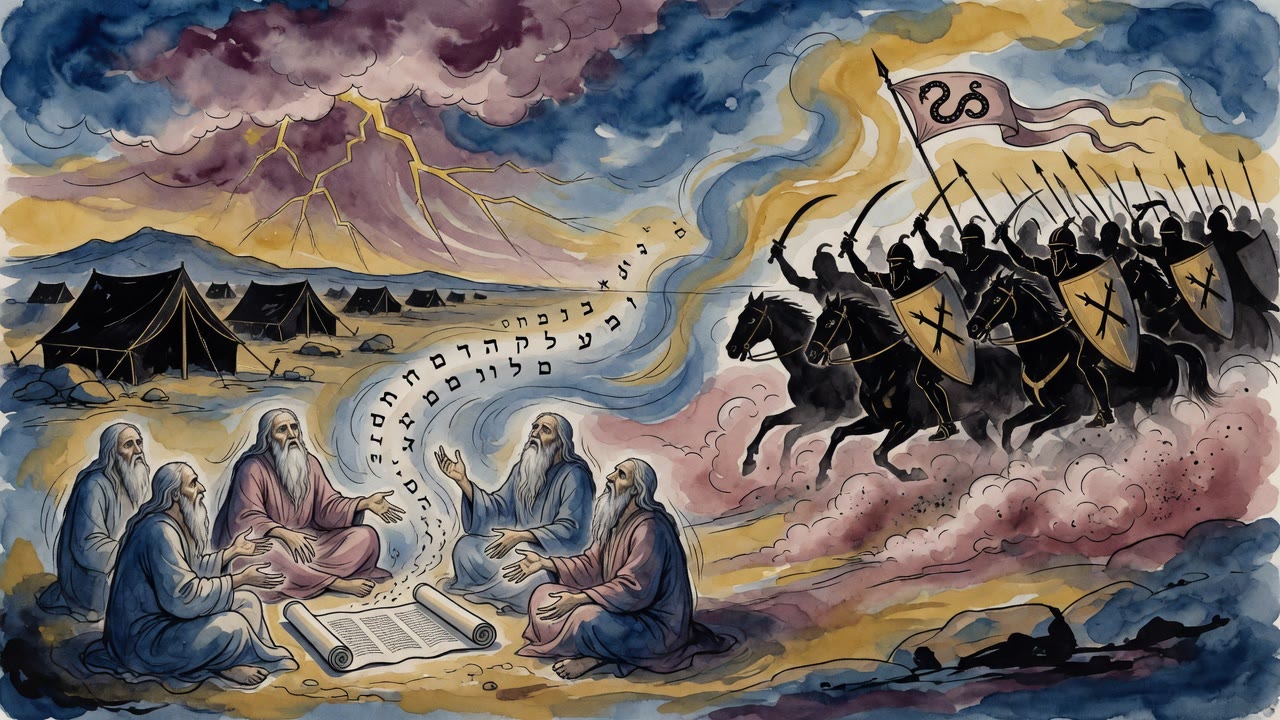
There was no water at Refidim, and the people quarreled until Moses told God they were close to stoning him. Then Amalek came at them out of the hills.
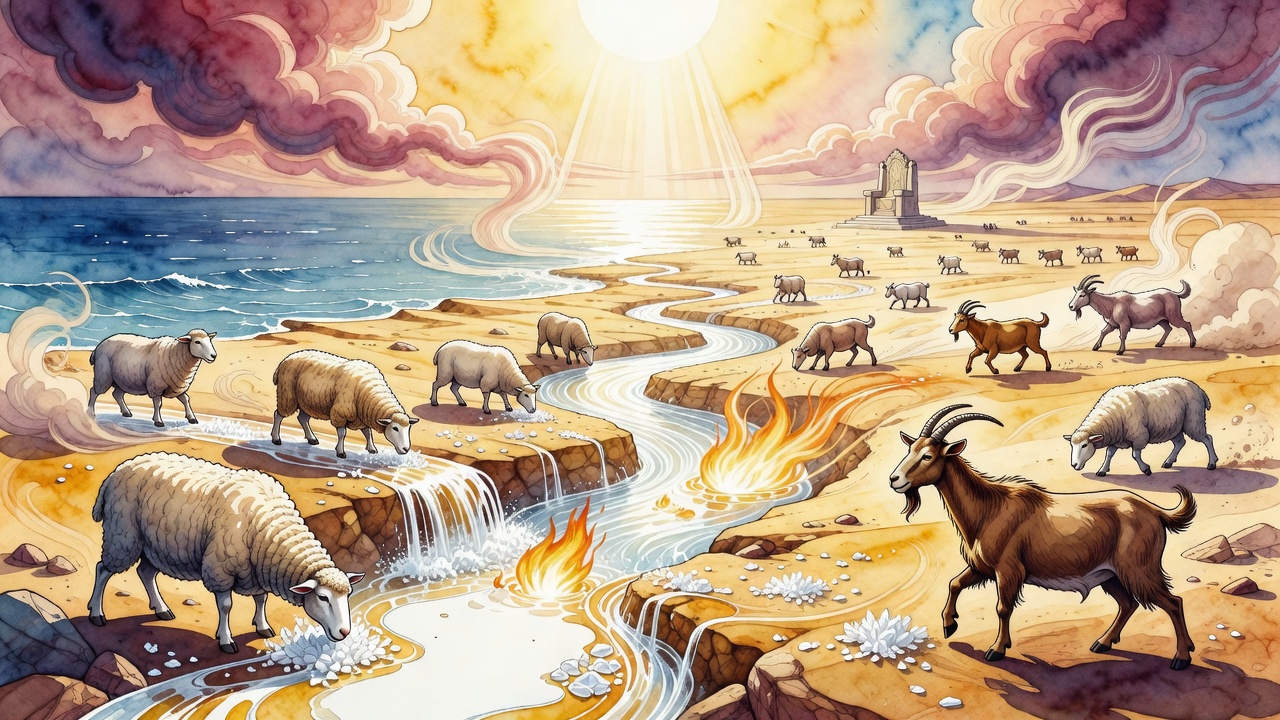
By the fourth hour the sand ran wet toward the Great Sea. Clean beasts drank what no one had gathered, and later the camp ate those beasts.
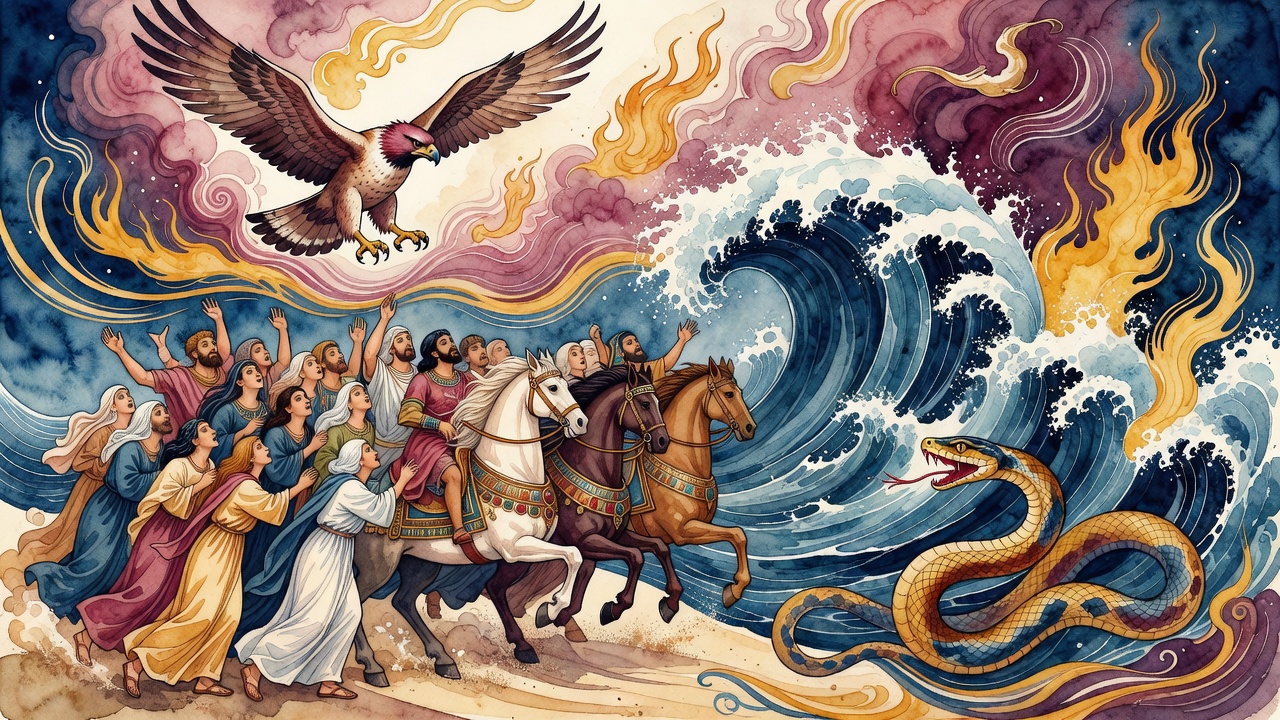
Pharaoh's jeweled horses pressed from behind while the sea rose ahead, and Israel cried out like a dove boxed between hawk and snake.
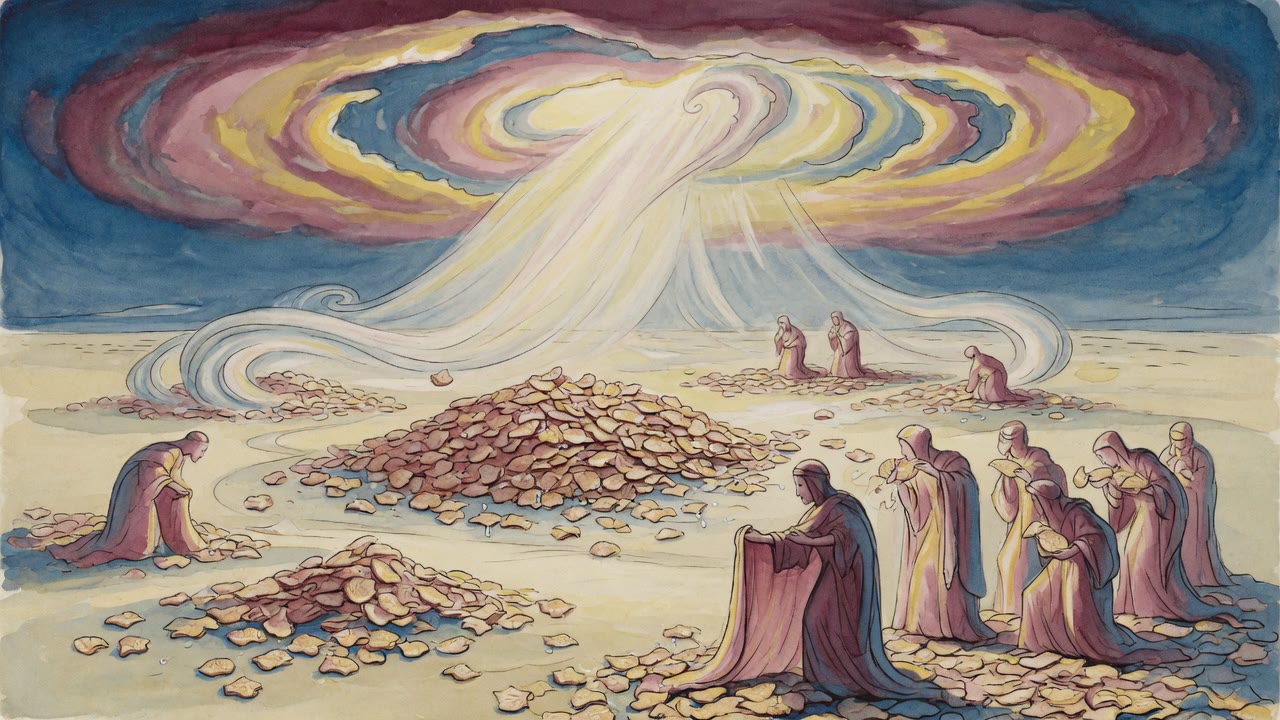
When the dew lifted, Israel found scale-like bread whose letters count to 248 limbs, angel-ground food that left no waste in the body.
