1,132 related texts · Page 3 of 24
When Jethro heard "that the Lord had taken Israel out of Egypt," the Mekhilta draws a remarkable conclusion: the Exodus is not just one miracle among many. It is the miracle agains...
"I am the L–rd your G–d who took you out of the land of Egypt." What is the intent of this? Because He appeared at the Red Sea as a hero waging war, viz. (Exodus 15:3) "The L–rd is...
The opening verse of Deuteronomy lists a string of place names — "in the wilderness, in the Arabah, over against Suph, between Paran and Tophel, and Laban, and Hazeroth, and Di-zah...
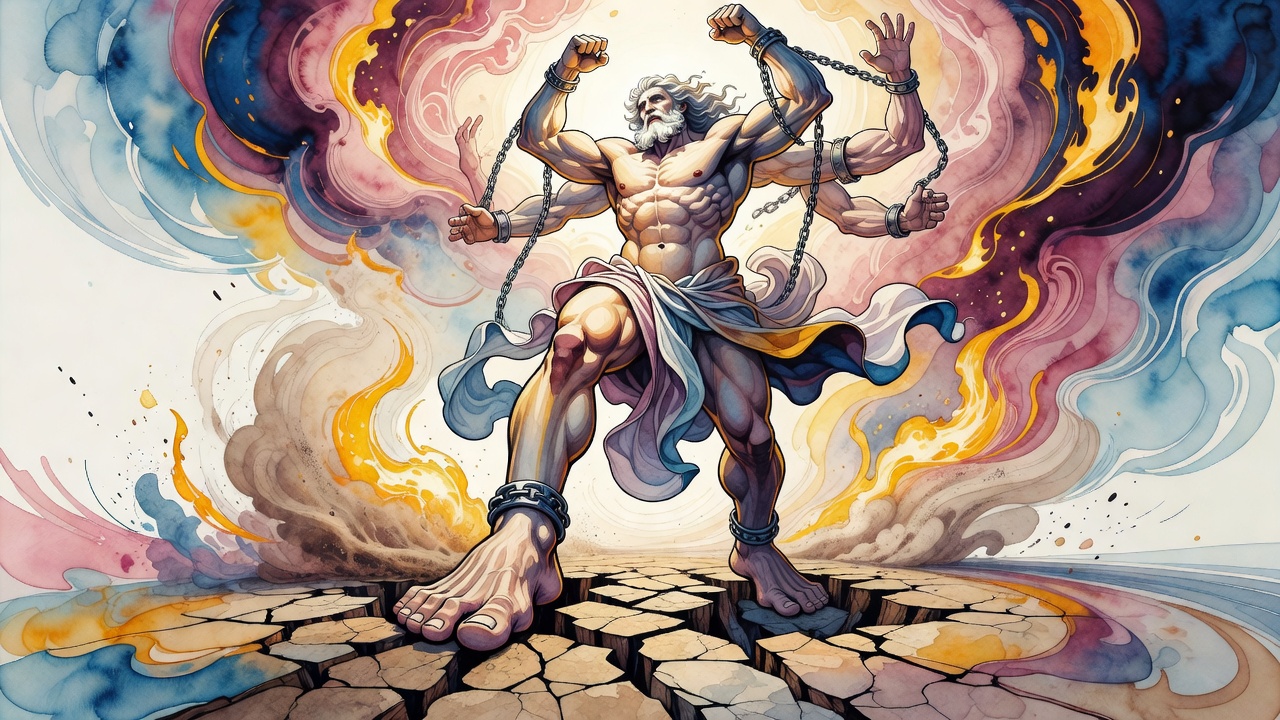
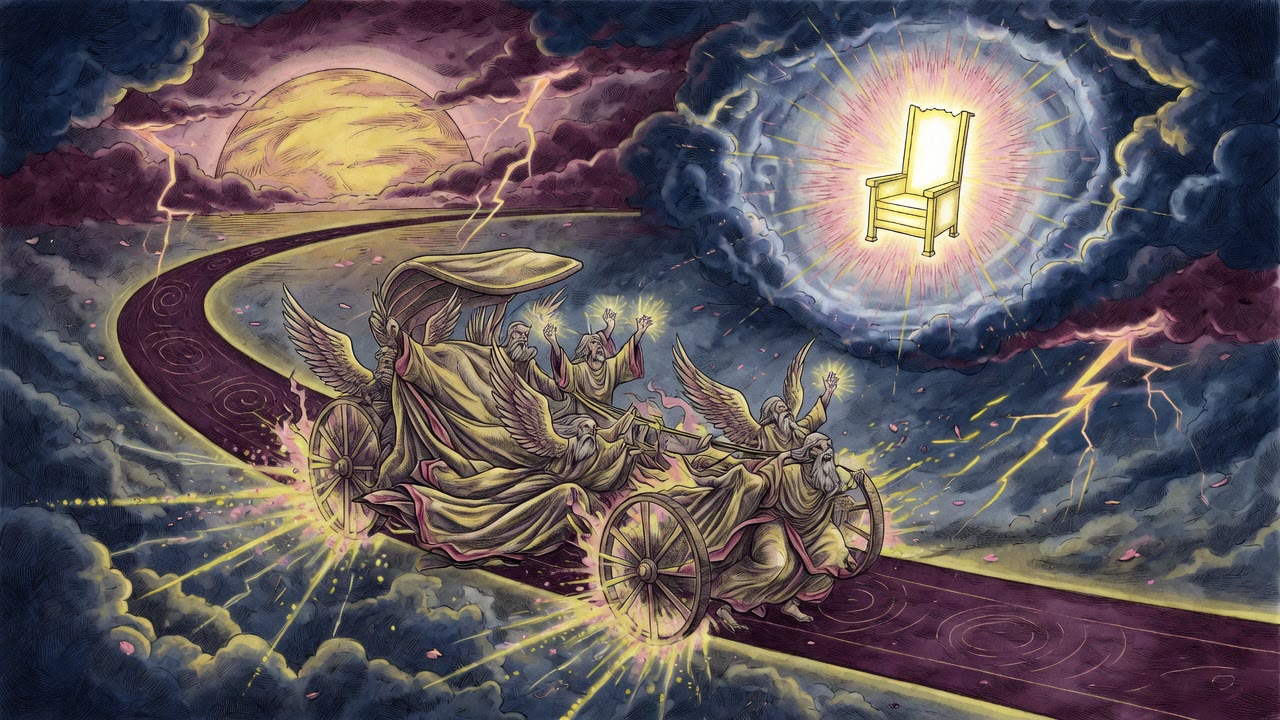
We tend to picture Him as all-powerful, which He is, but the ancient texts sometimes paint a more… visceral picture. A picture of YAHWEH, the Warrior God. Think about the Exodus st...
“May You pursue them in wrath and destroy them from under the heavens of the Lord” (Lamentations 3:66).“May You pursue them in wrath and destroy them” – Jeremiah said: “May you pur...
God told Israel three separate times: do not go back to Egypt. According to Esther Rabbah, they violated every single warning and paid for every single one. Rabbi Shimon ben Yohai ...
(Exodus 13:9) speaks of the account of the Exodus serving "as a sign upon your hand." The Mekhilta derives from this verse a specific ruling about the construction of tefillin — th...
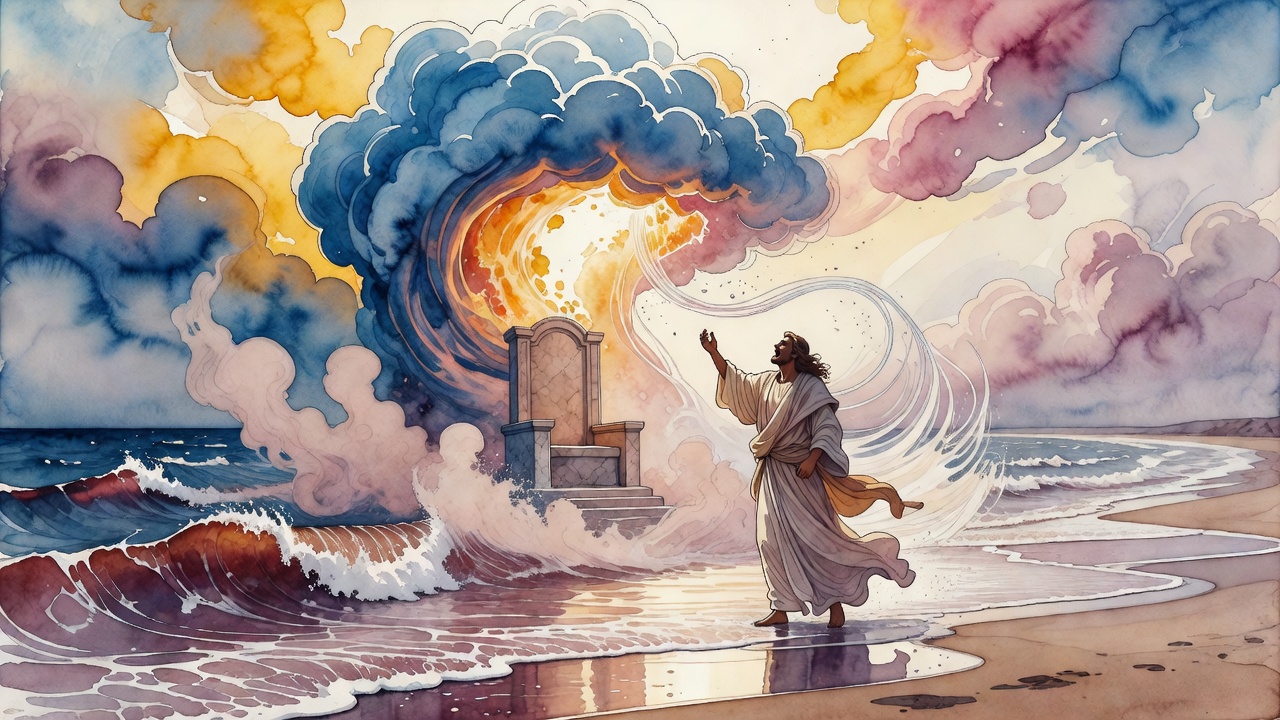
(Exodus 14:21) "And Moses stretched his hand over the sea": and the sea resisted—whereupon Moses commanded it to split in the name of the Holy One Blessed be He; but it continued t...
The Holy One Blessed be He heals all who enter the world, viz. (Exodus 15:26) "for I am the L–rd who heals you", (Jeremiah 17:14) "Heal me, O L–rd, and I will be healed. Save me, a...
When Pharaoh decided to enslave the Israelites, he consulted three advisors. According to Sotah 11a, what happened to each of them perfectly matched the advice they gave. Balaam re...
The Jewish people were redeemed from Egypt because of the righteous women. According to Sotah 11b, Rav Avira taught that while the men had given up hope under Pharaoh's slavery, th...
Pharaoh's daughter did not accidentally find Moses. According to Sotah 12b, she came to the river to immerse herself—not for bathing, but to wash away the spiritual impurity of her...
The death of Moses is the most devastating scene in the Torah—and the Talmud in Sotah 13b expands it into something almost unbearable. Moses pleaded with God not to let him die. He...
The Hebrew Bible records Moses and the Israelites singing a triumphant song after the sea closes over the Egyptians (Exodus 15). Targum Onkelos transforms this victory hymn into so...
The Sefer haYashar, or Book of Jasher, a collection of Jewish legends and lore, gives us a glimpse. Chapter 87 opens with a divine instruction. "At that time the Lord said to Moses...
Sometimes, it's the small acts of kindness, the quiet moments of compassion, that truly define us and pave the way for greatness. Take Moses, for example. Before he parted the Red ...
What would your reaction be? Awestruck silence? Jubilant shouts? Well, according to the legends, the Israelites had their answer ready and waiting at the Red Sea. After the men fin...
Real, desperate thirst in the desert. Then imagine spotting water! Relief washes over you, you rush to drink… and it’s bitter. Undrinkable. That’s what happened to the Israelites i...
No sooner did Amalek hear that the Israelites had finally escaped Egypt than he sprang into action. He raced after them, intercepting them at the Red Sea. Imagine the scene! Accord...
This isn't just another name in the Bible; it represents something deeper. A persistent, almost archetypal force of opposition. The story of Amalek isn't just a historical account;...
You probably know Miriam as a prophetess, a singer, a leader. But she was also human, and like all of us, she wasn't perfect. There's a story in Legends of the Jews (Ginzberg) abou...
According to the legends, Miriam wasn't just Moses' sister; she was a pivotal figure in her own right. She was a prophetess, a leader, and, perhaps most importantly, she was the re...
Jewish tradition certainly understands that feeling. Let's talk about the deaths of three towering figures in the Torah: Miriam, Aaron, and Moses. You might think that because they...
In Jewish tradition, the battles against Sihon and Og, the kings of the Amorites, loom incredibly large. The sages even equated these triumphs to the monumental victory over Pharao...
As Legends of the Jews tells us, Joshua's grief was profound. He tore his clothes, a traditional sign of mourning, and cried out, "My father, my father, the chariot of Israel and t...
Take Joshua, for example. Initially, he wasn't exactly known for his brilliance. In fact, some called him a fool! But he served Moses faithfully. And as we read in Legends of the J...
The Mekhilta highlights a detail about Miriam's song that establishes a fundamental principle about women's participation in Israelite worship. The verse says "And Miriam answered ...
Three miraculous gifts sustained Israel in the wilderness, and each one was tied to a specific leader. Rabbi Yehoshua teaches that when Miriam died, the well that had followed the ...
When Amalek attacked the Israelites at Rephidim—the first nation to wage war against the newly freed slaves—Moses turned to his student Joshua with a command (Exodus 17:9): "Choose...
Rabbi Eliezer Hamodai offered a different interpretation of why Moses told Joshua to "go out" and fight Amalek—and his version cuts deeper. According to Rabbi Eliezer, Moses challe...
Three men climbed to the top of the hill before the battle against Amalek: Moses, Aaron, and Chur (Exodus 17:10). The Mekhilta explains that their ascent was not a military decisio...
It’s a recurring theme in our tradition, and each instance carries a powerful lesson.This isn't a physical descent, mind you, but a drawing near, a manifestation of the Divine pres...
Our starting point is a passage from I (Chronicles 4:5): "And Ashchur, the father of Tekoa, had two wives, Chelah and Na'arah." But who is this "Ashchur"? According to Sifrei Bamid...
The Israelites, fresh out of Egypt, certainly did. And their story, as told in the book of Bamidbar (Numbers), offers a pretty stark warning about unchecked desire. We all know the...
The Song of the Sea in (Exodus 15) is one of the oldest poems in the Hebrew Bible. The Targum Jonathan rewrites it with additions so bold they create entirely new theology, includi...
The Israelites, fresh from their miraculous escape from Egypt, certainly did. The book of Exodus tells us, "Moses led Israel from the Red Sea and they went out to the wilderness of...
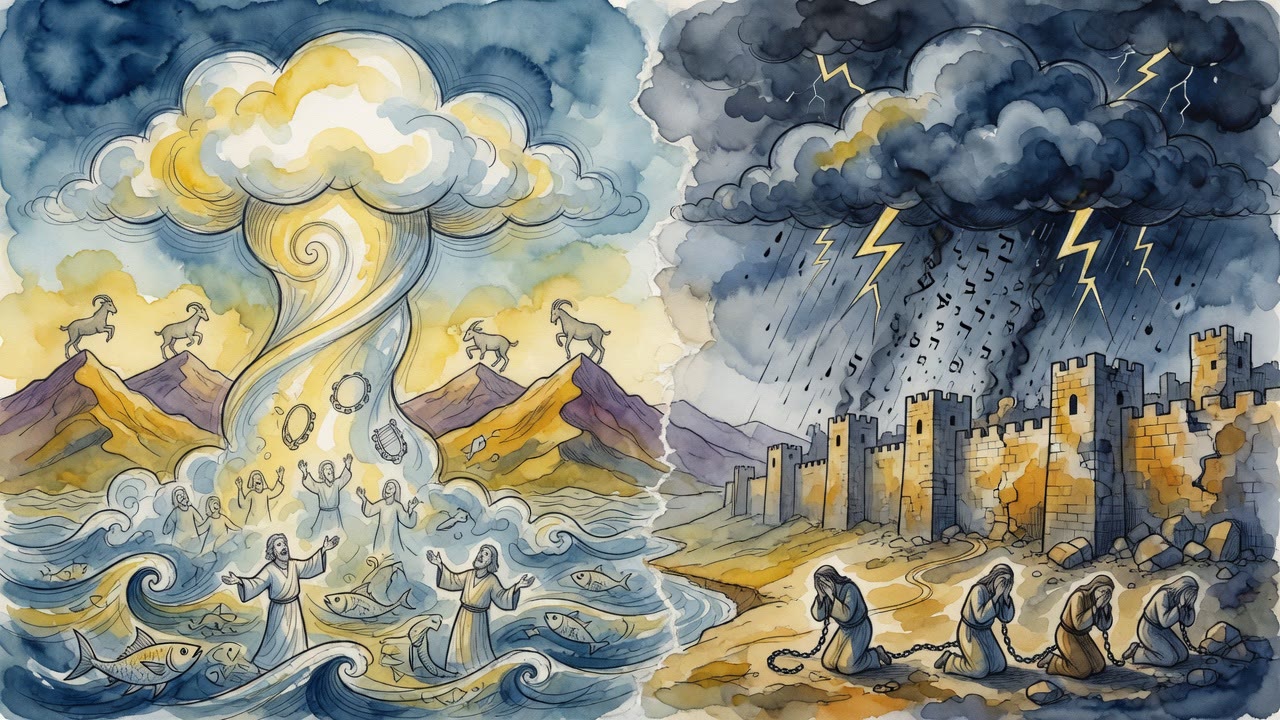
We often focus on the parting of the Red Sea, a miraculous escape. But what about the pain, the suffering, the sheer terror of those enslaved in Egypt? The Shir HaShirim Rabbah, a ...
It wasn't just a quick glance. The Torah tells us in (Leviticus 13:12) that the priest examines the afflicted individual in “the entire view of the eyes of the priest.” But what ex...
Vayikra Rabbah, specifically chapter 16, dives deep into this, starting with the verse, "This shall be the law of the leper." (Leviticus 14:2). Seems strange. What does leprosy hav...
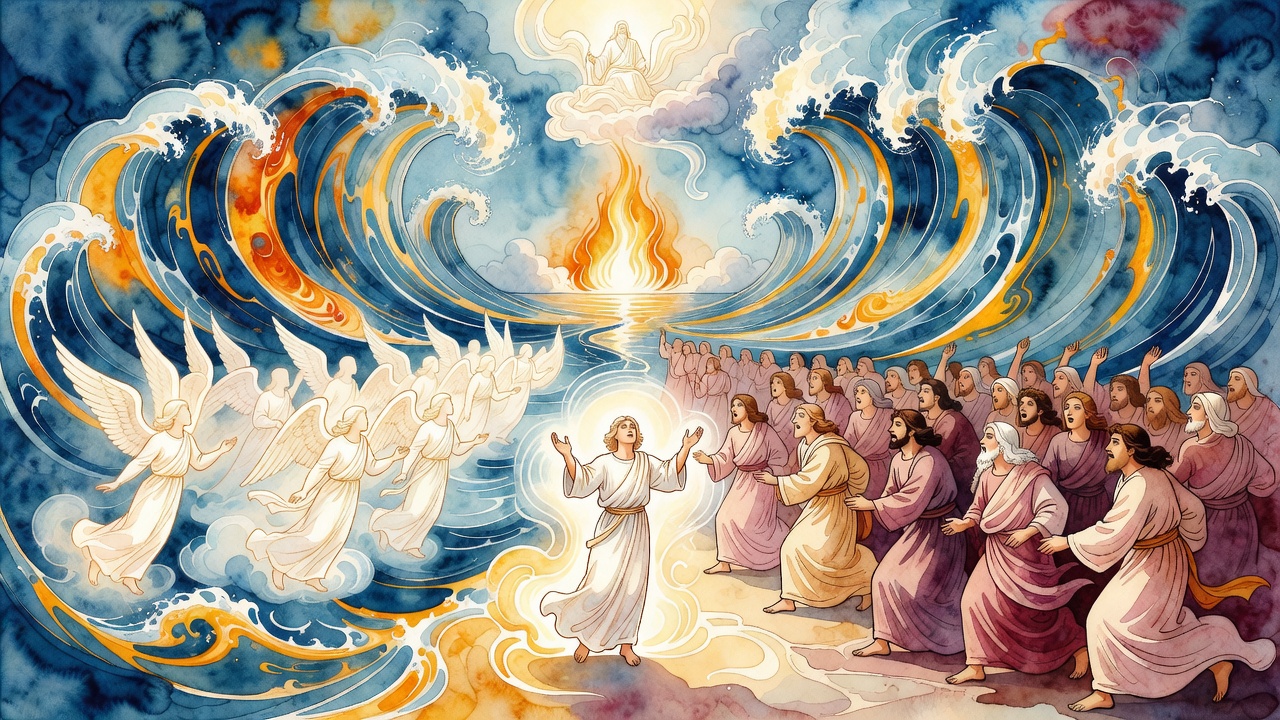
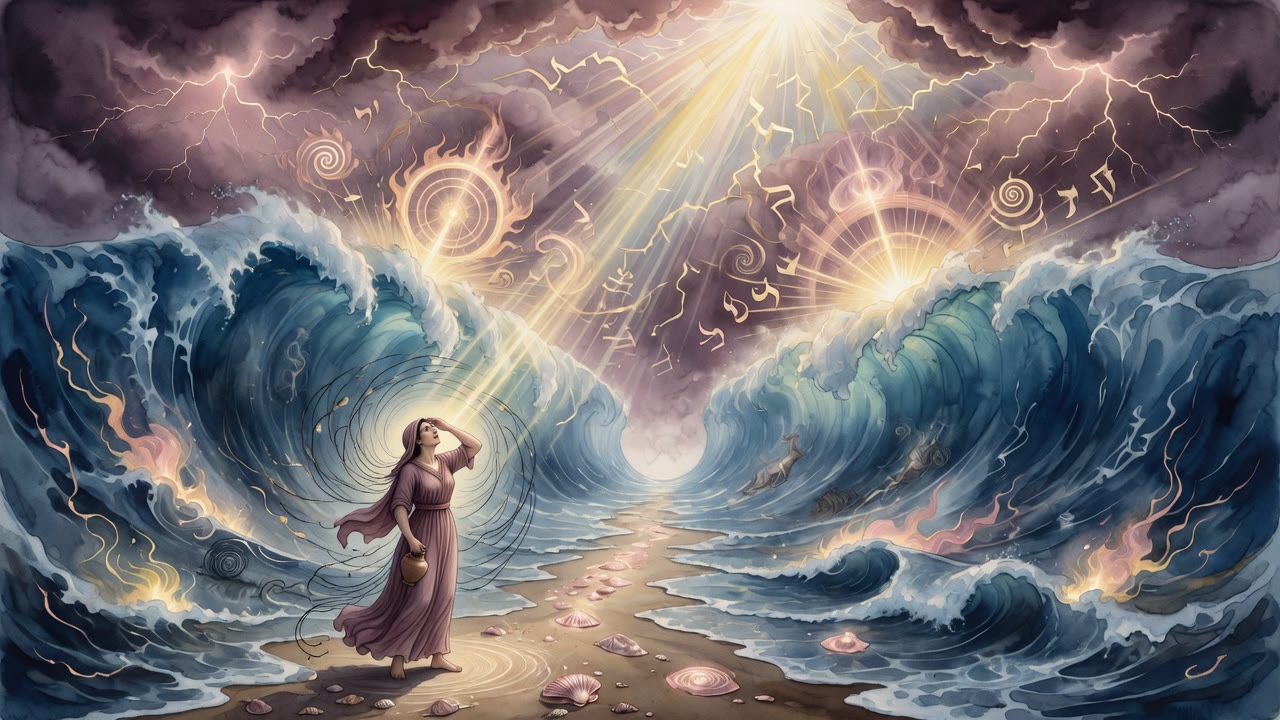
That’s the situation the Israelites faced at the Yam Suf, the Sea of Reeds, what we often call the Red Sea. And what happened next is one of the most iconic moments in the entire T...
The story continues, of course! And today, we're diving into Chapter 88 of the Book of Jasher to see what happened as the Israelites finally entered the Promised Land under the lea...
They did what any of us might do: they complained. Loudly. But Moses, ever the leader, knew what to do. Instead of joining in the despair, he turned to the one source of true hope:...
They're complaining, as people do when they’re hungry and thirsty and unsure of what tomorrow holds. They should have been praying! But instead of getting angry, God, in a moment o...
But Jewish tradition teaches us there was a deeply profound reason behind this daily dispensing of divine sustenance. Several reasons, actually. The Sages tell us that one purpose ...
Imagine, no matter what you were in the mood for, one bite would satisfy that desire perfectly. Well, according to tradition, the Israelites experienced just that with the manna (מ...
We often hear about the manna, that miraculous food from heaven, but the stories surrounding its arrival are just as fascinating as the food itself! Imagine this: you’re stranded i...
Not just any breakfast, mind you, but manna, that heavenly food that sustained the Israelites in the desert for forty years. According to Ginzberg’s retelling in Legends of the Jew...
The most obvious miracle, of course, was its very existence. But the story gets even richer when we consider the details. According to the ancient texts, manna didn't fall every da...