Joseph Kept Shabbat in Egypt and Died Making His Brothers Swear
Jacob's arrival cut five famine years short. Joseph kept Shabbat in Egypt before Sinai. Dying, he made his brothers swear the oath Jacob had pressed on him.
Table of Contents
 Click for full size
The Famine That Stopped Early
The sentence was forty-two years. Egypt would starve for forty-two years before the land recovered, and neither Joseph nor Pharaoh nor any human calculation could have shortened it. What shortened it was a person crossing a border.
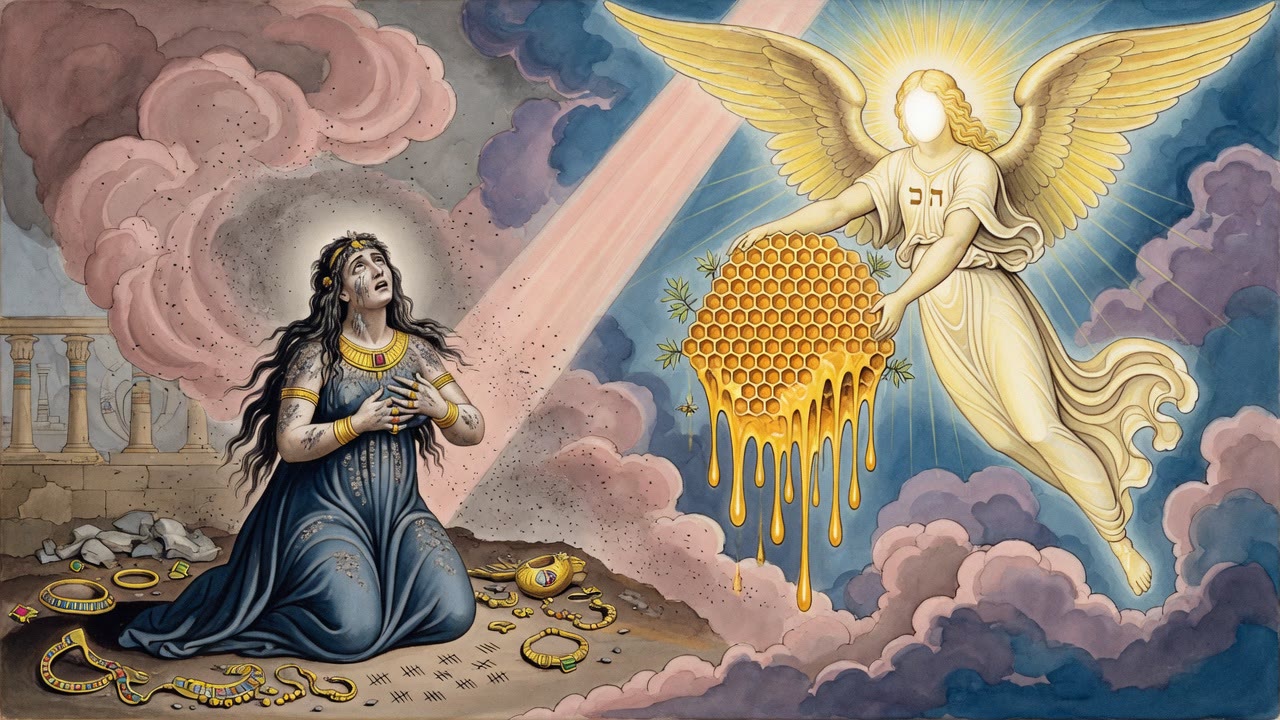
When Jacob finally arrived in Egypt in the second year of the famine, the sky changed. Five years of hunger evaporated because one righteous old man had come. The land that had swallowed Joseph as a slave received his father as something closer to a sovereign, and the weight of Jacob's merit fell across Egypt like rain.
The remaining forty years did not simply vanish. They were deferred to a later generation, to the days of the prophet Ezekiel, who would carry that transferred debt in his own body by lying on his side for the number of days that represented Israel's iniquity. Hunger is a debt the world eventually collects from someone. Jacob's arrival did not cancel it. It moved it.
Shabbat in Pharaoh's Court
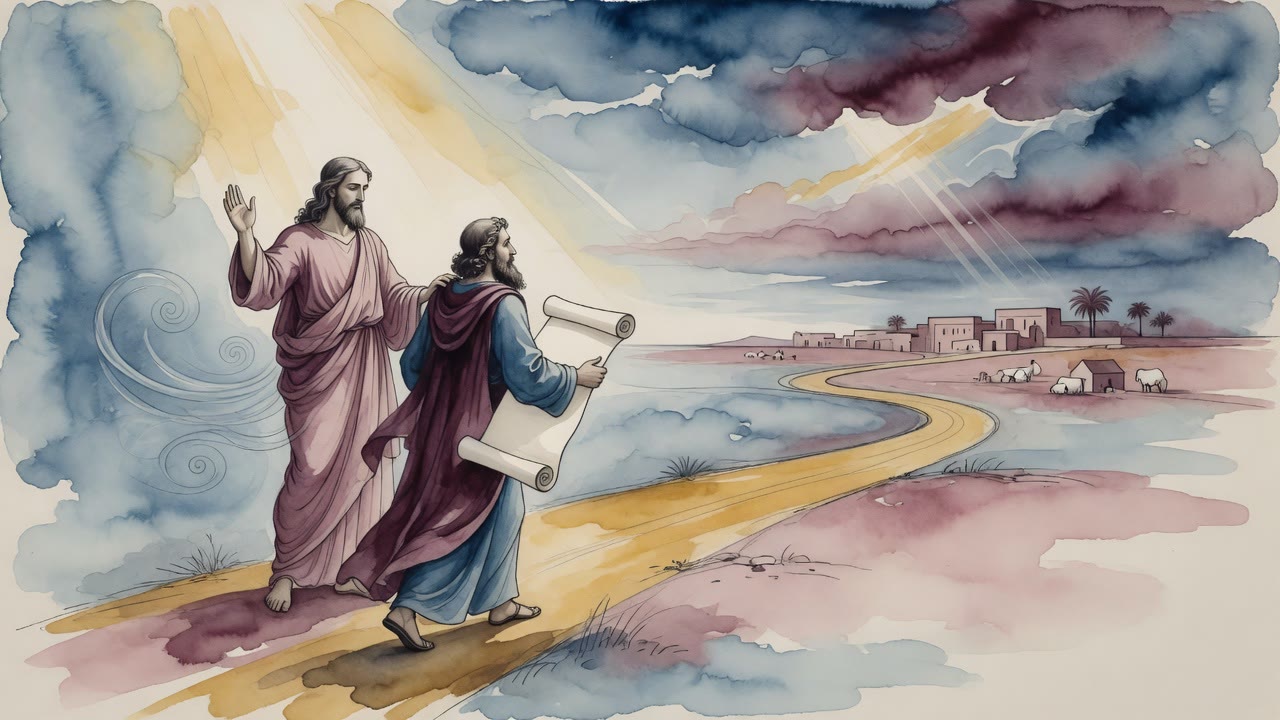
Joseph rose to the second highest office in Egypt. He wore Pharaoh's signet ring, rode in the second chariot, and supervised the grain stores of the most powerful nation on earth. He also set aside every seventh day and refused to work on it.
The Torah would not give the command until Sinai, generations away. Moses had not yet been born. No stone tablets had been cut. And yet Joseph, in a court that worshiped the sun and organized its religious life around a solar calendar that knew nothing of a seven-day rest, stopped on the seventh day and kept the Shabbat.
The rabbis treated this as evidence of something the patriarchs knew from an inner source that had nothing to do with Sinai. The commandments were the formalization of truths that ran deeper than the moment of their inscription. Abraham kept them all. Isaac kept them. Jacob kept them. Joseph kept Shabbat in Pharaoh's palace because the seventh day was built into the structure of creation before Egypt existed, and a man who understood the structure of things would observe the day regardless of the law on the books.
The Oath He Forced on His Brothers
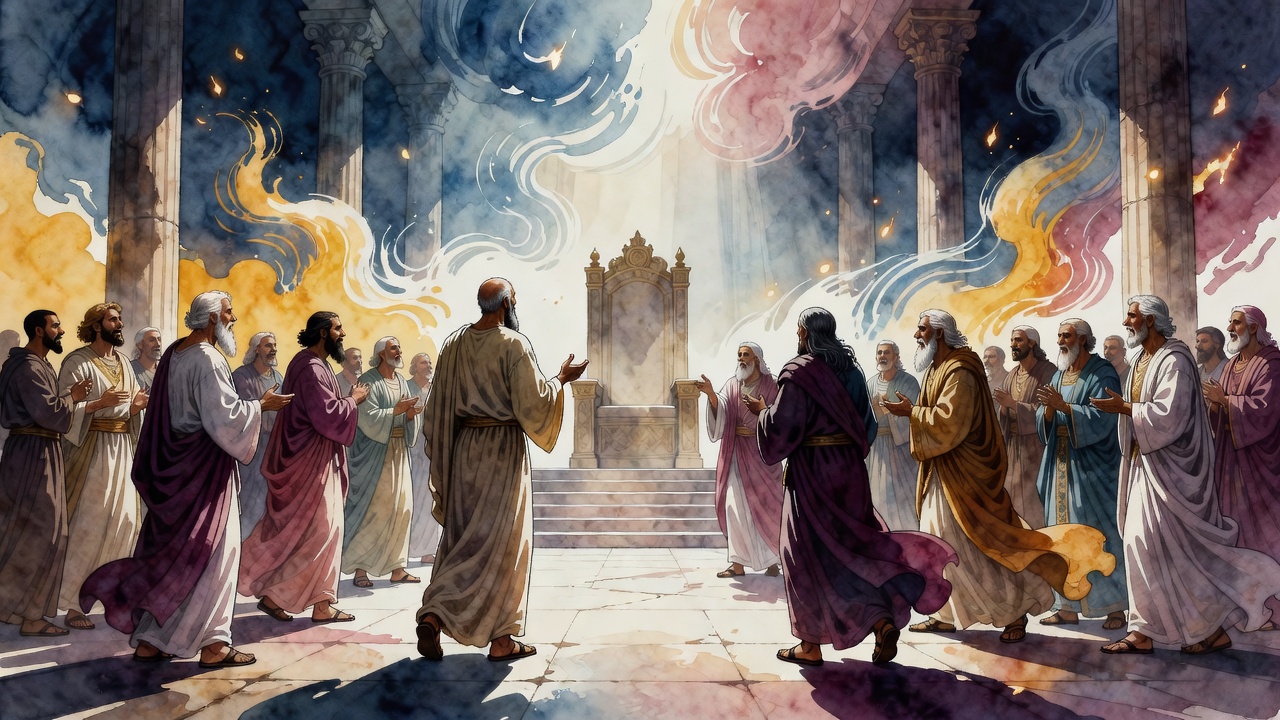
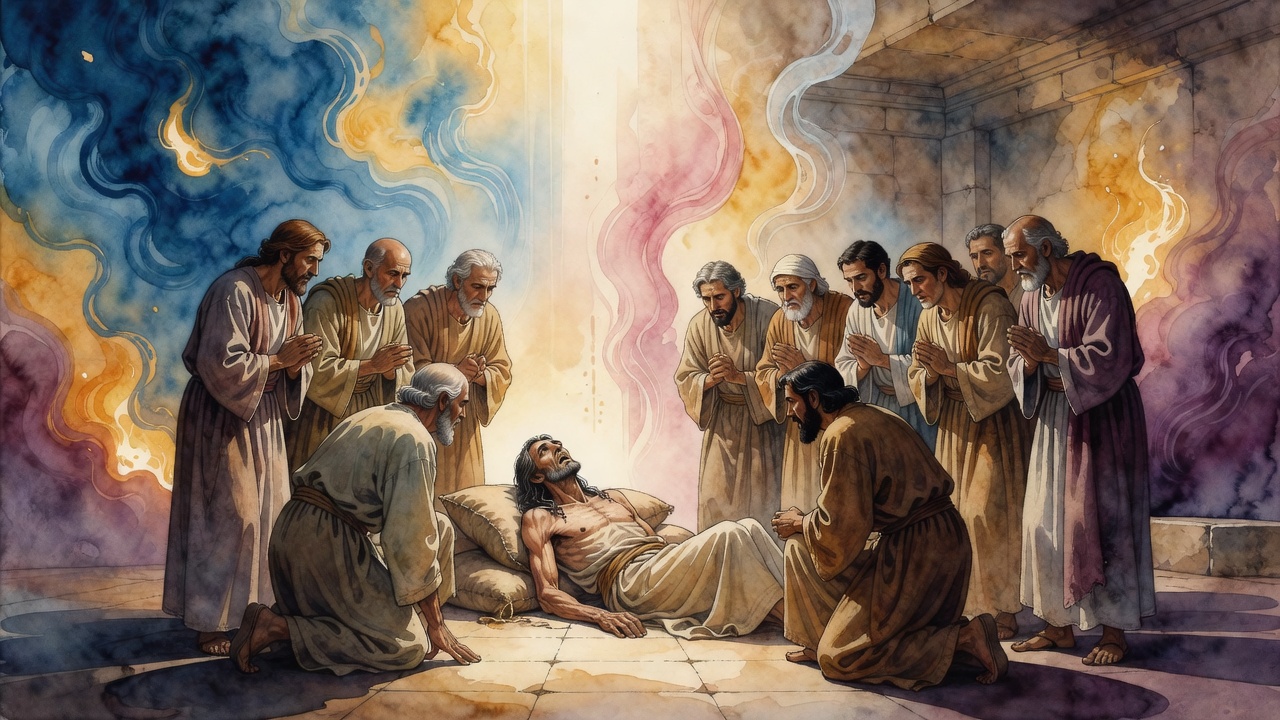
On his deathbed, Joseph gathered his brothers. They had been through enough together that the air between them was thick with the weight of old things, the pit, the sold child, the years of grief and concealment and reunion. He told them what Jacob had told him. "Take me home when the redemption comes. My bones do not belong in Egypt."
He made them swear.
This was the same structure Jacob had used at the end of his life. Not a request. Not a hope. An oath. The hand placed under the thigh, the covenant of circumcision invoked as surety. Joseph had carried the sworn obligation to bring Jacob home, and he had carried Jacob's bones out of Egypt when the time came. Now he was passing the same obligation to his brothers and their descendants.
The brothers swore. The bones were embalmed and placed in a coffin in Egypt, waiting.
Moses Carries the Coffin
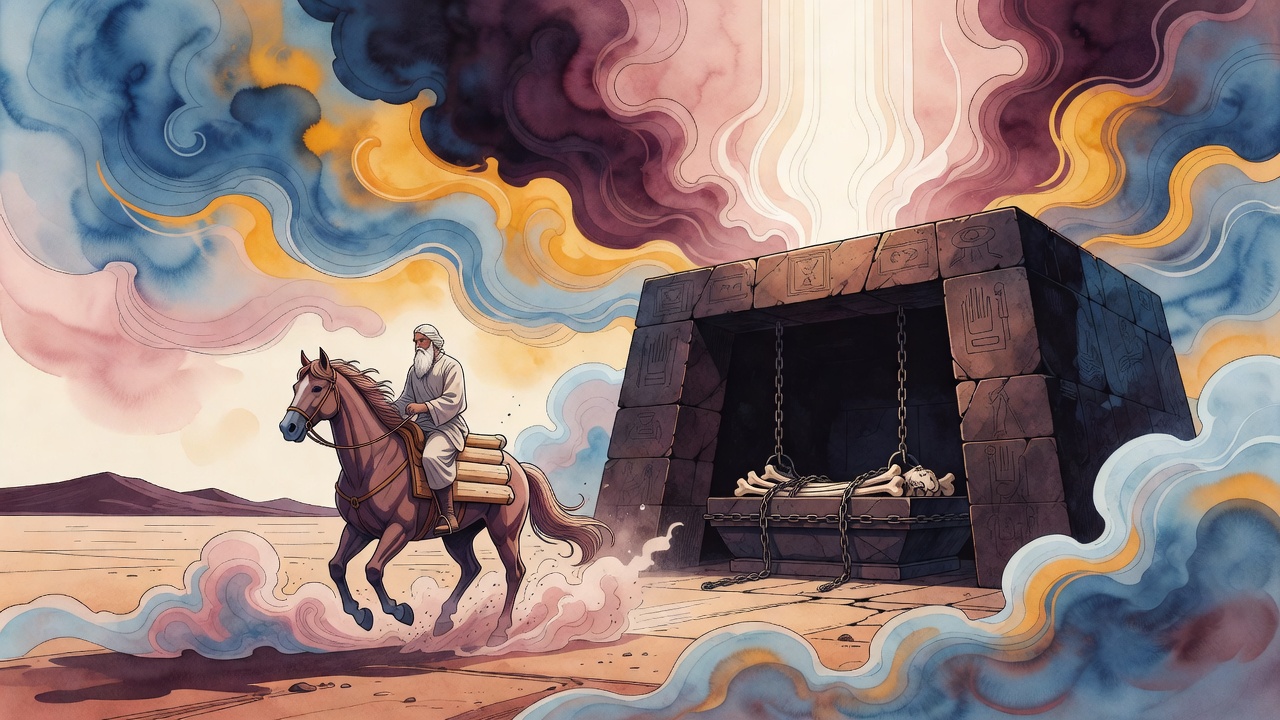
When the exodus finally came, more than four centuries later, Moses remembered. While all of Israel was collecting gold from their Egyptian neighbors, Moses went to the place where Joseph's coffin was kept and carried it out himself. The Ark of God and the ark of Joseph traveled together through the wilderness.
The rabbis read this as a commentary on Joseph's entire life. The man who had been sold into Egypt, who had served and been imprisoned and risen and ruled, whose bones had waited in a coffin for four hundred years for the moment when someone would finally honor the oath, was carried through the wilderness alongside the Torah. What the Torah commanded, Joseph had already lived.
← All myths