104 myths · Page 2 of 4
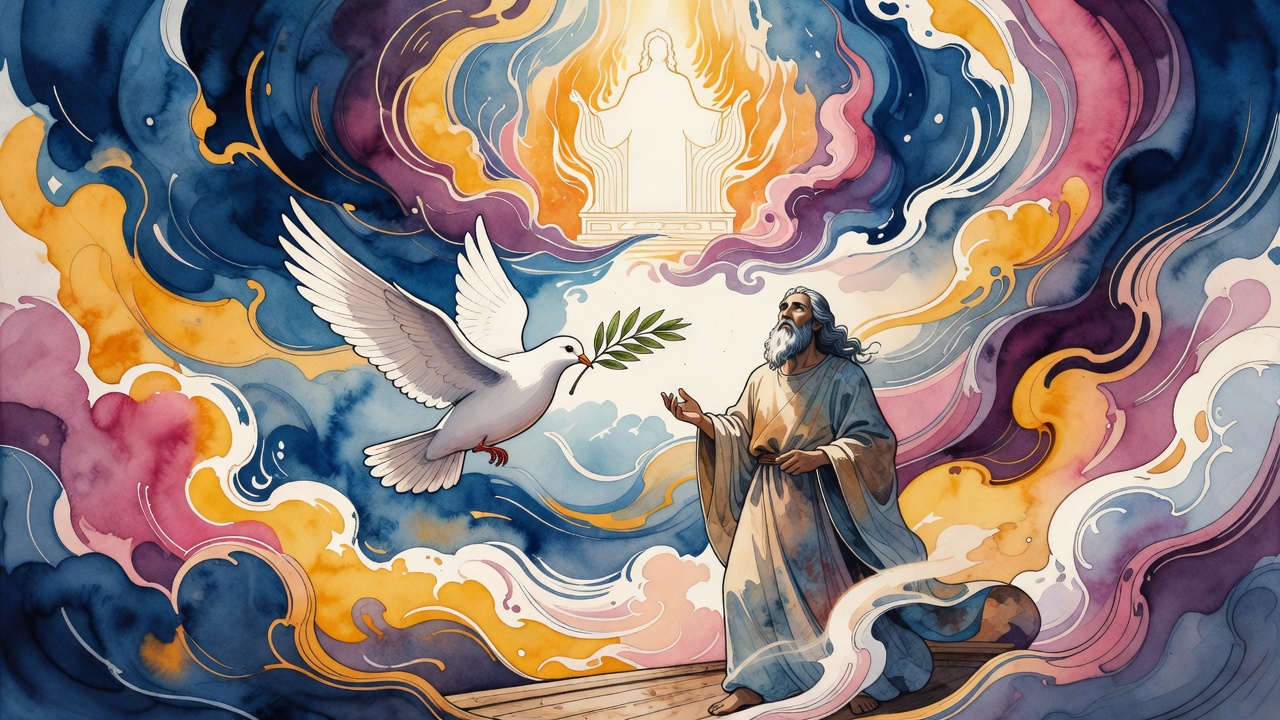
Enoch was taken out of the world before the water came. Noah was left inside a sealed box floating on it, measuring the world by one bird.
Esau told his grandson he had failed to kill Jacob and left him the job. Watch for the stumble, he said. That is the only opening you get.
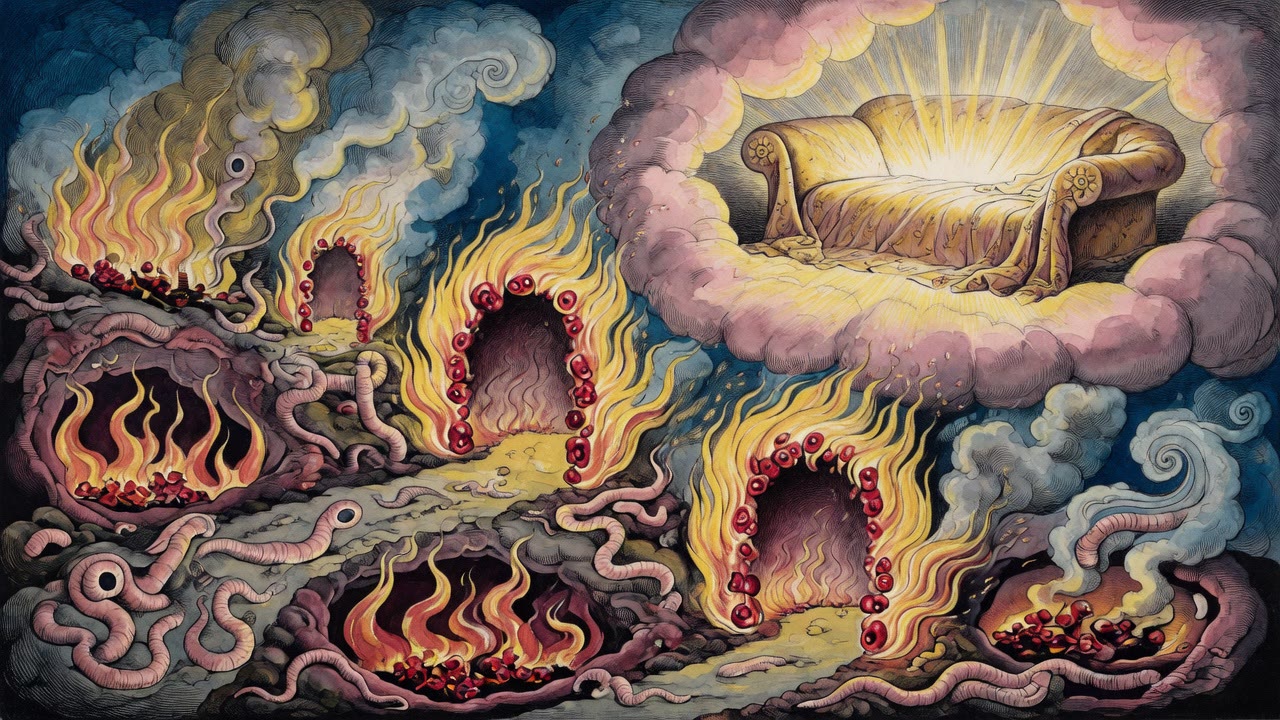
Chronicles of Jerahmeel says the righteous dead emerge from their graves each Shabbat eve to eat, drink, and praise God, then return before nightfall.
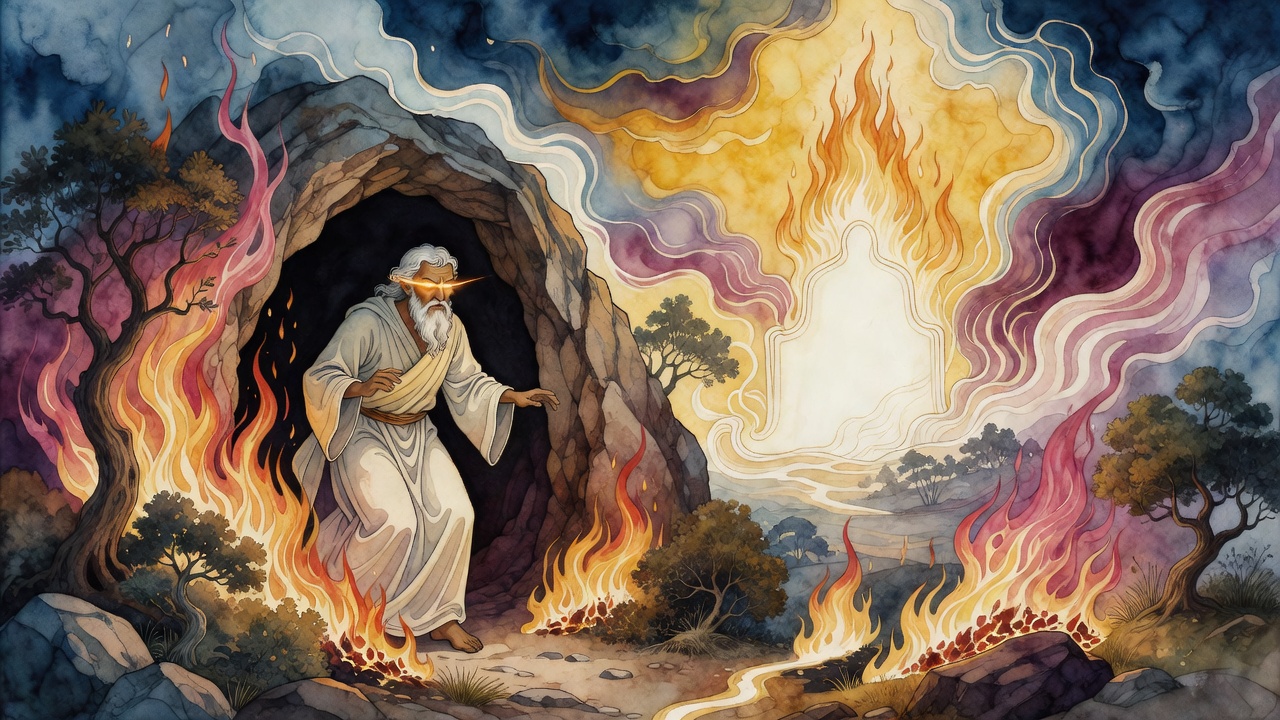
They buried themselves in sand up to the neck so the cloaks would last. When they walked out, a plowed field caught fire under one look.
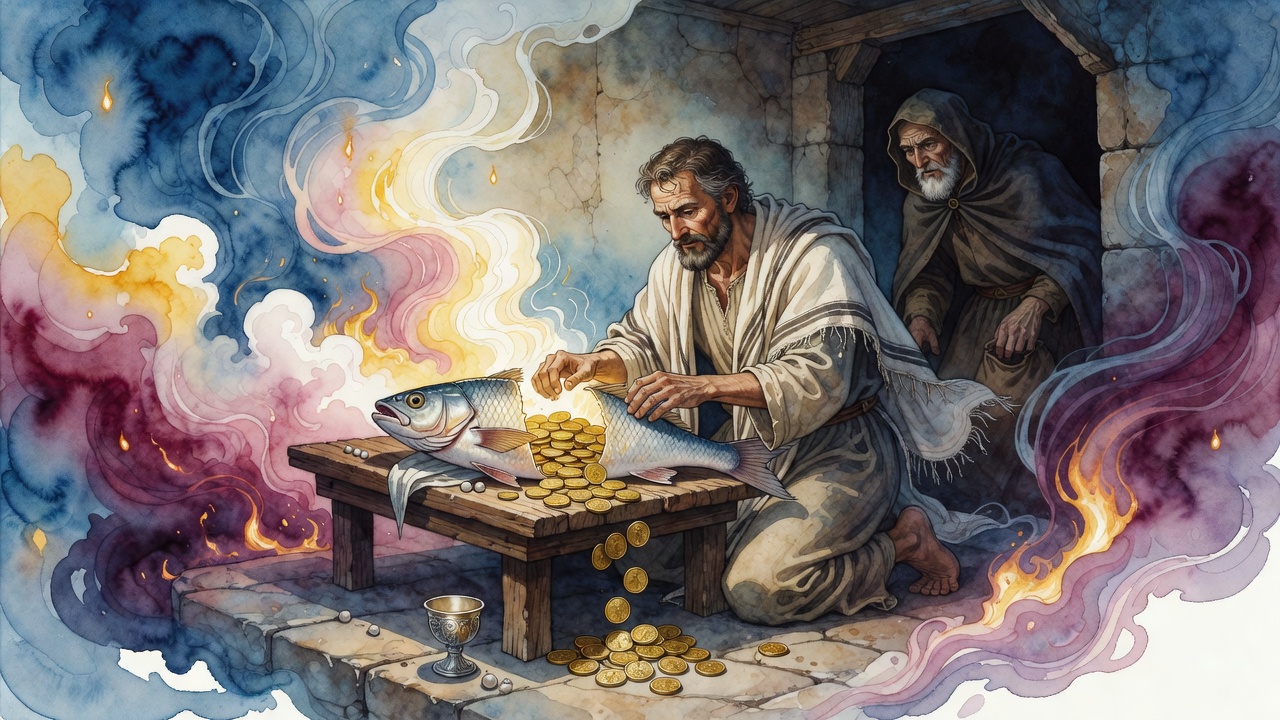
Joseph spent every coin he had on Shabbat food, and a Gentile neighbor tried to cheat the prophecy that Joseph would inherit his wealth.
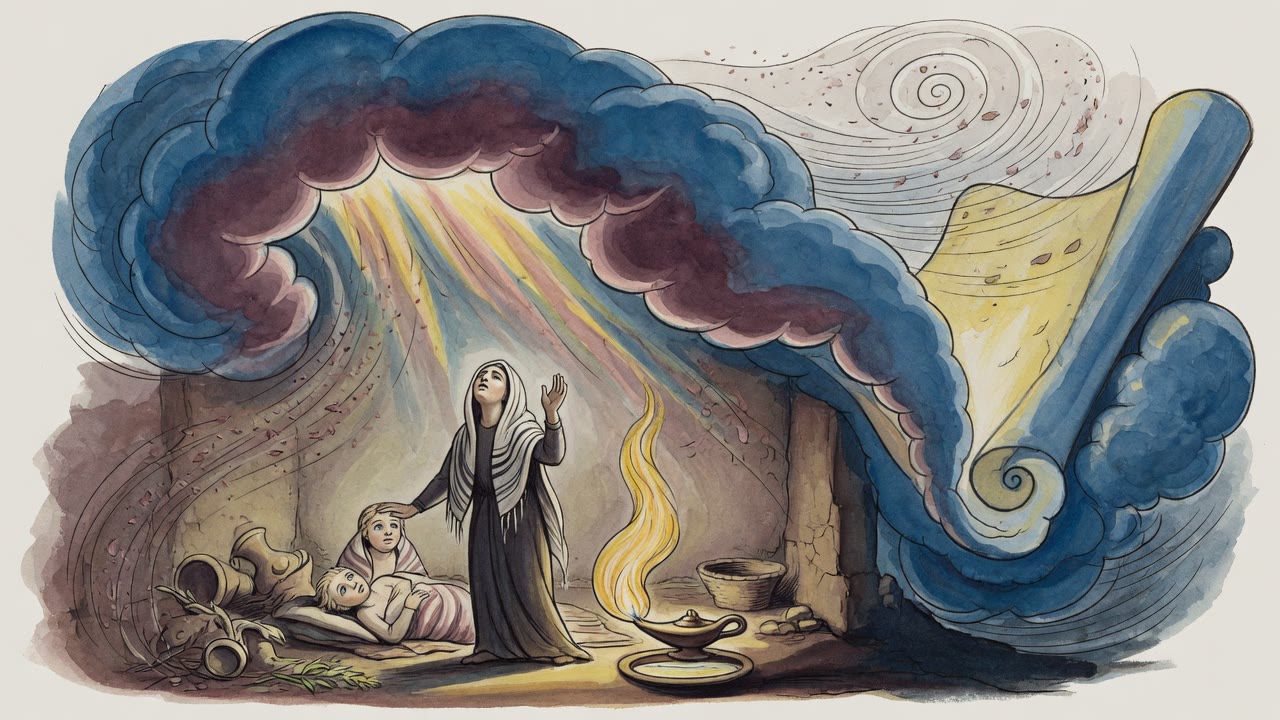
His daughter had fallen into a pit. The first two messengers heard only "Well, well." The third heard she had already climbed out.
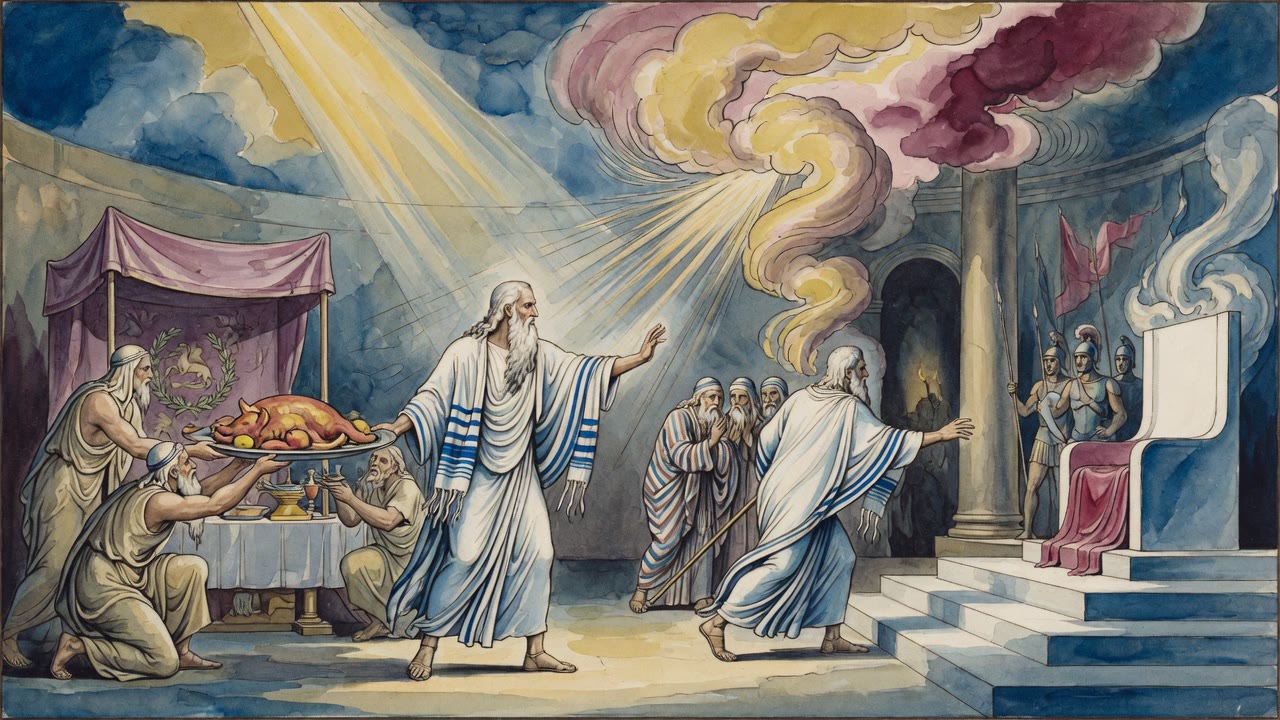
They would not throw a stone or block the cave mouth. On Shabbat the soldiers walked in and killed the men, the women, the children, and the cattle.
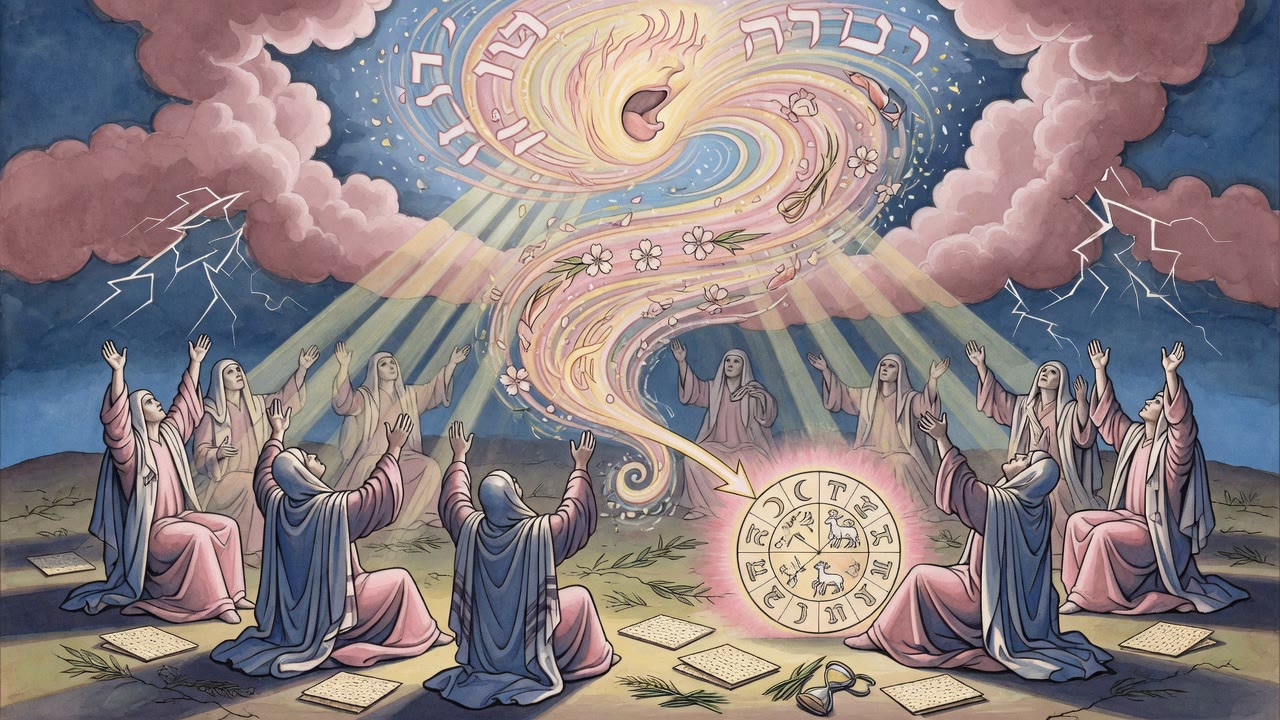
The lot fell on the man who swept the synagogue and lit the lamps. He had a year to reach the far side of a river that throws stones.
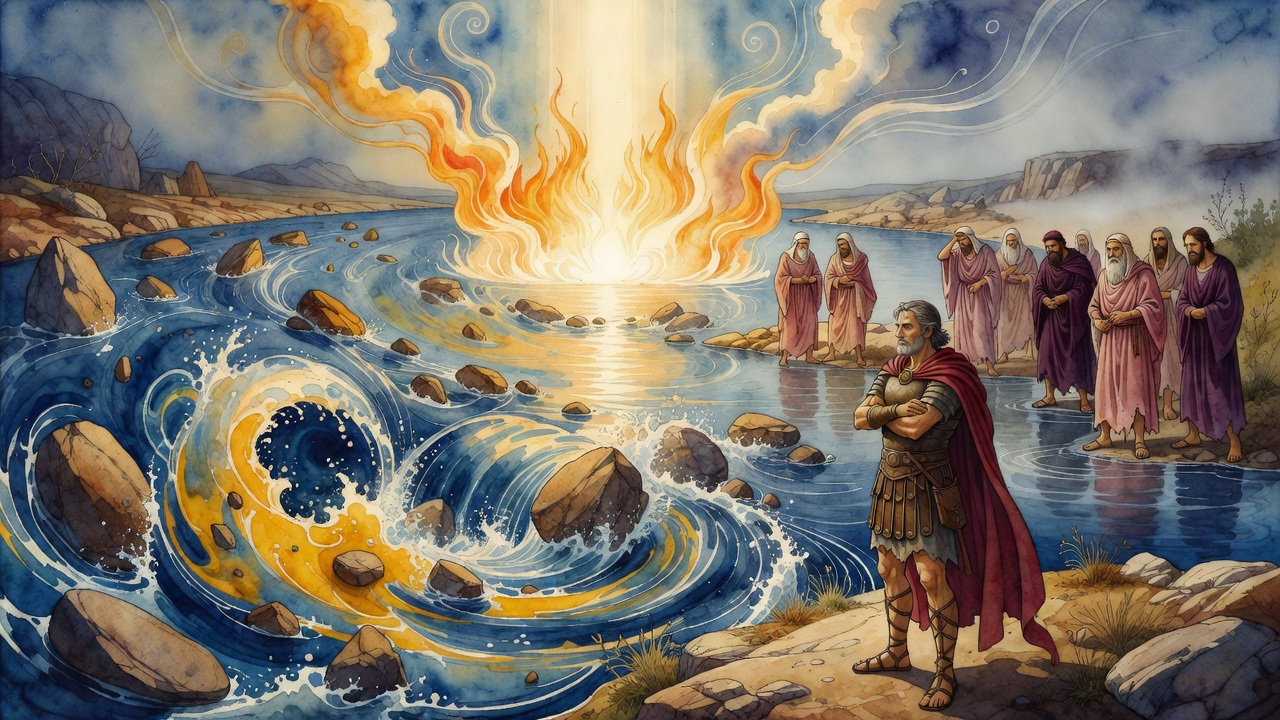
Babylon told the Levites to play the Temple songs for its idols. They cut off their own fingers instead, and that night a cloud came for them.
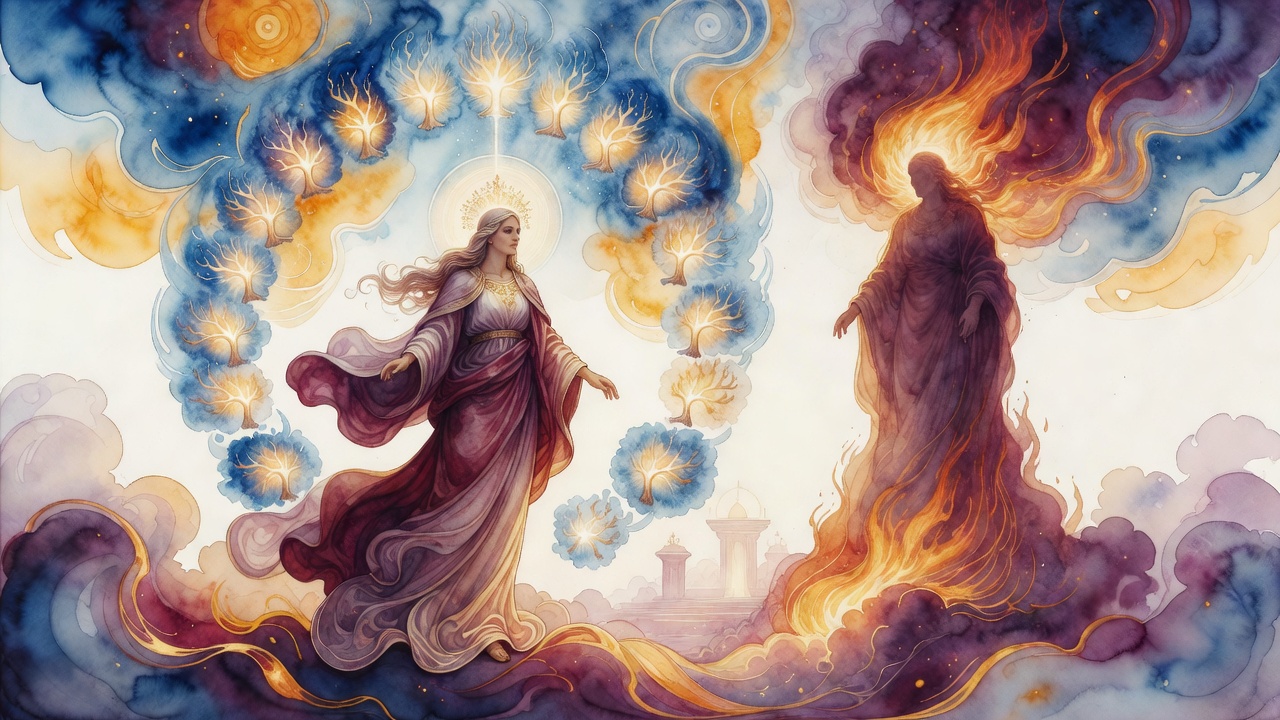
The Zohar sees Shabbat as a crowned Bride with seventy lights, adorned by commandments, escorted by the Shekhinah, the Divine Presence.
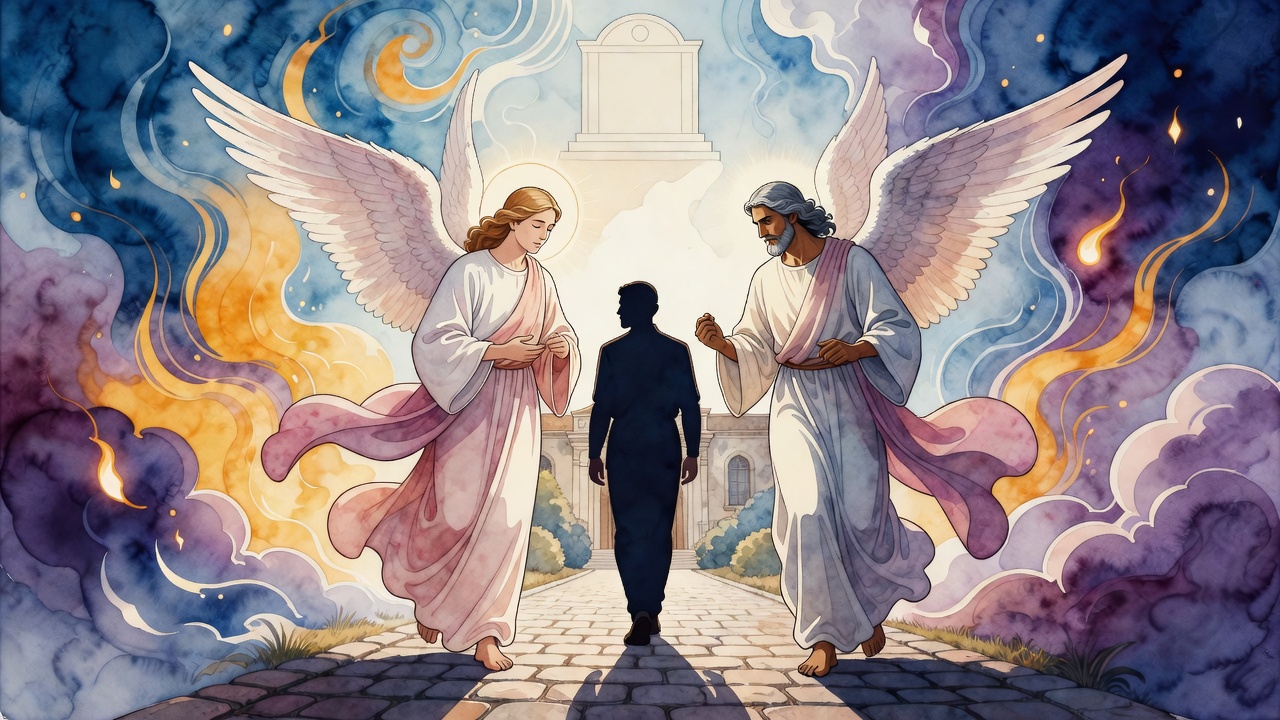
On Friday night, two angels walk home with you from synagogue, one good, one accusing, and which one speaks first depends on what they find inside.
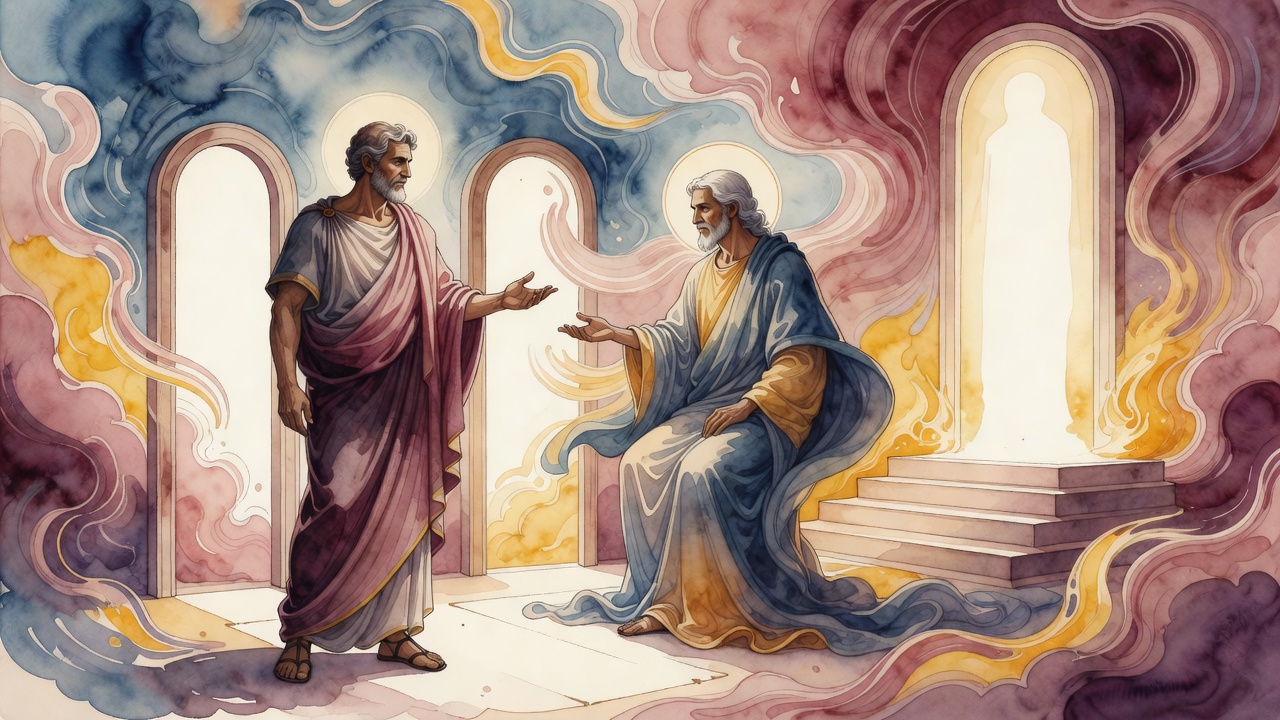
The Roman sent for his father's grave on the seventh day. The smoke would not rise. On Sunday the dead man answered him, unwilling.
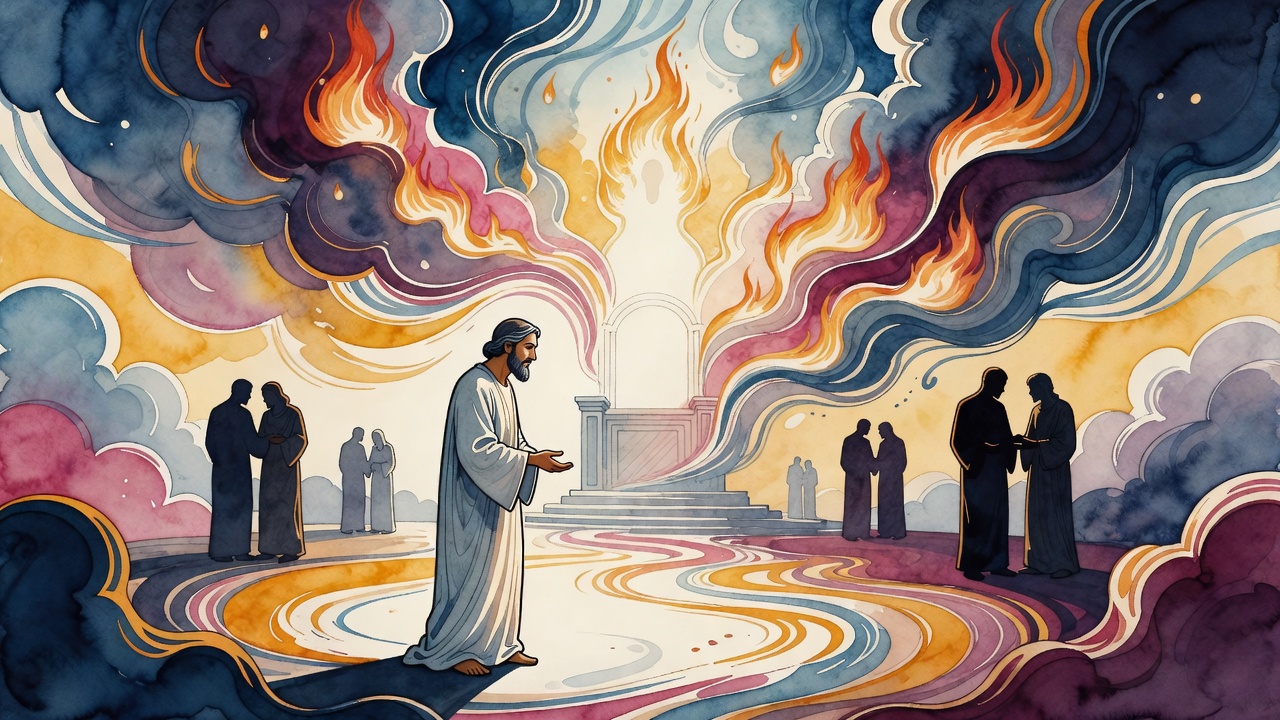
The first day of the week had the second. The third had the fourth. The fifth had the eve. The seventh counted them off and found itself standing alone.
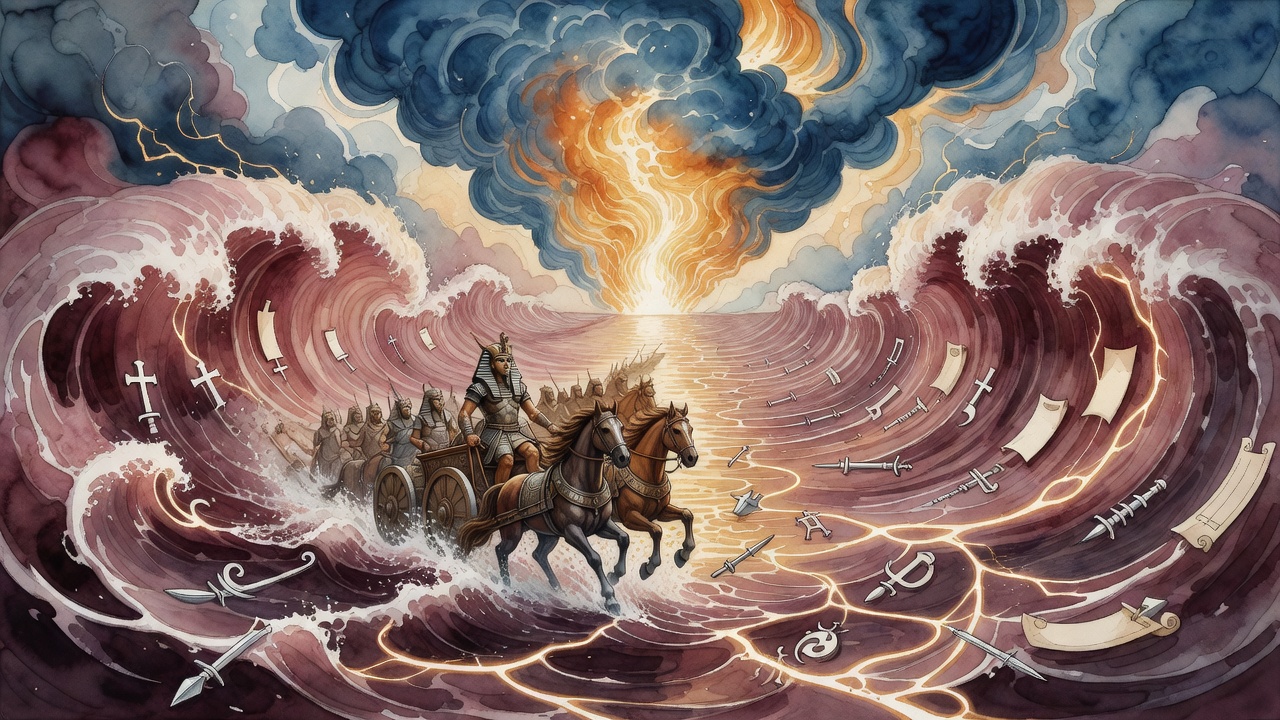
Pharaoh rides into the sea with horses and iron, and God answers every weapon in Pharaoh's own language before the waters close.
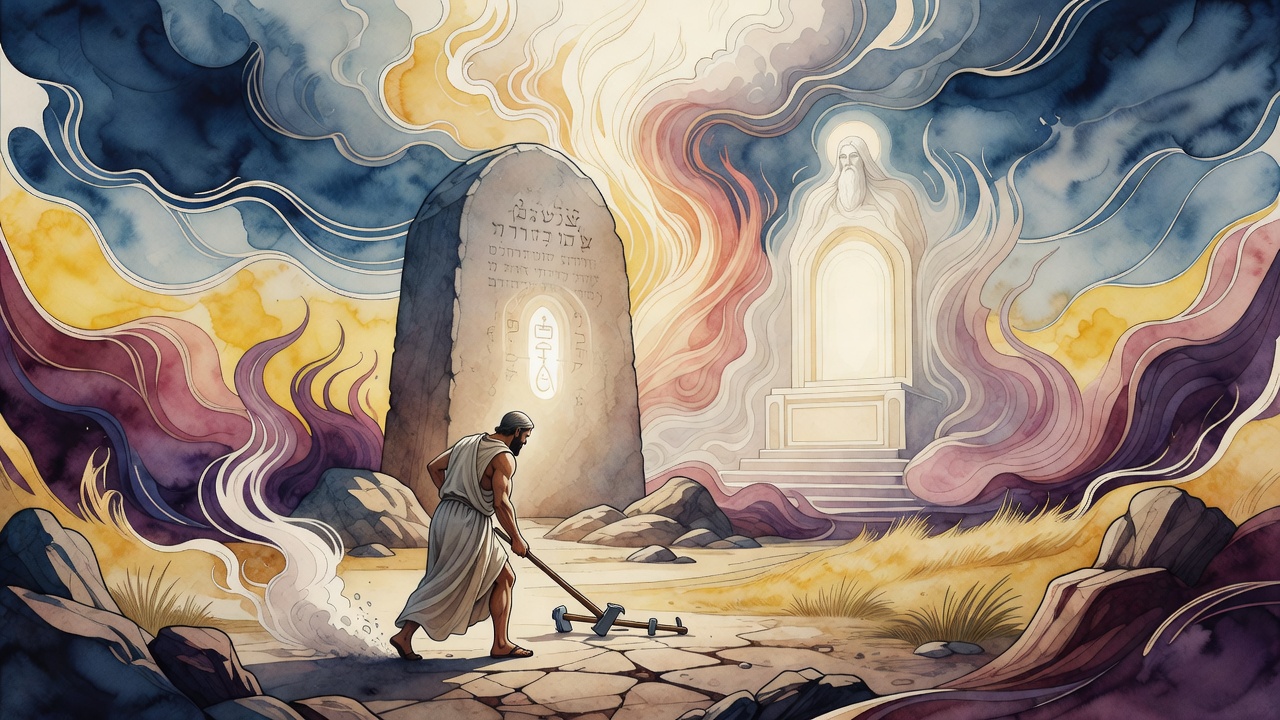
Rest on the seventh day is a sign between God and Israel. A man who picks up a tool in the street tears the sign, so the Torah puts him to death.
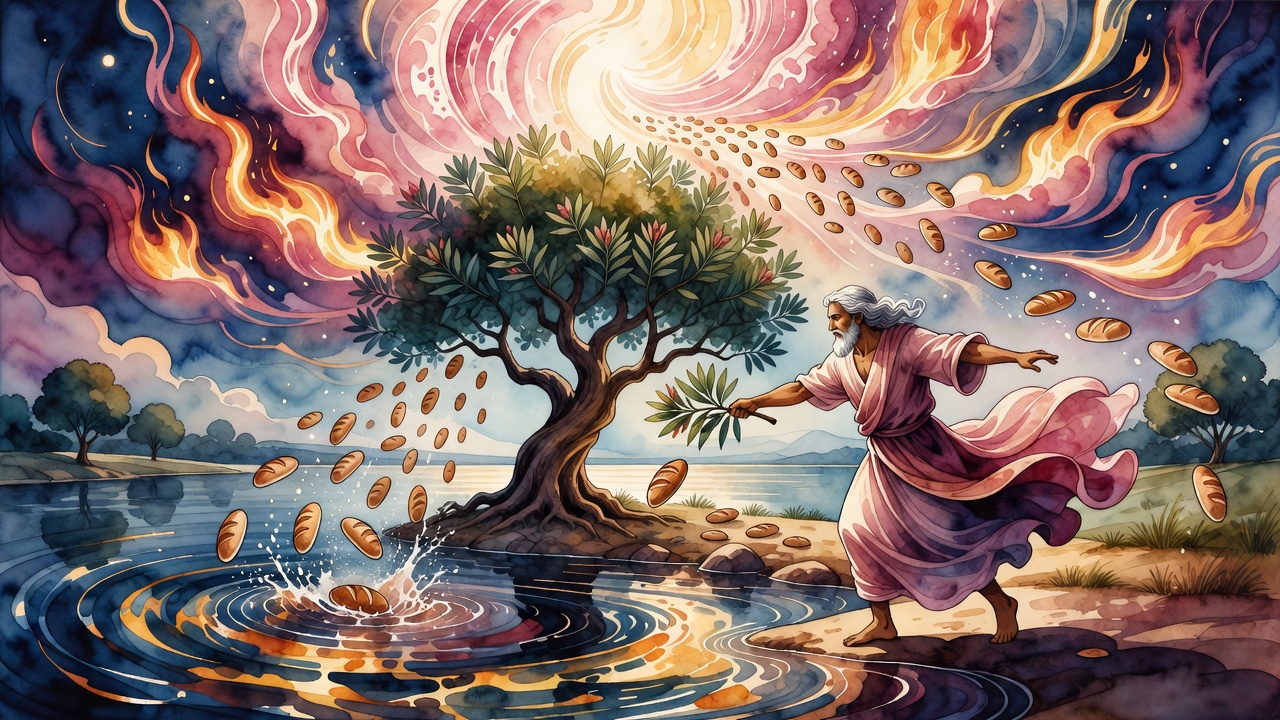
Moses writes God's Name on poisonous oleander and throws it into bitter water. Weeks later, heaven drops bread stored there since the first week of creation.
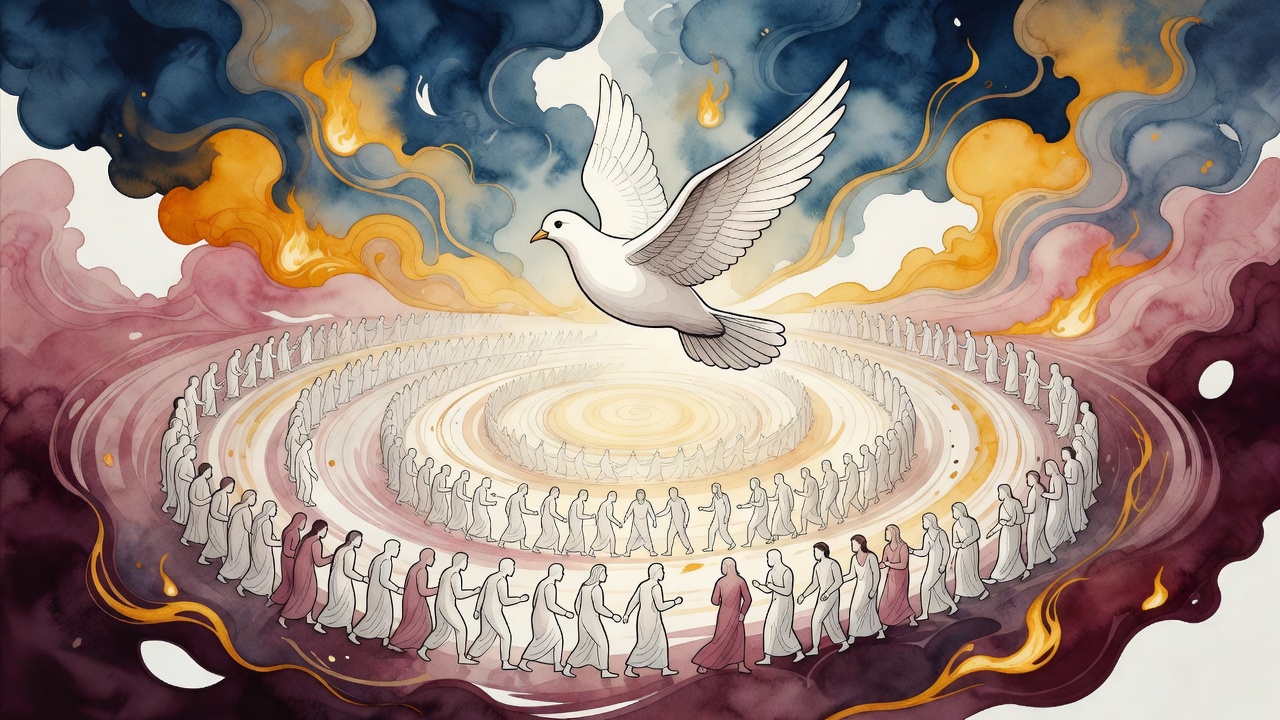
The Shekhinah, the Divine Presence, loses her resting place while Israel wanders, circling the nations like a dove with nowhere to land.
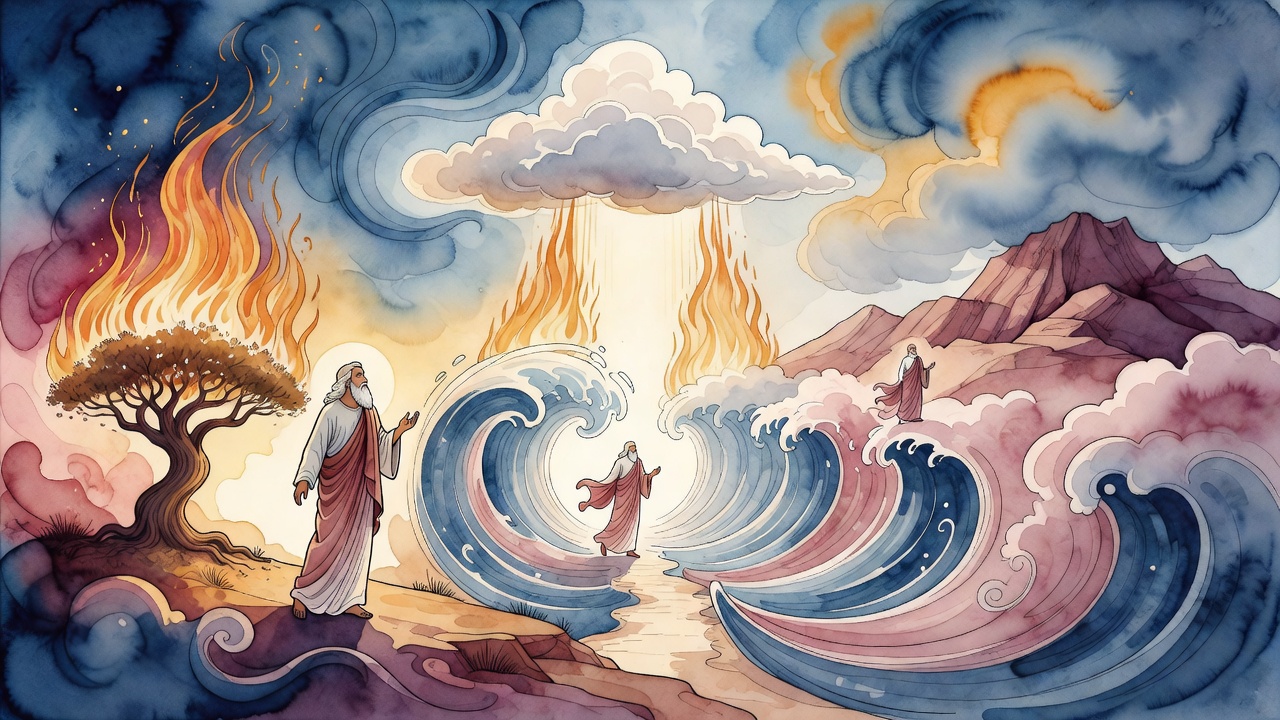
Moses ran out of Egypt with a dead taskmaster behind him and stopped at a well in Midian. Shepherds were driving women off it. He drew the water himself.
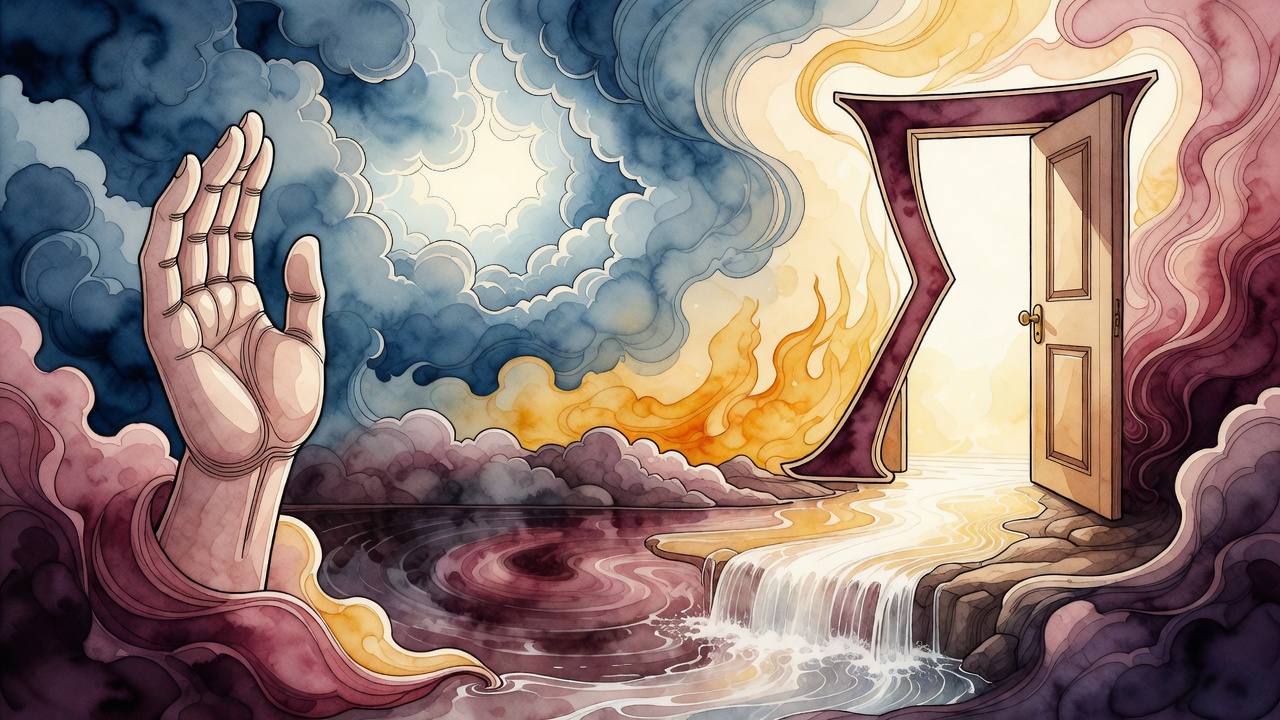
Israel had walked three days without water. At Marah the pool was bitter. Moses stood over it with a tree in his hand and a people at his back.
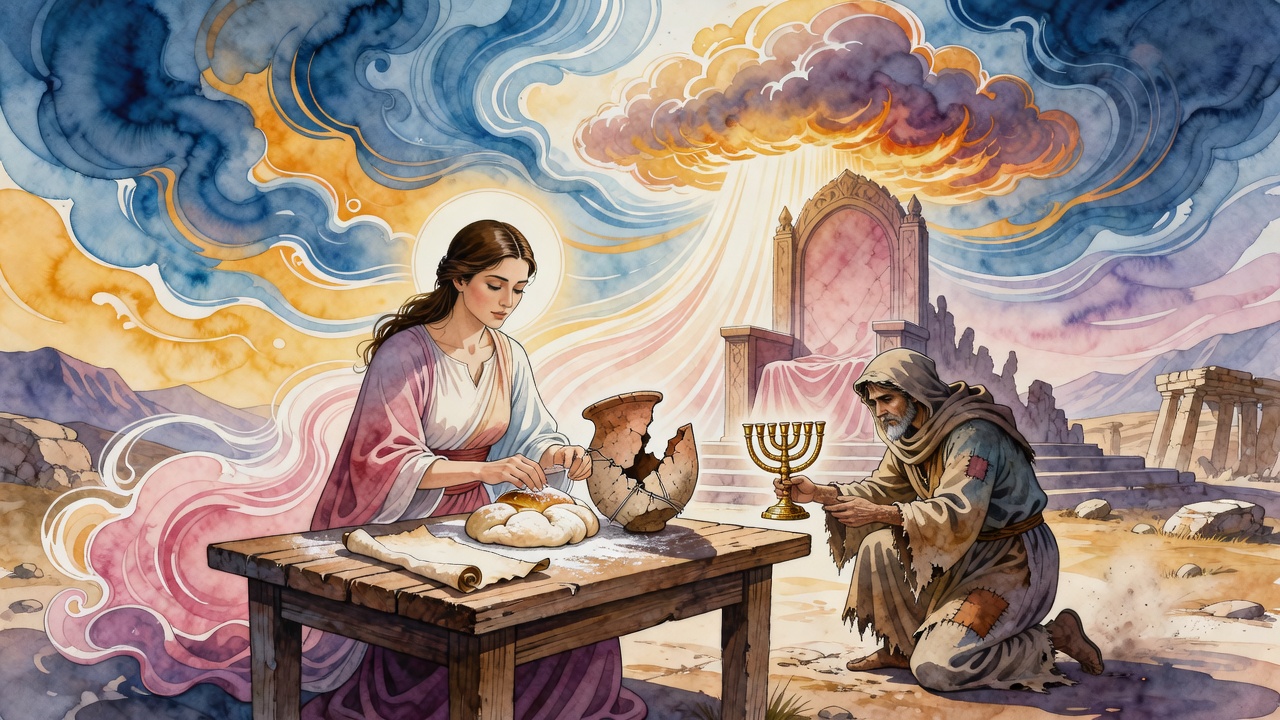
She pinched off a piece of dough before the loaf went into the oven. In another house a thief set a stolen cup back on the shelf.
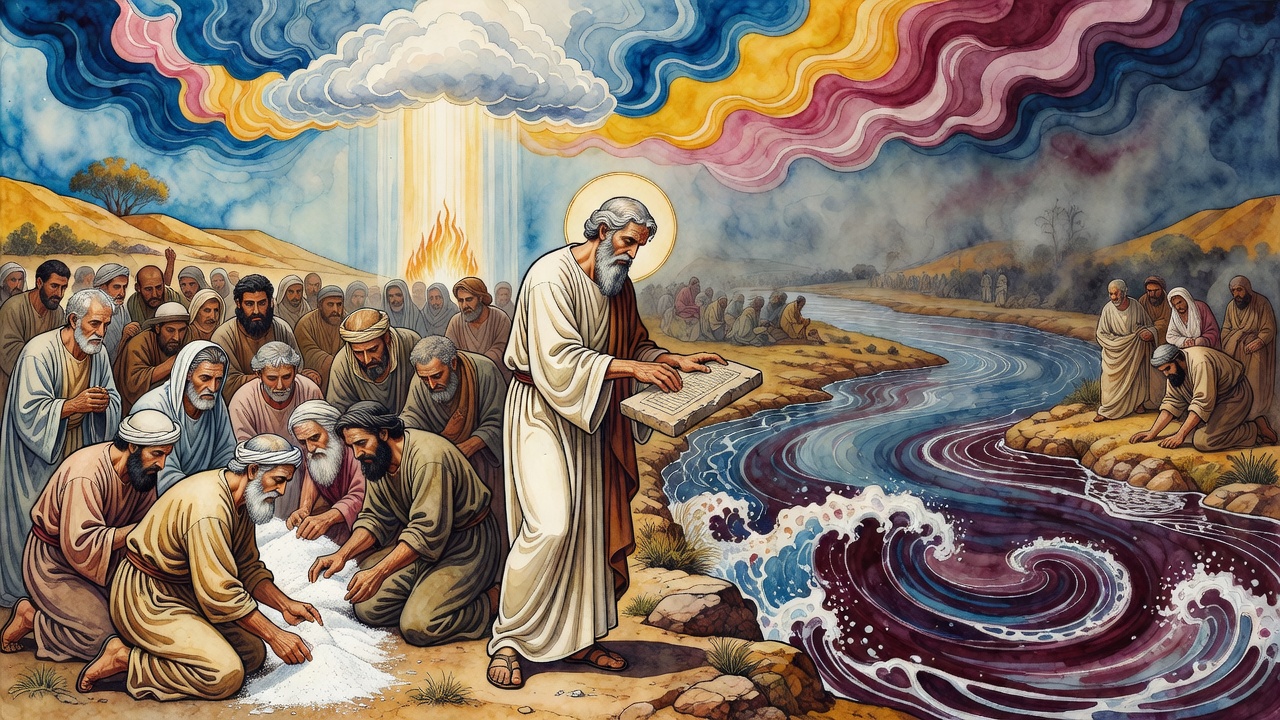
A man was caught gathering wood on the Sabbath. They held him in custody because Moses, who had received the law at Sinai, did not know the ruling.
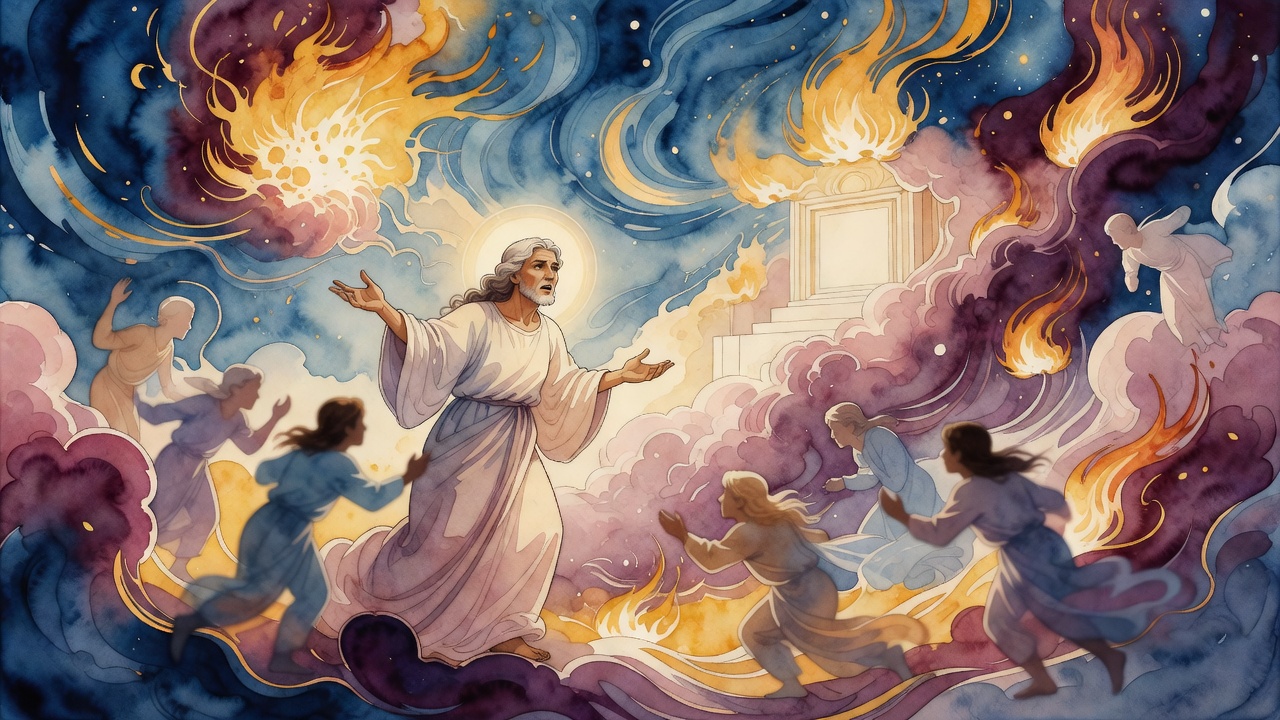
The armies in this vision turn out to be lawyers. When Jews rush their prayers, the Shekhinah, the Divine Presence, reaches the gates with empty hands.
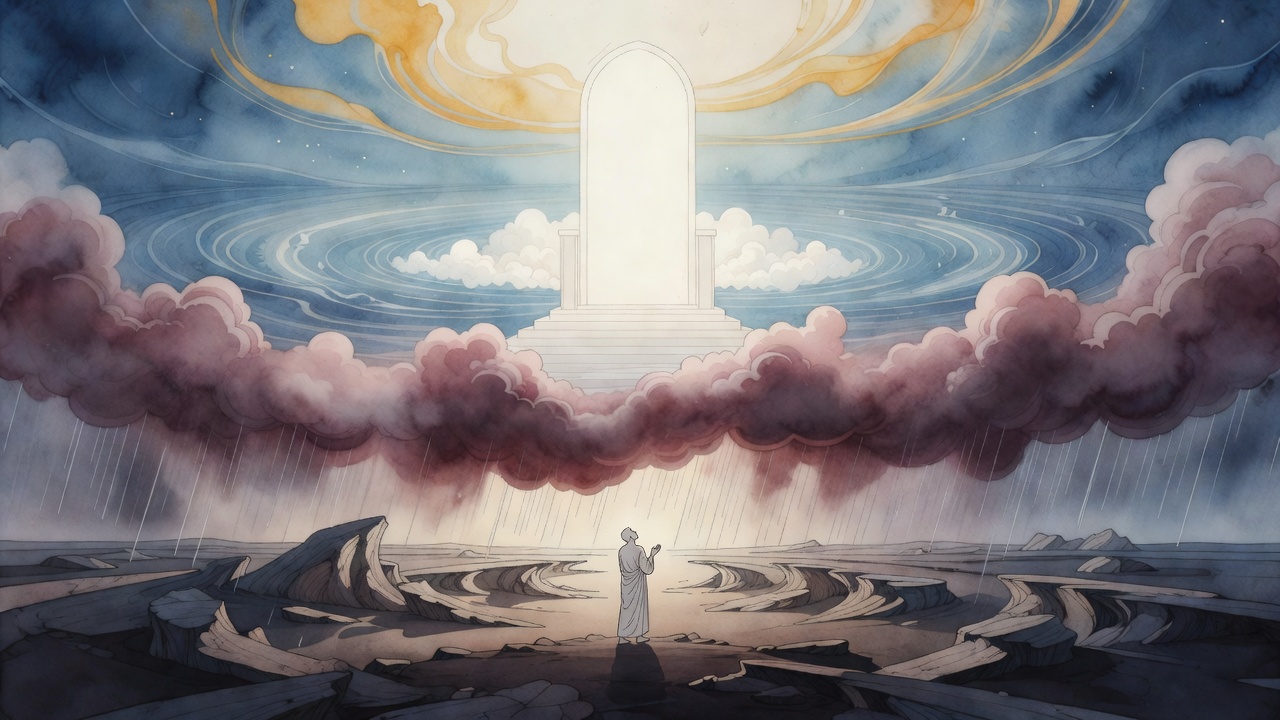
The upper waters floated on God's ongoing voice. The sixth day borrowed time from Shabbat. Rain did not fall until Adam stood and prayed for it to begin.
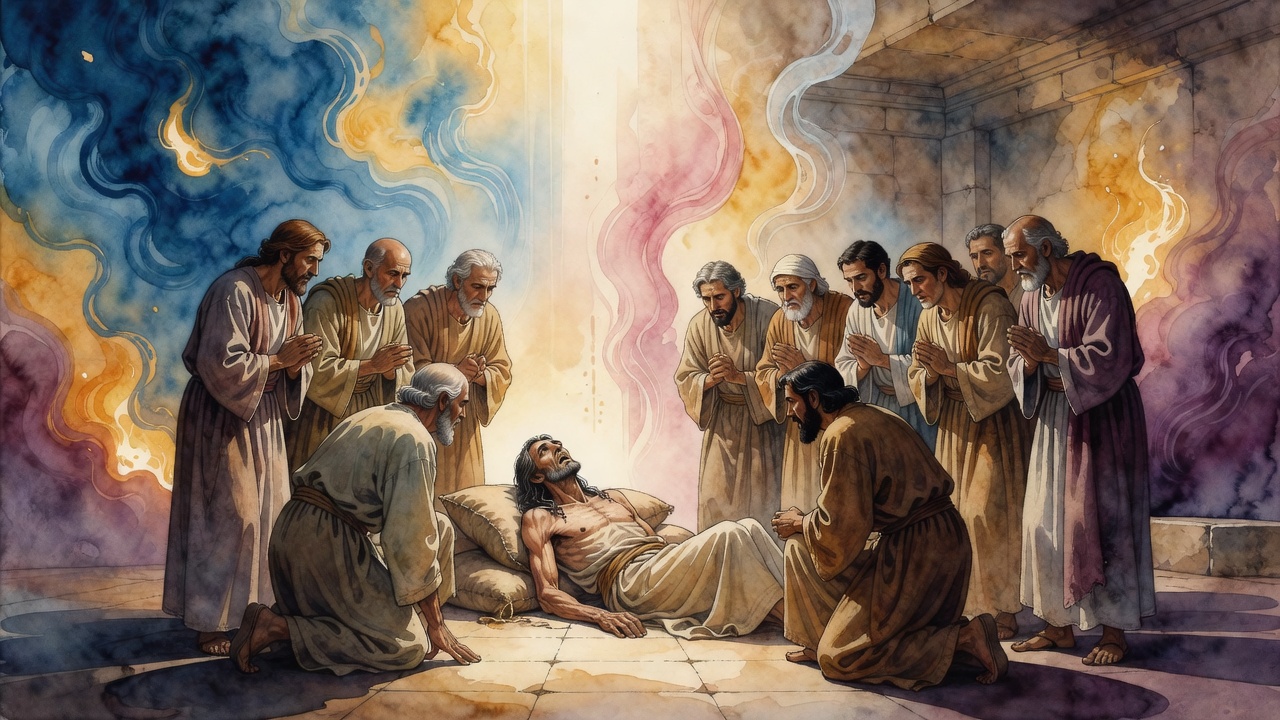
Jacob's arrival cut five famine years short. Joseph kept Shabbat in Egypt before Sinai. Dying, he made his brothers swear the oath Jacob had pressed on him.
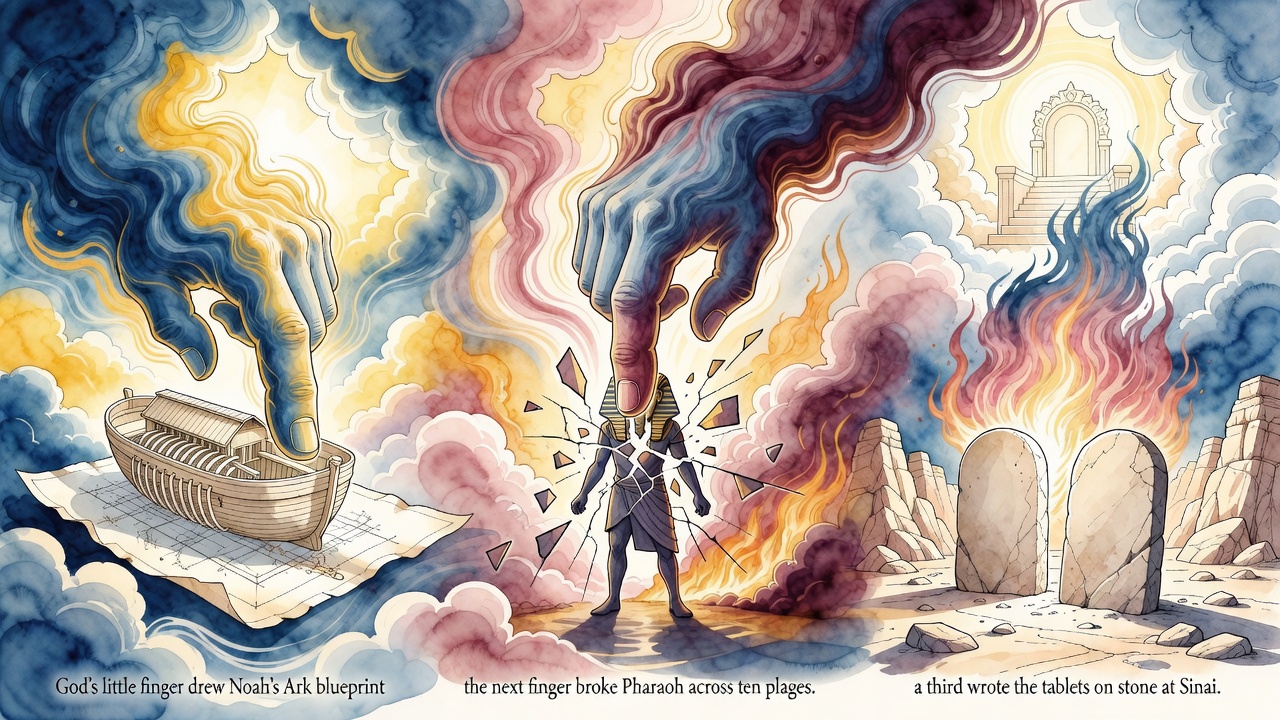
Noah copied cubits off a finger drawn in the air. When the lice came, Pharaoh's magicians named that same hand and could not match it.
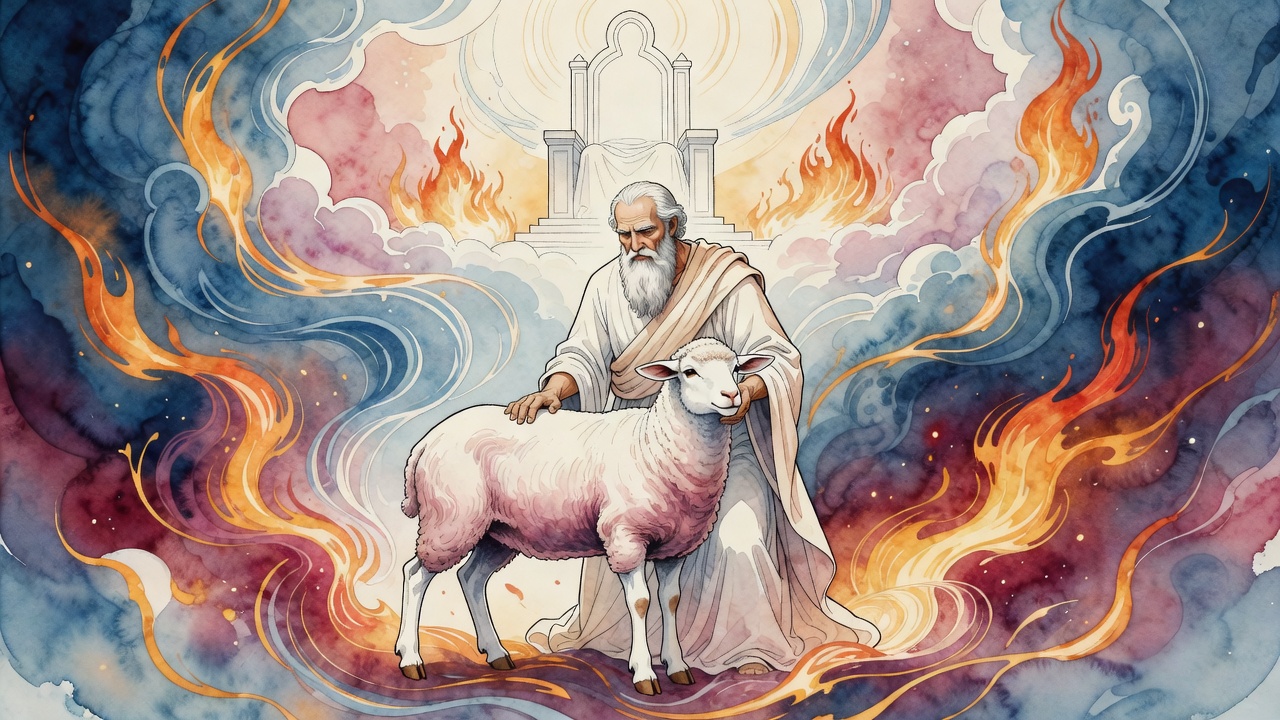
The sentence against the first man was handed down on a Friday. It was not carried out until Saturday night, and he spent the day in between shining.
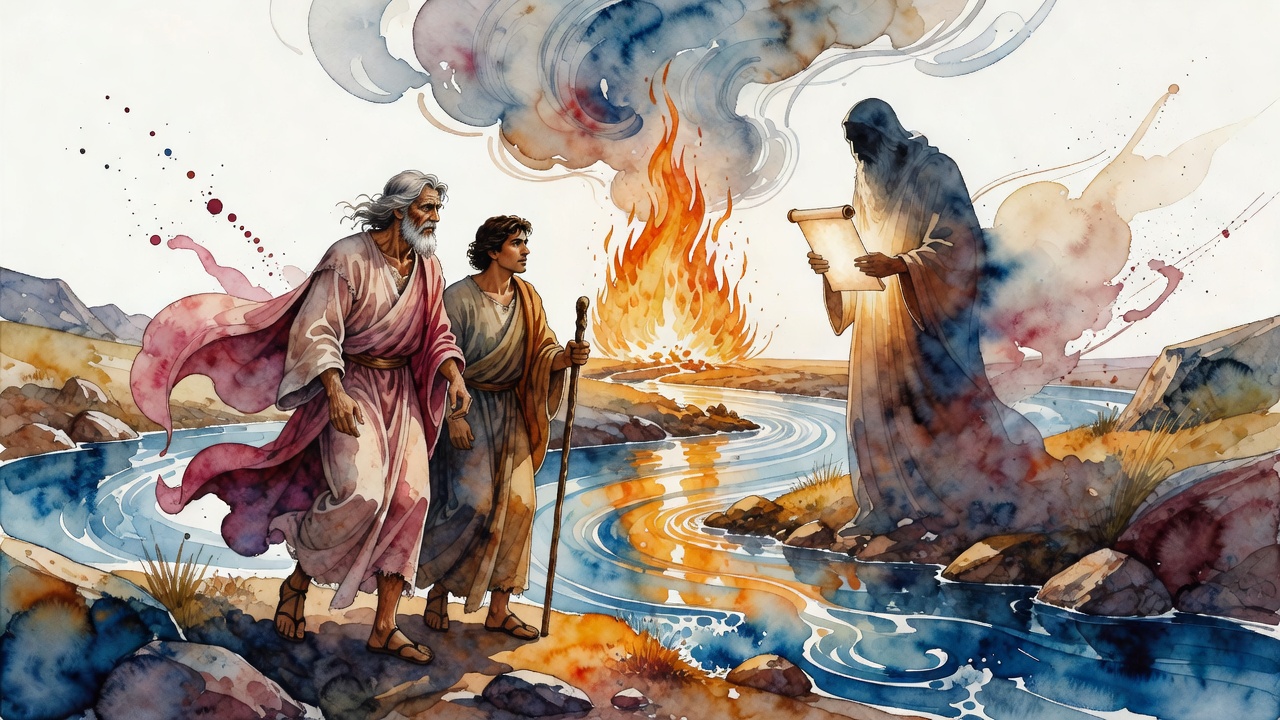
The angel who jumped Jacob in the dark had not come to test his character. He had come about an unpaid debt, and he wanted it settled by morning.
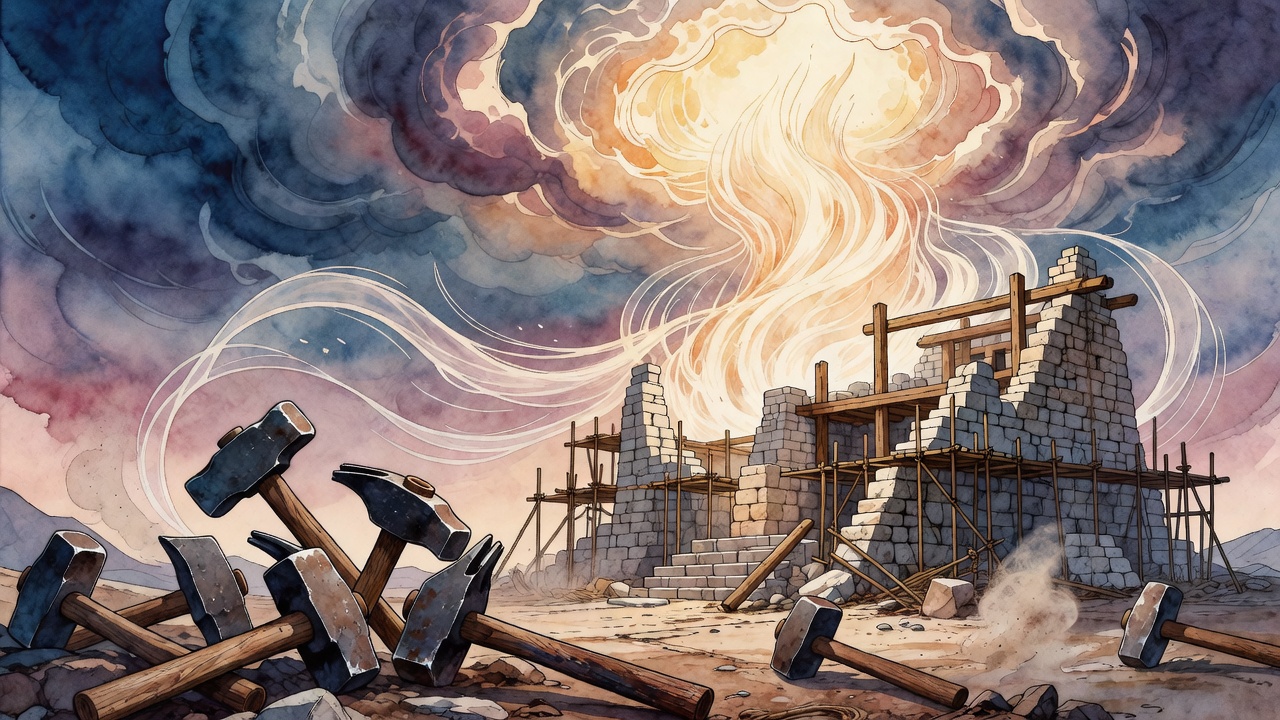
God ordered Israel to build Him a sanctuary, then commanded them to rest one day in seven. The Yalkut Shimoni asked whether holiness must yield to rest.
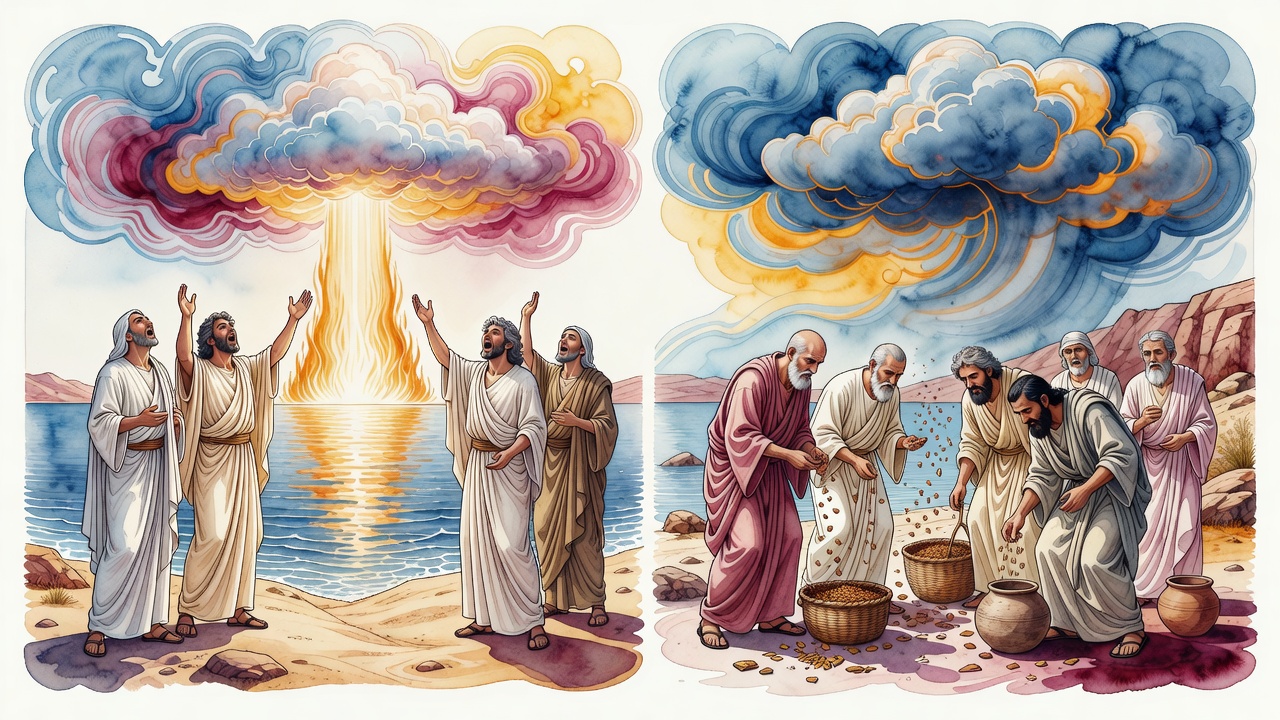
The song rose before they had bread or a plan. Six weeks later some of them walked out at dawn with empty vessels.
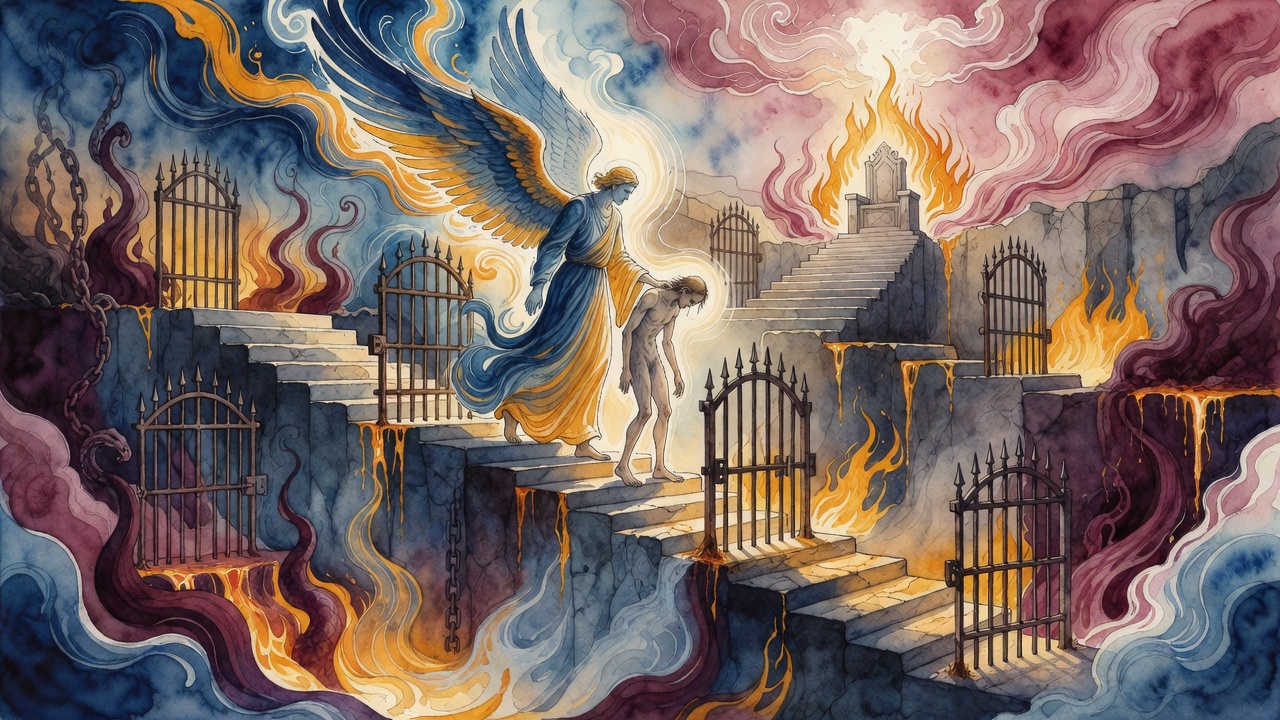
An angel walks a trembling soul down seven descending floors of fire, where the gates lock the feet and each punishment is cut to fit the sin.
