The Sabbath Stone That Guarded the Whole Creation
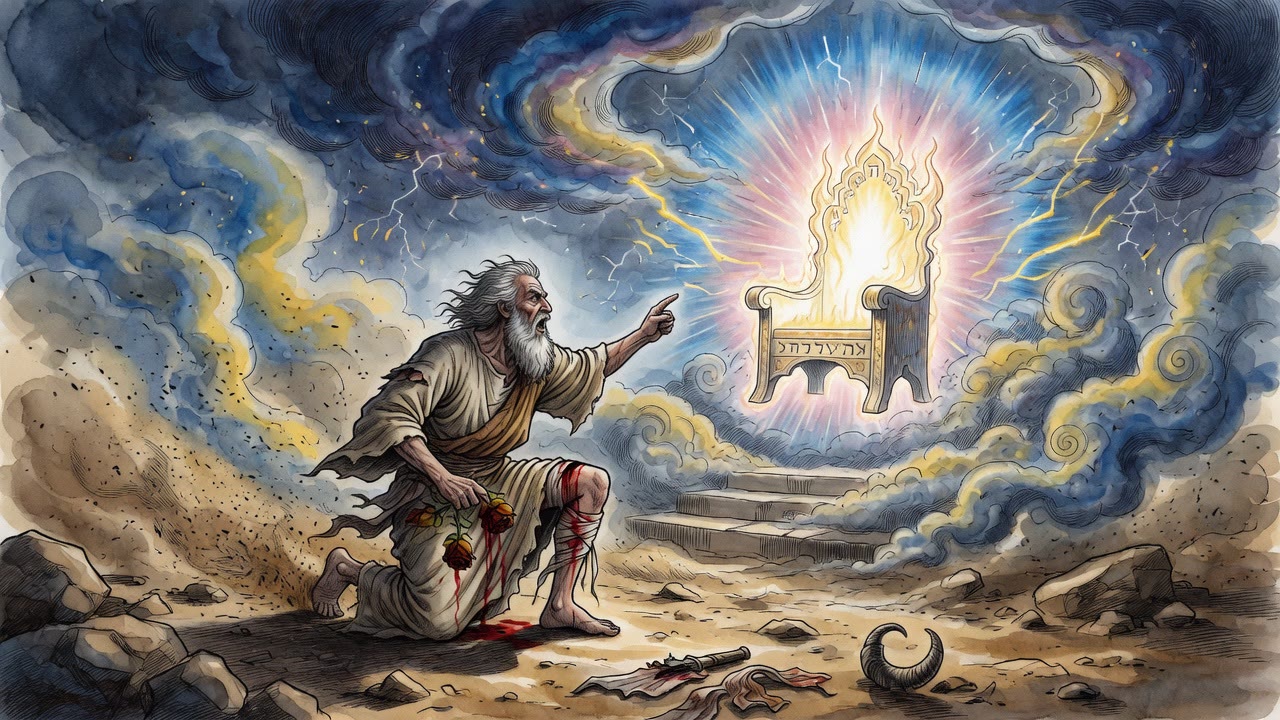
Rest on the seventh day is a sign between God and Israel. A man who picks up a tool in the street tears the sign, so the Torah puts him to death.
Table of Contents
 Click for full size
The Day That Was Built Before the Brick Molds
Six days belong to work. Everyone in Israel knew this, had known it since the morning after the sea closed over Egypt's chariots, since the manna failed to fall on the seventh day and the people learned that rest was not a suggestion. The Sabbath was older than their hunger. It was built into the world before human hands entered it.
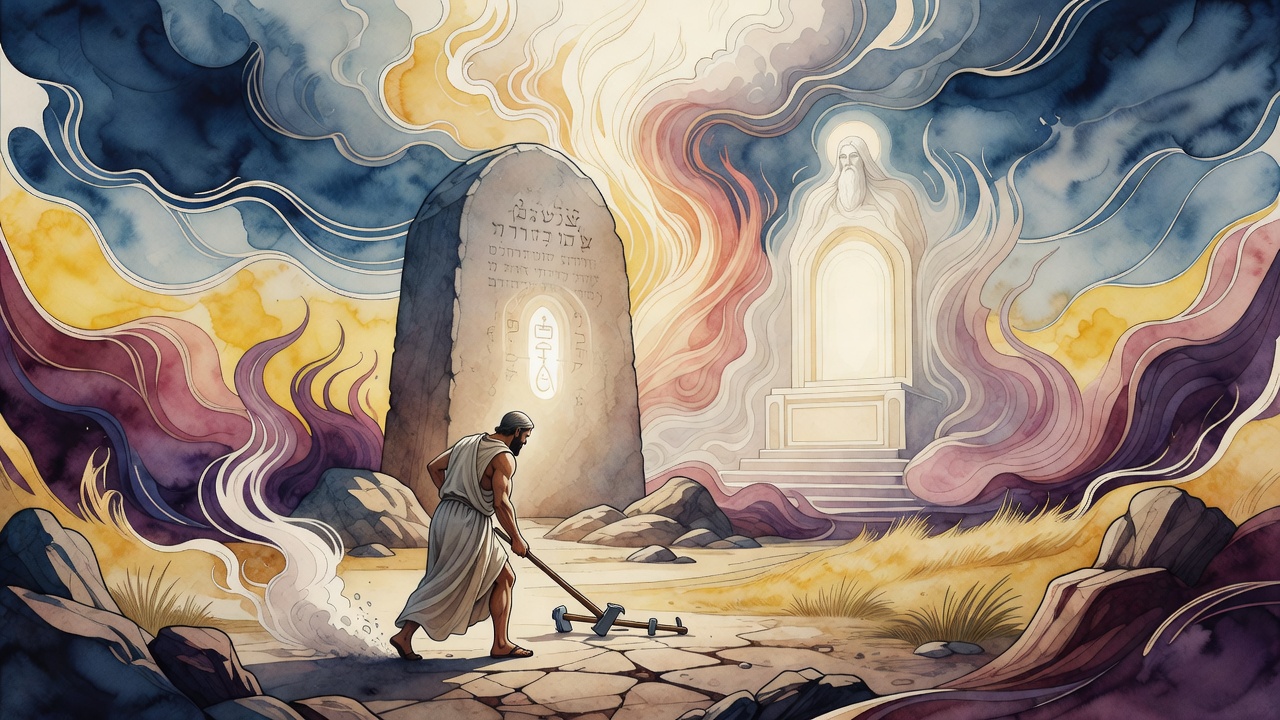
Targum Pseudo-Jonathan, the interpretive Aramaic Torah translation whose final form settled in the late antique or early medieval Jewish world, presses this point until the wood of the seventh day feels like a stone. At Sinai, when God spoke the fourth commandment into a mountain still smoking, the people did not receive a calendar adjustment. They received a testimony. Six days the Lord made the heavens, the earth, the sea, and everything inside them. Then He rested on the seventh day and blessed it and sanctified it. The pattern preceded Egypt, preceded the brick molds, preceded the whip.
That is why the Sabbath carries so much weight. It is not rest as recovery from labor. It is rest as a created thing, holy before a single human hand reached for the first tool on the first morning.
The Sign Between God's Word and Israel
The Targum on Exodus 31 makes the stakes explicit. The Sabbath is a sign, it says, between the Word of God and the children of Israel. Not a cultural practice. Not a religious tradition in the sense that traditions can be adjusted to circumstances. A sign. Something placed between two parties to mark the terms of a covenant that both parties agreed to keep.
A sign requires witnesses. When Israel rests on the seventh day, they are testifying to something the entire natural world was built to demonstrate: the world has a Creator, that Creator completed His work, and the completion matters. The testimony is weekly. It is public. It is physical. The body stops on the seventh day not because the body is exhausted but because the body is performing the most important legal act available to a human being in covenant with God.
Targum Pseudo-Jonathan does not let this stay theoretical. If the sign between God and Israel is enacted by Israel's weekly rest, then the man who lifts a tool on the seventh day is not merely breaking a rule. He is tearing the sign. He is withdrawing Israel's testimony from the courthouse of creation.
The Weight of Death Explained
The Torah assigns the death penalty to Sabbath desecration. This strikes almost every reader, ancient and modern, as disproportionate. Targum Pseudo-Jonathan provides the explanation that the plain text leaves unstated: because Sabbath desecration carries the weight of denying the creation itself.
The man who works on the seventh day is not committing an infraction. He is making a declaration. He is announcing, with his body, that the week has no structure derived from divine creation, that rest is not a testimony but merely a preference, that the covenant sign between God and Israel can be laid down whenever convenience demands it. If he is right, then everything the Sabbath testifies to is wrong. If everything the Sabbath testifies to is wrong, then the covenant itself is dissolved.
The Targum does not flinch from the logic. The penalty matches the offense not because the work itself is dangerous but because the testimony it contradicts is foundational. You do not strike down the testimony lightly.
The Man in the Wilderness
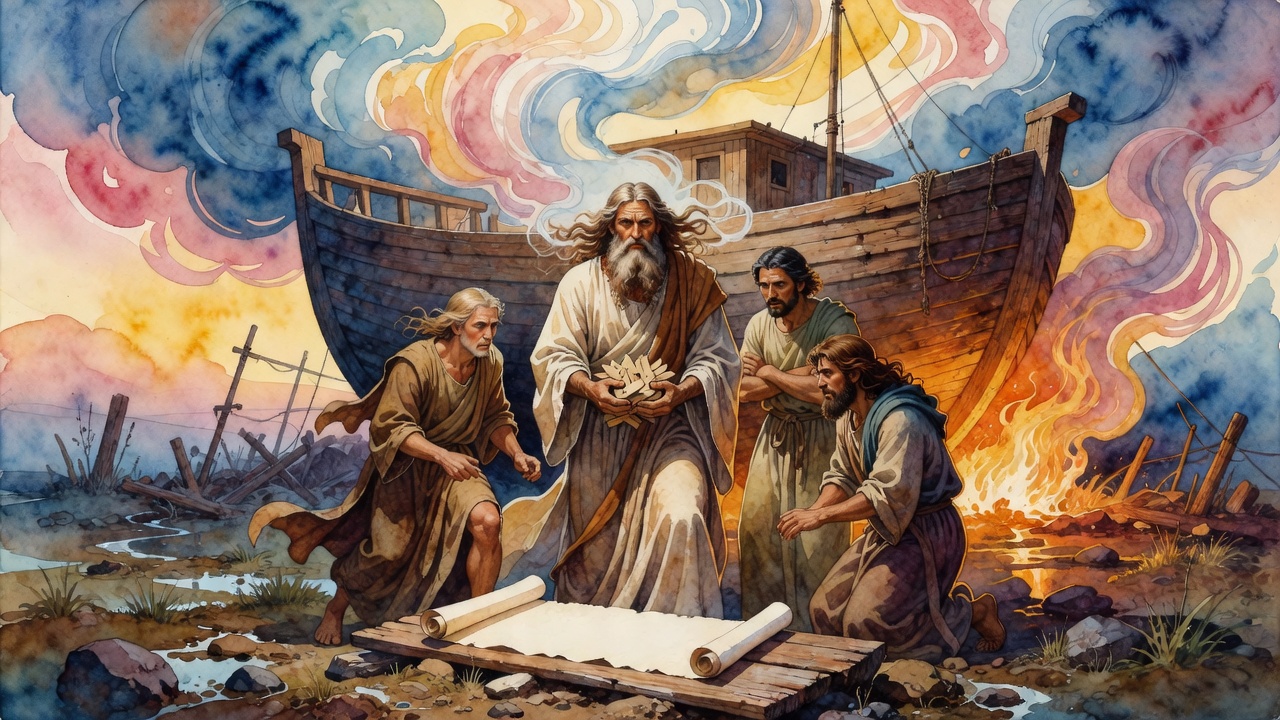
In Numbers 15, a man is found gathering wood on the Sabbath day. He is brought before Moses. Moses does not know what to do with him and asks God. The answer comes: he is to be stoned. The community carries out the sentence outside the camp.
Targum Pseudo-Jonathan frames this episode within the weight it has already built. The gathering of sticks is not the issue. The issue is what the gathering announces in public. Israel was in the wilderness, surrounded by nations watching to see what kind of people this was, what their God required, what their covenant meant. The man gathering wood on the seventh day was performing a public rejection of the sign.
The stones that fell on him outside the camp were the community's testimony responding to his. His act had said: there is no Creator, there is no covenant, the seventh day is like any other day. The stones said: we testify otherwise. We have seen the manna fail to fall. We have heard the commandment from the mountain. We carry the sign and we will not let it be torn in public without answering.
The Sabbath stone did not guard only the covenant between Israel and God. It guarded the testimony about creation itself, the oldest and most fundamental claim any people had ever made about the nature of the world: that it was made, that its making had a pattern, and that the pattern was holy.
← All myths