633 related texts · 4 related myths · Page 1 of 14
When the Holy One commanded Israel to contribute materials for the Mishkan, the Tabernacle in the wilderness, the instruction could have been simple taxation. Every household owes ...
Some kinds of generosity come in a single burst and then exhaust themselves. The Tabernacle campaign was not that kind. Targum Pseudo-Jonathan on (Exodus 36:3) notes the strange rh...
The Tabernacle needed more than materials. It needed people who could work them, weave, embroider, sew, carve, cast, and then show others how to do the same. Targum Pseudo-Jonathan...
It is a small verse, easy to read past, but Targum Pseudo-Jonathan on (Exodus 35:1) marks a turning point. Moses gathers all the congregation of the sons of Israel, and says to the...
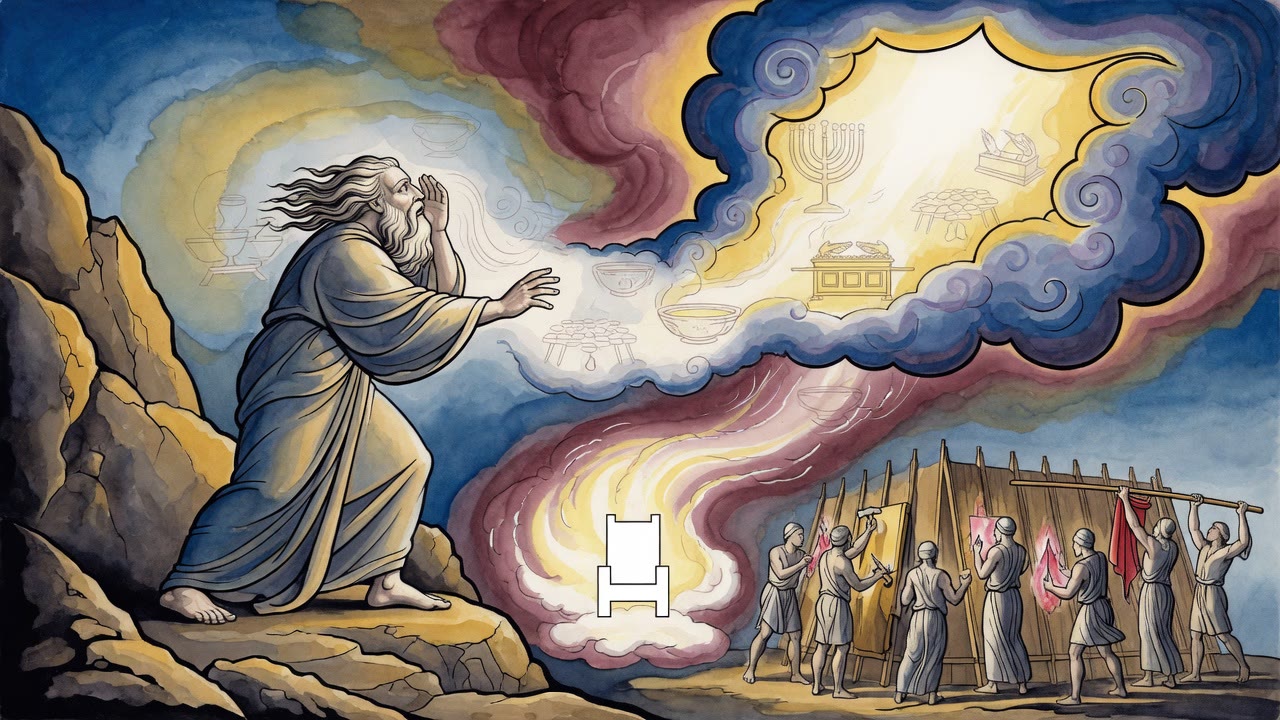
The Tabernacle project had a project manager, and his name was Bezalel. Targum Pseudo-Jonathan on (Exodus 36:2) describes the moment Moses formally assembled the team: Mosheh calle...
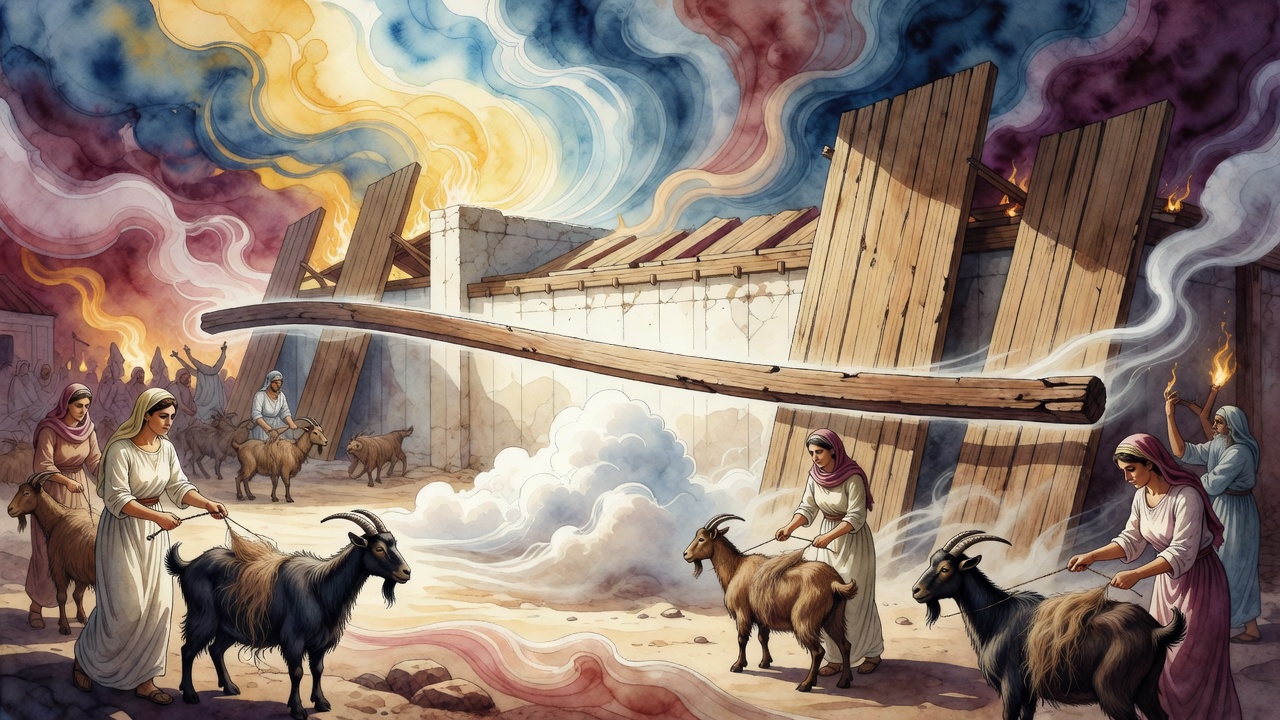
There is a stunning detail hiding inside the boring carpentry of Targum Pseudo-Jonathan on (Exodus 36:33). The middle bar that ran the length of the Tabernacle's north wall, mortis...
(Exodus 35:1) "And Moses assembled, etc." What is the intent of this section? From (Ibid. 25:8) "and they shall make for Me a sanctuary," I might think both on a weekday and on the...
The Sabbath is called menucha, rest. But Targum Pseudo-Jonathan on (Exodus 35:2) makes clear it was never optional. The verse commands six days of work, then on the seventh day the...
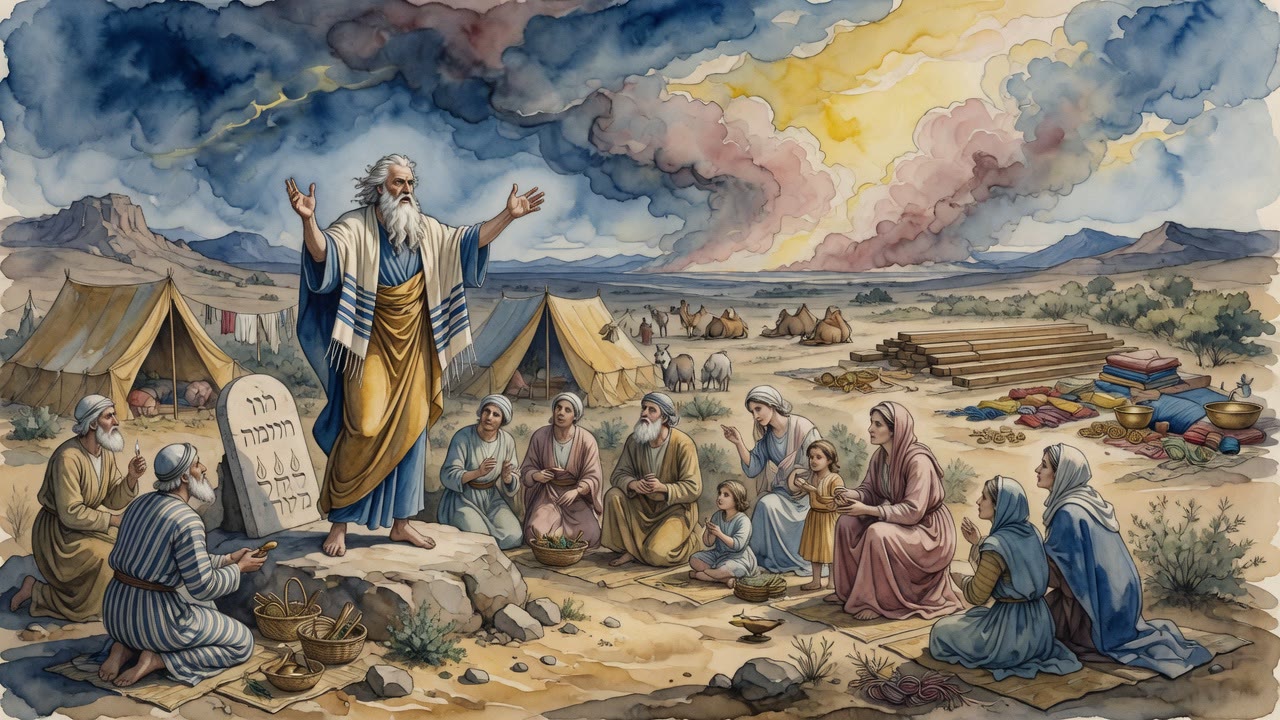
When the call went out for Tabernacle offerings, Targum Pseudo-Jonathan on (Exodus 35:22) records a scene the Torah's plain text only hints at: with the men came the women. And the...
When the Tabernacle needed building, the Torah says donations poured in from everyone whose heart moved him (Exodus 35:21). Targum Pseudo-Jonathan adds a remarkable detail: these g...
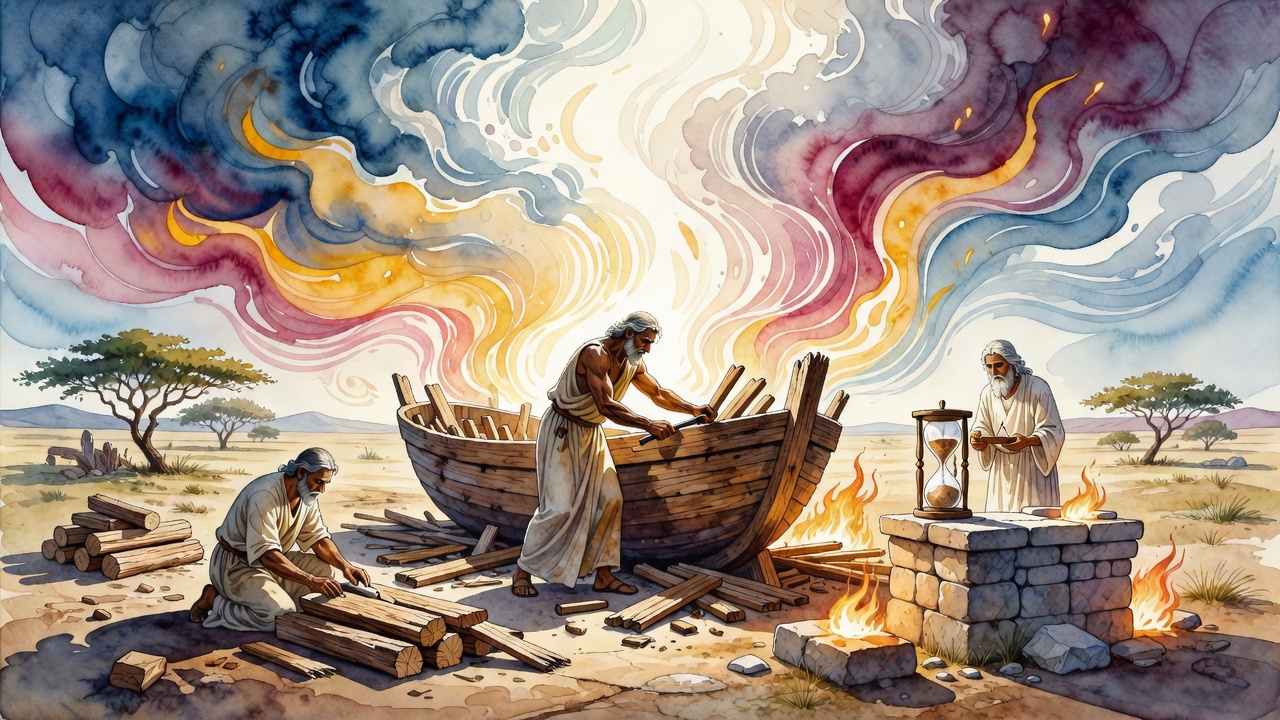
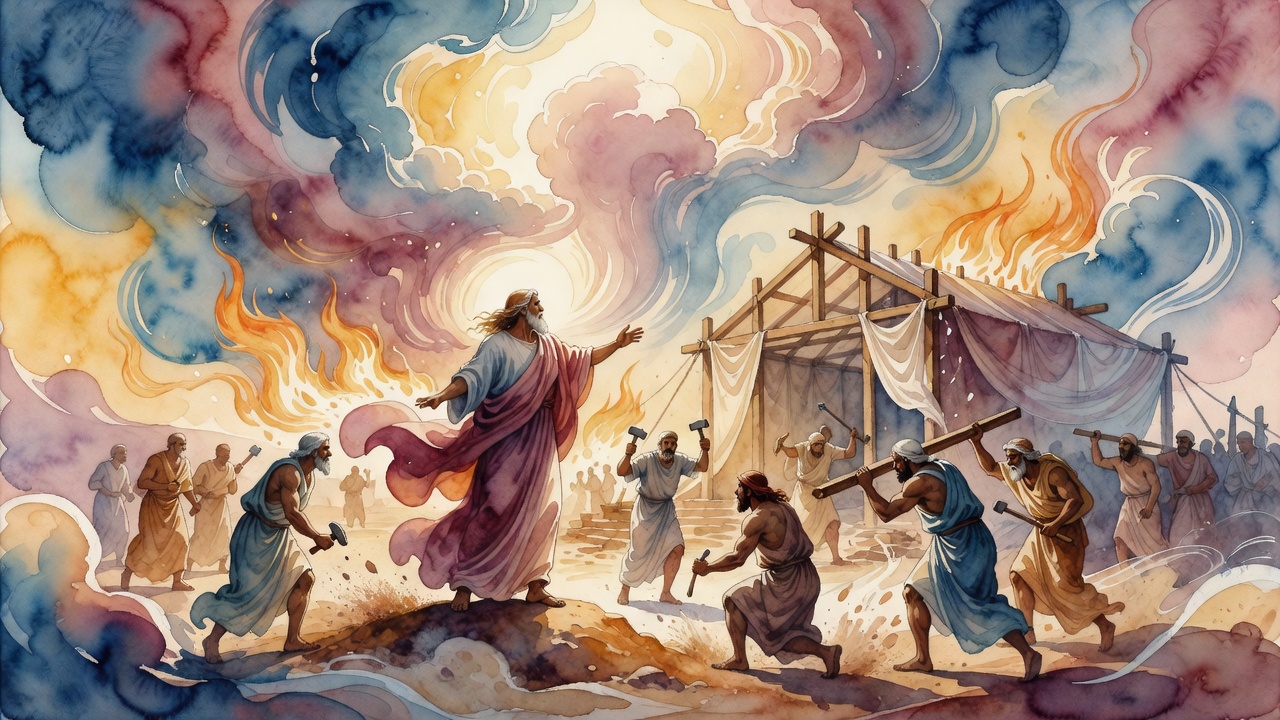
Think about the building of the Mishkan, the Tabernacle, that portable sanctuary that accompanied the Israelites through the desert after the Exodus. The familiar telling remembers...
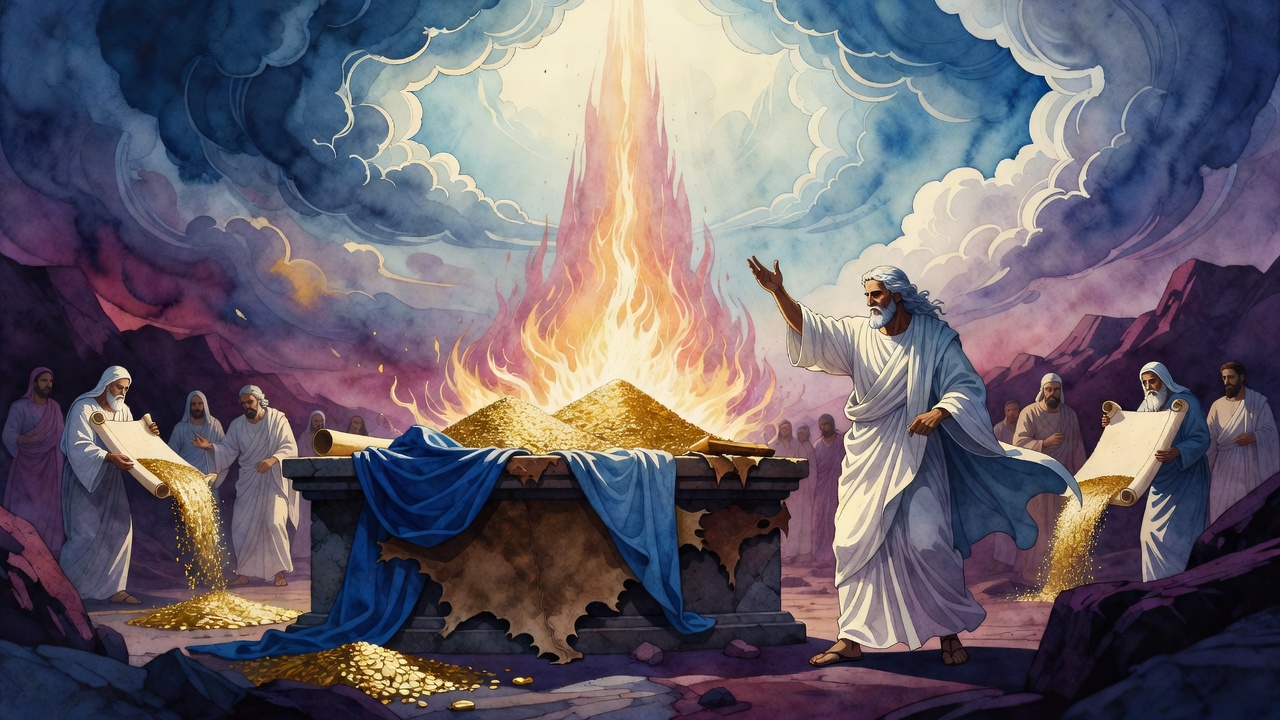
There is only one fundraising story in all of Jewish history where the problem was too much money. Targum Pseudo-Jonathan on (Exodus 36:6) describes it: Mosheh commanded, and they ...
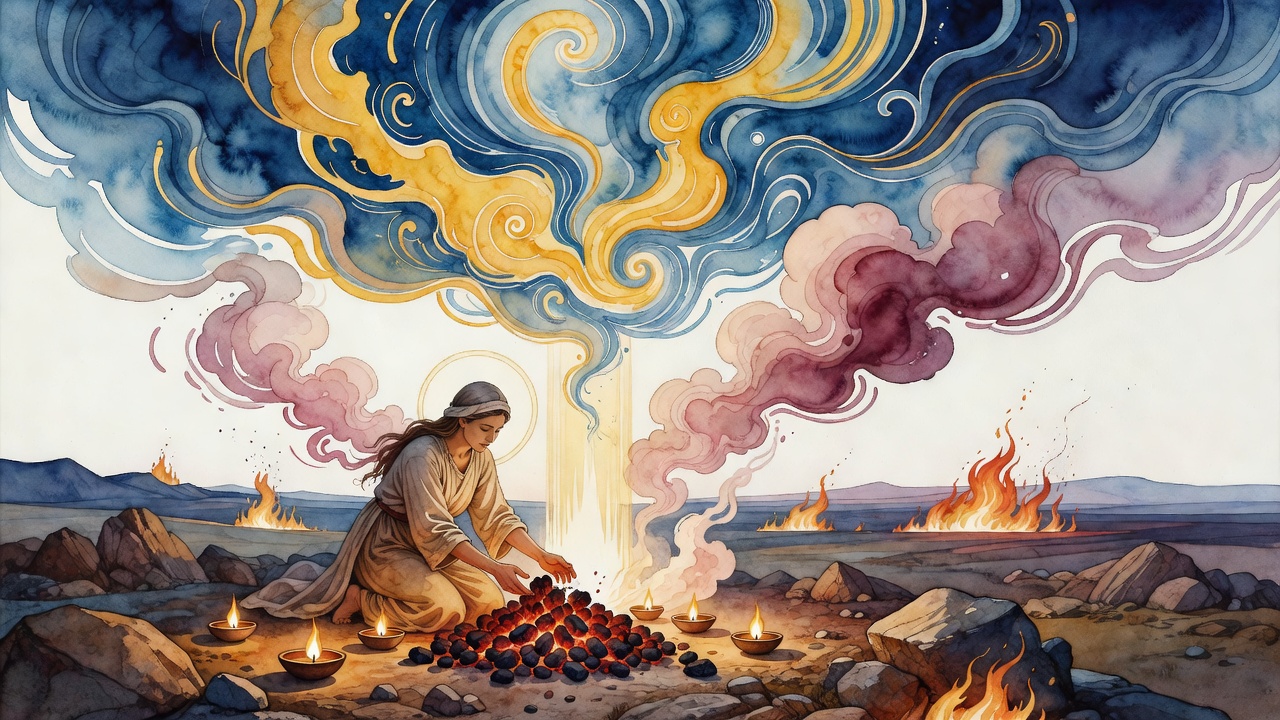
One of the disciples of R. Yishmael said: It is written (Exodus 35:3) "You shall not light a fire in all of your dwellings on the Sabbath day." Burning was in the category (of all ...
What happened to all those half-shekels? Targum Pseudo-Jonathan follows the Torah's answer: Moses was to gather the silver of the ransom from the sons of Israel and apply it to the...
The Torah often speaks in categories, the priests, the Levites, the heads of tribes. But Targum Pseudo-Jonathan on (Exodus 35:29) zooms out to the widest possible frame: Every man,...
Why five curtains on one side and six on the other? The Torah simply gives the numbers (Exodus 36:16). But Targum Pseudo-Jonathan offers a staggering interpretation: he joined five...
The golden cherubim that crowned the Ark of the Covenant were not two separate statues, Targum Pseudo-Jonathan on (Exodus 37:8) insists. They were part of the same piece of gold. T...
Of all the objects in the Tabernacle, the brass laver had the strangest origin. Targum Pseudo-Jonathan on (Exodus 38:8) preserves the story: it was made from the brasen mirrors of ...
The story of Bezalel, the architect of the Mishkan (Tabernacle), offers a glimpse into that sacred space. Bezalel wasn't just any craftsman. He came from impressive stock. Accordin...
He was the master craftsman chosen to bring the Tabernacle to life. A true artist, filled "with the spirit of God, with wisdom, with understanding, with knowledge and with all kind...
The story of Bezalel, the architect of the Mishkan, the Tabernacle, gives us a glimpse. It's a fascinating tale. Even though God Himself knew that Bezalel was absolutely the right ...
Build the Tabernacle first, and then create the Ark of the Covenant, the special chest to house the Torah. Makes sense. But then came Bezalel, the master craftsman, with a differen...
The familiar telling remembers Moses, the leader, the lawgiver. But what about the unsung heroes, the ones whose eagerness and devotion actually brought the whole thing to life? We...
Everything was actually finished in the month of Kislev, that’s around November/December on our calendar. They were ready to go, eager to erect this physical manifestation of God's...
Drawing from various Midrashic (rabbinic interpretive commentary) sources, the Israelites were so generous in their donations for the Tabernacle that they had more than enough mate...
The princes of the tribes in the story of building the Mishkan (Tabernacle) knew that feeling all too well. In Ginzberg's retelling in Legends of the Jews, when Moses called for do...
Seems straightforward. God wanted the selection to happen at the Tabernacle – the Mishkan, that portable sanctuary that was the heart of their spiritual lives. The idea was to impr...
The people brought so much gold that Moses had to tell them to stop. That detail, preserved by Josephus, captures something remarkable about the building of the Mishkan (Tabernacle...
This mystical text, part of the Zohar, explores the deepest secrets of Kabbalah, and The Idra Zuta, literally "The Lesser Assembly," is a profound and complex text. It describes th...
"These are the things that the Lord commanded to be done. For six days work shall be performed, but the seventh day shall be holy for you" (Exodus 35:1-2). Rabbi Levi Yitzchak of B...
Our jumping-off point is a verse from Numbers (Bamidbar) 10:10: "And on the day of your rejoicing and on your appointed times you shall sound the trumpets." Seems straightforward. ...
The collection of materials for the Tabernacle in (Exodus 35:1-35) is, in the Hebrew Bible, a straightforward account of voluntary giving. The Targum Jonathan inserts miracles that...
Bezalel of Judah was the master artisan of the Mishkan. But Targum Pseudo-Jonathan preserves the Torah's insistence that he did not work alone. God appointed with him Oholiab bar A...
Exodus 40 ends with a single line of deep significance. Targum Pseudo-Jonathan renders (Exodus 40:33) simply: Moses reared up the court around the tabernacle and the altar, set the...
When we say "The Midrash of Philo," it's important to clarify we aren't talking about a midrash (rabbinic interpretive commentary) in the classic rabbinic sense. Instead, it refers...
See, he hath called by name Bezalel (Exod. 35:30). Observe what He did for Bezalel. The Holy One, blessed be He, instilled wisdom in his heart, as it is said: And he hath filled hi...
And Bezalel made the ark (Exod. 37:1). You find that everything constructed for the Tabernacle was made in its proper order. First he made the boards and joined them together. Afte...
It turns out, even the number of curtains held a profound significance. eleven curtains made of goats' hair. Why eleven? Well, according to tradition, it mirrors the eleven heavens...
Where did the onyx stones for the high priest's ephod come from? The Torah does not say. But Targum Pseudo-Jonathan on (Exodus 35:27) tells one of the strangest mineral-supply stor...
Targum Pseudo-Jonathan on (Exodus 35:28) continues the miraculous supply chain it began in the previous verse. The clouds of heaven returned, and went to the garden of Eden, and to...
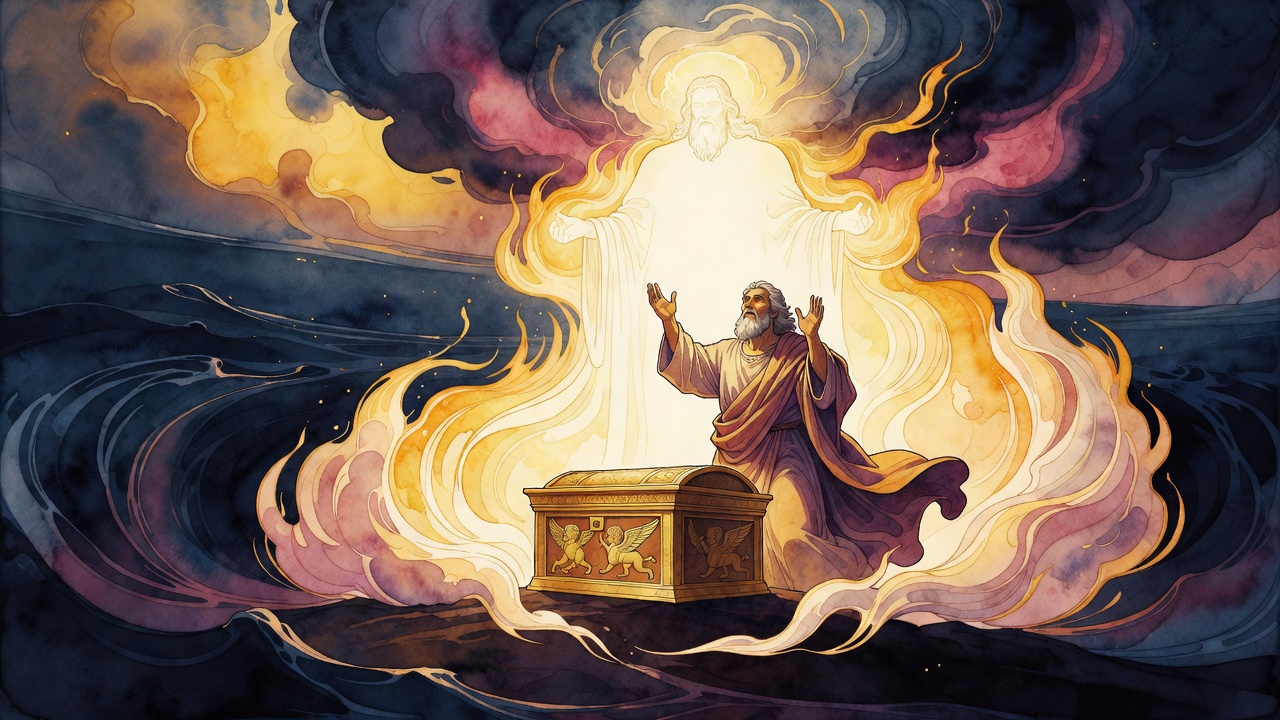
Above the Ark, where the Shekhinah rested, stood the two golden cherubim. Targum Pseudo-Jonathan on (Exodus 37:9) describes them with a precision that borders on reverence: the ker...
"For whoever does work upon it, that soul shall be cut off", the Mekhilta specifies that this refers to "a complete work." The full prohibition applies only when a person completes...
Midrash Tehillim, a collection of rabbinic interpretations on the Book of Psalms, opens up a fascinating window into this very question. It uses a beautiful image – the "rose of Sh...
Sabbath Pre-Eminence. Sanhedrin (the supreme rabbinic court), f. 65 a, b. B. Batra, 6. Sota, V. cf. Sota, 31, s. v. Gadol. J. Berakhot, IX. Pesikta R, ch. 23, f. 119b. Tanh. Exod. ...
After the calf, Moses pitched his personal tent far from the people. Targum Pseudo-Jonathan, the Aramaic paraphrase of the Torah, gives us the exact distance and what happened ther...
And Bezalel made the ark of acacia-wood (Exod. 37:1). Because it was known to Him-who-spoke-and-the-world-came into-being that Israel will sin at Shittim, the Holy One, blessed be ...
For example, Bezalel, who built the ark, was extolled before the Holy One, blessed be He, and the angels. He was praised in the upper regions and in the terrestrial regions, as it ...
(Numb. 29:35:) “On the eighth day [you shall have] a solemn assembly.” Let our master instruct us: Is it permitted to eat outside the sukkah on the Feast (of Tabernacles)?39BB 75a;...