The Sabbath Closed the Shop and Kept the Light in Adam's Face
The sentence against the first man was handed down on a Friday. It was not carried out until Saturday night, and he spent the day in between shining.
Table of Contents
 Click for full size
The Decree Was Signed on a Friday
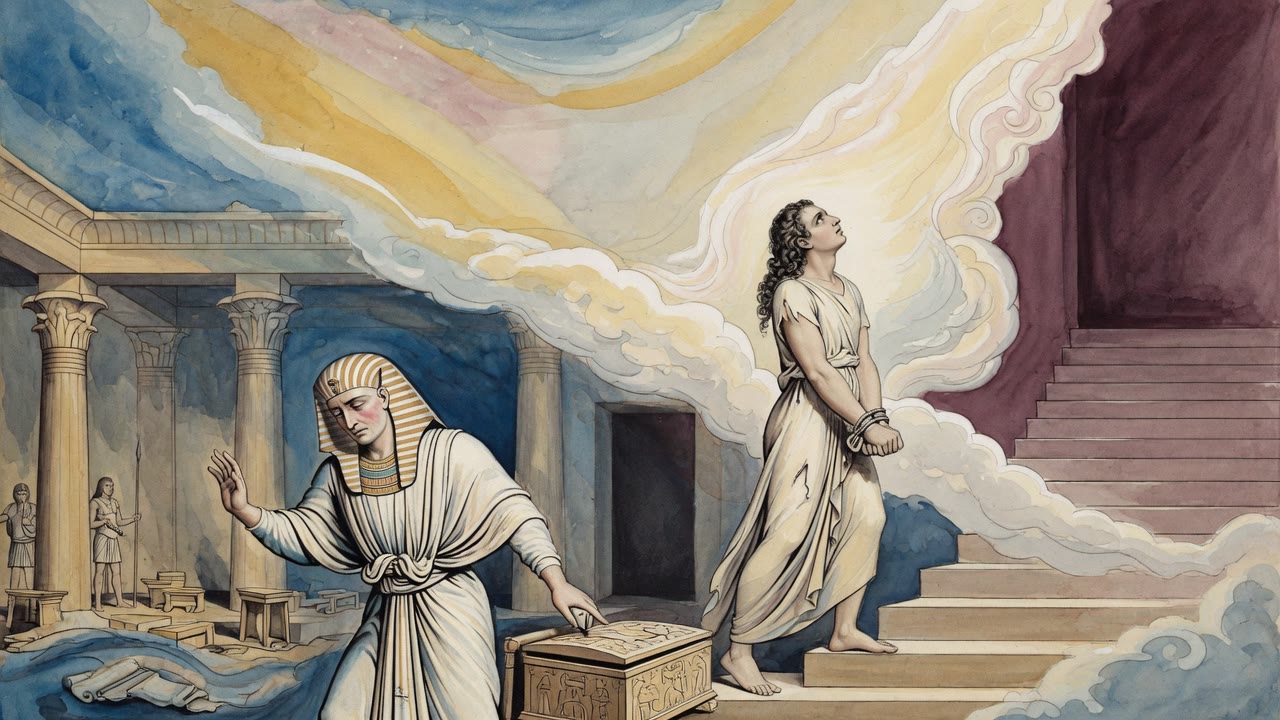
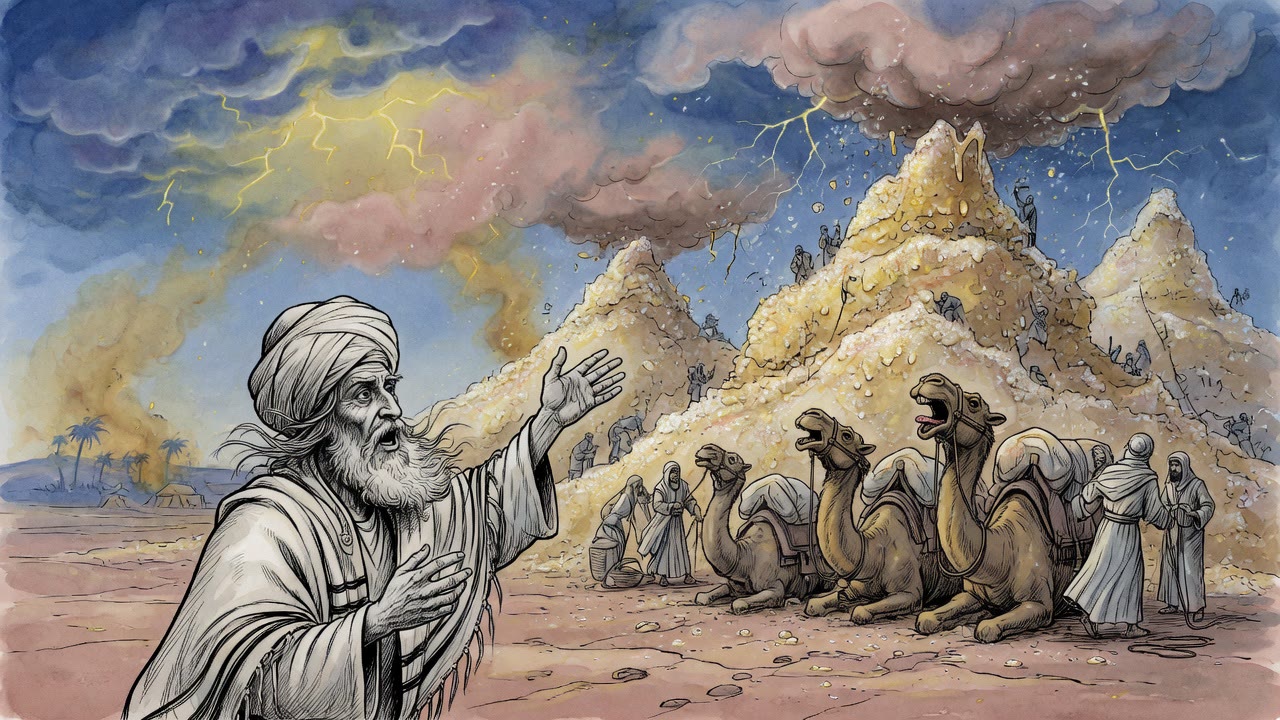
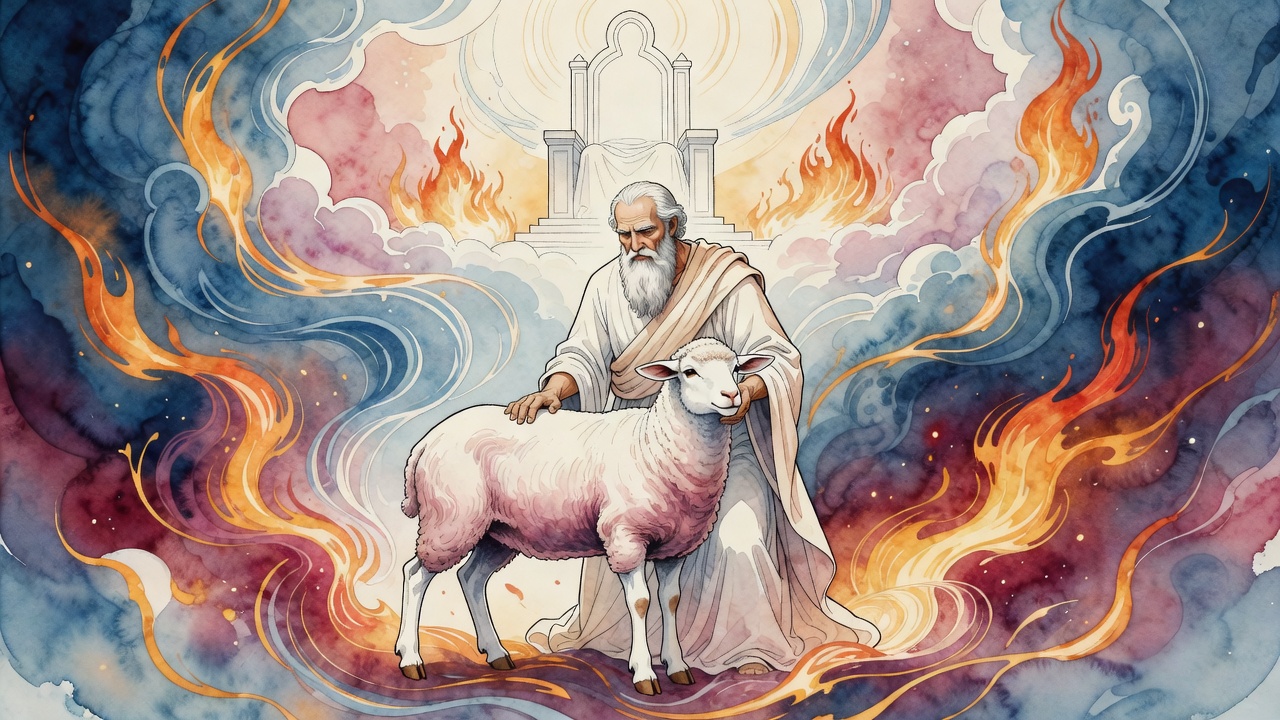
Adam had light in his face. Not an expression, not a look. Light, of a kind that made the sun and the moon seem like second thoughts, and it was going to be taken out of him on a schedule he did not set.
The ruling came down on the sixth day, before evening. Rabbi Shimon ben Yehuda of Kefar Akko counted what happened next, twice, because it happened twice. The lights of heaven were spoiled that Friday and were not struck until the Sabbath had gone out. The light in Adam's face was spoiled that same Friday and was not struck until the Sabbath had gone out.
The Sabbath kept the light in his face one day longer than the sentence allowed. He walked through the seventh day carrying a condemned face, and nothing above him dimmed either.
Rabbi Yosei pushed back on it. "Why do I need any of this?" he said. "The psalm settles it already. A man does not stay the night in his honor. His honor did not lodge with him, and he was left like the beasts."
"No," came the answer. "The decree came on Sabbath eve, and his honor did not leave him until the decree was on him, and he was not struck until the Sabbath went out."
The Manna That Would Not Rot
The same day did the same thing to bread.
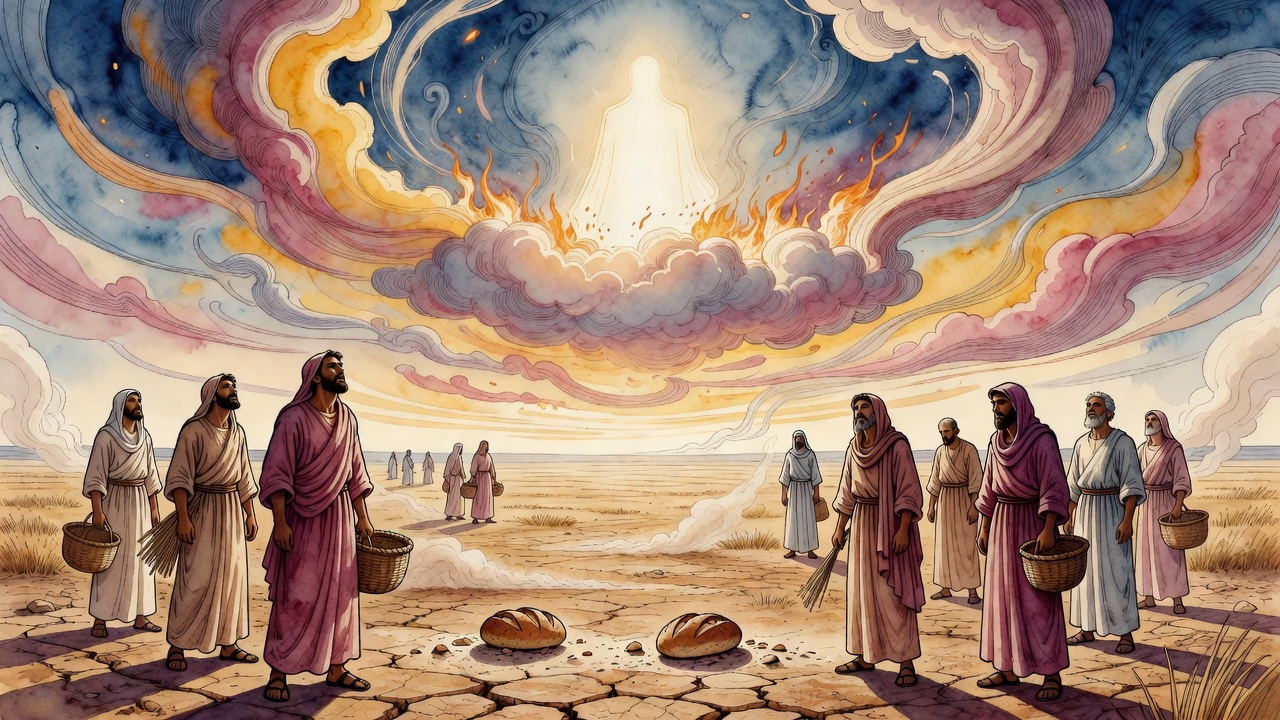
Six mornings a week the manna fell one measure a head, and anyone who held a portion overnight woke to worms in it and a smell in the tent. On the sixth morning two measures came down for every person, and the portion carried across into the Sabbath did not stink and had nothing crawling in it.
Blessed with manna and sanctified with manna. A day that holds off rot.
Underneath that sat a question nobody could leave alone. A psalm says the heavens were made by the word of the Lord. If a word was enough, why does the Torah insist on six days of labor? Because there is a reckoning waiting for anyone who wrecks a world made that carefully, and a payment coming to the ones who hold it together.
Then the sharper one. Isaiah swears God does not faint and does not grow weary. So what was the resting? If the One who cannot get tired wrote down about Himself that He rested, a creature born to toil has no argument left for skipping it.
Shammai Carried the Seventh Day Through the Market
Shammai the Elder walked the market with the Sabbath already in his mouth.
He would stop at a stall, look an animal over, and say it out loud. "This one is for the Sabbath." If something better turned up on a Wednesday he ate the first animal and set the new one aside in its place. A good vessel, a fine dish, the same sentence every time. All his years, the memory of that day never went out of his mouth.
Hillel the Elder ran on a different measure. He trusted each day to bring what it needed, because everything he did was already pointed at heaven. Blessed is the Lord, day by day.
Their schools fought over the last hours before dark. Shammai's students said the work has to be finished: do not set ink or dyes to soak, do not spread a net for beasts or birds, do not load the beam of the olive press, do not open the water into the garden, do not lay meat on the coals, unless the thing can finish itself before nightfall. Hillel's students allowed every one of those. You do your six days, and what is left completes itself while you sit.
Both schools wanted the same man at the end of it, sitting down at dusk like someone with no work anywhere in the world.
The Night the City Was Breached
Rabbi Yehudah ben Beterah put the ugliest case on the table. Foreign troops come at a town on the Sabbath. The men go out to hold the walls, and in holding them they break the day.
Then somebody says the reasonable thing. We have already broken it. Half of it is gone. Let the rest go with it.
The answer is no. A man who profanes the day answers for it, and a breach the length of a blink is still a breach, and the hours on the far side of it are exactly as holy as the hours before anyone drew a sword. A day does not become salvage because a piece was torn out of it.
The other edge got measured just as carefully. A man writes one letter at dawn and one at dusk. He weaves one thread in the morning and one in the evening. Nothing whole, nothing owed. Half a letter is not a letter.
No Court Could Move the Day
Every festival in the year sits where the court puts it. Judges add a day to a month or hold one back, and the feast slides along with them.
Someone assumed the seventh day answered to the same men, and the reply came back flat. A Sabbath of solemn rest, holy to the Lord. To the Name, not to the court. No panel can carry it to a Tuesday. No emergency reschedules it. It was set in the seventh position while the world was still being made, and nothing signed since has reached it.
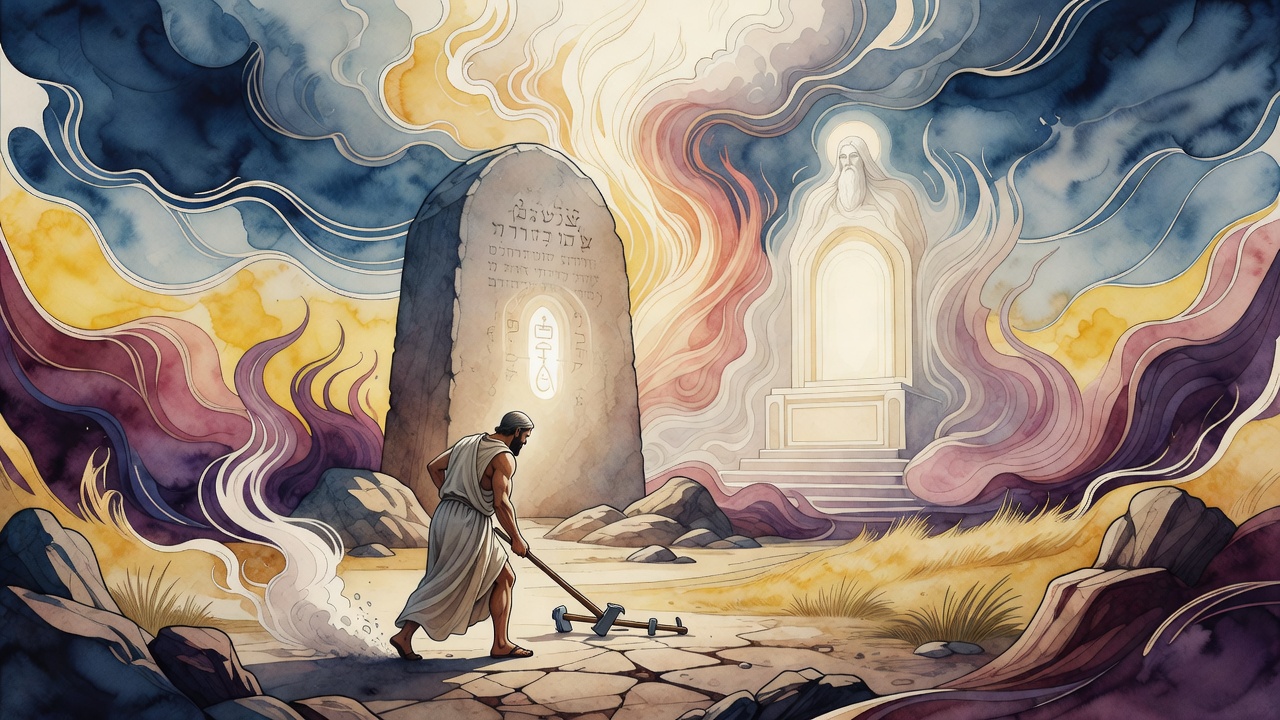
Even the Tabernacle stopped. The holiest thing Israel ever built, gold and blue and goats' hair rising to a specification God had dictated Himself, and on the seventh day the craftsmen laid down their tools and the sky over the half-finished tent went quiet.
Rabbi Shimon ben Menasya said the line people remember. The Sabbath is handed over to you. You are not handed over to the Sabbath.
And then the street. Every seventh morning a man walks down it and the shutters have not been opened. Why is that one closed? Why has that woman put her work down? Because they keep the Sabbath. A shut shop is a sentence said out loud with no voice in it, and what it says is that the world was made in six days and the one who made it stopped on the seventh.
← All myths