104 myths · Page 3 of 4
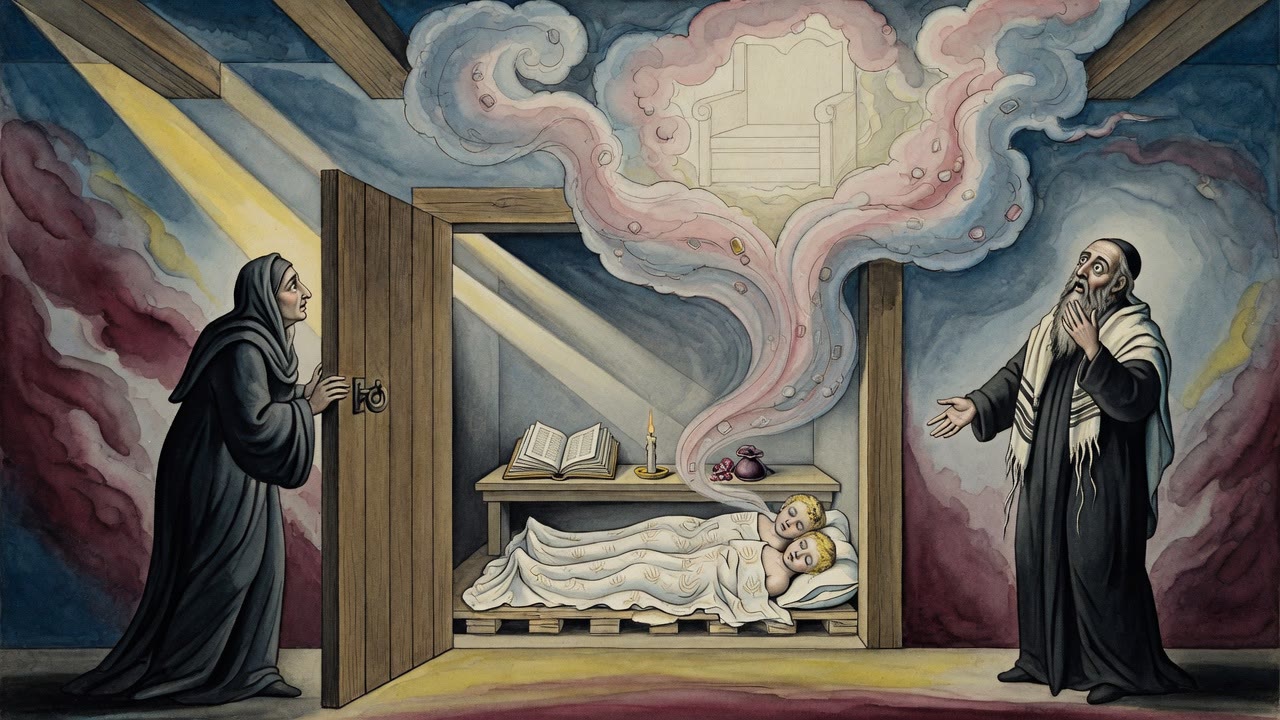
Beruriah hides her two dead sons through Shabbat, then asks Rabbi Meir whether a deposit must be returned before she opens the door.
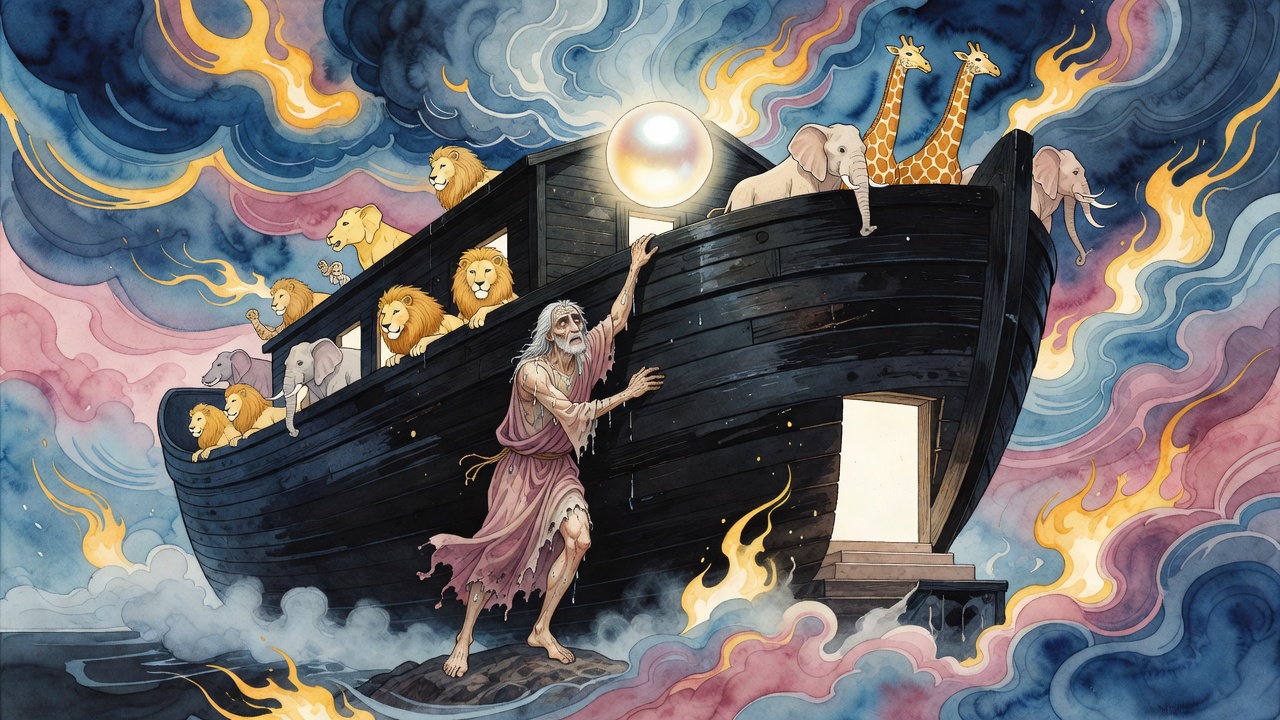
A single glowing pearl is Noah's only clock while he climbs a black ark for a year, feeding every beast on its own hour until the work nearly kills him.
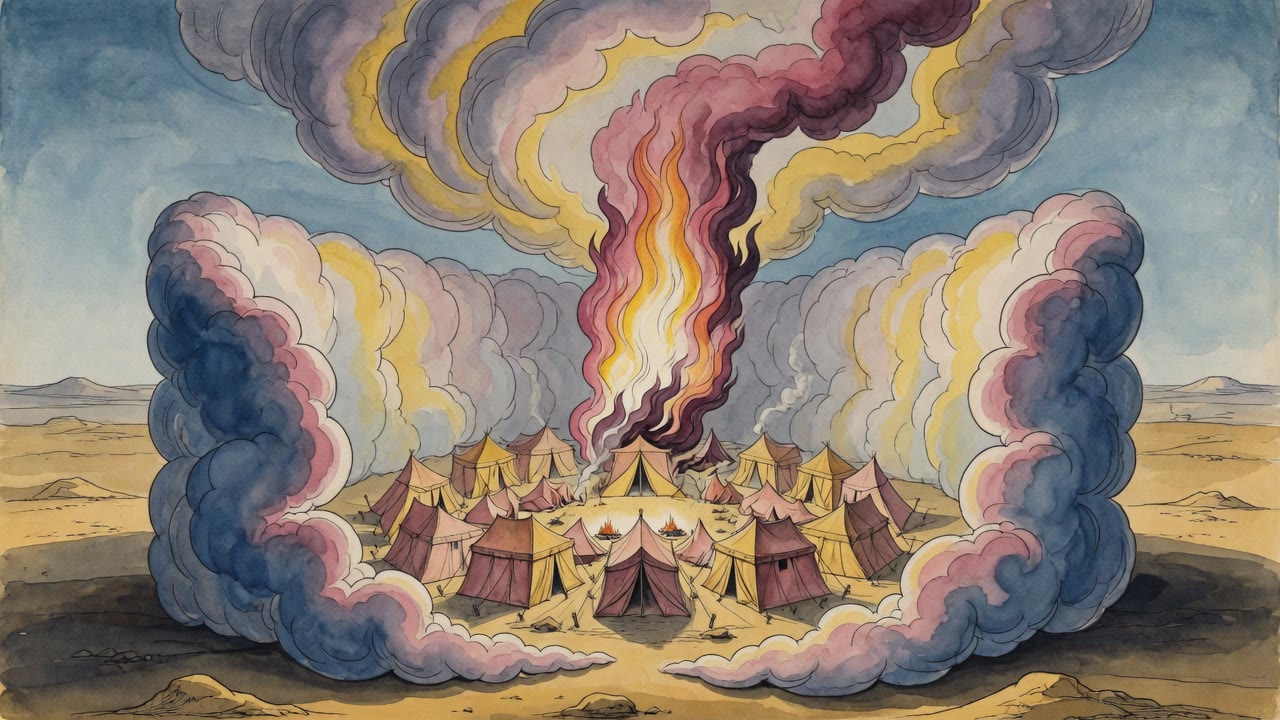
The sand burned under the first steps out of Egypt. Then a cloud spread under their feet, and the camp walked on it.
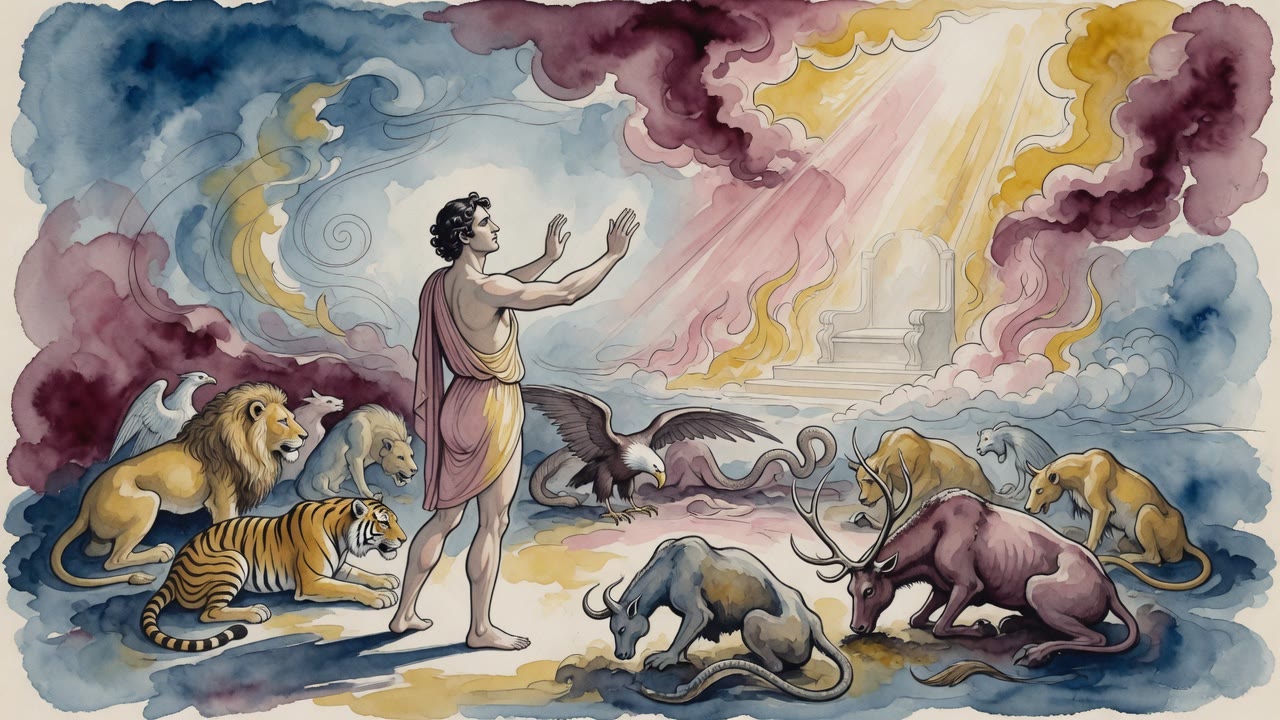
Every creature in the garden drew into a ring around the first man and went down on its knees. He had been alive for less than a day.
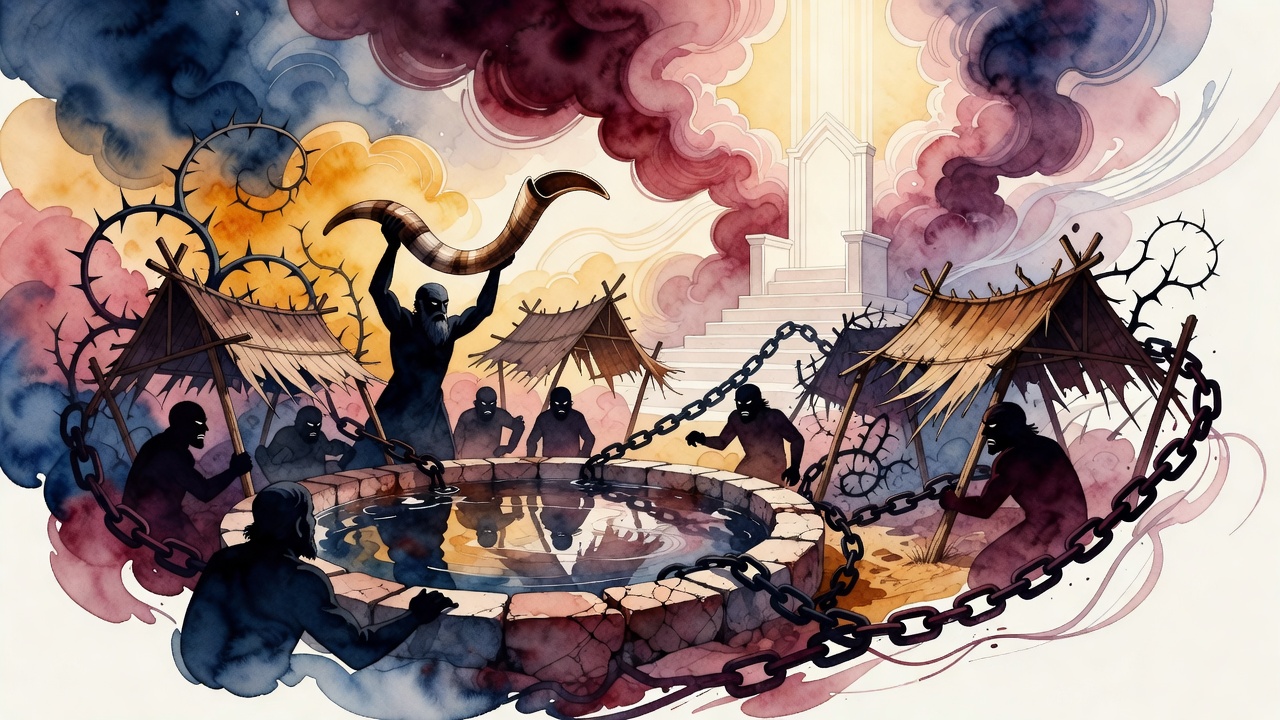
She came up from the river with her hair still wet. On the bank a clerk wrote that the women had dirtied the water on purpose.
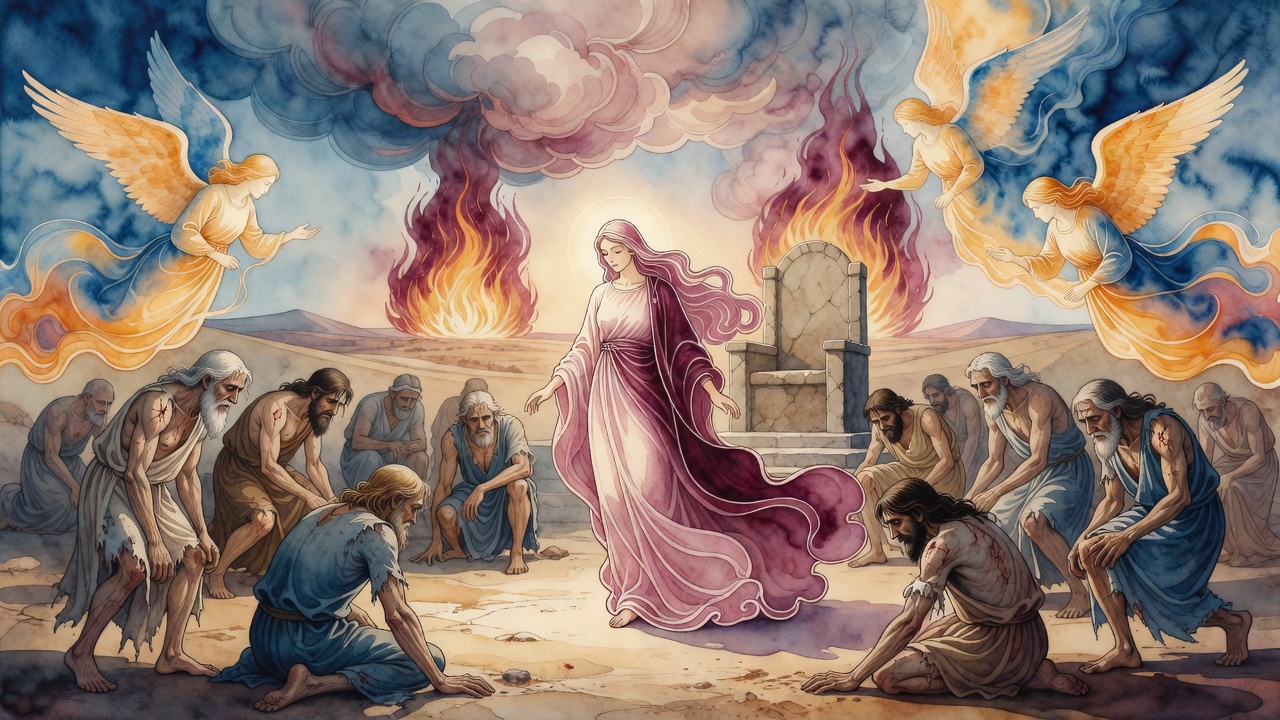
They reached the mountain with crushed hands. Angels went through the camp first. The seventh day still had no partner, and it asked why.
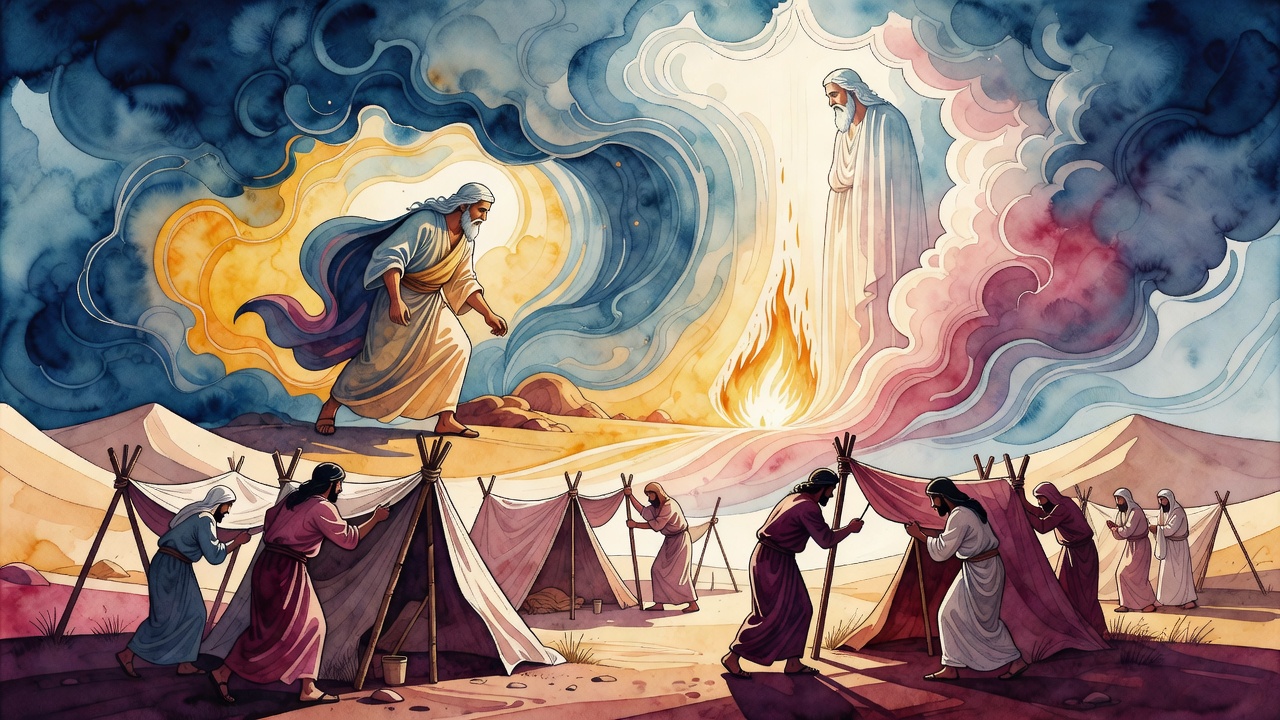
The first night out of Egypt, a man cut branches and leaned them into a frame nobody had measured for him. The roof leaked starlight.
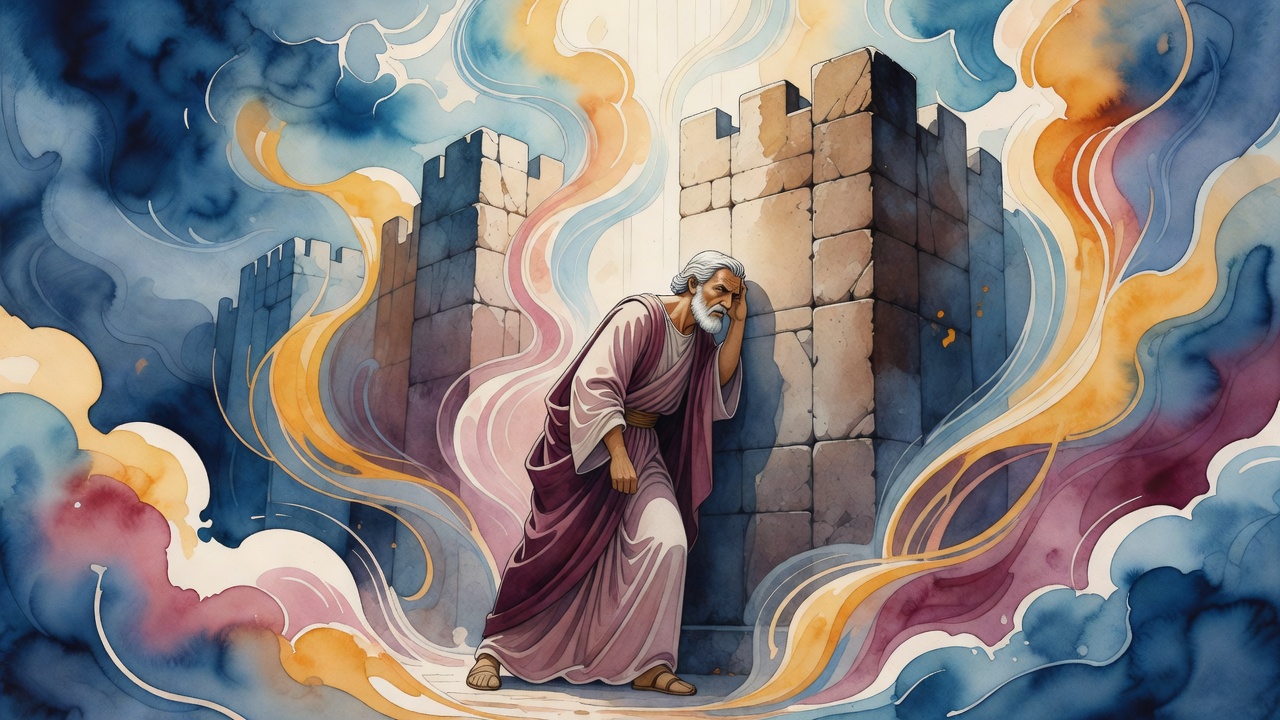
The king pressed his ear to the prison wall, expecting curses. Inside, the servants were still calling him their life.
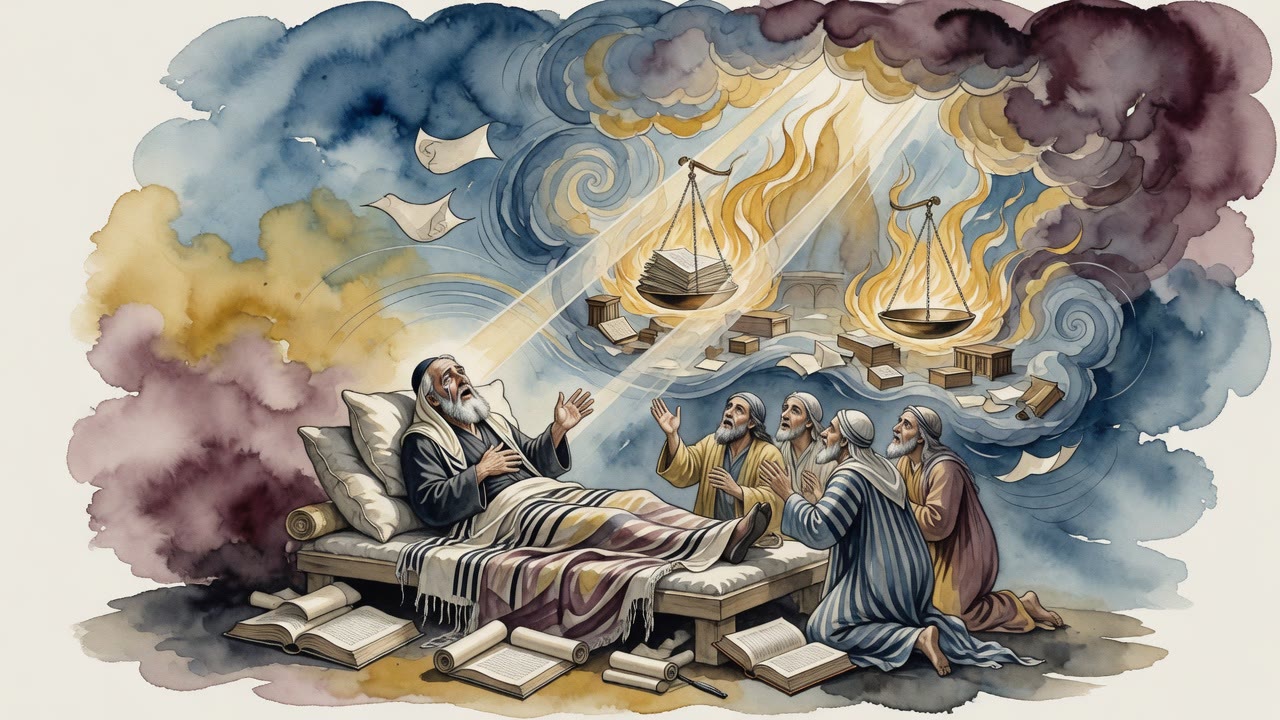
Hour by hour the pious divide a day between Shema (Hear O Israel), work, and rest, until wives call the king's exhausted servants home before Shabbat light.
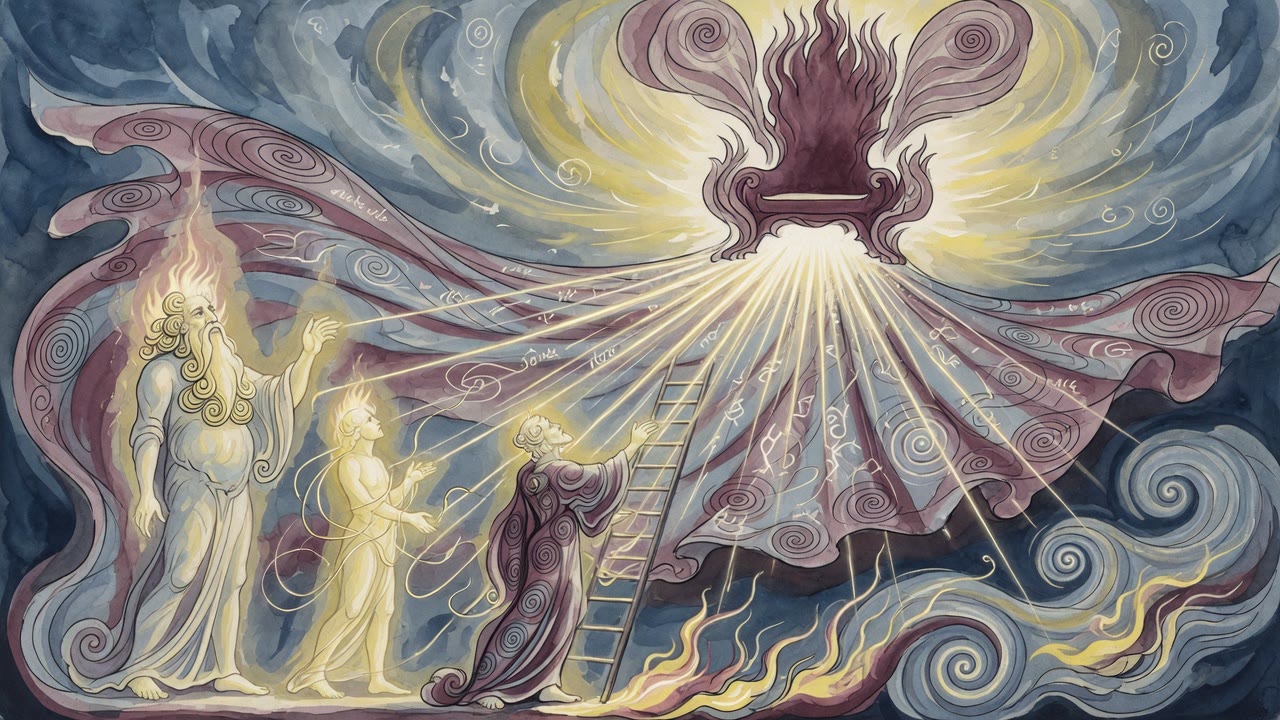
Moses came to the burning bush for a mission and left with a script. Abraham, Isaac, Jacob: the names God gave him there still open the standing prayer.
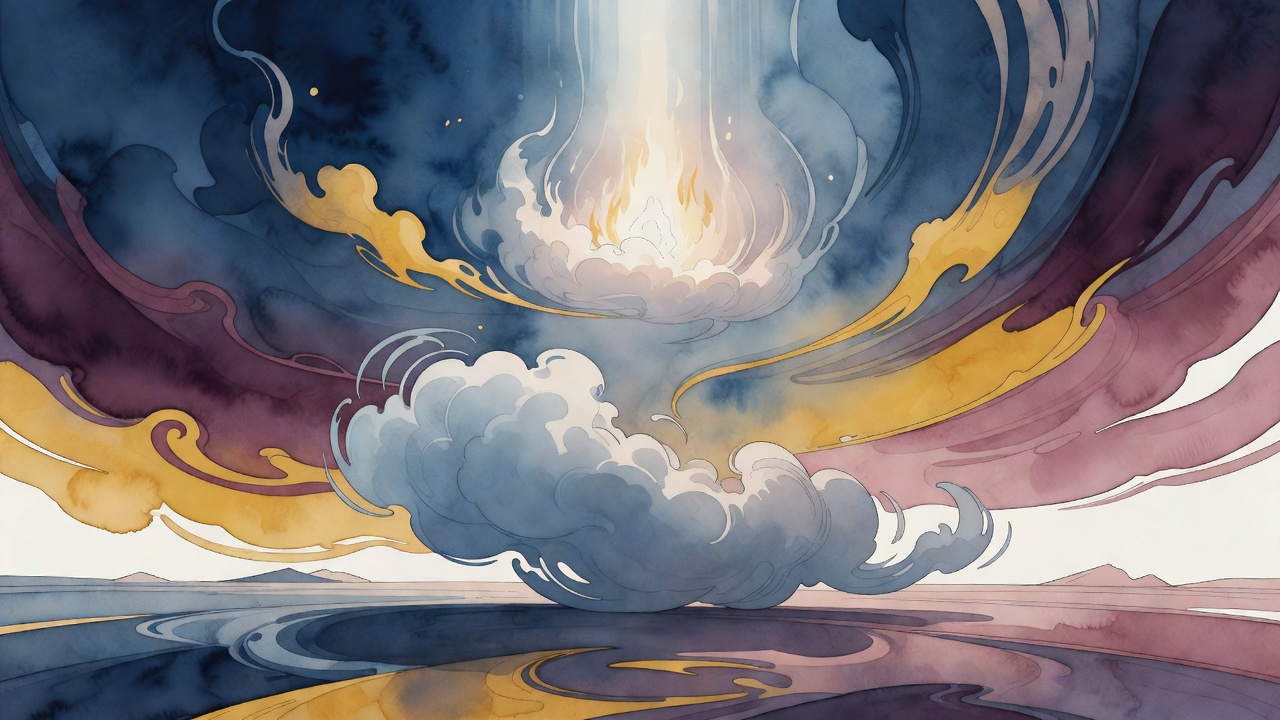
Friday dusk thickens and a second soul settles without adding bones. Above, Zeir Anpin matures as Shabbat light completes what weekdays could not hold.
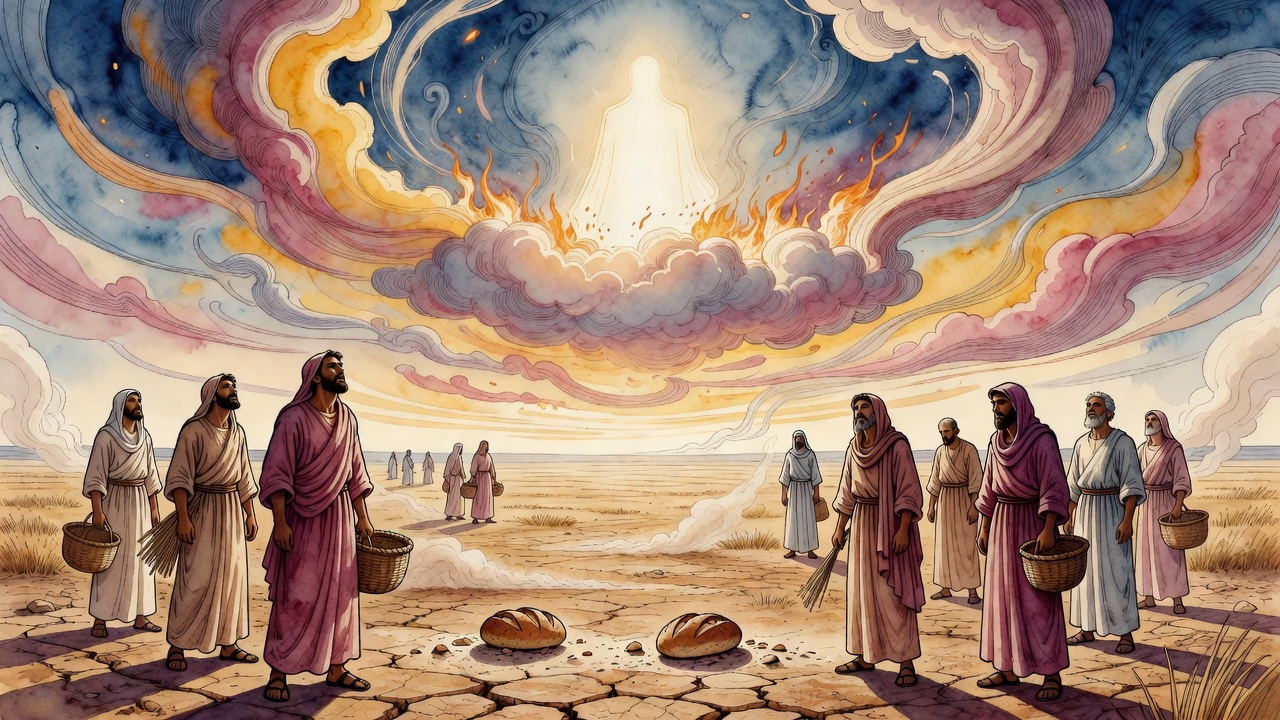
The sixth morning filled every jar twice. A few men still walked out on the seventh with baskets. The field had nothing left to give.
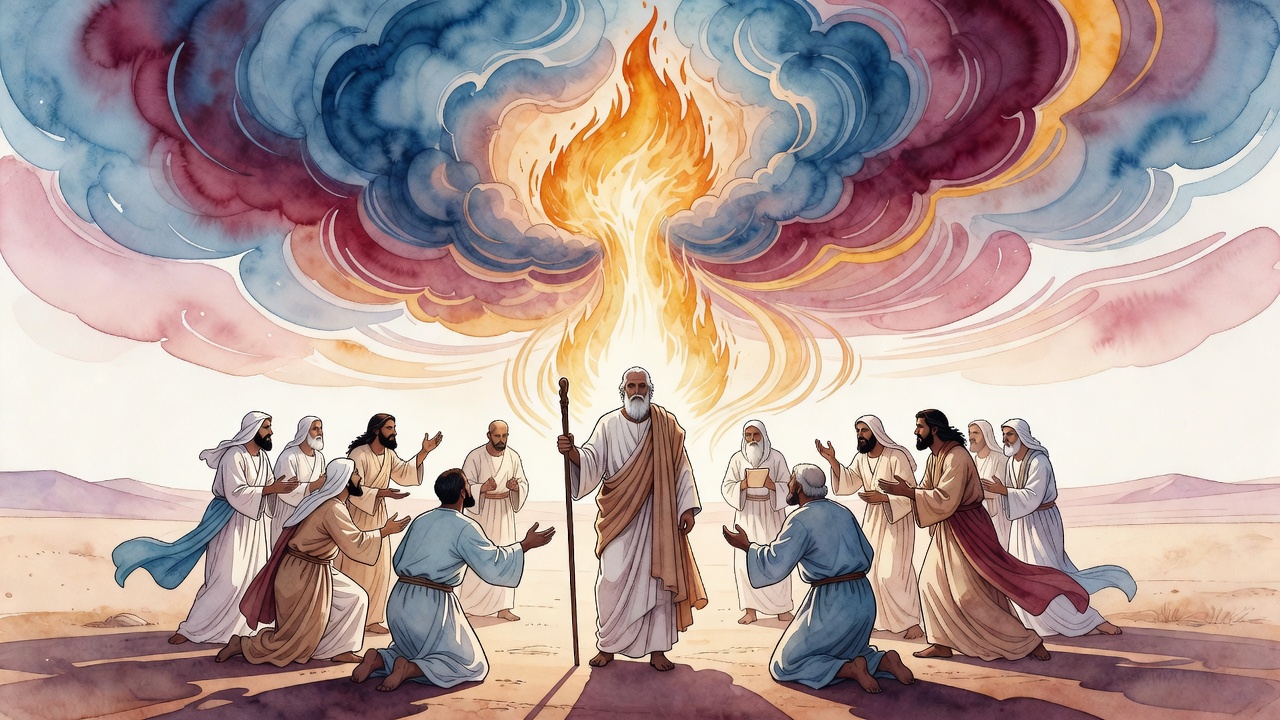
Just the morning, they asked. Then just the evening. Moses kept them in the tents, and the seventh-day field stayed empty on purpose.
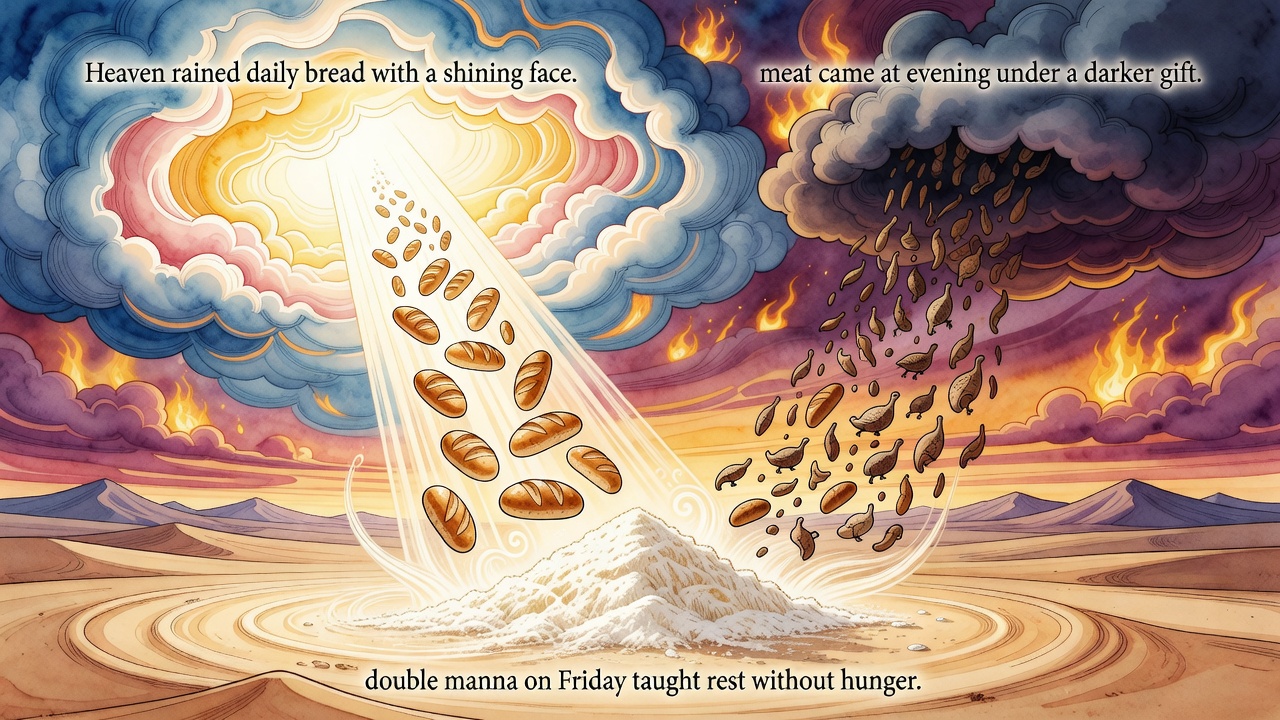
Dew covered the camp at dawn. When it lifted, a fine white flake lay underneath that nobody had a name for. Some kept it overnight, and worms got in.
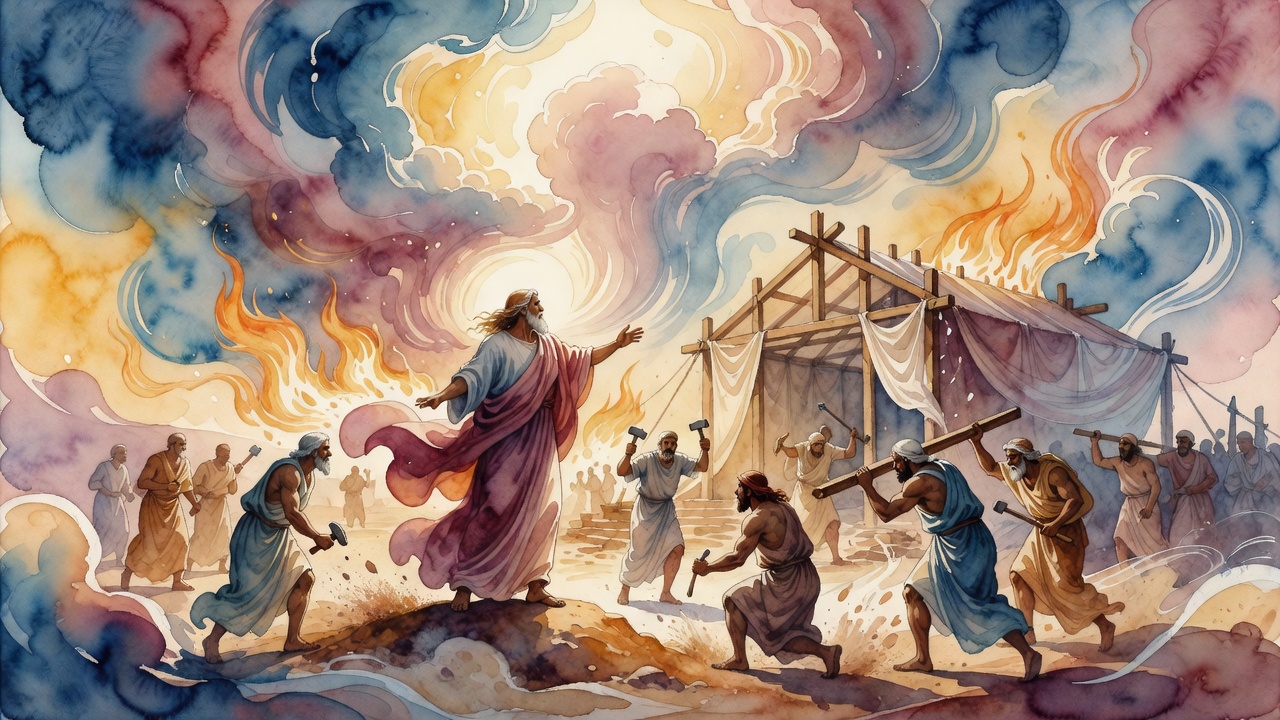
Half-built boards at dusk on the sixth day. Gold rings still waiting for their poles. One man reached for a mallet. Another man set it down.
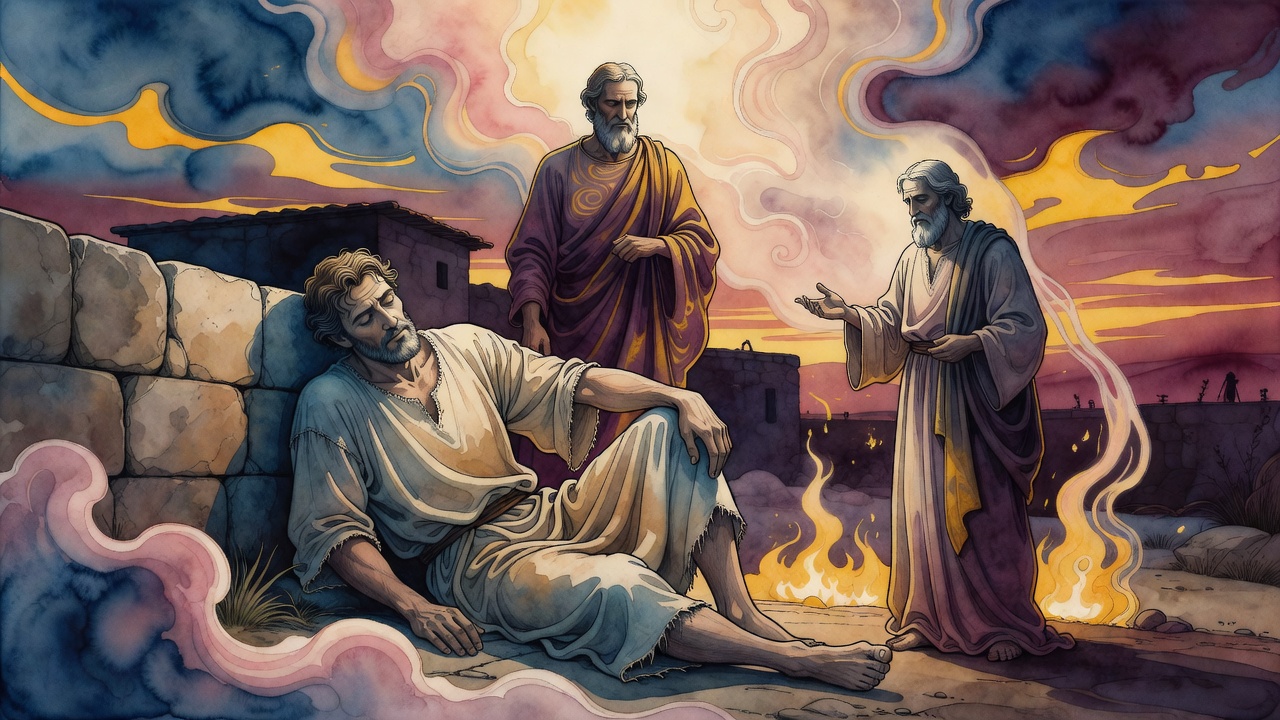
A master buys a servant Friday near sunset and cannot cut the covenant before dark. Akiva still grants the man Shabbat rest beside the household.
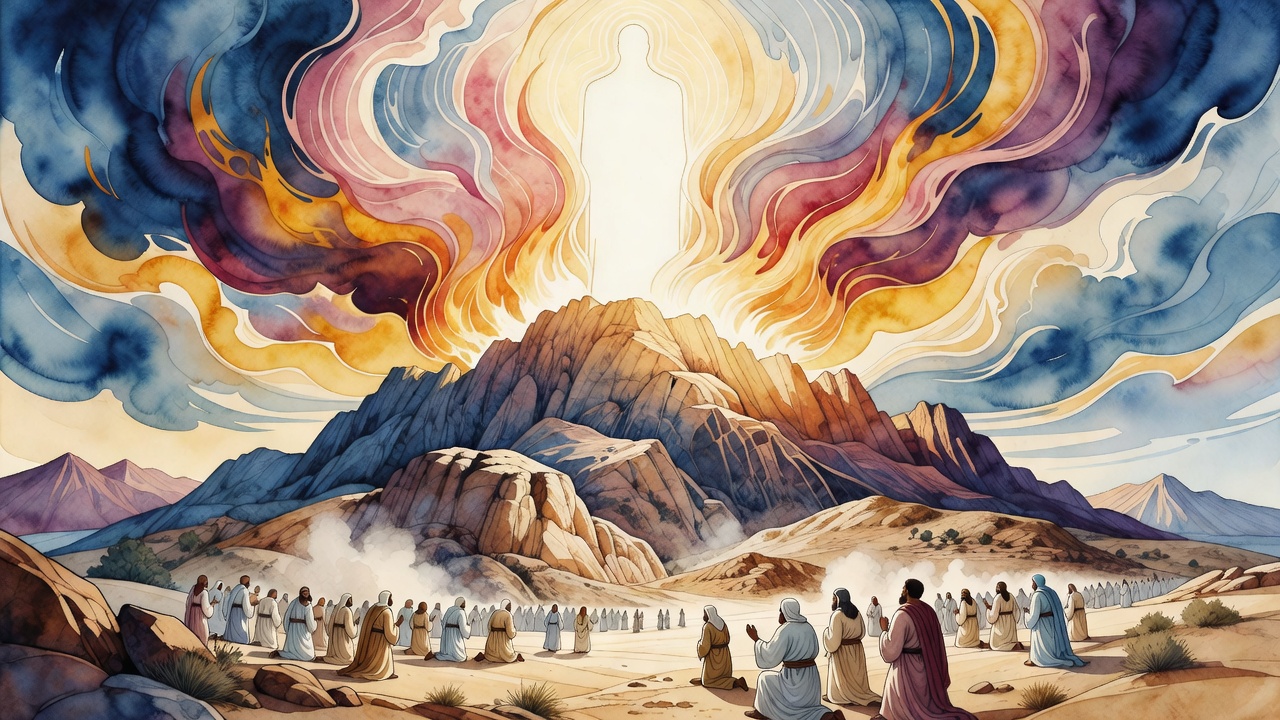
Immersion would have been done by sundown. God still named tomorrow. In the tents that night a commandment lay between husband and wife.
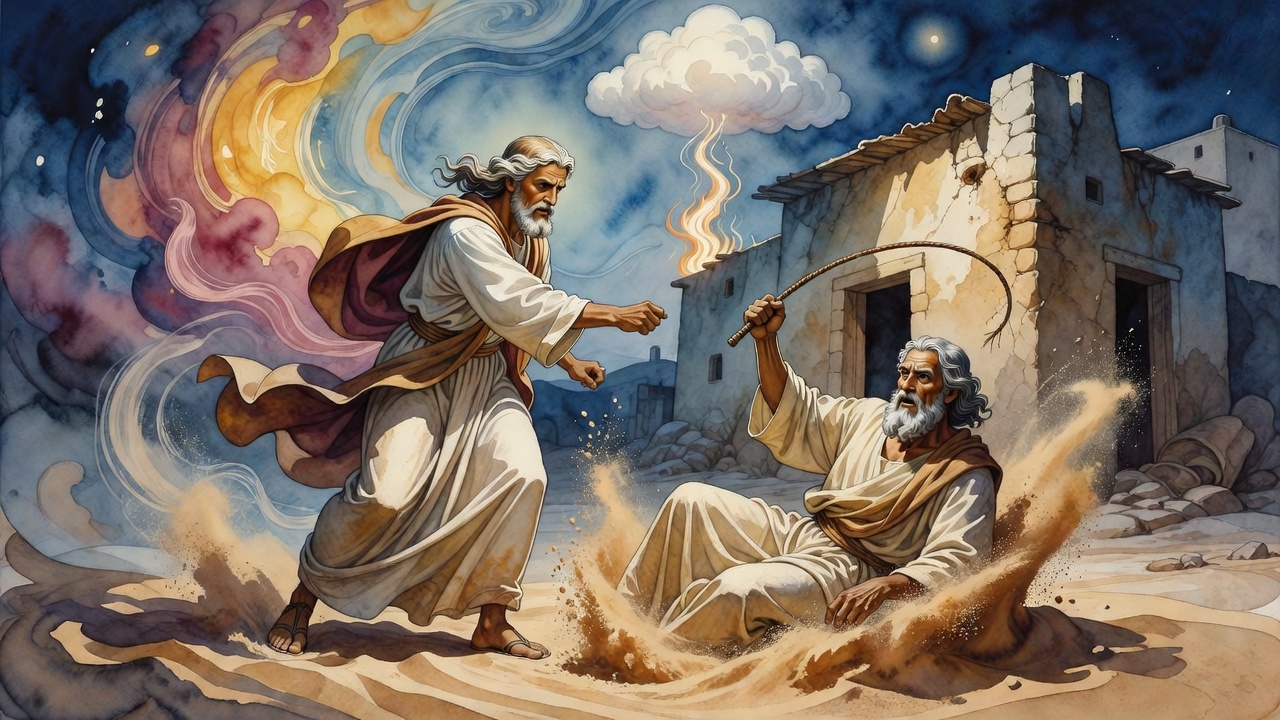
An Egyptian steals a night from an Israelite house, then raises his whip. Moses turns, judges the man, and buries him in sand before Egypt wakes.
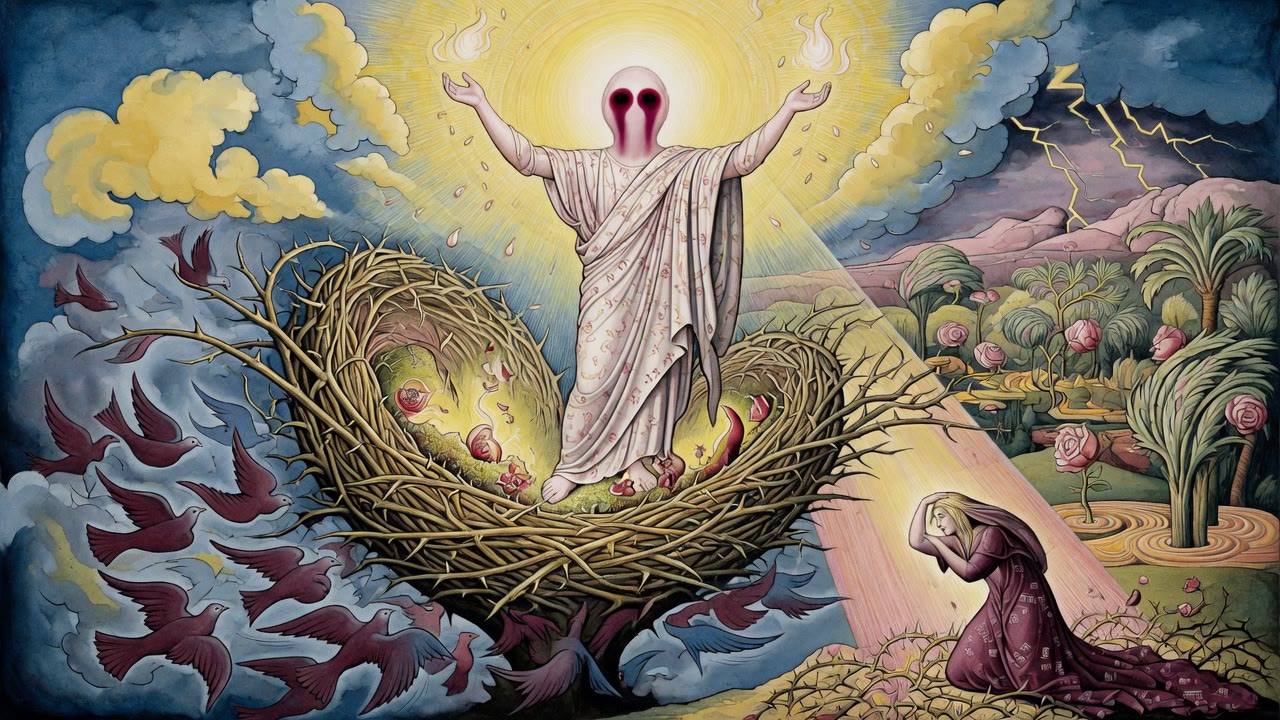
Each sixth day the Bird's Nest opens in Gan Eden (the Garden of Eden). The Messiah rises, eyes pure as wine, and Zion is redeemed before her trembling arrives.
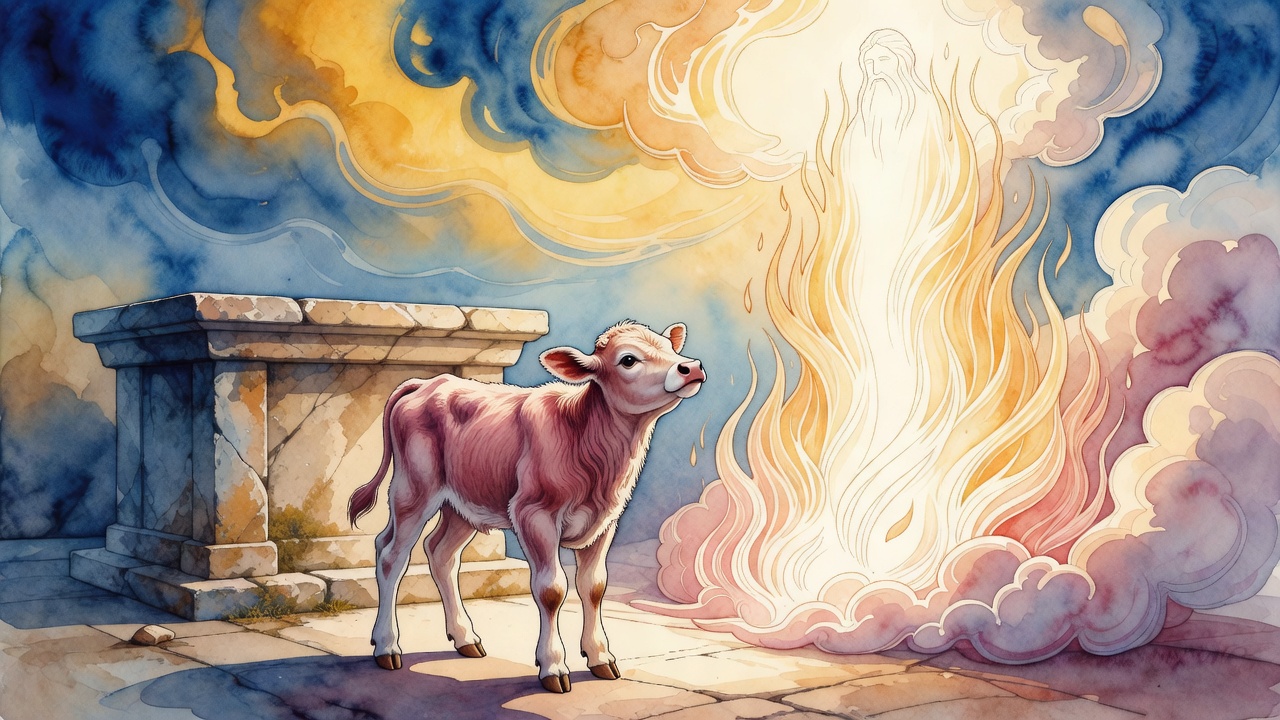
A calf may not climb the altar until Shabbat has passed over it. The king will not see a newcomer before the queen does, and the future is already planted.
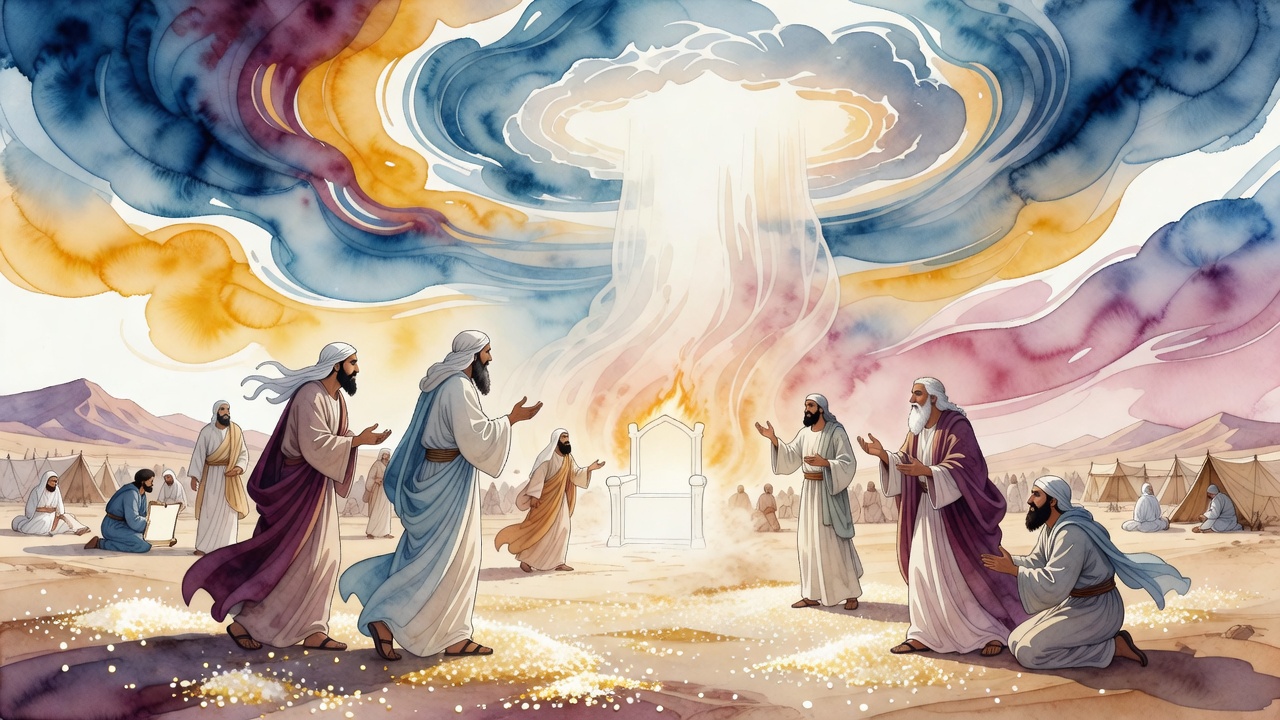
The sixth morning the baskets were too heavy. A prince counted twice, then a third time. He took the question to Moses before the camp invented an answer.
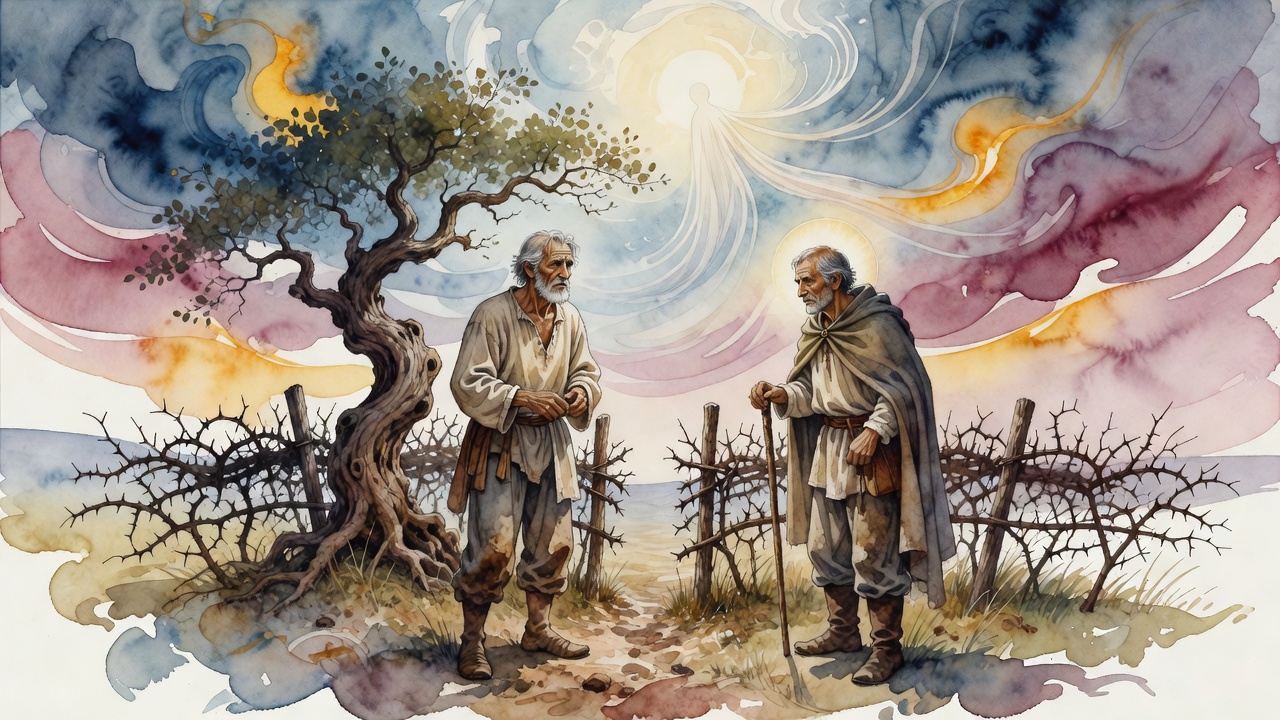
On Shabbat he caught a fence plan forming in his head. He vowed never to close the gap. A rare tree took the hole instead.
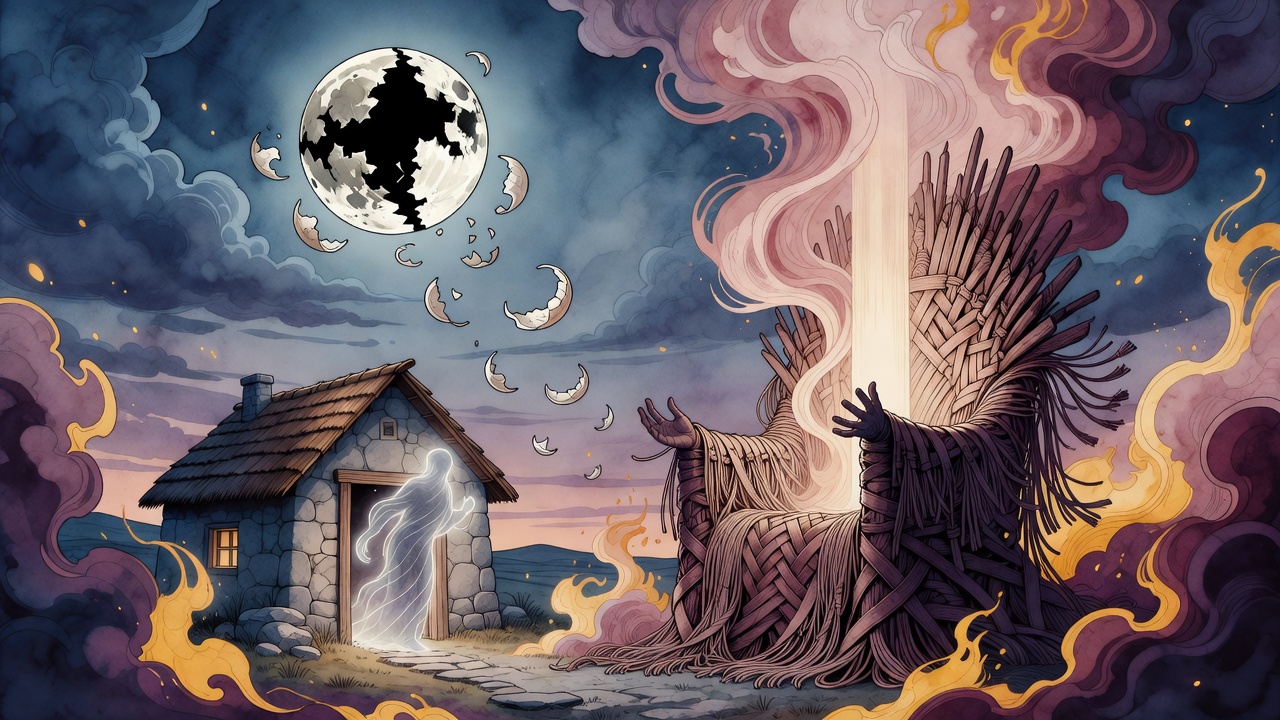
The second candle took on the wick. A second breath arrived in her ribs. Outside, a black skin peeled from the moon's edge.
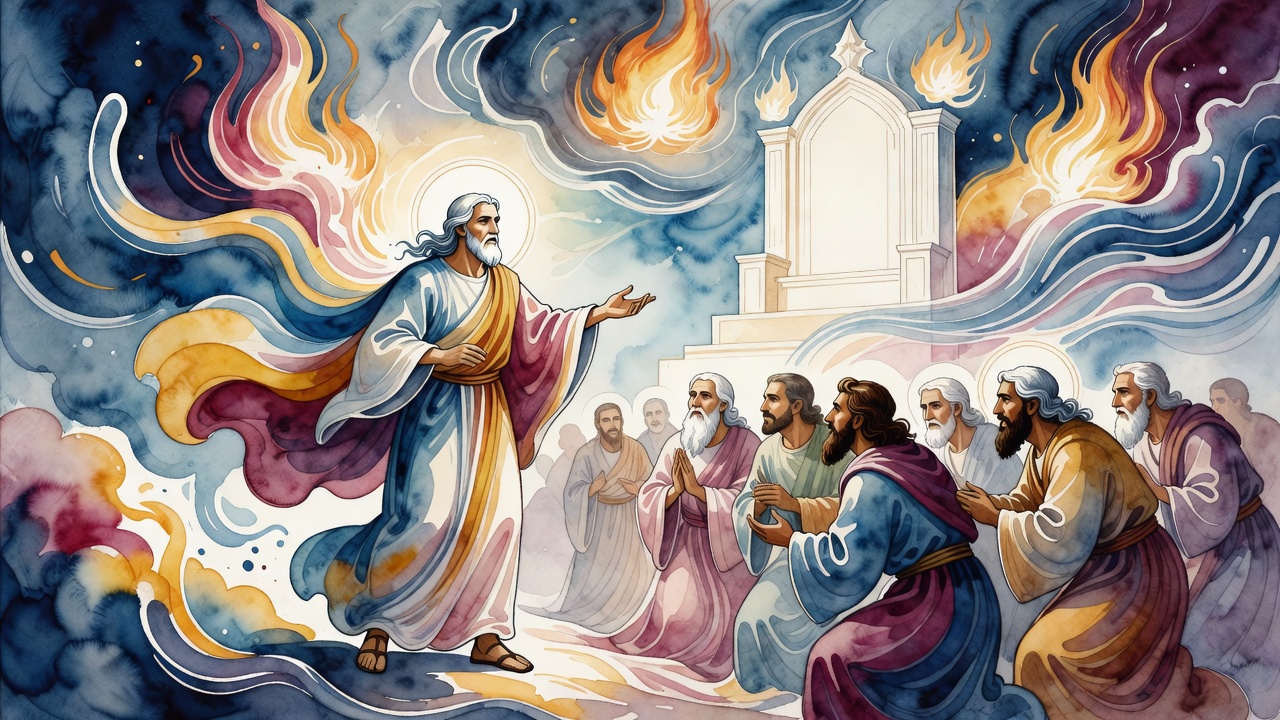
They asked on Shabbat whether to run from Rome. He would not say flee. He named Jacob, Moses, and David, and left them to hear it.
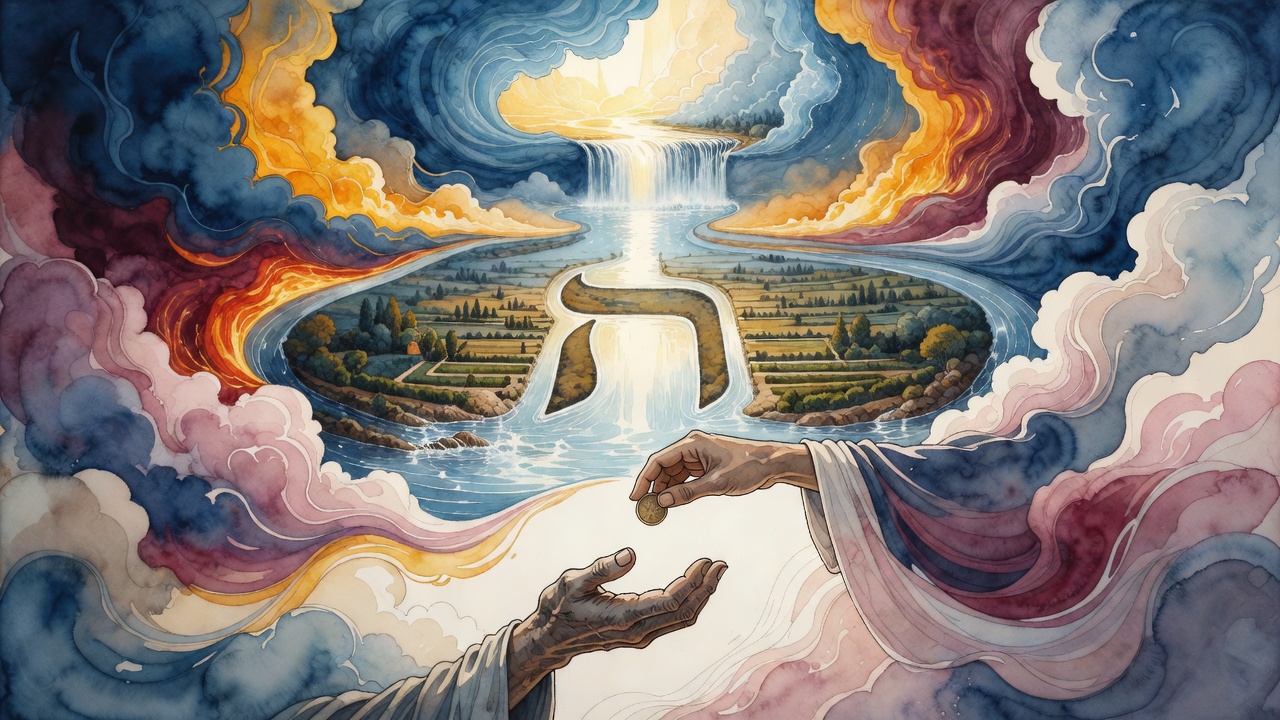
A beggar held out a cracked palm. Copper left a householder's fist. Above the street, a river left Eden and went looking for a garden.
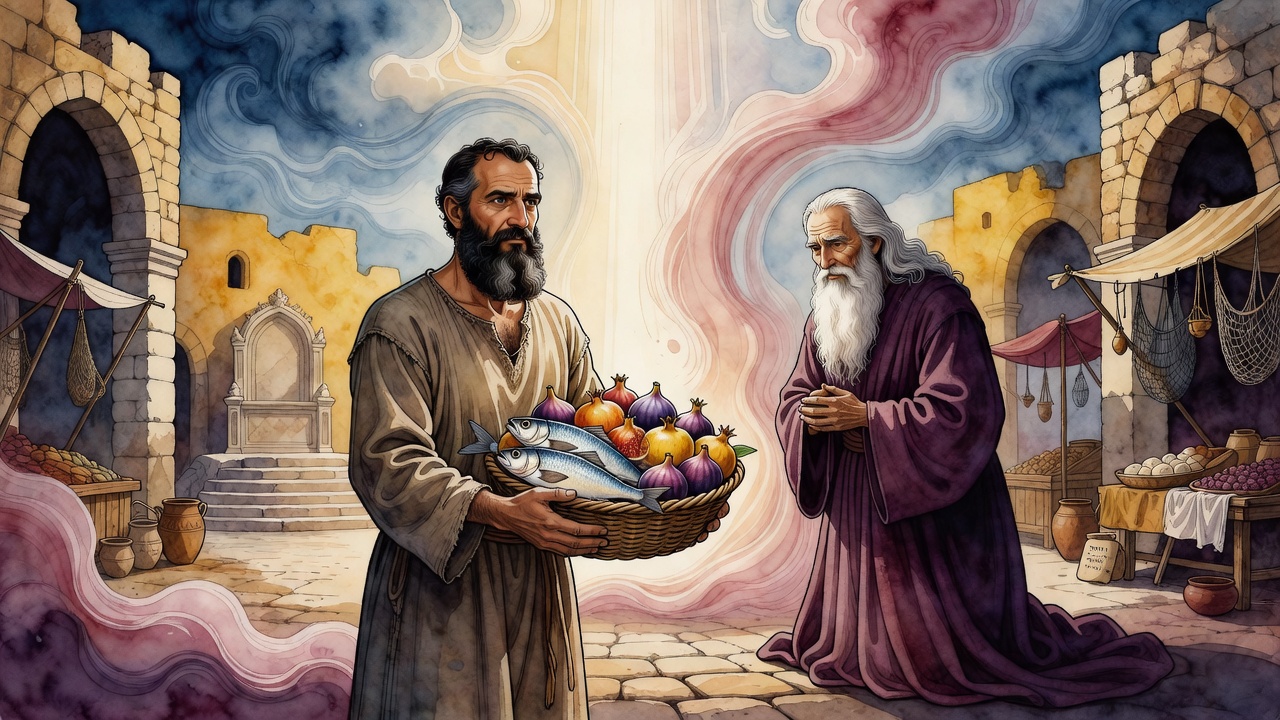
He set aside the best fish on Sunday and the good meat on Thursday, and ate none of it before Friday night. The neighbors laughed until he grew rich.
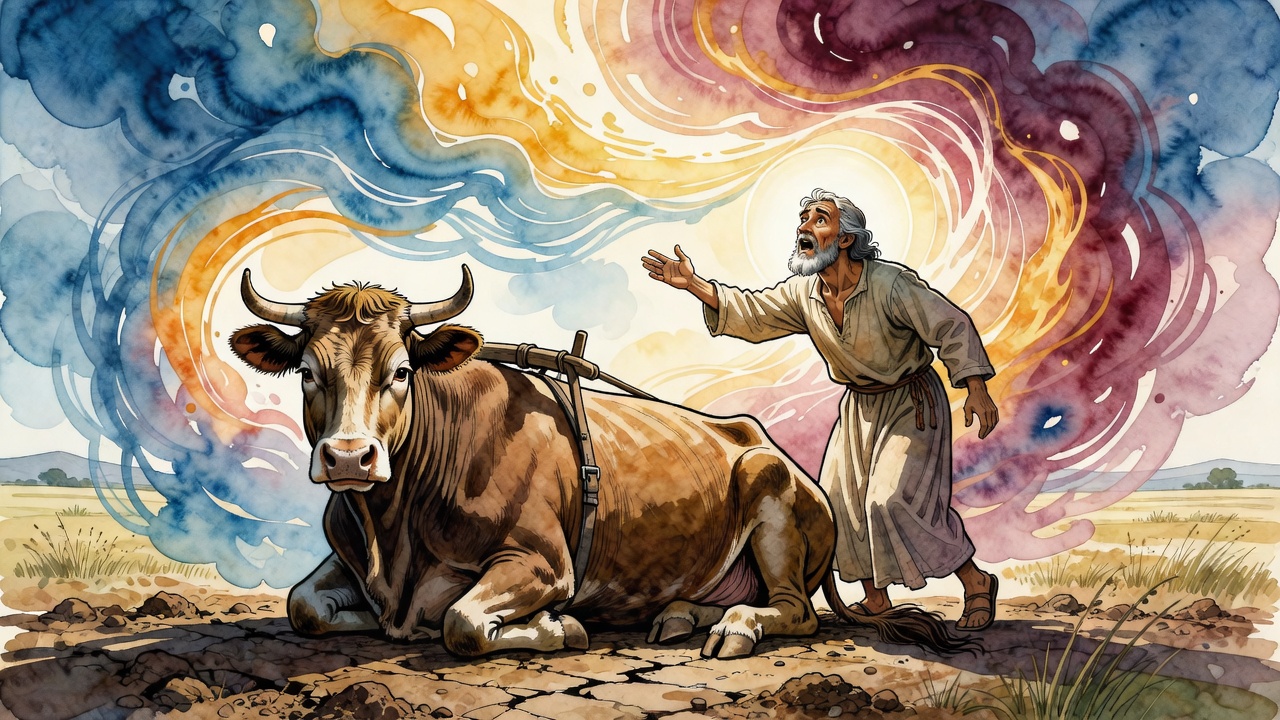
The new owner struck her and she would not rise. He struck again. Dust settled on the unused plowshare. Birds came down on the quiet dirt.
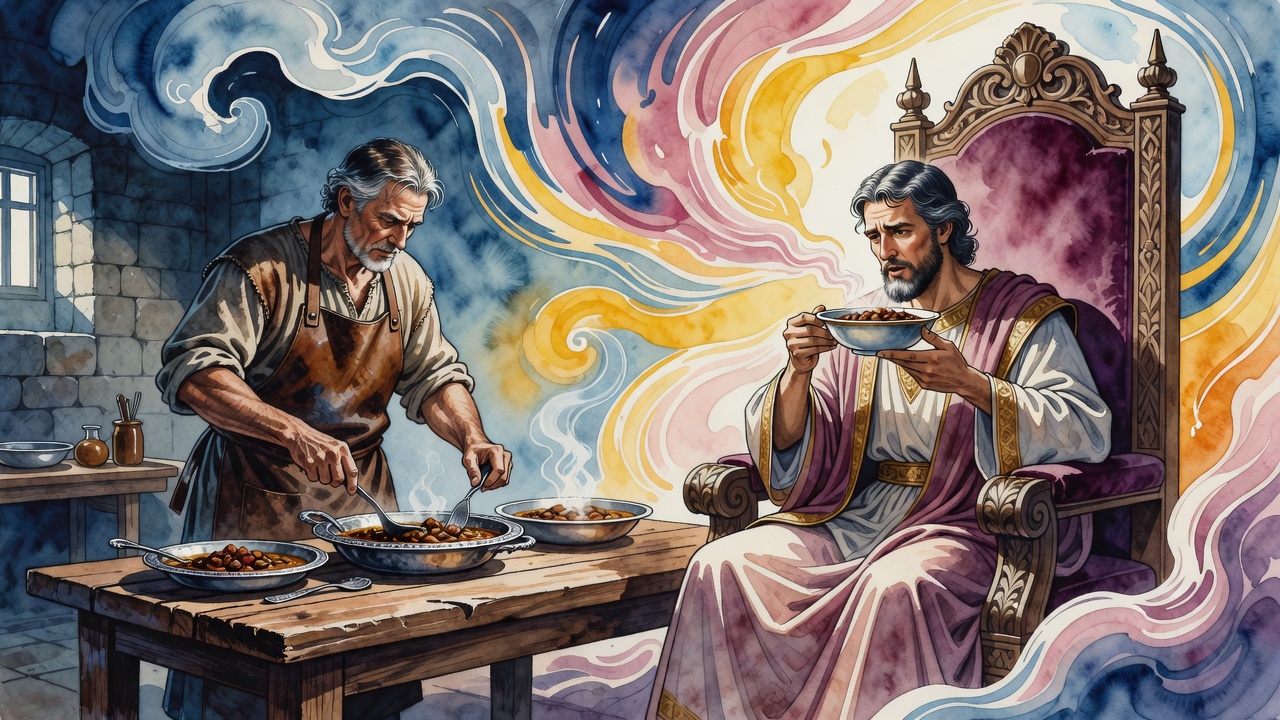
A former butcher in Ludik filled silver dishes for the seventh day. In another house an emperor tasted cold stew and asked why it outshone hot meat.
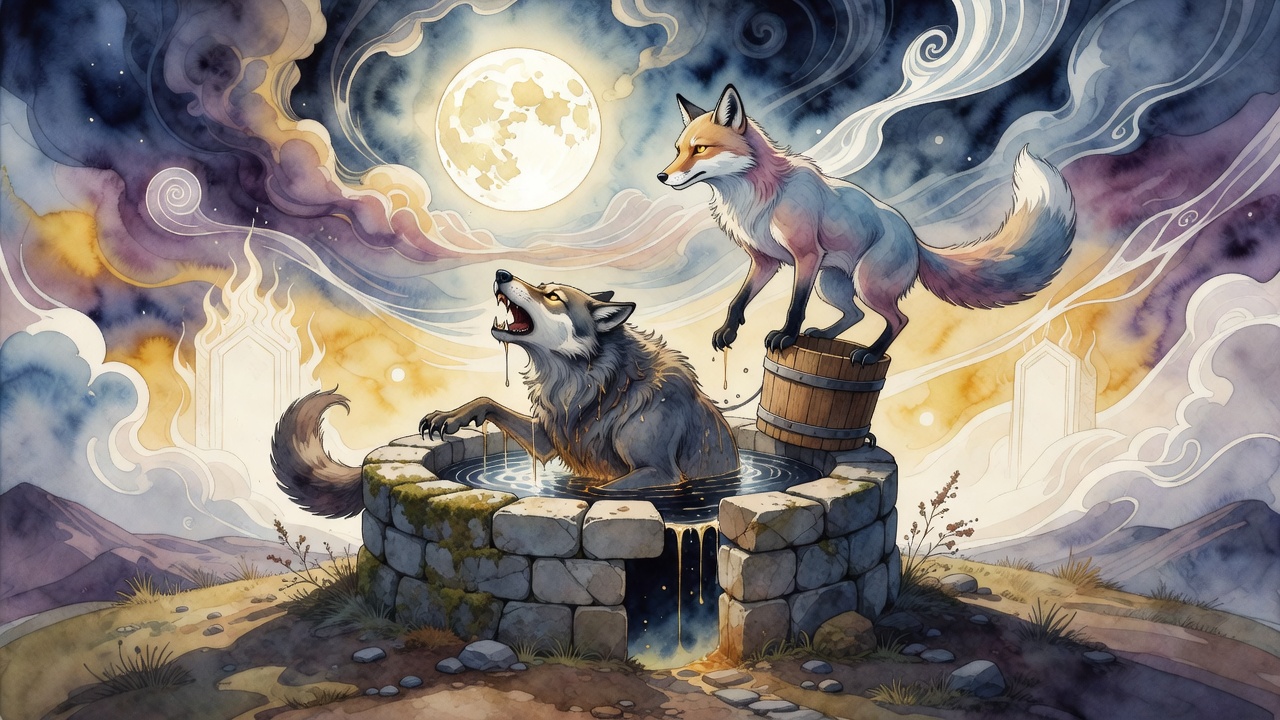
The wolf still tasted the Shabbat beating. At the well the fox pointed at the moon on the water and called it cheese.
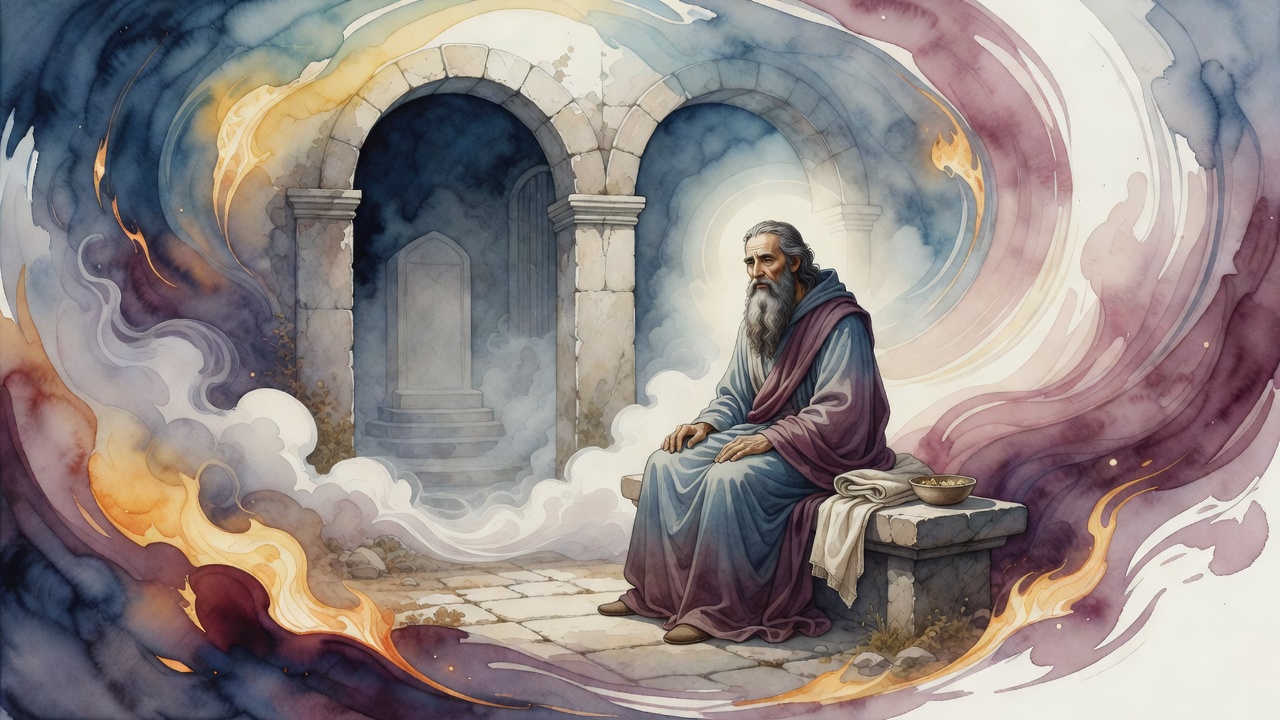
He chose the spot on purpose, where the light was good and every woman coming up from the water would see his face first. He had buried ten sons.
