Every Shabbat the Righteous Dead Rise to Sing Before God
Chronicles of Jerahmeel says the righteous dead emerge from their graves each Shabbat eve to eat, drink, and praise God, then return before nightfall.
Table of Contents
There is a brook near Gan Eden, and the righteous dead drink from it every Shabbat.
 Click for full size
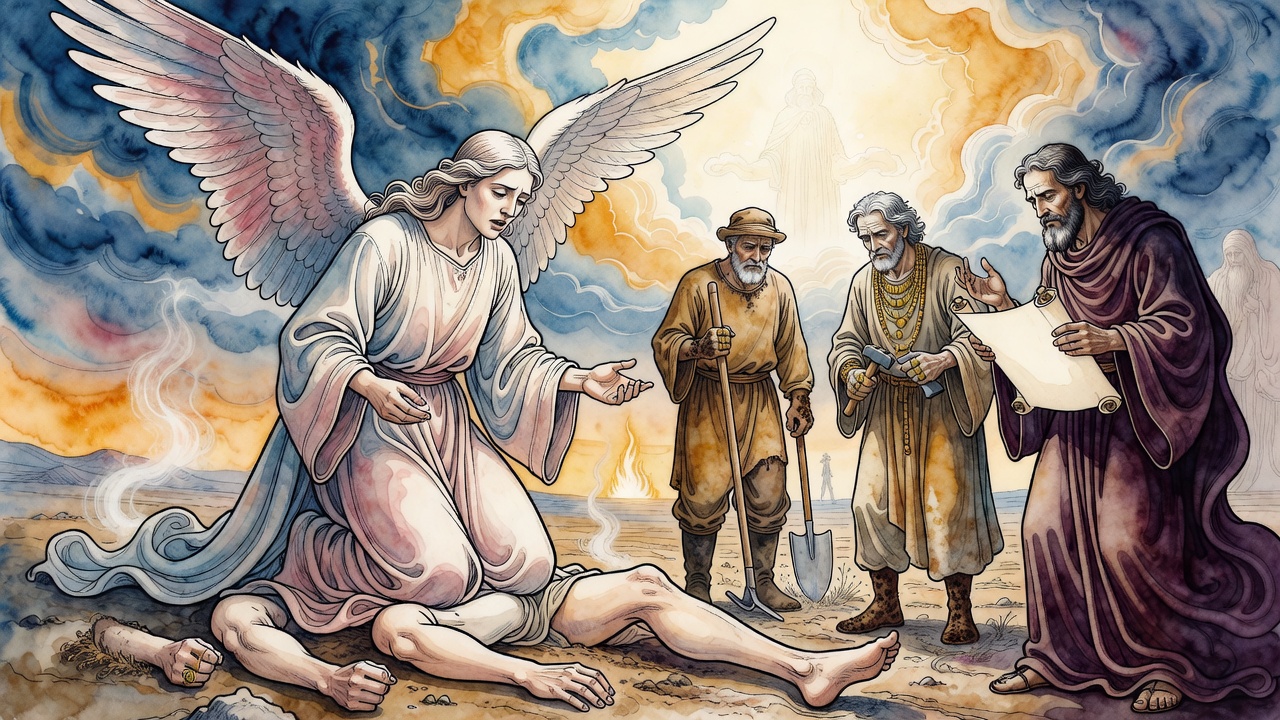
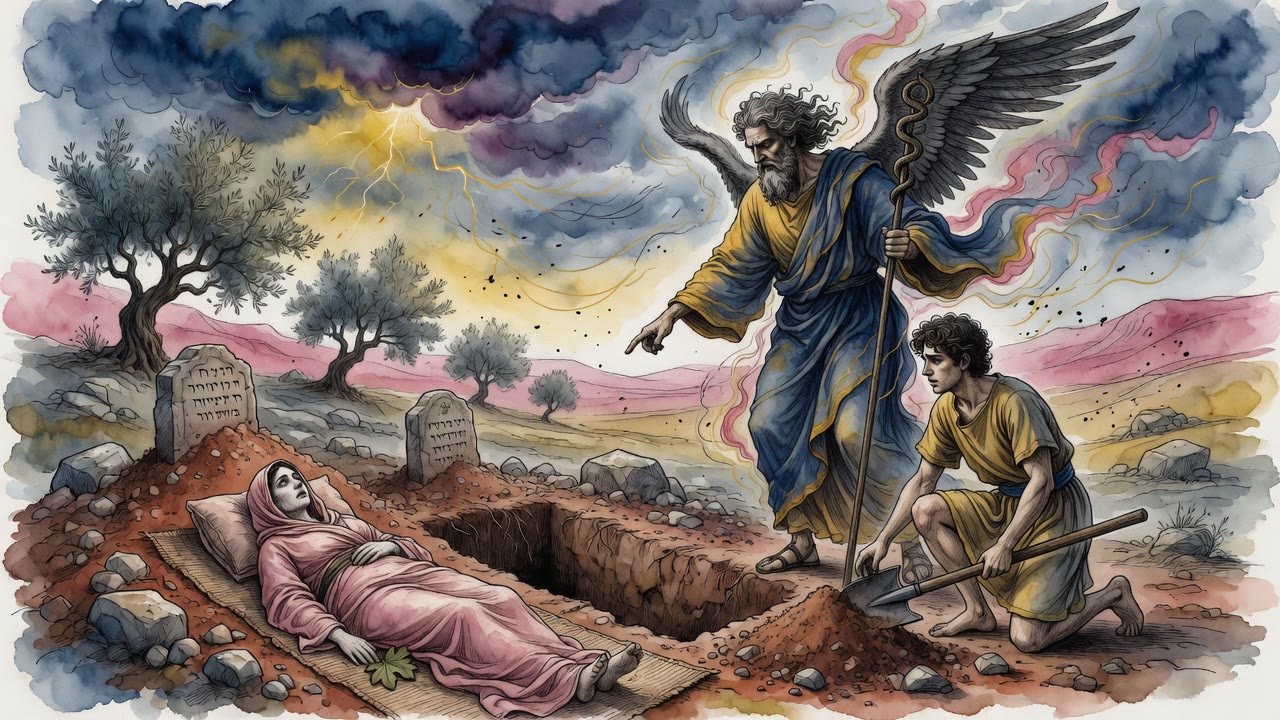
The Chronicles of Jerahmeel, the twelfth-century Hebrew chronicle translated by Moses Gaster in 1899, describes the habitation of the righteous dead with unsettling precision. They have a vast dwelling place near a field that borders the Garden of Eden. Every Shabbat eve, between the afternoon prayer and the evening prayer, their souls emerge. They eat in the field. They drink from the brook that flows out of Eden. When Israel calls out in prayer, they return to their graves. Then God raises them alive to sing before the Divine Presence.
A Cup of Water Becomes Theft
The story does not stay at a comfortable distance. It reaches into practical life with a specific warning: any Israelite who drinks water during that twilight window on Friday evening is intruding on the portion reserved for the dead. The invisible have a claim on the visible world. The same brief hour that closes the workweek above belongs, below, to the souls gathered in the field by Eden. A cup of water tipped to the lips at that moment is lifted from a table already set. The living and the dead reach for the same water, and a cup at the wrong moment can become theft.
Shabbat Reaches Below the Ground
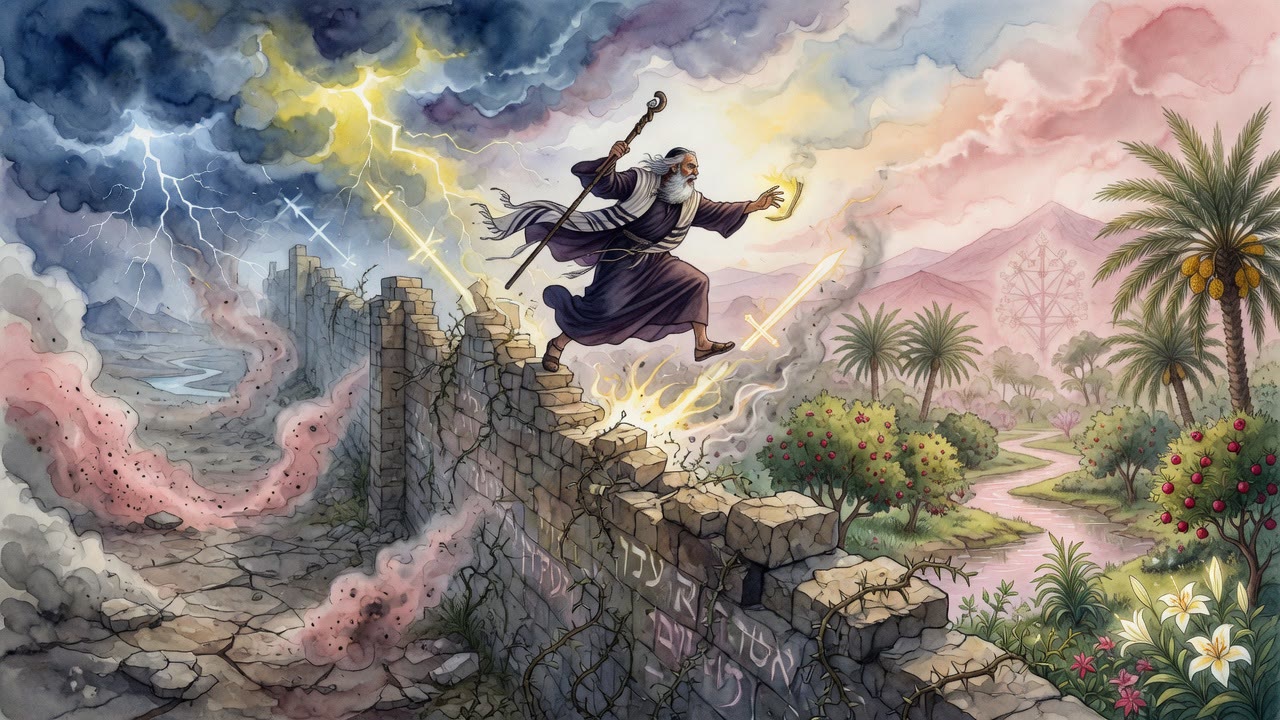
Most accounts of Shabbat describe it for the living: rest, sanctification, the weekly pause from creative labor that mirrors the divine rest at the end of creation. Jerahmeel's version extends the logic downward. If Shabbat is a cosmic reality and not merely a human observance, then the dead are not exempt from it. They have their own Shabbat cycle. They rise, eat, sing, and return. The holy day governs not only the surface world but the world underneath it.
That extension forces a rethinking of what burial means. The body placed in the earth is not stored in a static space. It is placed in a location that participates in the weekly rhythm of creation. The grave is not outside time. It is inside Shabbat in its own way, as much a part of the sacred calendar as the synagogue above. When the afternoon light goes thin on Friday and the candles wait to be lit overhead, the ground itself stirs to the same hour, and the buried keep the appointment as faithfully as the living keep it in the house above them.
Heaven Keeps Its Own Shabbat
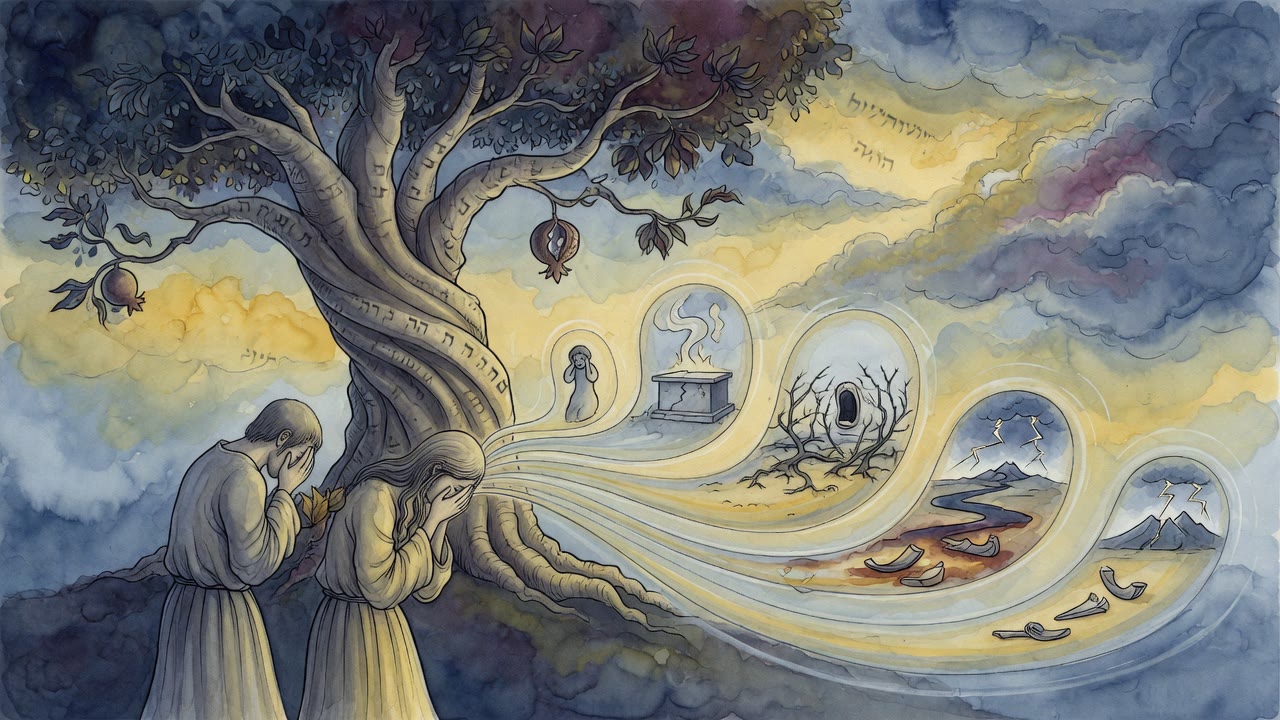
Ginzberg's synthesis of the rabbinic sources about Shabbat in heaven describes creation's first Shabbat as a procession before the throne. Angels, rivers, mountains, sun, moon, Pleiades, Orion, paradise, Gehinnom (the place of punishment after death): everything that had been made passed before God as the seventh day was sanctified. The dead rising to sing from below is the terrestrial completion of that heavenly pattern. Heaven keeps Shabbat. Earth keeps Shabbat. The dead keep Shabbat. The wholeness is vertical as well as horizontal.
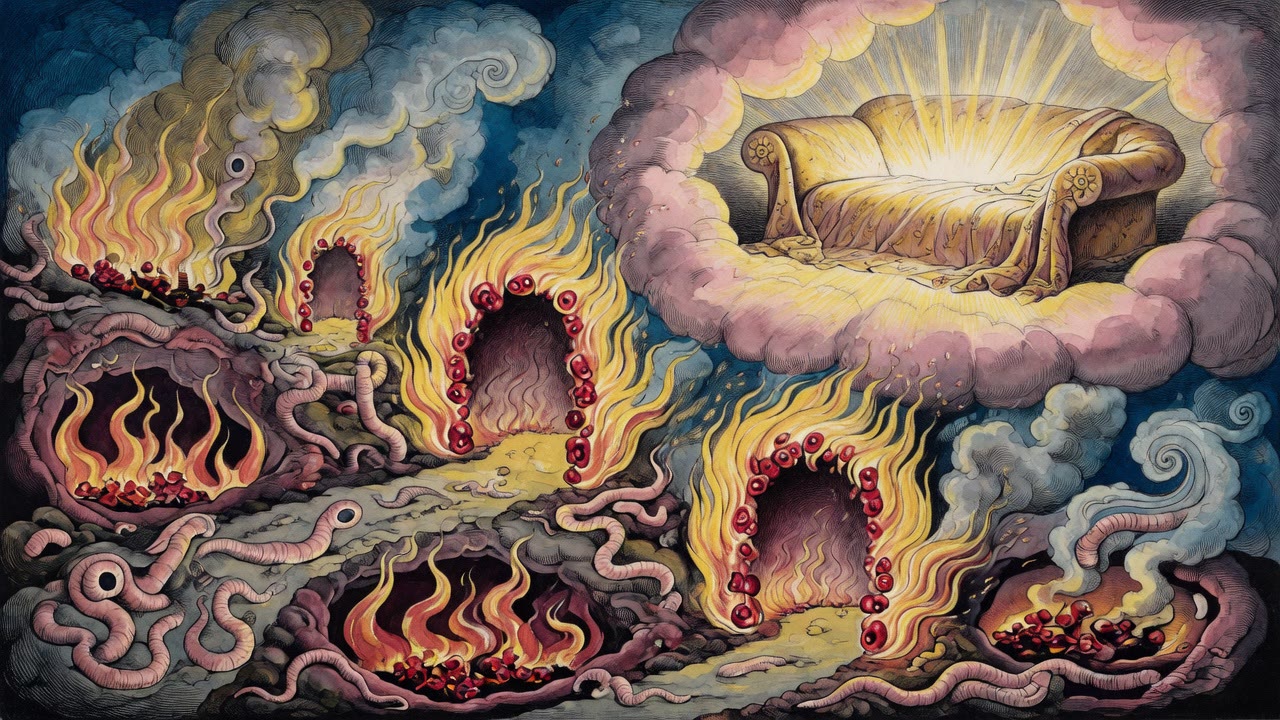
The nine palaces of Gan Eden, described elsewhere in the Chronicles of Jerahmeel, are organized by merit. The righteous are assigned their places according to their deeds. Each palace stretches sixty myriads of miles with canopies of rose and myrtle. The air carries the scent of the rose and the myrtle, and the souls move through it in the order their deeds earned them. The brook from which the dead drink flows from this structured Paradise, a place that is not simply pleasant but ordered according to a logic of earned reward that mirrors the Halachic precision of the world they left.
Rabbi Joshua Saw the Chambers of Gehinnom
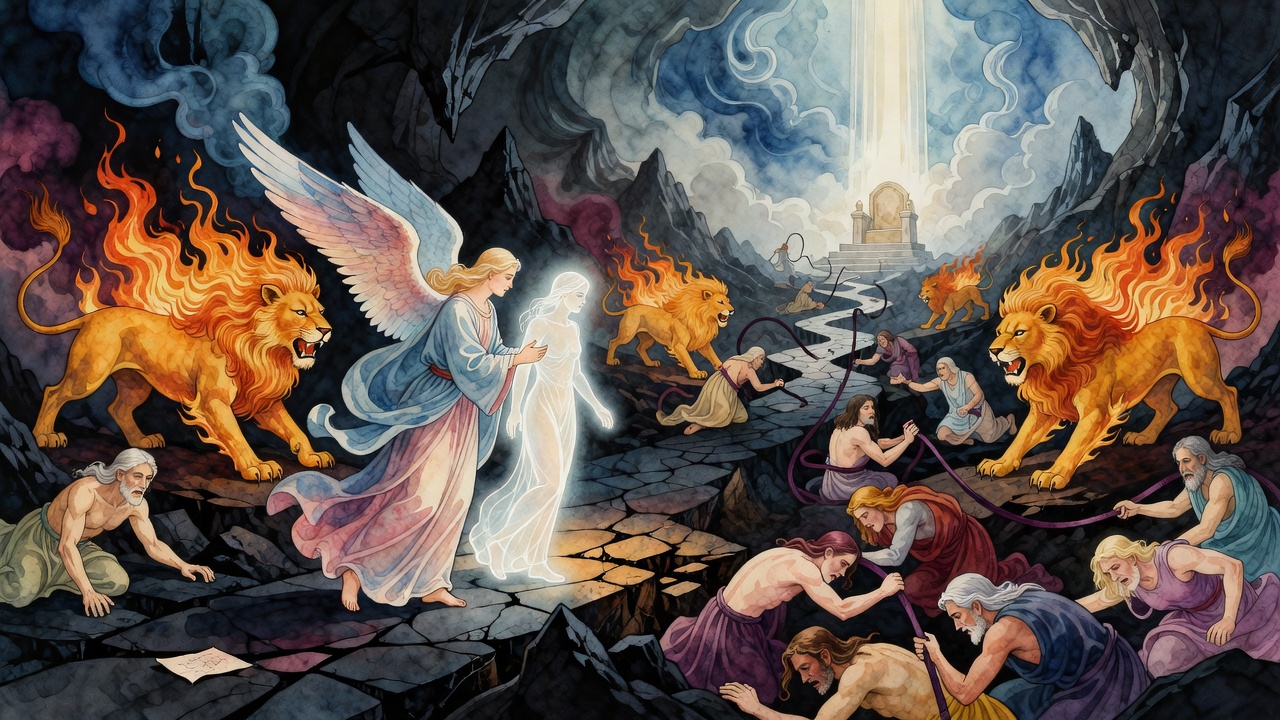
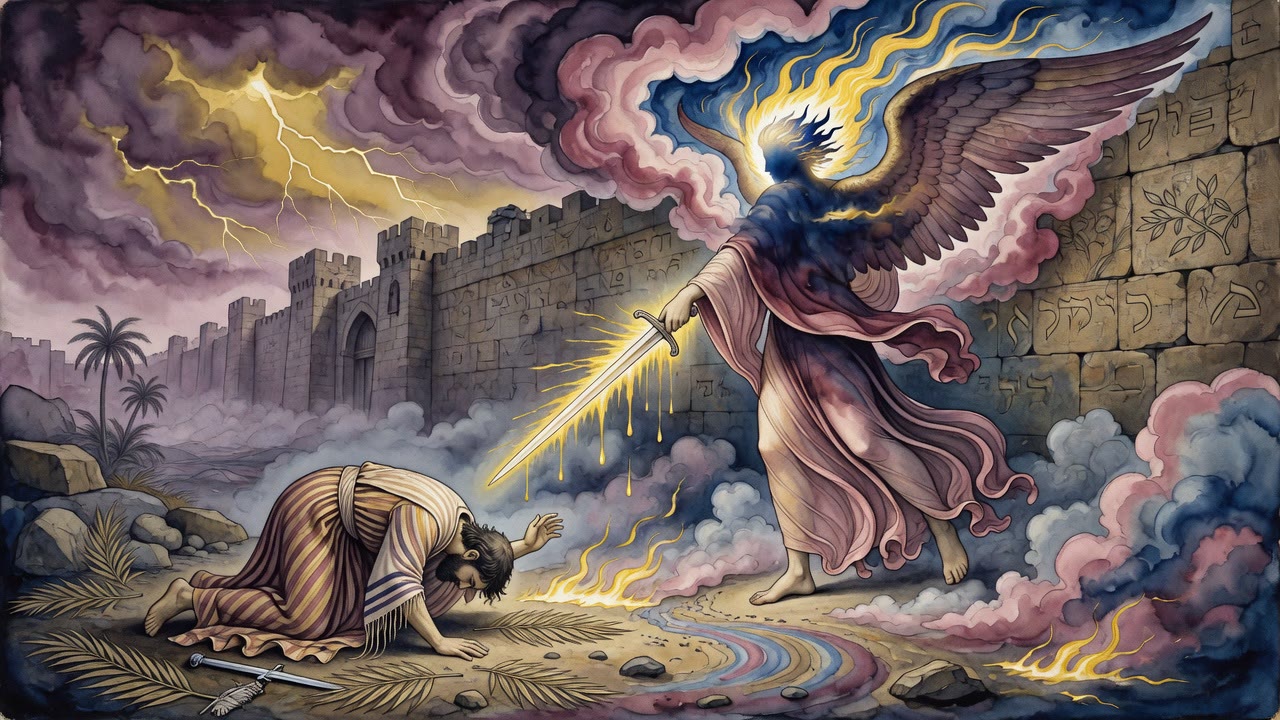
The same Jerahmeel tradition that describes the righteous dead singing on Shabbat also preserves Rabbi Joshua ben Levi's tour of Gehinnom. The Messiah refused to show it to him, saying it is not fitting for the righteous to see it. Rabbi Joshua pressed, and the angel Qipod finally escorted him through seven compartments, each more terrible than the last. The dead he saw there were not singing. They were undergoing the purification appropriate to their deeds.
The two populations, the singing dead above who rise for Shabbat and the suffering dead below who are worked by fire and cold, form the full picture of what the tradition imagined happening underground. The grave is not neutral silence. It is the location where the soul continues to exist in a state determined by how it lived. Shabbat honors the righteous with resurrection and song. The others wait out their purification in chambers whose geometry Rabbi Joshua walked compartment by compartment, fire on one side and cold on the other, until the count of seven was done and he carried the shape of it back with a precision that frightened him for the rest of his life.
← All myths