51 myths · Page 1 of 2
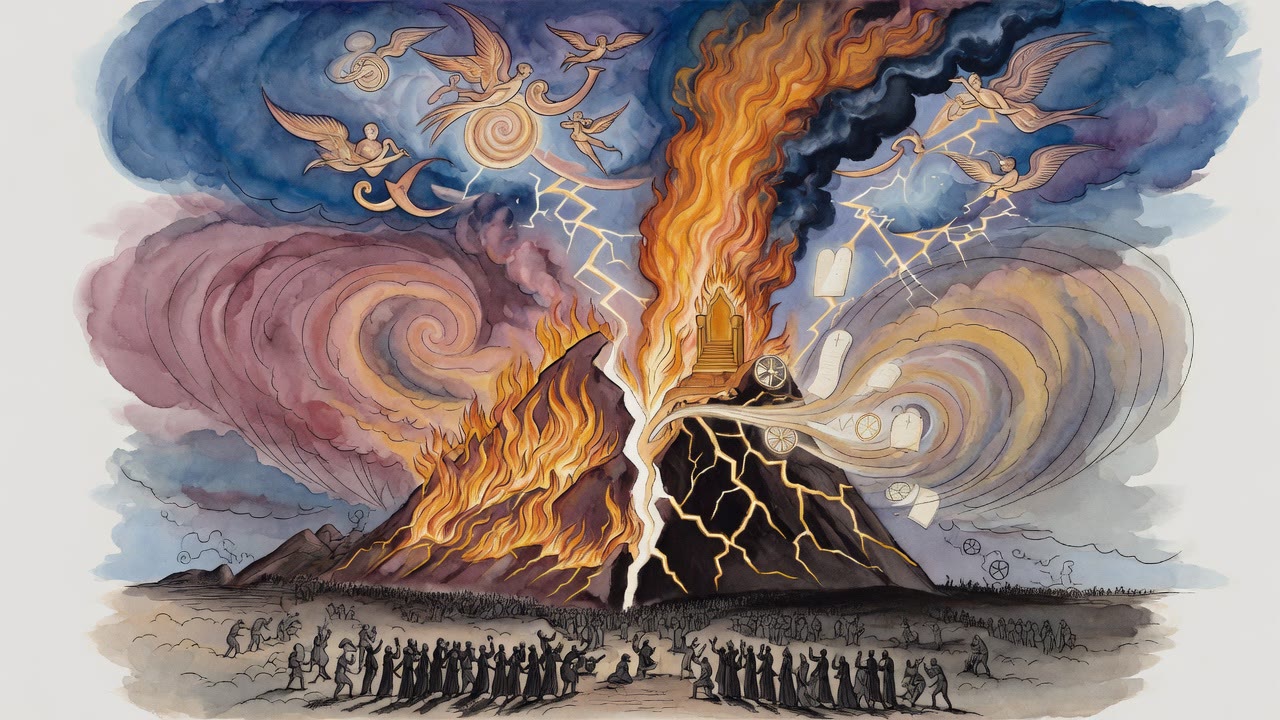
The first word emptied them. Angels pushed the bodies twelve mil back to the mountain. Dew had to fall before they could hear the second.
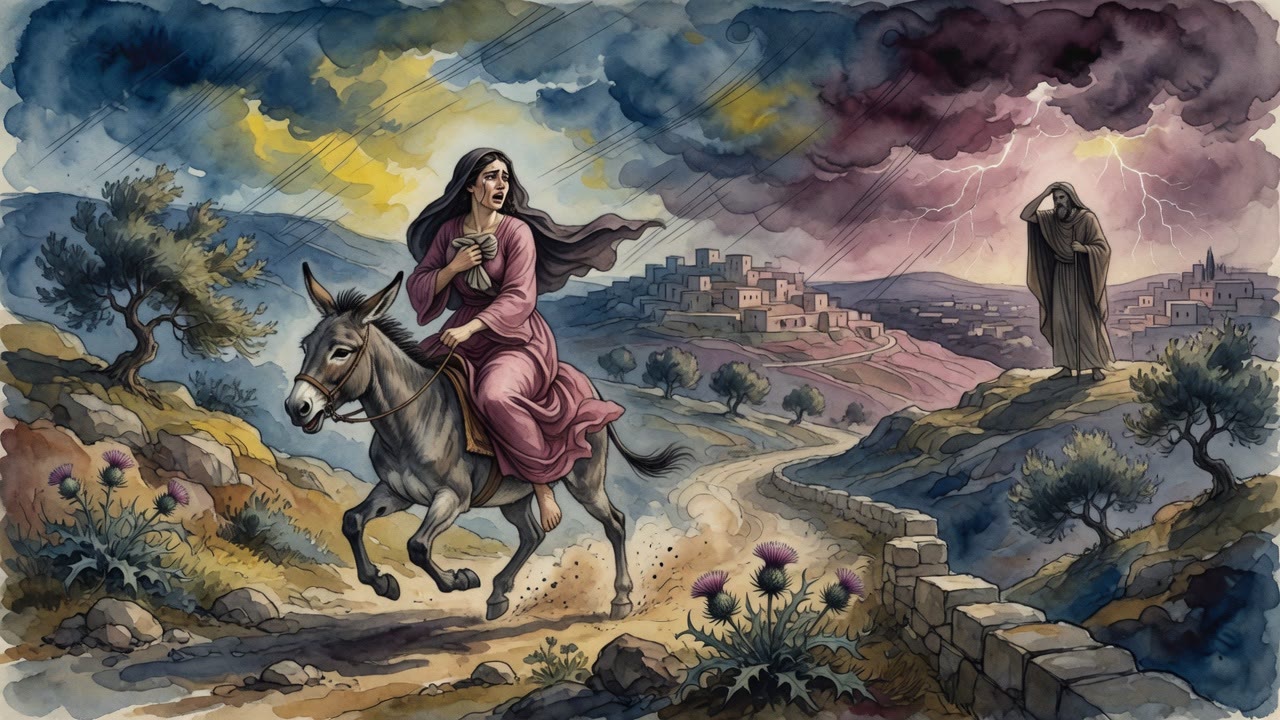
A woman who built a room for a prophet so he could rest, who had asked for nothing, now rode hard toward him with her dead son lying upstairs.
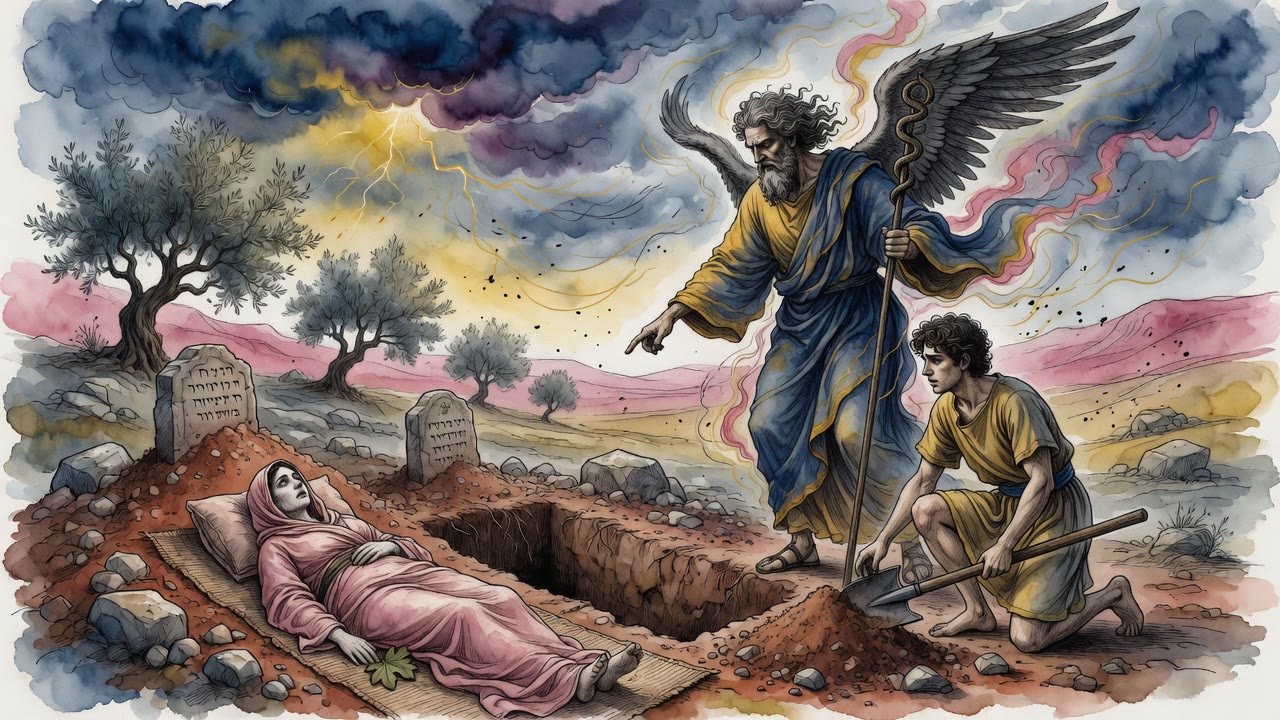
Eve begged to lie beside Adam, but only Seth had seen the grave. So an archangel came down to teach the first burial.
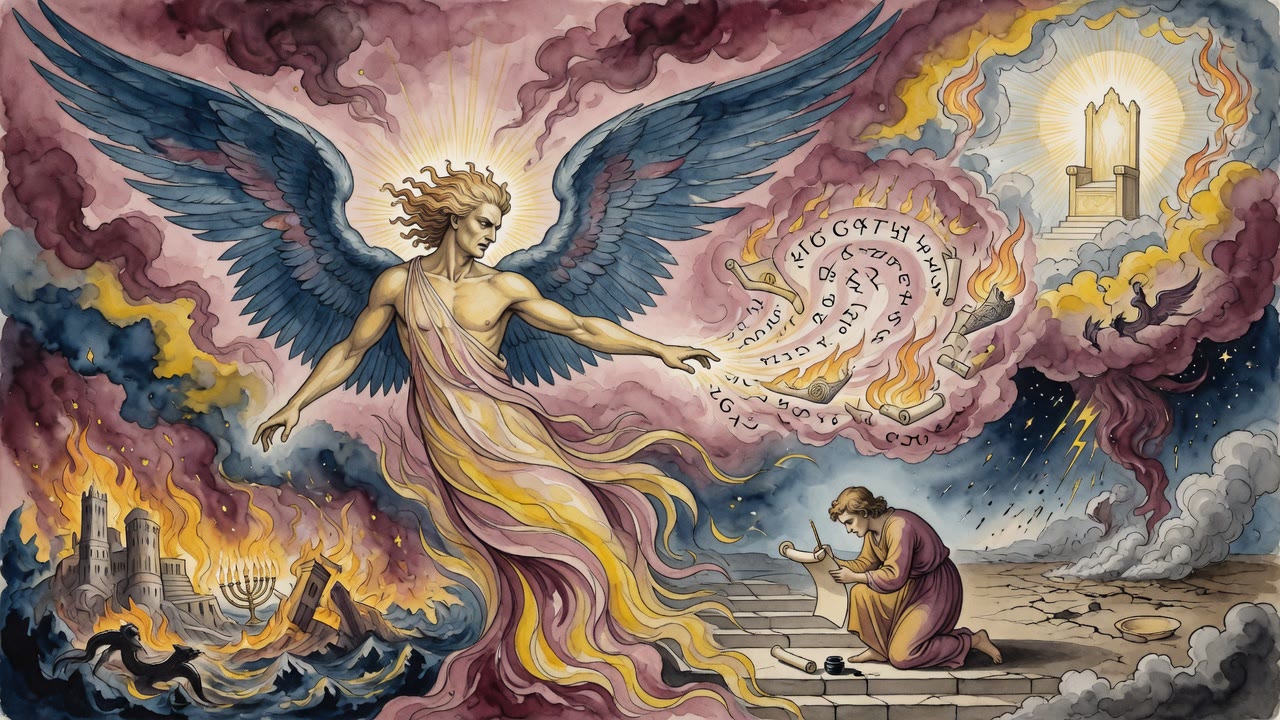
The angel gave him three jobs instead of an answer. Weigh the weight of fire. Measure out a measure of wind. Call back the day that is past.
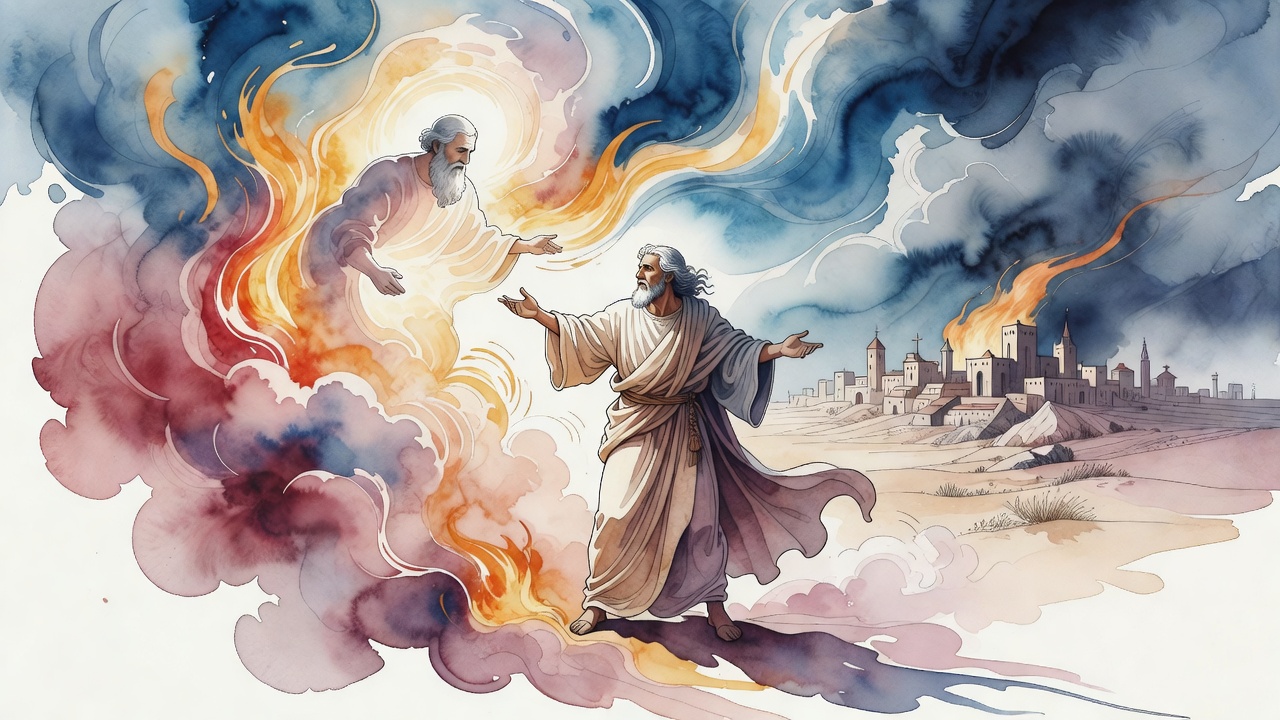
Abraham accused God of slipping out of His own oath. God answered by offering to march every generation He had ever destroyed past him, one at a time.
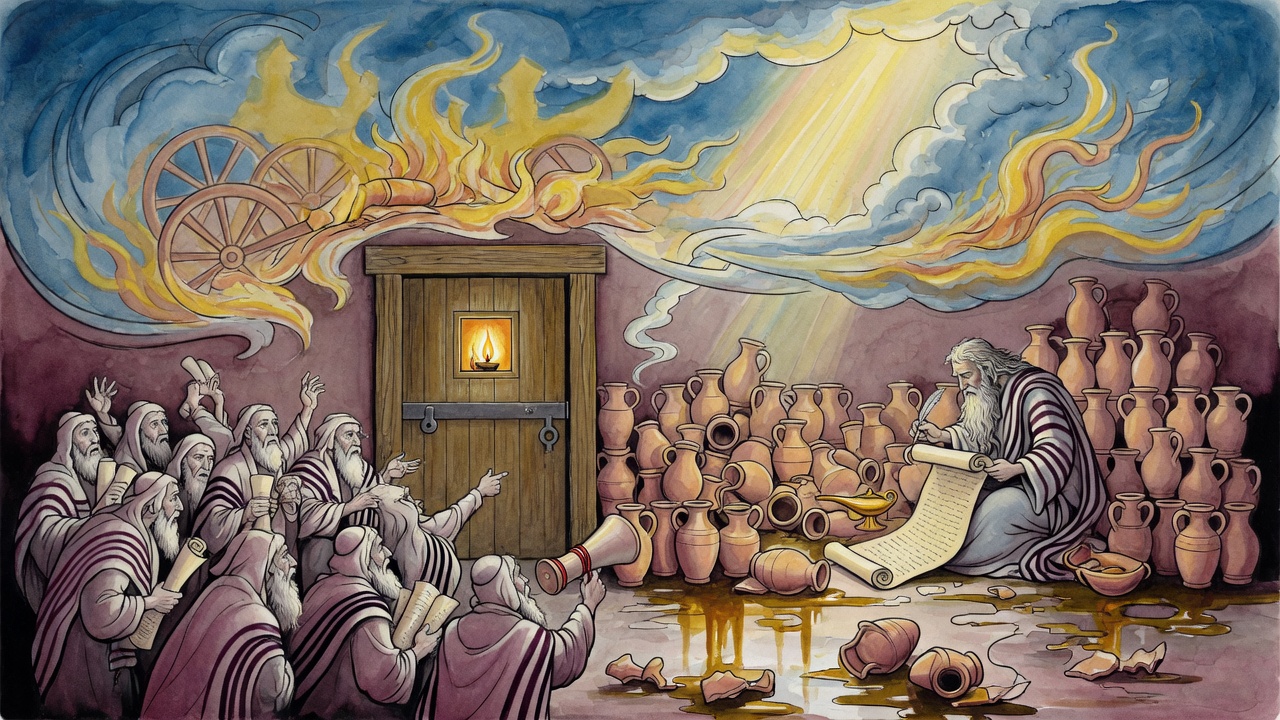
The rabbis nearly voted to suppress the Book of Ezekiel. One sage locked himself away with 300 jugs of oil and refused to stop until the book was safe.
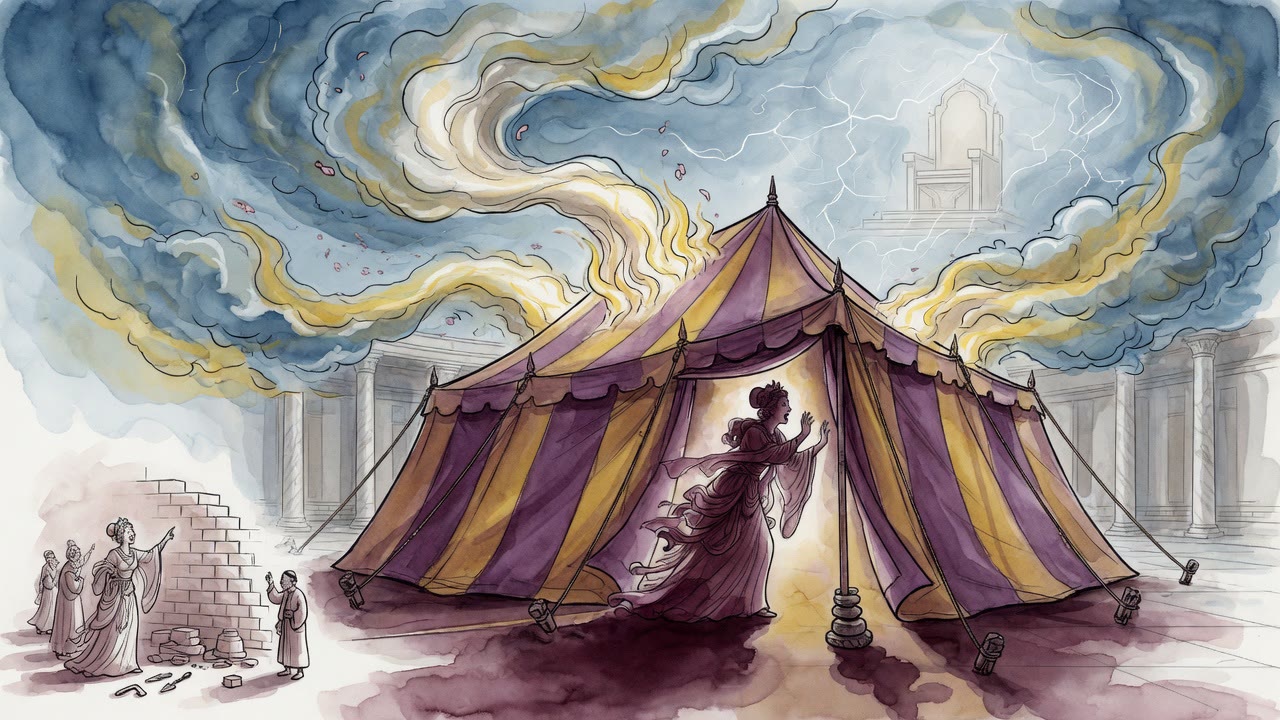
The sea split and Moses sang, but the Torah wrote will sing. From one future verb, an ancient proof that the dead will rise.
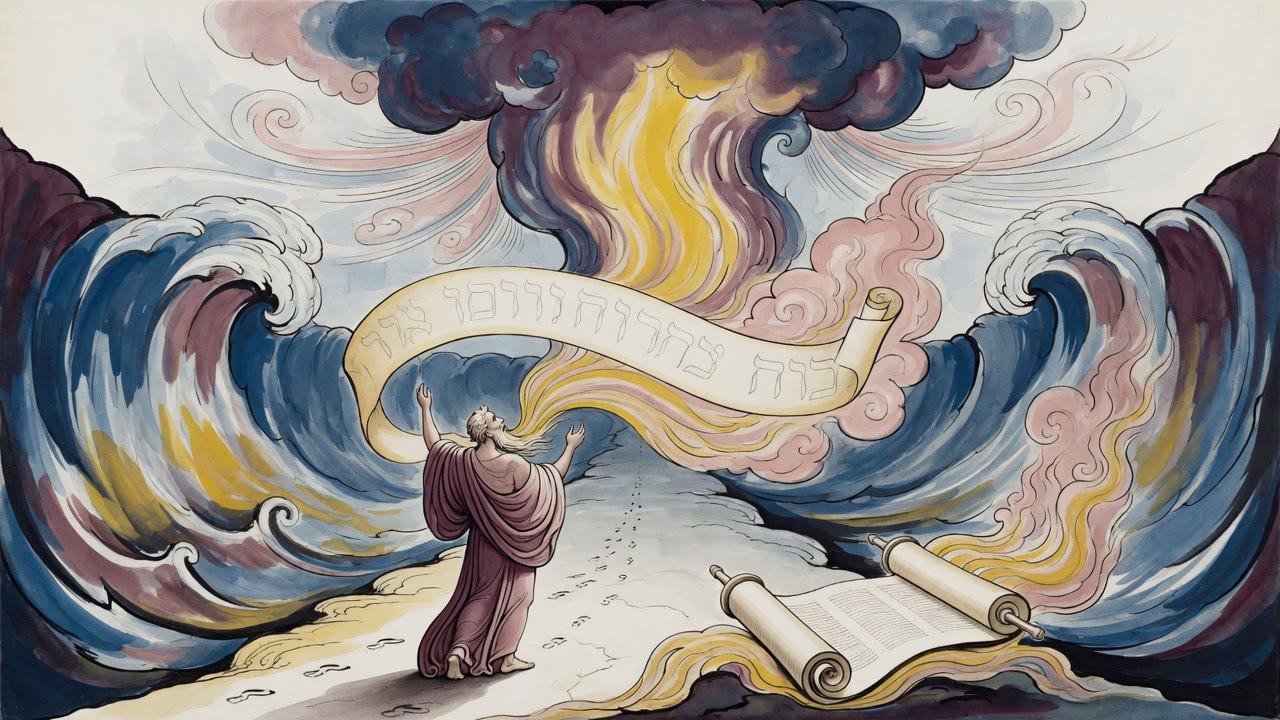
The Emperor's daughter mocked the rabbi's God as a builder. Days later she was sealed in a tent she could not leave, and God would not take it back.
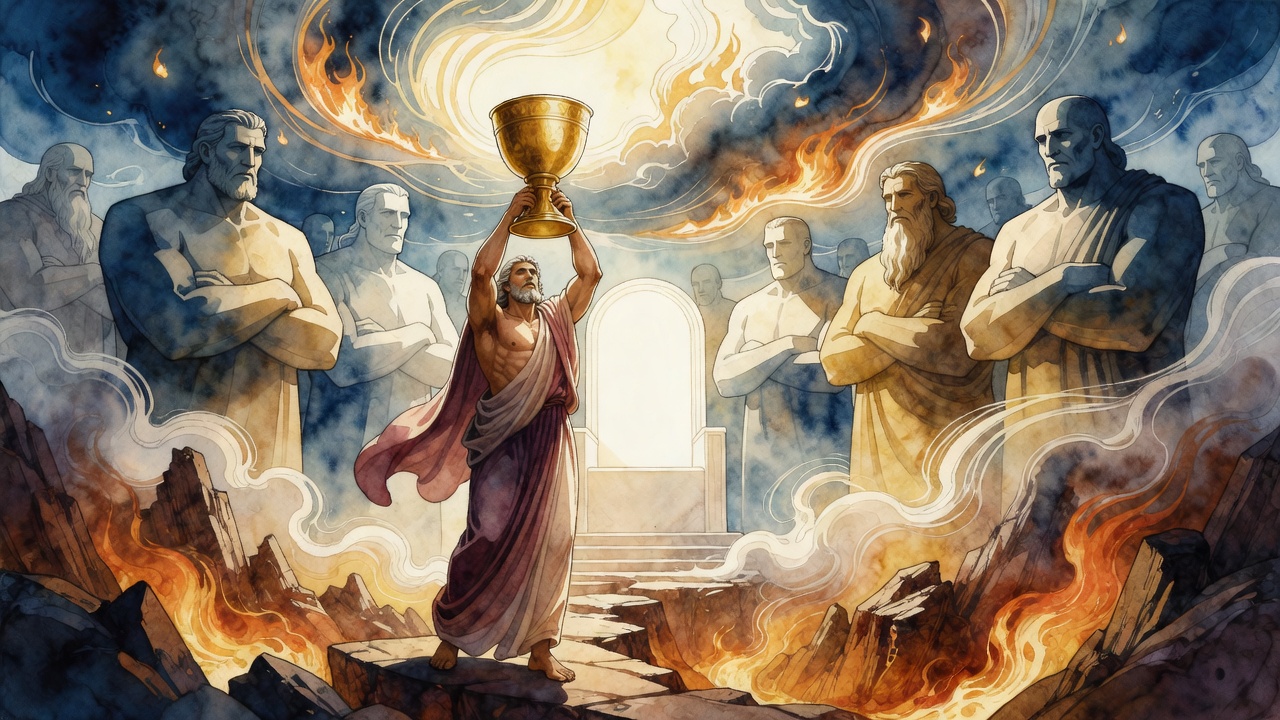
The meal in Paradise was over. A cup of blessing waited for a mouth that could praise after judgment. Abraham set it down.
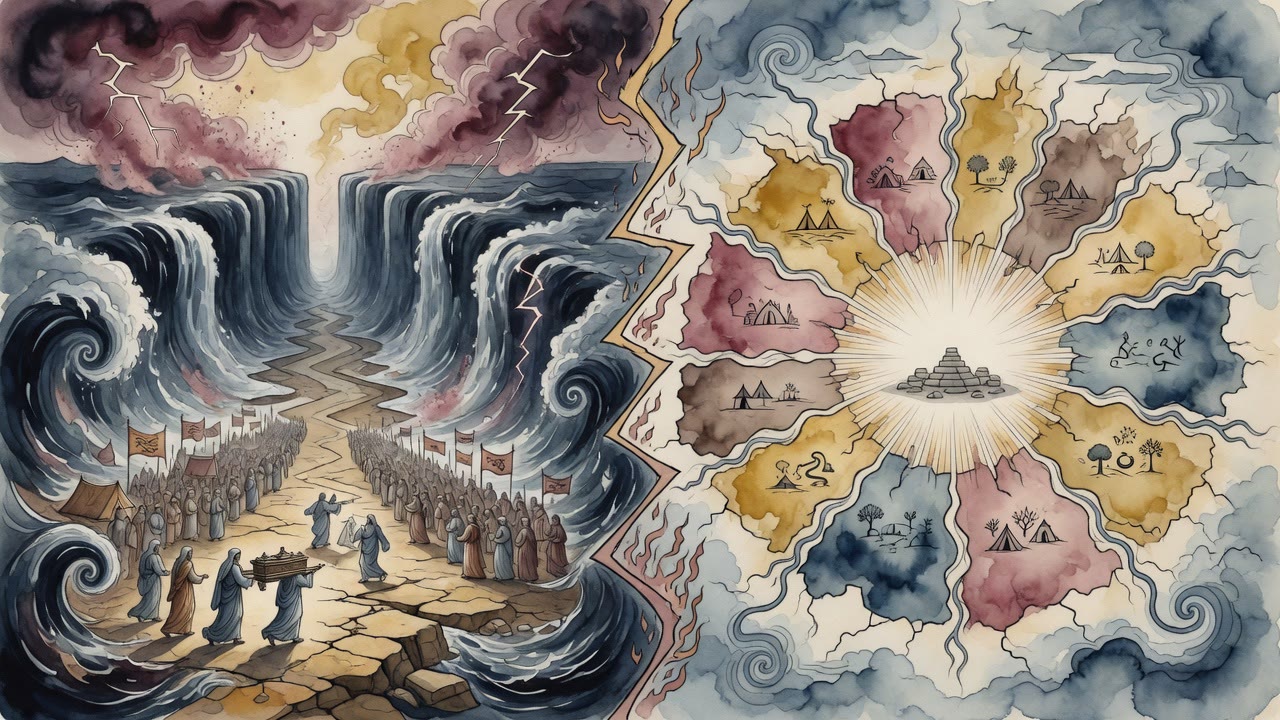
Fifty thousand men crossed the Jordan to fight for land they would never live on. When they went home and built an altar, Israel armed against them.
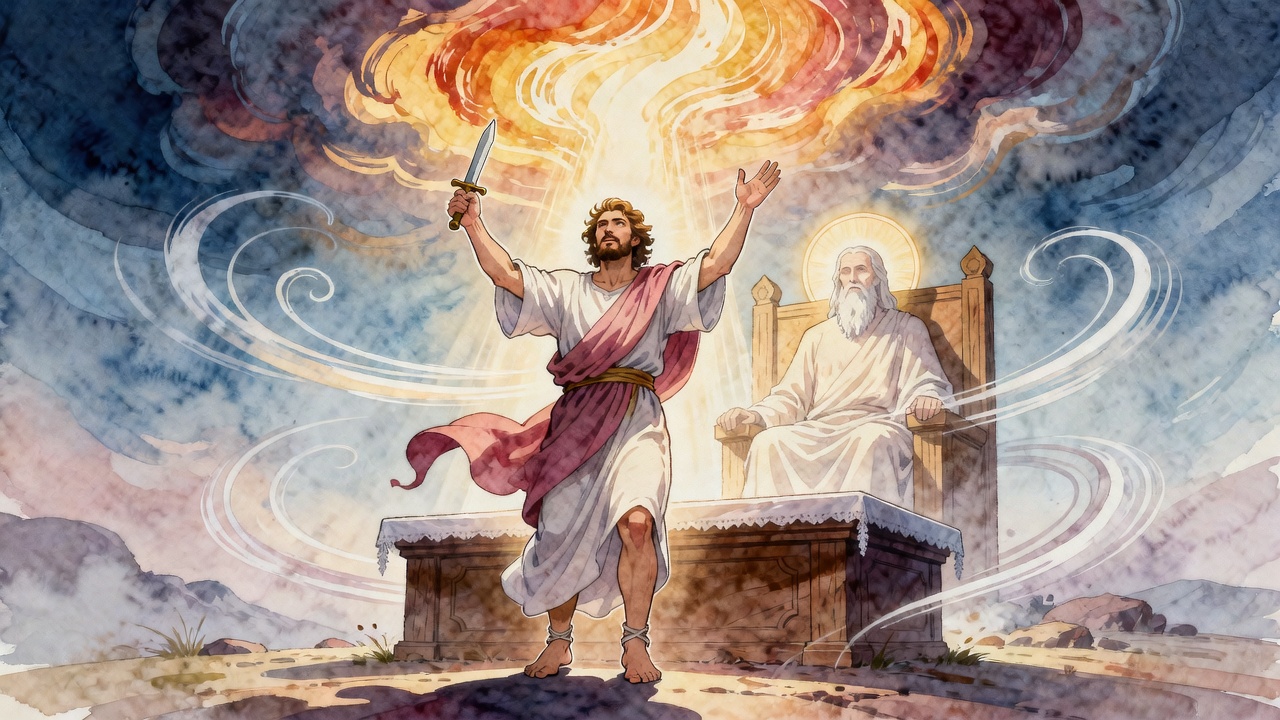
The moment Abraham's knife stopped, Isaac's soul returned. He rose from the wood, stood on bound feet, and blessed God for reviving the dead.
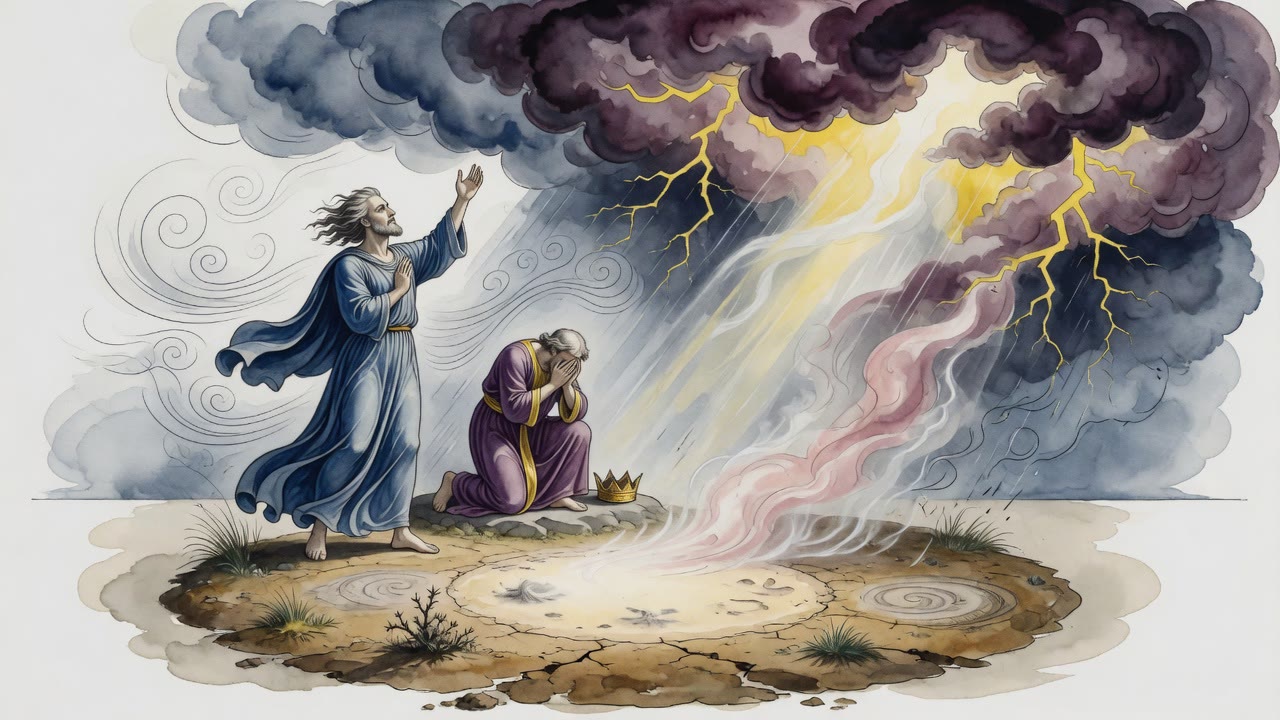
A dead child can only be raised by dew, and Elijah had sworn the dew away himself. God let the boy die in the one house where the prophet was sleeping.
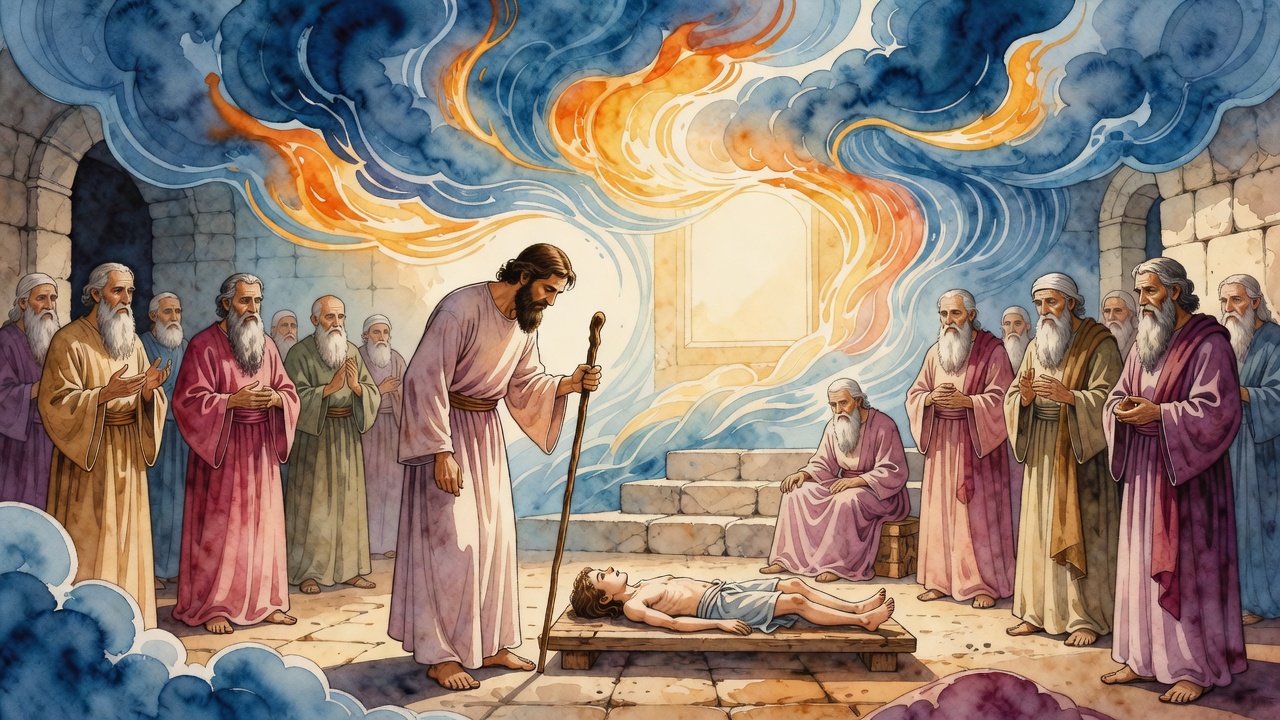
Gehazi asked the men in the street if a stick could raise a dead child. Then he laid Elisha's staff on the boy's face. Nothing moved.
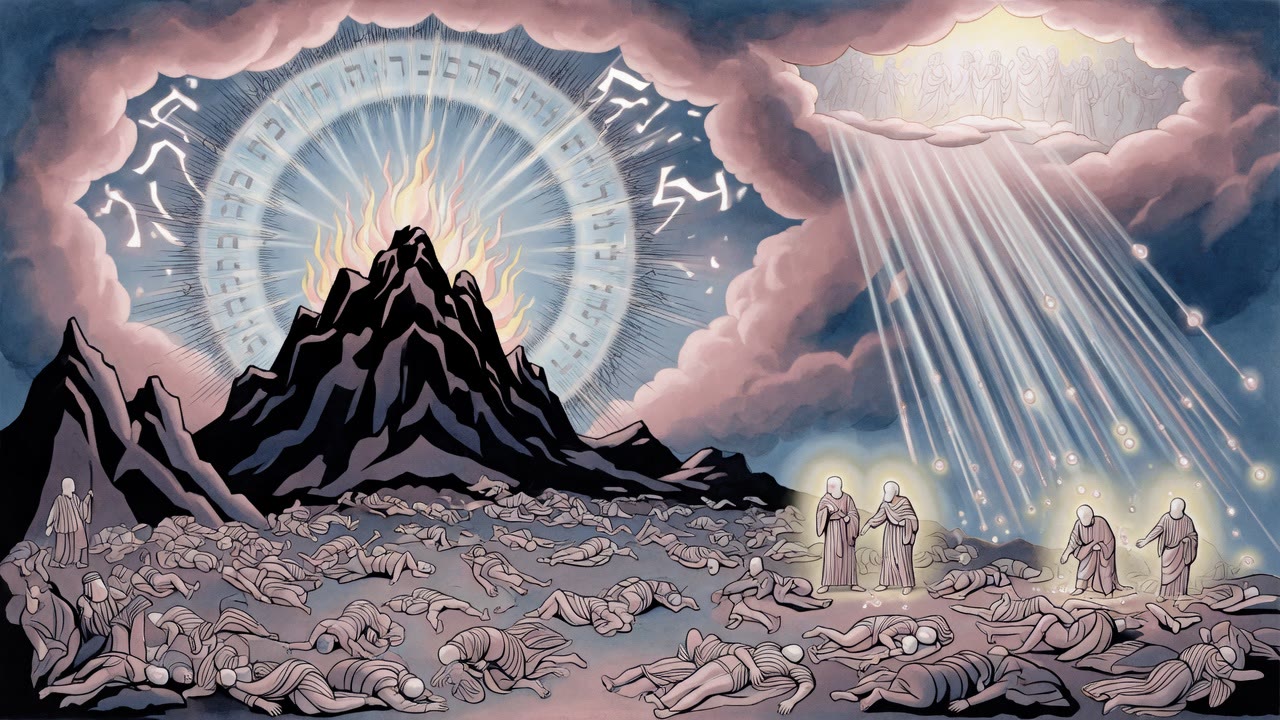
Moses threw the blood of bulls on the people. Then God's voice emptied every body in the camp. Dew saved for the last day woke them.
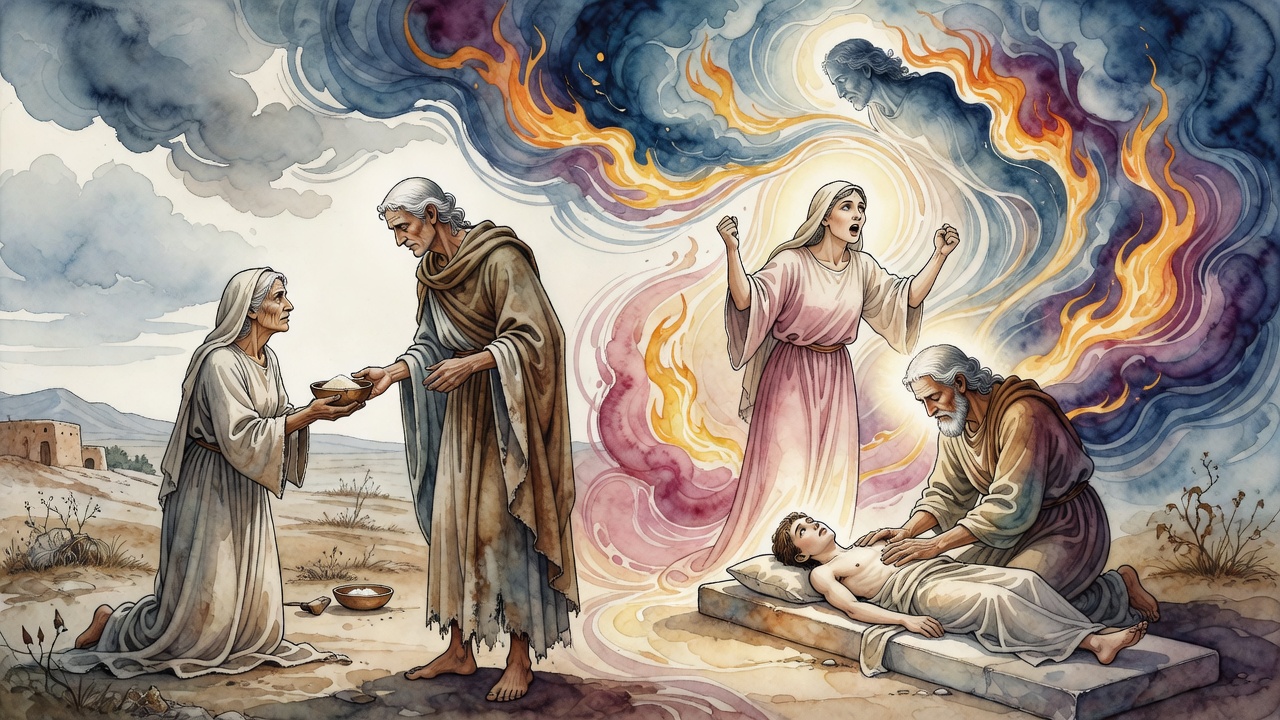
The widow of Zarephath fed Elijah from her last meal during a famine. When her son died anyway, she demanded an explanation, then his life back.
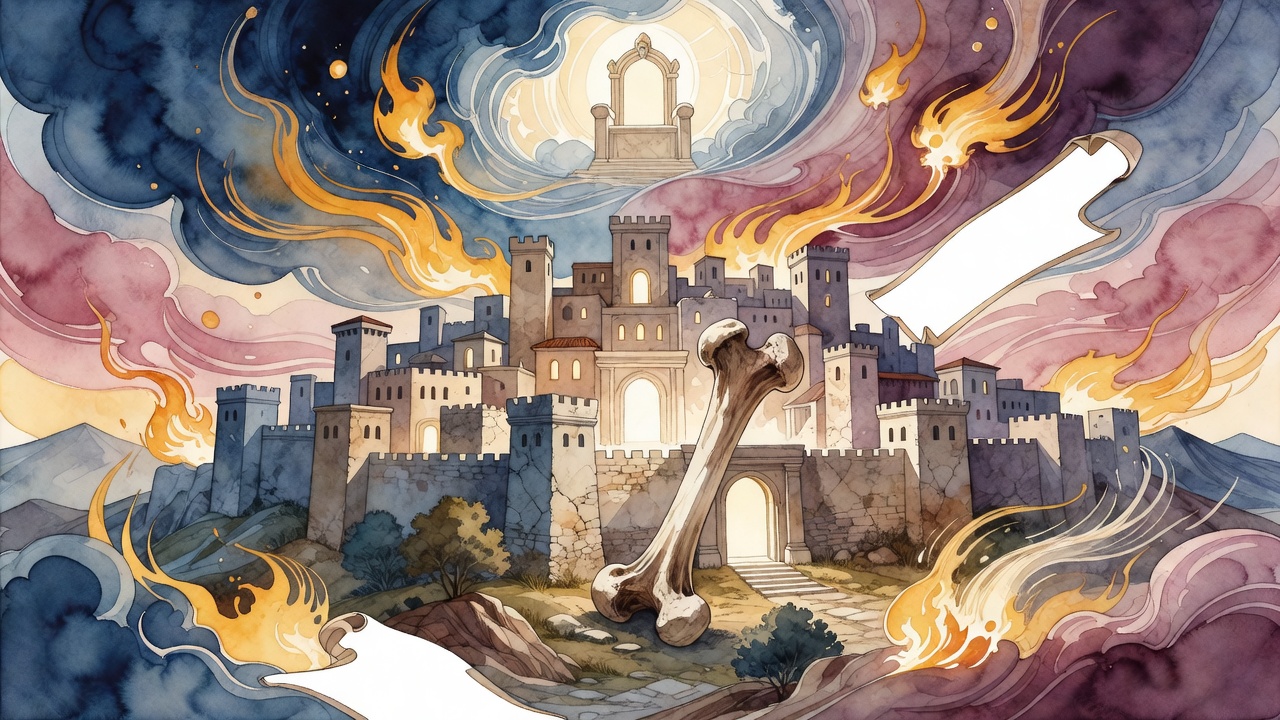
Solomon sent his scribes through the hollow almond tree. The Angel of Death was already waiting at the gate they thought was safe.
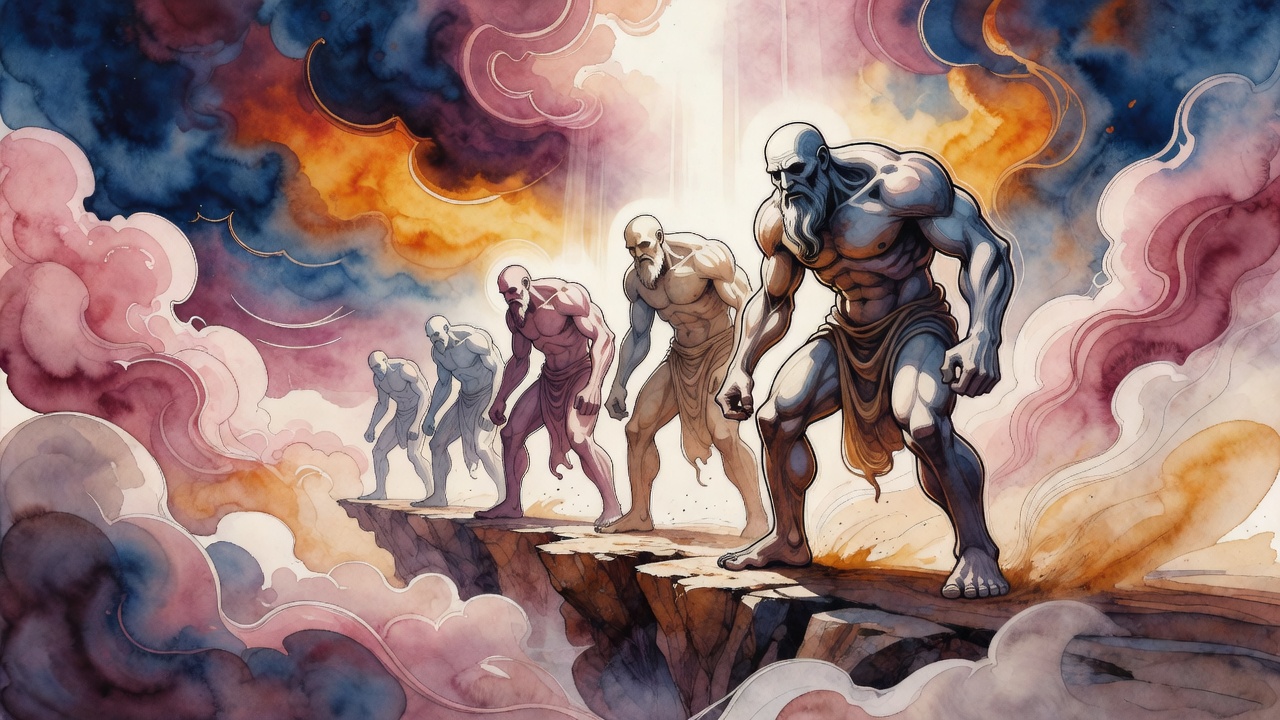
Og outlasted the flood by clinging to the outside of Noah's ark. Shemhazai, whose sons were giants, still hangs suspended between heaven and earth.
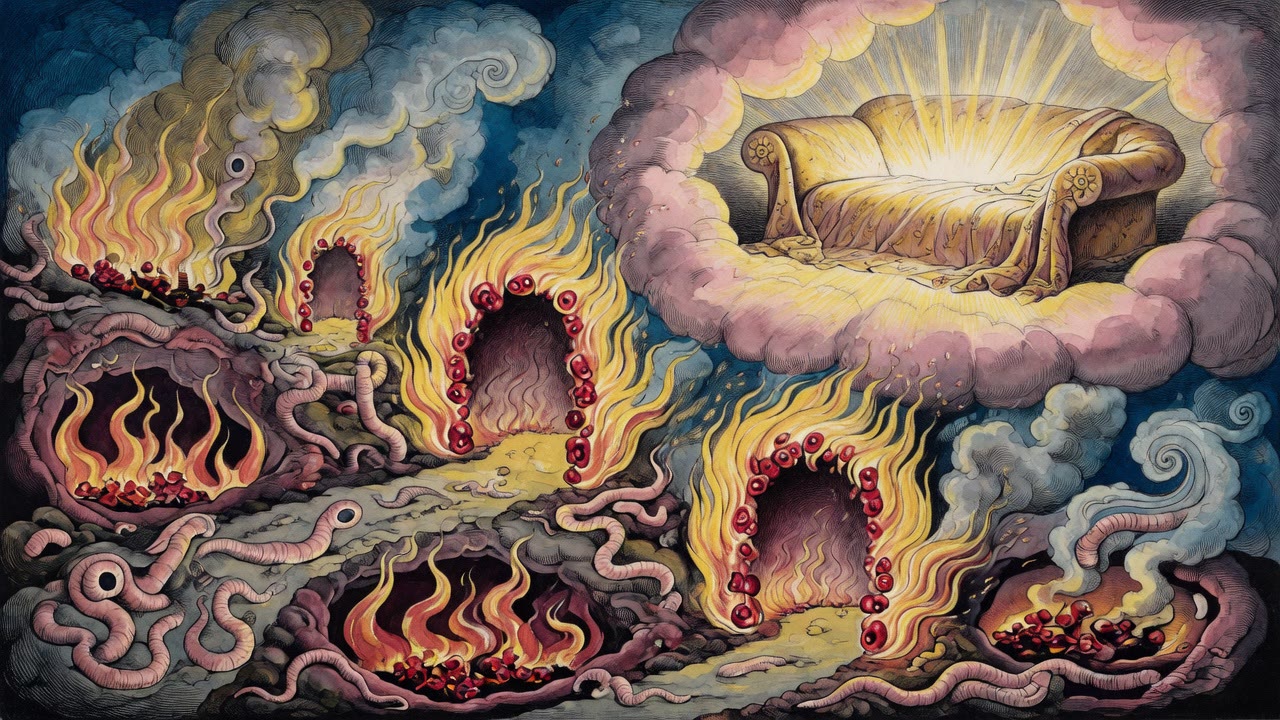
Chronicles of Jerahmeel says the righteous dead emerge from their graves each Shabbat eve to eat, drink, and praise God, then return before nightfall.
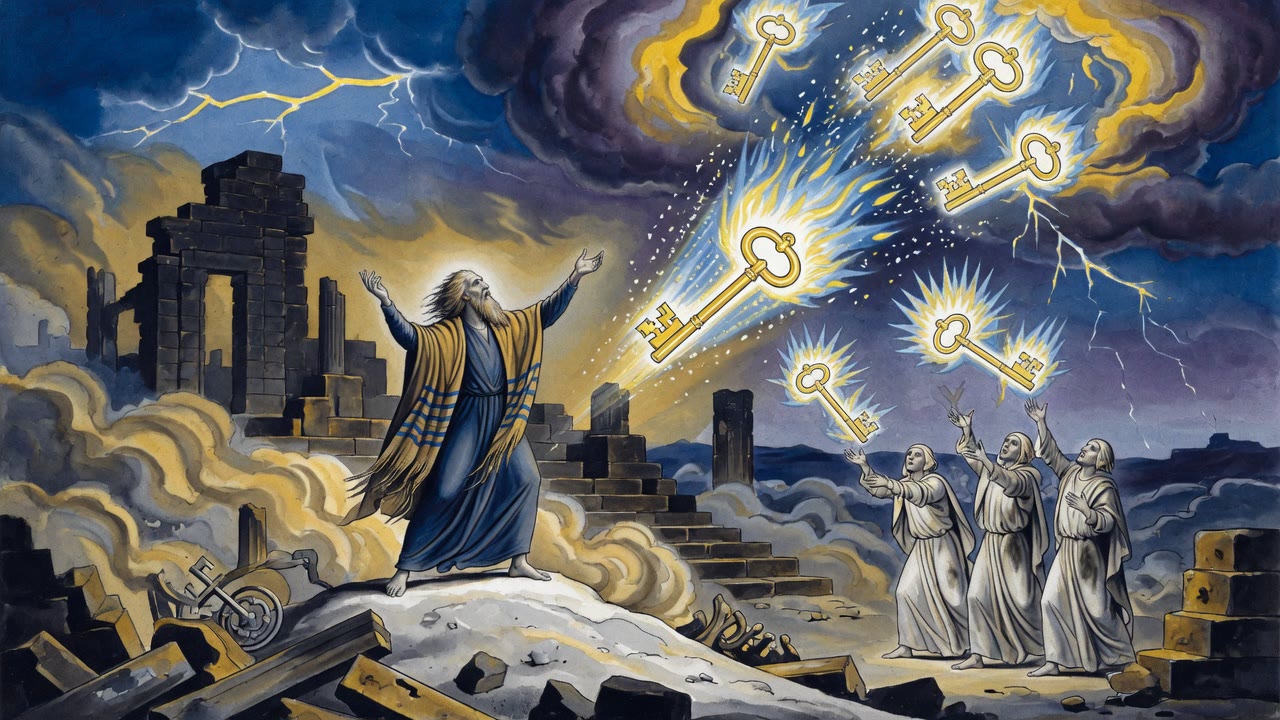
Jerusalem was still smoking. Baruch asked what shape the dead would wear. God said the earth would give them back as it had taken them.
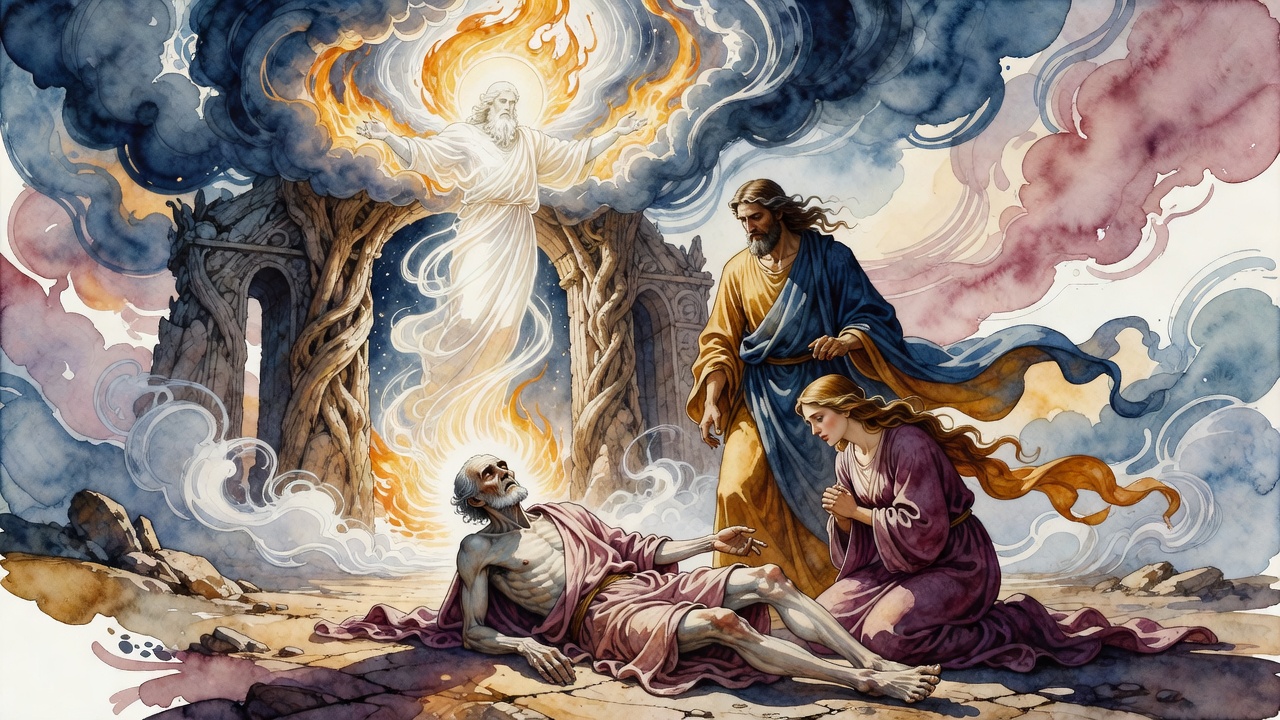
Adam's children had never seen a body fail on its own. They asked what trouble was. Seth offered to fetch fruit with dung on his head.
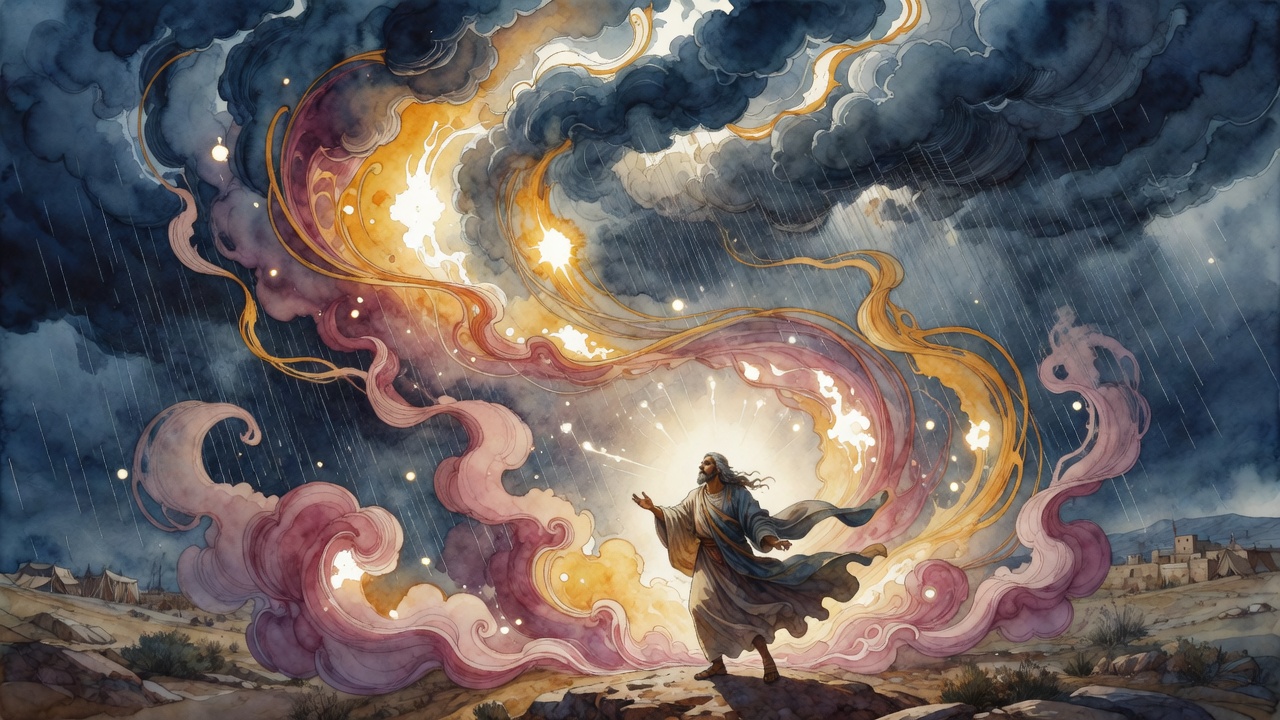
Bereshit Rabbah argues that rainfall and revival of the dead are the same divine act. Then God uses the same word to call Jacob out of Haran toward home.
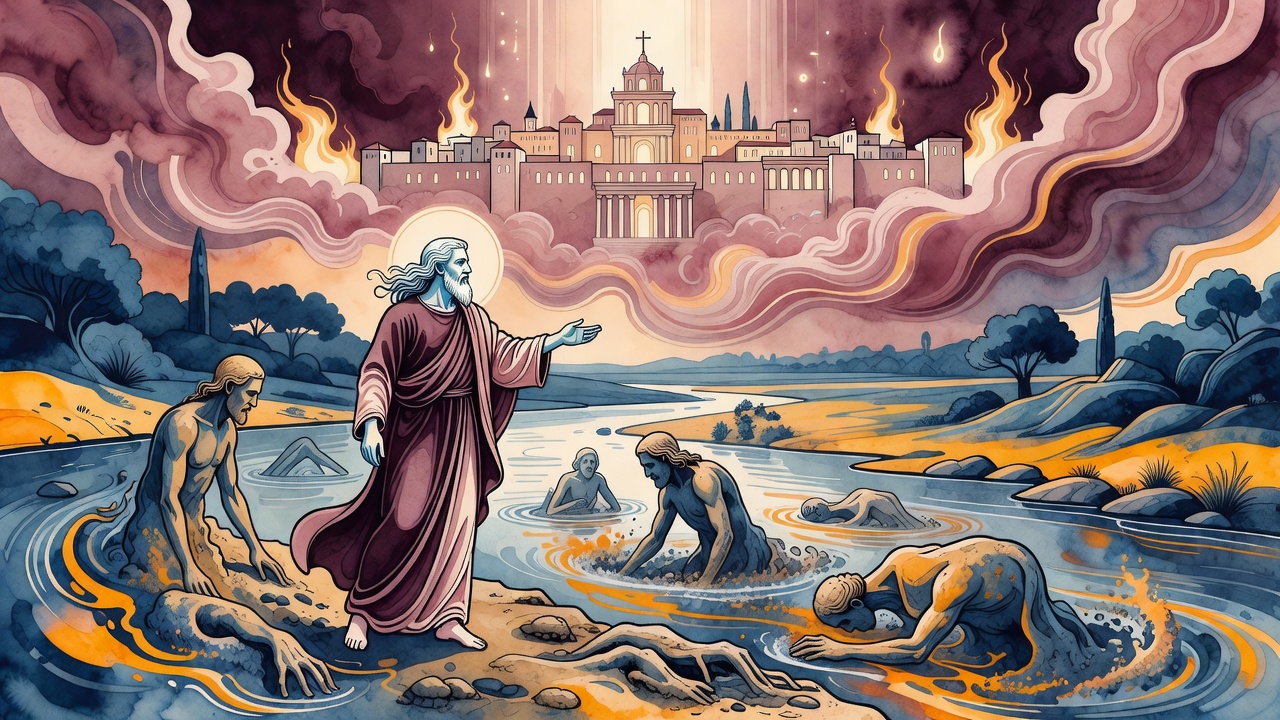
Elijah stands on the riverbank and watches the long-dead kneaded back from mud, then sees a finished Jerusalem lowered whole out of heaven.
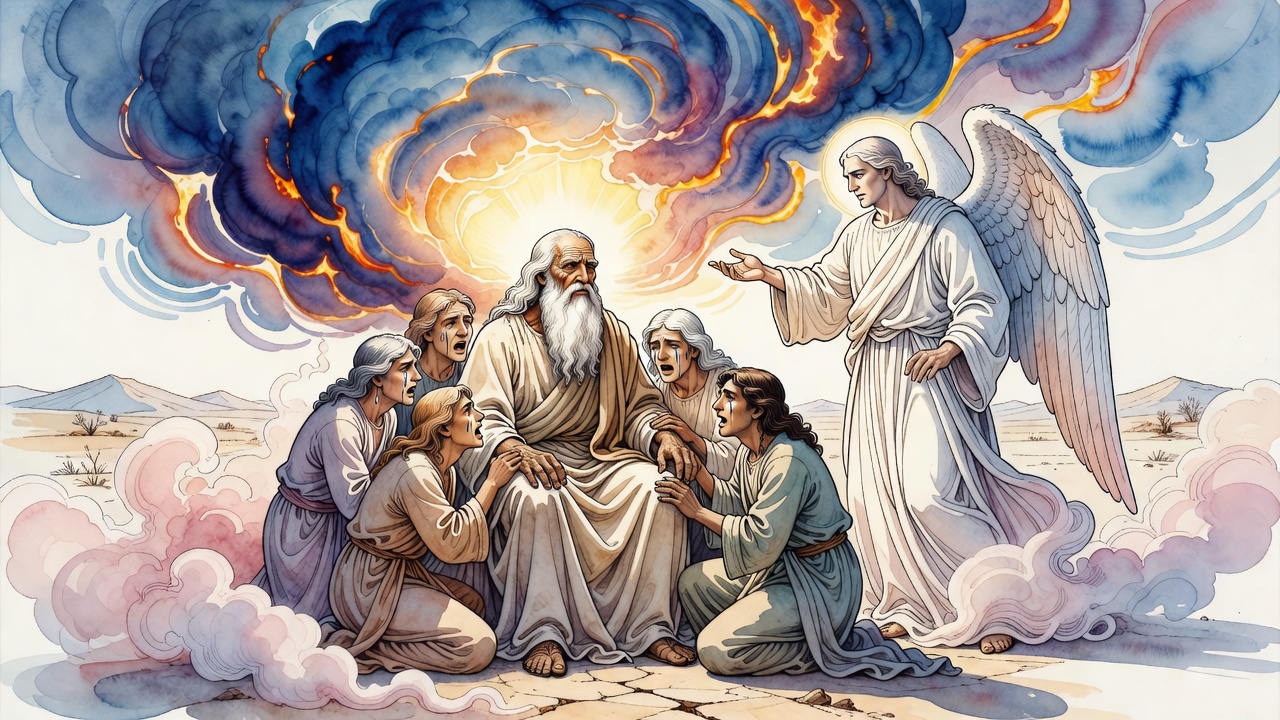
Nine hundred and thirty years old, Adam tells his weeping children the sixth day has come, and an angel keeps his body for a promised return.
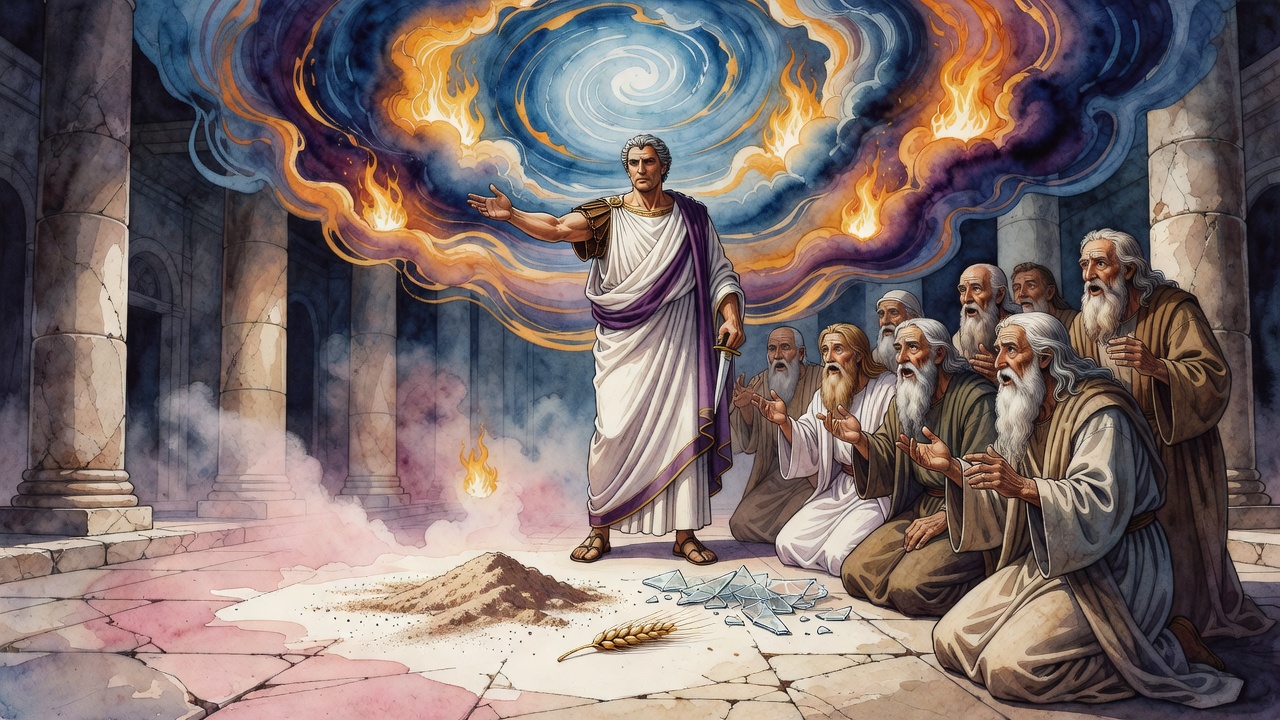
A Roman emperor dares the sages to prove scattered dust can live, and they answer with clay, shattered glass, and a grain of wheat.
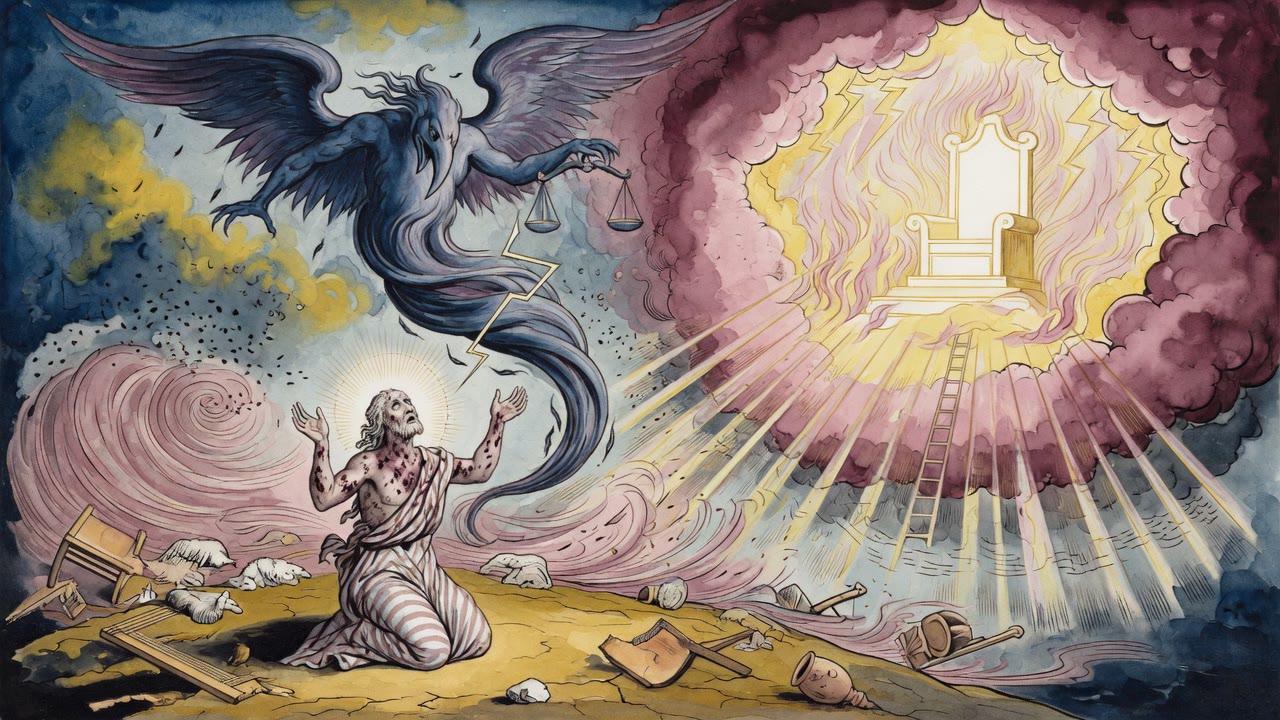
Lilith, queen of Sheba, marched three years to reach Job's cattle. One gashed herdsman broke free and ran to Job's feet. He gave the news and died there.
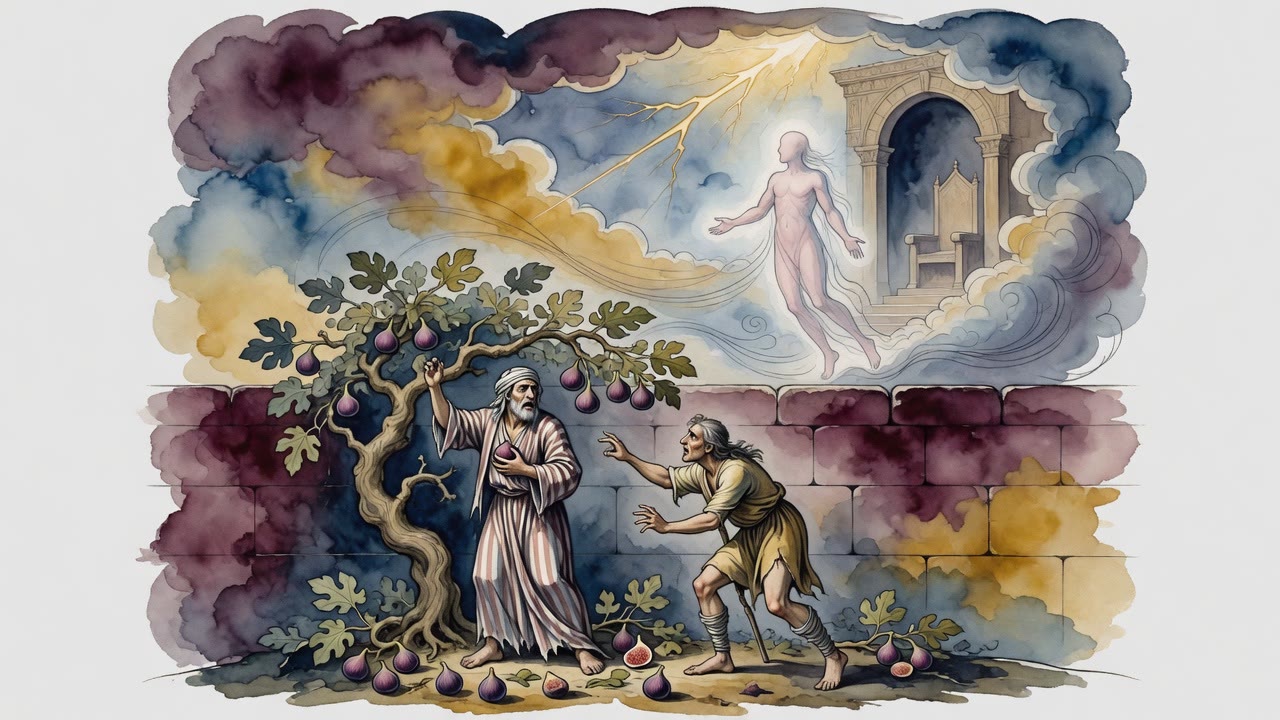
A blind man and a lame man strip the kings figs, then each blames the other. The soul tries the same defense and learns it grew up at court.
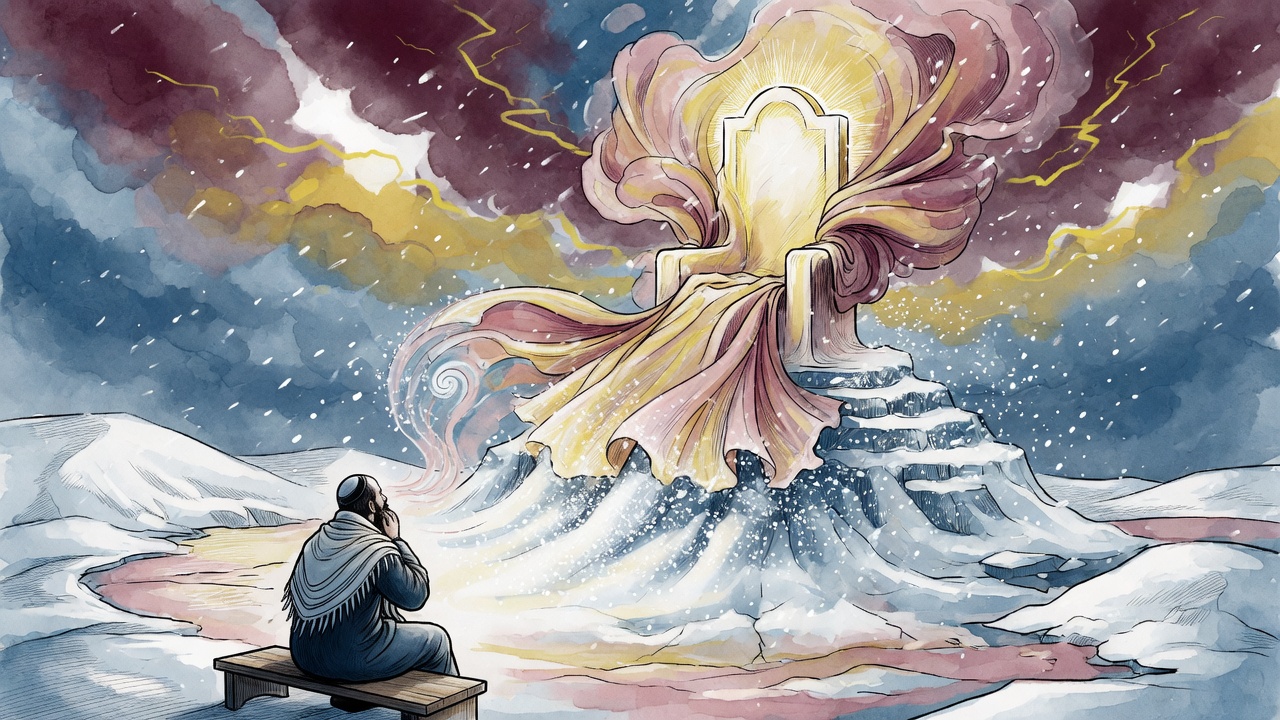
At the end of days the sun is remade sevenfold, and for two full days no soul of man or beast breathes anywhere on earth before the dead rise.
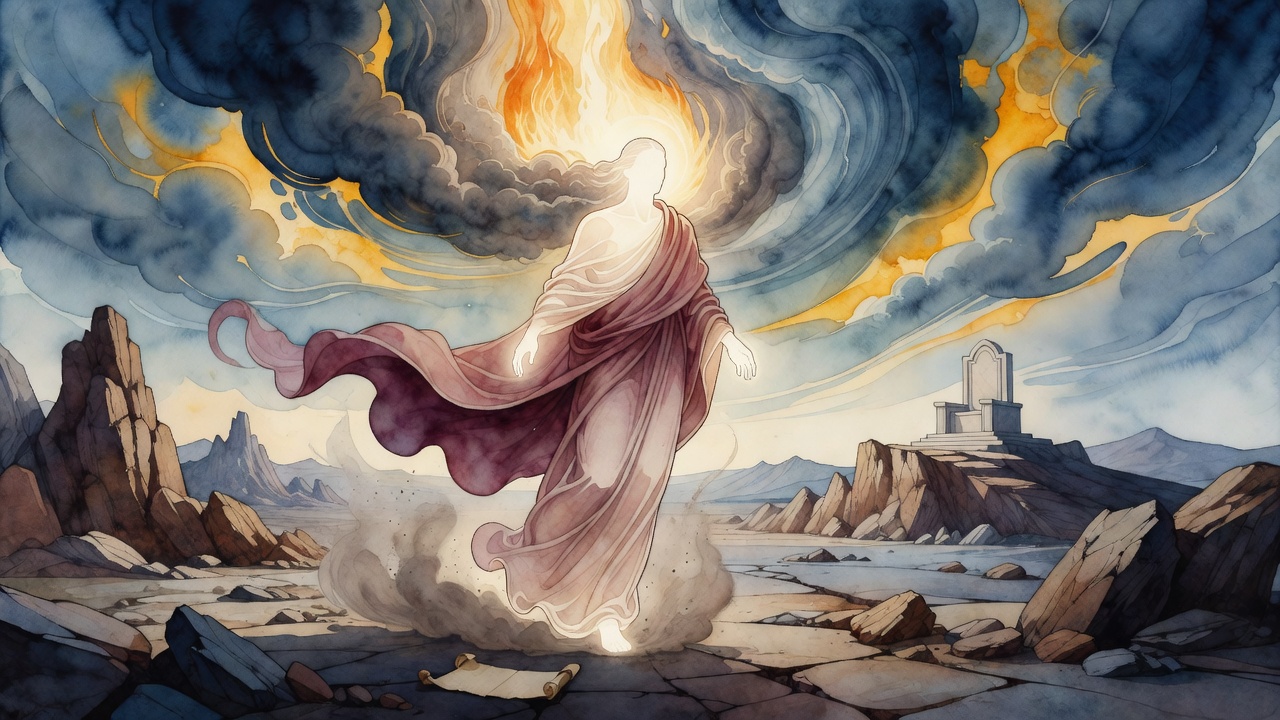
Each night the soul slips out to wander the earth and returns like a rehearsal, until the morning it rises clothed in its shroud in the Land.
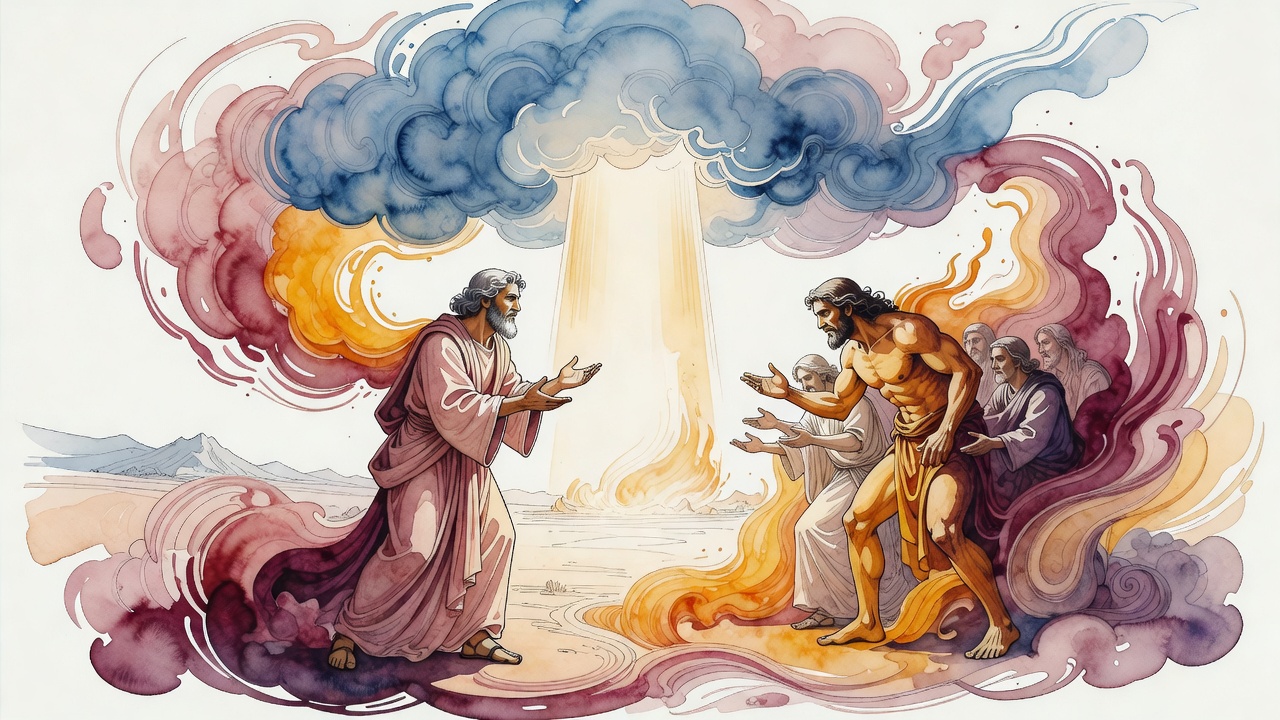
Jacob offered Esau the whole of this world for a share of the next, and Esau's friends counted the price in someone else's four hundred years.
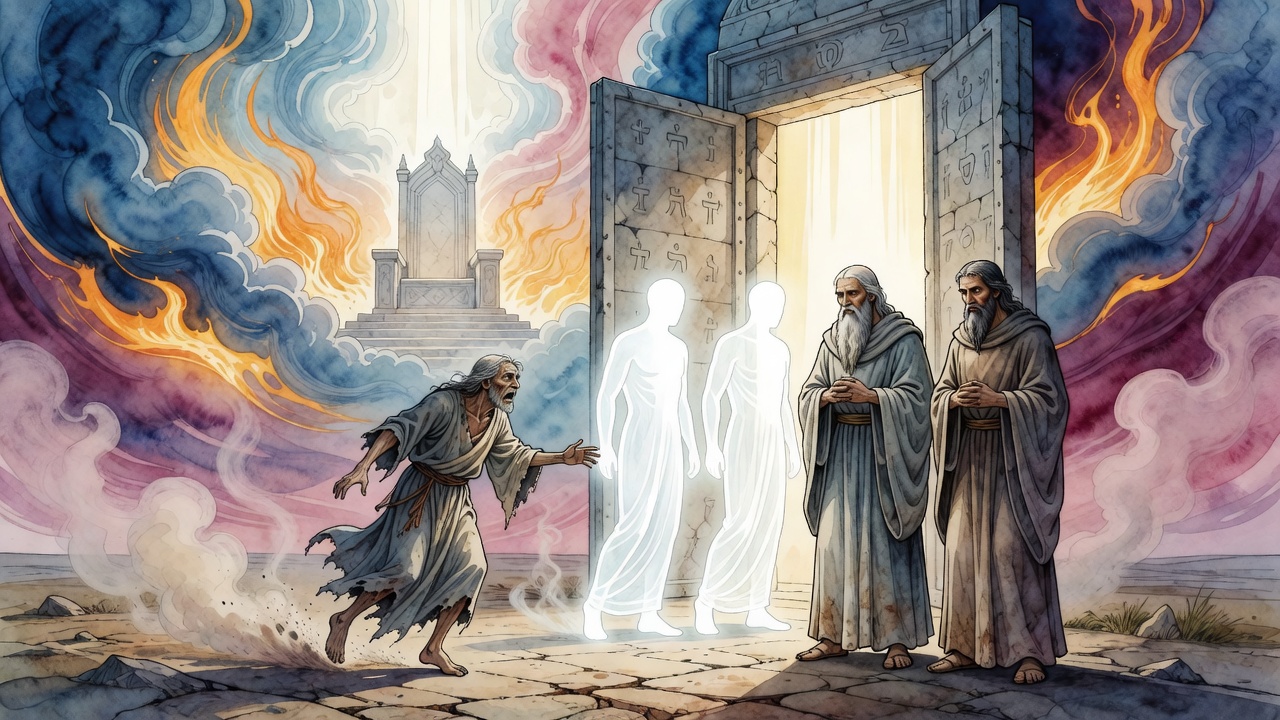
A dying man summoned before the King runs to his three lifelong friends, but only his good deeds pass the gate and walk in at his side.
