The Jewels God Left With Beruriah for Safekeeping
Beruriah hides her two dead sons through Shabbat, then asks Rabbi Meir whether a deposit must be returned before she opens the door.
Table of Contents
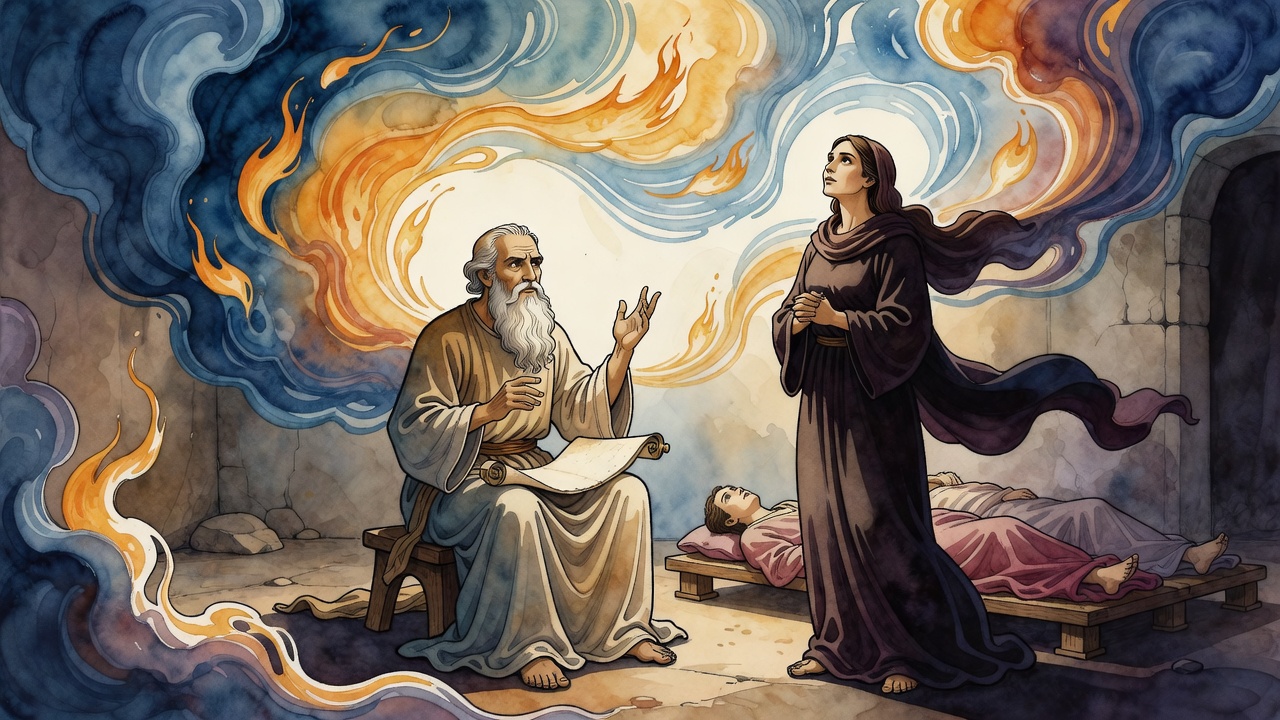
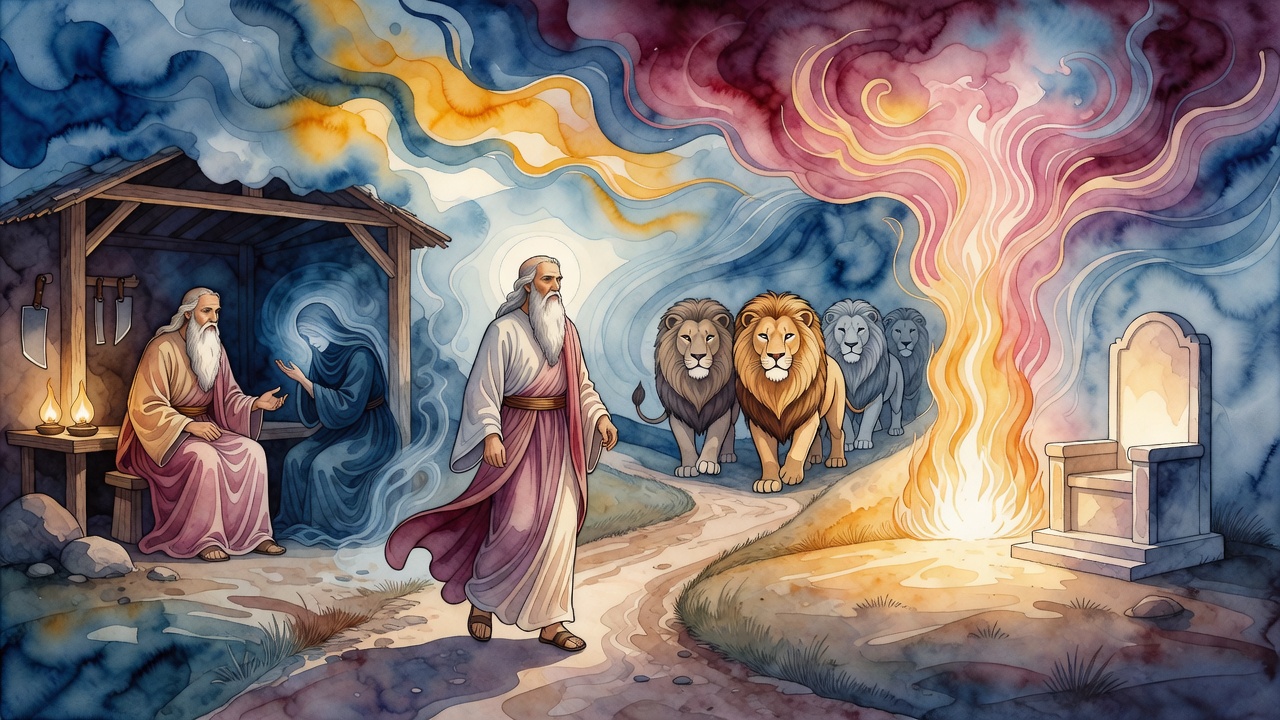
The two boys lay still on the bed in the back room while the candles of the dying Shabbat burned low in the front of the house. Beruriah had carried them there herself, one and then the other, and laid them side by side, and pulled a sheet up over their faces. They had been alive that morning. Now they were not, and their father did not yet know it.
 Click for full size
Rabbi Meir was still at the house of study in Tzippori, leading the congregation through the last hours of the day. He would come home expecting to find his sons waiting at the door. Beruriah stood in the doorway of the back room and listened to her own breathing, and she made a decision that no grief in the world had the right to overturn.
The Day That Belonged to God Alone
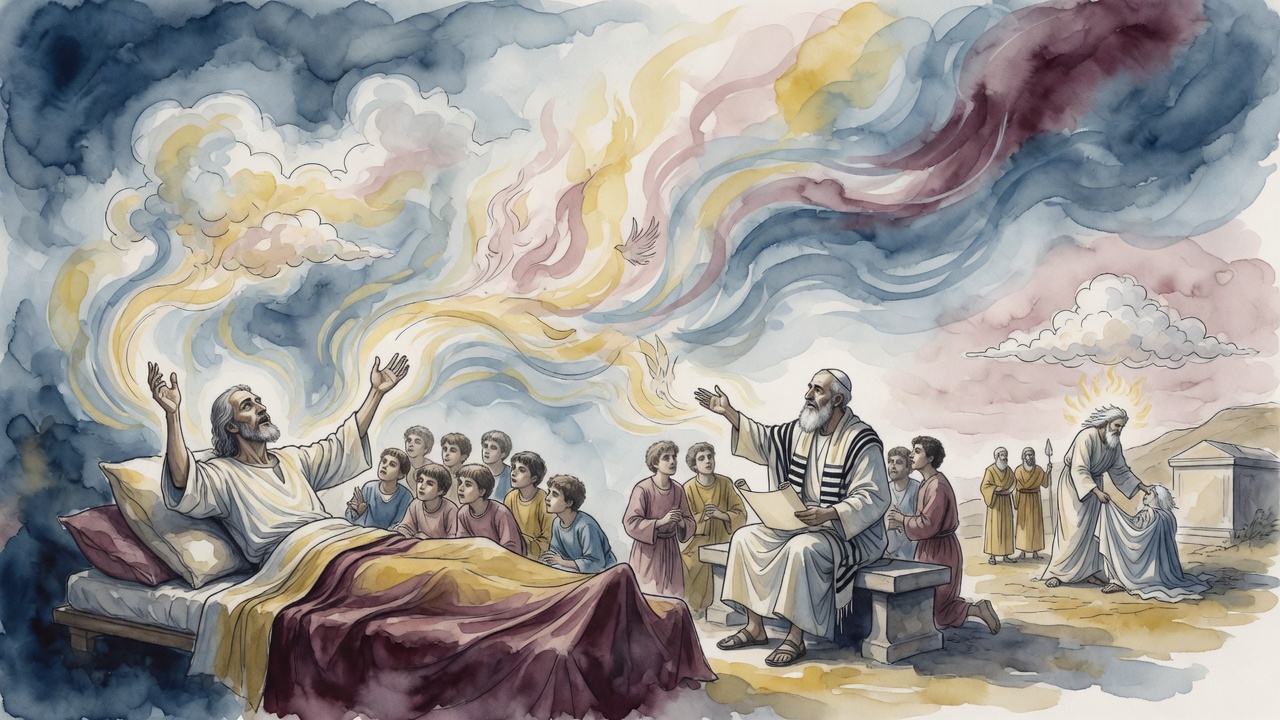
She knew the law better than almost any woman alive, and the law was clear. There is no mourning on the Sabbath. The day is a gift, and a gift is not a place for weeping. Once, when her husband had greeted mourners on a Shabbat and the people of Tzippori muttered that a holy man should know better, Rabbi Meir had answered them plainly. "He came to tell you that there is no mourning on the Sabbath," they later said of him, "for it is written, the blessing of the LORD makes rich, and adds no sorrow with it."
Beruriah had heard him say it. Now the saying turned and pressed itself against her own chest. If she told him before three stars appeared, his sorrow would tear straight through the holy day and ruin it. So she would not tell him. She would hold the worst thing that had ever happened to her inside her body until the sun finished setting.
The Table She Set Over the Grief
He came home. He asked after the boys. She did not lie, and she did not answer. She said something about where they were and moved past it, and she set the table for the third meal of Shabbat as though her hands were not shaking.
They ate. He may have wondered at her quiet, but the quiet of a wife at the close of Shabbat is not a strange thing, and he let it be. They sang the zemirot together, the slow songs that walk the day out the door. She sang. Her two sons lay behind a wall ten steps away, and she sang the praises of the day that had taken them while it still held them in its keeping.
Then the sky went dark. Three stars. She brought the wine and the spice and the braided flame, and they made Havdalah, the blessing that separates the holy from the ordinary, the Sabbath from the six days, the light from the dark. The flame guttered out in the wine. The week began.
The Question of the Deposit
Now she could speak. But she did not speak the thing itself. She turned to her husband, the great teacher, and she asked him a question, the way a student asks a master.
"I have something to ask you," she said. "A while ago a man came and left two jewels with me for safekeeping. He entrusted them to my hands and went away. Now he has come back, and he wants them returned. Am I obligated to give them back to him?"
Rabbi Meir was almost offended by how simple it was. A deposit is a deposit. What had been left in trust was never hers to begin with.
"Of course you must return them," he said. "What kind of question is that? The jewels were never yours. They were only ever his. A thing held in trust goes back to its owner the moment he asks."
"Even so," she said. "Even when it is hard. Even when you have loved keeping them."
"Even so," he answered. "They are his."
The Room Behind the Wall
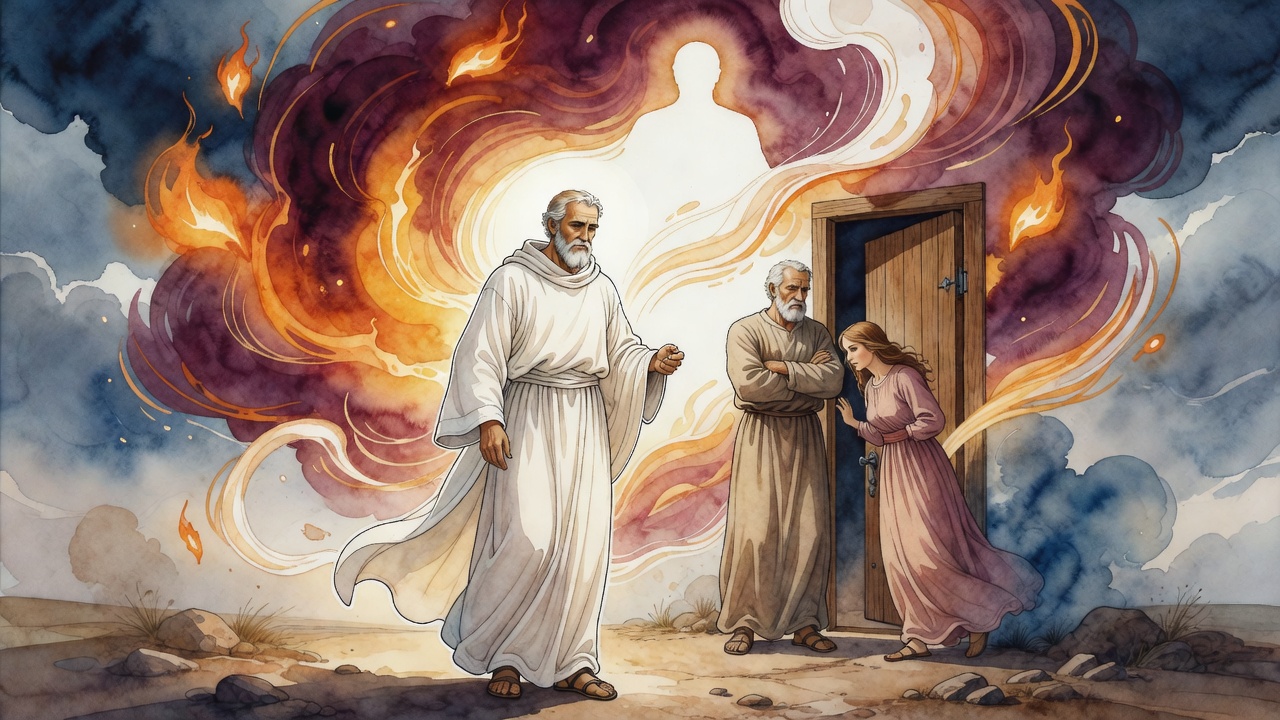
She took his hand. She did not let go of it. She led him out of the lamplight and across the floor he had crossed ten thousand times, to the door of the back room, and she opened it.
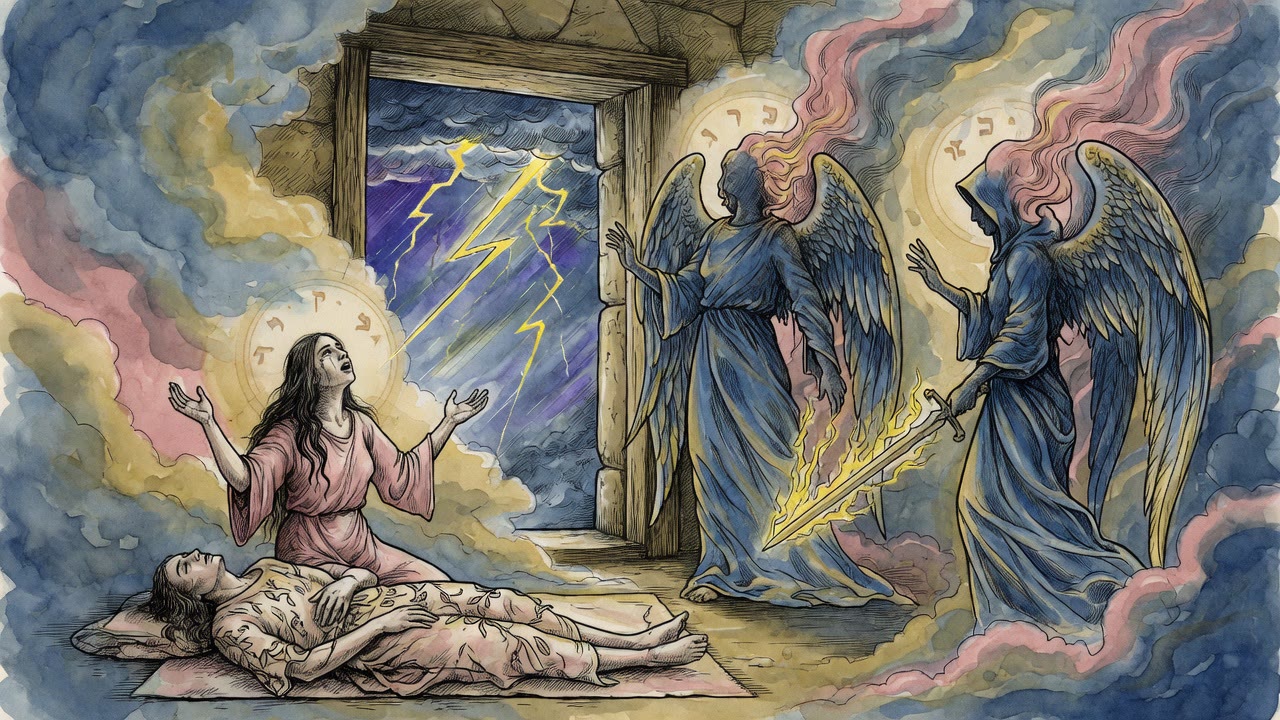
The two boys lay on the bed under the sheet. She drew it back from their faces.
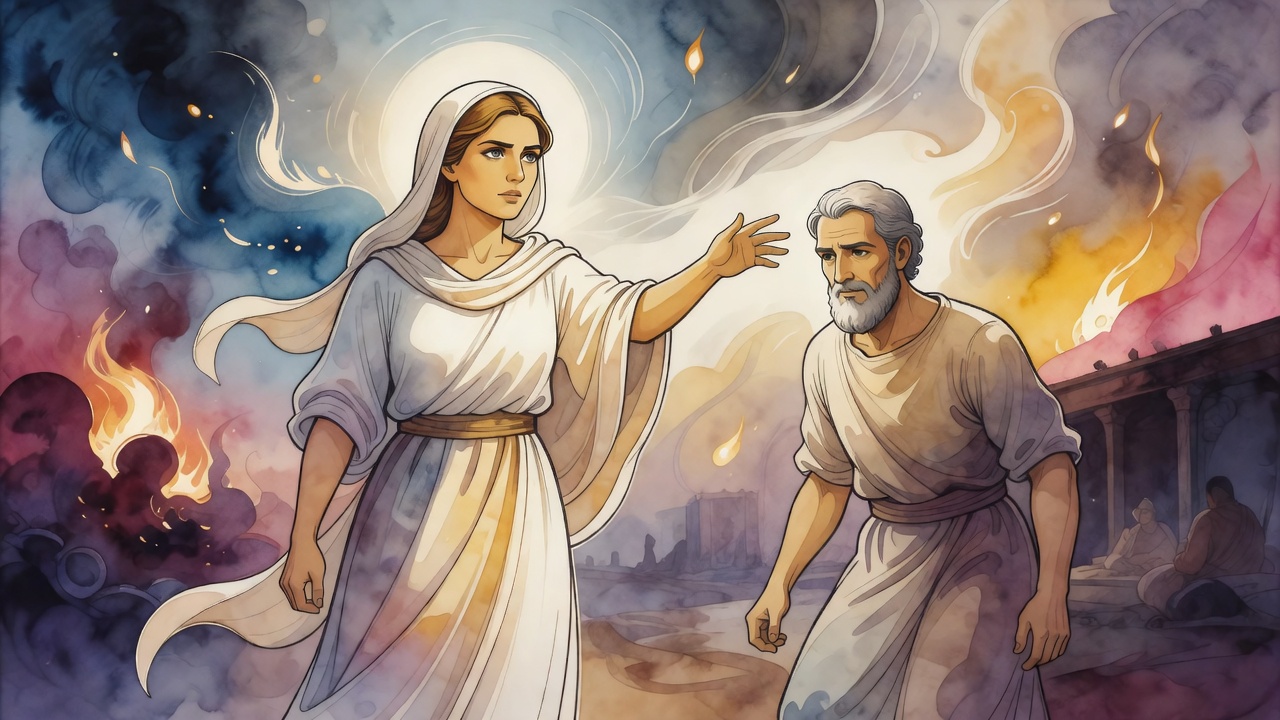
"These are the jewels," she said. "The Holy One, blessed be He, entrusted them to us for a time. He let us keep them and love them. And today, while you were teaching, He came to collect what was always His. You have just told me the law. We give back what we were lent."
Rabbi Meir broke. He stood over his sons and wept, the great sage who could out-argue any opponent in the house of study undone by two small bodies and a question he had answered himself. He had no counterargument. He had built the verdict with his own mouth before he knew what it ruled on, and now it ruled on his children, and it held.
She had carried it alone from one Shabbat afternoon through the singing and the wine and the spice, so that the day God gave would not be soaked through with the grief God sent. She had let him say the law first. Then she let the law tell him the rest.
← All myths