Rabbi Meir Rescued Beruriah's Captive Sister From Rome
Romans burned her father in a Torah scroll. Beruriah did not ask Rabbi Meir to sit with her. She told him to take gold and bring her sister home.
Table of Contents
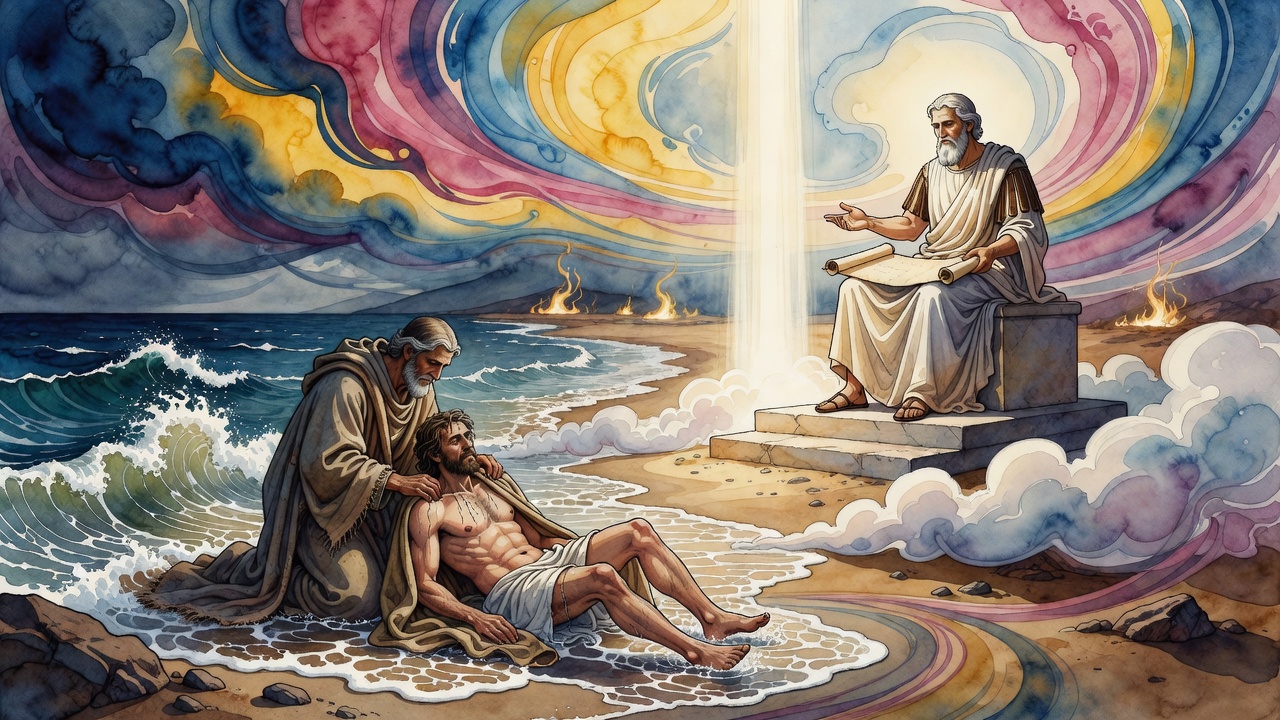
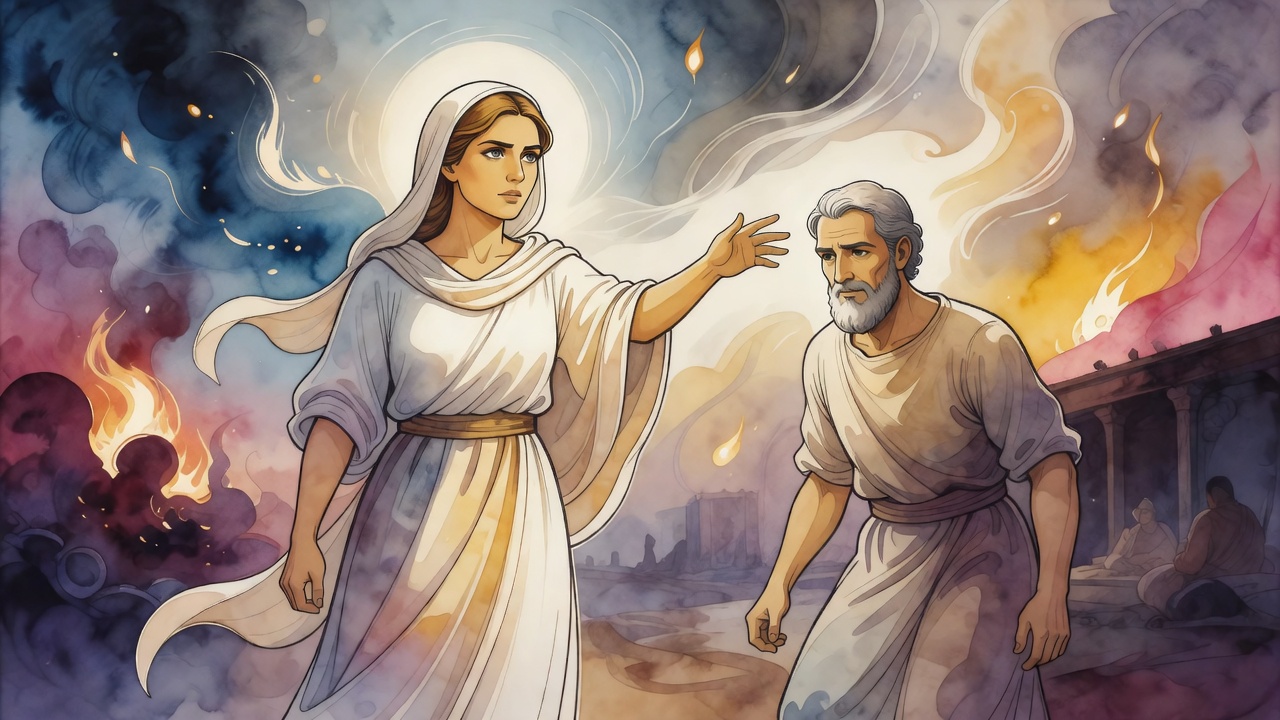
Beruriah had already buried most of her family. The Romans had wrapped her father, Rabbi Hanina ben Teradyon, in the Torah scroll he had been teaching from and burned him alive, wet wool packed against his chest so he would die slowly. Her mother was executed separately. Then the soldiers took her sister and put her in a house of prostitution in the city.
 Click for full size
She did not come to Rabbi Meir to be comforted. She told her husband to take gold and bring her sister back.
She Refused Him Like Any Other Man
Meir took a sack of gold dinars and went to the city. Before he spent a coin he wanted to know what he was buying back. He came to the woman the way a customer comes, and made the offer a customer makes.
She told him she was unwell. He said he would wait. She told him there were many prettier women in the house, and he should go to them. The refusals stacked, same words, no crack in them. She had been saying it to every man who walked through that door.
That was what he had come to learn. A woman sold into that work who still sent every man away was the woman he had been sent to buy out. He stopped and went looking for the guard.
Dogs Stopped in the Yard
Meir held out the gold. Take half for the men above you, he said, and keep half for yourself.
The guard did not reach for it. "When my superiors find her gone, they will hang me."
"Then say this," Meir told him. "God of Meir, answer me. Say it, and you will be saved."
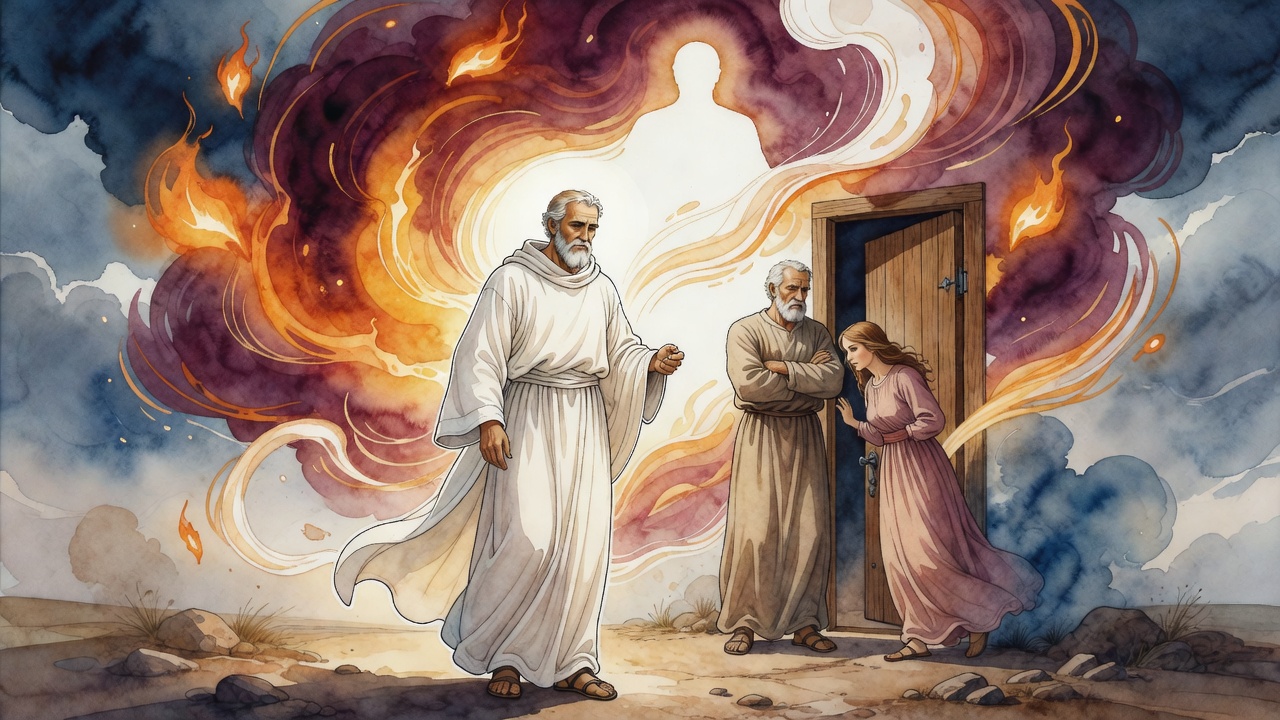
The guard looked at the sentence the way a man looks at a rope someone claims will hold. There were dogs in the yard that ate anything the soldiers pointed them at. Meir walked toward them. They came for him, mouths open. He said the words. The dogs stopped where they stood, as if a hand had closed on their throats.
The guard took the money and opened the door. Beruriah's sister walked out of the house on her own feet. She did not look back at the room. Meir did not make her speak. They left while the dogs were still standing still.
The Rope Broke Twice
The Romans counted their prisoners and found one missing. It did not take them long to work out which man at which door. They arrested the guard, tried him, and brought him out to hang.
Standing under the gallows, with nothing left to spend, he said the sentence he had been given. "God of Meir, answer me."
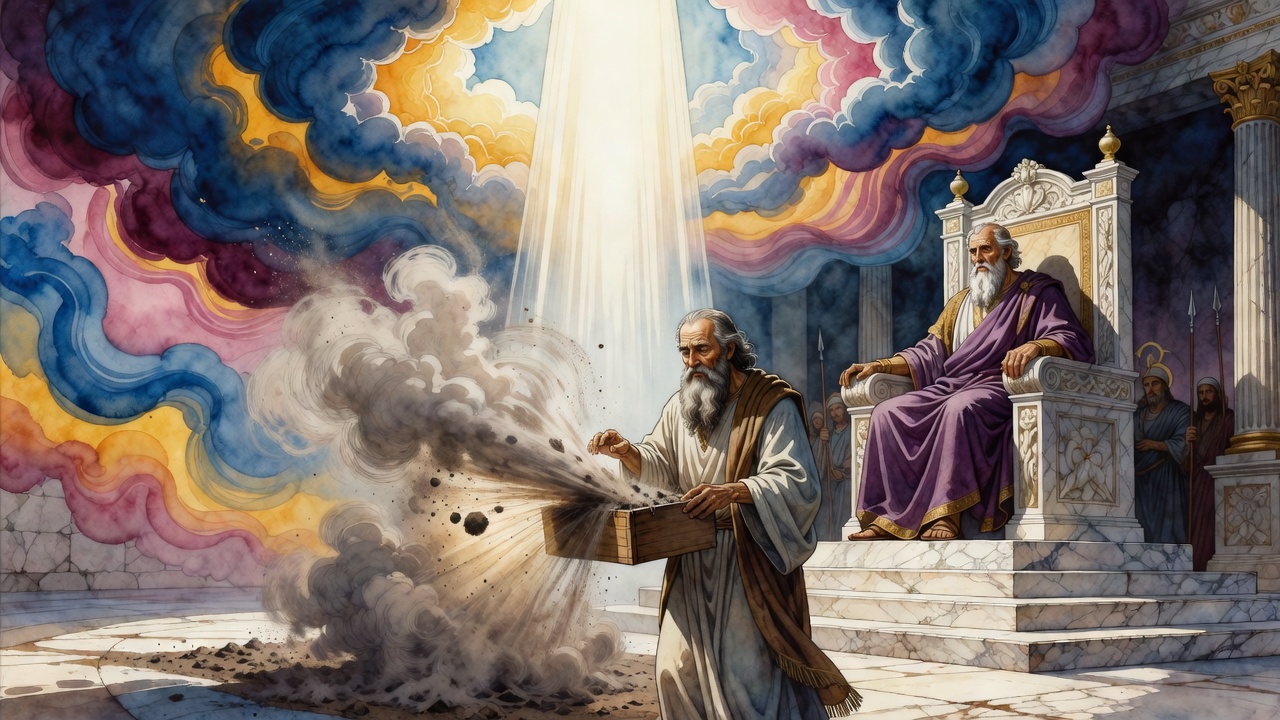
The rope broke. They tied another. That one broke too. The officers stopped the execution and demanded to know what he had said. He told them the whole thing, the sack of gold, the sage, the words. He kept the words. He became a Jew.
Four words, handed to a Roman at a brothel door, had opened a cell and then opened a gallows. The empire now had a name for the man who had emptied one of its houses.
A Face Cut Into the Gate
They carved Meir's likeness where travelers entered the city, so that anyone who saw that face in a market or a doorway would know to bring the soldiers.
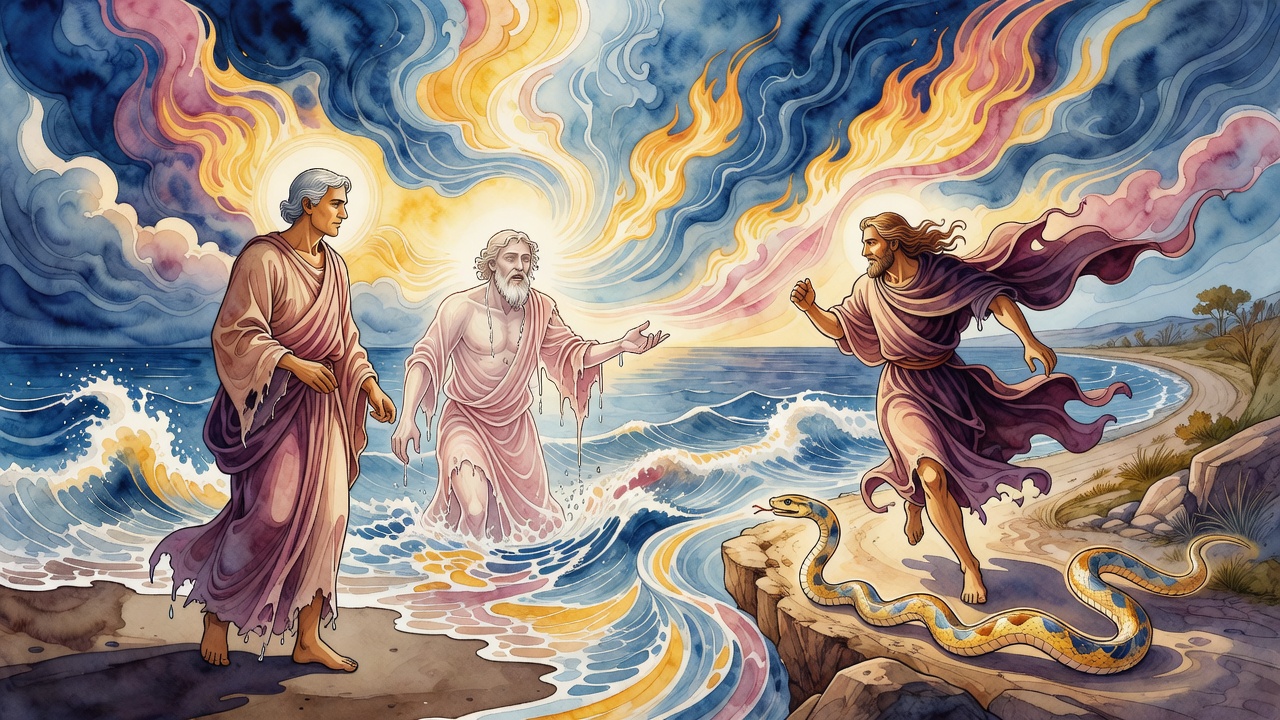
He was recognized. He ran. Men ran after him through streets he did not know. Elijah came and took the shape of a woman of the street and put his arms around Meir, and the pursuers looked once and decided the sage they wanted would not be standing like that. They turned off. Meir got out of the city by a margin that thin.
He did not go home. There was no home the empire could not reach. He crossed east and stayed in Babylonia. The teacher of his generation finished his life outside the land whose academies had been built on his rulings.
Beruriah had her sister. She had asked for one thing and gotten that one thing. The husband who brought it never slept under that roof again. The sister walked. The sage walked farther. The four words stayed in a guard's mouth, and the face on the gate kept looking for a man who was already gone.
← All myths