Rabbi Meir and the Three Nights of the Lions
A sage lodges with a butcher, the new wife schemes in the dark, and Rabbi Meir walks home to demand the lions pass sentence on him
Table of Contents
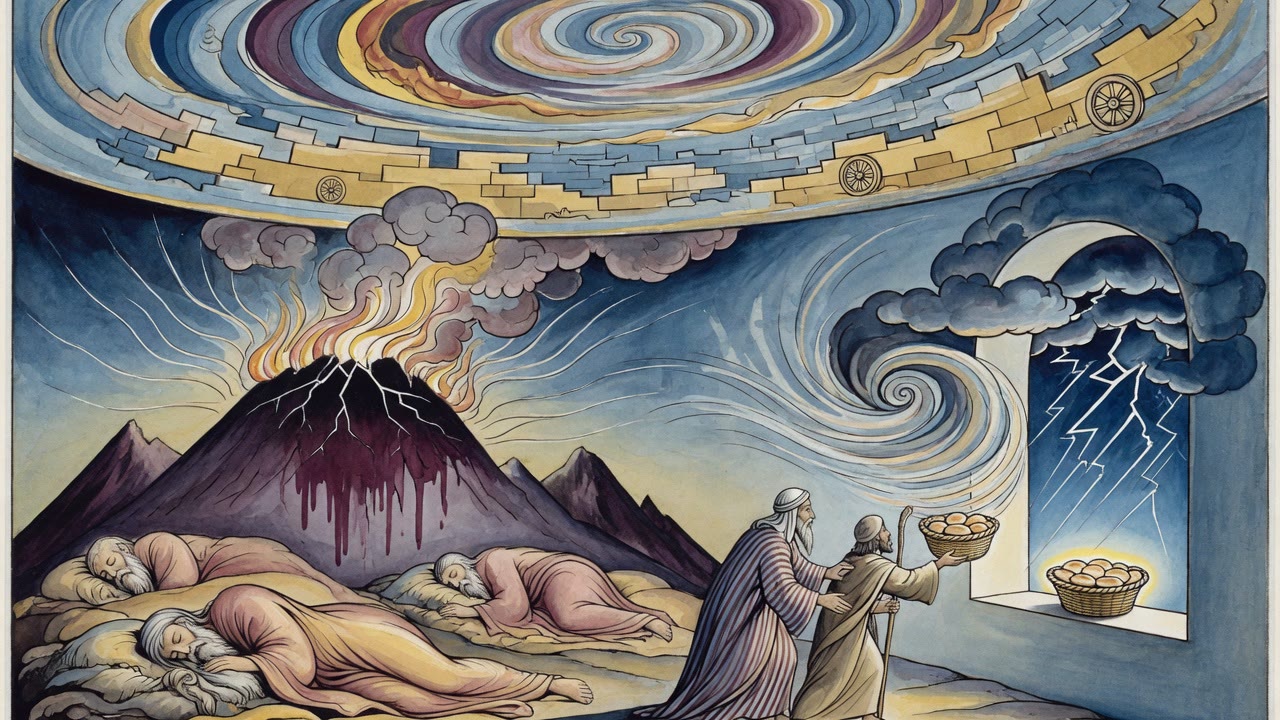
Every pilgrimage season, the road to Jerusalem carried Rabbi Meir to the same door. The house belonged to Judah the butcher, and Judah's wife kept a bed and a warm table waiting for the traveling sage as though he were her own brother. She washed the dust of the road from his feet. She set out bread before he asked. For years the arrangement held like a vow nobody had spoken aloud.
 Click for full size
Then she died.
Judah remarried within the year, and when Meir came up the road the next season, the butcher caught him by the sleeve at the threshold and would not let him pass to any other house. "Lodge with us again," Judah said. "As you always have." Meir, who loved the man, agreed.
The Cup She Filled Too Many Times
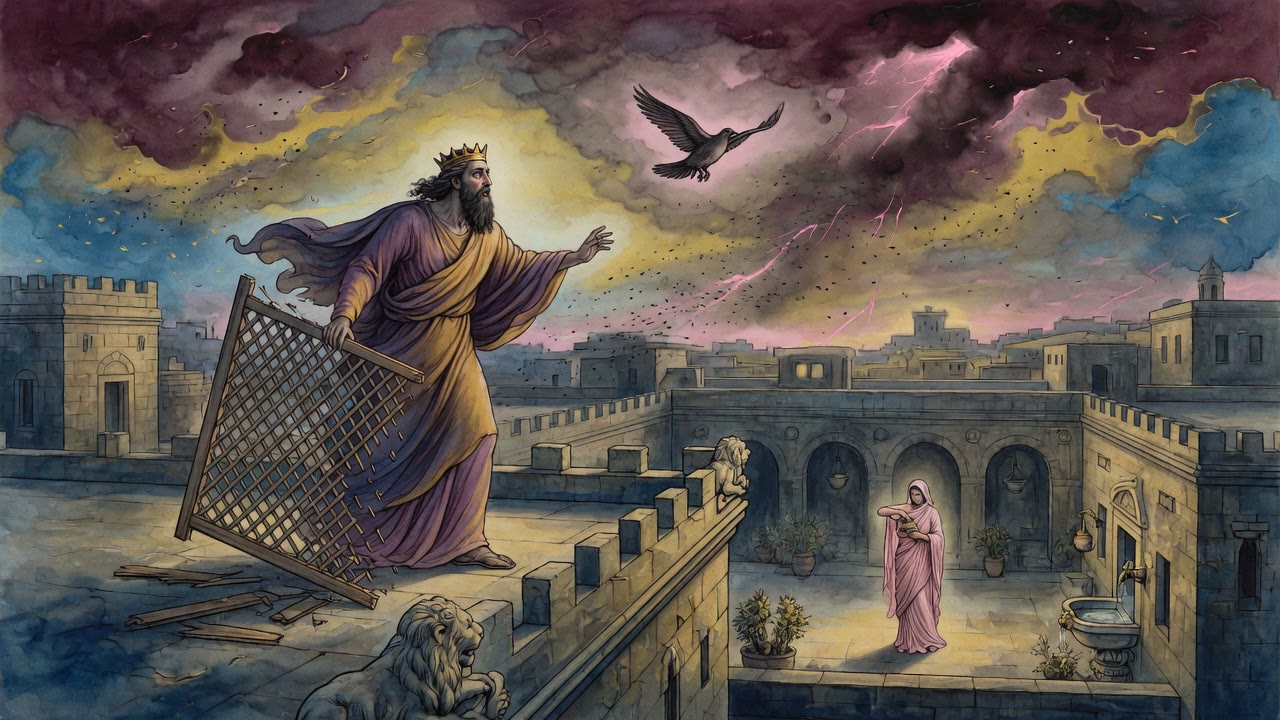
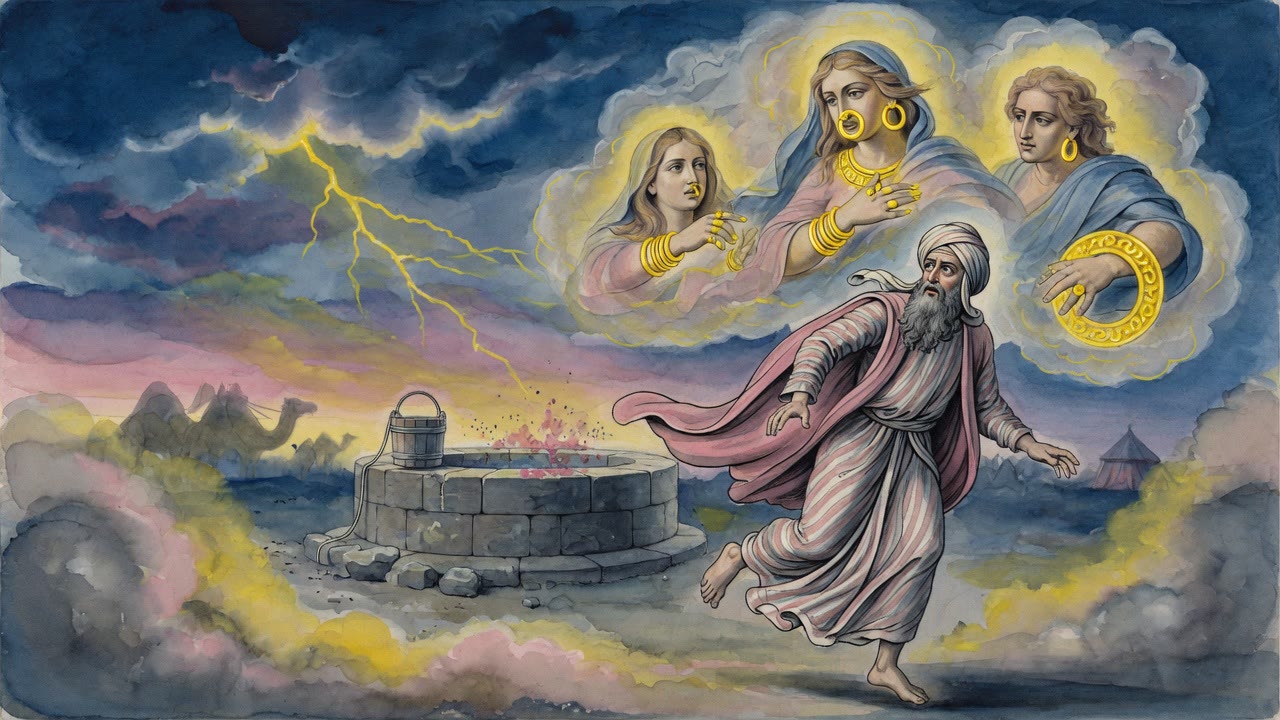
The new wife was not like the first. She watched Rabbi Meir across the room and something dark closed over her. He was a famously handsome man, and her hunger for him had nothing of hospitality in it. She bided her time until an evening when Judah was elsewhere, then she brought Meir wine and kept the cup full. She filled it again. And again, long past the place where a tired man on pilgrimage stops counting.
When the wine had hold of him, she went to him in the dark, and in his stupor he reached for her as a man reaches for his own wife in a familiar bed. He did not know whose breath was on his face. He did not know the house had turned against him while he slept.
The Morning He Understood
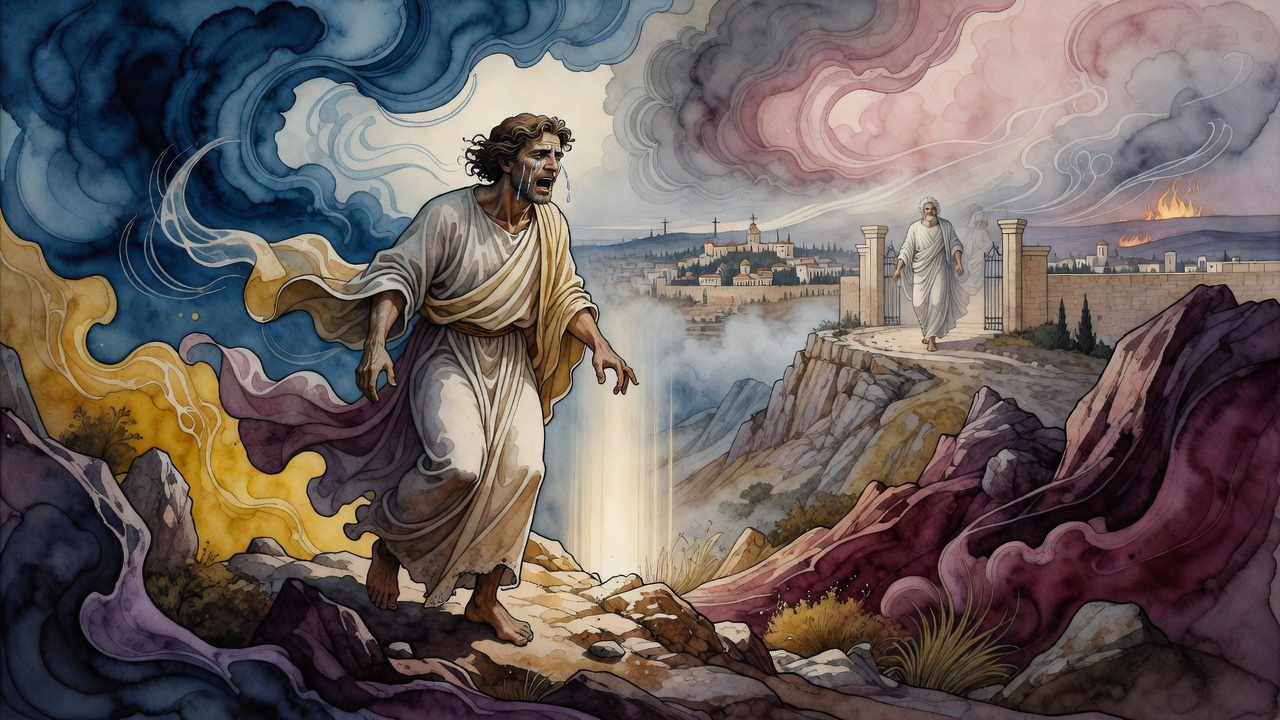
He woke to daylight and the truth all at once. There was no undoing it, no wine left to blame, no way to call back the night. Rabbi Meir wept. He did not go to Judah. He did not stay to accuse the woman. He gathered himself and walked the whole road home, weeping the length of it, and the city he entered was not the one he had left.
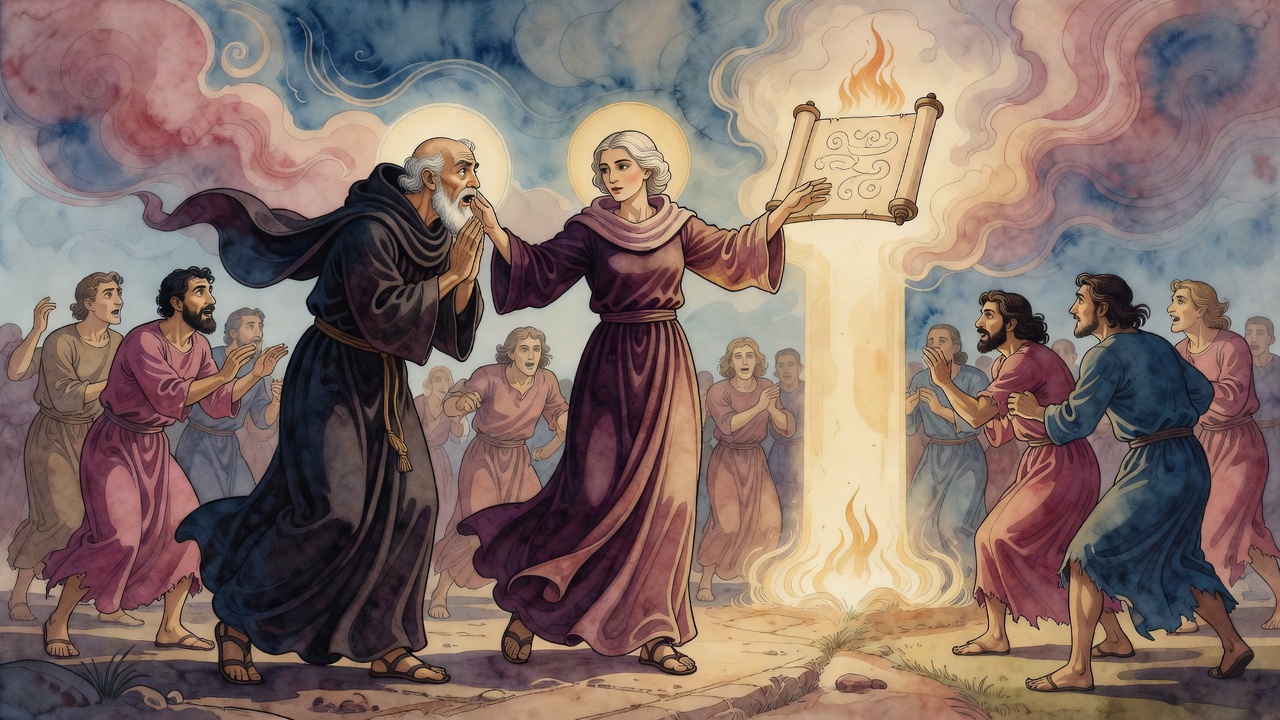
He went straight to the Rosh Yeshivah, the head of the academy, and he did not come asking for comfort. He came demanding a verdict on himself. "What punishment do I deserve?" he asked. A lesser man would have explained. Drunk. Deceived. Tricked in the dark by a woman who planned it. Meir said none of that. He stood and waited to be sentenced.
The Sentence of the Forest
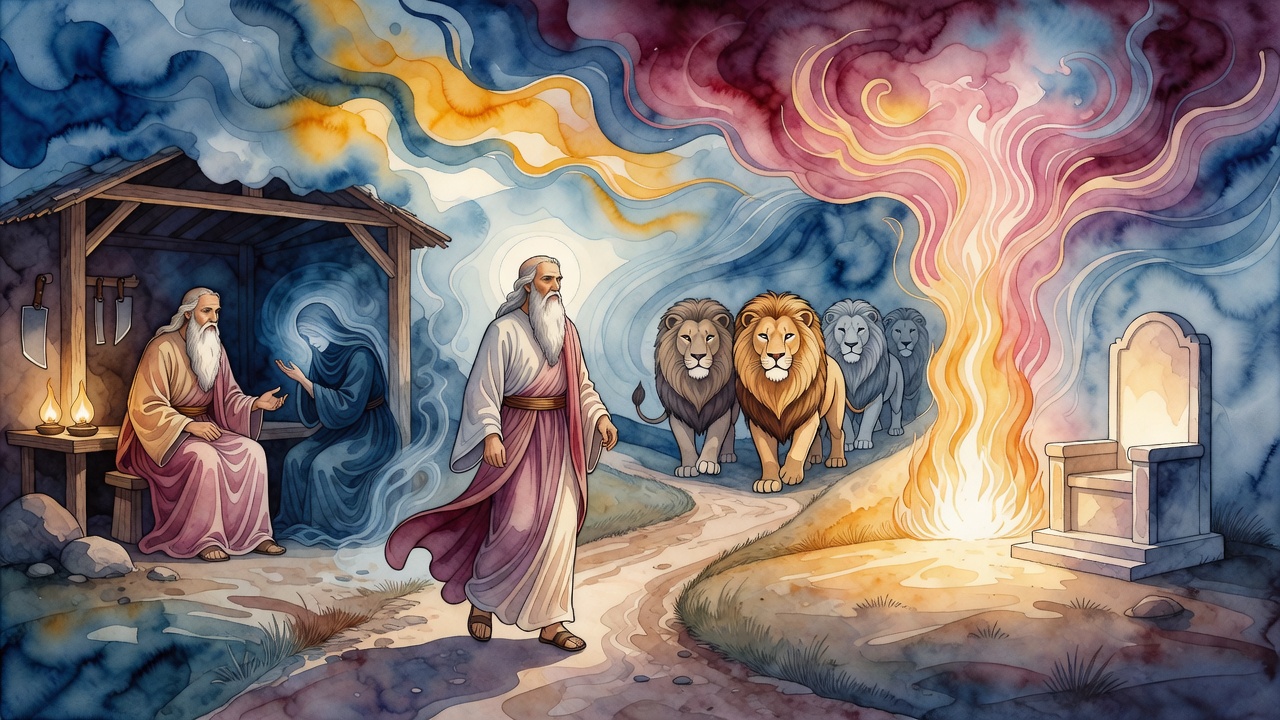
The Rosh Yeshivah did not soften it. Rabbi Meir, he ruled, was to be carried into the forest, bound hand and foot, and left for the lions to do what the law could not bring itself to do by hand.
Two men were charged to carry out the sentence and to climb into the trees and watch. If the lions ate him, they were to come down afterward and gather his bones for honorable burial. They bound him. They laid him in the dark of the forest floor. Then they went up into the branches and waited to hear a sage be eaten.
Three Nights Under the Trees
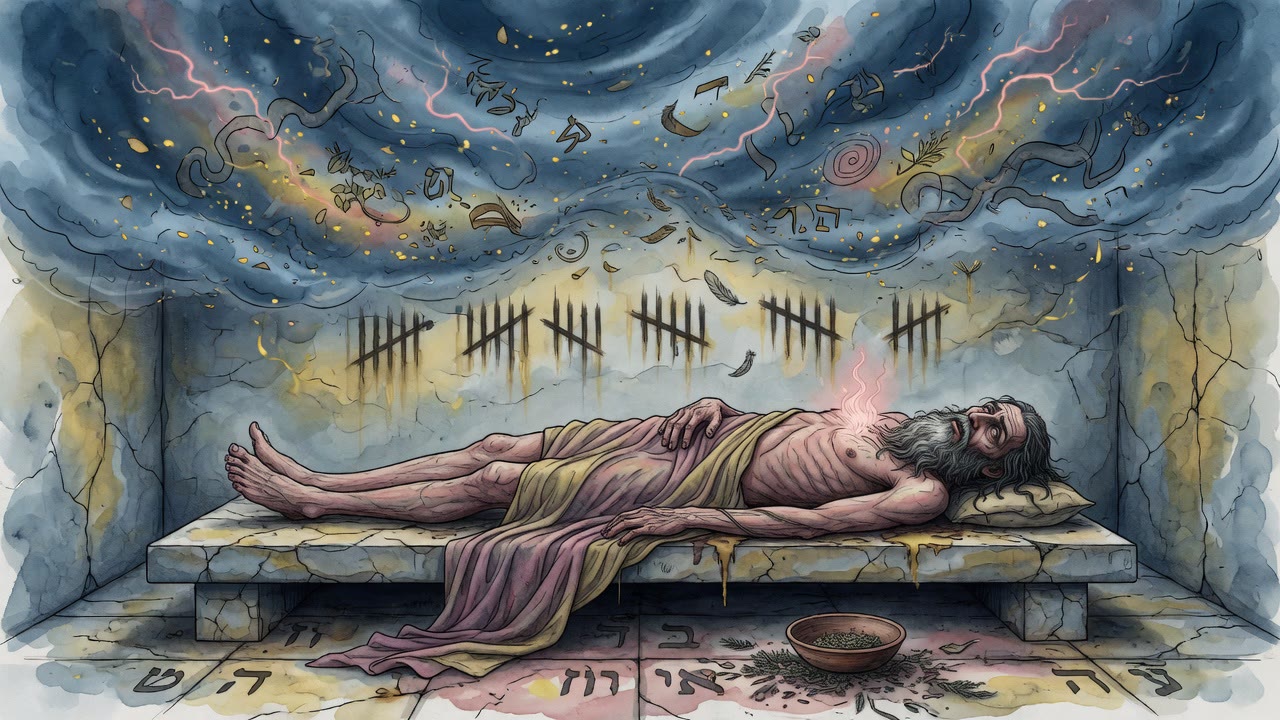
The first night a lion came. It crossed the clearing, lowered its head to the bound man, and sniffed the length of him. Then it turned and walked back into the dark. The men climbed down at dawn and reported it. "Leave him another night," the Rosh Yeshivah said.
The second night a lion came again. It stood over Meir and roared until the trees shook and the watchers gripped their branches. But it did not touch him. A third night was decreed.
The third night a lion came and tore a single small piece from Meir's side, no more, then left him bleeding on the ground but alive. When the men reported the wound, the Rosh Yeshivah ruled that this was enough. That small bite, he said, counted as though the lions had devoured him whole. The sentence was paid.
The Voice After the Healing
Physicians were sent into the forest to carry Rabbi Meir out and close the wound in his side. They worked until he healed. And when he stood whole again, a bat kol, a voice out of heaven, rang over the academy for everyone to hear. "Rabbi Meir is worthy of the bliss of the World to Come."
The same compilation that keeps Meir's ordeal keeps a second account beside it, set in the Temple court. A jealous husband dragged his wife before the priests, accusing her of adultery, and the bitter waters were prepared to test her, the ordeal that kills the guilty and spares the innocent. But this woman had a twin sister who looked exactly like her. The sister came in her place, drank the waters, and the ritual found nothing. The accused woman went free.
When she came home, she threw her arms around her twin and kissed her in thanks. And in that kiss the innocent sister inhaled her breath, and the guilt the waters had been cheated of passed across in a single inhale. The sister collapsed where she stood. The truth the women had hidden from the Temple came out anyway, in the wrong body, at the wrong door, as though it had been waiting all along.
← All myths