20 myths
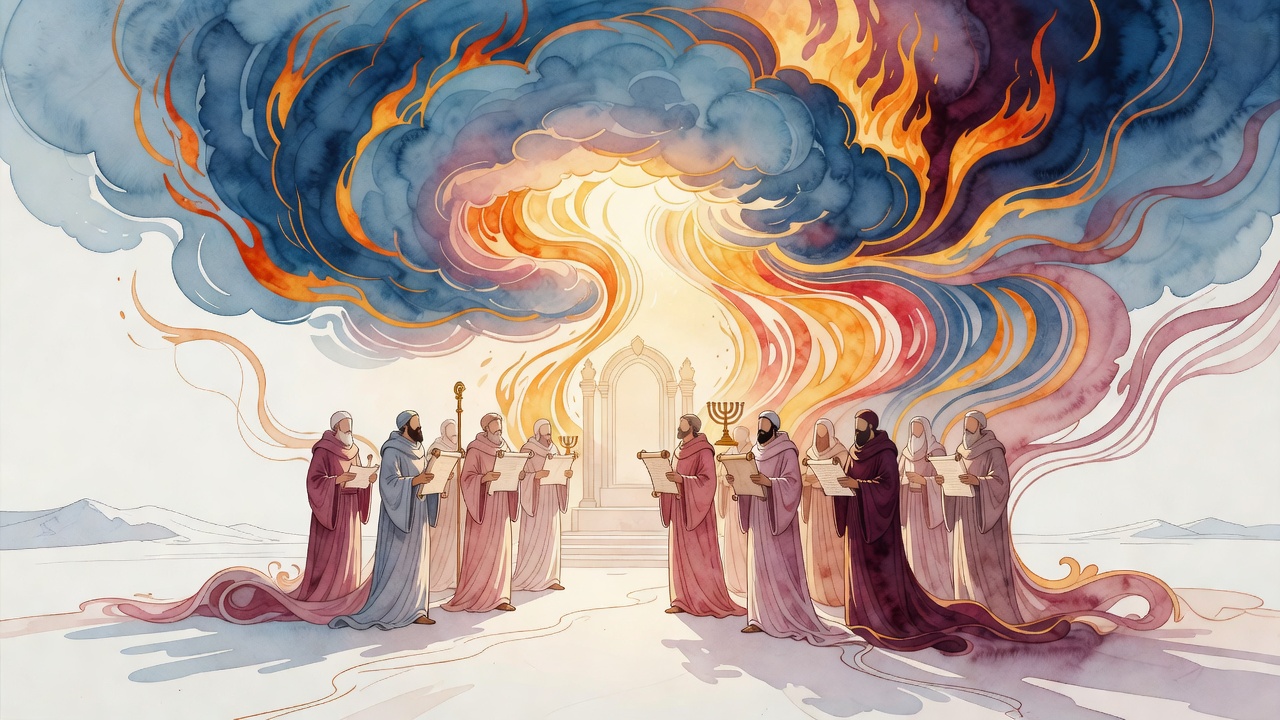
Abraham asked who pours blessing back on Levi. God said He blesses the blessers. The priestly lines open wealth, Torah, priests, prophets, and favor.
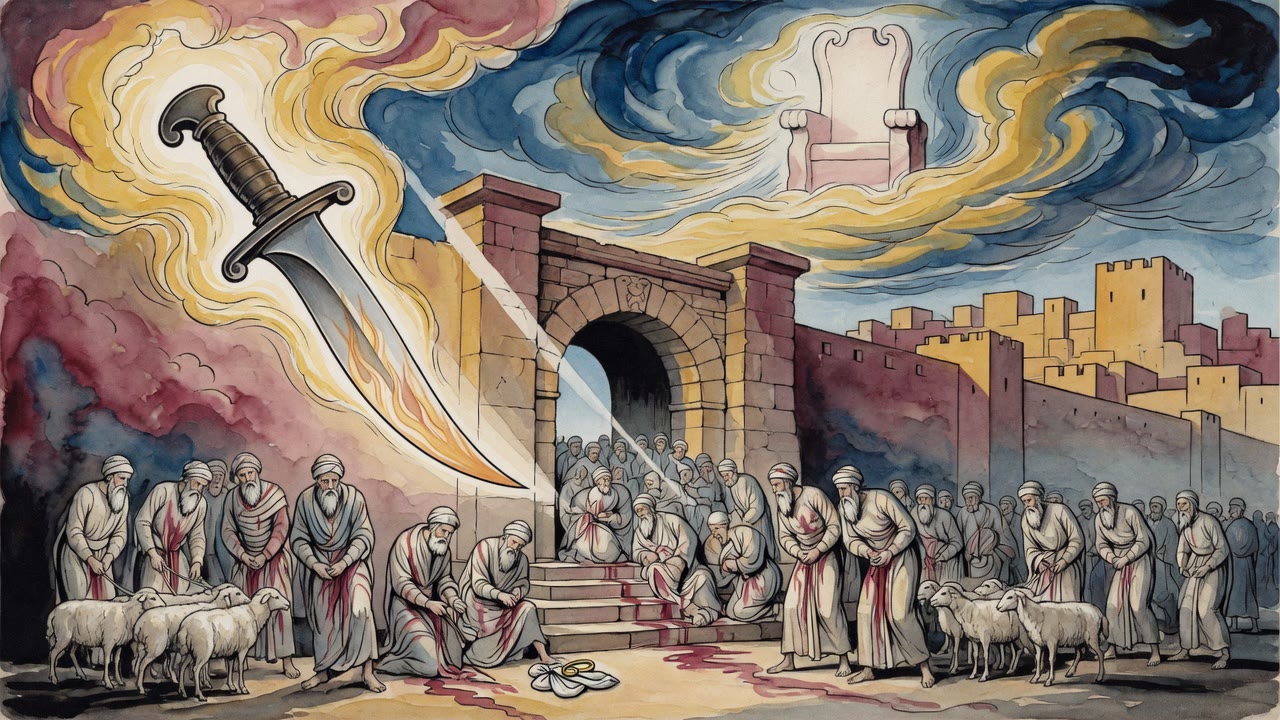
After Adam's bite the Presence leaves floor by floor. Abraham, Isaac, and Moses pull it back until the Tabernacle stands.
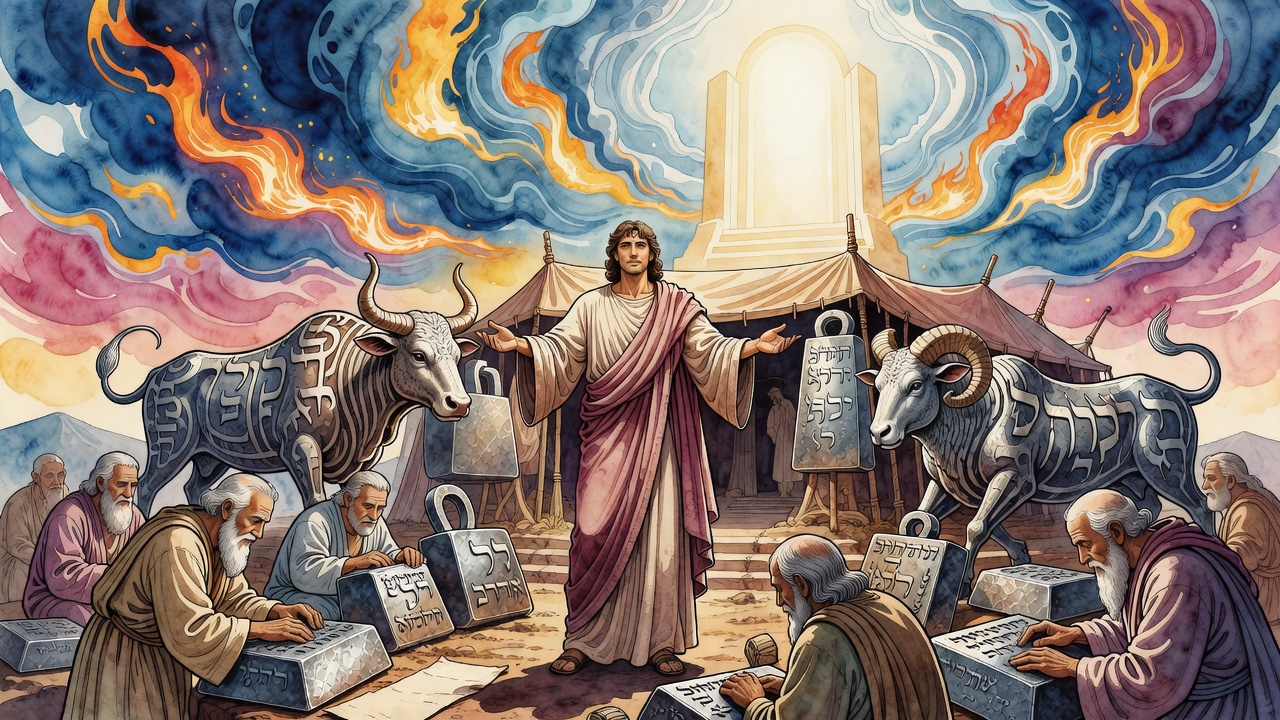
Reuben's prince walked toward the altar on the second morning. Moses stopped him. The desert march would set the offering order too.
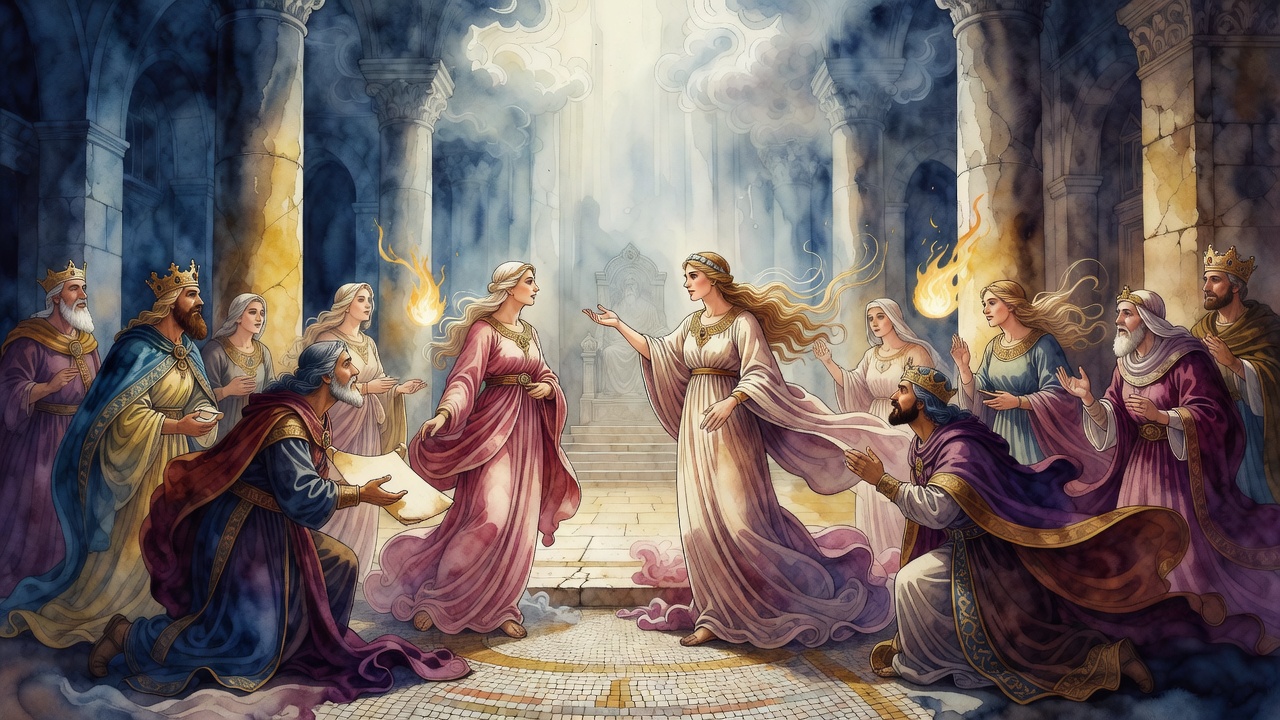
The court had already closed. A woman of Asher was still inside the palace, and she spoke for a man already condemned to die.
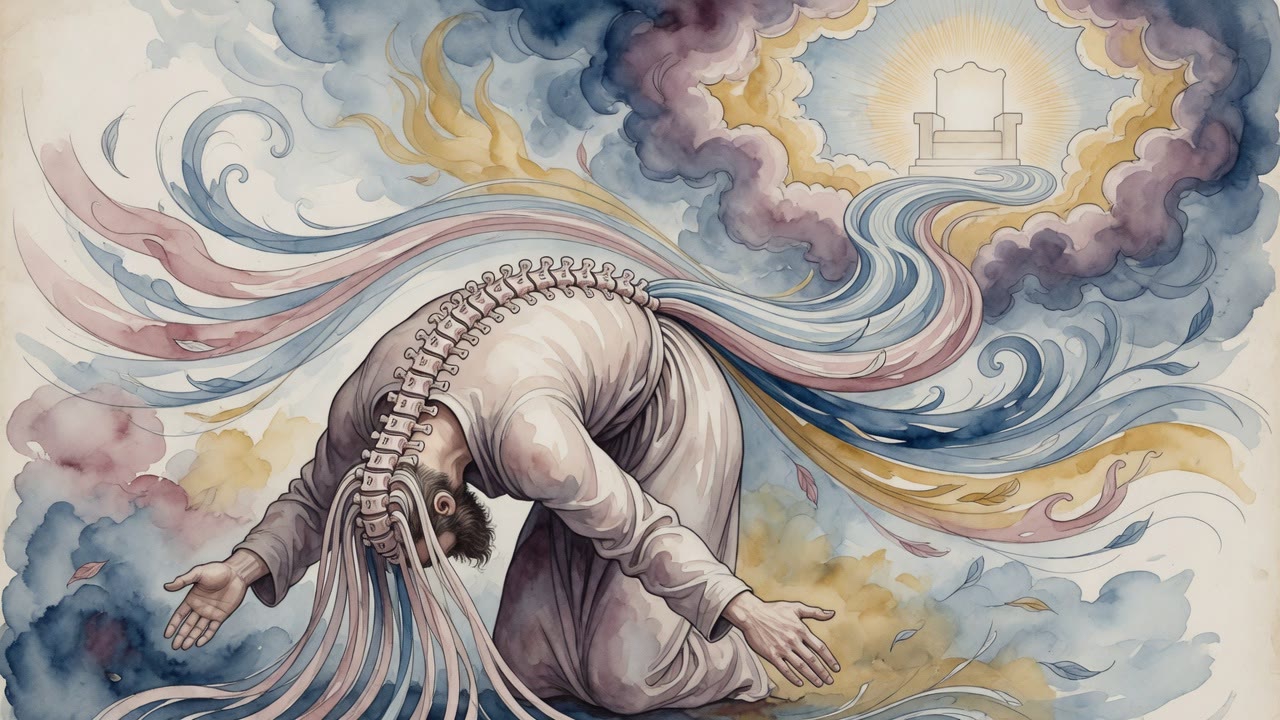
The tablets were already in pieces and God had said the reckoning was not closed. Moses went into the finished tent alone and listened.
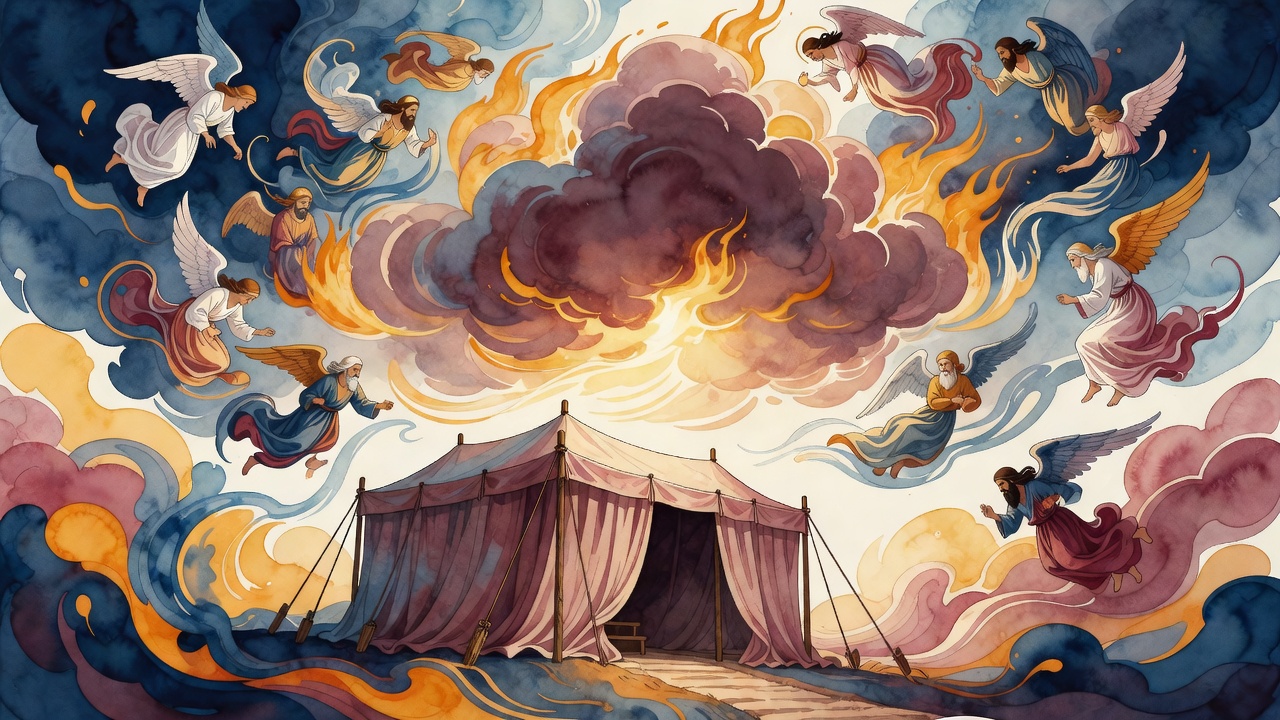
A king told his quarrelsome wife to make herself a royal robe. She sewed for months and never once picked a fight. Then he looked at it and said woe.
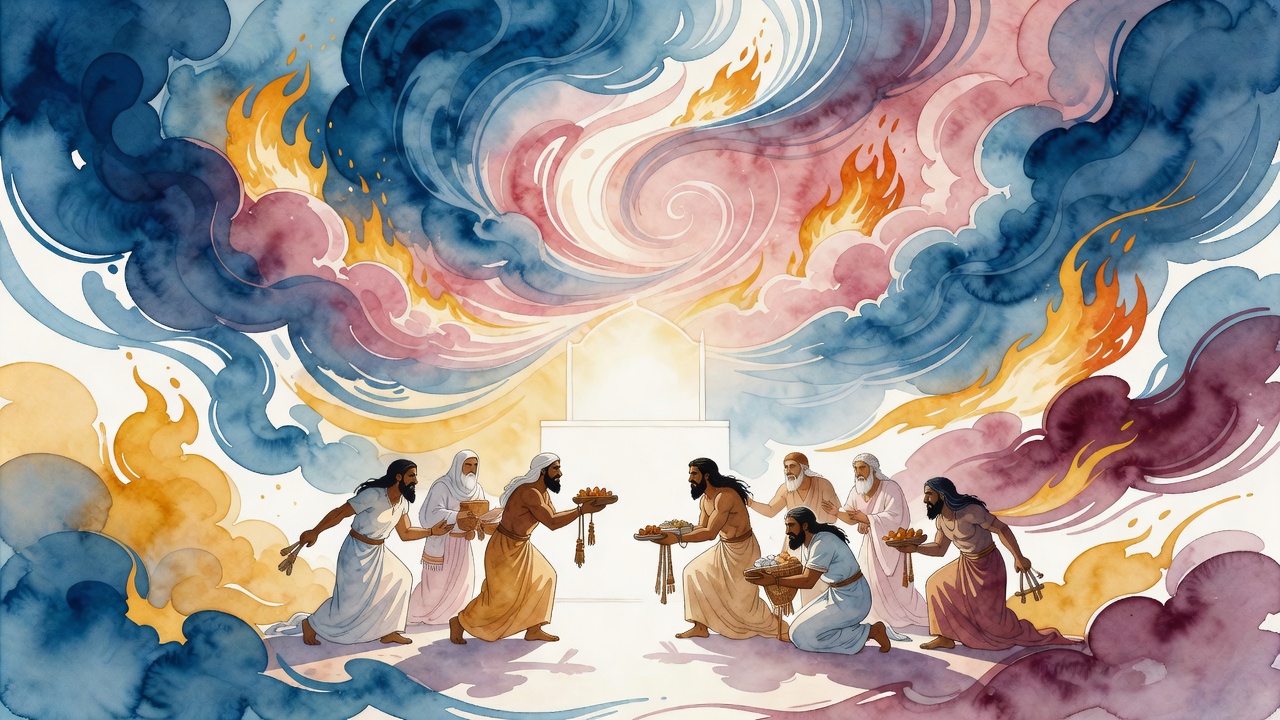
By your lives, God said, I do not need you. Two mornings later Moses had to make the camp stop bringing gold, yarn, and goats' hair.
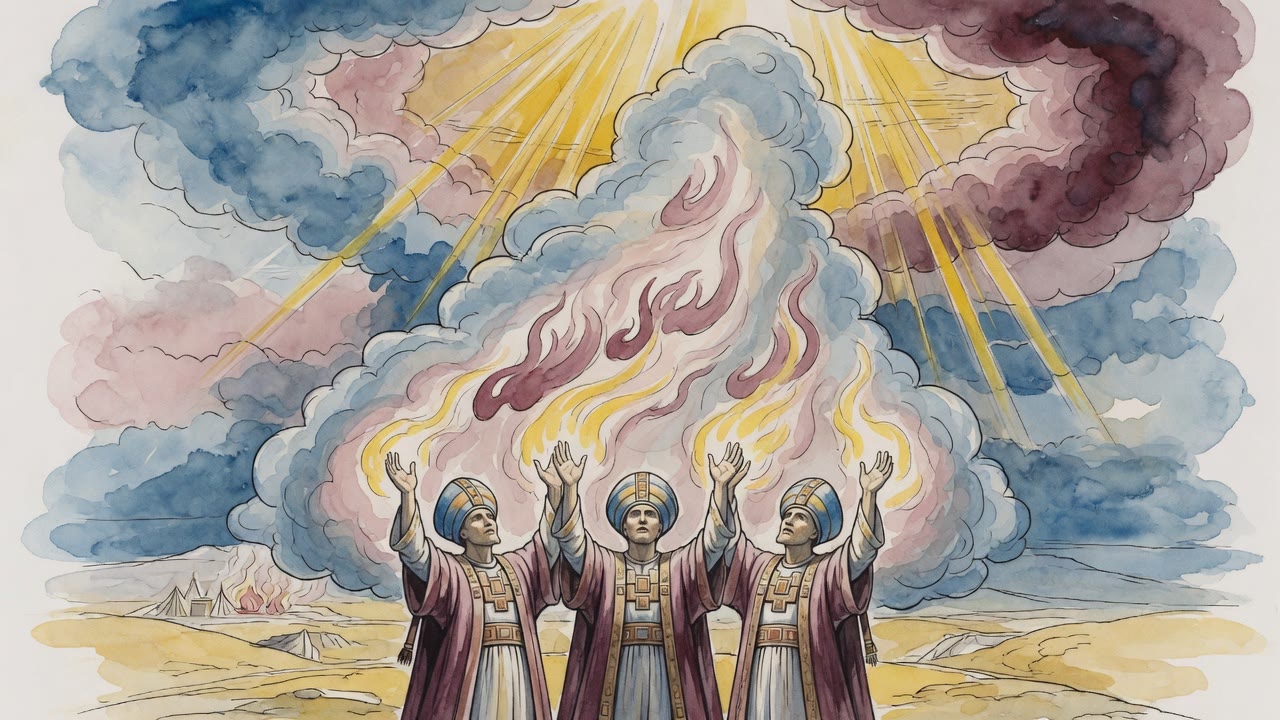
They wanted the look from heaven, not a cousin's fingers in the air. God did not take the priests back. He stood behind the wall of hands.
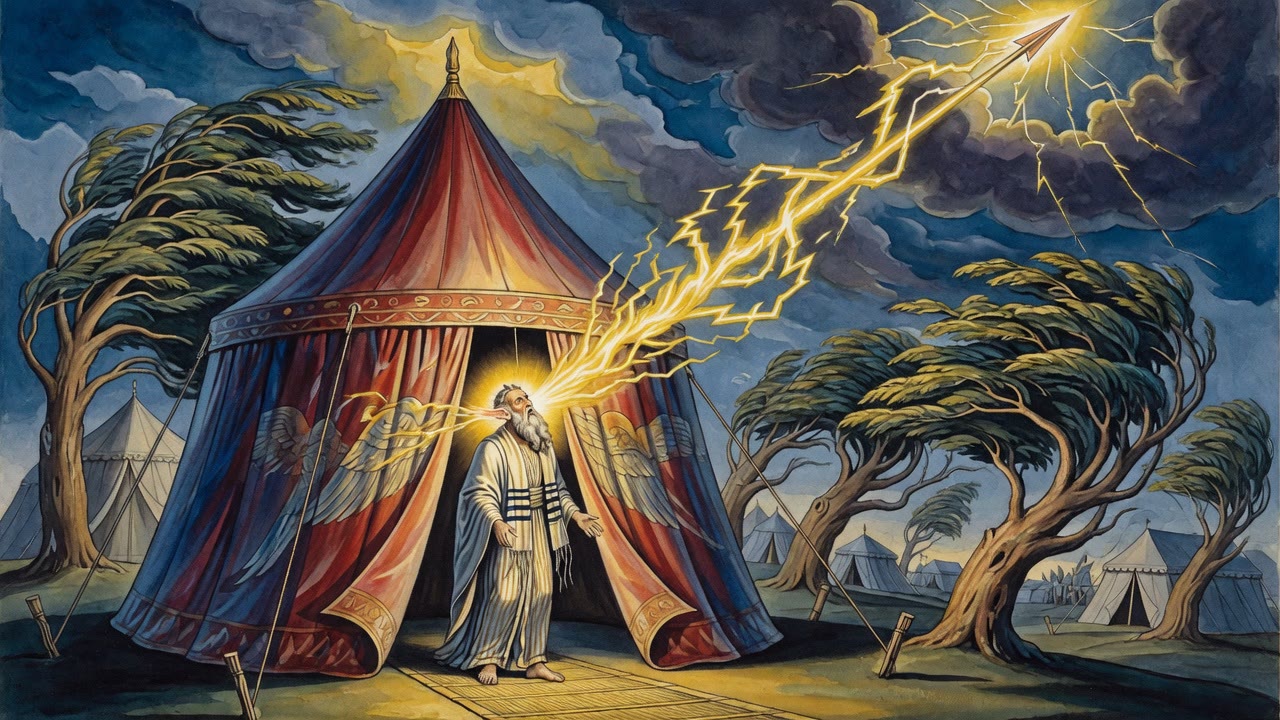
Moses stepped into the finished Tent, and a Voice that could shatter cedars narrowed to a stream and entered no ear in the camp but his.
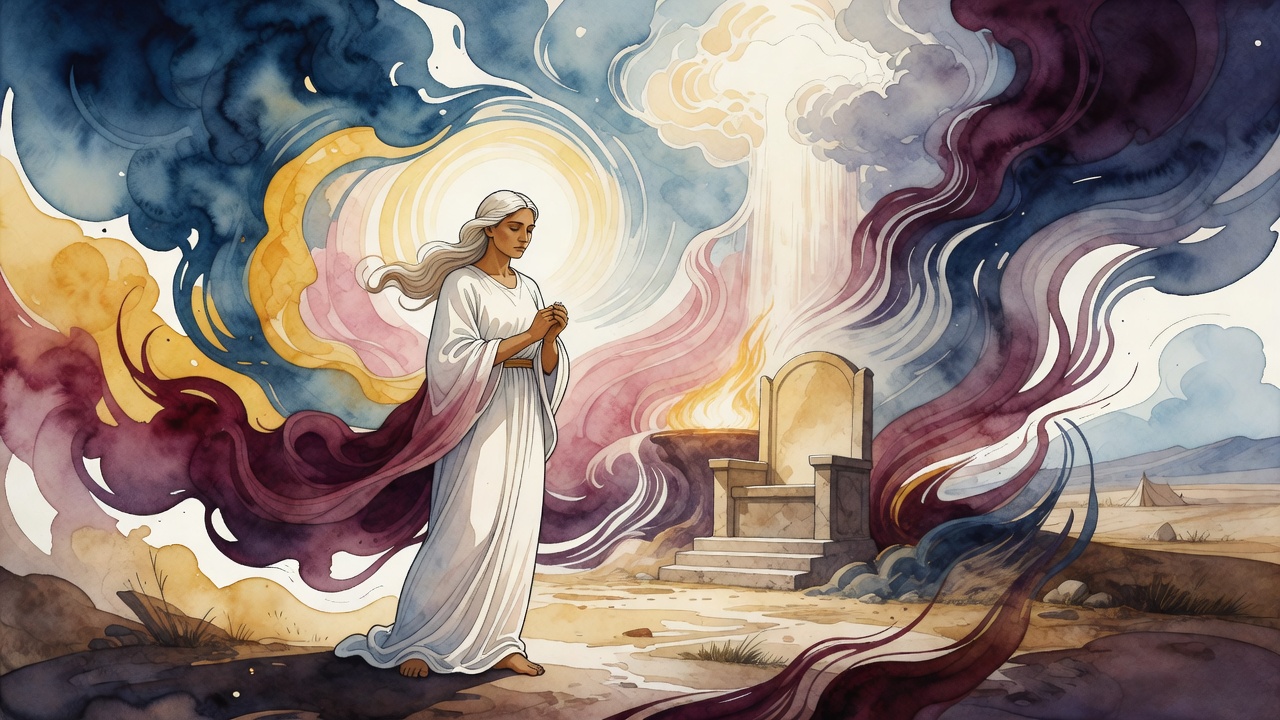
She watched a suspected wife drink the bitter water. That night she swore off wine for thirty days. Her husband said nothing, so the vow held.
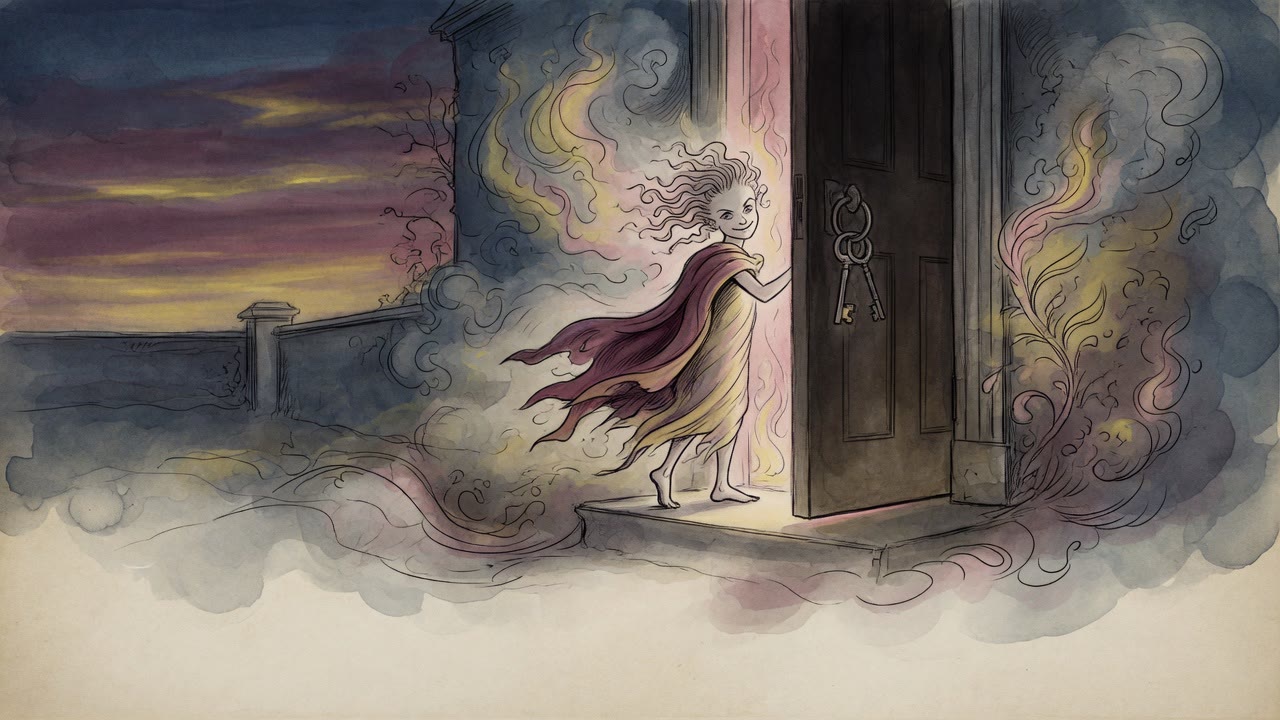
Nobody betrays a marriage until a spirit of madness has taken the room first, and God waits at the outer gate where the laughing stops.
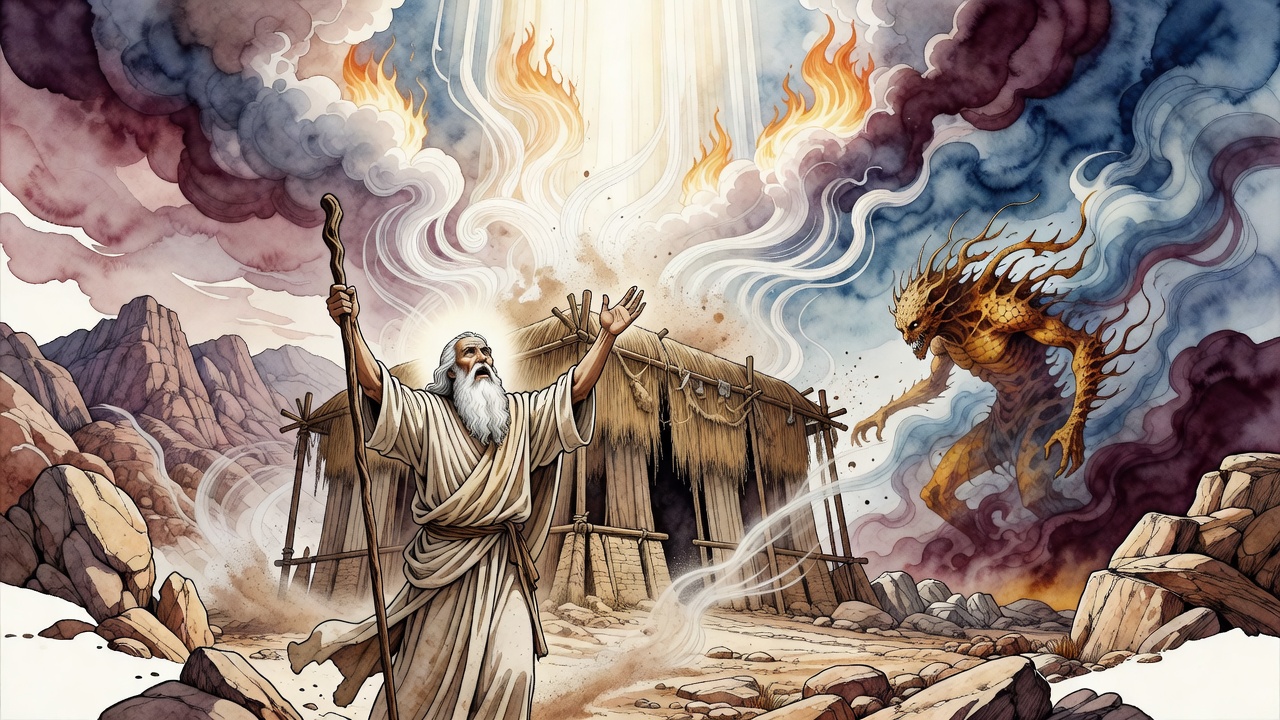
Moses recited Psalm 91 on Sinai to ward off demons, and when the Mishkan rose, the noon demon Ketev Meriri lost dominion over the world.
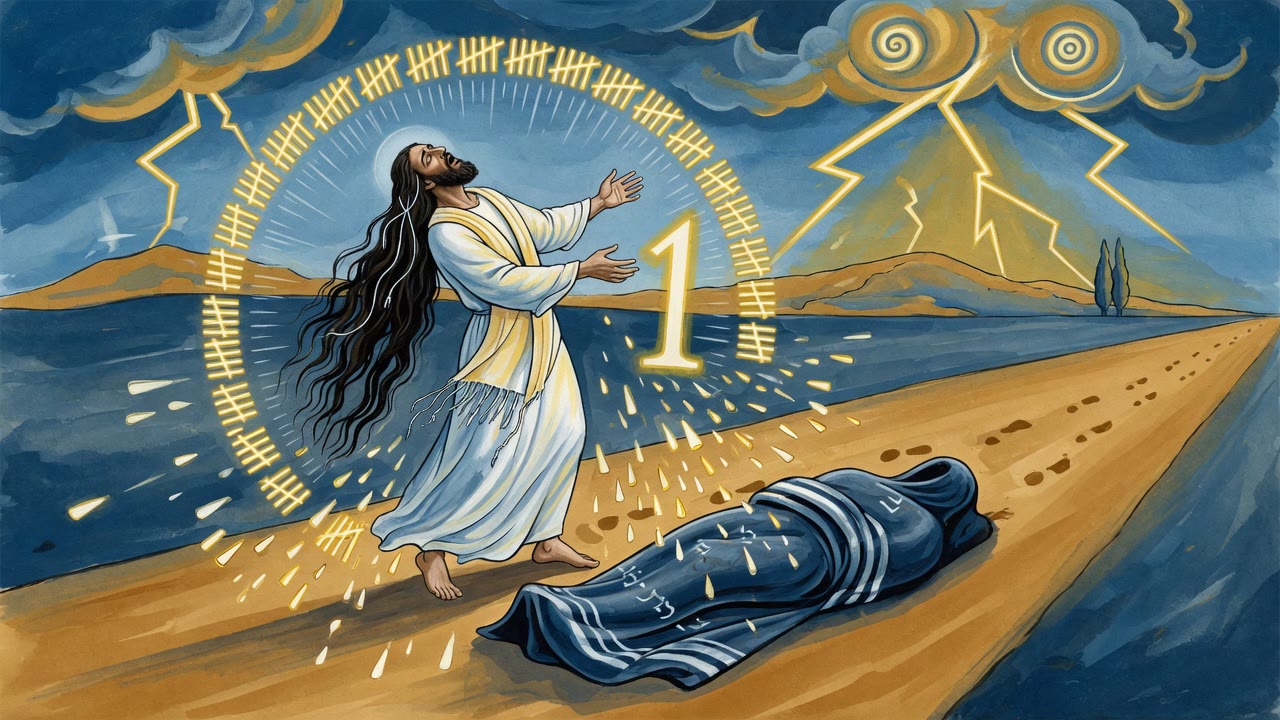
A nazirite counted ninety-nine clean days without wine or razor until a corpse in the road voided the count and sent him back to day one.
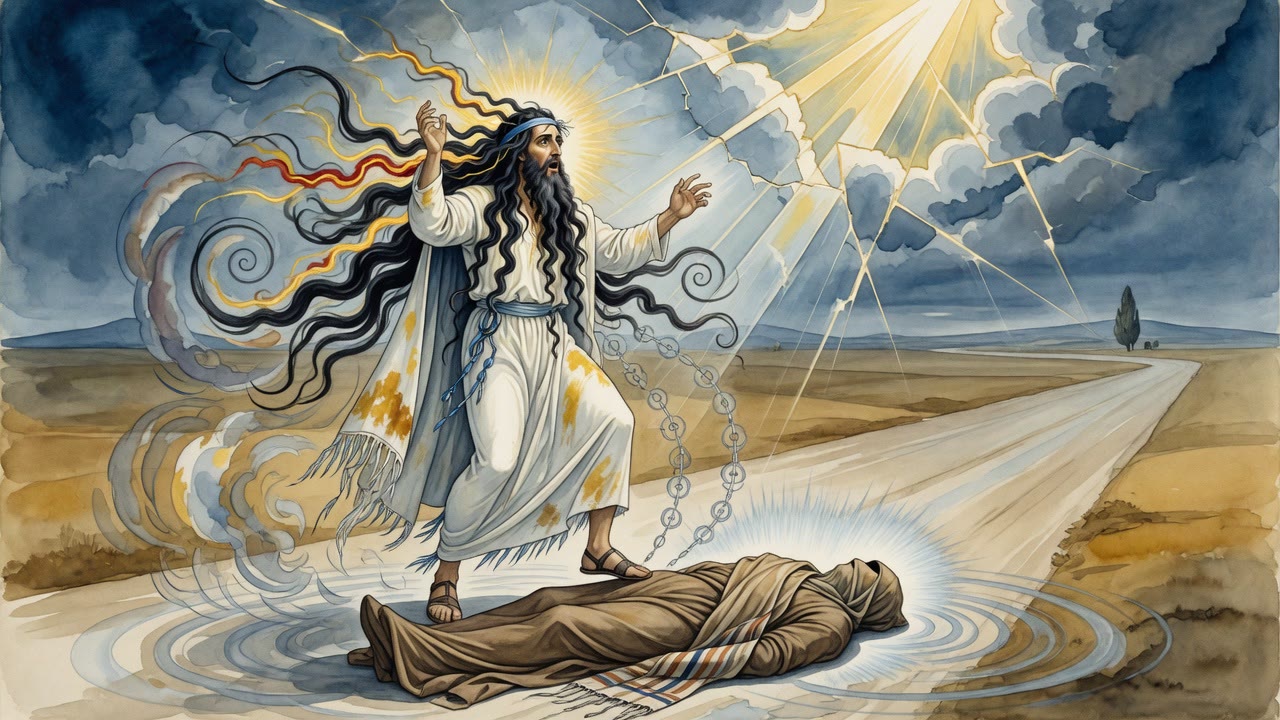
A nazir walked pure until his foot found a body no one owned. Consecrated hair became shame, and impurity traveled link by careful link.
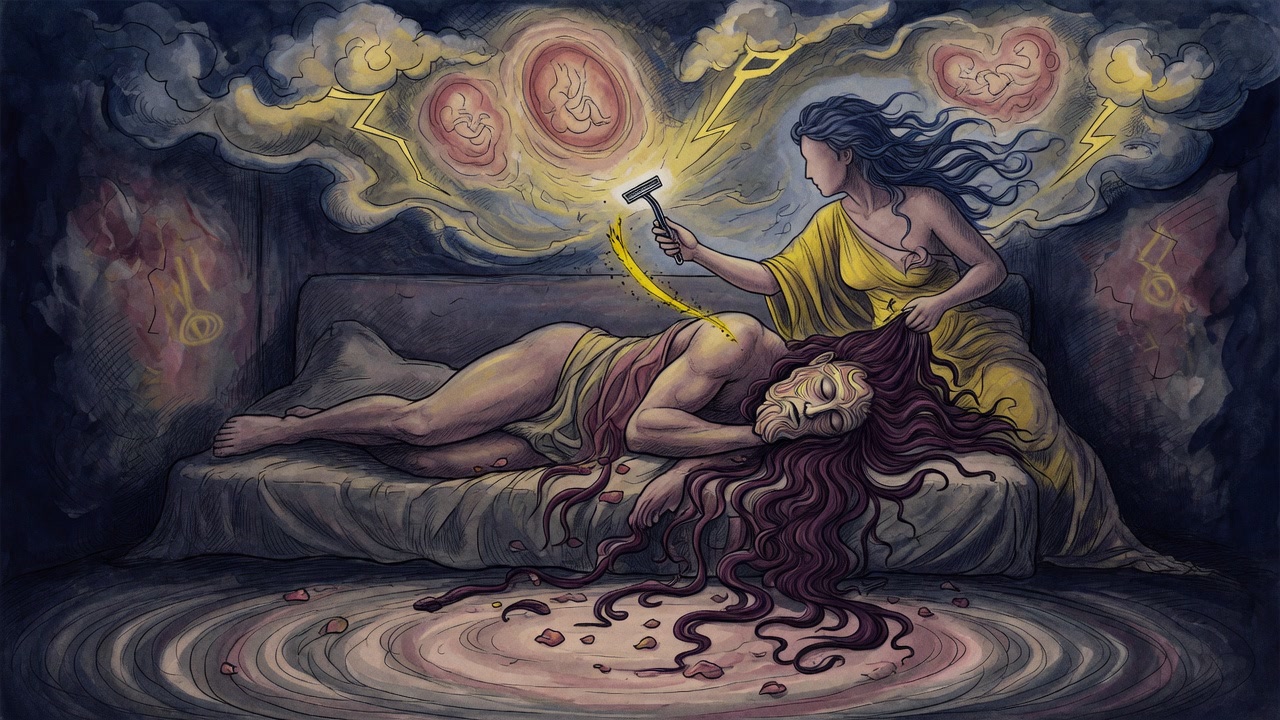
A razor moves toward Samson's hair in Delilah's room, and what falls is not a hairstyle but the visible edge of a vow set on him before birth.
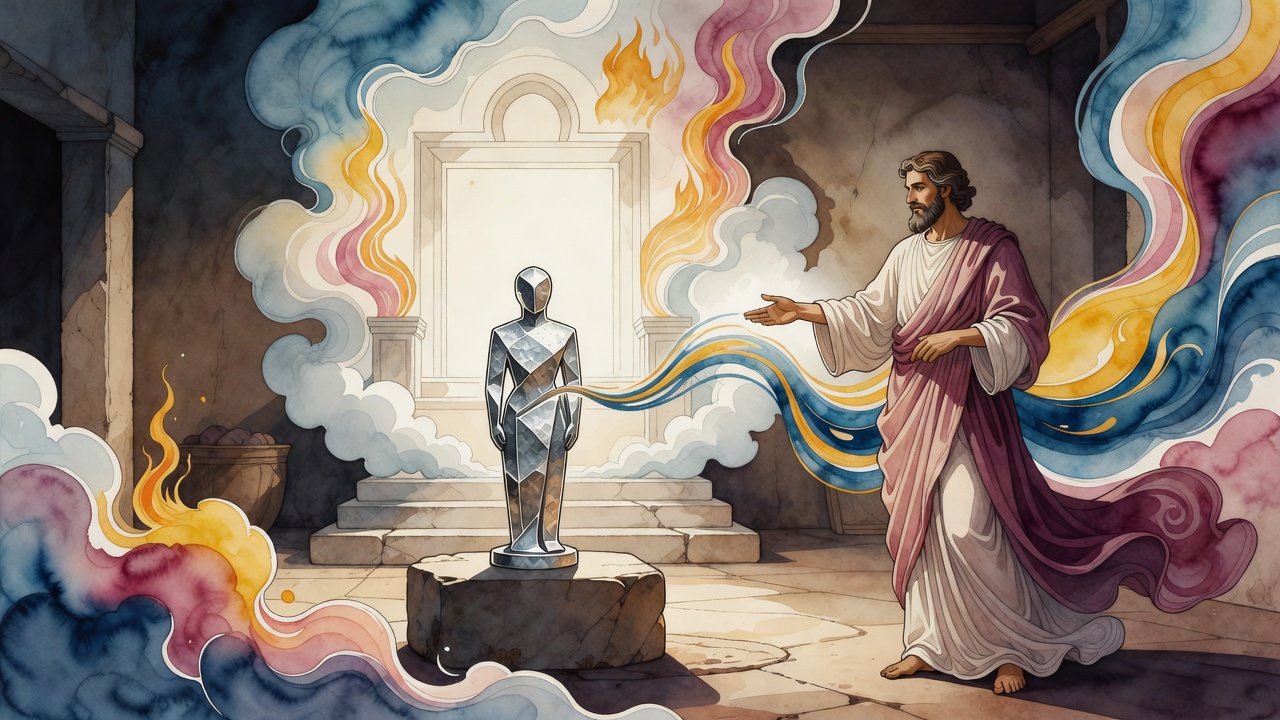
Moses pulled a child out of an Egyptian wall. Years later that child melted Delilah's silver into a god three miles from Shiloh.
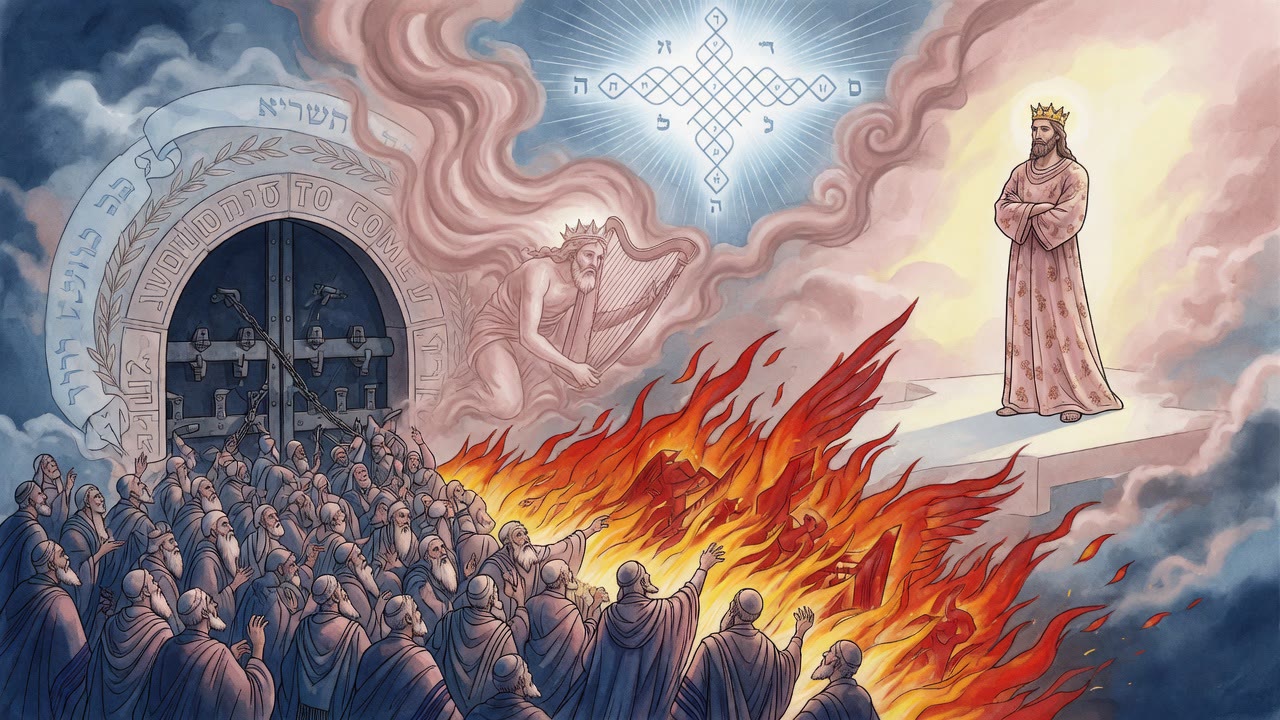
The Great Assembly moves to lock Solomon out of the World to Come until David's likeness bows, fire leaps, and a bat kol, a heavenly voice, forbids the ban.
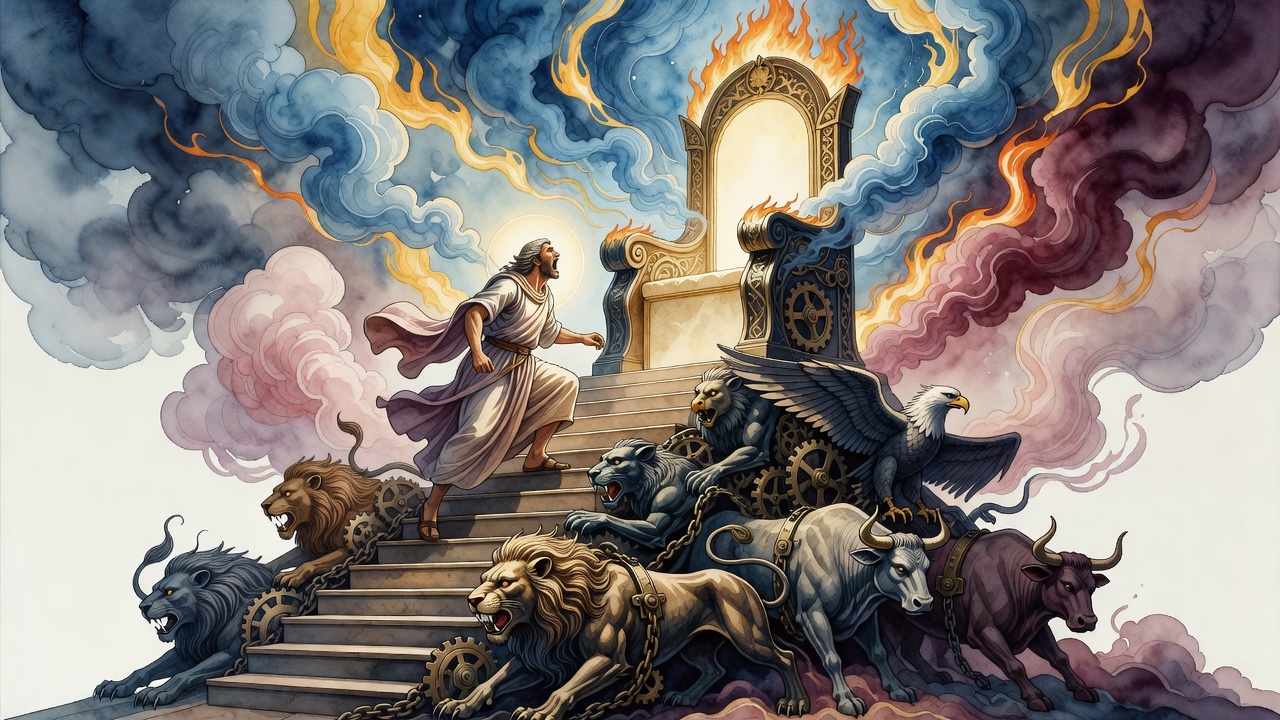
Solomon's golden throne was a machine of restrained beasts, and a herald cried a forbidden law at every step he climbed toward judgment.
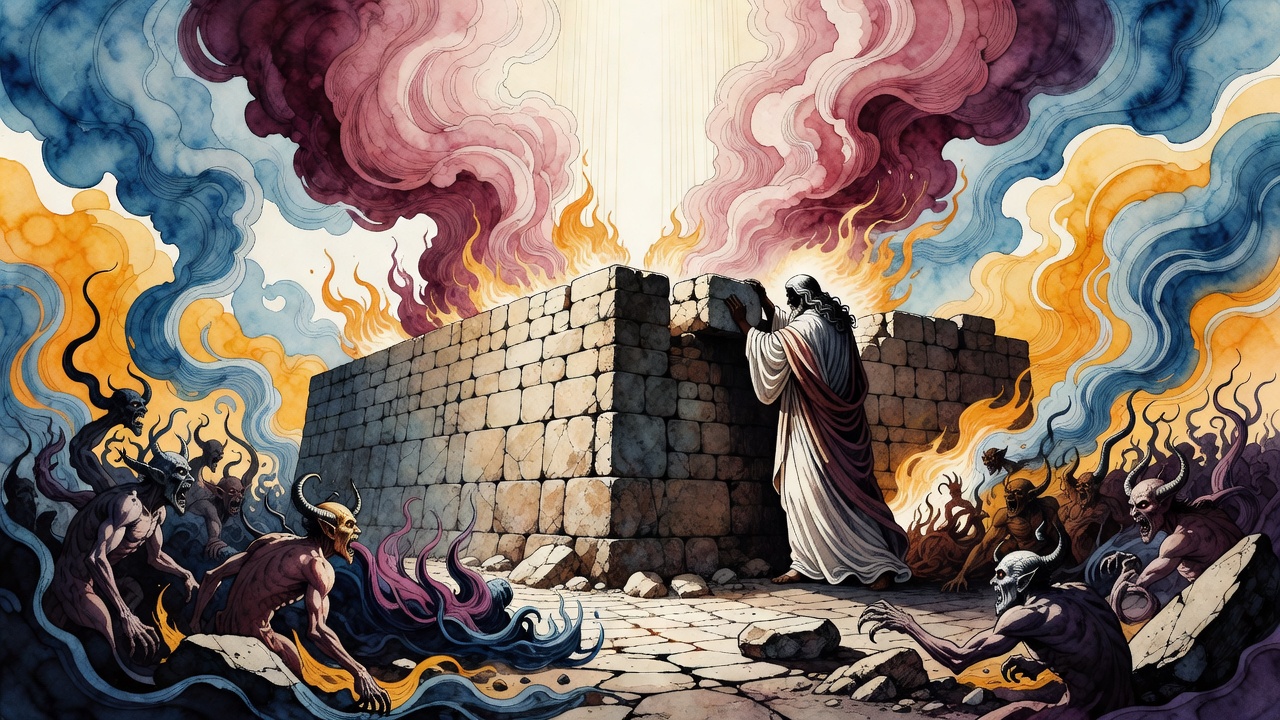
Moses set the last board of the sanctuary in place. Rabbi Yochanan heard a word for wiping out in that verse, and said the demons lost the earth that day.
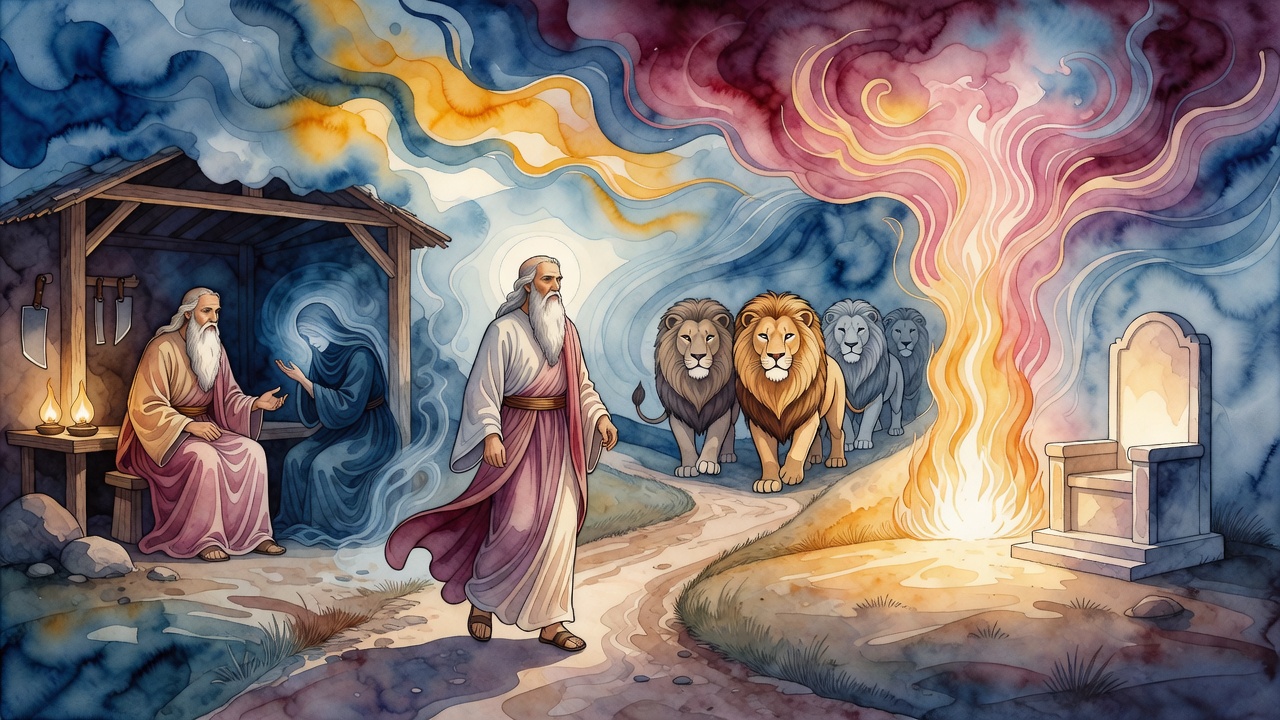
A sage lodges with a butcher, the new wife schemes in the dark, and Rabbi Meir walks home to demand the lions pass sentence on him
