54 myths · Page 1 of 2
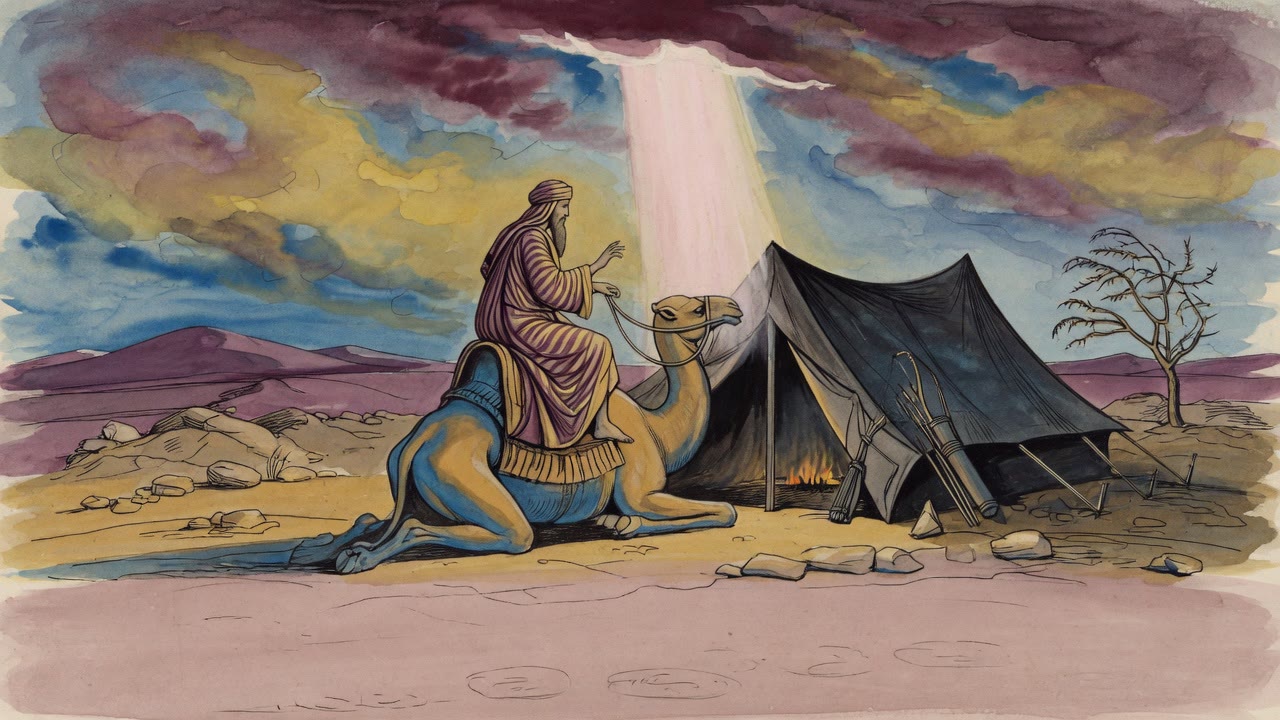
Sarah named the price before he left. See the boy. Stay in the saddle. He rode into Paran with that vow locked in his knees.
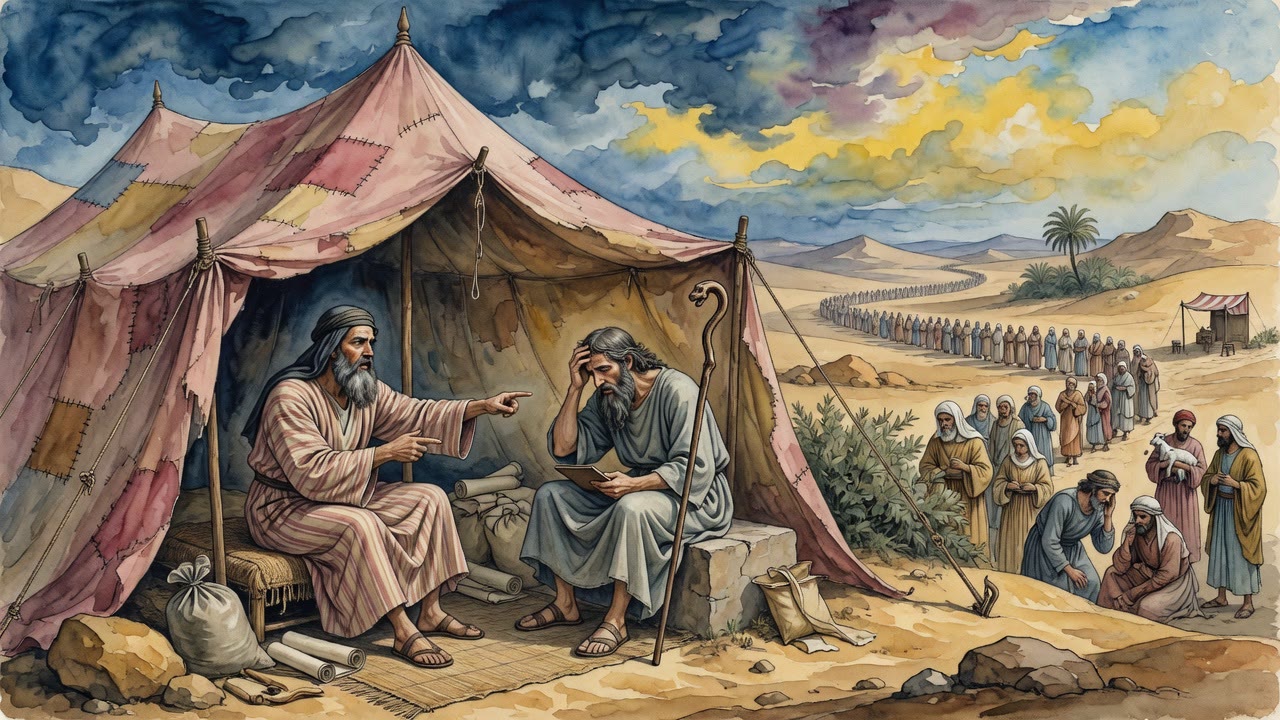
Jethro had served every idol in Midian. He watched Moses judge alone from dawn to dark, then said four quiet words that saved a nation.
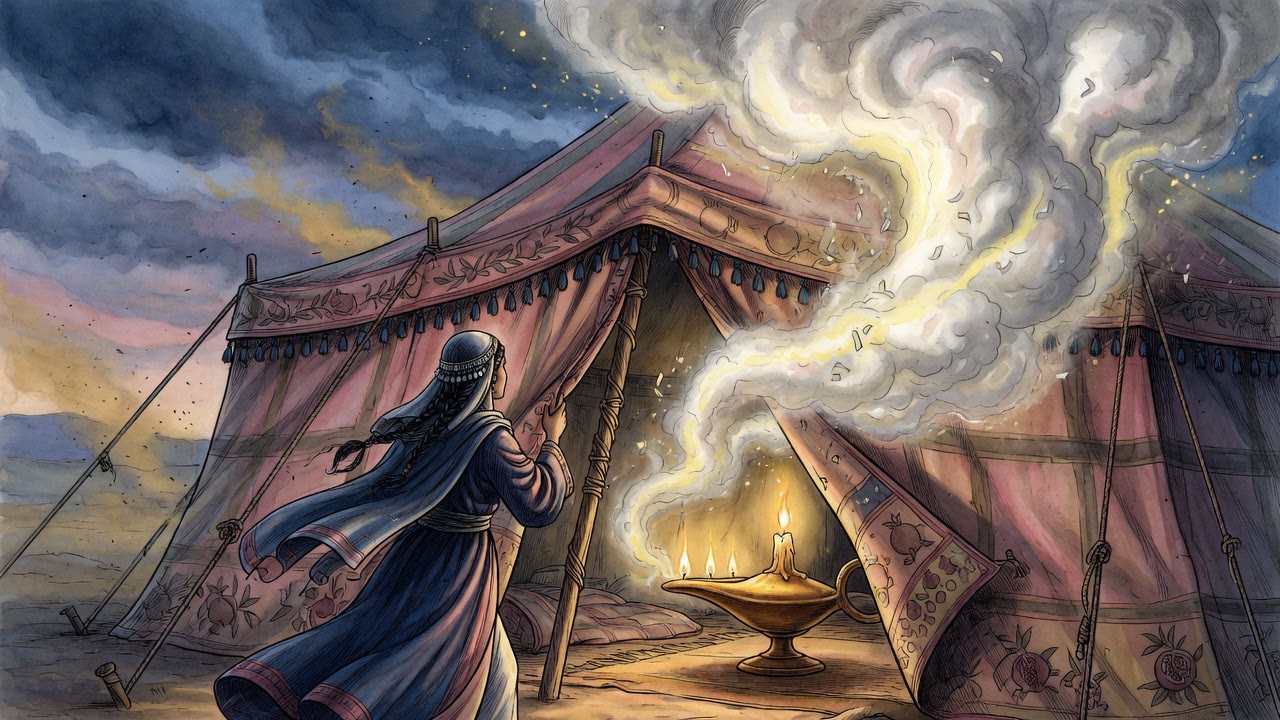
Sarah's tent had gone dark and empty. Then Isaac led Rebekah inside, and the cloud returned, the candle relit, the bread rose.
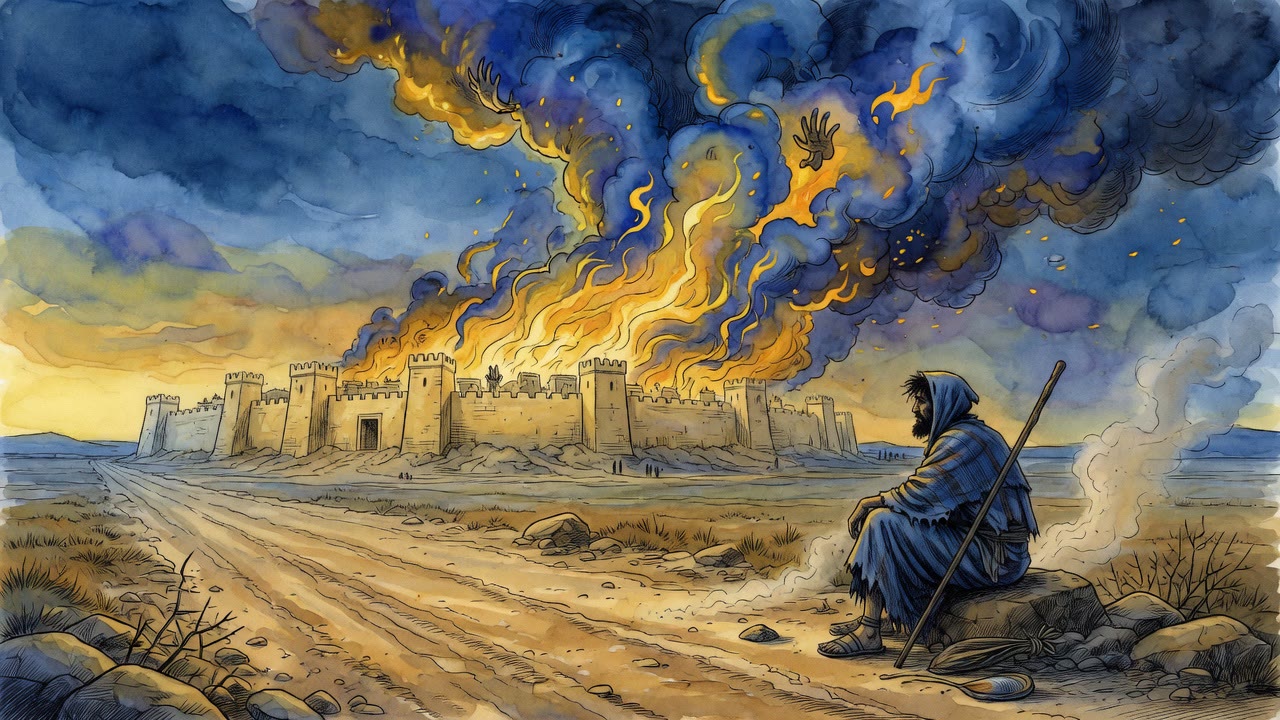
Sodom's stones held sapphire and its dust held gold, so the city closed its roads to the wayfarer. The fire answered.
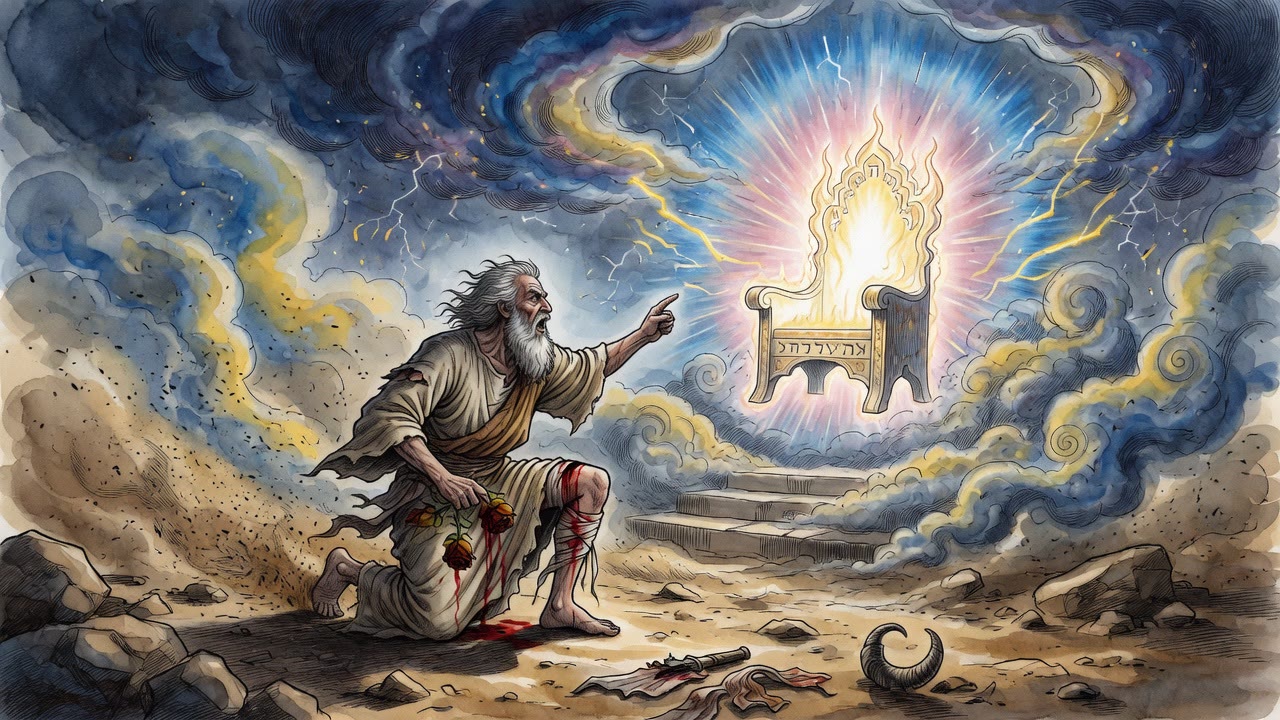
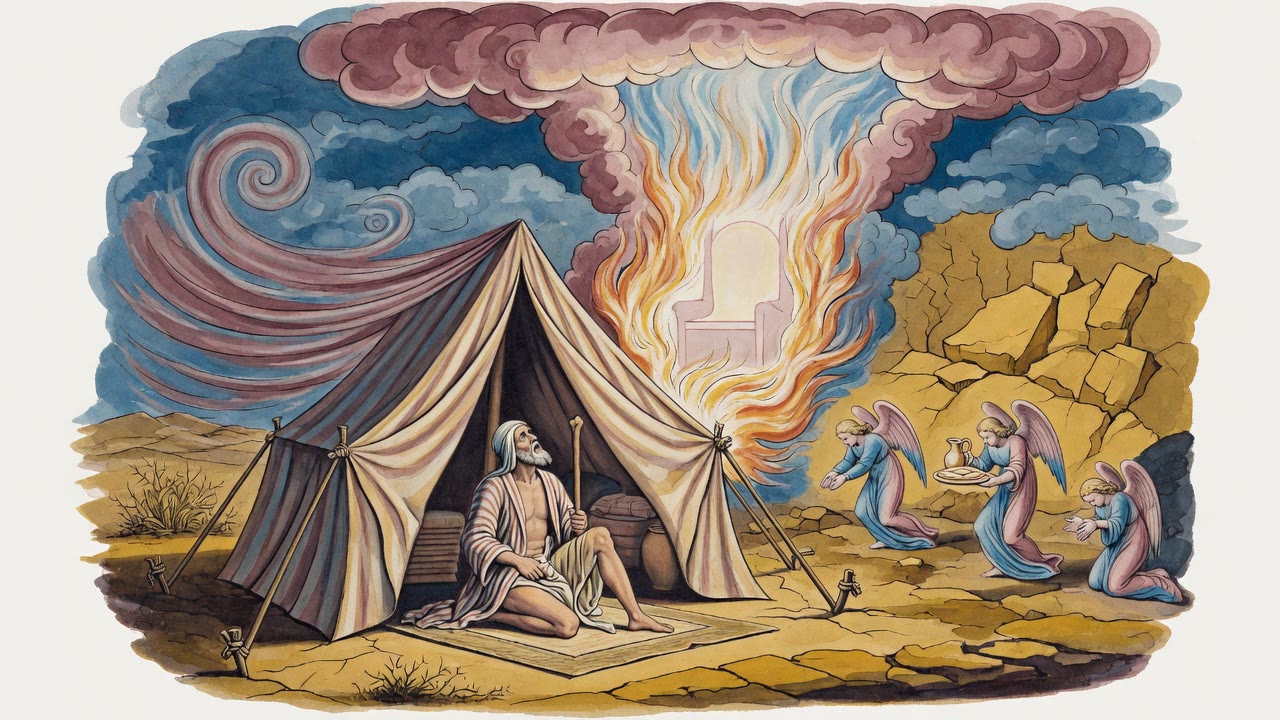
The cut was three days old. Abraham sat in the tent door in the heat. God came to the sick man before any stranger reached the road.
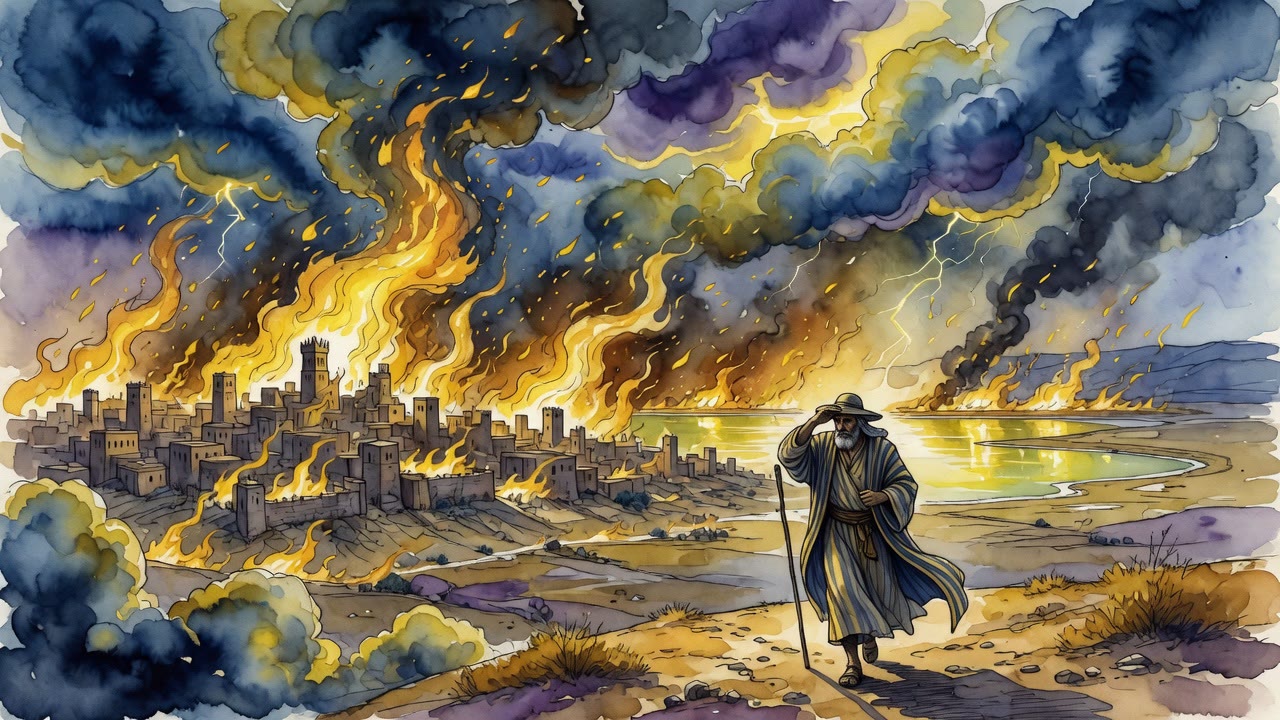
Abraham pitched his tent where Sodom's gates could still be smelled. Travelers reached him first. After the fire, he packed the ropes and moved.
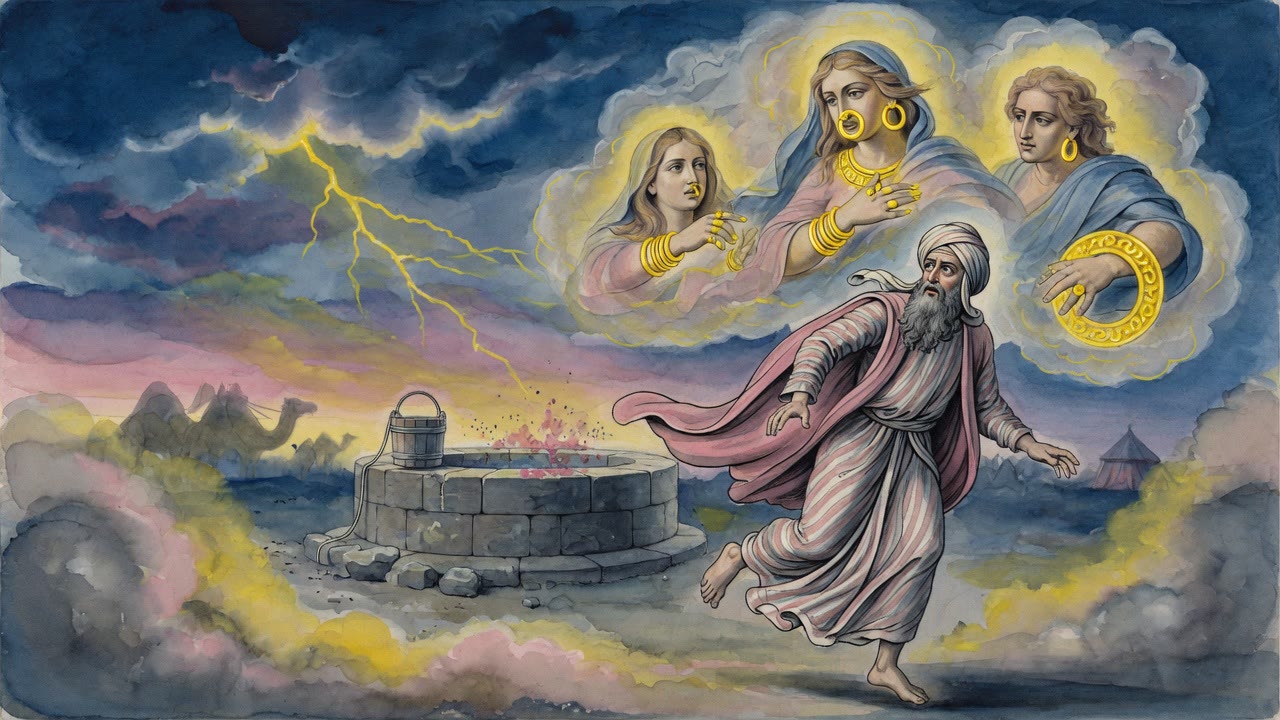
Laban looked like a gracious host when he ran to greet Abraham's servant. Bereshit Rabbah says he was chasing the jewelry.
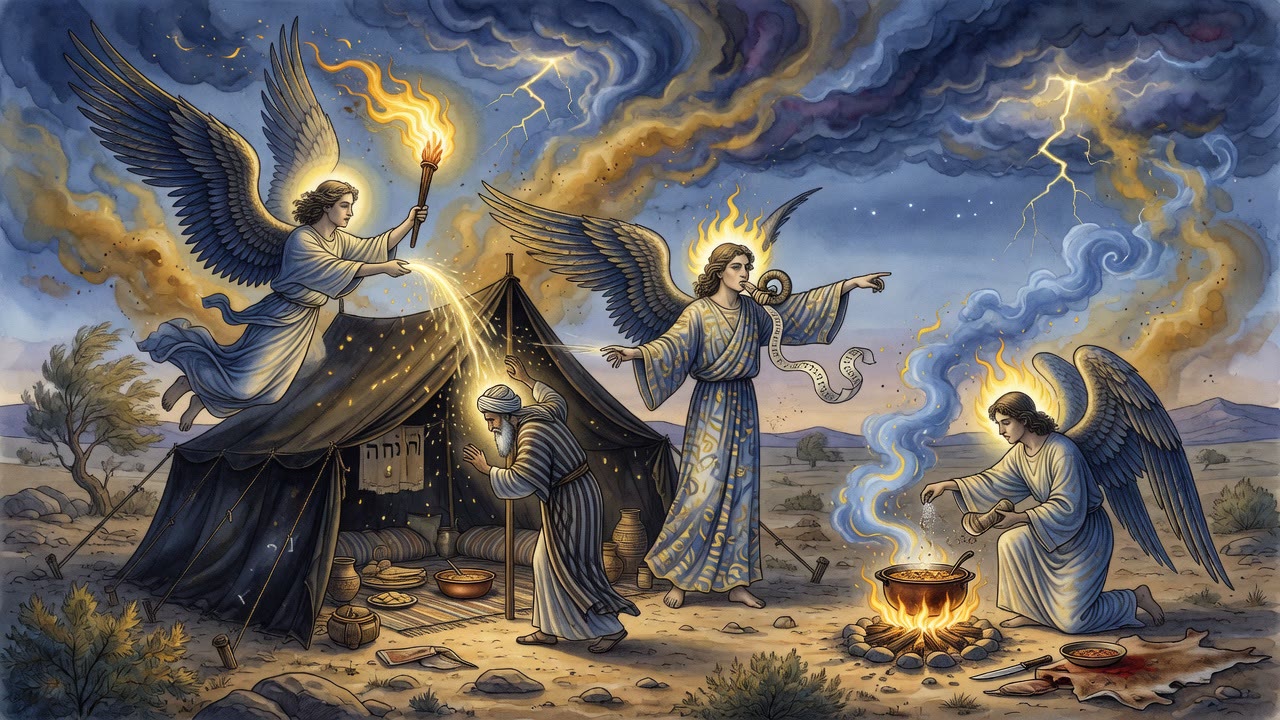
Abraham sat in the tent door three days after the knife, the air hot as Gehinnom. He still ran when the three men appeared on the road.
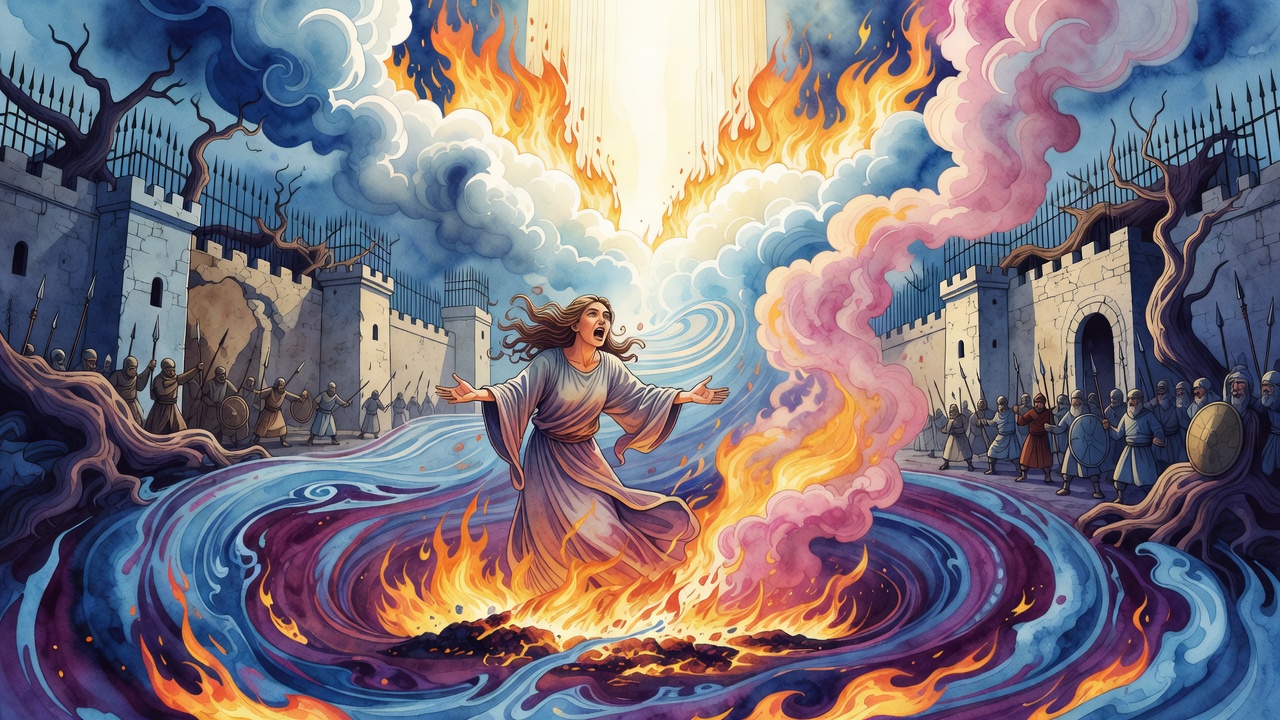
Peletith hid bread in her water bucket and carried it to the starving man in her street. Sodom burned her for feeding him.
A girl in Admah hid bread for a stranger. The city smeared her with honey and hung her on the wall. Her cry reached heaven before she did.
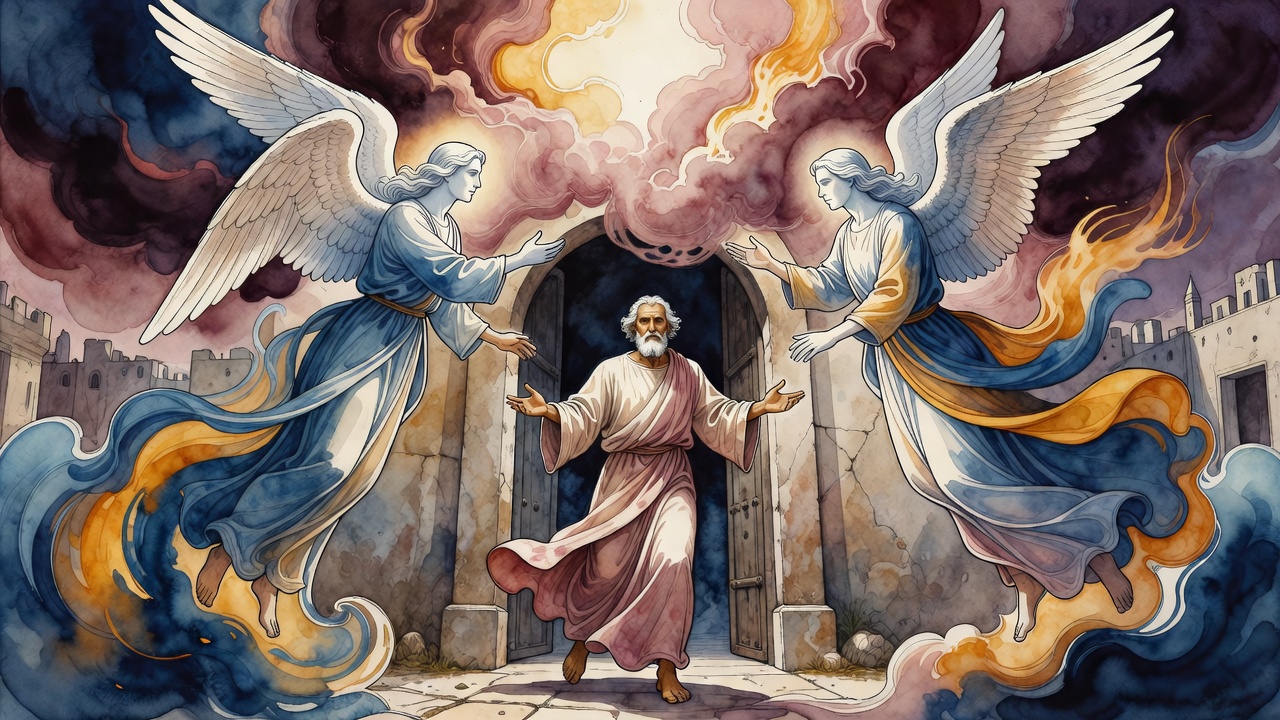
Two strangers said they would sleep in the square. Lot knew what the square was for after dark. He took them by the arm and pulled them under his roof.
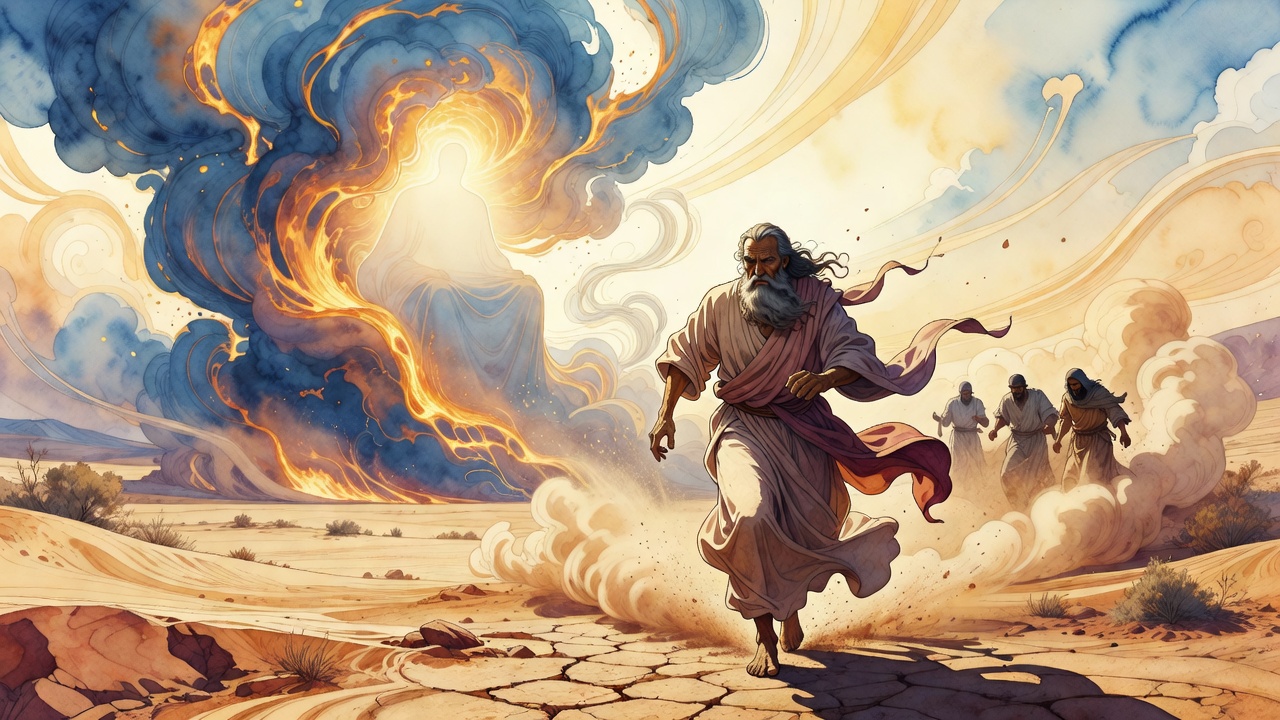
The third day after circumcision is the worst of them. God was at the tent door. Three men stood in the road in the heat.
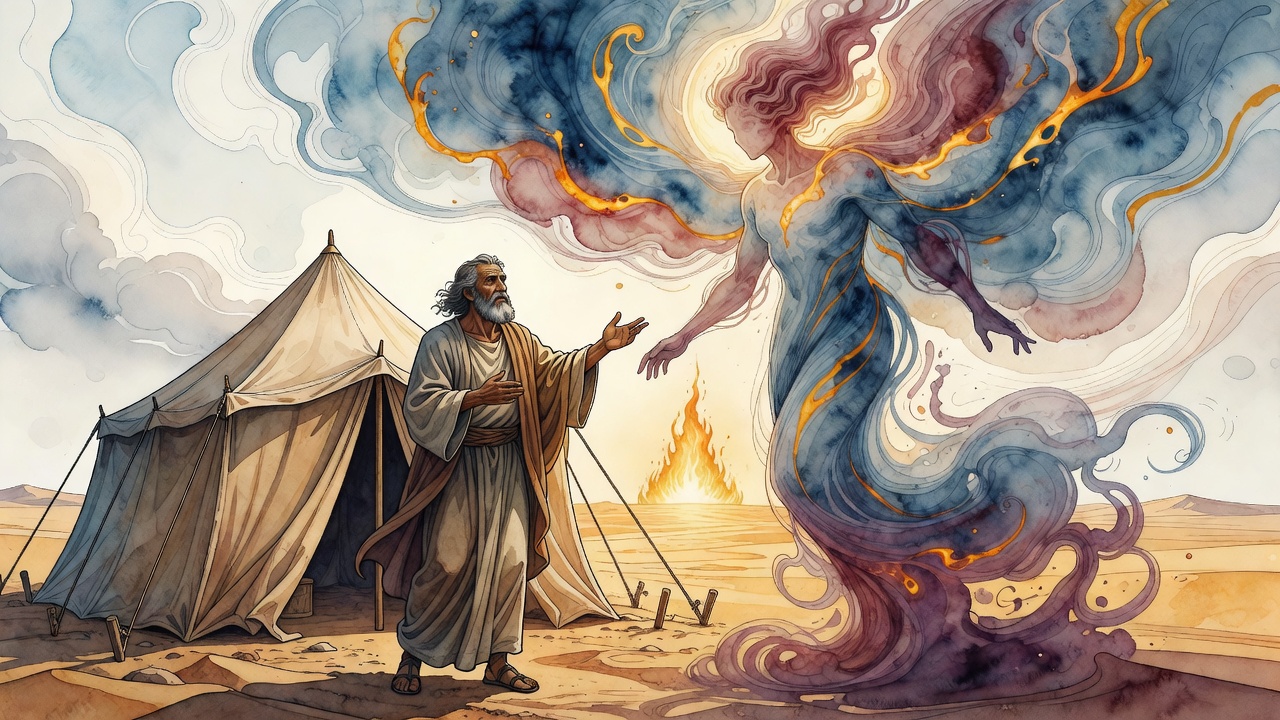
The Angel of Death arrived at Abraham's tent in his most beautiful form on God's orders. What happened next neither heaven nor the angel had anticipated.
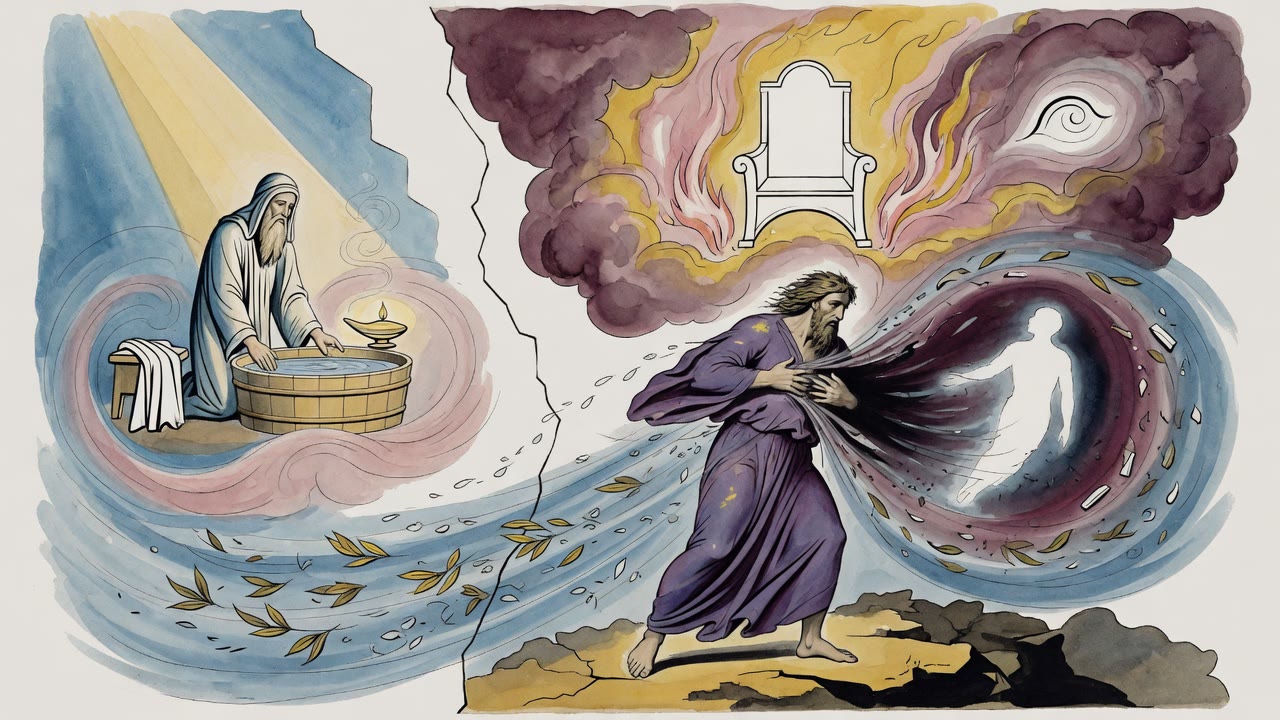
Hillel answered absurd questions three times without losing his temper, then served a cold meal to a very late guest and called it a pleasure.
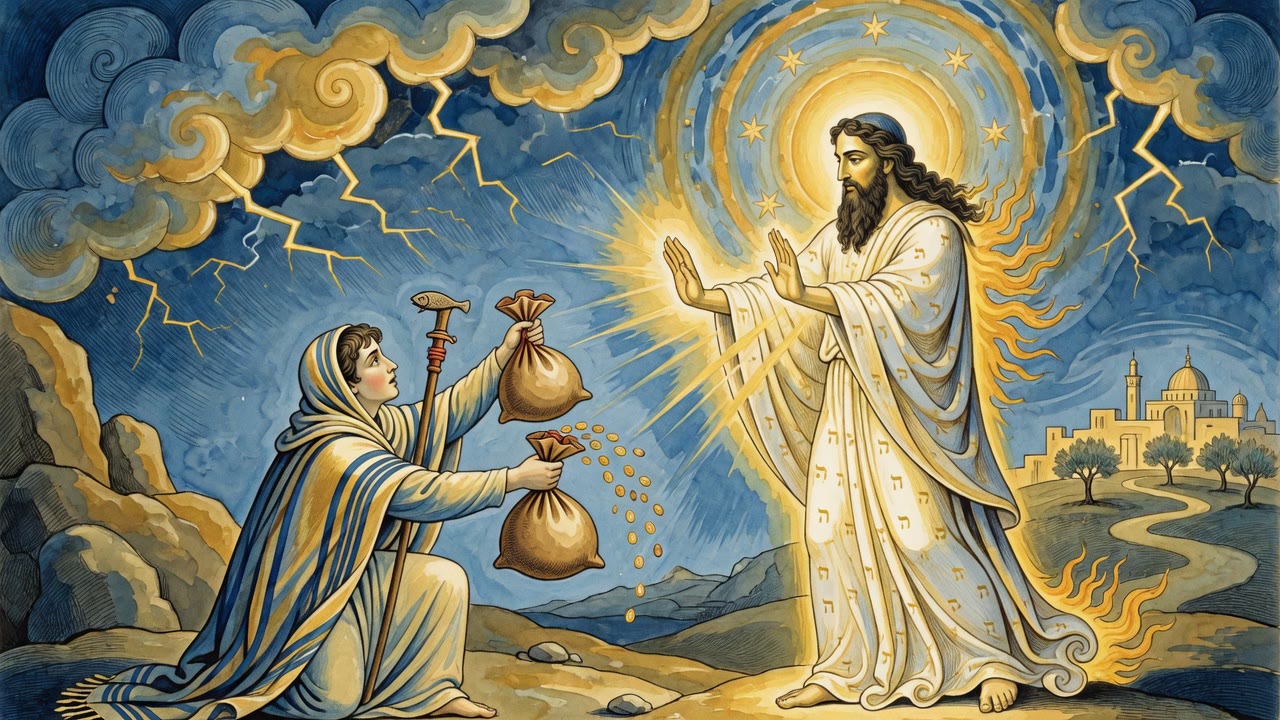
Tobiyyah offers the man who guided him home half the silver he carried, and the man refuses, then names himself one of the seven.
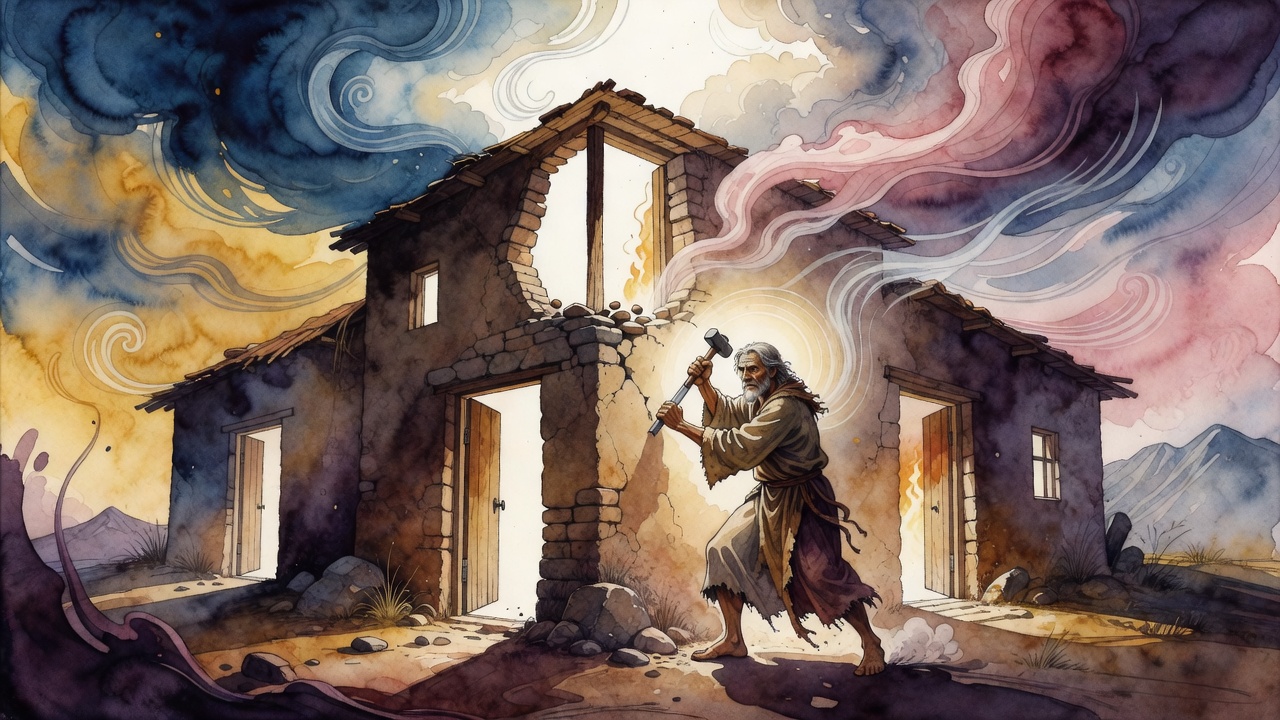
Two beggars met on a road. One was leaving Job's house. The other was walking toward it, naming the place the way a man names a town.
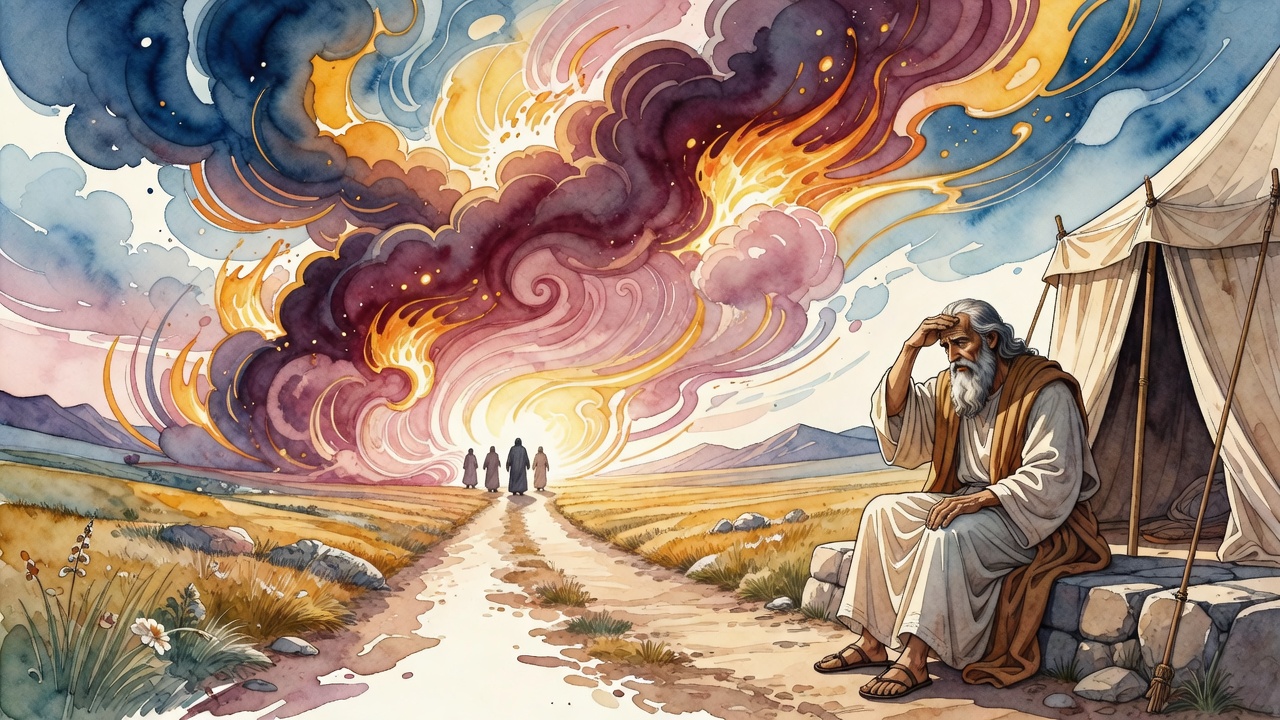
Sodom burned people for putting bread into a beggar's hand. Lot fed two strangers anyway, after dark, and then his wife refused them salt.
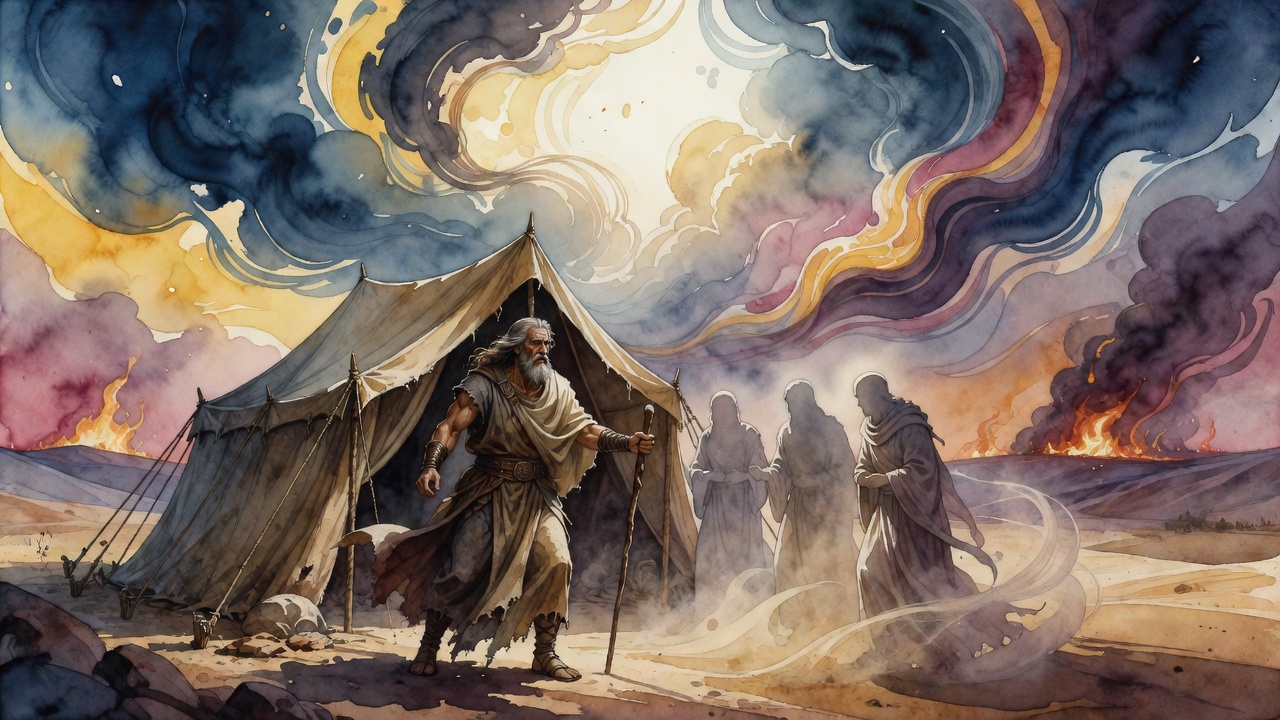
He routed an army of eight hundred thousand, then begged three travelers to stop for bread. The same man did both, and that is the whole point.
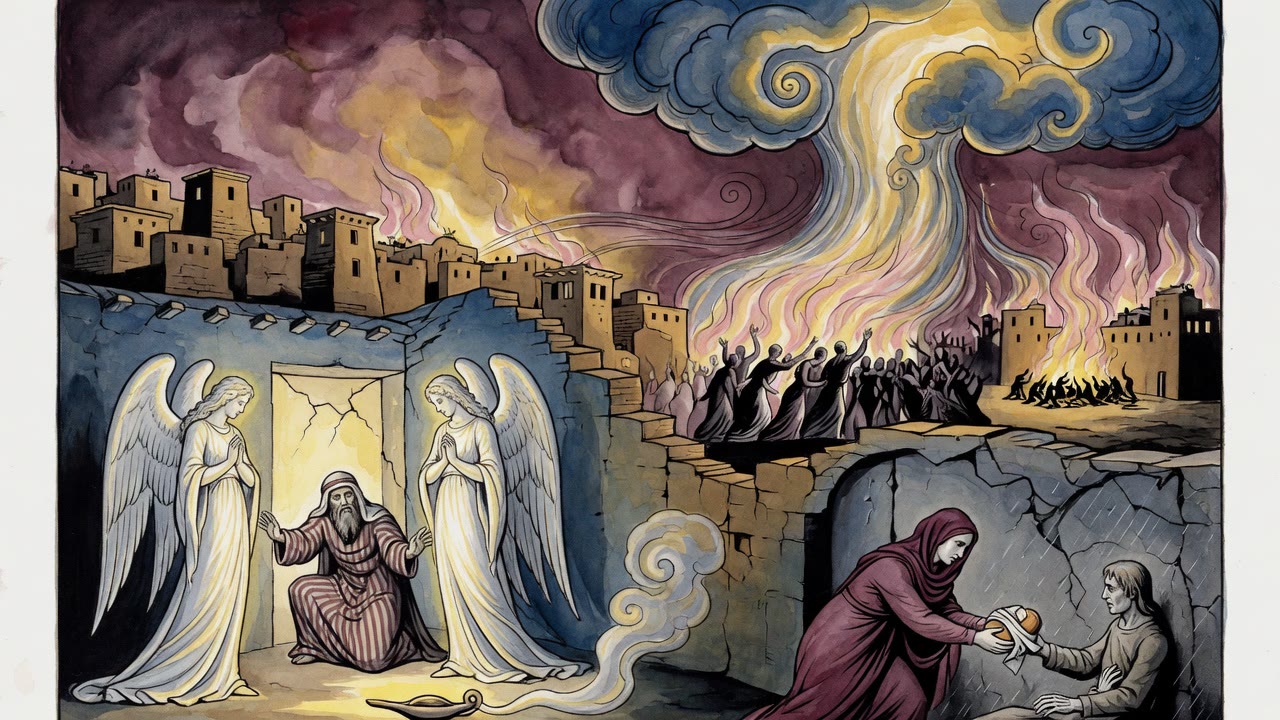
In a city where feeding a stranger means death by fire, Lot hides two angels and his daughter Plotit smuggles bread to a starving man.
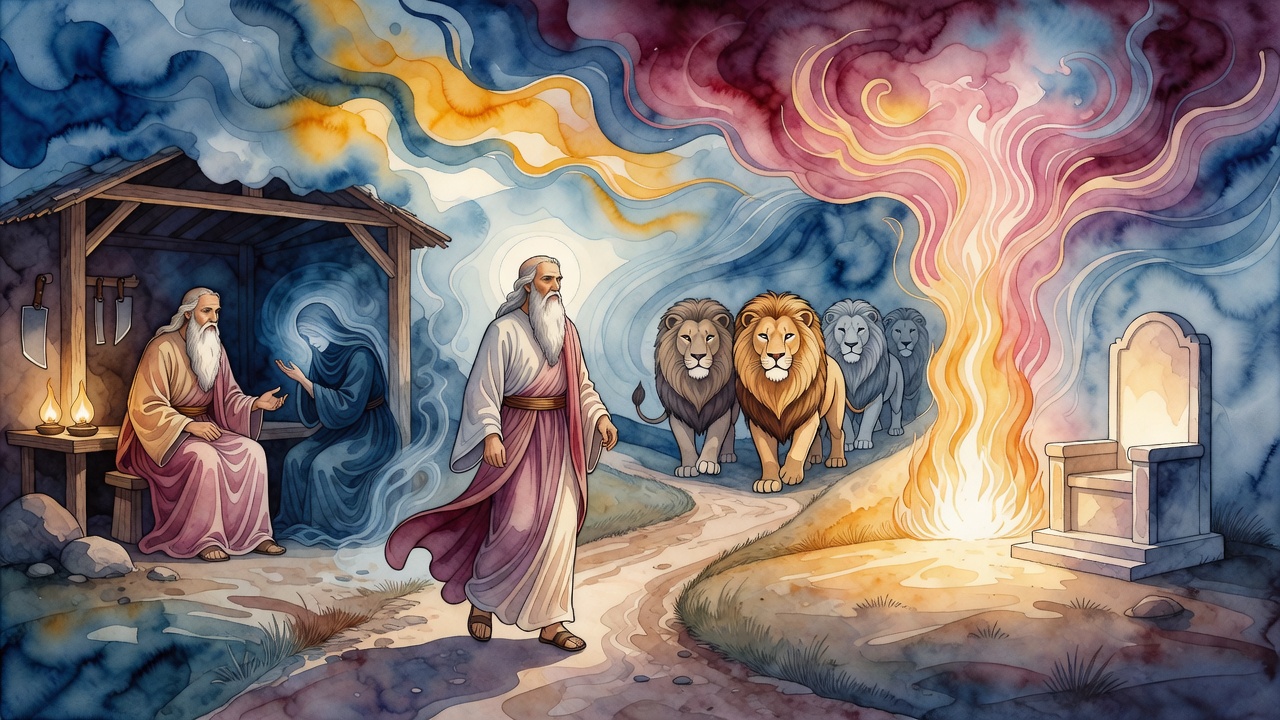
A sage lodges with a butcher, the new wife schemes in the dark, and Rabbi Meir walks home to demand the lions pass sentence on him
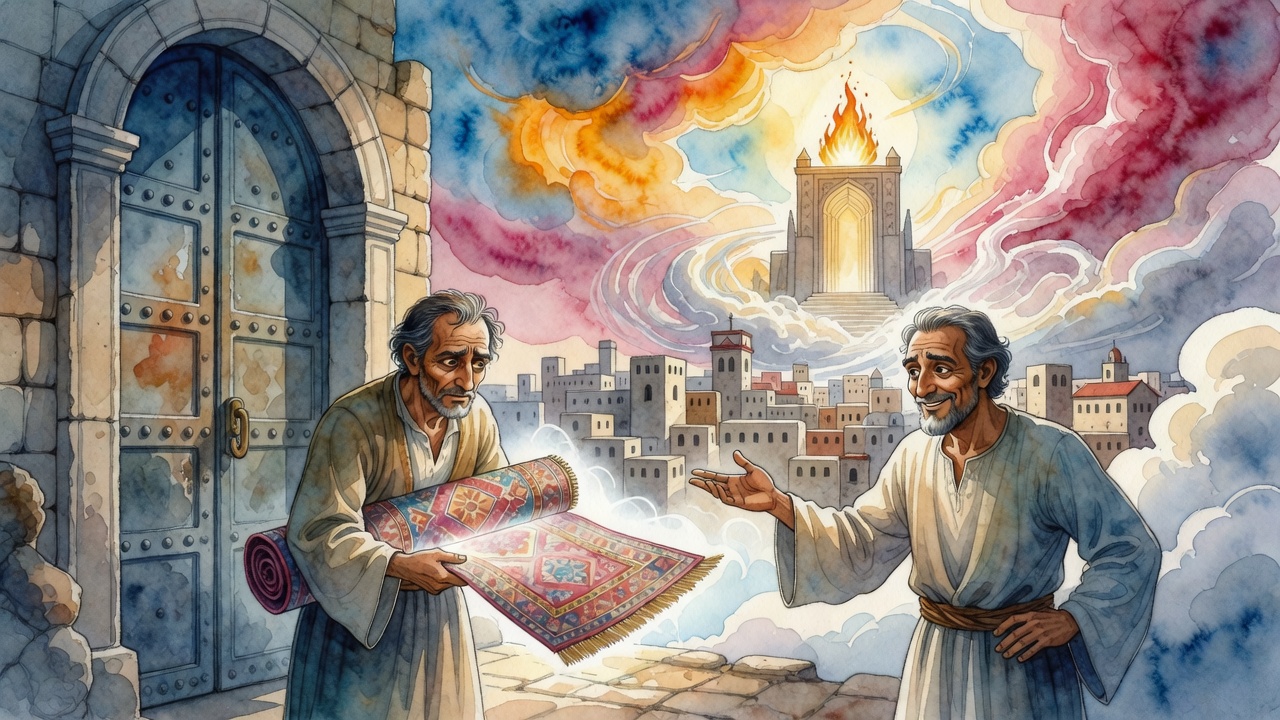
A weary traveler from Elam reached the gate of Sodom with a bright carpet, and a smiling host showed him how the city turned theft into a service.
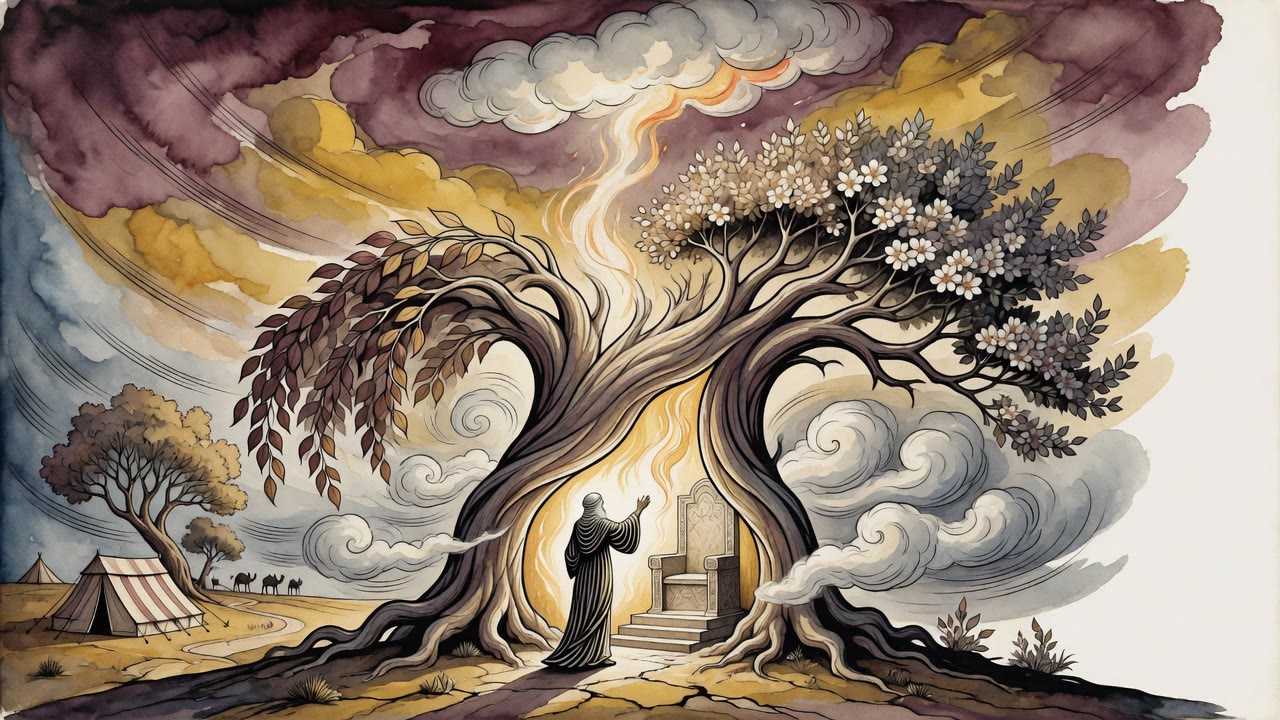
Wherever Abraham pitched his tent he planted one tree, and its branches rose or fell according to the soul that stood in its shade.
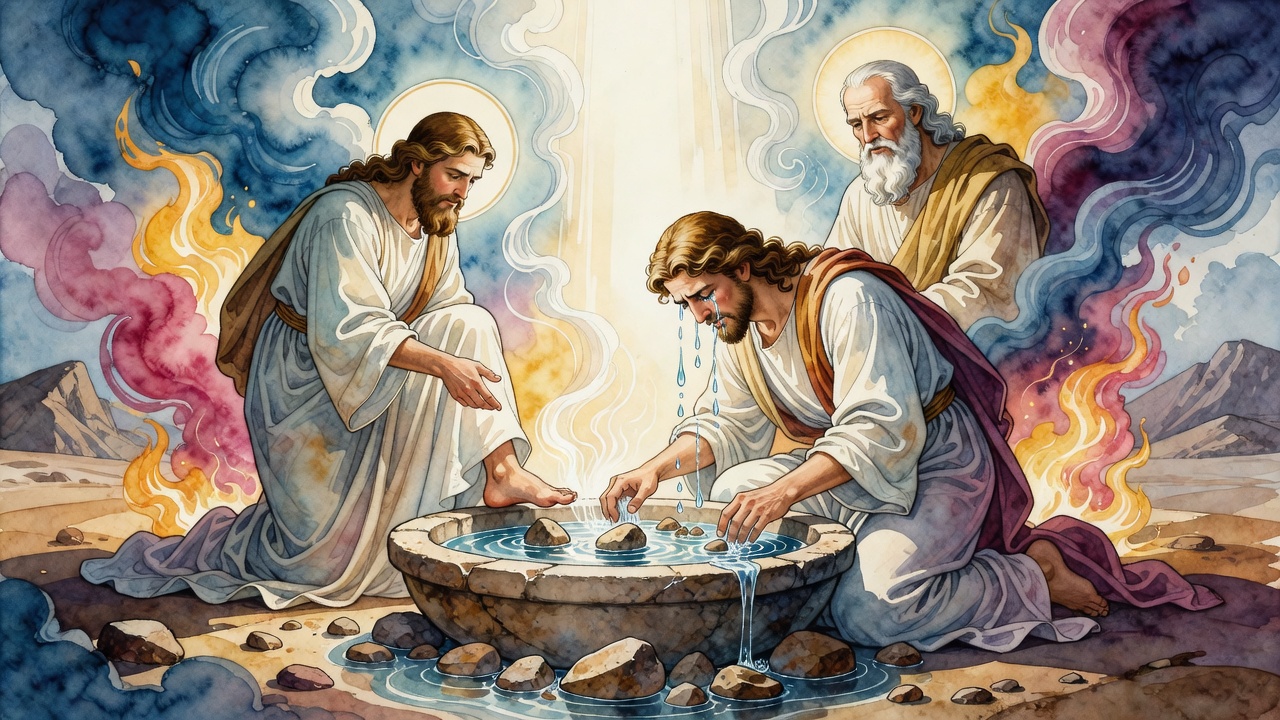
Isaac set the basin down. Abraham looked into the water and said he would never wash a guest's feet again. Michael's tears hit it.
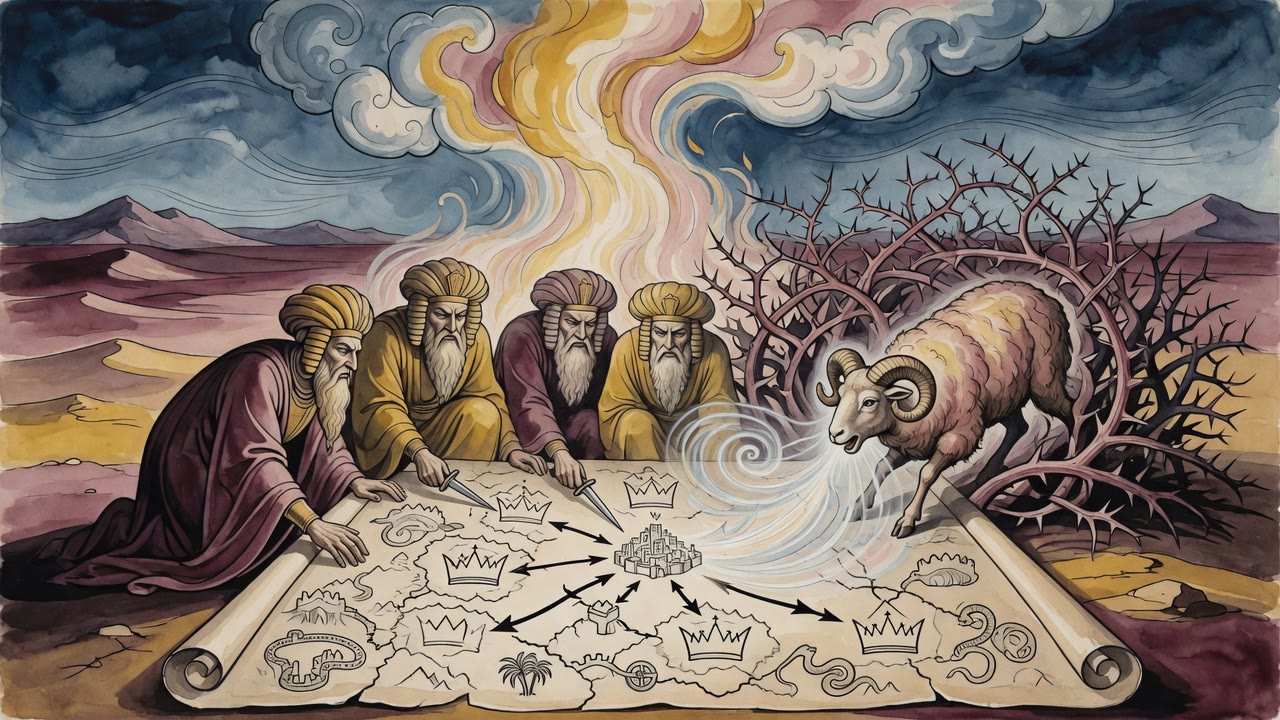
Isaac walked into his mother's tent and found the lamp dead. The cloud at the flap was gone. The dough sat like any other dough.
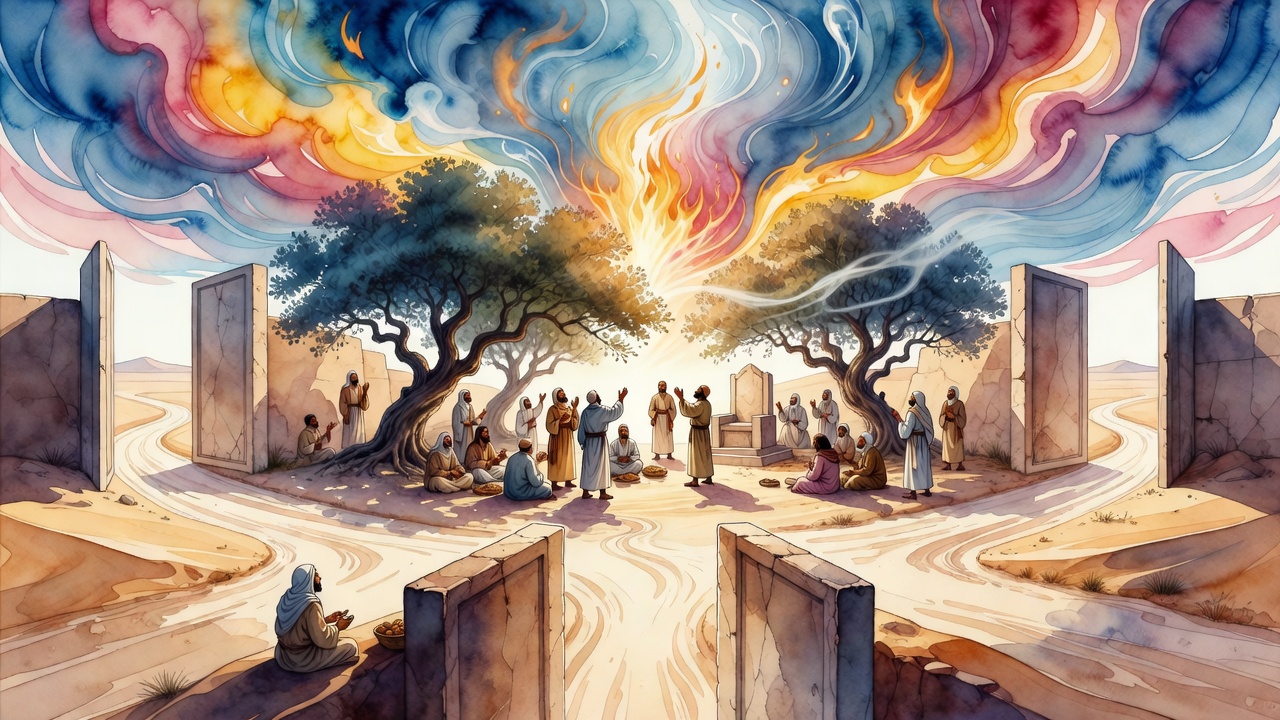
A traveler rose to thank Abraham for the bread. Abraham stopped him. The blessing belonged to the Host who feeds all flesh.
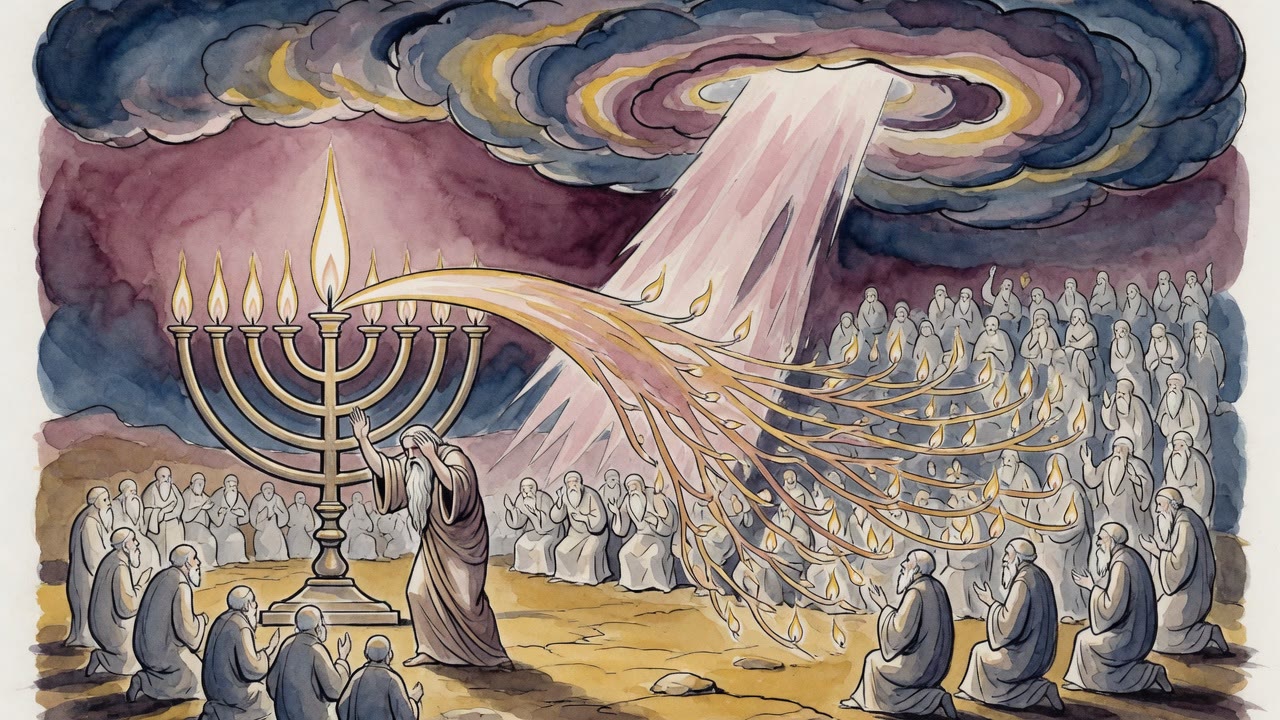
Promised all of Canaan, Abraham still stood in Hebron as a stranger and paid for Sarah's tomb, then refused to bless Isaac lest jealousy crack the house.
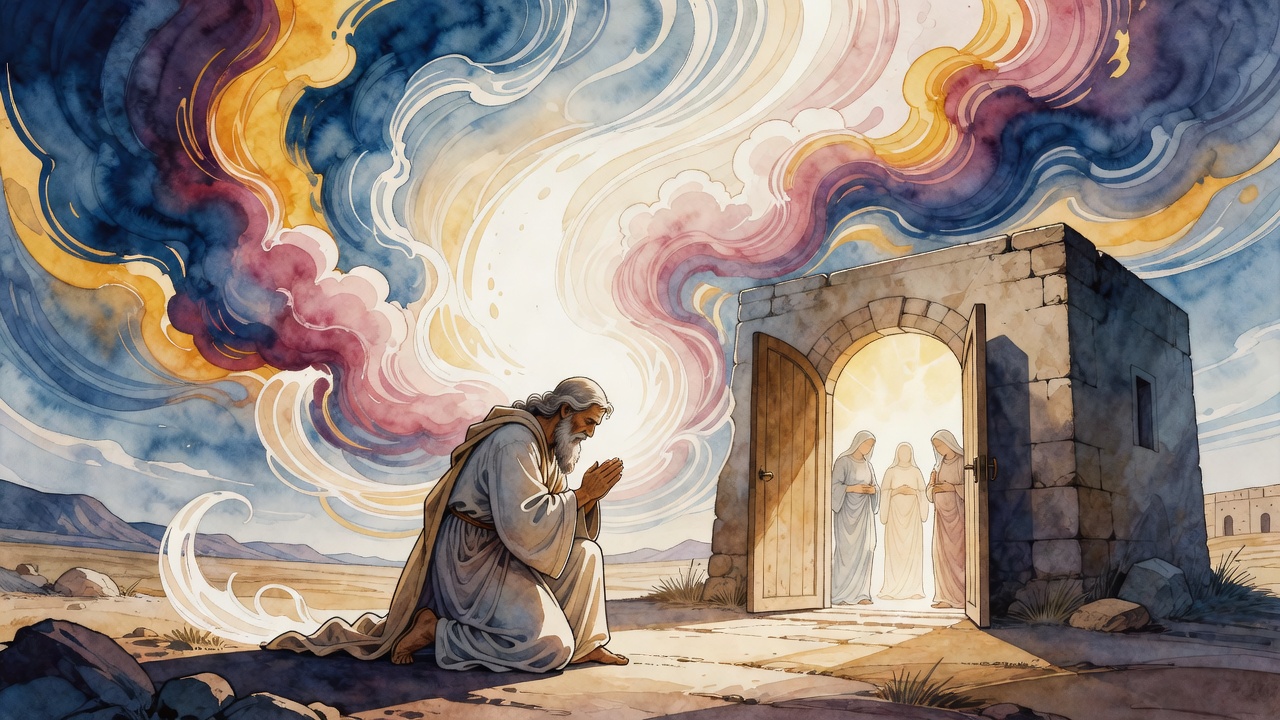
Gerar's king had taken Sarah, and every womb in his house shut. Abraham asked God to let them multiply instead. Abimelech's barren wife bore a child.
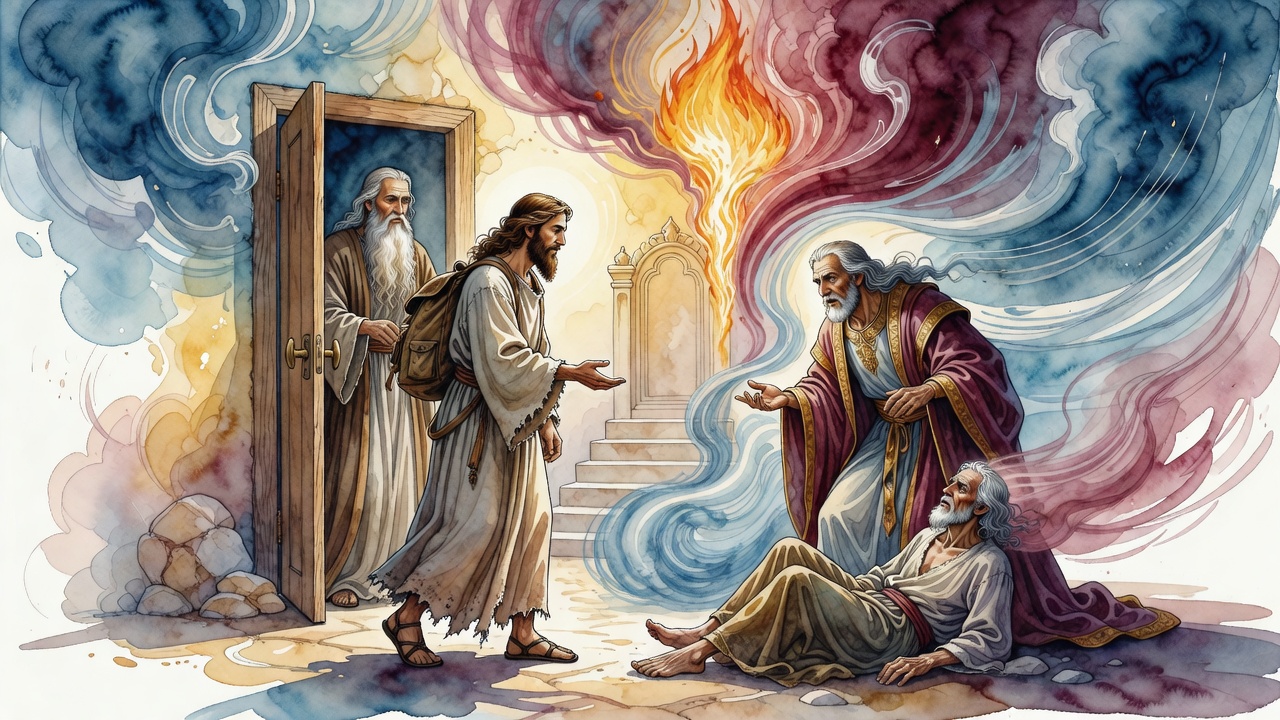
Heaven sent Elijah in rags with a pack on the holy day. Rabbi Eliezer opened the door. Another rich man scolded a poor man's body and lost everything.
Lot leaves Abraham for Sodom's plain, then opens his door to a mob and offers his own daughters rather than surrender his guests.
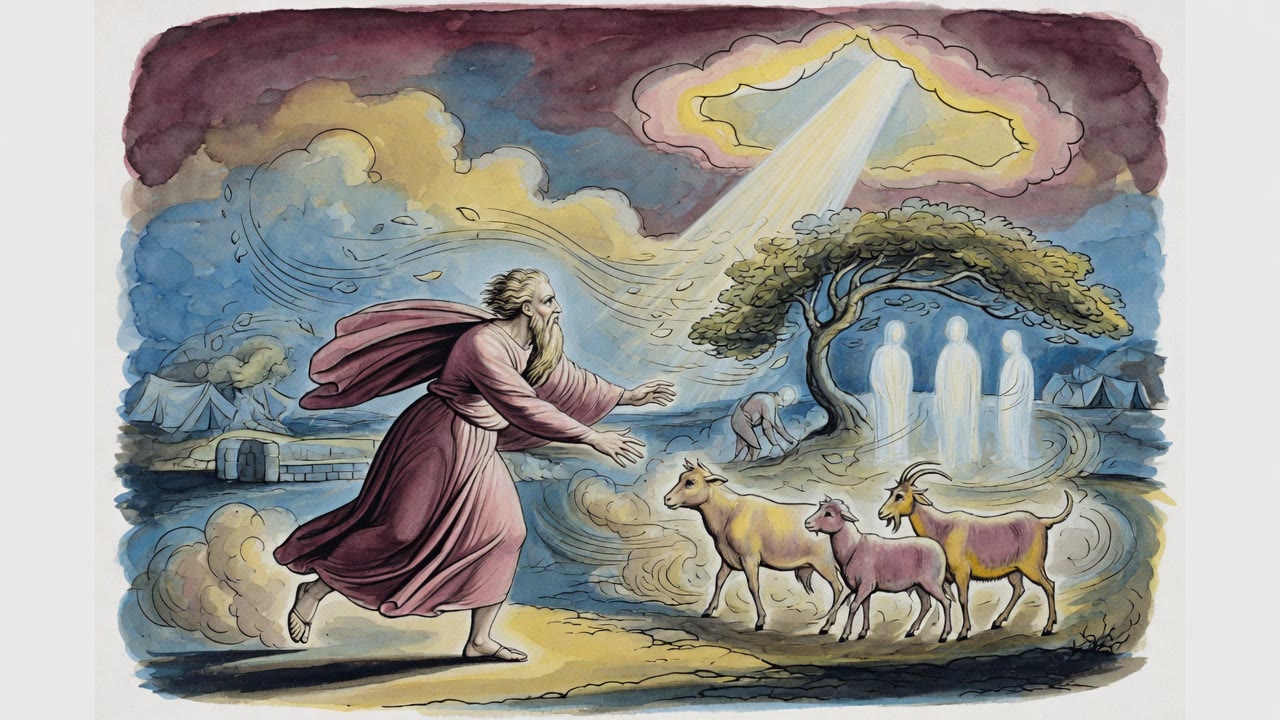
Micah's idol splits a nation, then fire takes him. Angels want him crushed. God stops them because his door fed strangers.
