The Shekhinah Argues for Her Children in the Upper Worlds
The armies in this vision turn out to be lawyers. When Jews rush their prayers, the Shekhinah, the Divine Presence, reaches the gates with empty hands.
Table of Contents
 Click for full size
A Cavalry Charge Hidden Inside Three Letters
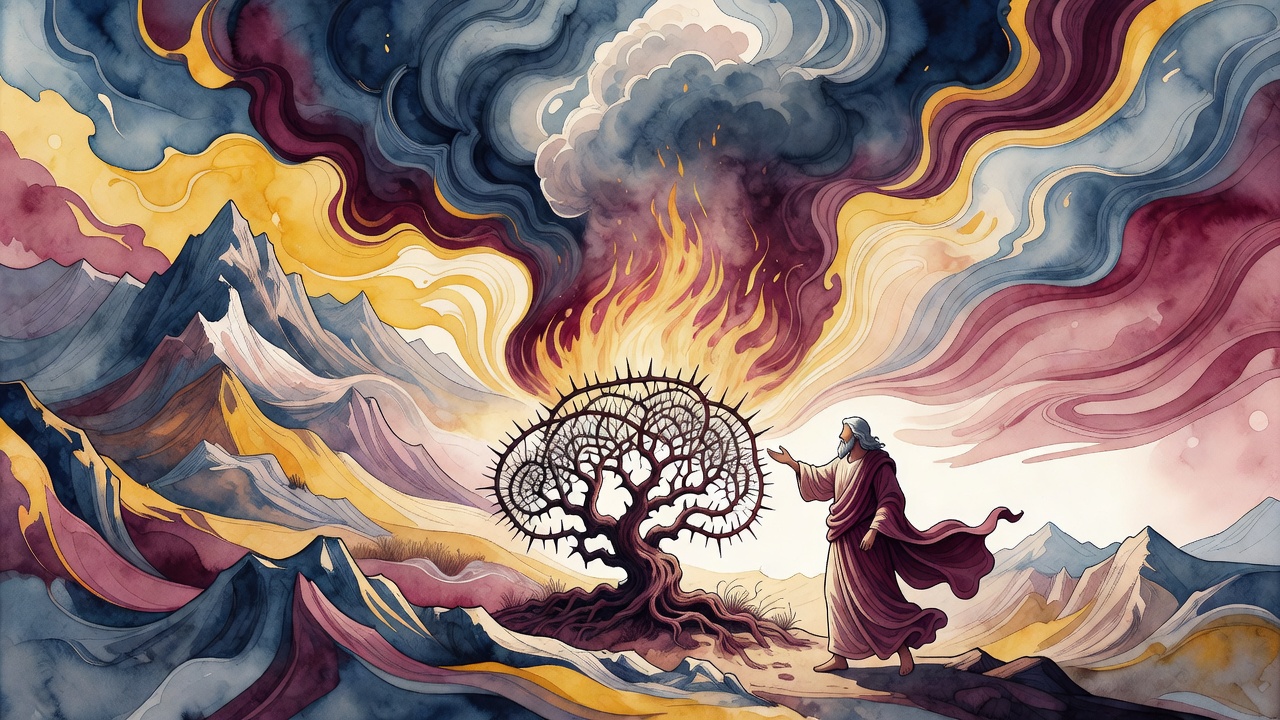
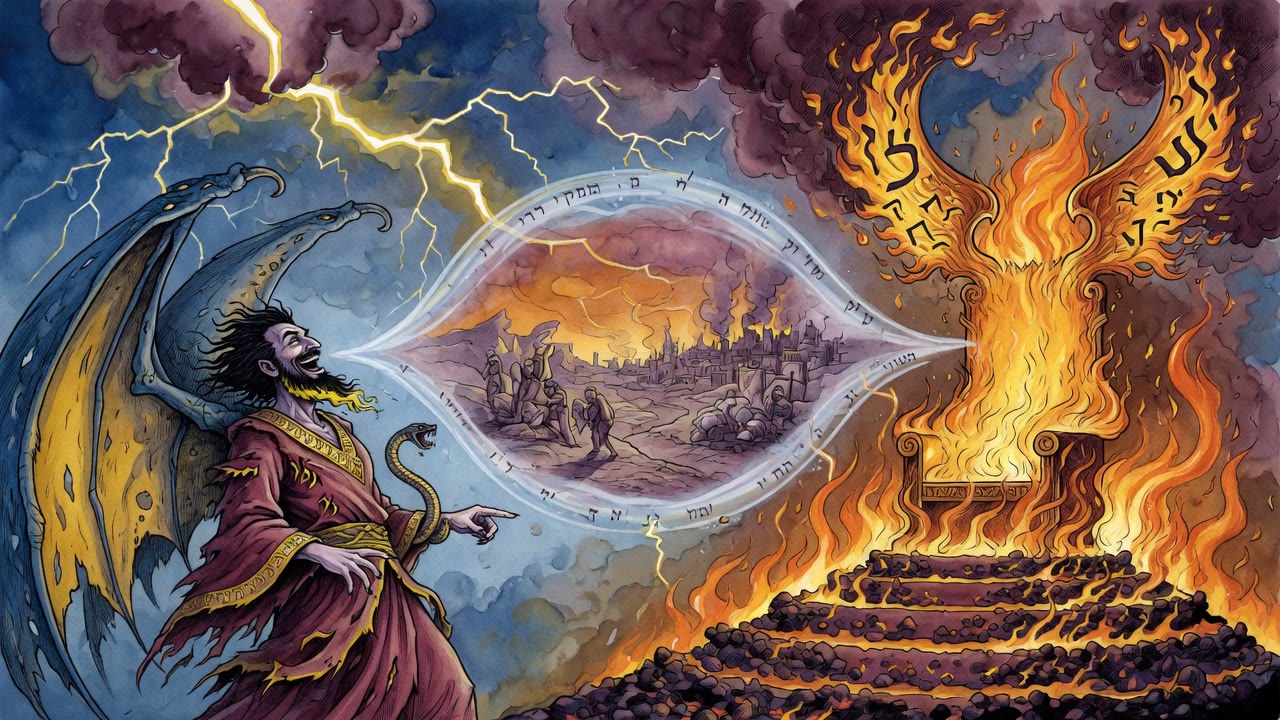
The scene in the Tikkunei Zohar opens like a battlefield. Masters of defensive shields riding horses, six hundred thousand infantry behind them, the same number the Torah counted when Israel left Egypt (Exodus 12:37). Then Rabbi Shimon bar Yochai stood up and said the whole picture collapsed into one Hebrew word.
The word was riv, argument, from Micah 6:2: Hear, O mountains, the argument of the Lord. Shimon turned the word over and noticed its three letters: resh, yod, vet. The same three letters, rearranged, spell rabi, rabbi. The battle between heaven and earth was not a military campaign. It was a legal proceeding. The armies of angels were advocates. And at the center of the proceeding stood the Shekhinah, the divine presence that travels with Israel through every exile, making her case in a court that had not yet ruled in her favor.
She is not passive in this court. She is not waiting for God to take pity. She is arguing, point by point, for the children she has not given up on.
The Middle Pillar and the Empty-Handed Collector
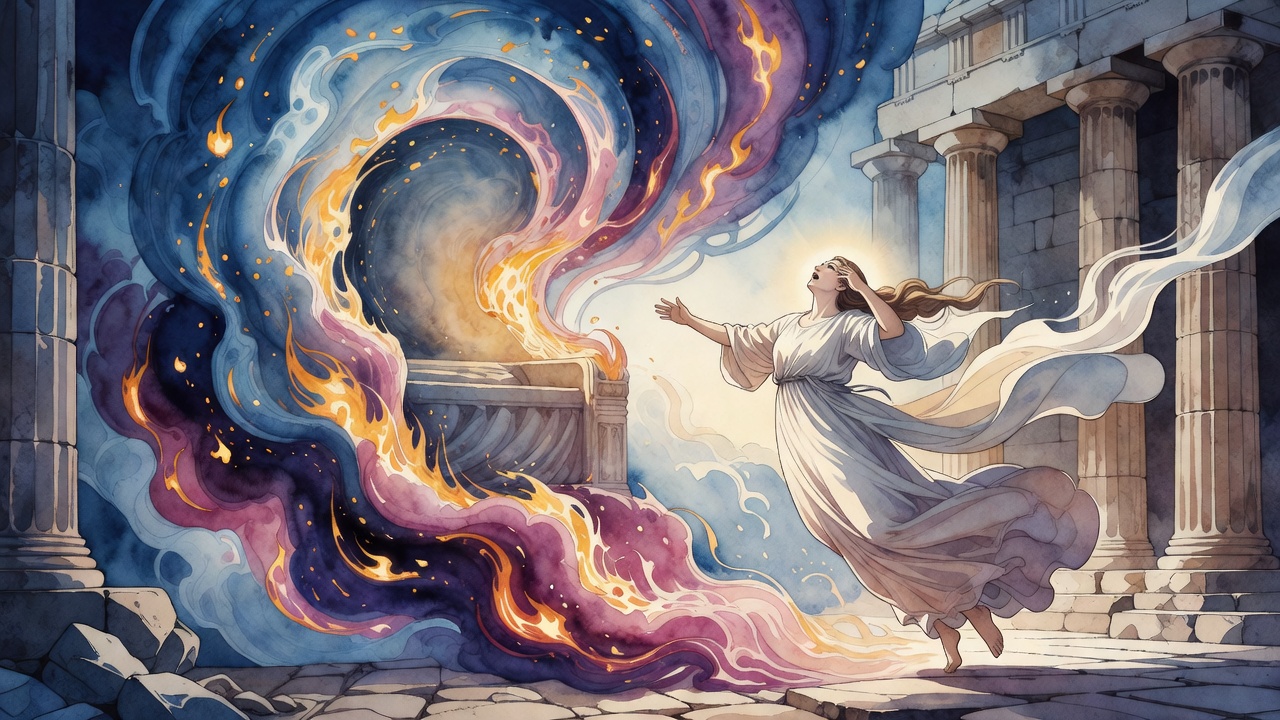
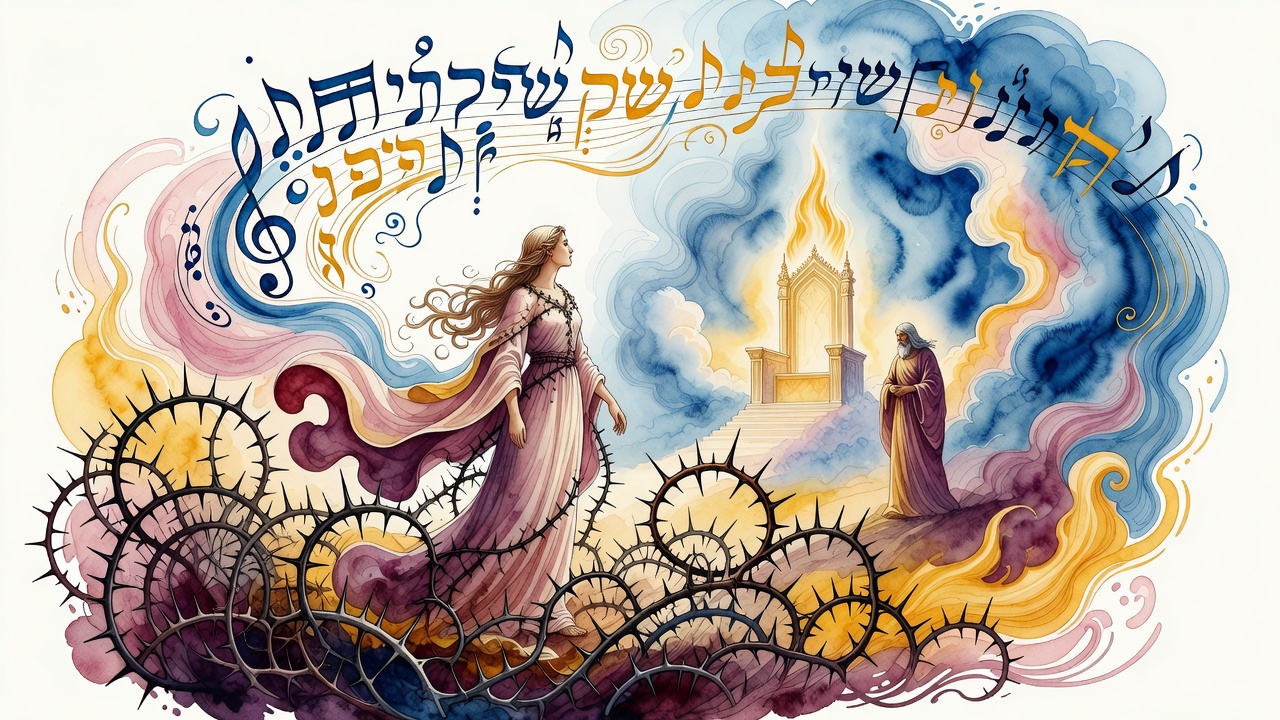
The Tikkunei Zohar placed the Shekhinah (the Divine Presence) at the middle pillar of the sefirotic tree, the vertical axis of balance that runs between the poles of judgment and mercy. From this position, she is not simply a passive recipient of divine energy flowing downward. She is the distributor, the one who takes what comes from above and directs it below. When Israel below is praying with full attention, her hands are full and the distribution flows. When Israel below rushes, hurries, skims the prayers, her hands are empty and she stands at the gates of mercy with nothing to offer.
The image is of a charity collector who depends on the donors. Not because the Shekhinah is powerless but because she has chosen to make her abundance conditional on the attention of the people she serves. She will not distribute what has not been properly requested. A prayer without attention is a request without an address. The Shekhinah, holding empty hands, is the visible consequence of a community that went through the motions without meaning them.
The Daughter Sent Away Because of Haman
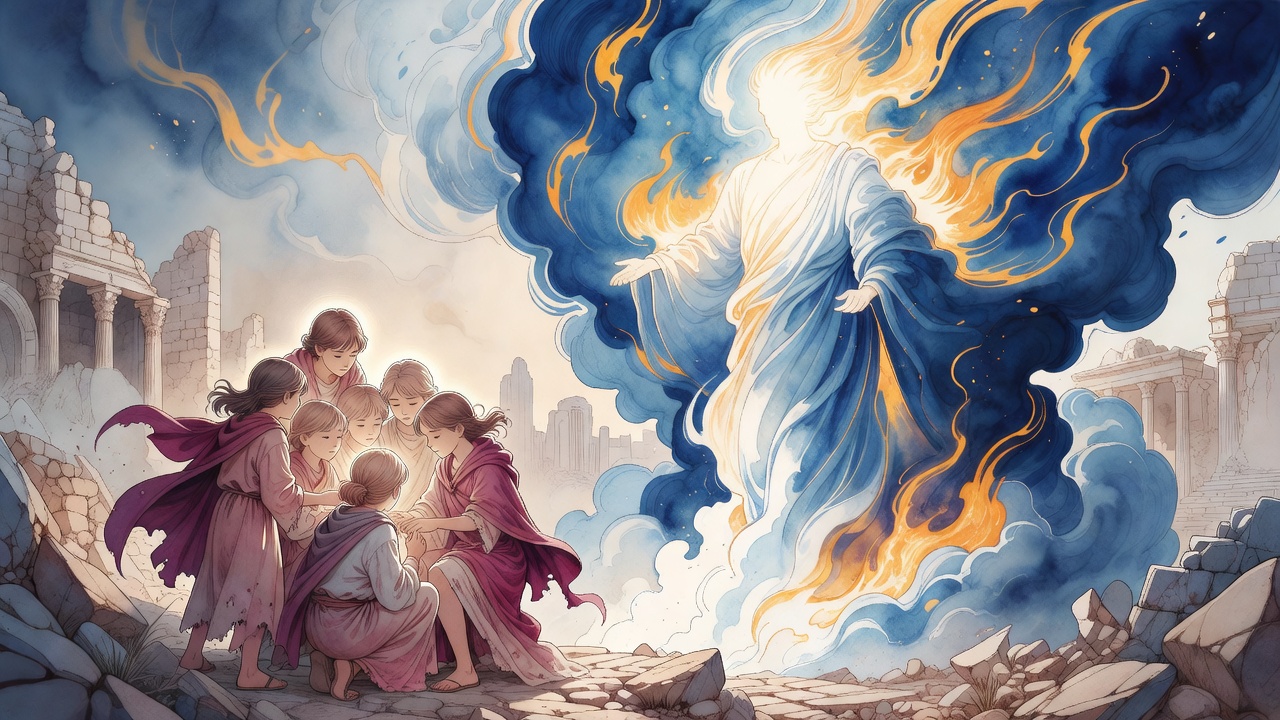
In the third passage, the Tikkunei Zohar placed the Shekhinah inside the story of Esther. Haman stood before Ahasuerus and made his case against the Jews of the empire. And in the upper worlds, as Haman spoke, the Shekhinah was sent away from the divine presence, separated, distanced. Not because God agreed with Haman. Because the accusation against Israel always travels upward before it is answered, and while it travels, the daughter stands outside.
This is the most disturbing moment in the portrait. The Shekhinah is not always arguing. Sometimes she is waiting outside a door while the verdict is being reached. She is the daughter sent away from the table during a difficult conversation, the one whose fate is being decided in the room she cannot enter. Her distance from the divine presence is not punishment. It is the formal condition of a judicial process. She stands outside because the court is in session.
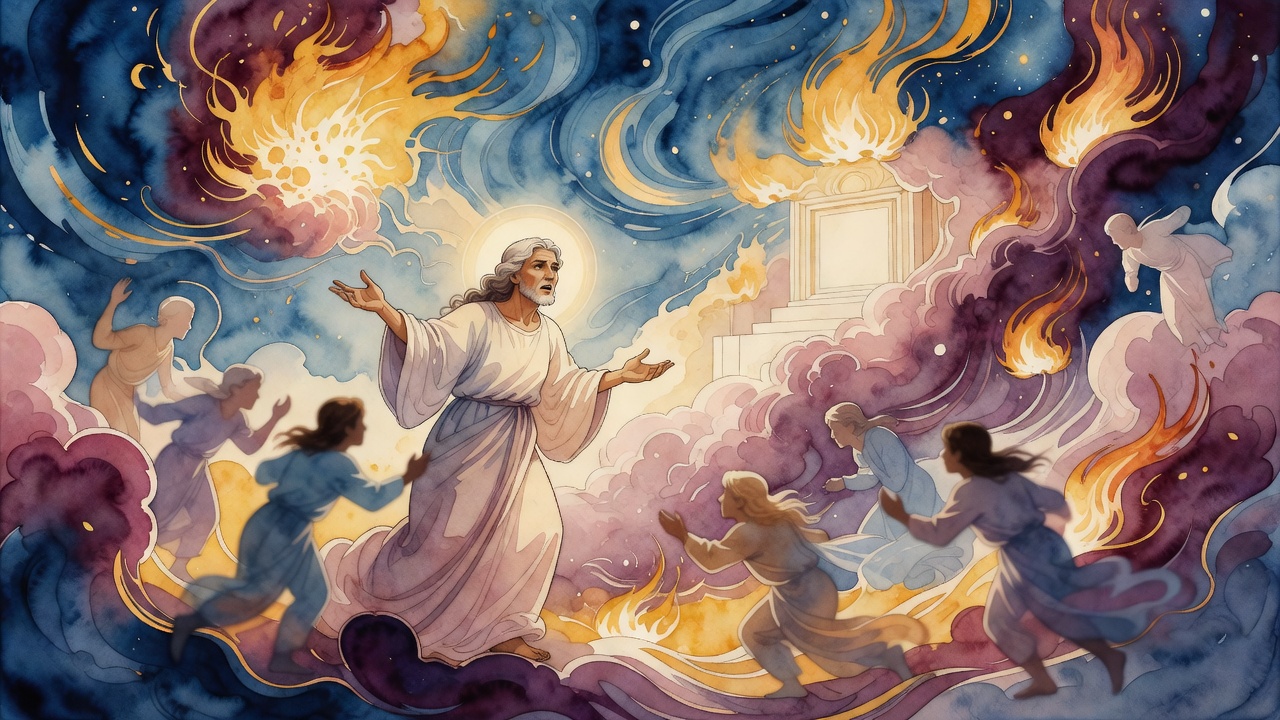
And she returns when the verdict goes the other way. When Esther fasted and prayed and Mordechai rallied the community and Haman's accusation collapsed, the Shekhinah returned to her position. The daughter came back to the table. The argument resumed from a position of restored intimacy.
Shabbat and the Reunion of the Two Tables
The fourth image is the one that completes the portrait. Six days of the week, the Shekhinah holds her position at the middle pillar while the world below sends up whatever it has managed to gather: prayers attended to and prayers skimmed, good deeds and poor ones, genuine attention and the performance of attention. Then Shabbat arrives.
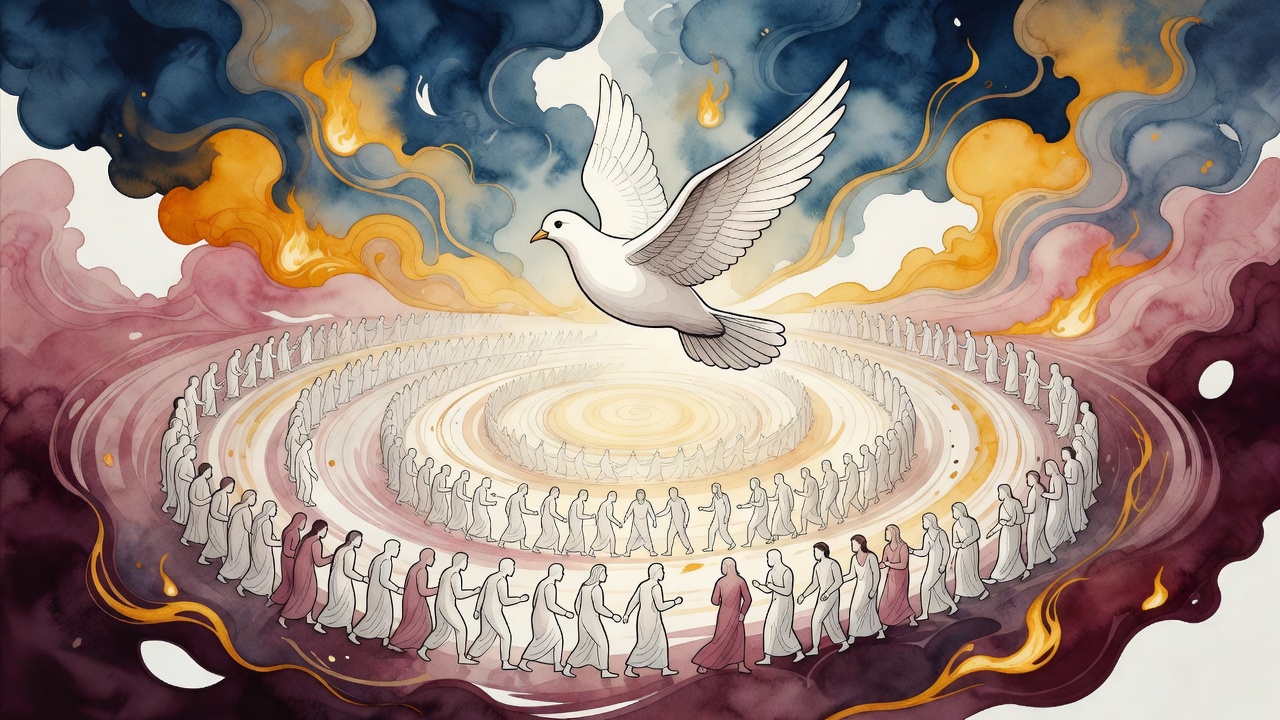
On Shabbat, the Tikkunei Zohar says, the upper and lower worlds come into alignment. The Shekhinah, who has been arguing and waiting and standing with empty hands and being sent outside, is reunited with what she was always reaching toward. The two tables, the one in the upper worlds and the one set in Jewish homes, become a single table. The wine is poured. The bread is uncovered. The lawsuit pauses. The argument takes a breath.
She is never the quiet, hovering presence of popular imagination. She is the presence that has been in motion all week, mid-argument, mid-case, mid-collection, mid-waiting-outside-a-closed-door. Shabbat is not her rest. It is her vindication. One day a week, everything she has been arguing for comes true, and the court rises and the family sits down together and the table holds everything the week refused to give.
← All myths