How to Read the Torah When the Shekhinah Goes Silent
The Tikkunei Zohar teaches Jews to wait. The bride is in thorns. The cantillation marks carry secrets. The King Messiah stands just beyond the silence.
Table of Contents
 Click for full size
A Bride Locked in a Thicket of Thorns
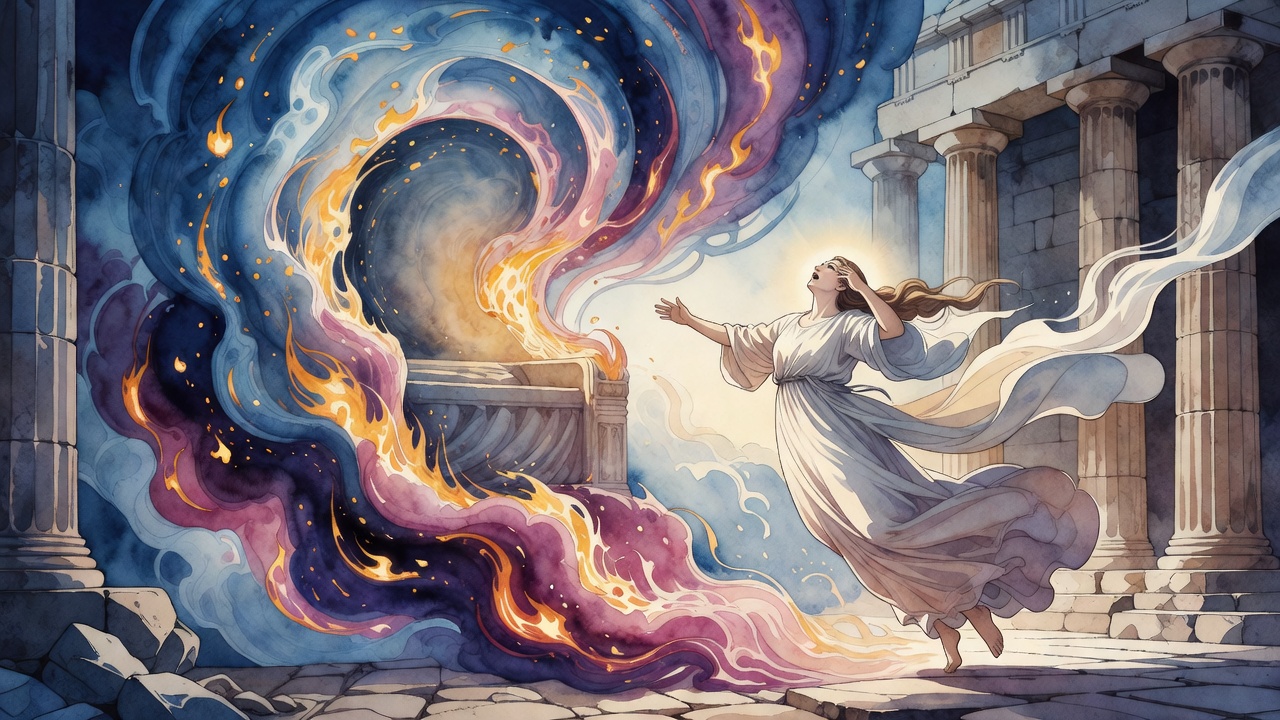
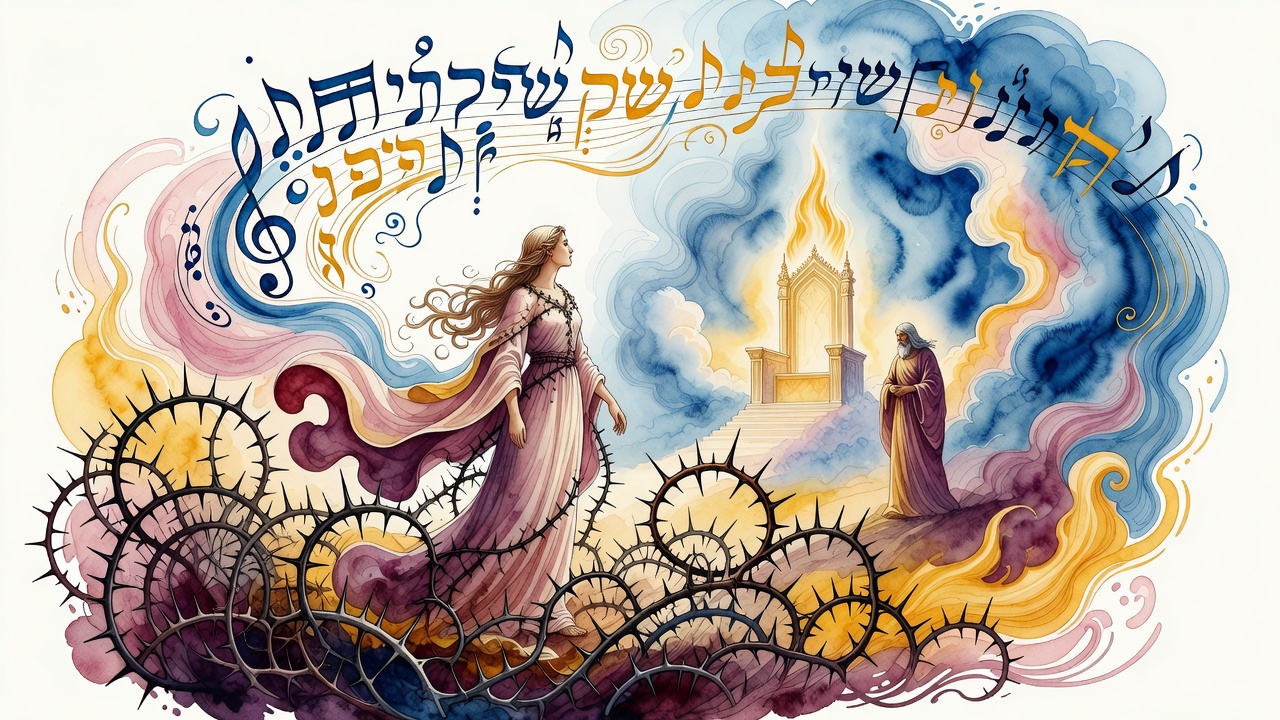
The image the Tikkunei Zohar kept returning to was not a throne and not a chariot. It was a woman caught in brambles.
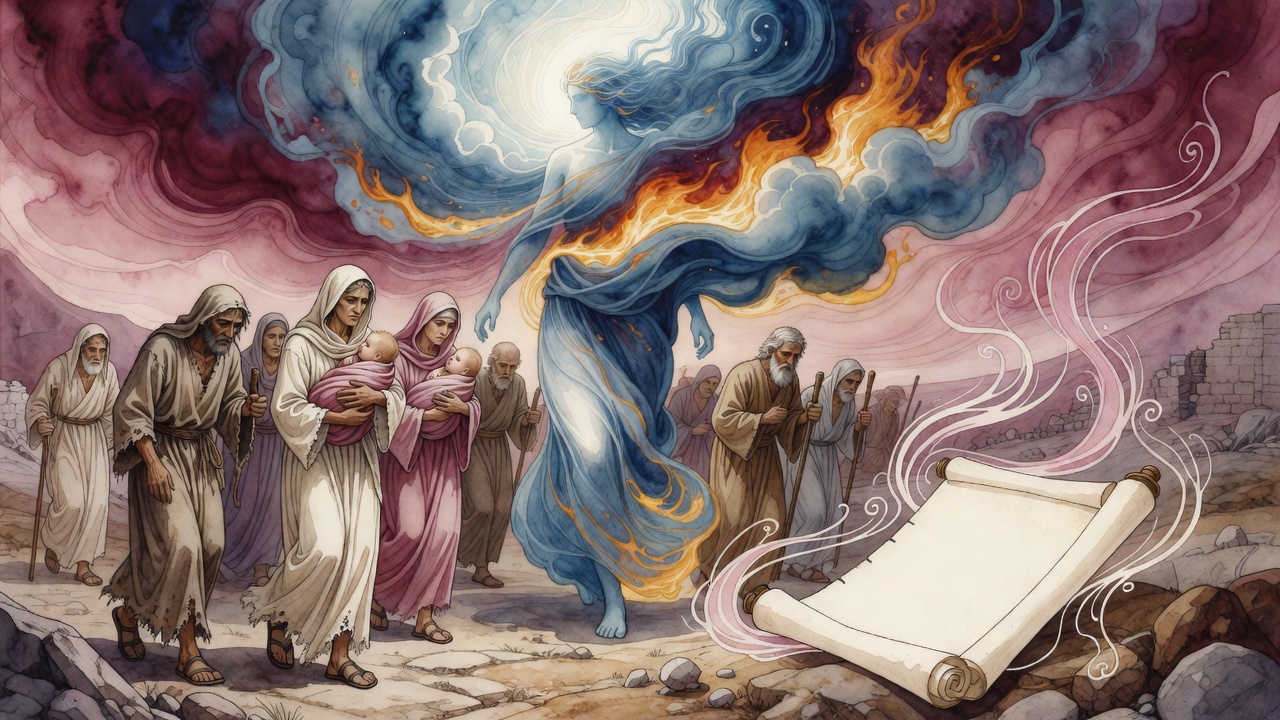
The Shekhinah, the divine presence that traveled with Israel through the wilderness and settled in the Temple and was there when the Temple burned, is the bride. The world in exile is the hedge of thorns around her. The Tikkunei Zohar called her the heart of a fire pressed between barbs. The wicked stand around her like hooks caught in cloth, and their reward is embedded in their name. In Hebrew, kalah means bride. And kalah also means finished, used up, crushed to nothing. The letters that spell the wedding spell the destruction. The people who surrounded the bride and blocked her became, by the very word that named them, their own ending.
The groom is on his way. He arrives because she is suffering, not despite it. The text adds a hard line from the Talmud at Berakhot 6b: when Israel's exile is comfortable, redemption slows. When the thorns press hardest, the groom rides closer. The book does not romanticize the pain. It also refuses to let anyone read the pain as defeat.
What the Cantillation Marks Carry Beneath the Letters
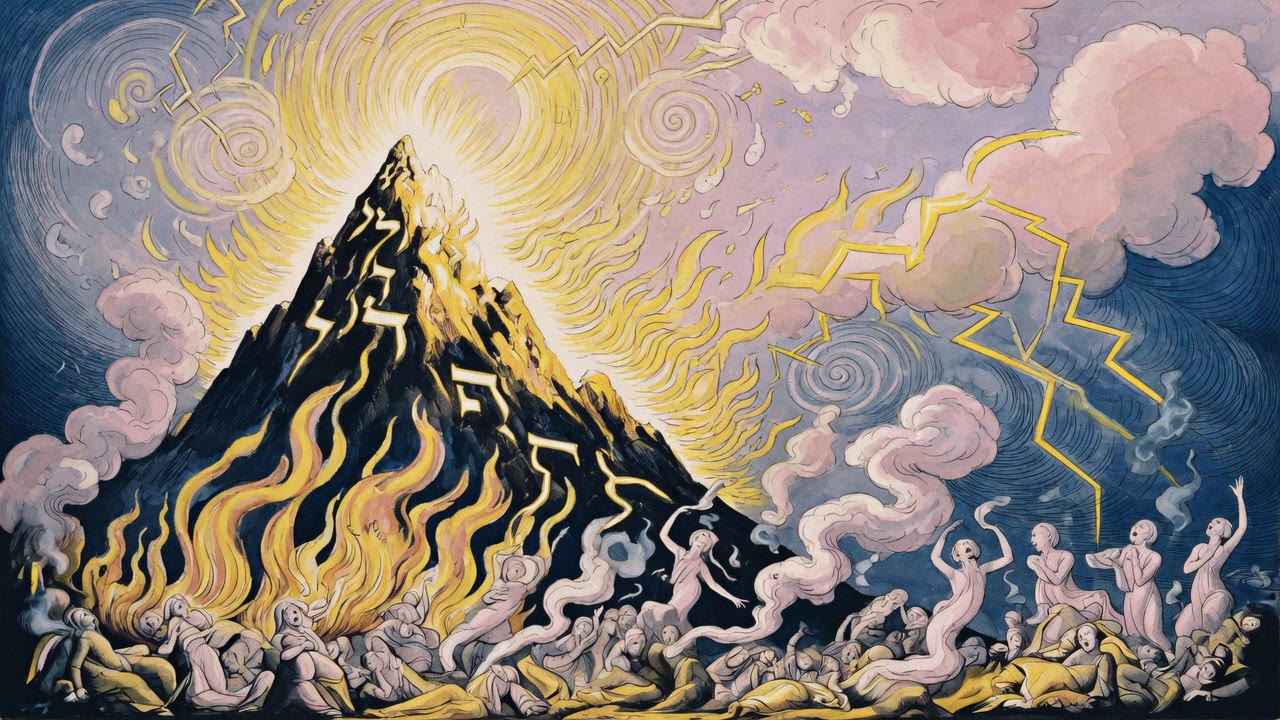
Open any Torah scroll and you see only letters and vowels. Open any printed Torah with its full apparatus and you see something the scroll conceals: small musical notations riding above and below each word, telling the chanter where to rise and where to fall, where to pause and where to press through, where a single syllable holds more weight than the word around it.
The Tikkunei Zohar treated these marks, the trop, the cantillation system codified by the Masoretes, as a second Torah running underneath the first. The sages of the great assembly hid profound secrets inside the shapes and positions of these marks, not as a code to be broken but as a music to be felt. The etnachta that signals a pause is also a pause in the sefirotic flow, the moment where the energy gathering in the upper worlds hesitates before descending. The zakef that lifts the voice is also the moment of lifting in the divine structure, the upward return of what had gone down.
When the Shekhinah (the Divine Presence) goes silent, the cantillation marks remain. They are the notation for a music that has not stopped playing, only moved to a register the unaided ear cannot hear without training.
What Remains When the Presence Goes Hidden
The Tikkunei Zohar asked directly: what do you do when heaven goes quiet? When you pray and the words rise and nothing answers? When the exile stretches and the silence where a voice used to be gets longer and louder?
The answer was: keep the Torah open. The bride in the thorns is not gone. She is present in the suffering of her presence. The Shekhinah hidden is still the Shekhinah. The divine energy that clothed itself in letter combinations when the Temple stood did not leave when the Temple fell; it clothed itself differently, in the marks above and below the letters, in the pauses between words, in the breath of every Torah reader who learned to rise and fall in the right places even when he did not know why.
This is the hardest teaching in the Tikkunei Zohar, harder than the chariot and the seven seas and the anatomy of smell. It is the teaching that exile has a grammar, and learning that grammar is not giving up on redemption but preparing for it. You read the Torah as if it were still alive, as if the marks still carried their original charge, as if the bride were only temporarily caught in the brambles and the groom's footsteps could already be heard on the road outside.
The King Messiah Waits at the Edge of the Vision
At the far edge of the Tikkunei Zohar's waiting theology stands a figure who has been preparing for longer than anyone in Israel has been suffering. The King Messiah, in this text, is not a sudden arrival. He is a presence held in readiness, in the highest reaches of the sefirotic tree, at the place where divine energy concentrates before it descends. He waits because the conditions are not yet right. He waits because the bride is still in the thorns. He waits because his arrival requires something from below before it can happen from above.
What does it require? The Tikkunei Zohar's answer is the same answer it gives to every question about exile. Learning. Careful attention to the cantillation marks. Reading the Torah as if every pause and every rise carried the weight it was given. Keeping the music alive in the period when the concert hall is empty.
The King Messiah stands at the edge of the vision. The groom is on the road. The bride is in the thorns. And the Torah, read with its full notation intact, is the sound of a door being prepared to open.
← All myths