73 myths · Page 1 of 3
Each story names the sources it was written from.
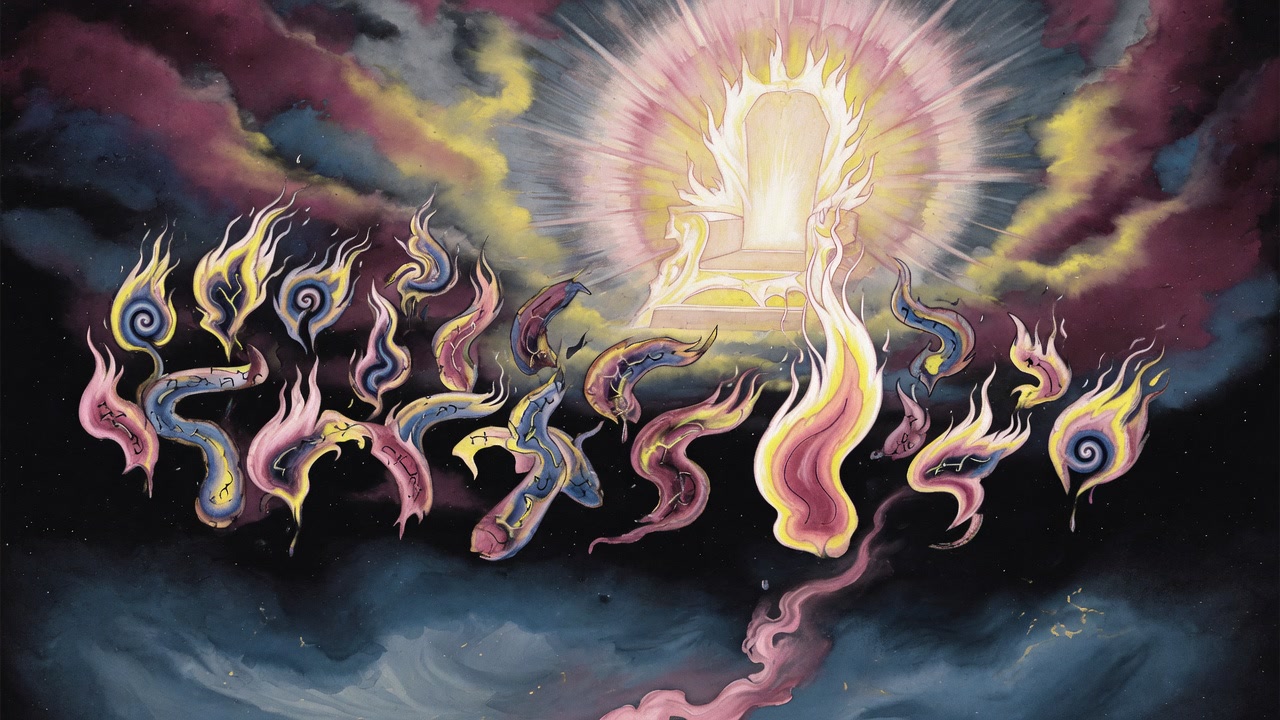
Tav claimed the first morning of the world. God sent it back. Death already sat in that letter, waiting to be pressed into a forehead.
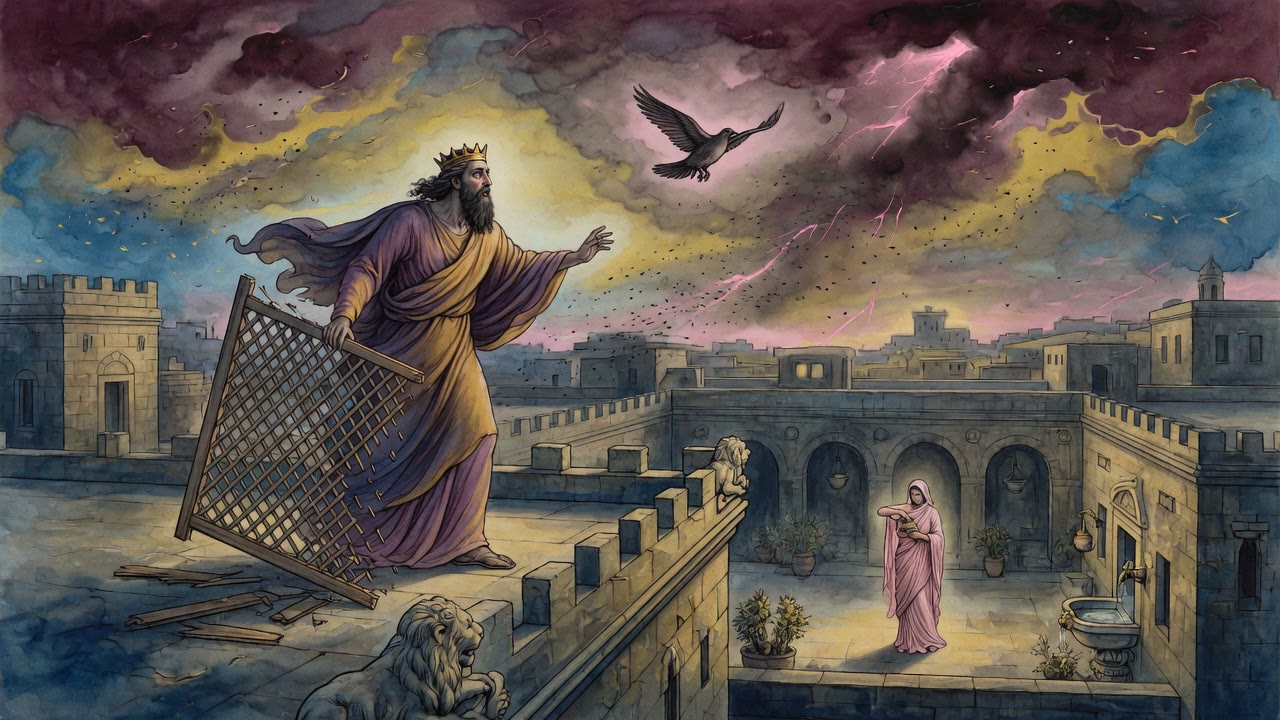
God warned him first. You will be tested, and you will fall, and it will be through a woman. David wanted the test anyway.
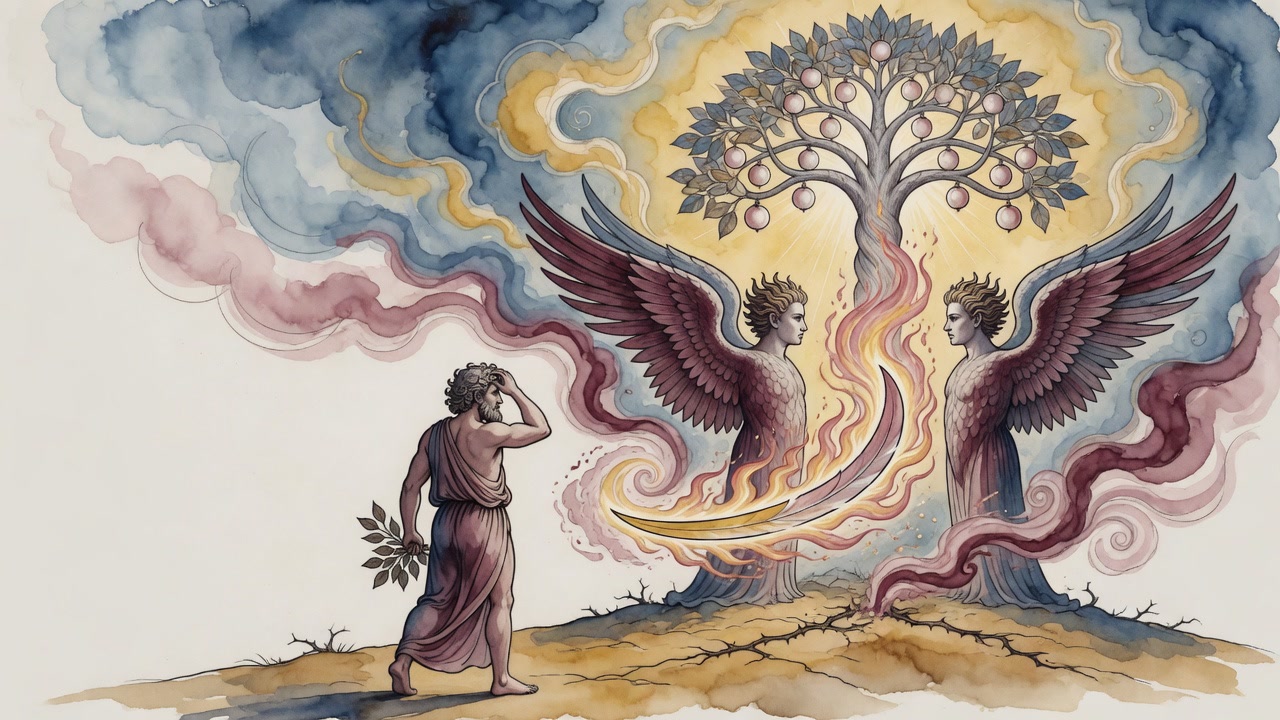
Adam stood east of the garden and watched a blade of fire turn without a hand. Two keepers breathed. The path behind them was not sealed.
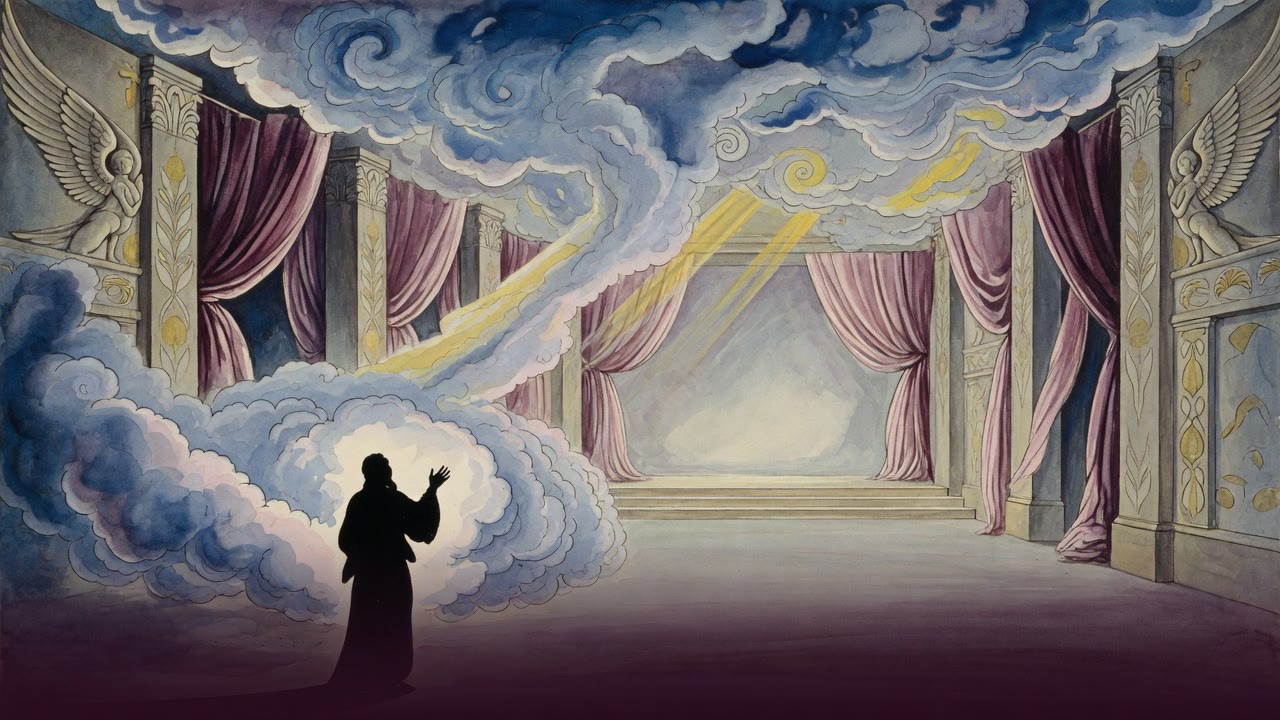
A portable tent in the desert held a sanctuary twice as large as the one Solomon built in Jerusalem. The rabbis argued about why for a thousand years.
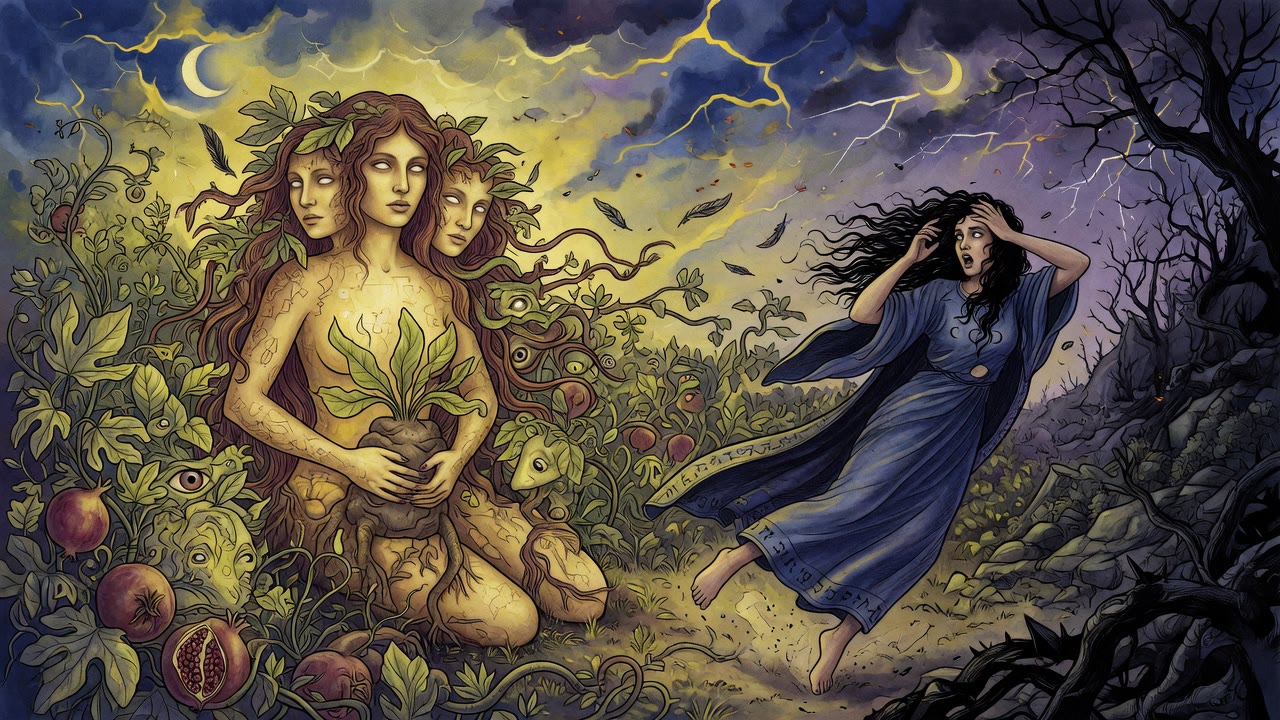
Lilith circles the newly made Adam and claims him, then sees what is attached to his back. She flees to the coasts of the sea and does not return.
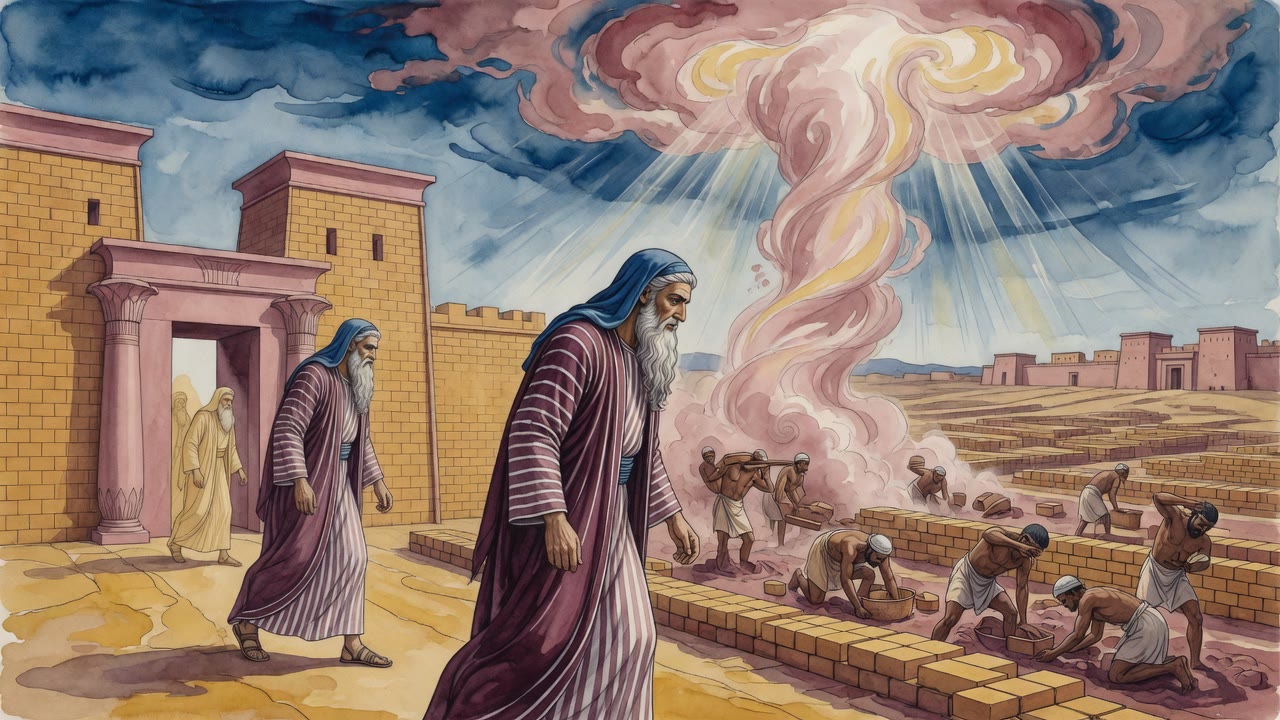
A voice from heaven said Moses had one hour remaining. He asked to live as a bird, as a beast, anything that could cross the Jordan. God refused.
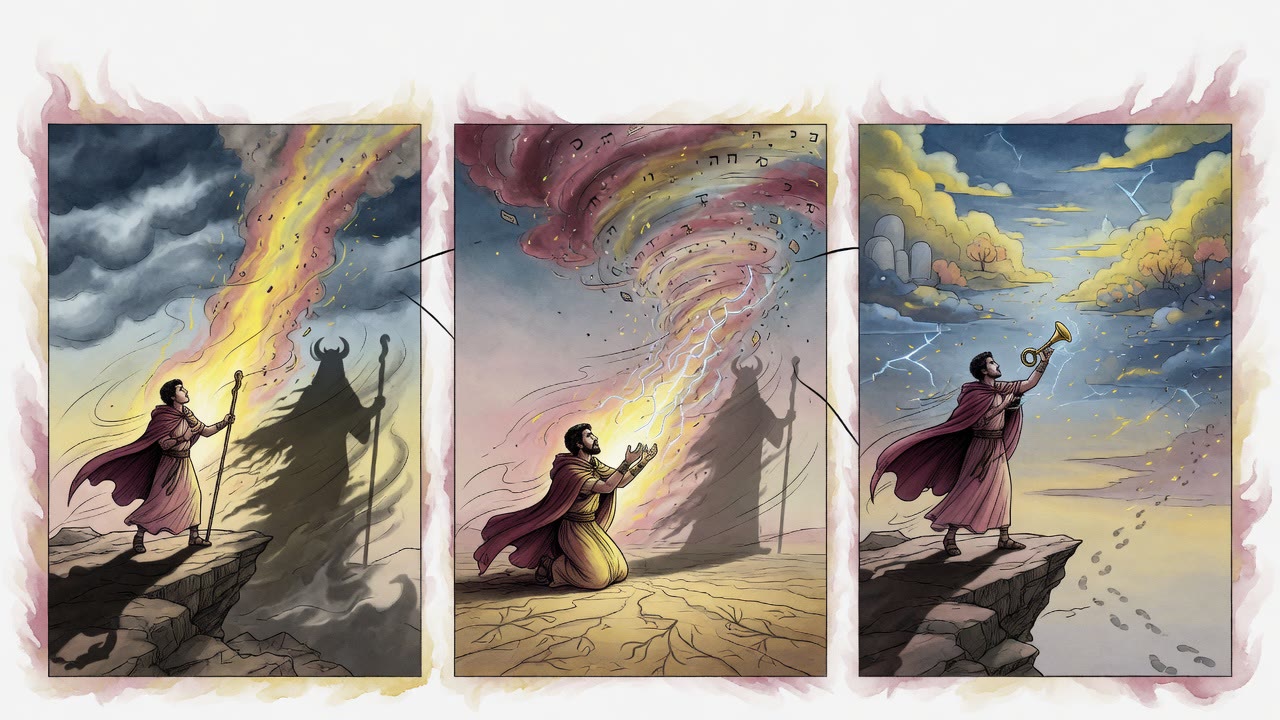
The sun refused Joshua's command at Gibeon, insisting it was older than any man. Joshua answered it, and the sun stood still.
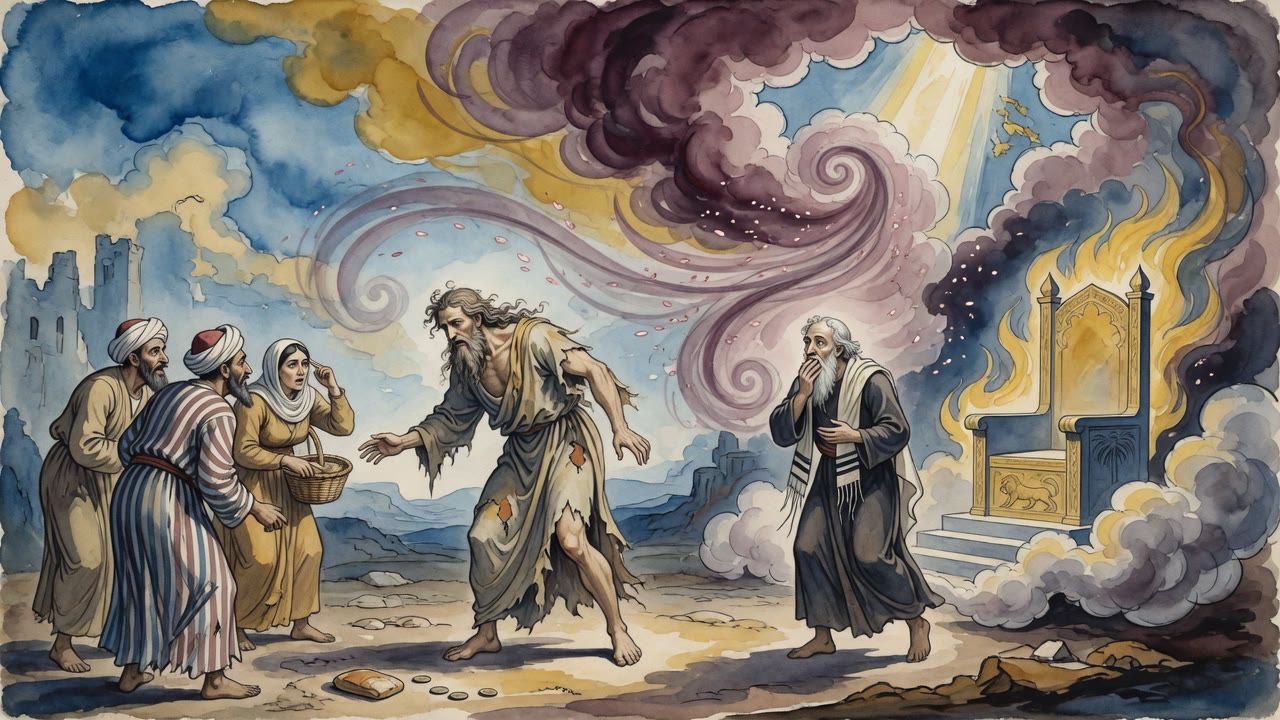
He held out his hand in a market that did not know him. The worst day was not the blank stares. It was the face that went pale.
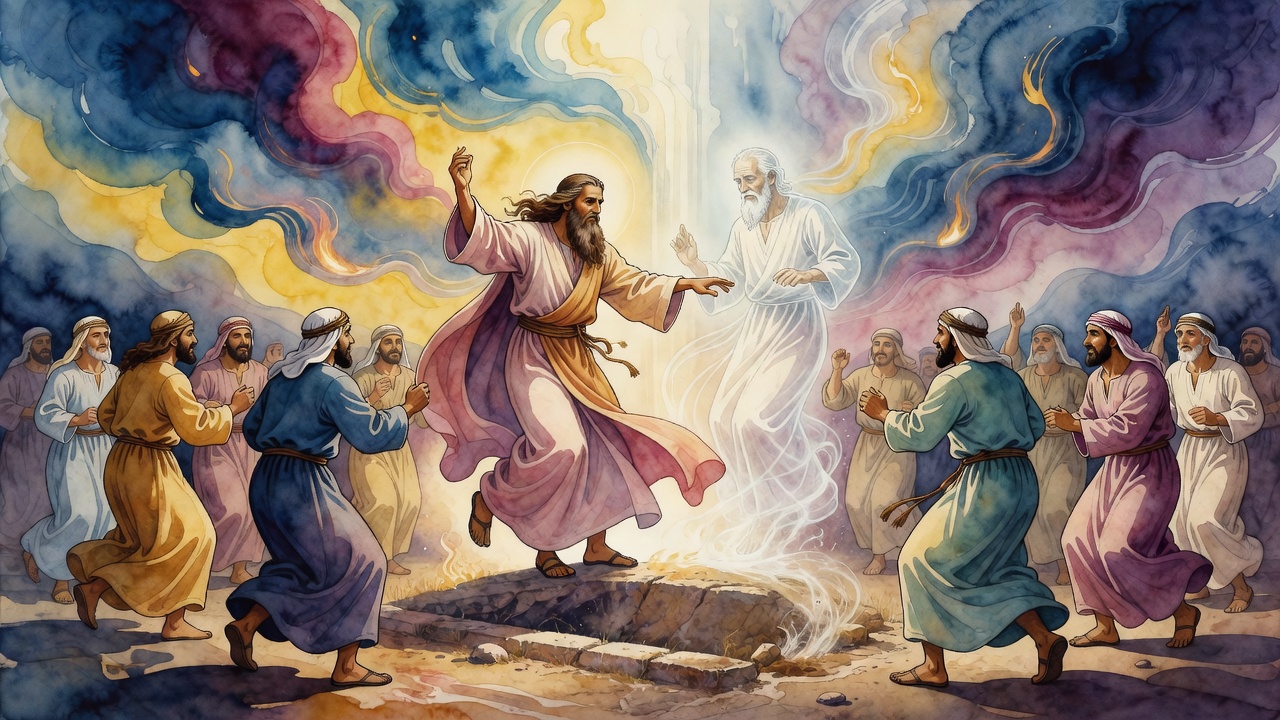
Every Lag ba-Omer, Isaac Luria led students to Shimon bar Yohai's grave to dance. One year an old man in white joined. Only the Ari recognized him.
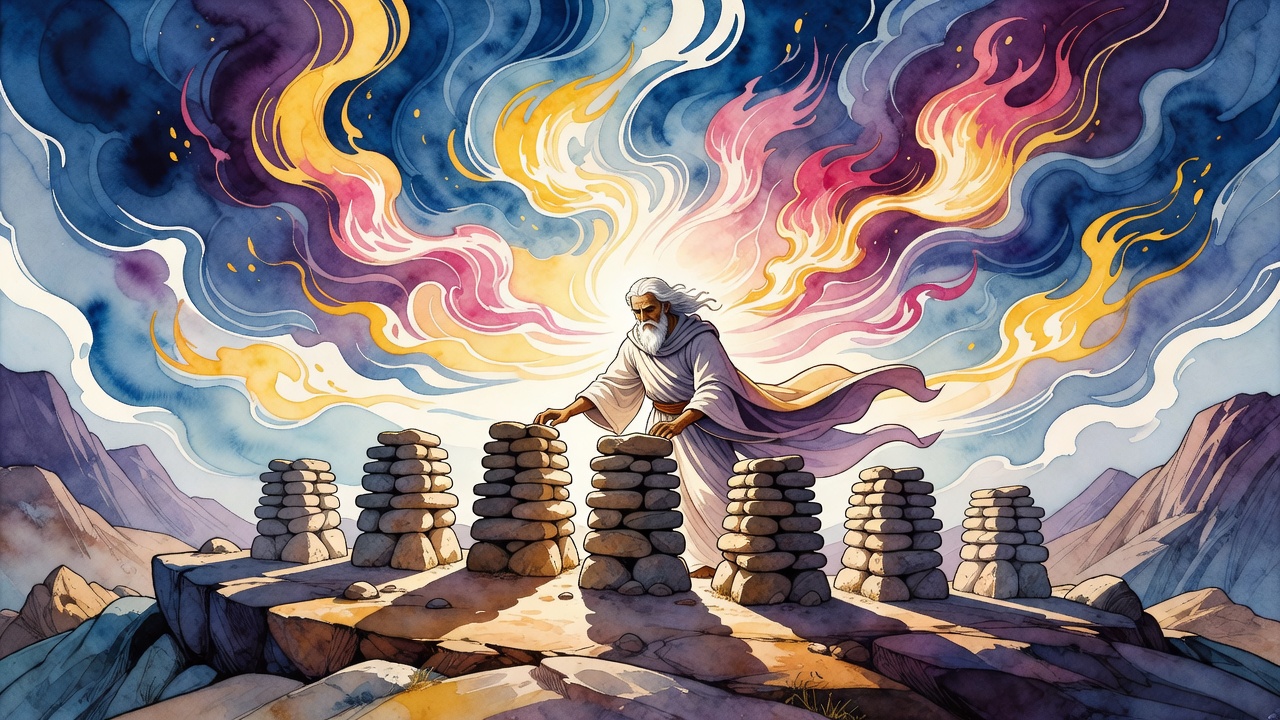
Balaam counted every altar the patriarchs had ever built, then built the same number to match their merit. God answered with a single verse about dry bread.
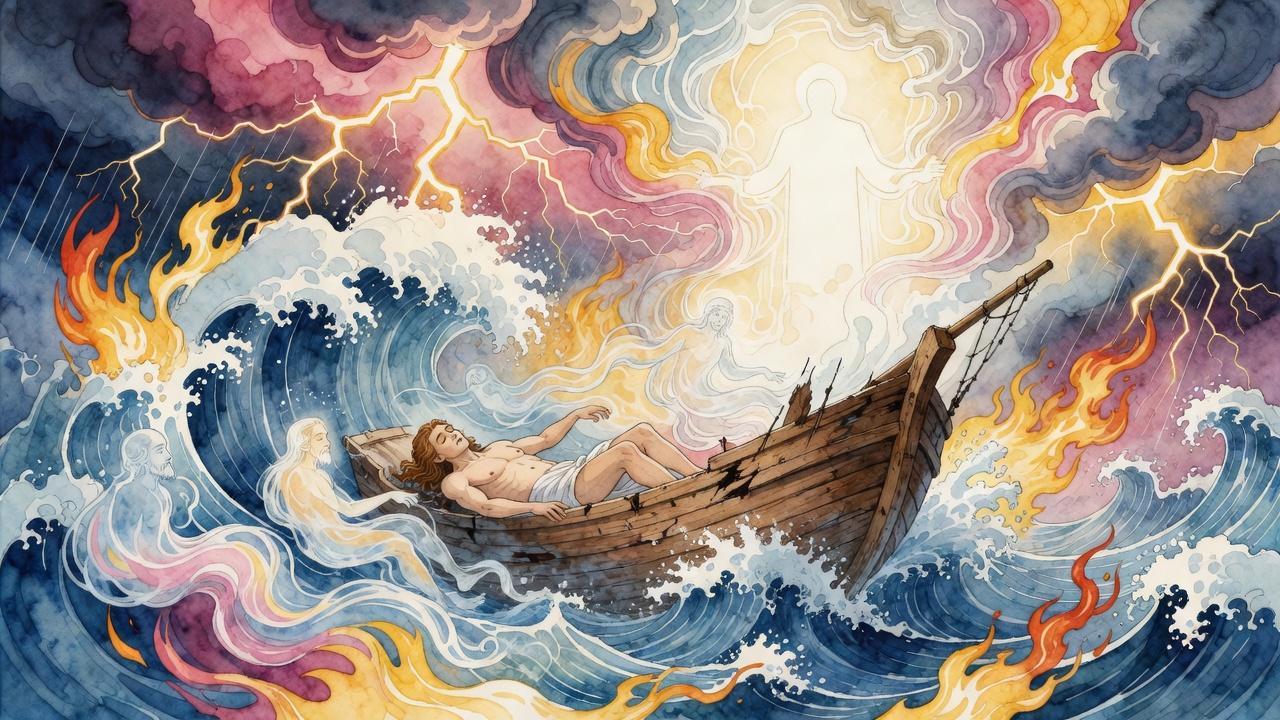
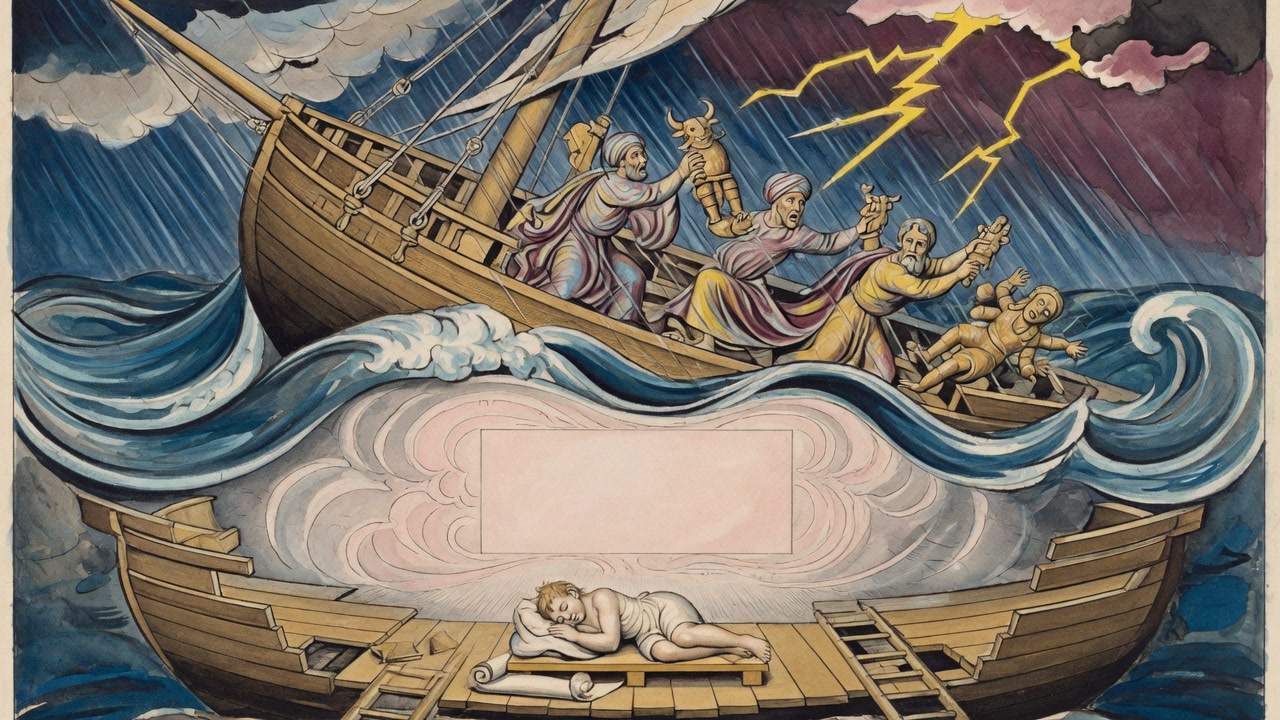
Jonah paid full fare to Tarshish and fell asleep in the storm. The Tikkunei Zohar says his three souls had separated. He slept like the dead.
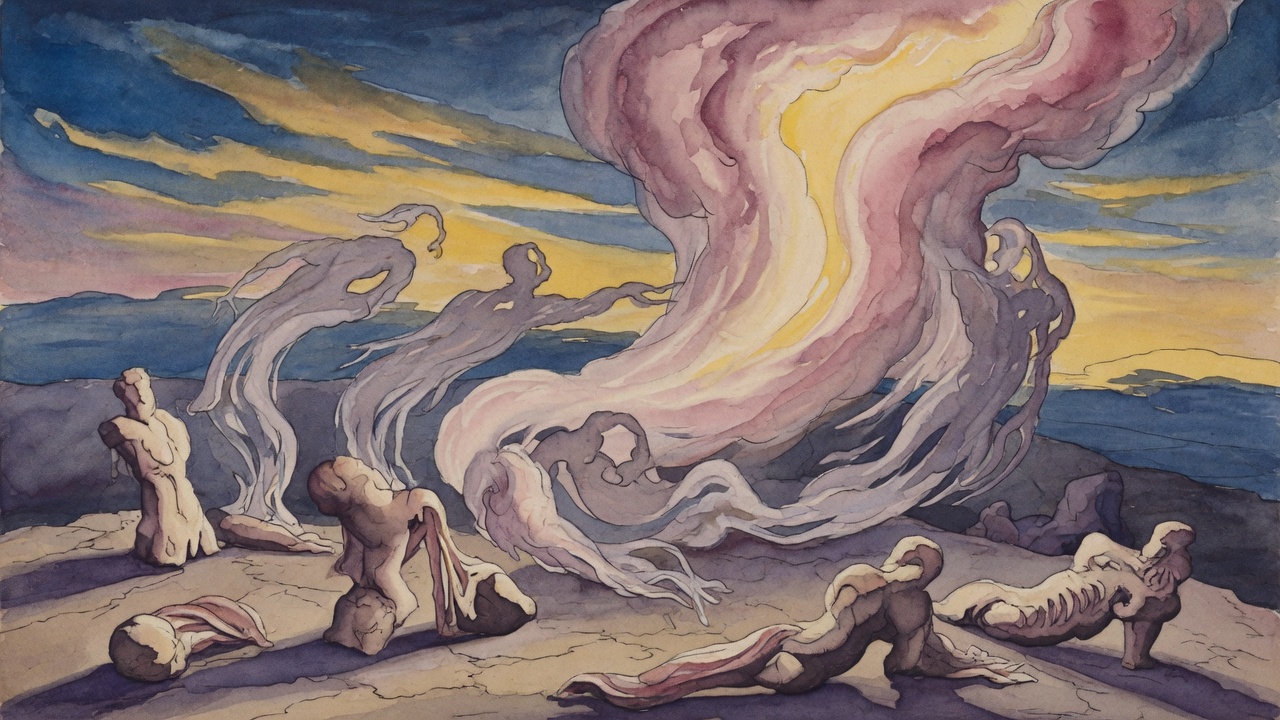
Jonah's ship was the human body. The sailors were the limbs. The captain was the heart. And the Torah was the soul that kept the whole vessel from going under.
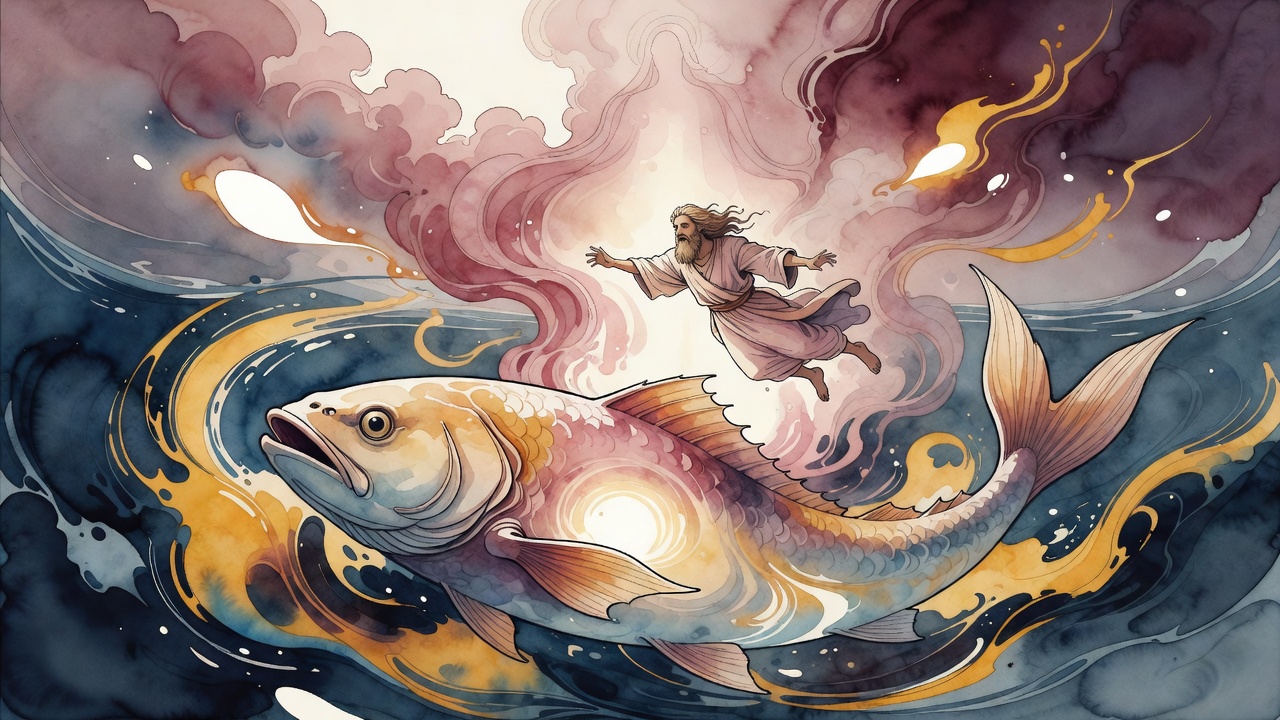
Jonah flees his mission and is swallowed by a fish the Tikkunei Zohar names as the Shekhinah, the Divine Presence, already waiting below.
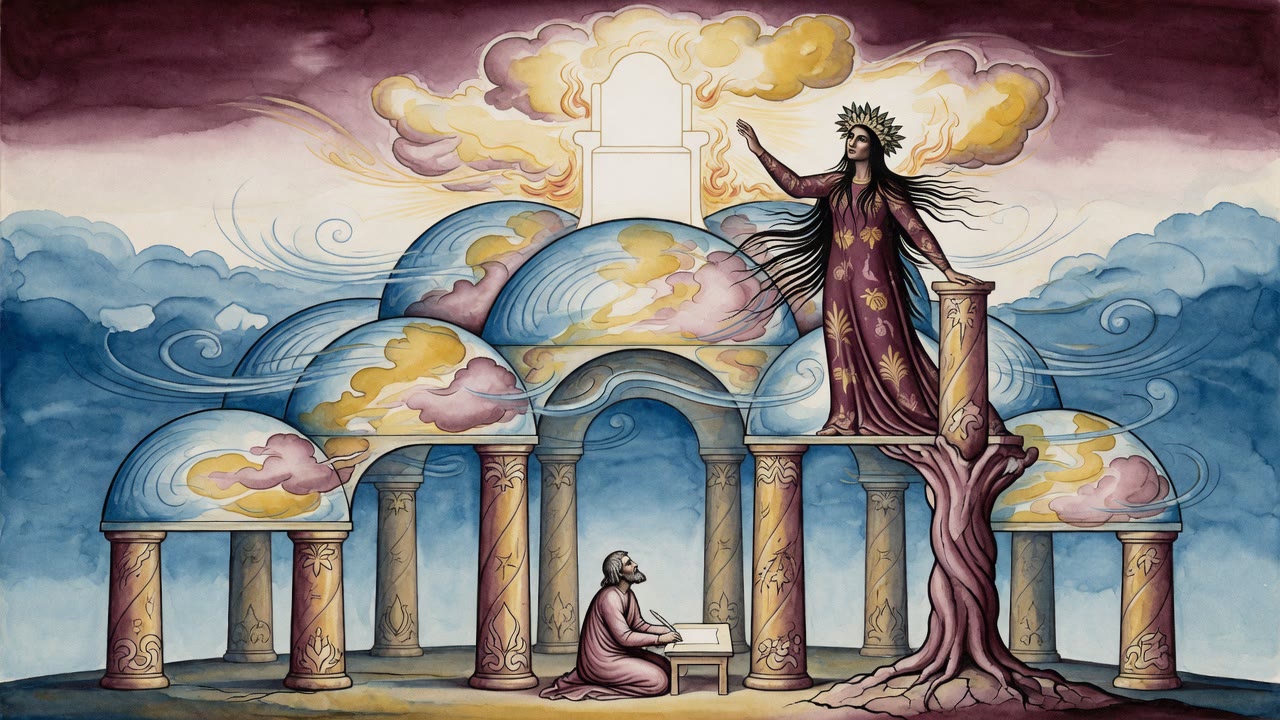
The upper waters flew up to the Throne singing. The half left underneath said woe to us and started climbing after them, and the world nearly ended.
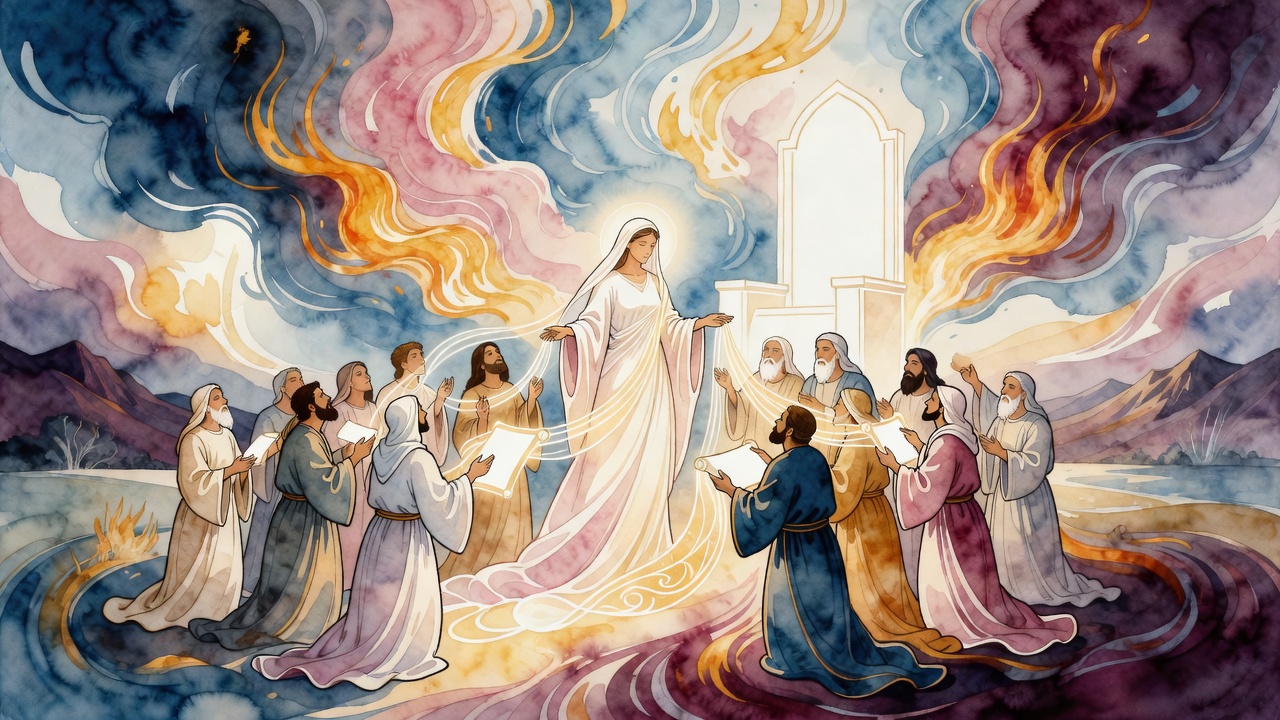
While the Temple stood, the King came down every midnight to the inner room. After it burned, His Bride went out into the road with nothing left to wear.
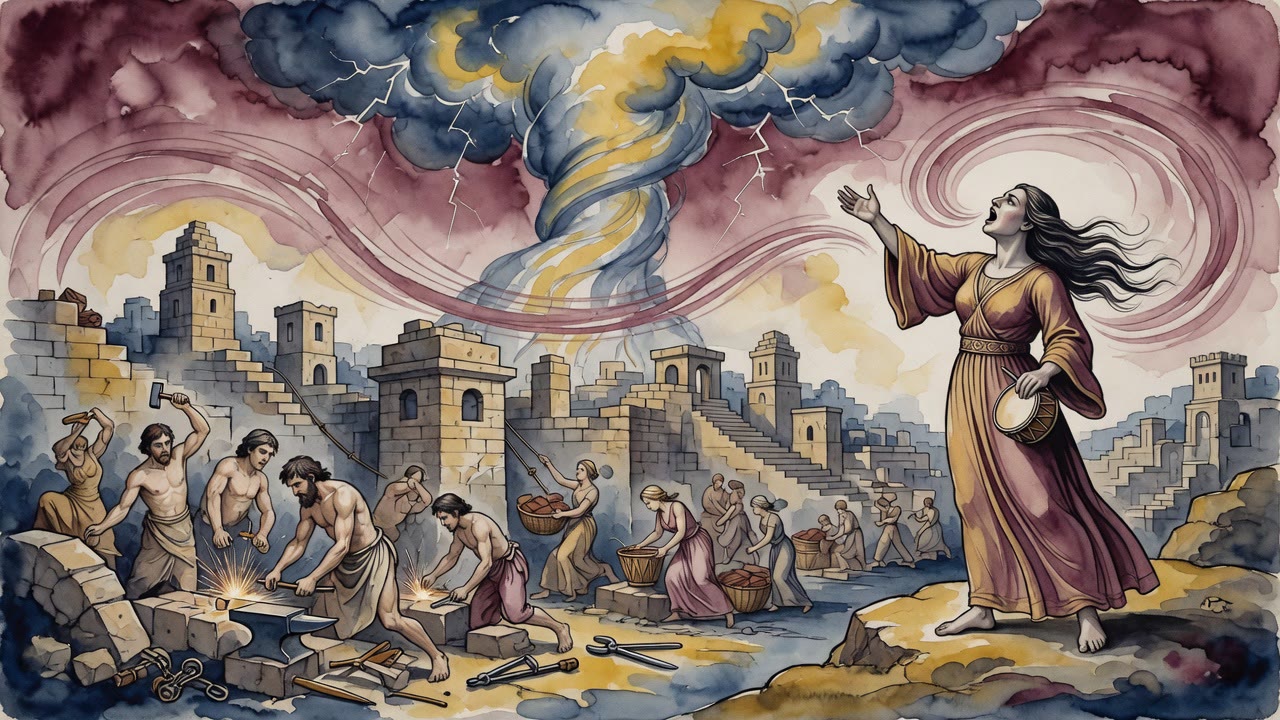
Heaven sings in layers. Stars move in praise, angels in Ma'on go silent at dawn so Israel's prayers can enter the court without competition.
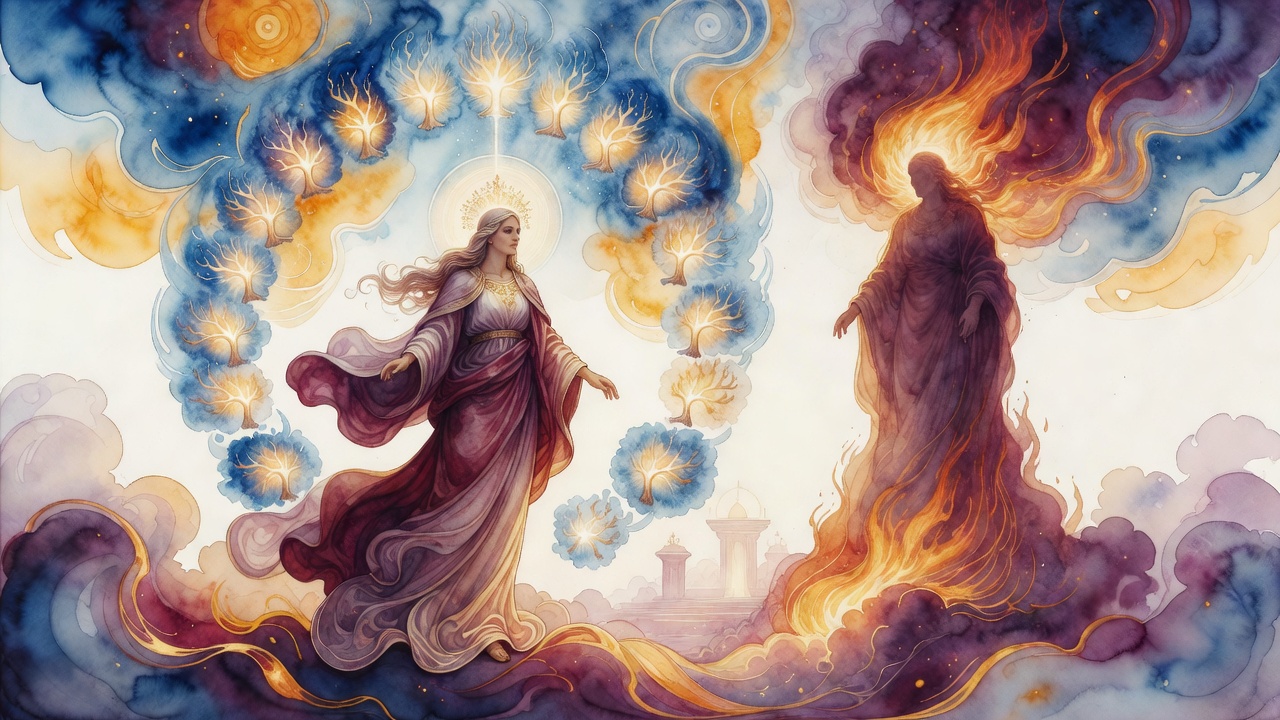
The Zohar sees Shabbat as a crowned Bride with seventy lights, adorned by commandments, escorted by the Shekhinah, the Divine Presence.
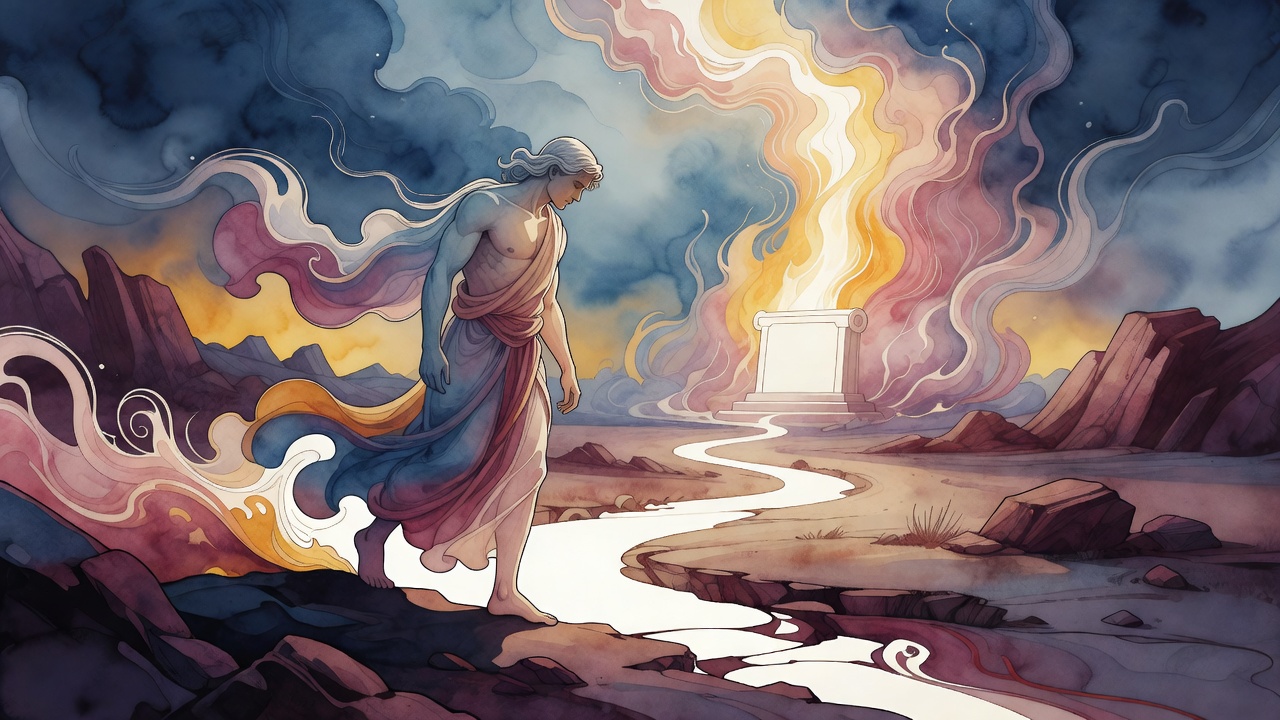
The sword met him east and west. In a country with no sun he walked into the river until the water sat under his chin and stayed there.
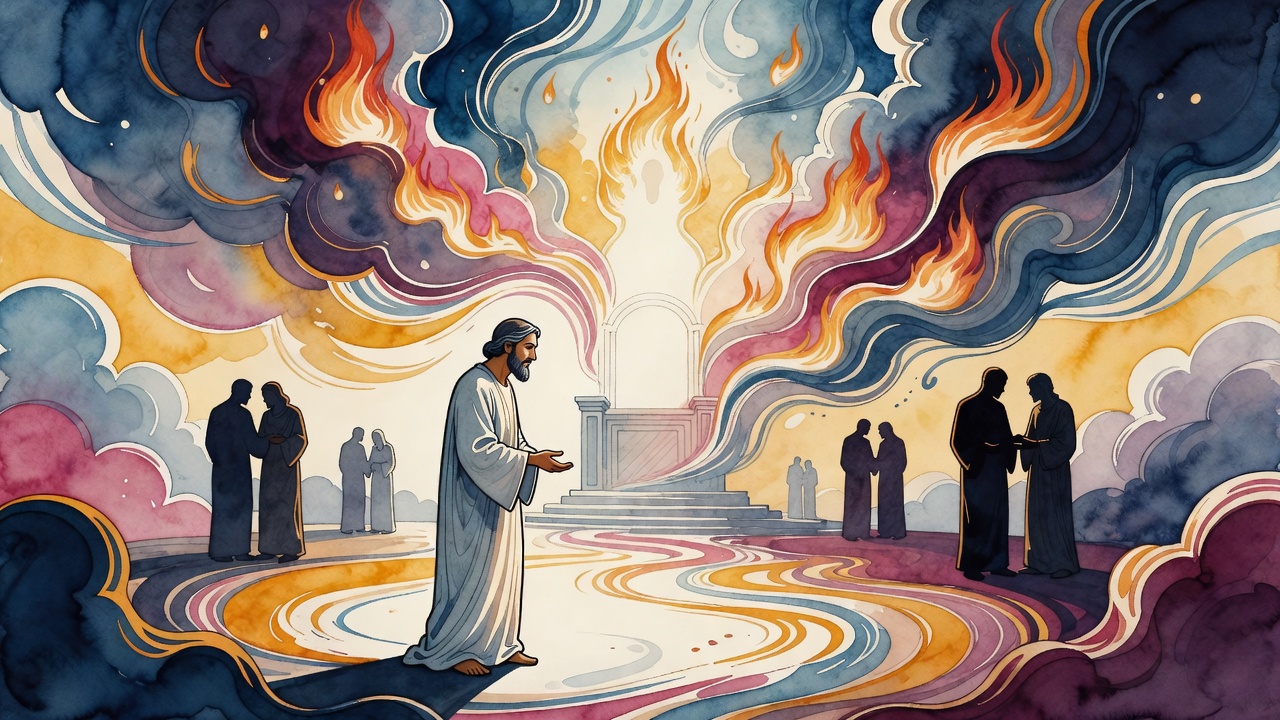
The first day of the week had the second. The third had the fourth. The fifth had the eve. The seventh counted them off and found itself standing alone.
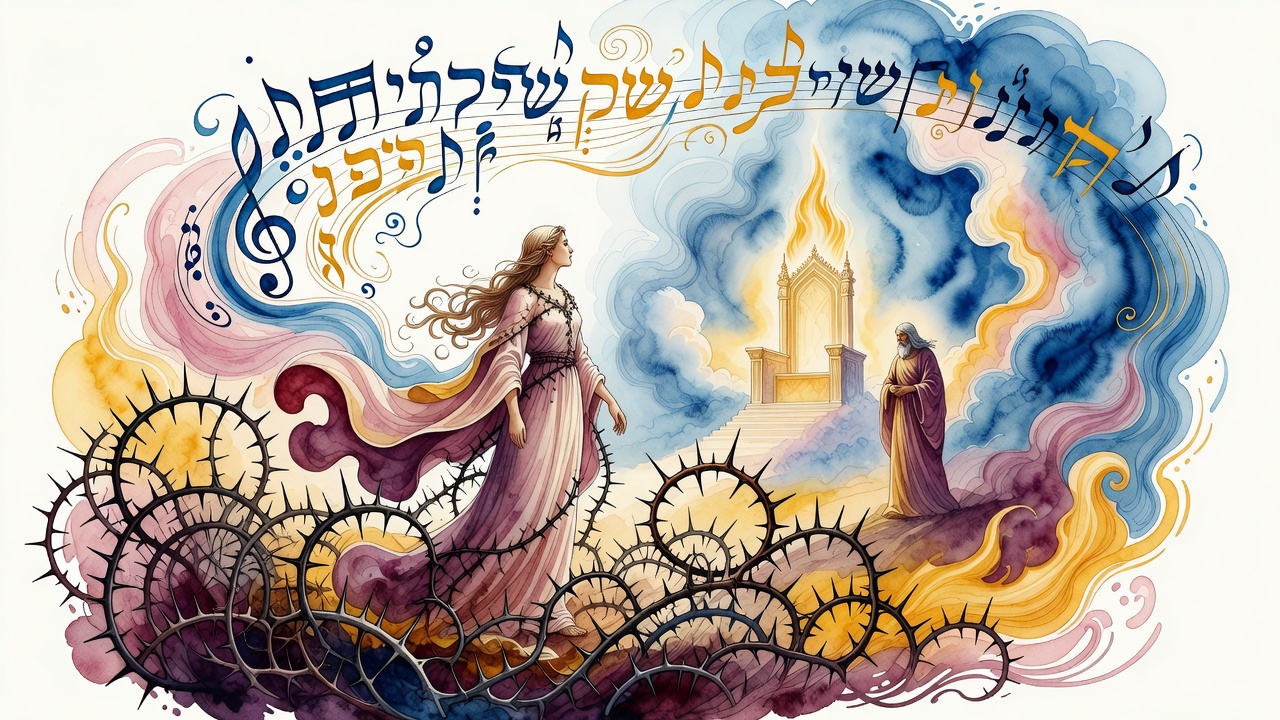
The Tikkunei Zohar teaches Jews to wait. The bride is in thorns. The cantillation marks carry secrets. The King Messiah stands just beyond the silence.
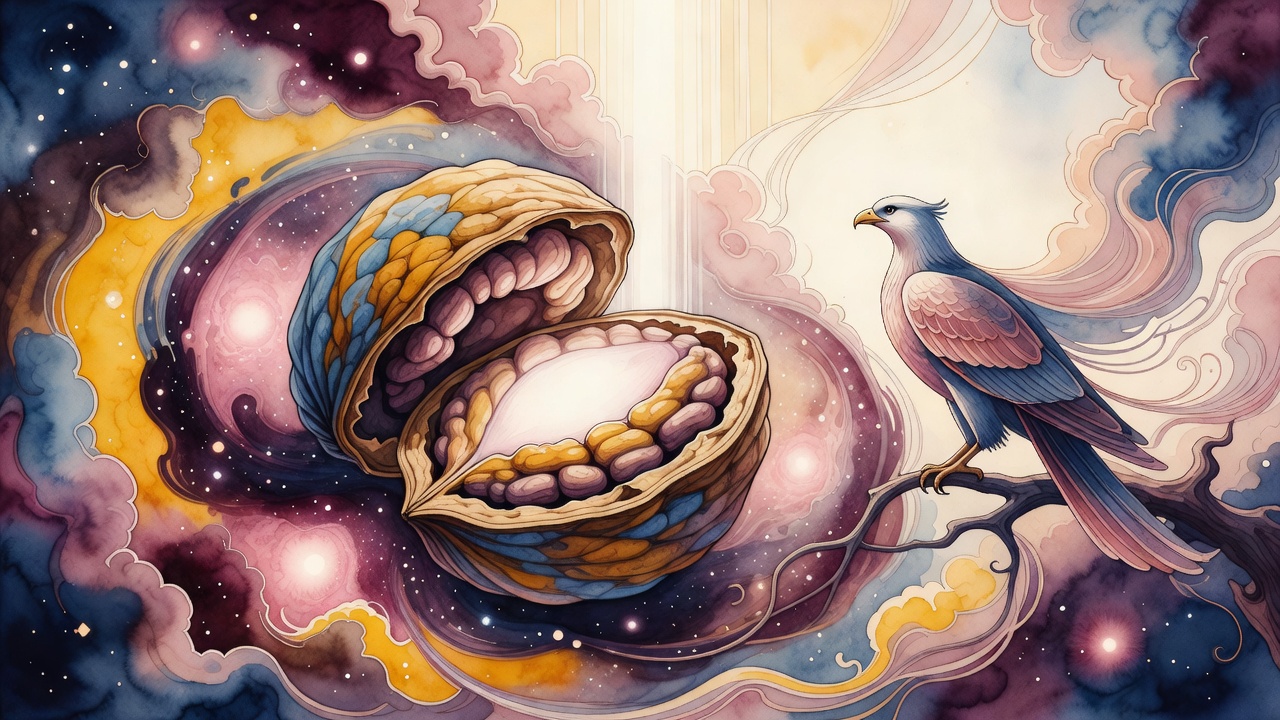
A walnut holds sweetness behind bitter layers. The mother bird sent away is the Shekhinah, the Divine Presence, learning to wait for her children.
Mystics wrote down how far it is across God's little finger. Then they said He cries when one Jew is hurt, and hides it behind shut doors.
Darkness welled up out of the Endless like shadow in folds of heavy cloth, and chaos was its child. Other sages saw one flash, an oak inside an acorn.
At the Sea He thundered as a young warrior, at Sinai He came slow and old, and the mystics swore the two faces hid one unchanging maker.
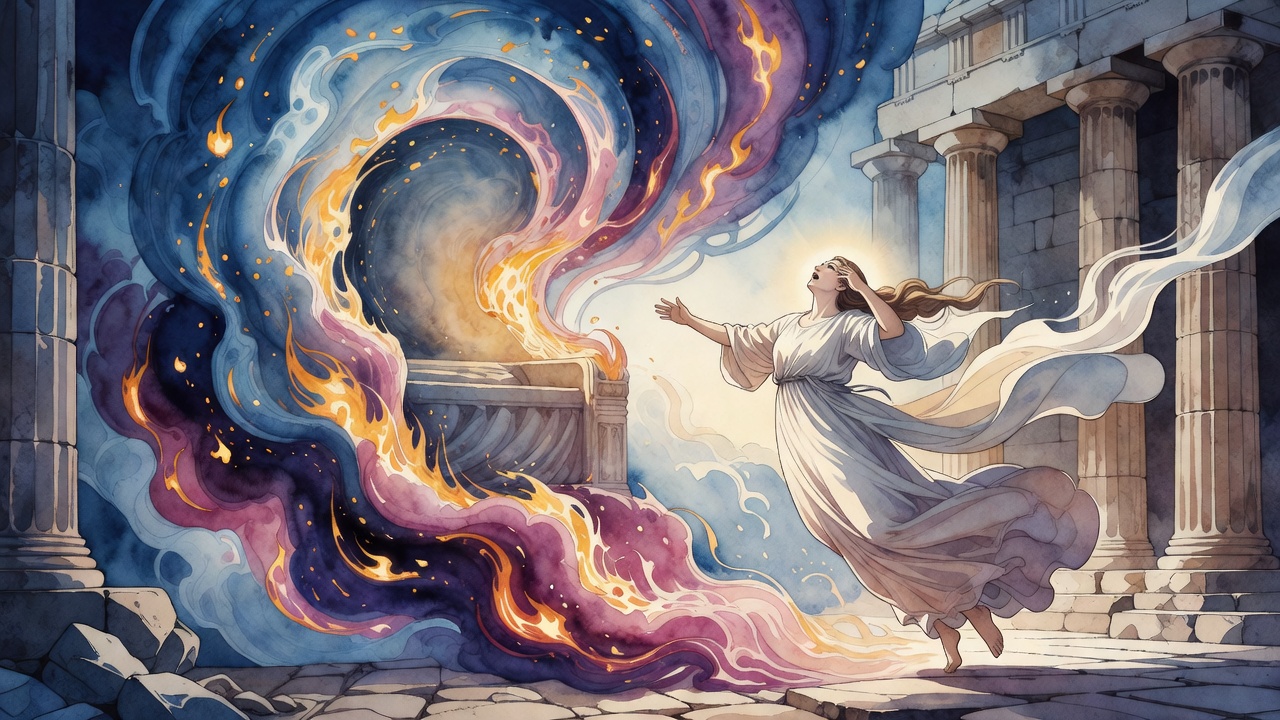
The Shekhinah, the Divine Presence, had led no revolt and carried no guilt. God reached for her anyway, and she wept the whole way down through the spheres.
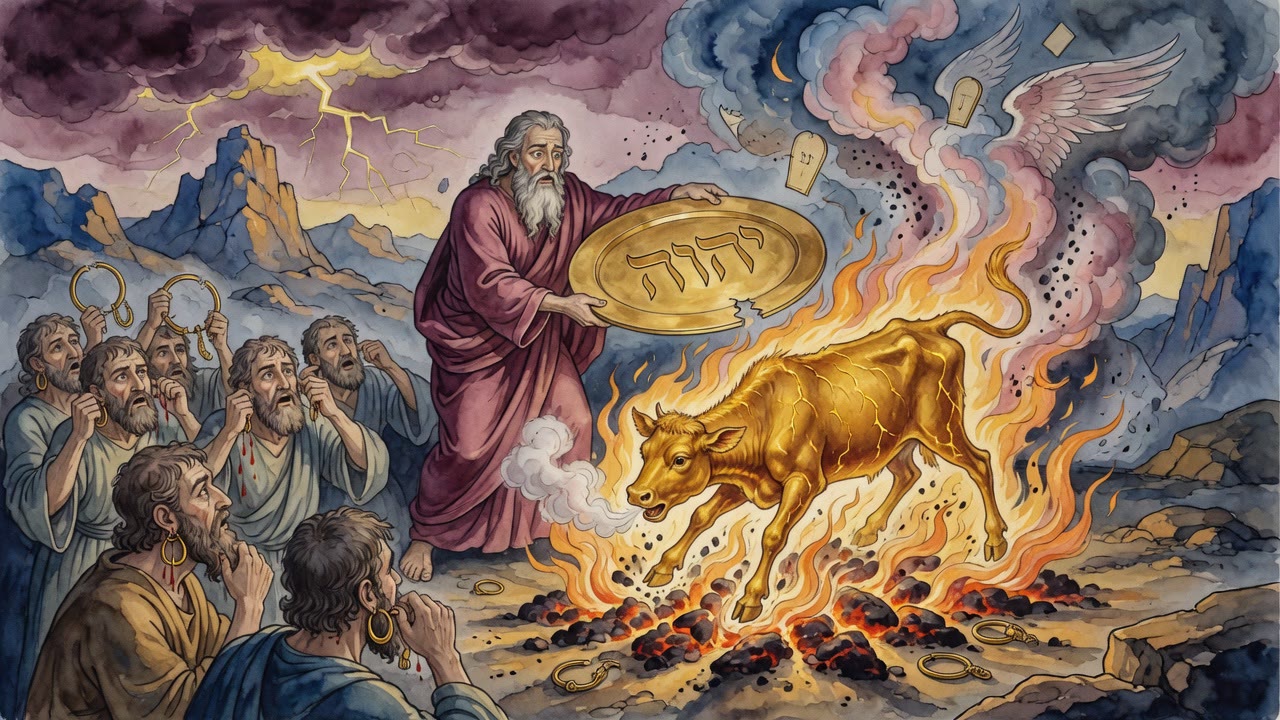
Priests knelt and tied gold around his ankle. He took nine steps into the inner room. Outside, a nation watched the slack line.
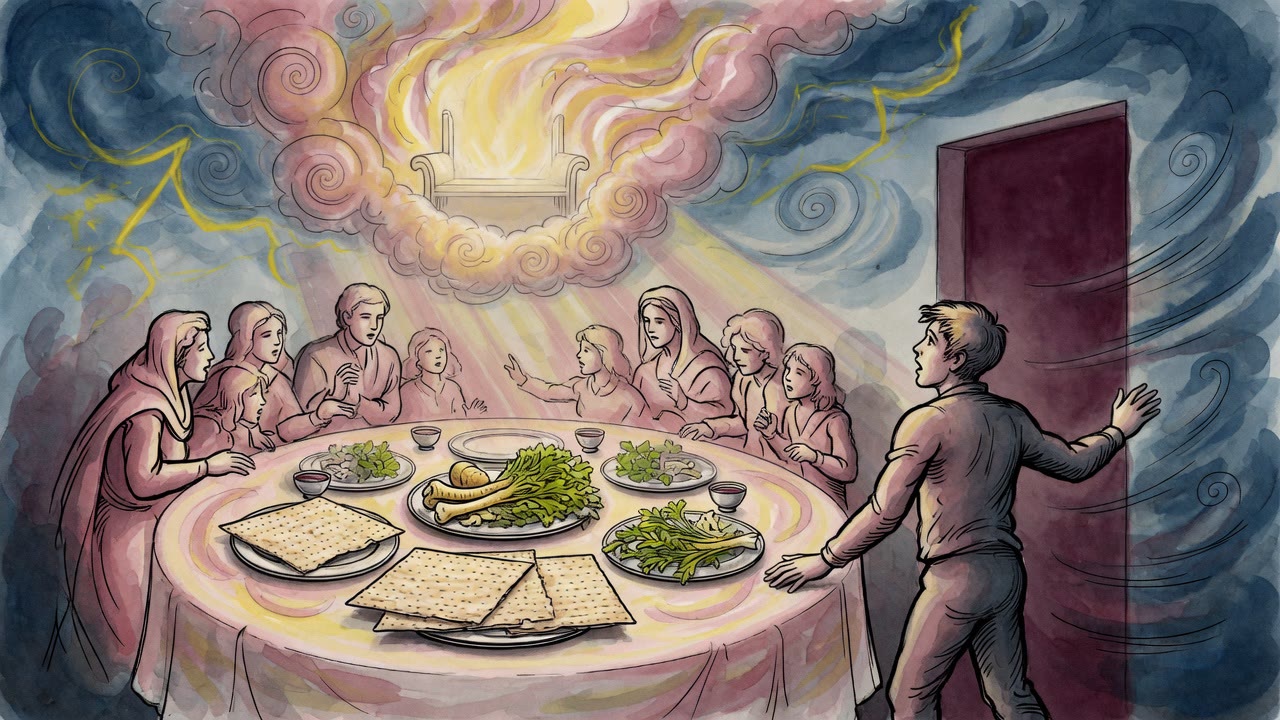
The plate held matzah and maror. A son asked what the work was to them. The father answered with a night that no longer named him.
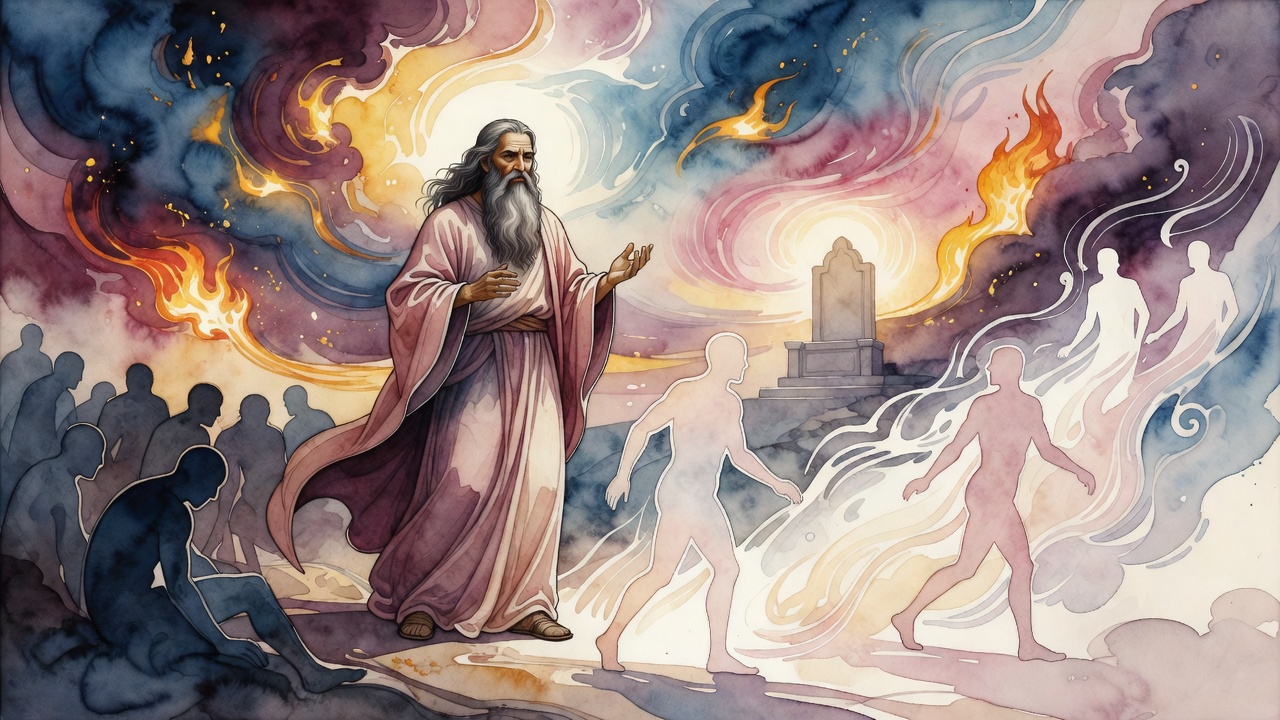
The students wanted the dead man's full wage counted while he was still warm. Rav Chiya waits. He left the ledger closed.
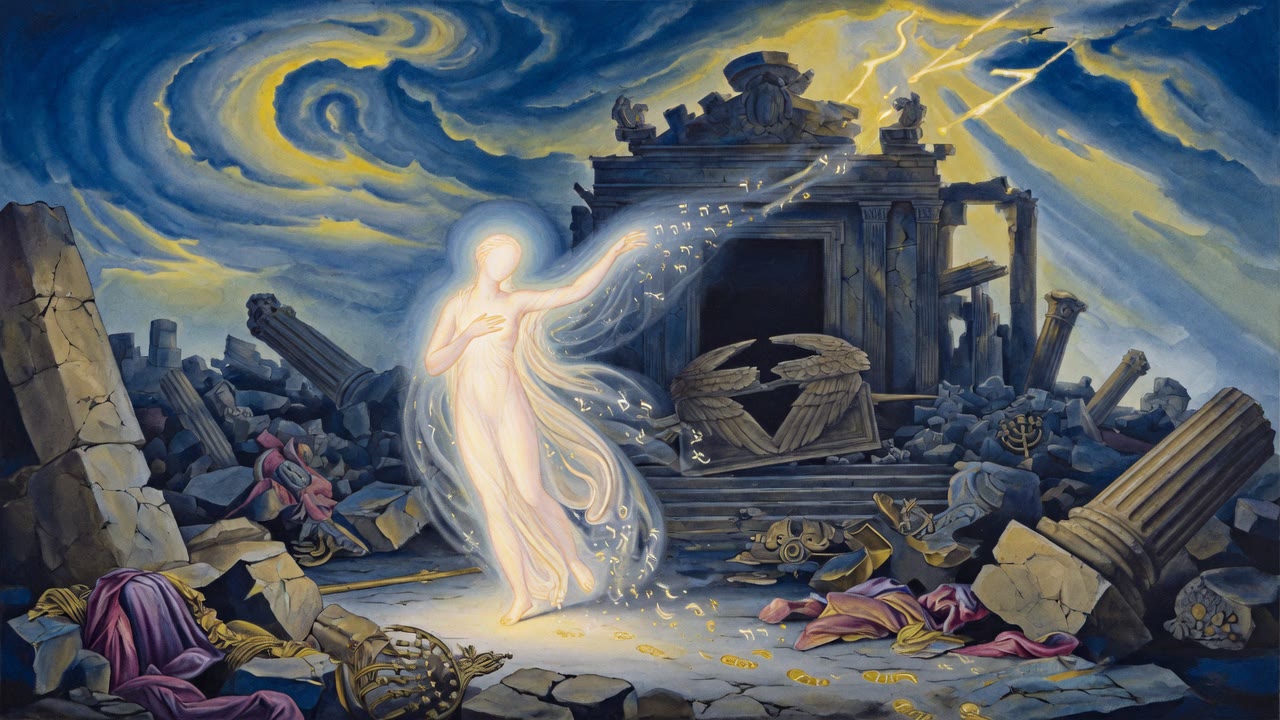
Night after night the Shekhinah, the Divine Presence, descends to the empty Holy of Holies, calling for the husband who vowed never to leave her arms.
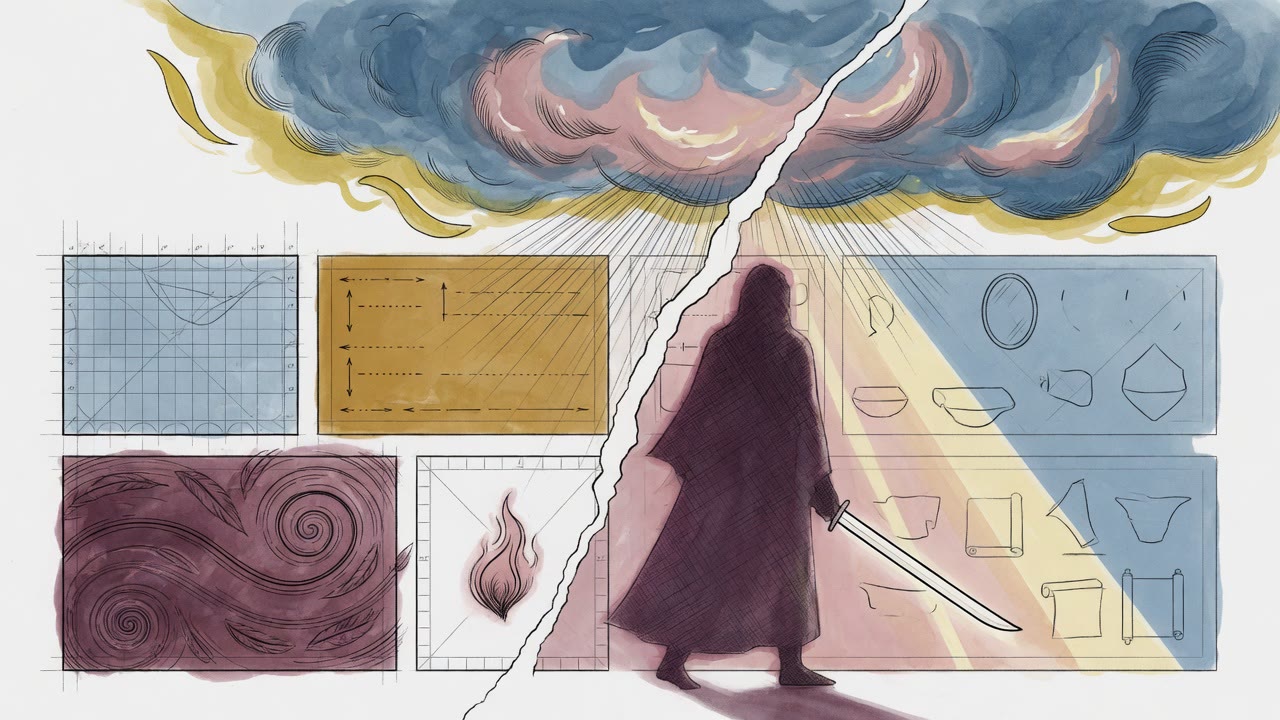
On the bed the hand still reached for the cup. The other will in him tried to bless the people in the room and ask for nothing.
