Shavuot5 min read

Twenty-Two Letters Argued Before God and Bet Won

Before creation began, every letter of the Hebrew alphabet stepped forward to plead its case for why the world should begin with it.

Curated by Arthur · Told by Maggid ·
Table of Contents
  1. The Parade of Rejections
  2. Aleph Stood Aside
  3. Why Bet Was Chosen
  4. The Letters That Build Everything

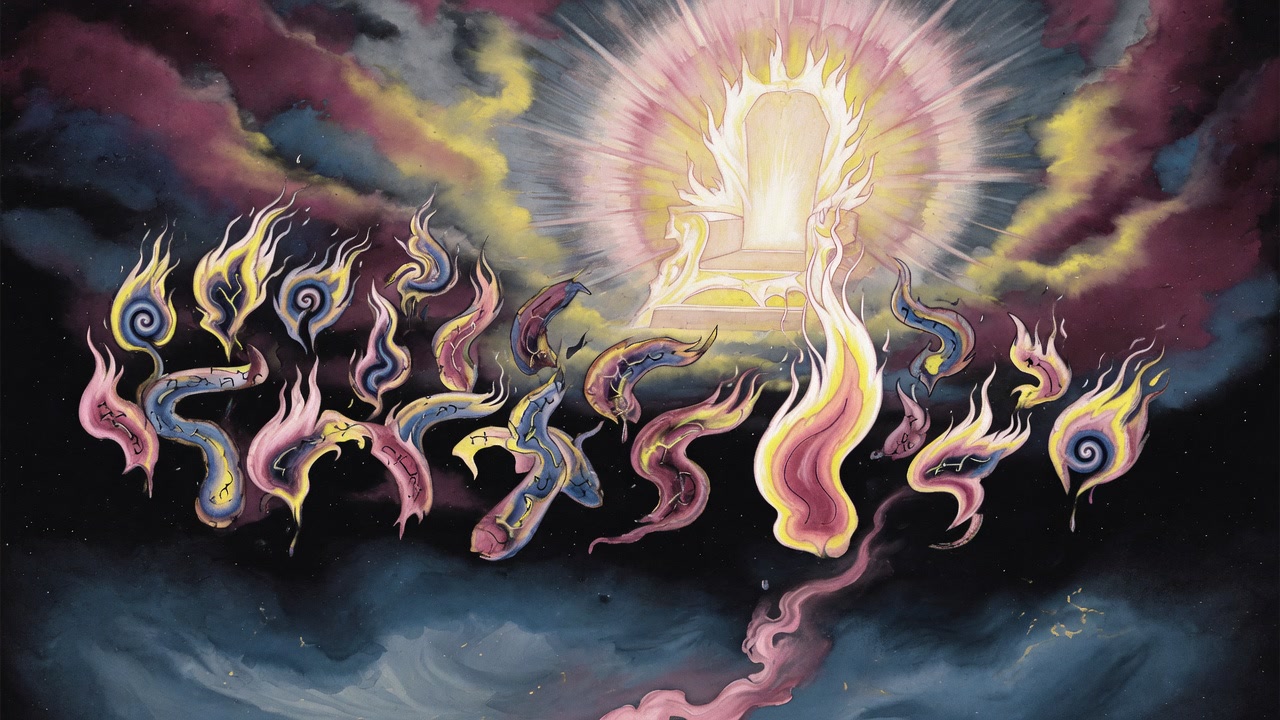
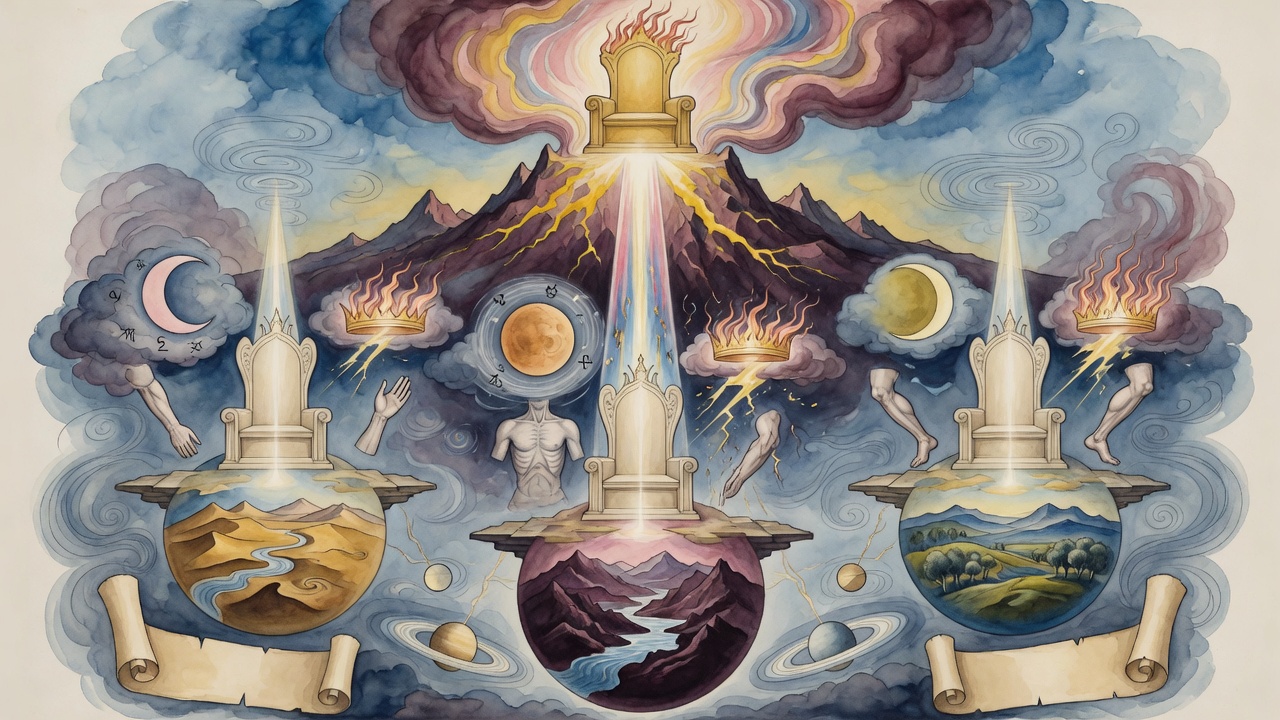
Before anything was made, the twenty-two letters of the Hebrew alphabet descended from the crown of God and lined up to make their arguments. Each one wanted the world to start with itself. Each one had reasons. God heard them all.

They came in reverse order, from Tav to Aleph. Tav was first. It argued that the Torah would be given to Israel through it, since the word for Torah ends in Tav. God said no. The problem was simpler and darker: Tav was also the first letter of the word for death. It would be pressed into the foreheads of those condemned to die. No world should begin with a letter whose most visible public use would be stamped onto the dying.

The Parade of Rejections

Shin stepped forward. It began the word Shaddai, one of God's names, and that seemed like a strong opening. But Shin was also the first letter of shav, meaning falsehood, and sheker, meaning deceit. It was dismissed. Resh began resha, wickedness. Kuf began kedalah, something dishonorable. Tzadi began tzara, affliction. Pe began pesha, transgression. Ayin began ervah, nakedness. Samekh began sanegor, accusation. Nun began nefal, fallen. Mem began mehumah, confusion. Lamed began the argument that it stood for God himself, for Lamed begins the divine title, but its crimes on earth were too many.

Each letter had the same problem. Whatever its strengths, there was a shadow attached to it, a word it also began that made it unfit to be the opening note of existence. One by one they were sent back into line.

Aleph Stood Aside

Finally Aleph, the first letter, came forward. It said nothing elaborate. It already knew it had been passed over, and it wanted to know why. God explained that Bet would be chosen, but that Aleph would receive something better. When God gave the Torah at Sinai, the first word spoken would be Anochi, I am. The first sound of divine speech to the whole people would be Aleph. The first letter of the alphabet would be the first sound God ever spoke in public.

Aleph accepted this. Its reward for stepping aside was the beginning of the Ten Commandments.

Why Bet Was Chosen

Bet won for a single word: bracha. Blessing. The world should begin with blessing, not curse, not death, not falsehood. Bet opens bracha and it also opens bayit, a house, a home. The letter itself is shaped like a room, open on one side, closed on three. Some traditions read the shape as a sign: what is behind you in time is closed off, but what is in front of you is open. Creation should face forward.

This is why the Torah begins with Bereishit, in the beginning, a word that opens with Bet. The rabbis noticed that the same letter is written unusually large in the oldest Torah scrolls, as if to make sure no one missed the deliberate choice. The world started in blessing because God could have started it in something else and chose not to.

The Letters That Build Everything

The Sefer Yetzirah, the Book of Formation, one of the earliest texts of Jewish mysticism, teaches that the twenty-two letters are not just symbols. They are the actual substance from which everything was made. God weighed them, combined them, sealed them, and from their arrangements came the sky, the earth, every human soul that ever existed or will exist. The world was not built out of matter and then described in letters afterward. The letters came first, and matter followed from them.

This means the competition was not only about which sound would open a book. It was about which principle would underlie everything. The principle God chose was blessing. Every rock and reed and human heartbeat is downstream from that choice.


← All myths

From the tradition

Sources

9 sources

The texts this telling draws on, in full. Open a card to read inline, or expand it for a wider, quieter read.

Berakhot 55 aTalmud Bavli, Berakhot

Rabbi Shmuel bar Nachmani said in the name of Rabbi Yonatan: Bezalel was called by a name that reflects his wisdom [Betzalel, read as be-tzel El, "in the shadow of God"].

Rav Yehudah said in the name of Rav: Bezalel knew how to combine the letters by which the heavens and the earth were created. It is written here: "And He filled him with the spirit of God, in wisdom, in understanding, and in knowledge" (Exodus 35:31), and it is written there: "The LORD by wisdom founded the earth, He established the heavens by understanding" (Proverbs 3:19), and it is written: "By His knowledge the depths were broken open" (Proverbs 3:20).

Rabbi Yochanan said: The Holy One, blessed be He, gives wisdom only to one who already has wisdom in him, as it is said: "He gives wisdom to the wise, and knowledge to those who know understanding" (Daniel 2:21).

Full source
Sefer Yetzirah 2:1-2, 3:1-5Sefer Yetzirah

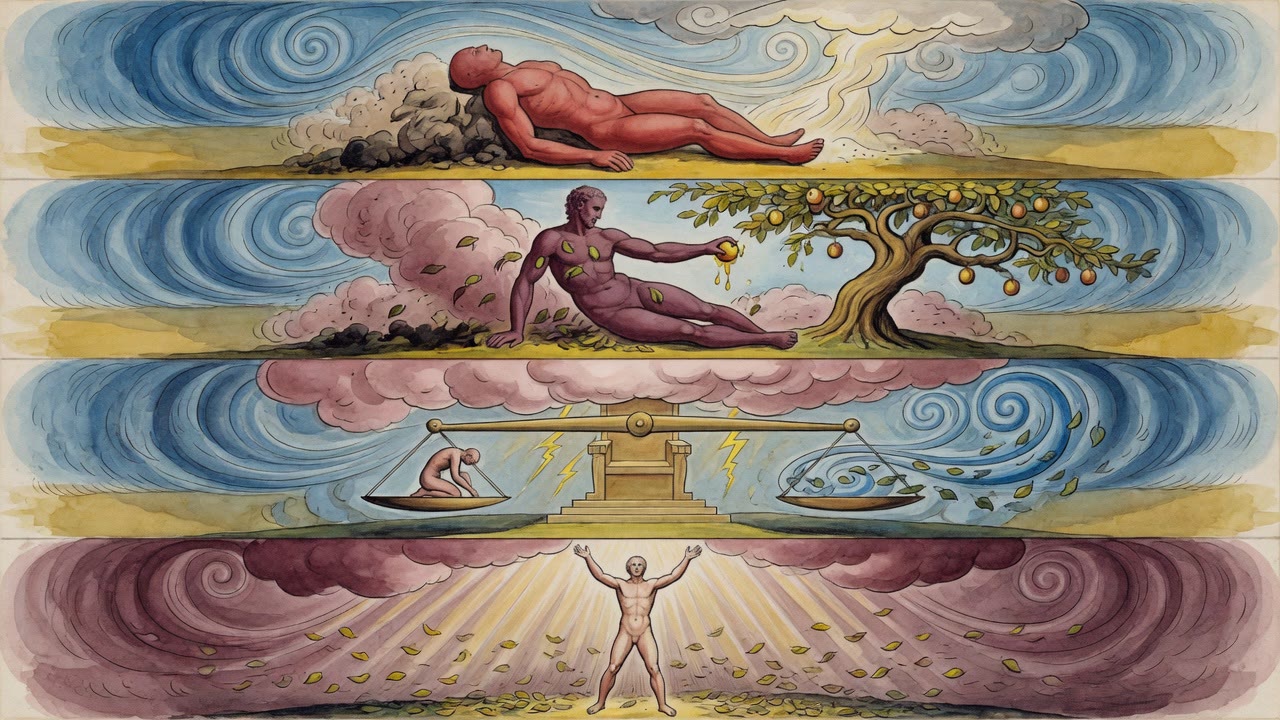
Twenty-two foundation letters: three mothers, seven doubles, and twelve simples. The three mothers are Aleph, Mem, Shin; their foundation is a pan of merit and a pan of liability, and the tongue of decree deciding between them.

Twenty-two letters: He engraved them, hewed them, weighed them, exchanged them, combined them, and through them formed the soul of all that is formed and the soul of all that is destined to be formed.

Full source
Legends of the Jews, I. The Creation Of The World, The AlphabetLegends of the Jews

There's a wild story in Jewish tradition that explains exactly why, involving a heavenly court, a lot of pleading, and even a little bit of divine disappointment.

The Legends of the Jews, as retold by Ginzberg, paints a vivid picture: Before God created the world, all twenty-two letters of the Hebrew alphabet descended from the fiery crown of God.

Each letter steps forward, making its case. Taw (ת) argues, "Create the world through me! It's through me you'll give the Torah to Israel!" But God says no. Why? Because, ominously, Taw will also be a mark of death on people's foreheads. Yikes!

Then comes Shin (ש), boasting that it starts God's name, Shaddai (שַׁדַּי). But it’s also the first letter of Shaw (שָׁוְא), "lie," and Sheker (שֶׁקֶר), "falsehood." Not a great association for the foundation of the universe. It goes on and on. Resh (ר) is for Rahum (רַחוּם), the Merciful, but also for Ra' (רַע), wicked, and Rasha' (רָשָׁע), evil. Kof (ק) begins Kadosh (קָדוֹשׁ), the Holy One, but also Kelalah (קְלָלָה), curse. Poor Zadde (צ) can't overcome the shadow of Zarot (צָרוֹת), misfortunes, even with Zaddik (צַדִּיק), the Righteous One, on its side. You get the picture.

According to Midrash Rabbah, each letter has its merits, but also its flaws. Pe (פ) is for Podeh (פּוֹדֶה), redeemer, but also Pesha (פֶּשַׁע), transgression. 'Ain (ע) starts 'Anawah (עֲנָוָה), humility, but also 'Erwah (עֶרְוָה), immorality. Samek (ס) claims God is called Samek, the Upholder of all that fall, after it. God acknowledges its importance but says, "Thou art needed in the place in which thou art; thou must continue to uphold all that fall."

Even letters closely tied to the divine face challenges. Nun (נ) introduces Ner (נֵר), “the lamp of the Lord,” but also “the lamp of the wicked.” Mem (מ) starts Melek (מֶלֶךְ), king, a title of God, but also Mehumah (מְהוּמָה), confusion. Lamed (ל) argues it's the first letter of Luhot (לוּחוֹת), the tablets of the Ten Commandments, but forgets those tablets were broken!

Kaf (כ) seems like a shoo-in with Kisseh (כִּסֵּא), God's throne, Kabod (כָּבוֹד), His honor, and Keter (כֶּתֶר), His crown. But God reminds it that He will smite His hands together (Kaf) in despair over Israel's misfortunes. Yod (י) is associated with Yah (יָהּ), God, but also Yezer ha-Ra' (יֵצֶר הָרַע), the evil inclination. Tet (ט) is identified with Tob (טוֹב), the good, but true goodness belongs to the world to come.

The letters continue their arguments. Het (ח) is the first letter of Hanun (חָנוּן), the Gracious One, but also Hattat (חַטָּאת), sin. Zain (ז) suggests Zakor (זָכוֹר), remembrance, but it's also the word for weapon. Waw (ו) and He (ה) are part of the Ineffable Name of God, too sacred for the mundane world. Dalet (ד) stands for Dabar (דָּבָר), the Divine Word, but also Din (דִּין), justice, which without love would ruin the world. And finally, Gimel (ג), despite reminding us of Gadol (גָּדוֹל), great, is rejected because Gemul (גְּמוּל), retribution, starts with it.

Finally, Bet (ב) steps forward. It pleads, "O Lord of the world! May it be Thy will to create Thy world through me, seeing that all the dwellers in the world give praise daily unto Thee through me, as it is said, 'Blessed be the Lord forever. Amen, and Amen.'"

And God agrees! "Blessed be he that cometh in the name of the Lord." And so, He created His world through Bet, as it is written, "Bereshit (בְּרֵאשִׁית) God created the heaven and the earth."

But what about Alef (א)? The story concludes that Alef, in its modesty, refrained from pushing itself forward. And God, seeing this humility, rewarded it later by giving it the first place in the Decalogue, in the Ten Commandments.

So, what does this all mean? It's more than just a quirky origin story. It suggests that creation isn't about perfection, but about balance. Every good quality has a potential shadow side. And perhaps most importantly, humility and patience can be just as powerful as ambition. Maybe, just maybe, refraining from pushing ourselves forward can sometimes lead to the greatest rewards.

Full source
Tanchuma, Bereshit 1Midrash Tanchuma

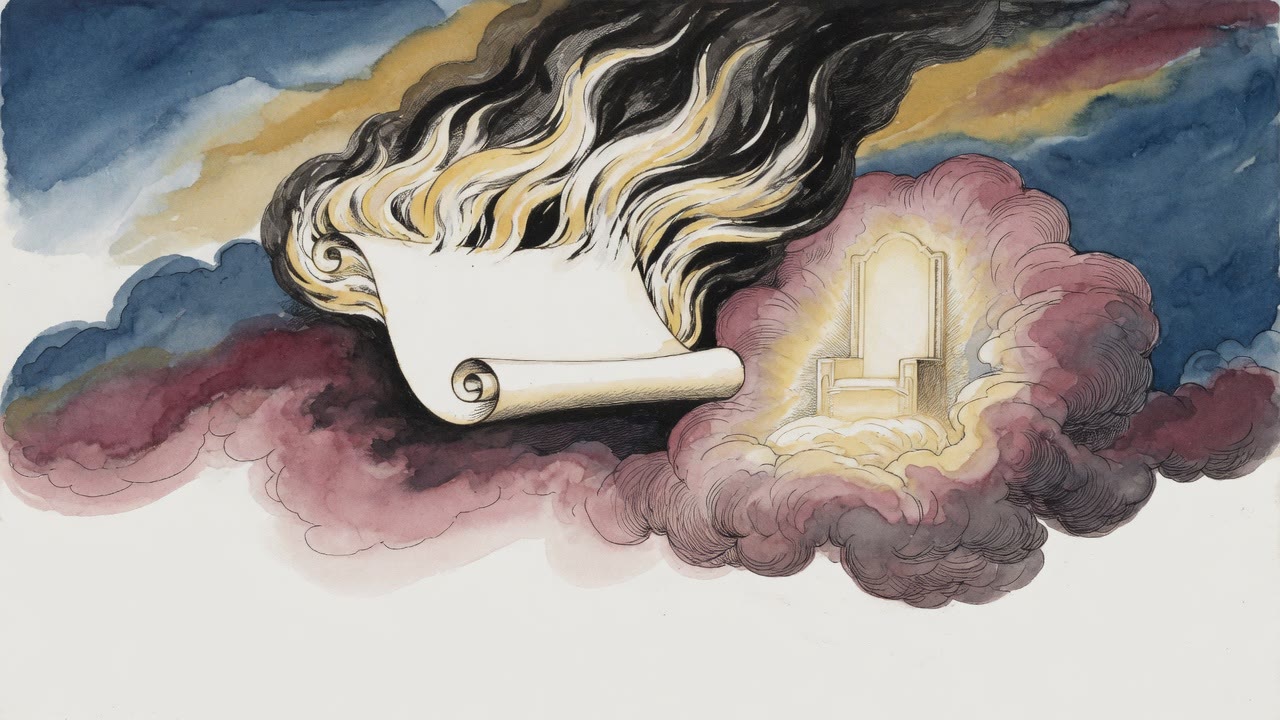
"In the beginning God created" (Genesis 1:1). This is what Scripture says: "The LORD by wisdom founded the earth" (Proverbs 3:19). And when the Holy One, blessed be He, created His world, He took counsel with the Torah and created the world, as it is said: "Counsel is mine, and sound wisdom; I am understanding, strength is mine" (Proverbs 8:14). And in what was the Torah written? Upon white fire in black fire, as it is said: "His locks are wavy, black as a raven" (Song of Songs 5:11).

What is the meaning of "His locks are wavy" (kevutzotav taltalim)? Upon every single stroke (kotz) there are heaps upon heaps (tilei tilim) of laws. How so? It is written in it: "And you shall not profane My holy name" (Leviticus 22:32). If you make the letter Het into a He [reading "praise" as "profane"], you destroy the world. "Let everything that has breath praise the LORD" (Psalms 150:6). If you make the He into a Het [reading "praise" as "profane"], you destroy the world.

And likewise, "Hear, O Israel, the LORD our God, the LORD is one" (Deuteronomy 6:4). If you make the letter Dalet into a Resh [reading "one" (ehad) as "another" (aher)], you destroy the world, as it is said: "For you shall not bow down to another god" (Exodus 34:14). "There is none holy as the LORD" (1 Samuel 2:2). If you make the letter Kaf into a Bet [reading "as the LORD" (ka-Adonai) as "there is no LORD" (b'Adonai)], you destroy the world. And if a single letter is so, all the more so the whole word. Therefore it is said: "His locks are wavy."

And the Torah was the craftsman for all the work of creation, as it is said: "Then I was beside Him, as a nursling" (Proverbs 8:30). Do not read "nursling" (amon), but rather "craftsman" (oman). And by it He stretched out the heavens and founded the earth; and by it He sealed the Ocean Sea that it should not go forth and flood the world; and by it He subdued the deep that it should not inundate the world; and by it He created the sun and the moon. You have thus learned that the world was founded upon nothing but the Torah.

Full source
Yalkut Shimoni on Torah 1:3Yalkut Shimoni on Torah

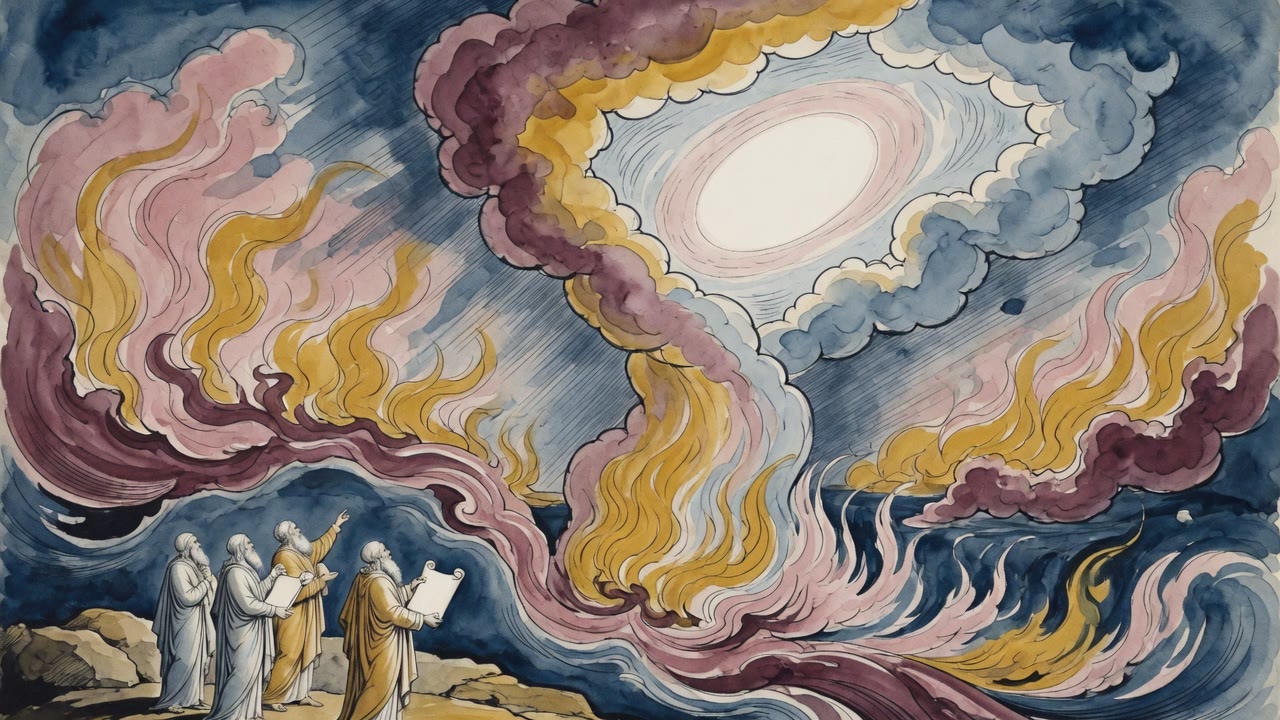
Rabbi Akiva said: These are the twenty-two letters by which the whole Torah was given, and they are engraved with a pen of flame upon the awesome crown of the Holy One, blessed be He. When He sought to create the world, they descended and stood before the Holy One, blessed be He. This one said before Him, "Create the world with me," and that one said before Him, "Create the world with me."

At first tav entered before Him and said: "Master of the universe, is it Your will that You create the world with me? For with me You are destined to give Torah to Israel through Moses, as it is said, 'Moses commanded us Torah' (Deuteronomy 33:4)." The Holy One, blessed be He, answered and said: "No, because I am destined to make a mark with you upon the foreheads of the men, as it is said, 'and mark a tav' (Ezekiel 9:4)." Immediately it went out from before Him disappointed. Afterward shin entered, and so each letter in turn.

After all of them, bet entered and said before Him: "Master of the universe, is it Your will that You create the world with me? For with me they say every day, 'Blessed be the LORD forever, Amen and Amen' (Psalms 89:52)." The Holy One, blessed be He, answered: "Yes. Blessed is he who comes in the name of the LORD" (Psalms 118:26). Immediately the Holy One, blessed be He, accepted it and created the world with bet, as it is said, "In the beginning [bereshit] God created" (Genesis 1:1).

And alef, when it saw that the Holy One, blessed be He, had accepted bet to create the world, stood off to one side and was silent until the Holy One, blessed be He, called to it and said: "Alef, why are you silent and saying nothing to Me?" Alef answered and said: "Master of the universe, because I have no strength to say anything before You. All the letters are reckoned with a greater number, and I with a small number: bet with two, gimel with three, and so all of them, but I with one." The Holy One, blessed be He, answered and said: "Alef, do not fear, for you are the head of them all like a king. You are one, and I am one, and the Torah is one, which I am destined to give through you to My people Israel, as it is said, 'I am the LORD your God' (Exodus 20:2)."

Full source
Aleph Bet of Rabbi Akiva, Version B, letter KafOtzar Midrashim, Aleph Bet of Rabbi Akiva

Afterward Kaf entered. At that hour there was a great trembling before the Holy One, blessed be He, when Kaf descended from the dreadful crown of the Holy One, blessed be He. It entered and stood before the Throne of Glory, and the throne shook, and the wheels of the Chariot seized with trembling. The Holy One, blessed be He, said to them, "Throne of Glory and wheels of the Chariot, why are you shaking?" They answered and said, "Because Kaf descended from above our head and entered and stood before You, for all our glory and honor are called only through it, as it says, 'A throne of glory, exalted from the beginning' (Jeremiah 17:12), and it says, 'They shall speak of the glory of Your kingdom,' and it says, 'May the glory of the LORD endure forever' (Psalms 104:31), and it says, 'The glory of the LORD has shone upon you' (Isaiah 60:1)."

Immediately the Holy One, blessed be He, called to Kaf and said to it, "What do you seek?" It said before Him, "Master of the universe, I seek that You create Your world with me, for through me Your throne, Your crown, and Your glory are called. From where do we know Your throne? As it says, 'Your throne is established from then' (Psalms 93:2). From where do we know Your crown? As it says, 'By me kings reign' (Proverbs 8:15). From where do we know Your glory? As it says, 'The whole earth is full of His glory' (Isaiah 6:3)."

The Holy One, blessed be He, answered and said to it, "No." It said to Him, "Why?" He said to it, "Because through you I am destined to strike My palm against My palm, as it says, 'I too will strike My palm against My palm, and I will cause My wrath to rest' (Ezekiel 21:22). Not only that, but through you Israel's eyes will be spent with tears, as it says, 'My eyes are spent with tears' (Lamentations 2:11). And shall I create My world with you?" When Kaf heard this word from the Power, it immediately went out from before Him downcast.

Full source
Otzar Midrashim, Midrashim of Rabbi Akiba, Aleph Bet of Rabbi Akiva (Version 2) 6Otzar Midrashim, Aleph Bet of Rabbi Akiva

Afterward Kuf entered and stood before the Holy One, blessed be He, and said, "Master of the universe, do You wish to create Your world with me? For through me they will call before You in the future the threefold holiness, as it says, 'And this one called to that one and said: Holy, holy, holy is the LORD of hosts' (Isaiah 6:3), and so on." The Holy One, blessed be He, answered and said to it, "No." It said to Him, "Why?" He said to it, "Because through you curses are destined to come into the world among the generation of the Flood, as it says, 'He is swift upon the face of the waters; their portion is cursed in the earth' (Job 24:18), and so on." Immediately it went out from before Him downcast.

Full source
Aleph Bet of Rabbi Akiva, Version B, letter MemOtzar Midrashim, Aleph Bet of Rabbi Akiva

Afterward Mem entered and stood before the Holy One, blessed be He. It said, "Master of the universe, do You wish to create Your world with me? For through me the inhabitants of the world are destined to say, 'Your kingdom and Your dominion are over all,' as it says, 'Your kingdom is a kingdom of all worlds, and Your dominion,' and so on (Psalms 145:13). The beginning of Your name called King is through me." The Holy One, blessed be He, answered and said to it, "No." It said to Him, "Why?" He said to it, "Because through you a day of confusion is destined to come, as it says, 'For it is a day of confusion, trampling, and bewilderment from the Lord,' and so on (Isaiah 22:5)." Immediately it went out from before Him downcast.

Full source
Aleph Bet of Rabbi Akiva, Version B, letter NunOtzar Midrashim, Aleph Bet of Rabbi Akiva

Afterward Nun entered and stood before the Holy One, blessed be He, and said, "Master of the universe! Is it Your will to create Your world with me, for with me You give a soul to the creatures in the time to come, and I am called 'lamp,' as it is said, 'The lamp of God is the soul of man' (Proverbs 27)?" The Holy One, blessed be He, answered and said to her, "No." She said to Him, "Why?" He said to her, "Because with you I am destined to extinguish the lamps of the wicked in the time to come, as it is said, 'And the lamp of the wicked will be extinguished' (Proverbs 13:9); and not only that, but with you souls pass over into Gehinnom, as it is said, 'For Topheth is set in order from of old,' etc. (Isaiah 30:33)." Immediately she went out from before Him in despondency of soul.

Full source