17 myths
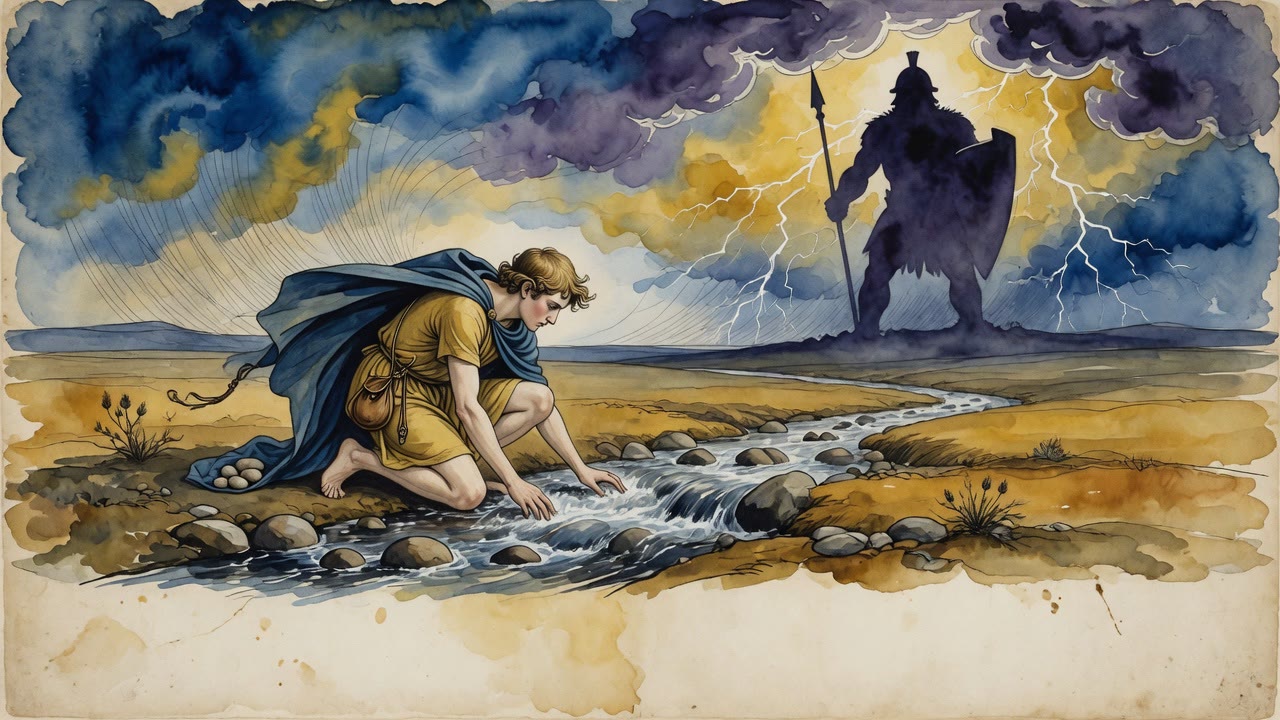
David chose five stones at the brook, but the midrash makes the whole created world hurry into his hand before Goliath fell.
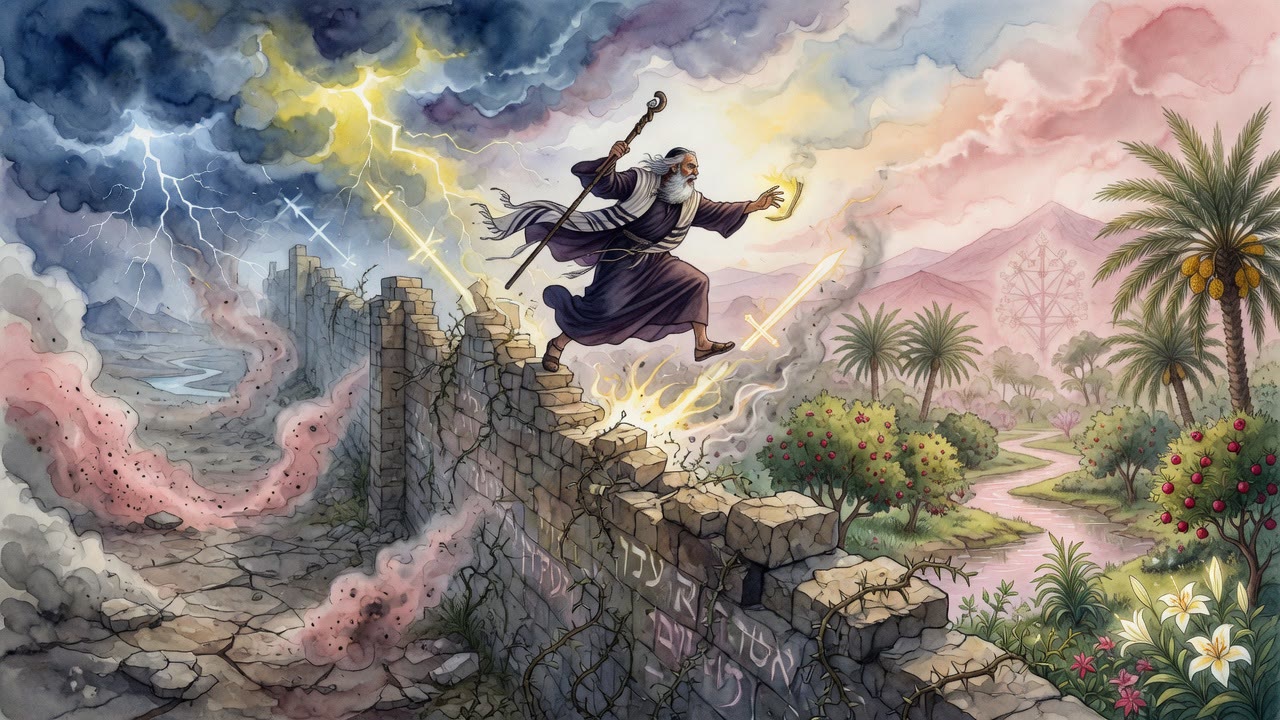
Granted one final wish by Heaven, Joshua ben Levi asked to see his place in Eden, then took the angel's knife and leaped over the wall alive.
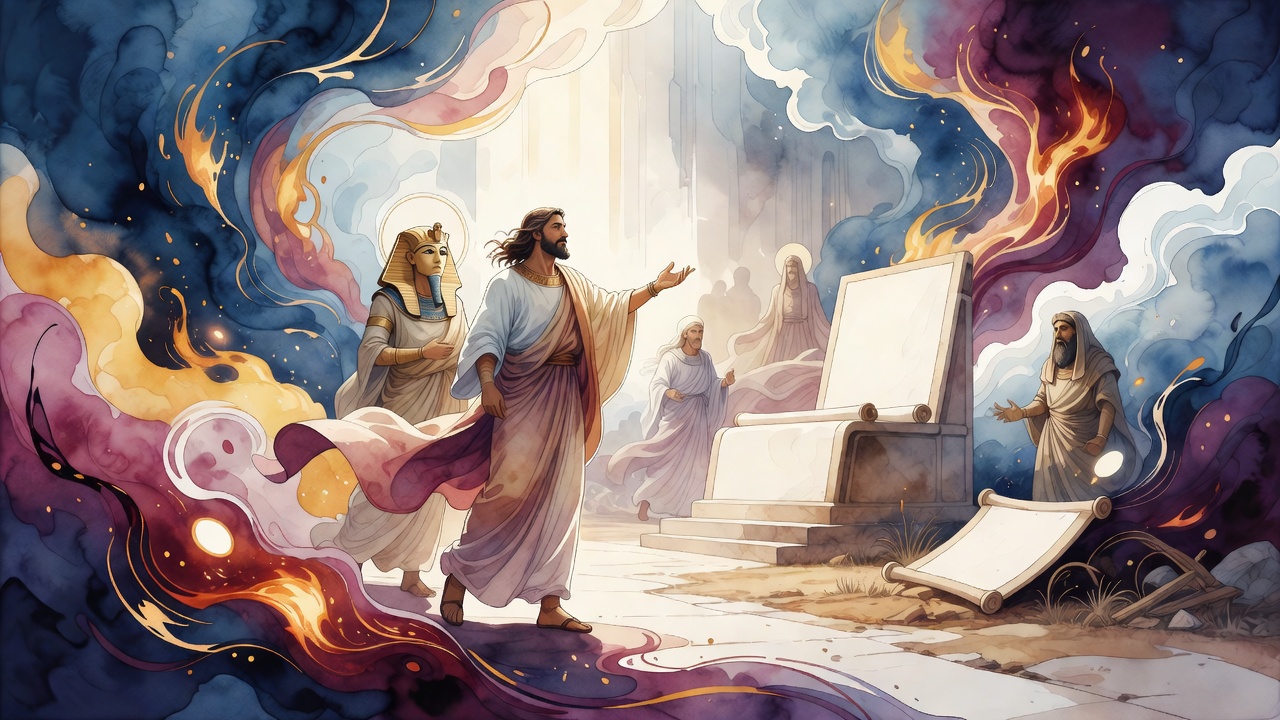
Joseph told Pharaoh the famine would last seven years, but Jacob's arrival canceled it after two. Rabbi Levi Yitzchak explains what Joseph knew when he spoke.
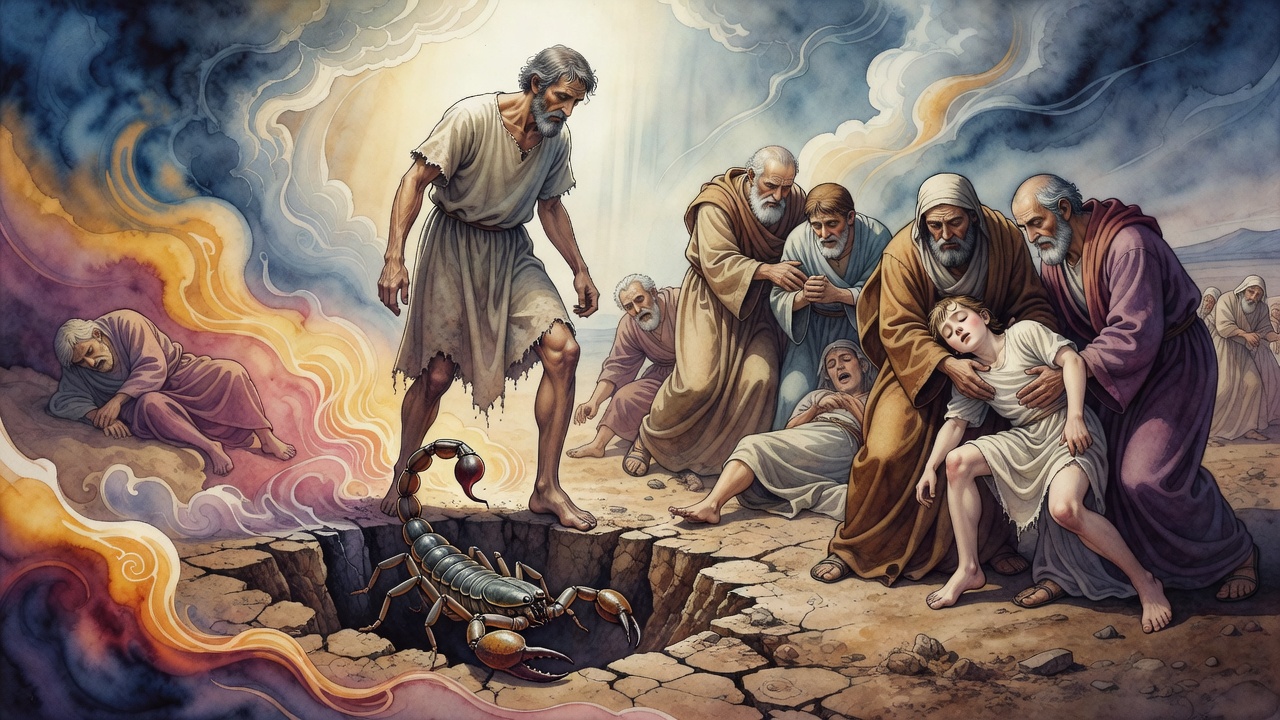
Worshippers had been dying at the door. Hanina put his bare heel over the hole and waited. The scorpion struck. The man did not fall.
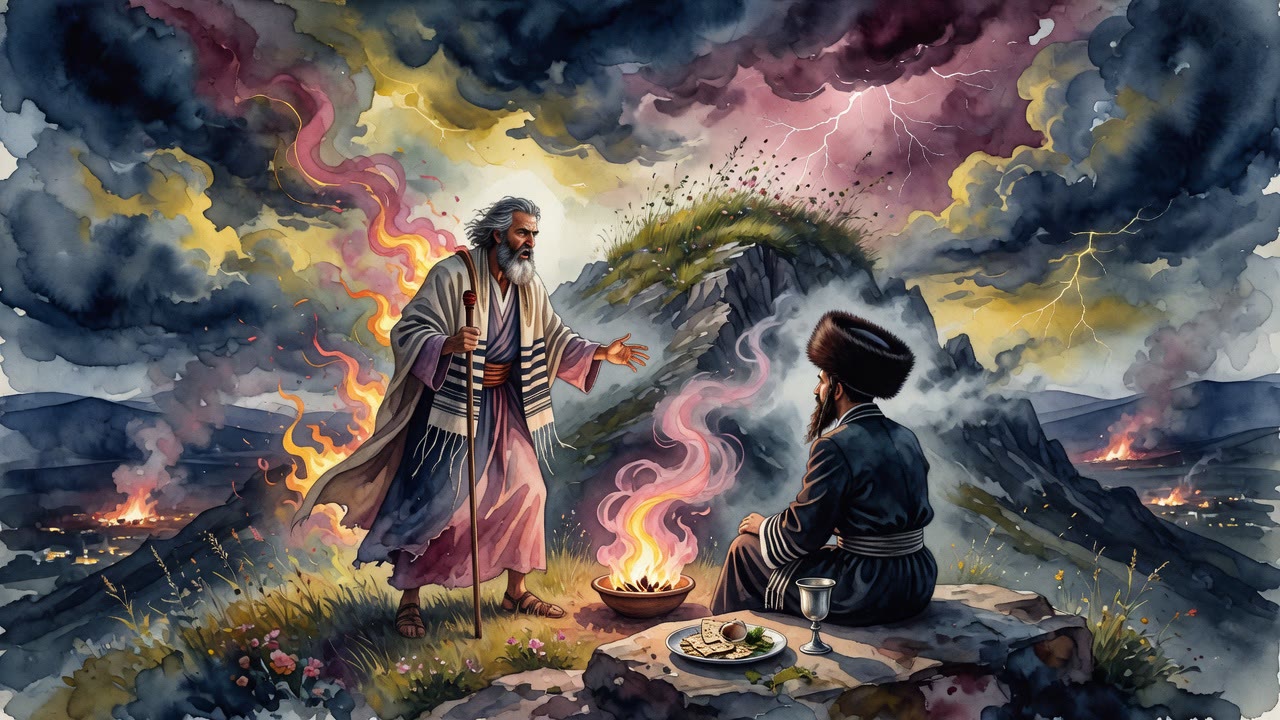
An angel digs through the dark for everything the world drops, while a sage walks out of Jerusalem each week to gather the lost souls.
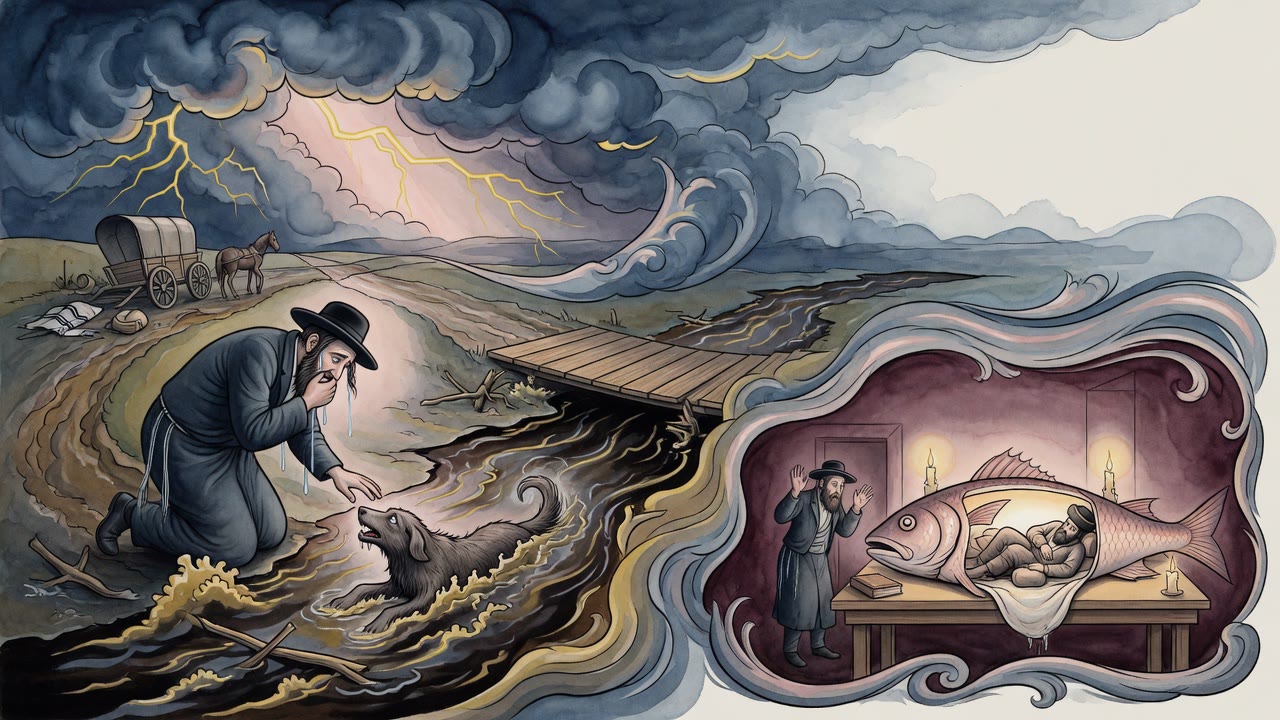
A righteous soul, loosed at death, does not rise. It slips in secret into a living man, lends him borrowed strength, and leaves when the work is done.
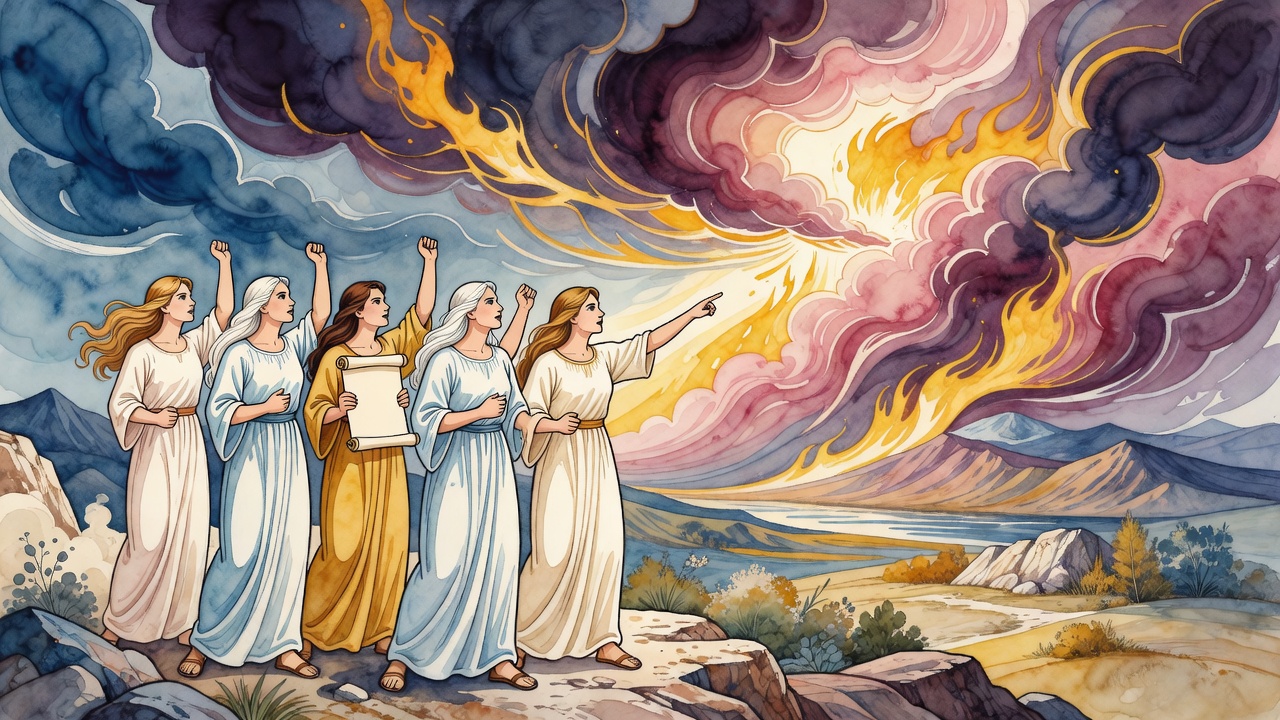
Zelophehad died without sons, his daughters forced a ruling on inheritance, and the women of the Exodus loved the land more than the men.
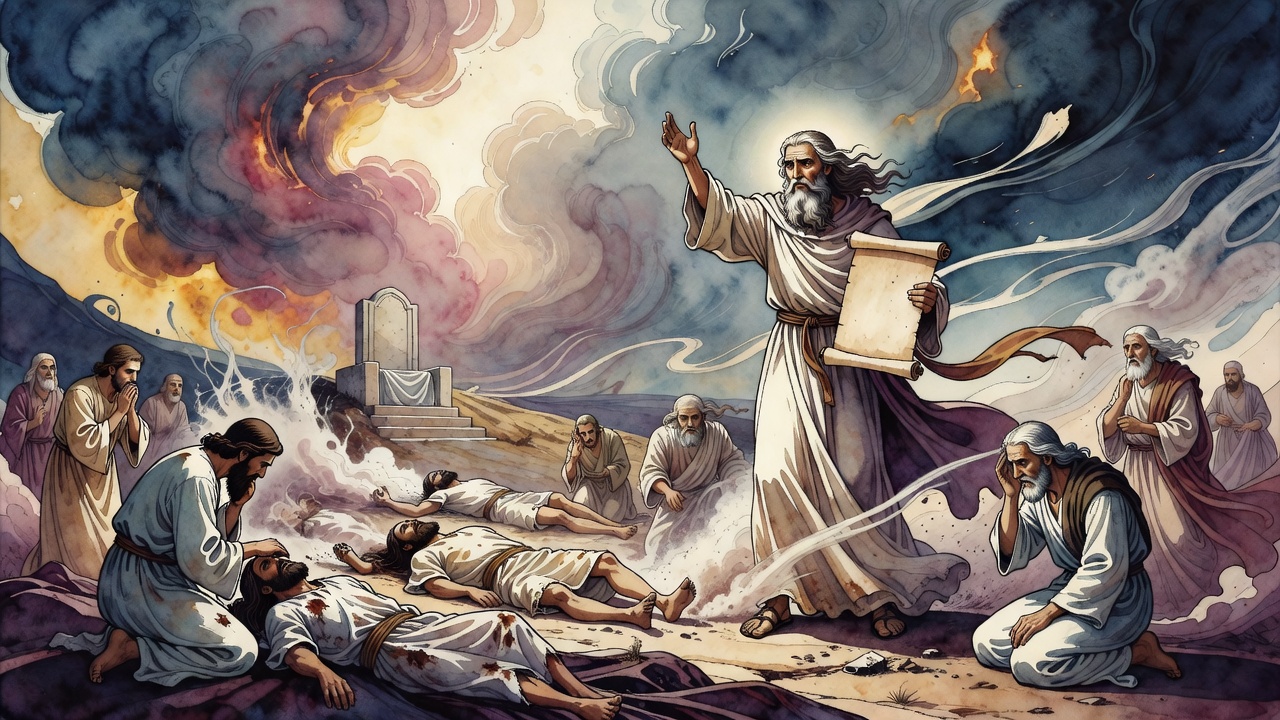
Rome had just killed Rabbi Shimon and Rabbi Yishmael. Akiva told his students the two were taken early so they would not see what was coming.
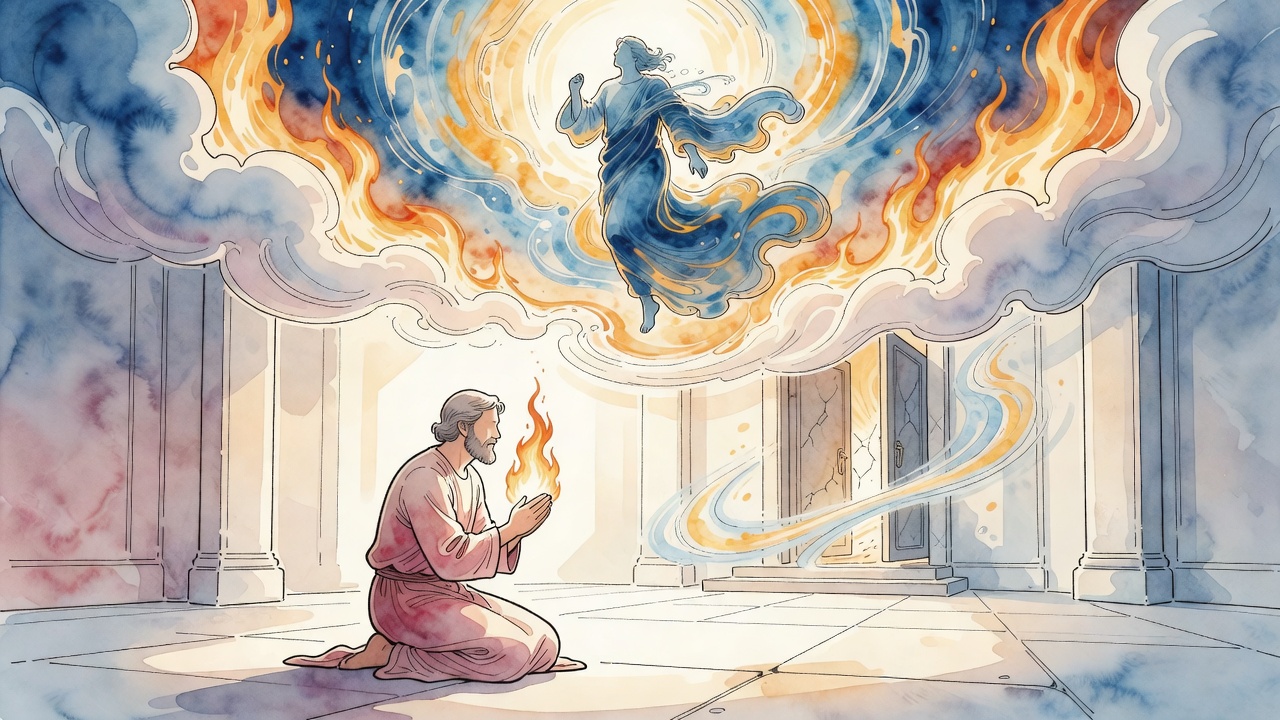
Rabbi Menachem finished the midnight tikkun, the repair rite, with a voice that cracked on the last psalm. He felt the empty chair beside him, almost occupied.
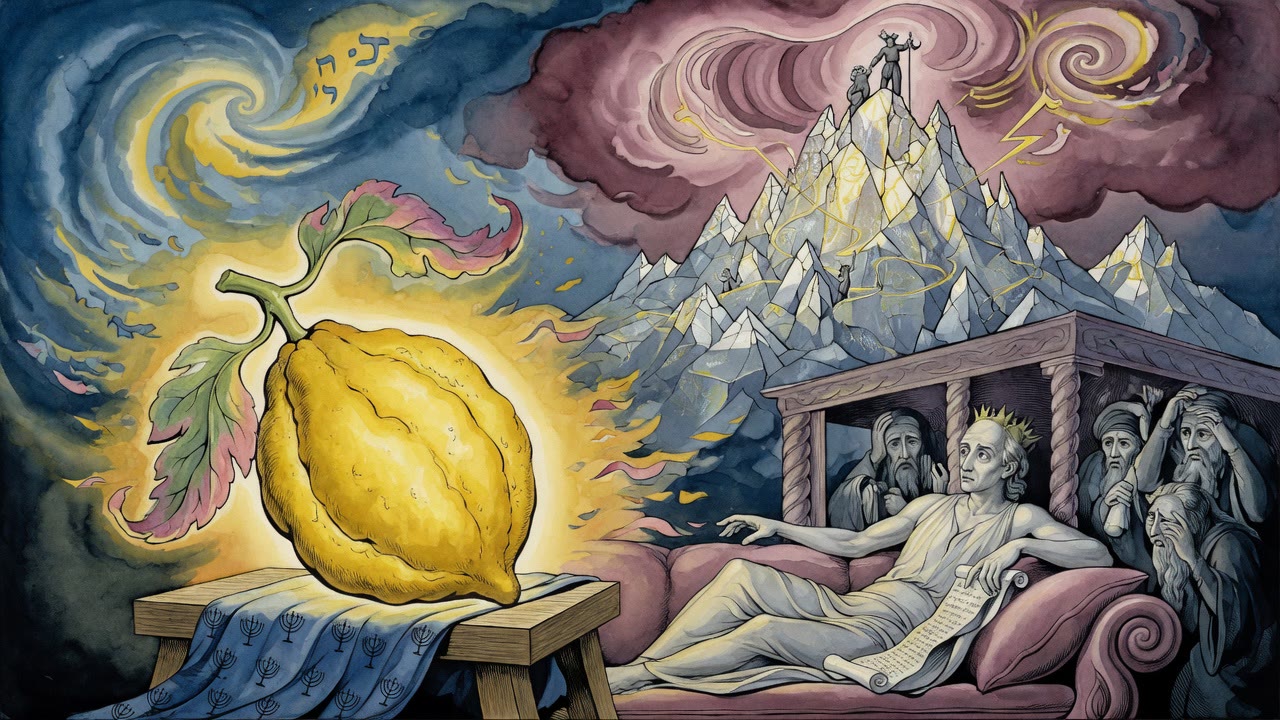
The only son sat in the attic with no taste in his prayers. His father turned the carriage around twice. A merchant at the inn sent them home.
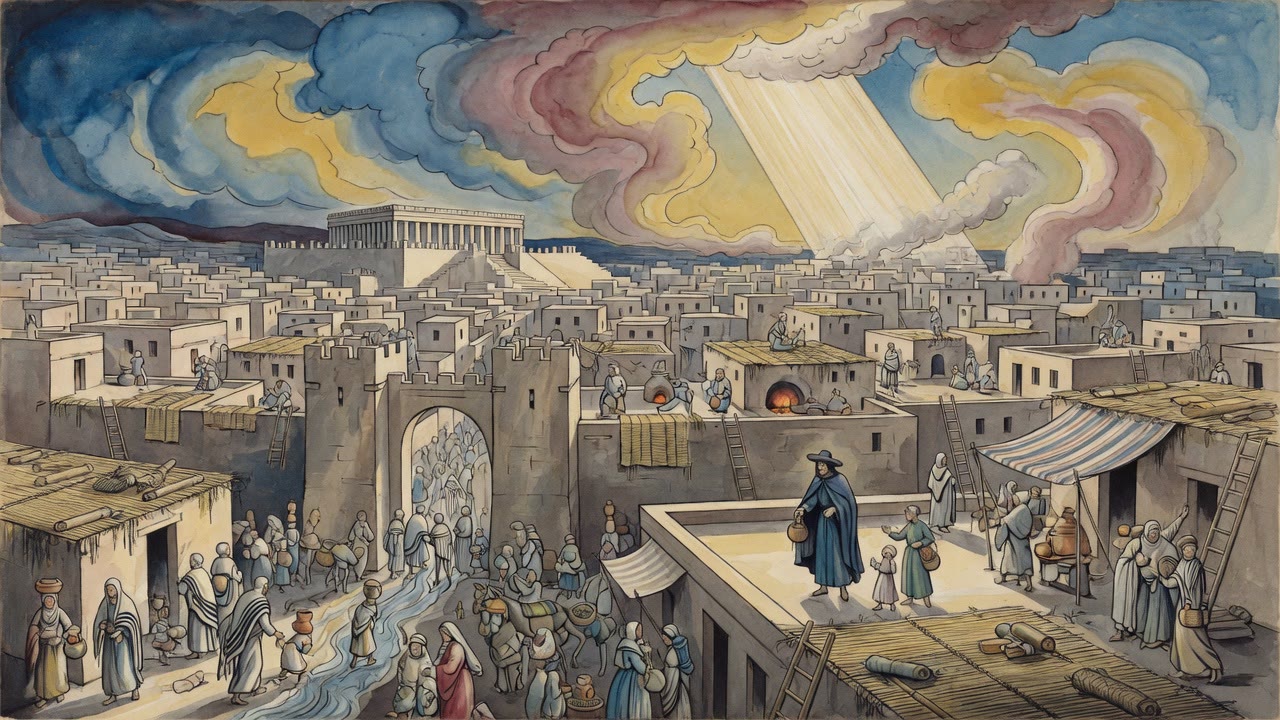
The benches were shifting before he reached the third blessing. Somebody in the back row said the word elongater and it went down the row.
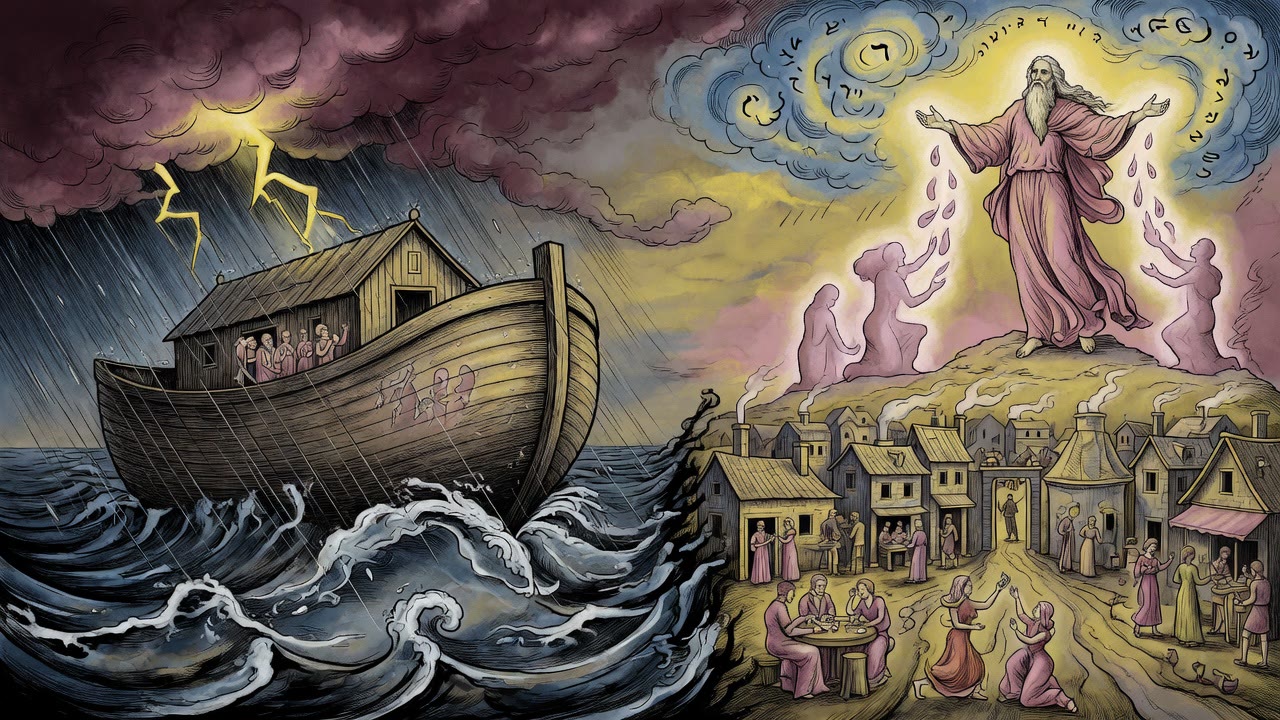
Three sons and their wives stood on the deck. Not one neighbor from the drowned streets stood beside them. Abraham left Haran with a caravan of converts.
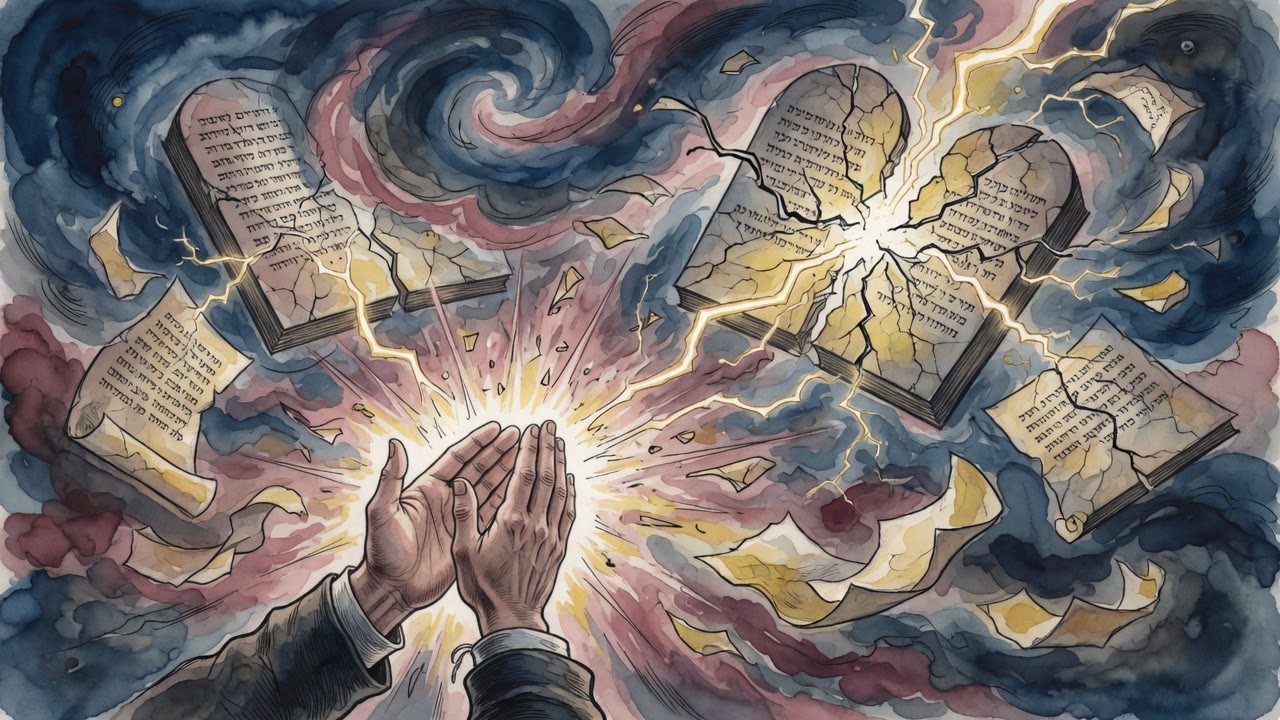
A ragged prayer leader walked into a country that ranked people by wealth as gods or animals, and spoke until some left their coins for the wilderness.
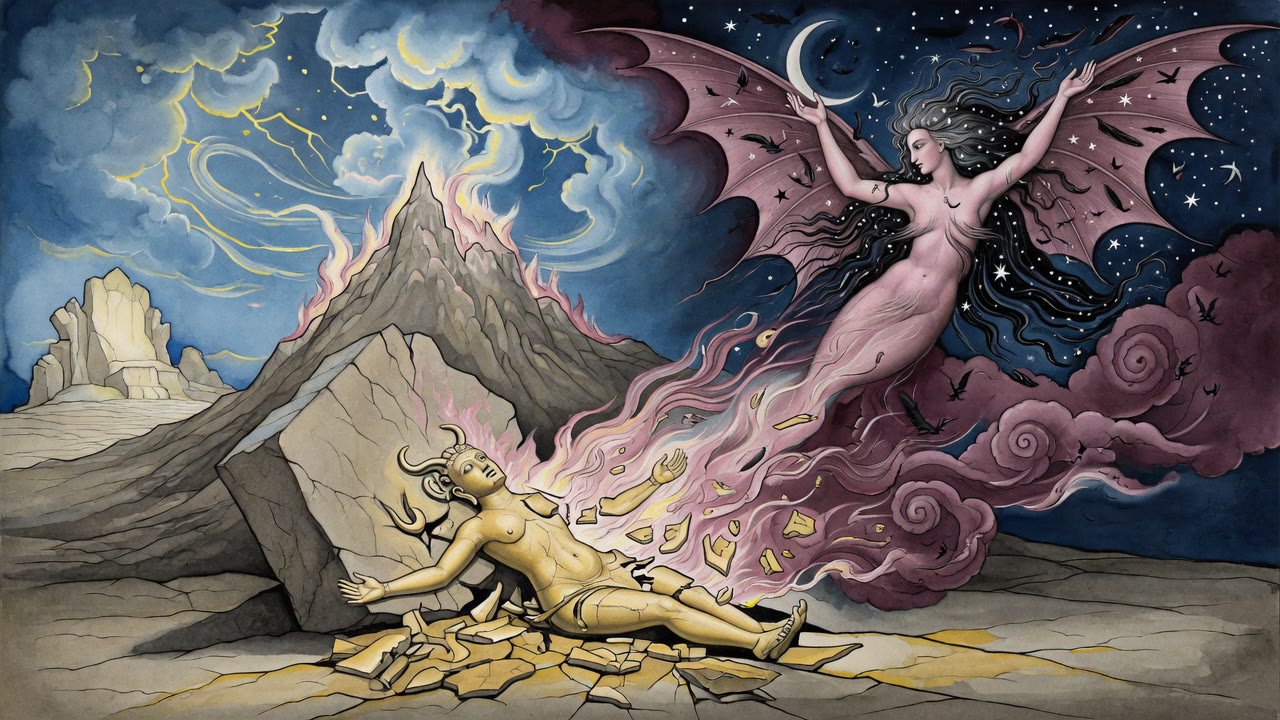
A stone of presence smashes the false image and becomes a mountain. Lilith holds the night while the Shekhinah, the Divine Presence, gathers what broke.
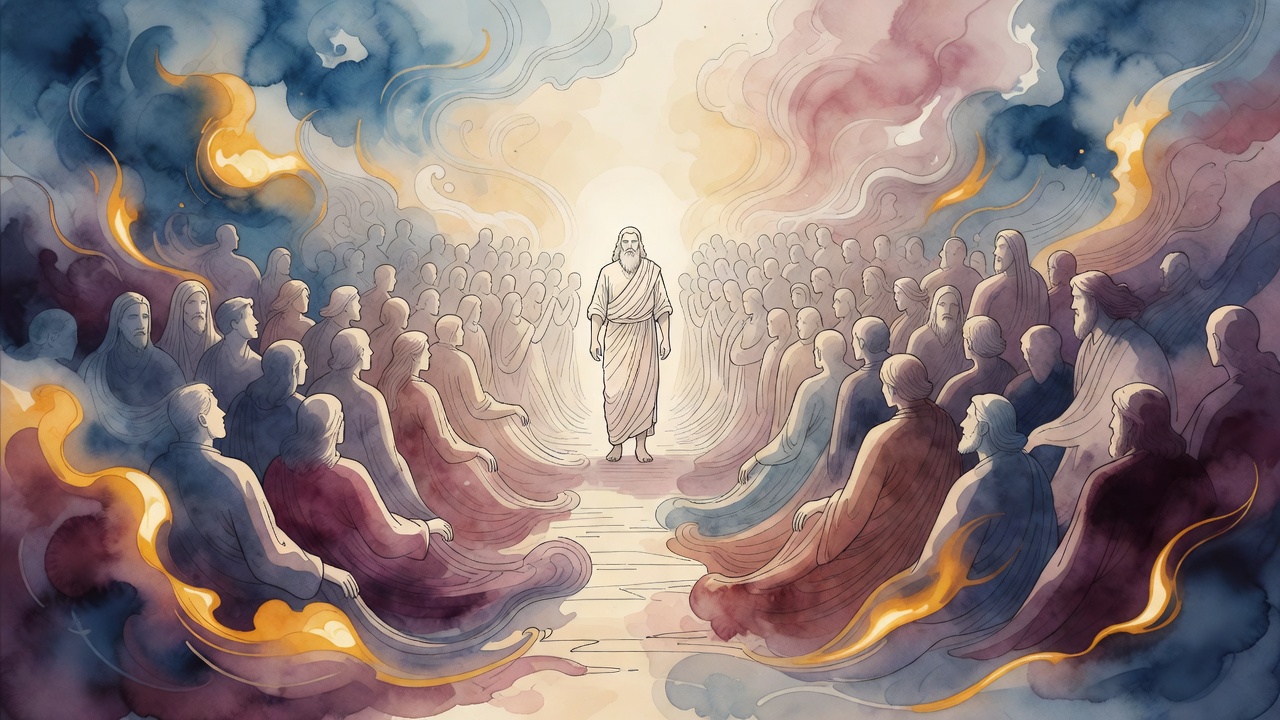
New stalls, grain heaped past the awnings, children underfoot. Nobody in that square was hungry, and nobody could remember a year that had gone badly.
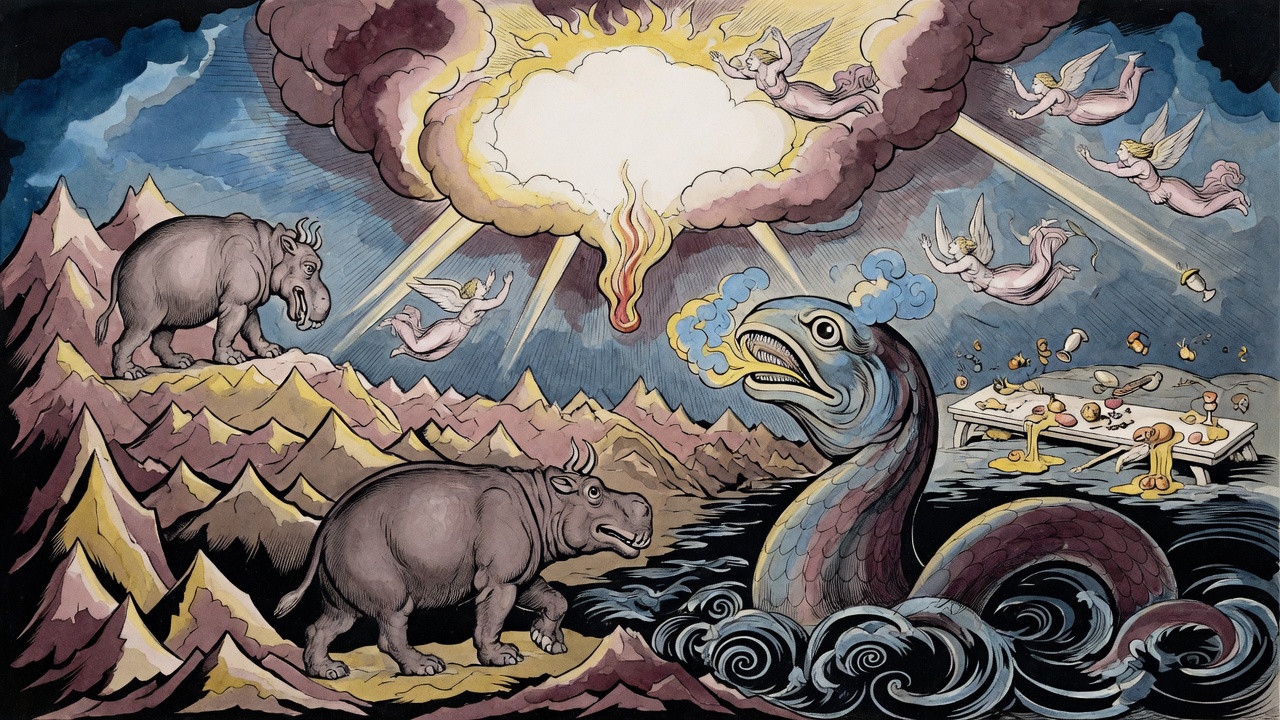
A dying father warns his children of Beliar's sword and its seven evils, then swears that repentance can still bring the scattered home.
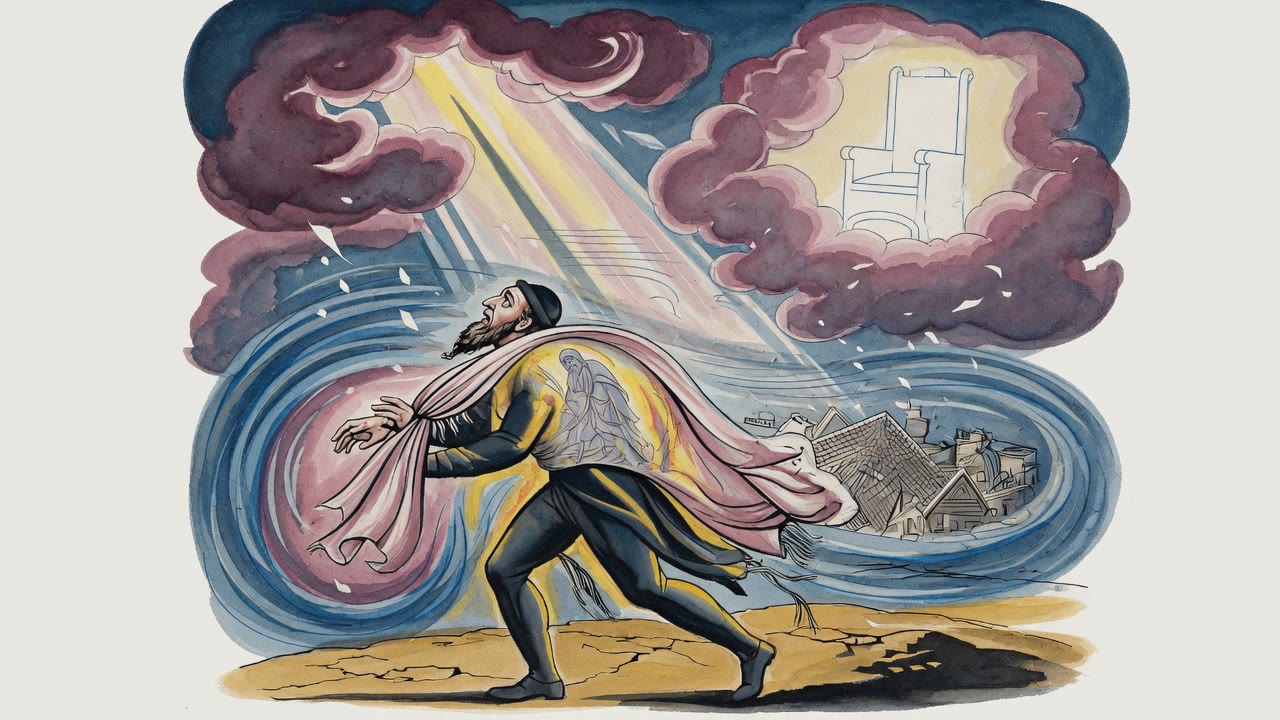
A surge of strength not his own moves through a living man. The mystics name it ibur: a dead tzaddik, a righteous soul, riding his body to finish a repair.
