The Ari Danced With a Ghost at Meron on Lag ba-Omer
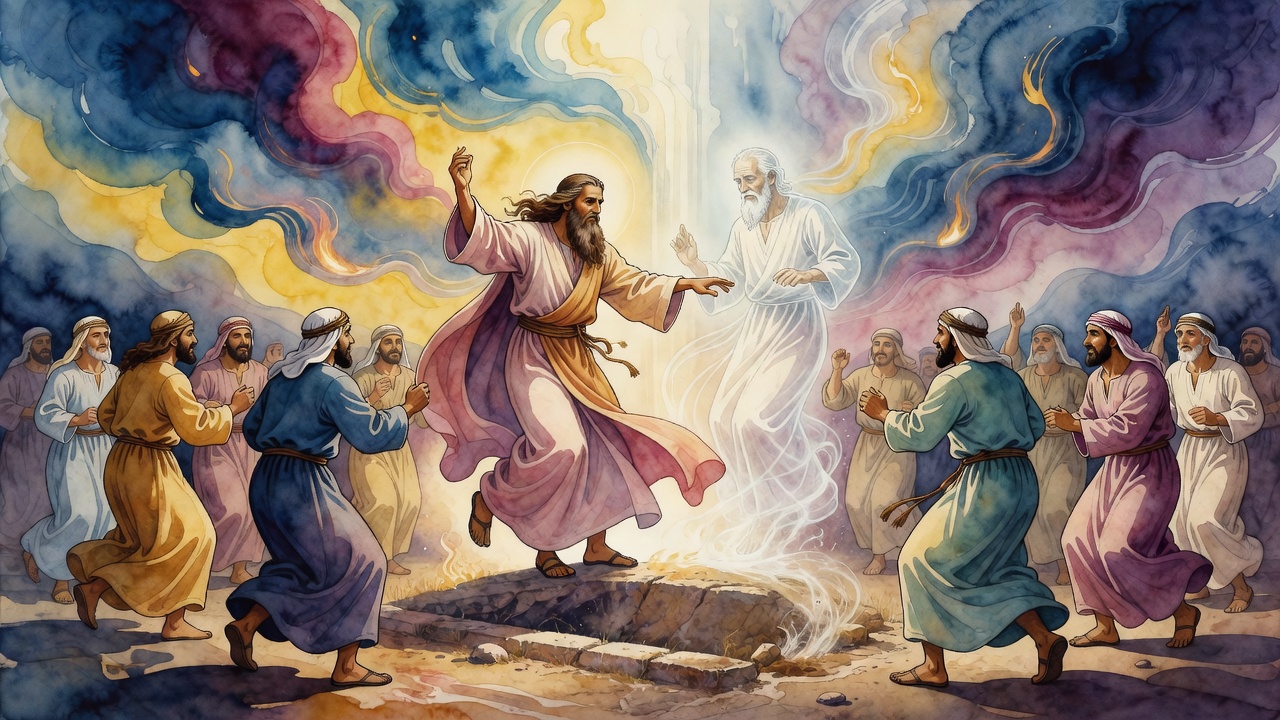
Every Lag ba-Omer, Isaac Luria led students to Shimon bar Yohai's grave to dance. One year an old man in white joined. Only the Ari recognized him.
Table of Contents
 Click for full size
The Hillside Above Meron
Every thirty-third day of the omer count (the forty-nine days counted from Passover to Shavuot), the hillside above Meron filled with fire and music. The grave of Rabbi Shimon bar Yohai sat at the center of the celebration, and for Isaac Luria, the man his students called the Ari, the Lion, this day was not a commemoration but a reunion. He had loved Rabbi Shimon's work since boyhood. The Zohar, the great mystical text attributed to Shimon, had shaped everything Luria understood about the structure of creation, about the contraction of the divine light, about the broken vessels that scattered across the universe and needed gathering. Coming to the grave was the closest thing to gratitude the living could offer the dead.
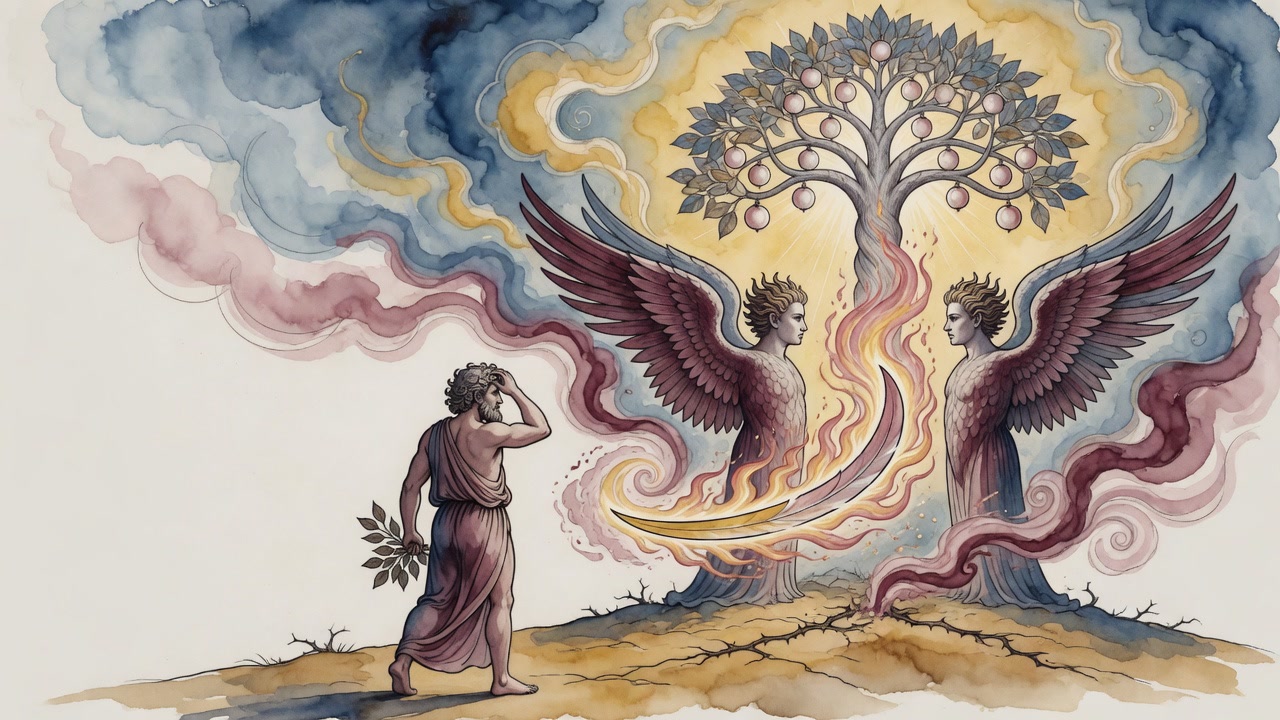
His students came with him every year. They sang the songs the tradition had assembled for the occasion. They danced in circles around the tomb. The Ari danced at the center of everything, a man whose holiness was known even to the angels, who had been taught directly by the prophet Elijah in the months before his ordination as the great Kabbalistic teacher of his generation.
The Old Man in White
One year, as the circle moved, a man joined it who had not been there before. He was old. His clothes were white. He danced with the ease of someone who had been dancing at this grave for longer than anyone present could account for. Nobody in the circle had seen him arrive. Nobody knew him from the community in Safed or from any of the surrounding villages.
He danced with them for a long time.
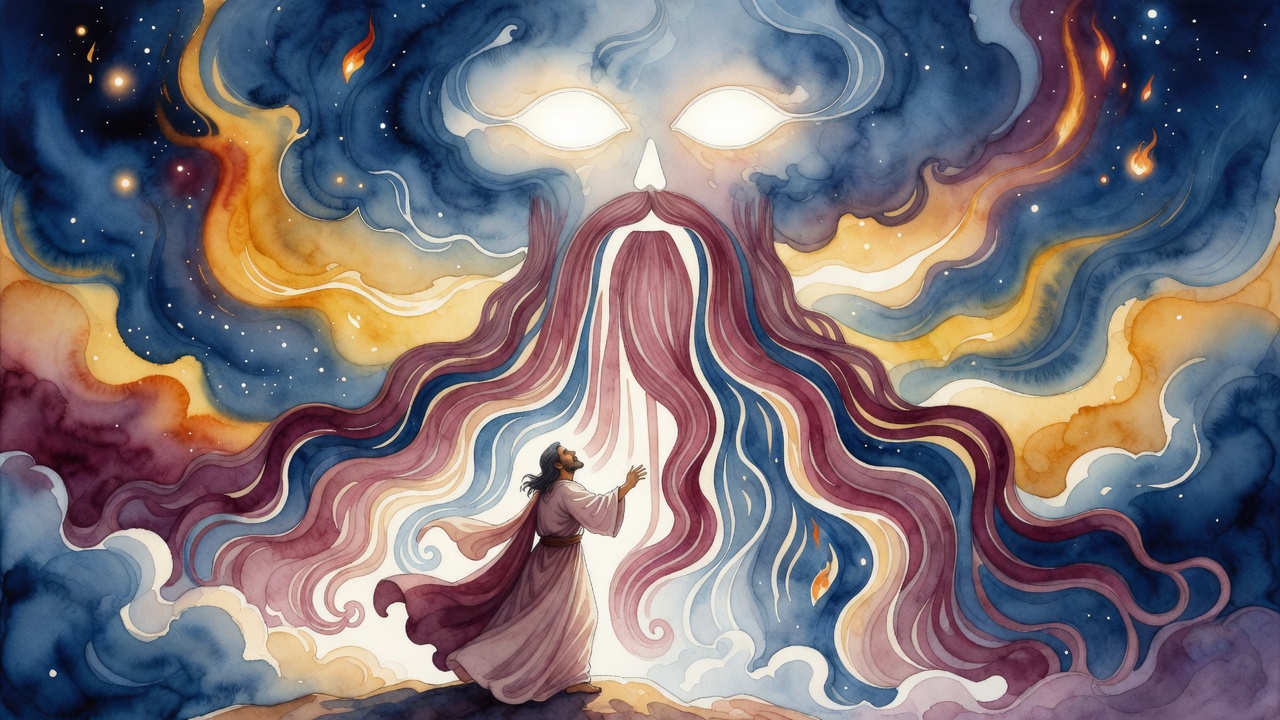
After a while, the Ari stopped dancing. He stepped out of the circle and stood watching the old man. His face had changed. Students who knew him well recognized what happened when the Ari received knowledge he had not been expecting: a stillness came over him, a kind of internal adjustment. He was adjusting now.
What the Ari Knew
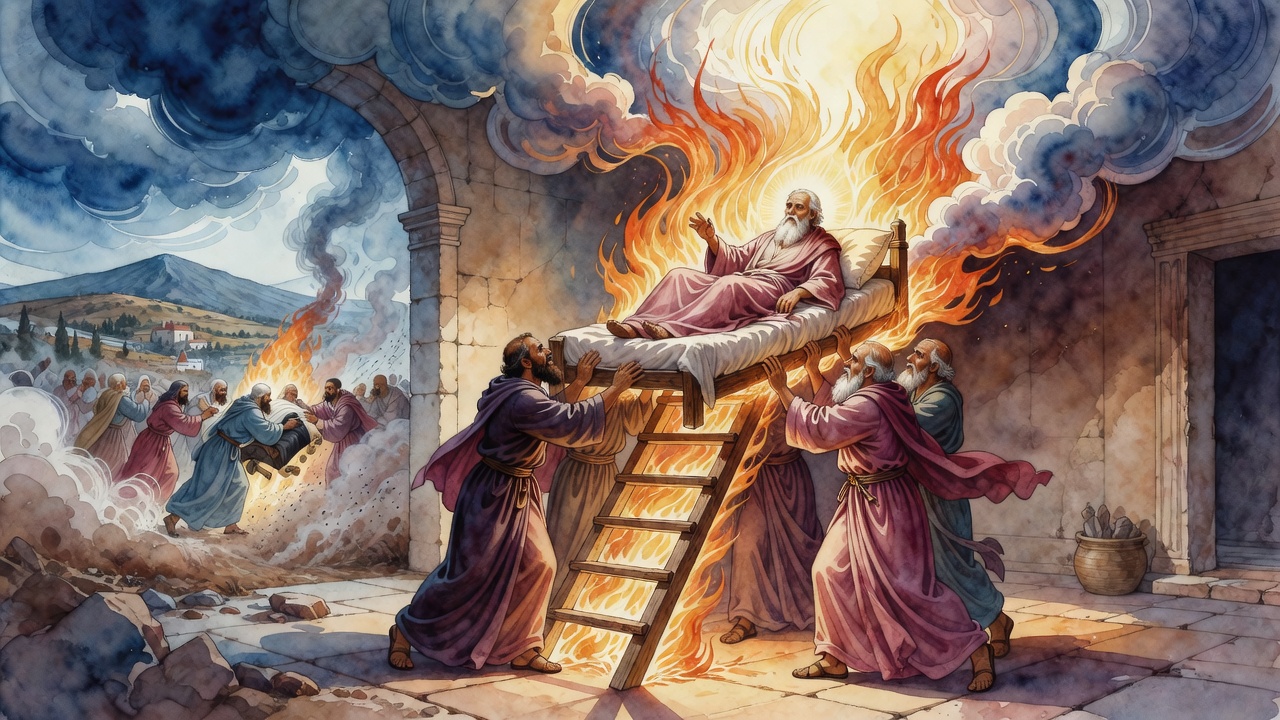
When the dancing ended, the old man was gone. The Ari gathered his students and told them who they had been dancing with. The man in white was Rabbi Shimon bar Yohai himself. He came every Lag ba-Omer. He had been coming since his own death. The celebration that had drawn the living to this hillside for generations had been drawing the dead to the same place for the same reason: joy. The thirty-third day of the omer was the day Shimon had died in gladness rather than in grief, the day his soul had departed in a state of such intense light that his students saw him shining and the house filled with fire.
He had not stopped coming. The grave was not a boundary he was confined behind but a point on a path he still walked. The living had been dancing with the dead for years without knowing it, and the dance had been real the entire time.
The Ari's Particular Holiness
That the Ari alone recognized the visitor was not accidental. His students understood this. From the moment of Isaac Luria's birth, Elijah had taken an interest. The story went that Elijah had appeared to his father eight days after the birth and told him to delay the circumcision, to wait for a sign. The sign came. The circumcision was performed with Elijah present as the godfather. After that the prophet returned at intervals throughout the Ari's life, teaching him the secrets that even the greatest scholars of Safed could not access through study alone.
A man taught directly by Elijah would recognize the soul of Rabbi Shimon. The chain was clear: Shimon to the Zohar, the Zohar to the mystics of the ages between, and through all of it, Elijah watching and transmitting and ensuring the line held. The Ari stood at the end of that chain in Safed in 1572, and the chain was still active.
← All myths