The Shekhinah Wandered Like a Dove in Exile
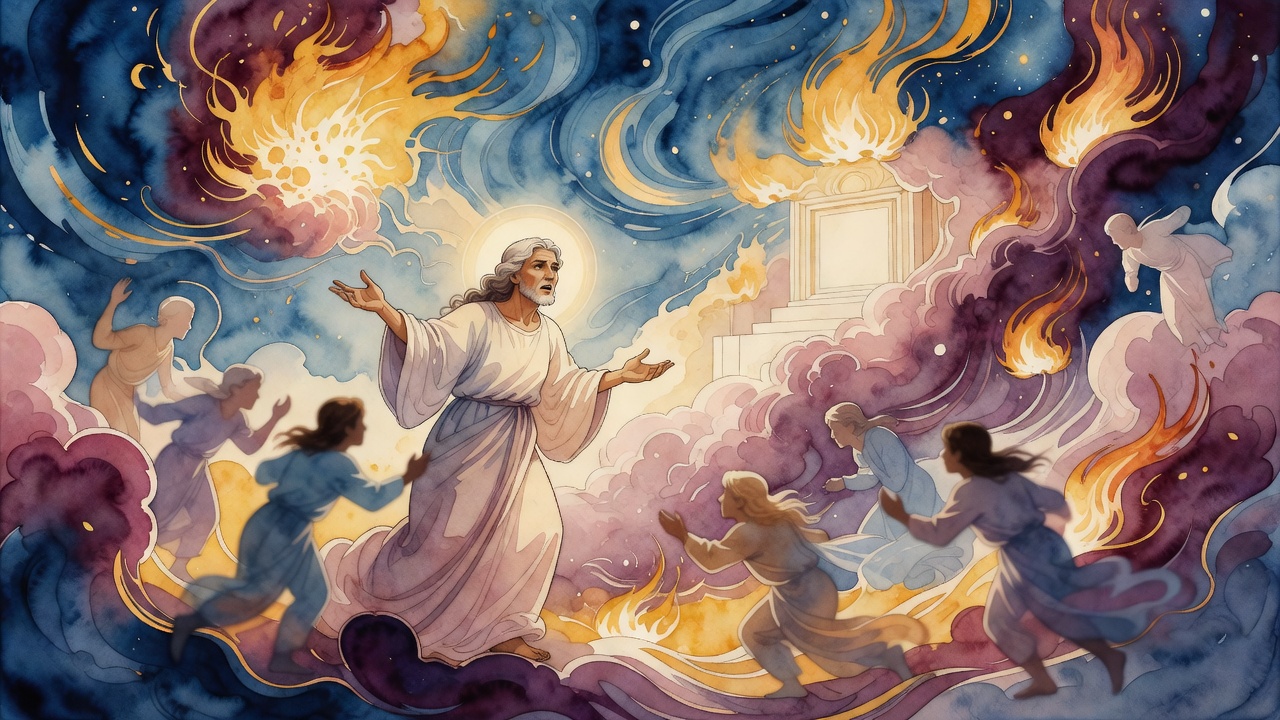
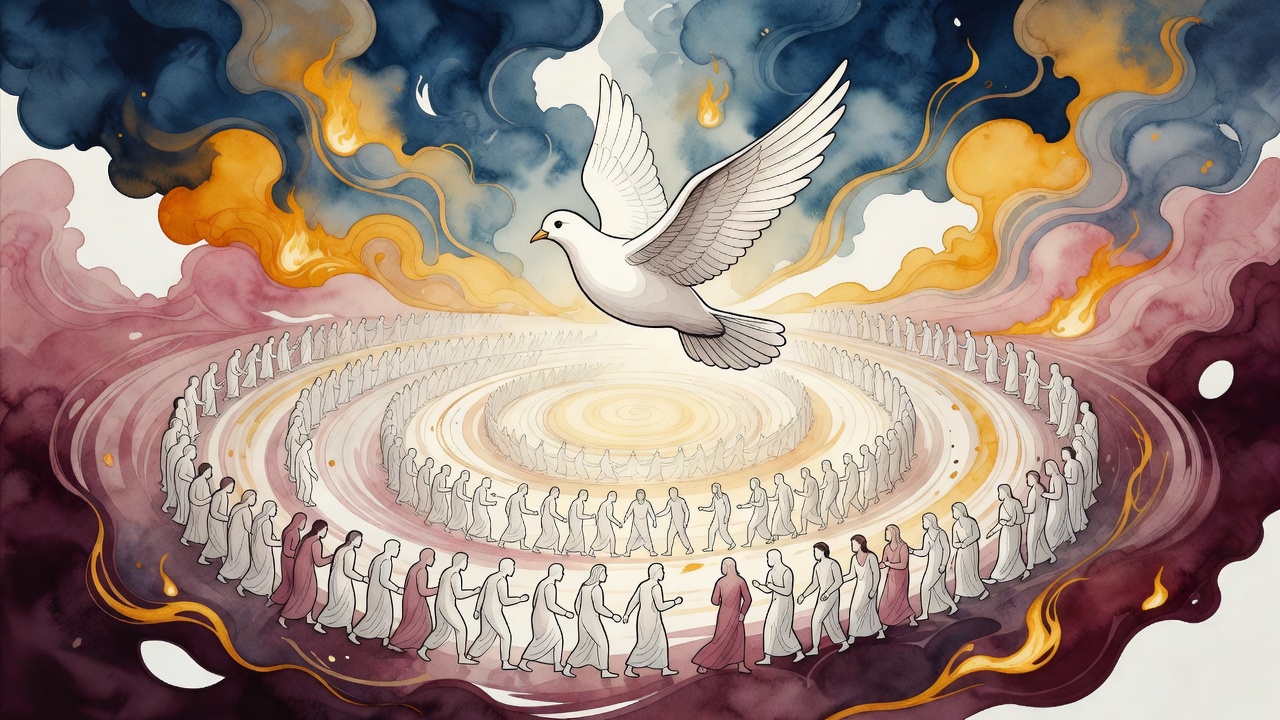
The Shekhinah, the Divine Presence, loses her resting place while Israel wanders, circling the nations like a dove with nowhere to land.
Table of Contents
 Click for full size
The Dove Had No Place to Rest
She moves through the nations like a dove that flew from the ark before the waters had receded. No dry ground. No branch. Nowhere to land.
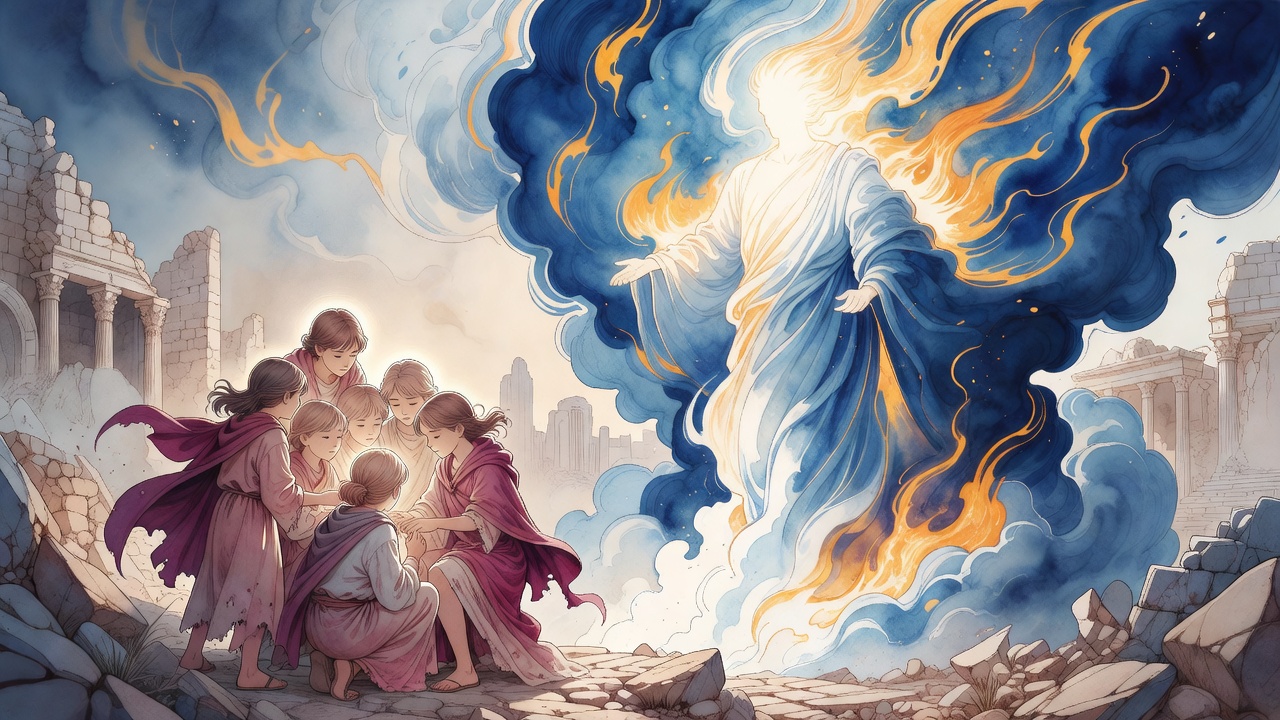
That is how the Tikkunei Zohar describes the Shekhinah (the Divine Presence) in exile. She is not distant power observing from above. She is the presence caught inside the fracture, searching for restoration alongside the people she has never left. Where Israel is displaced below, the Shekhinah is displaced within. The exile is shared, and the homelessness runs both directions.
As long as she has not returned to her proper place, there is no true King. A crown without a kingdom. A throne without its occupant. The world is technically in order and fundamentally incomplete.
Adam Once Carried Her Form
Before any exile existed, the Shekhinah had a home in the human form. Adam was created in God's image, and the mystics read that image as the Shekhinah herself. The Adamic body was not merely a biological structure. It was a vessel shaped to reflect the divine presence in the lower world.
When Adam fell, that reflection dimmed. The connection that had been immediate and luminous became mediated, partial, strained. Adam's lost nearness became the template for all future exile. What broke in the garden left a pattern that would be repeated in Egypt, in Babylon, in every scattering since.
The Tikkunei Zohar maps that loss onto the stars themselves. The firmament stands in relation to the Shekhinah as a window stands to sunlight. When the presence withdraws, the light does not vanish entirely. It dims, diffracts, reaches the lower world at an angle. The mystics call this the Shekhinah in her diminished state, present but not full.
A Single Letter Wandered Alone
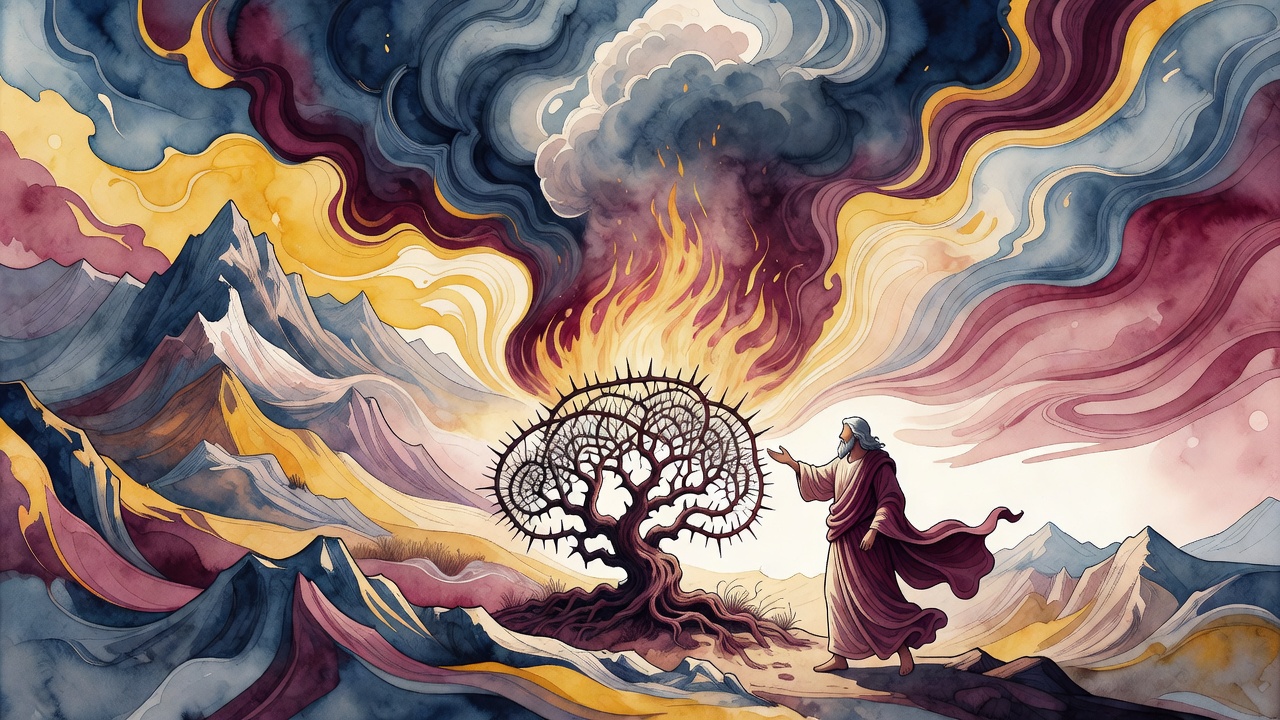
Among the many images the Tikkunei Zohar uses for this condition, the most striking is the letter Hei. The divine name contains this letter twice, once in the middle and once at the end. In exile, one Hei is separated from the name. It moves through the world alone, isolated from the complete pattern that gives it meaning.
That solitary letter becomes the Shekhinah herself: part of the name but not presently inside the name's fullness. She circulates through the nations, entering and departing, unable to settle, because the conditions for settling have not yet been met. Every Shabbat is a partial return. Every sincere prayer draws her slightly closer. But the full reunion waits.
The Sabbath is the day when the Shekhinah can rest. The Zoharic literature imagines Shabbat as a brief homecoming, a moment when the separated letter returns to the name and the divine presence fills the lower world more completely than on ordinary days. Candles are lit to welcome her. The table is set. The song is sung. Then Shabbat ends and the wandering resumes.
Ezekiel Saw Her Face and Her Hands
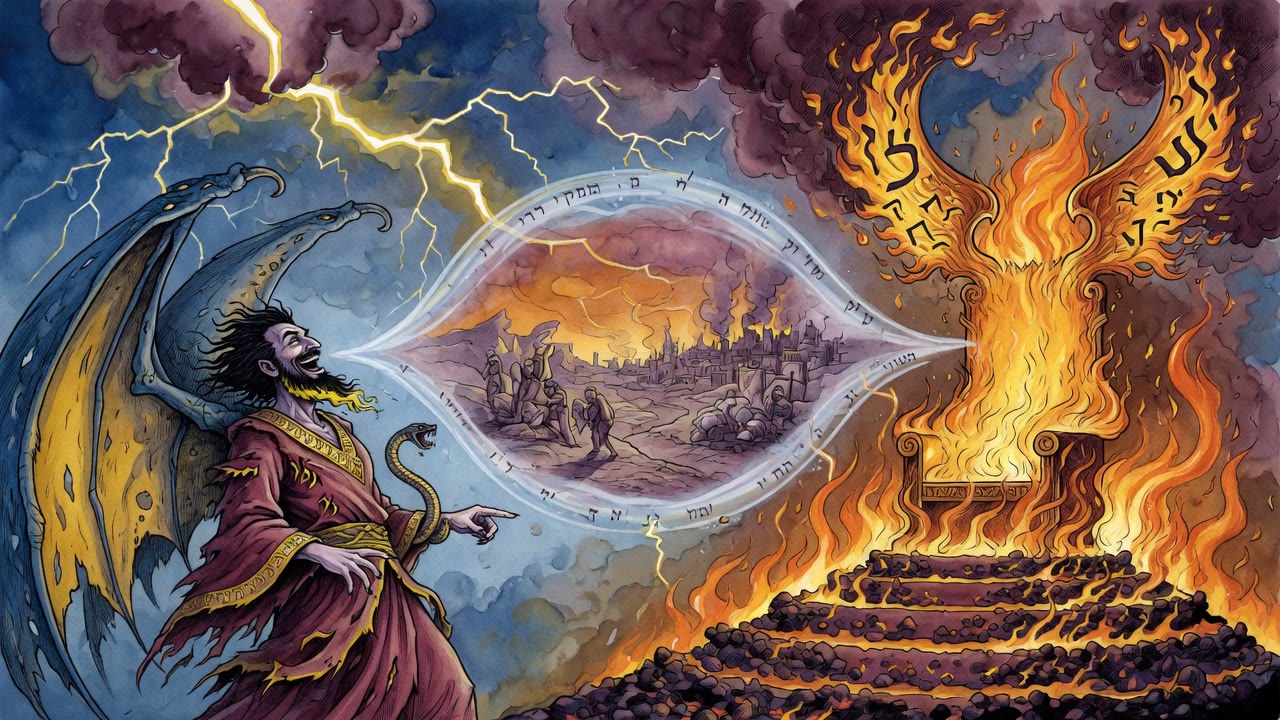
The prophets glimpsed the Shekhinah in motion. Ezekiel's vision of the celestial chariot shows divine presences with faces turned in all four directions, hands hidden beneath wings. The Tikkunei Zohar reads those hidden hands as the attributes of Chesed and Gevurah, mercy and power, tucked away from the world because the exile makes their full expression impossible.
Chesed, the right hand of outpouring love, is not withdrawn because God has stopped loving. It is withdrawn because the conditions that would allow love to flow fully have not been restored. The repair of those conditions is the work of human beings walking carefully through the broken world, performing commandments that function as structural repairs to a damaged system.
Every good act, the Tikkunei Zohar says, draws the hands back into the open position. Every sin folds them back under the wings. The exile is not only political. It is architectural. It is a condition of the upper worlds reflected in the lower ones, and it responds to what people do with their ordinary days.
← All myths