The Hammers That Had to Stop Even for God's House
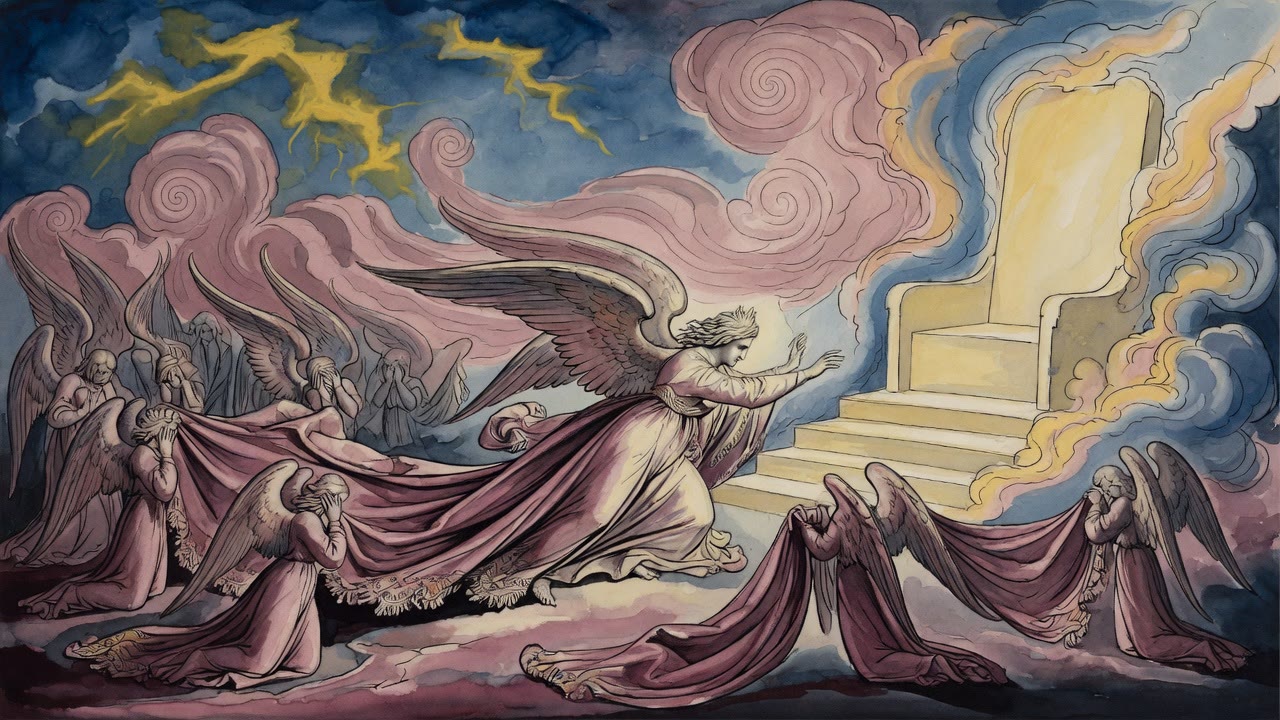
God ordered Israel to build Him a sanctuary, then commanded them to rest one day in seven. The Yalkut Shimoni asked whether holiness must yield to rest.
Table of Contents
 Click for full size
The Holiest Construction Site in History
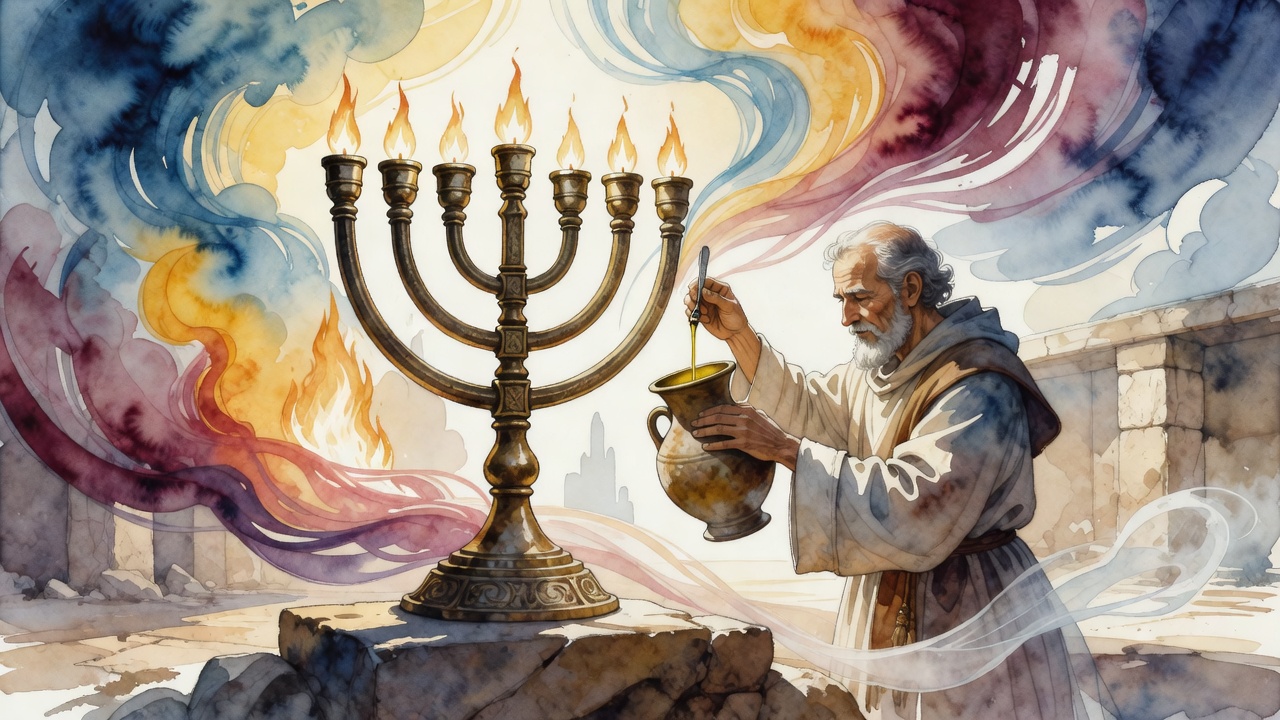
God had handed down the blueprints Himself. Gold for the cherubim, blue and purple and crimson thread for the curtains, acacia wood, a lampstand hammered from a single block of metal with no seam and no join. They shall make Me a sanctuary that I may dwell among them. An entire people had been commissioned to build a dwelling for the Creator of the universe. So when the seventh day arrived and the workers stood with their tools and the sky turned toward rest, here was the question that deserved an answer: did the hammers stop?
The sages who assembled the Yalkut Shimoni in thirteenth-century Germany, gathering centuries of scattered midrash into one running commentary, refused to wave the question away. They built the most tempting case for working through the Sabbath, laid it out with full force, and then took it apart.
The Argument That Almost Won
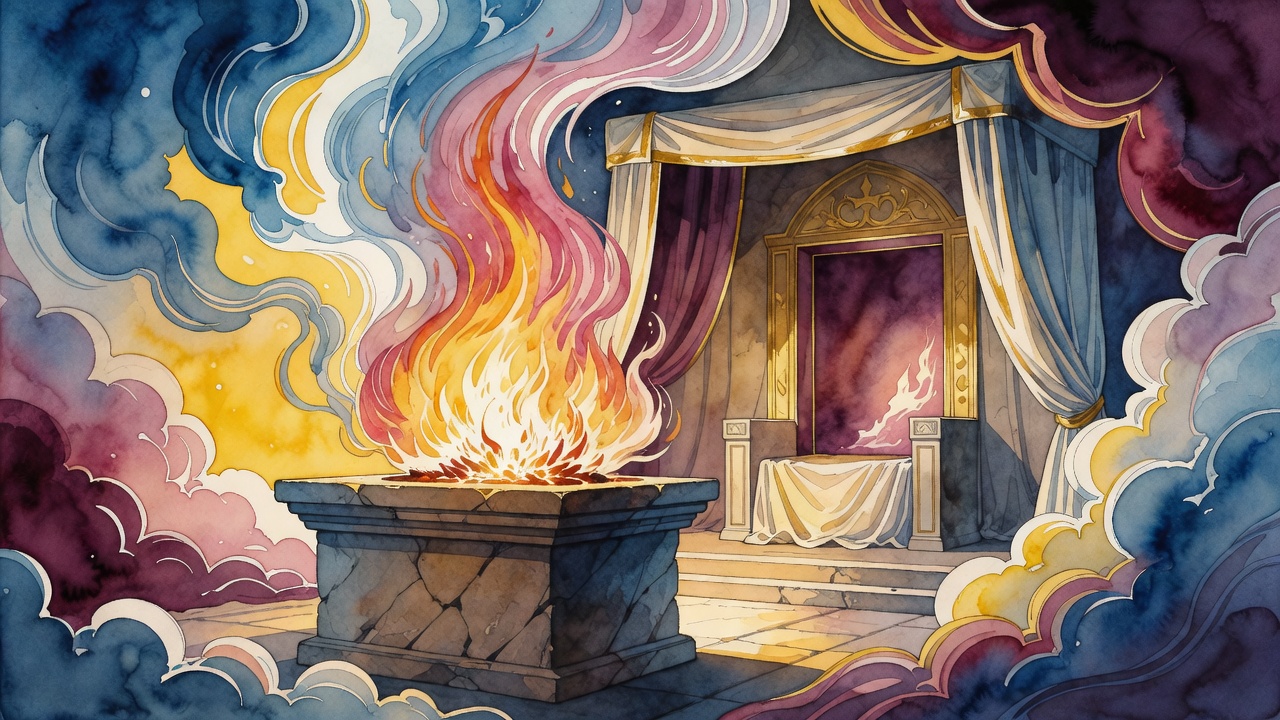
Start with what everyone knew. The daily Temple service overrides the Sabbath. The priests slaughter, the fire burns on the altar, blood is dashed and incense rises even on the day of rest, because the service of God is too urgent to pause. That was not debated.
So follow the logic. If the Temple service overrides Sabbath, then surely building the Temple should override it too. The service is downstream of the building. You cannot have the service without the house. If the lesser act of maintenance overrides the day of rest, the greater act of construction should override it more surely. The argument was airtight, or close enough to airtight that it required a serious answer.
Why the Answer Surprised Everyone
The answer the sages gave worked by reversal. The Torah gave Moses the commands in a particular order: first the Sabbath, then the Tabernacle. The sequence was not accidental. The law about resting came first, and the law about building came second, and the rabbinic principle was that an earlier command cannot be overridden by a later one unless the text explicitly says so. Sabbath preceded sanctuary, and therefore Sabbath bounded sanctuary. The house could wait for one day in seven. The day could not wait for the house.
There was also a question about fire. When the Torah said, do not kindle fire in your dwellings on the Sabbath, the rabbis argued about the scope of the word dwellings. Some said the altar fire was exempt, since the altar was not a dwelling. Some said even the altar fire was subject to the principle. The question cut into the heart of what made the sanctuary different from everything else, whether its holiness made it an exception to every other law or whether even the holiest place stood inside the frame that the Sabbath built around all of creation.
The Resting Place and the Working Place
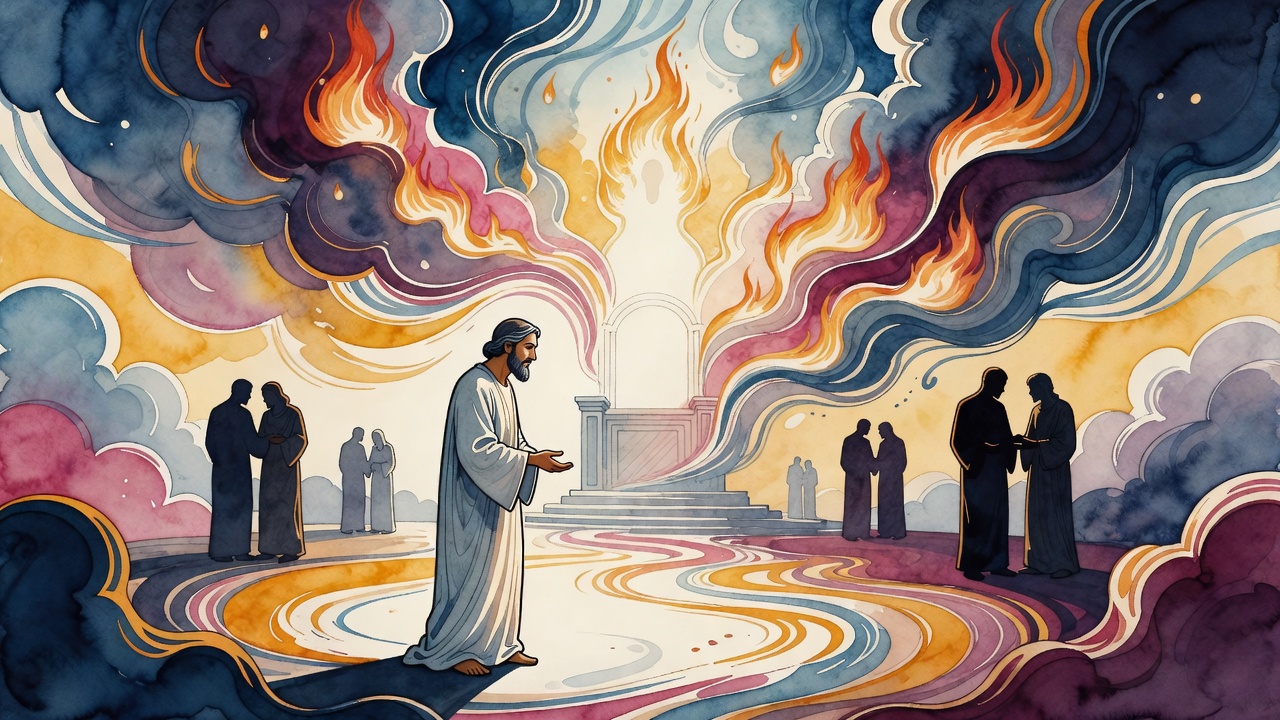
Underneath the legal argument was a stranger idea. The Sabbath was not simply a pause in work. It was the sign of the covenant, the one command given in secret between God and Israel, the foretaste of the world that would come after this one. The Tabernacle was also a sign, the place where God came to rest among His people, the meeting point between the divine and the human. Two signs, both about rest, both about the presence of God in the world.
The sages who worked through the conflict between them saw the tension as productive rather than accidental. The building that would house the divine presence could not be built by violating the day that signaled that same presence. To work straight through the Sabbath in order to finish the sanctuary faster would have been to use the sign to destroy the sign. The house that was supposed to say God rests here would have been built by refusing to rest.
← All myths