God Hid the World's Gold in Eden Until the Temple Was Ready for It
Gold was never for human ownership. God placed it at the edge of Eden, named countries that did not exist yet, and waited for the Temple to be built.
Table of Contents
 Click for full size
A River That Named What Was Not Yet There
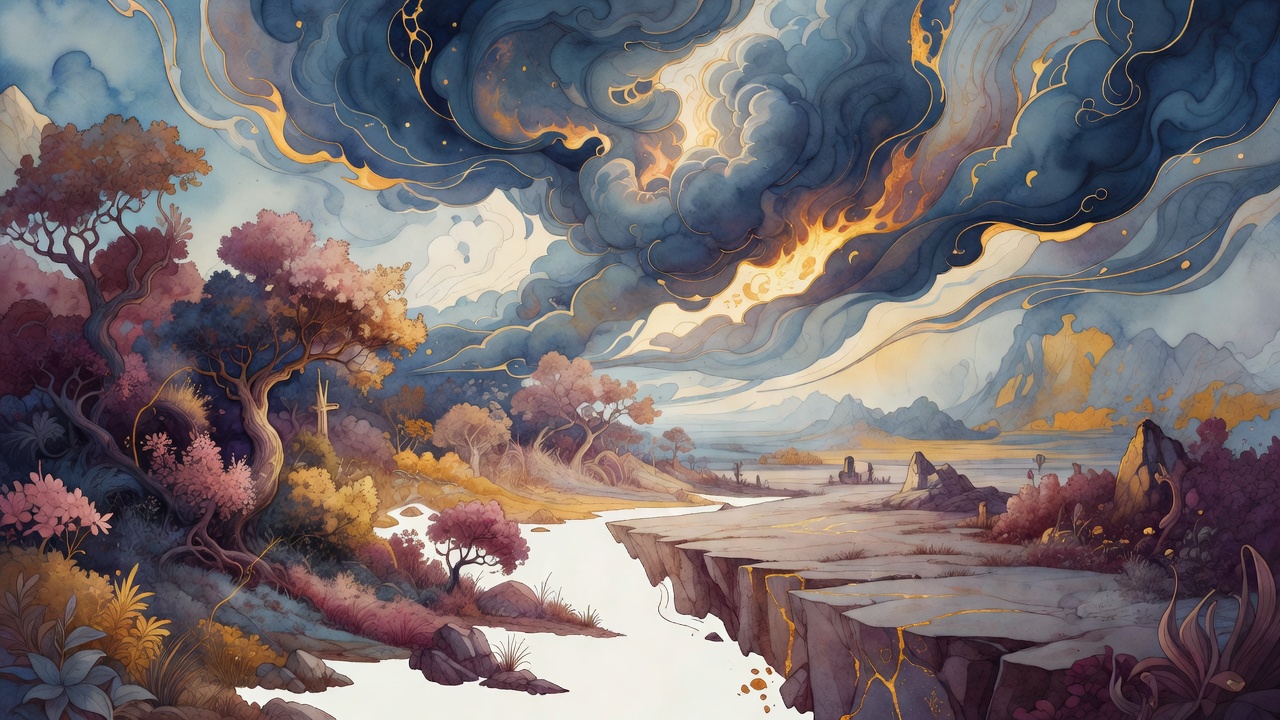
A river went out from Eden and split four ways, and the Torah named the four streams and the lands they passed through with a specificity that should not be possible. The Pishon wound around a country called Havilah. The Gihon circled Cush. Neither country existed when the river was first set running. No people lived there yet. No boundary had been drawn on any ground. The rivers were moving through lands that were still only names in the mind of the one who made the map.
The rabbis of the Yalkut Shimoni, the great thirteenth-century anthology, found this troubling in exactly the right way. How does the Torah name a country that has not been built? Because the one who set the rivers running was also the one who would build the countries. He declares the end from the beginning, as Isaiah said. He names the rooms of a house that is still only lines on parchment, because the lines and the finished rooms belong to the same mind. The map of Eden was already complete before the countries caught up to it.
The Gold Grew Tighter
Then the fourth river reached the land and the description changed. And the gold of that land is good. The verse made a claim that the rabbis would not let pass quietly. Why does the Torah praise the gold of one particular land? Why does any land's gold matter, unless the gold was destined for something that would make its quality urgent?
The midrash pressed the praise of the gold until it gave up what it was hiding. The gold of Havilah was good, meaning it was stored for a purpose that required the best. That purpose was the Temple. Every ounce of gold that had been placed in the ground at creation, the gold in rivers and mountains and the veins in rock that humans would someday dig and smelt and shape, was placed there with the Temple in mind. Creation did not produce gold as a general resource for whoever happened to need it. Creation produced gold for one specific building that would not be raised until thousands of years after the first river ran.
The Valley That Was Raised Into Moriah
The Temple needed not just gold but ground. The sages asked what Mount Moriah had been before it became the mountain where Abraham bound Isaac and where the Temple would one day stand. Their answer revealed that the holy mountain was not always a mountain. It had been a valley, the valley called Acre, a low place in the land. God raised it up. He gathered the ground beneath and pressed it upward until the valley became a height, until what had been the lowest place became the place where heaven and earth would meet in the holy of holies.
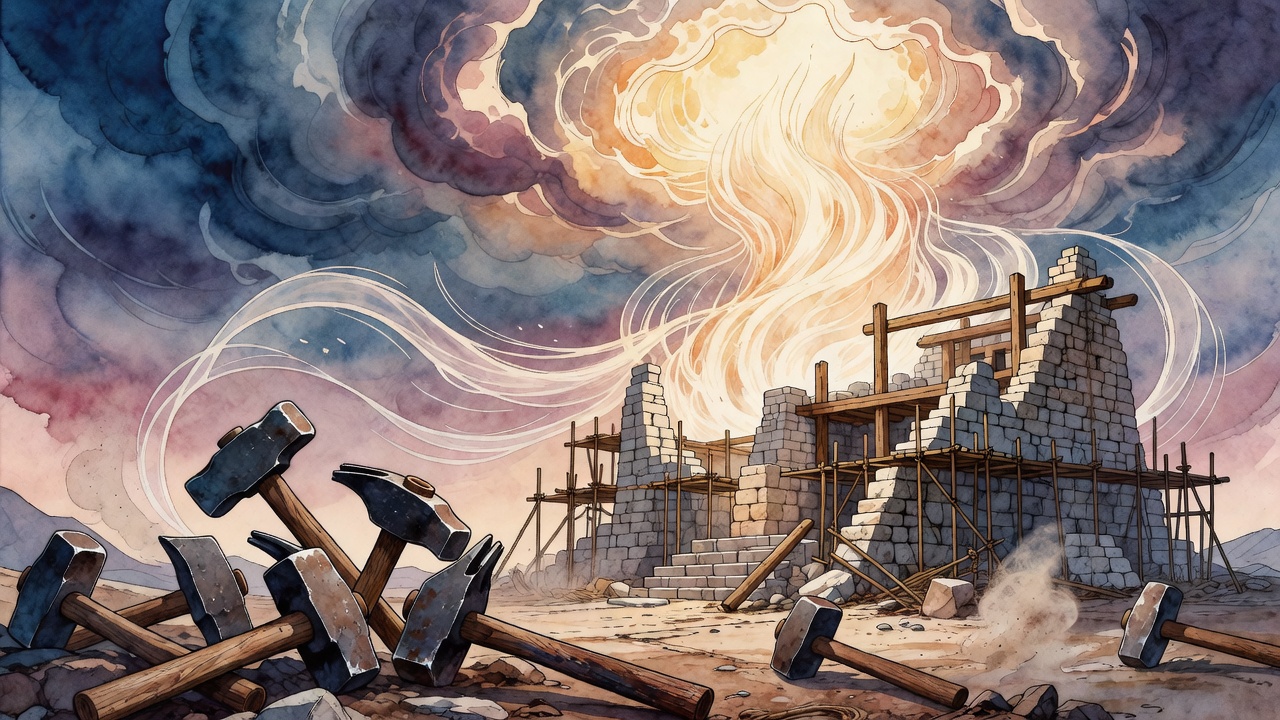
The gold hidden in Eden and the mountain raised from a valley are the same story told twice. In both cases God prepared the raw material of the Temple long before any human being knew there would be a Temple. The gold was placed at the source of the rivers before there was a nation to smelt it. The mountain was raised up before there was a king to build on it. Creation was, in part, a warehouse and a construction site for a building that had not been authorized yet.
The Resting Place and the Inheritance
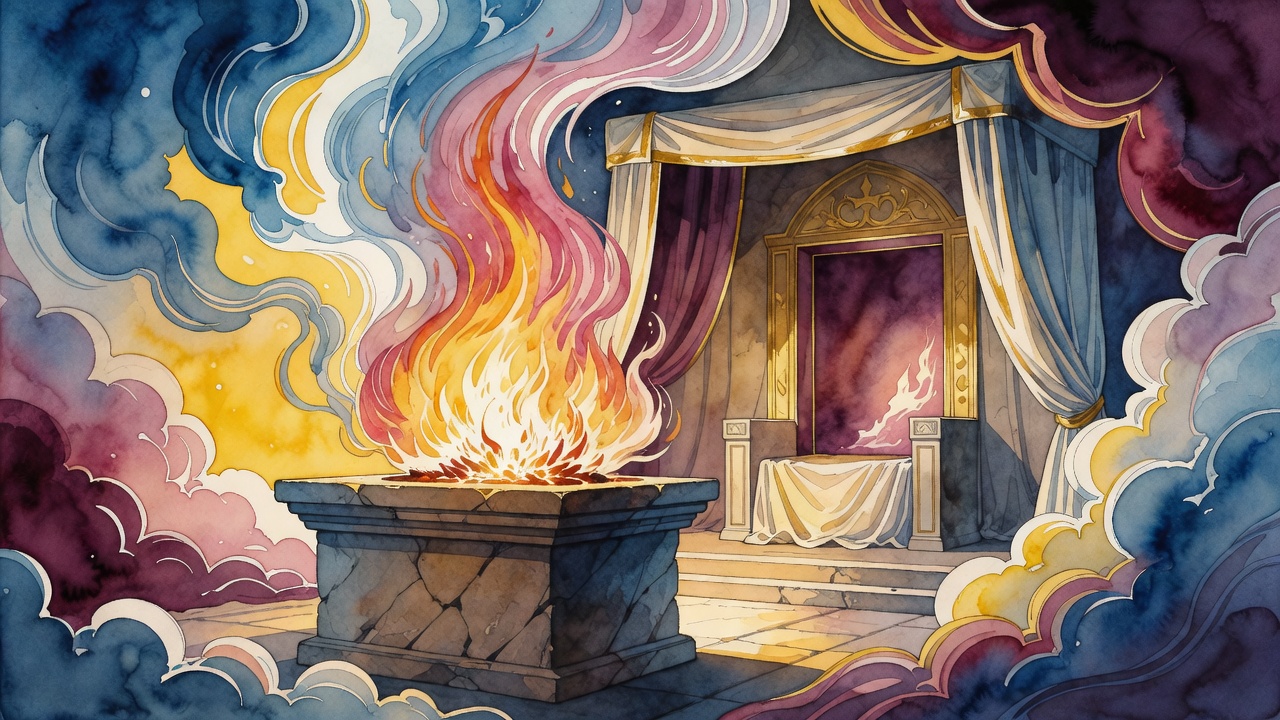
Shiloh and then Jerusalem. The tradition traced the movement of the divine presence through its successive resting places, from the portable Tabernacle to the permanent Temple, and found in the sequence a single trajectory. The gold hidden in Eden arrived at Shiloh in the form of the Tabernacle's golden vessels, which were carried north when the tribes settled the land. When the Temple was finally built in Jerusalem, the gold completed its journey, from the rivers of Eden to the workshops of Bezalel to the Holy of Holies where the Ark stood under the outstretched wings of the golden cherubim.
The whole creation had been a preparation for that room. The rivers named the land before the land existed. The valley was raised into a mountain. The gold was hidden at the source and guarded across all the generations until the building finally deserved it. God did not improvise the Temple. He prepared it before anything else was made.
← All myths