The Shekhinah Returns When Stolen Things Come Home
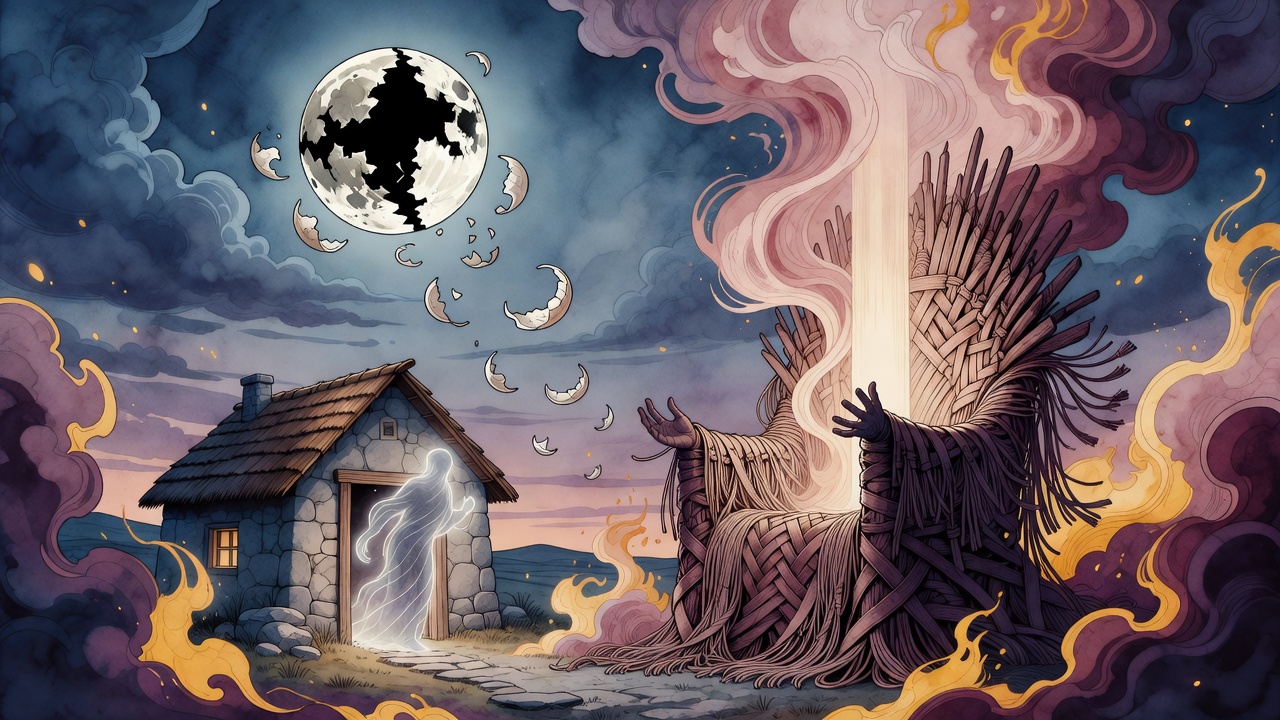
She pinched off a piece of dough before the loaf went into the oven. In another house a thief set a stolen cup back on the shelf.
Table of Contents
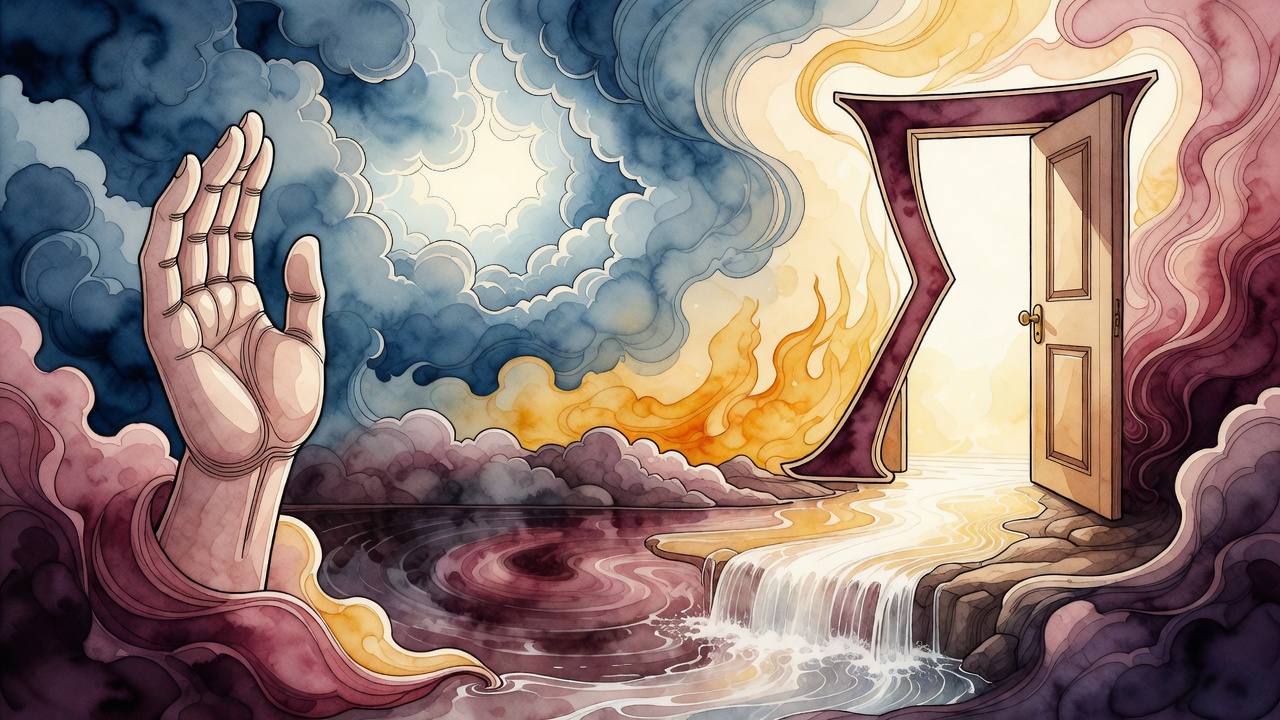
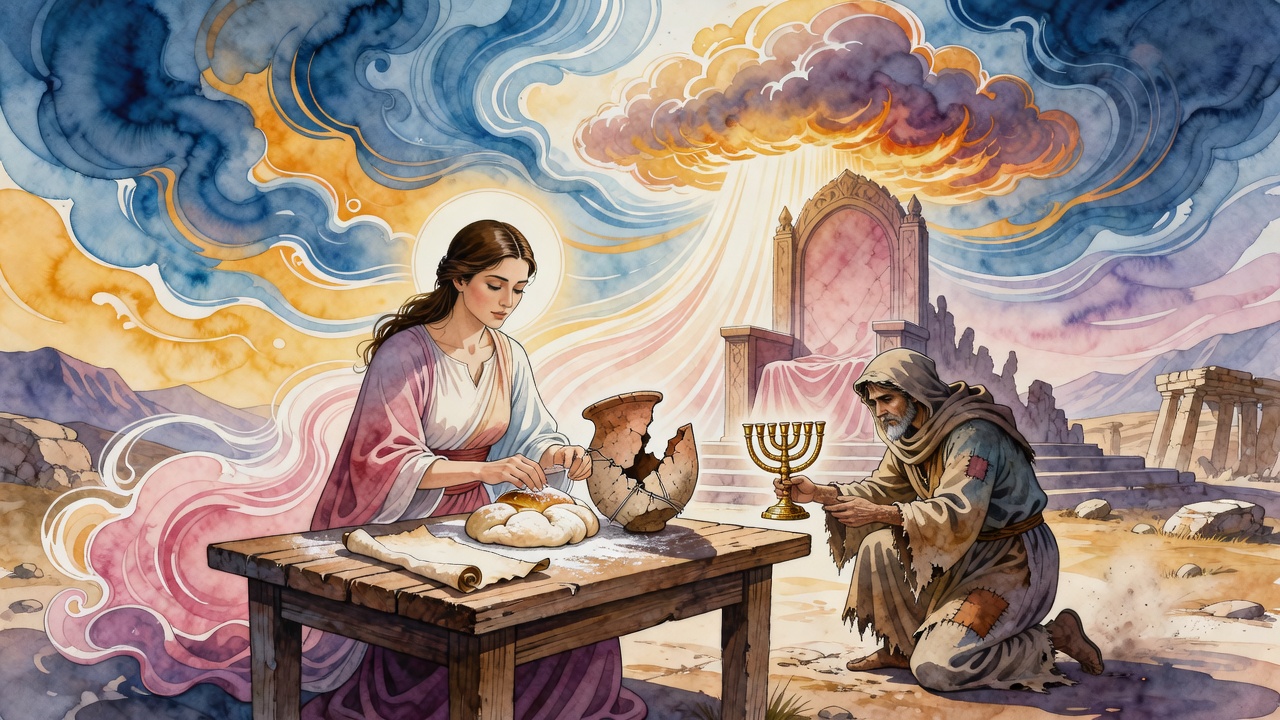
The woman's hands were in the dough up to the wrists. Friday light was already thinning on the wall. She pinched off a piece, held it, and set it aside before the rest went toward the oven.
 Click for full size
She Lifted a Piece Before the Loaf
The piece was small. It did not look like a repair of Eden. It looked like dough. She still lifted it. In the kitchen that pinch is challah (חלה), the portion held back so the rest may be eaten.
The Shekhinah (שכינה), the Presence that wants to sit near tables, leans toward a house where something is given back before it is taken. The woman did not speak to the dough. She pinched. The loaf went in with a hole in it that heaven could read.
Adam Ate and Lifted Nothing
Adam reached for the fruit of the Tree of Knowledge and ate it whole. He lifted nothing first. He set nothing aside. The meal went down without a gift in it, and the Presence had no seat at that first table.
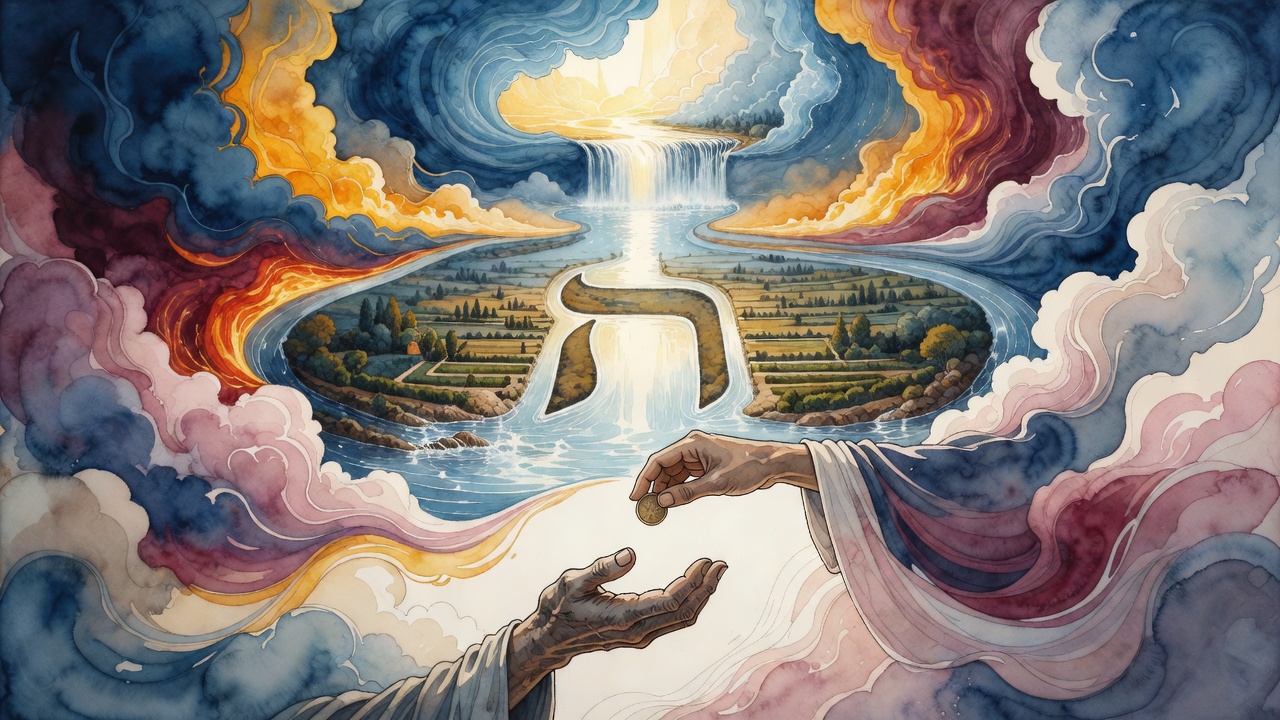
Wheat went into his mouth the way a man eats when he is sure the garden will keep feeding him. It did not. A kitchen on a Friday is the long answer to that meal. The woman holds back a handful. What was missing from Adam's eating comes back as a piece of dough in a human palm.
The Gate Stood Wider on Shabbat
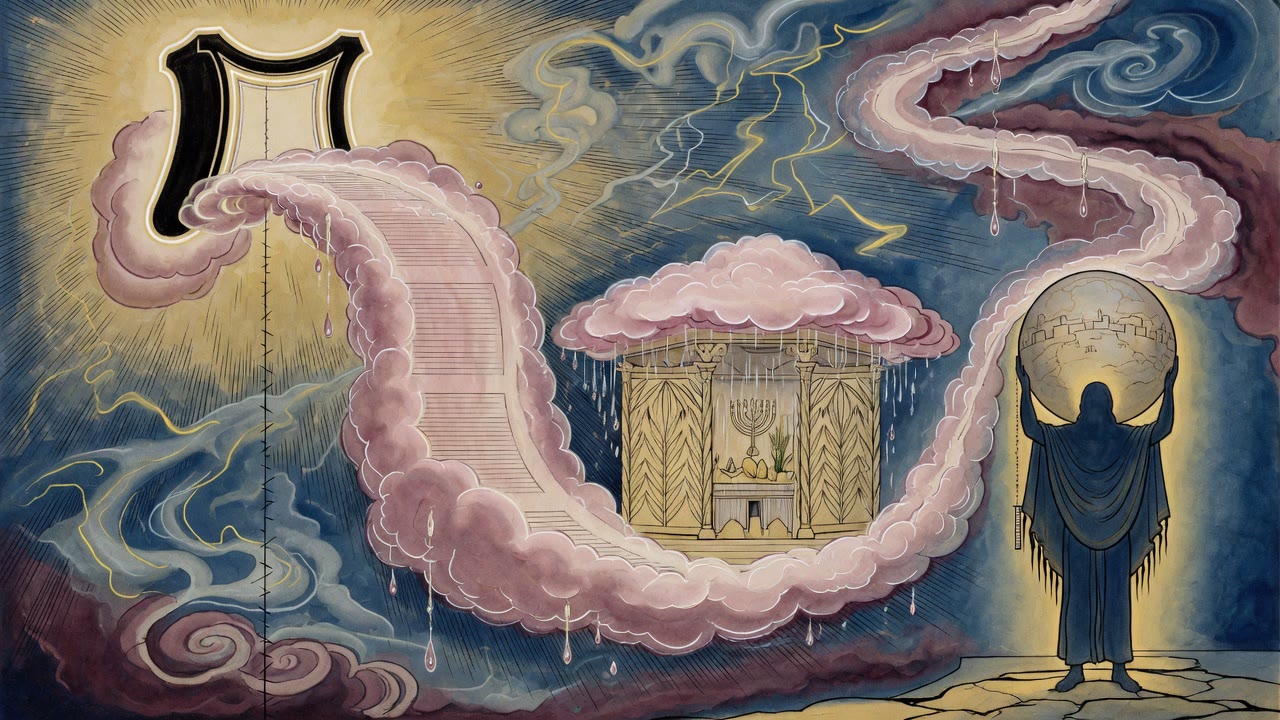
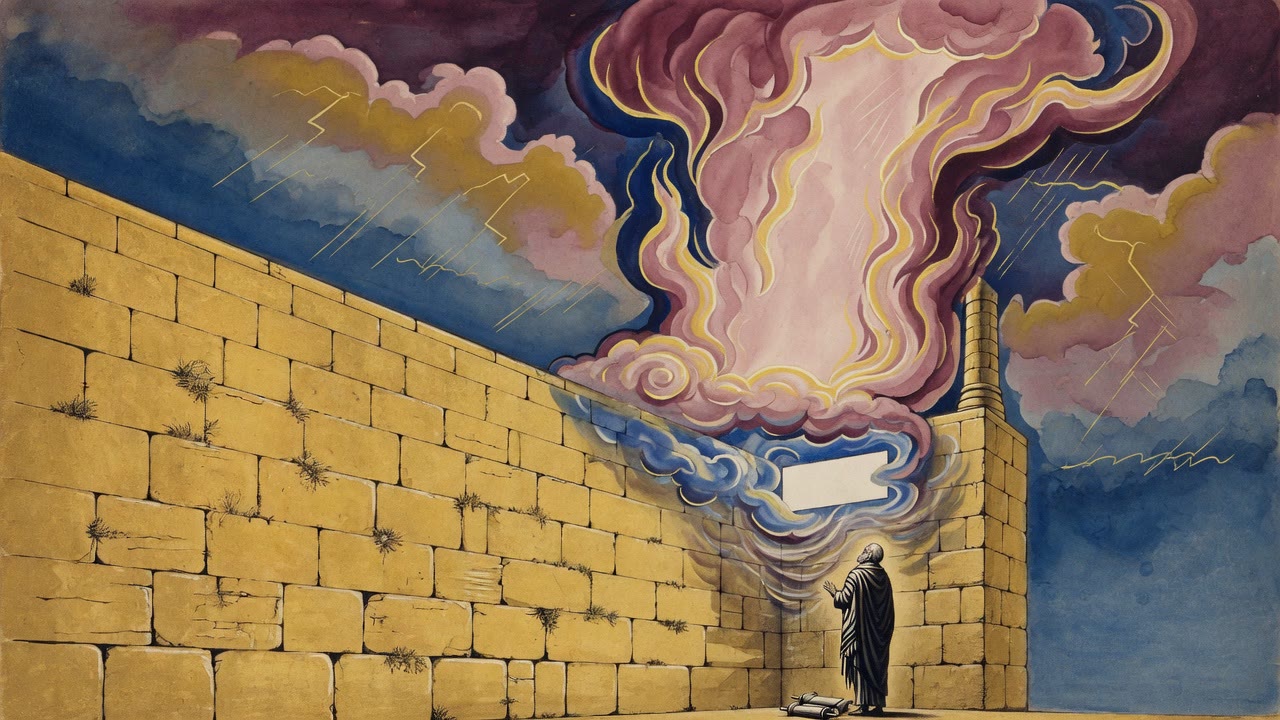
Night came. The household stood for prayer. On weekdays the path upward is narrow. On Shabbat the gate stands wider. What rises from the floor is taken in.
The Shekhinah moves through seven heavens. When the house is aligned she comes down the layers, closer to the bread, closer to the mouths. When theft and broken vows sit in the rooms, she climbs. She wants to be near. She will not sit on a stolen cup.
Moses once put a leprous hand into his cloak and drew it out clean, flesh again (Exodus 4:7). White death had been on it. Then it was a hand. The Presence comes back the same way. Not as a speech. As a return.
The Dove Came Home at Evening
Noah opened his hand over the water. The dove went out and found no branch. The earth was still a drowned floor. Nothing to land on that would not sink. She came back at evening, and Noah reached out and took her in (Genesis 8:11).
That is what the Shekhinah does when the world is not ready to hold her. She goes out. She finds no rest. She returns to the one dry place left, the ark that still keeps covenant above the flood. God puts out a hand. Evening is when she comes home to wait.
The Thief Set the Cup Back
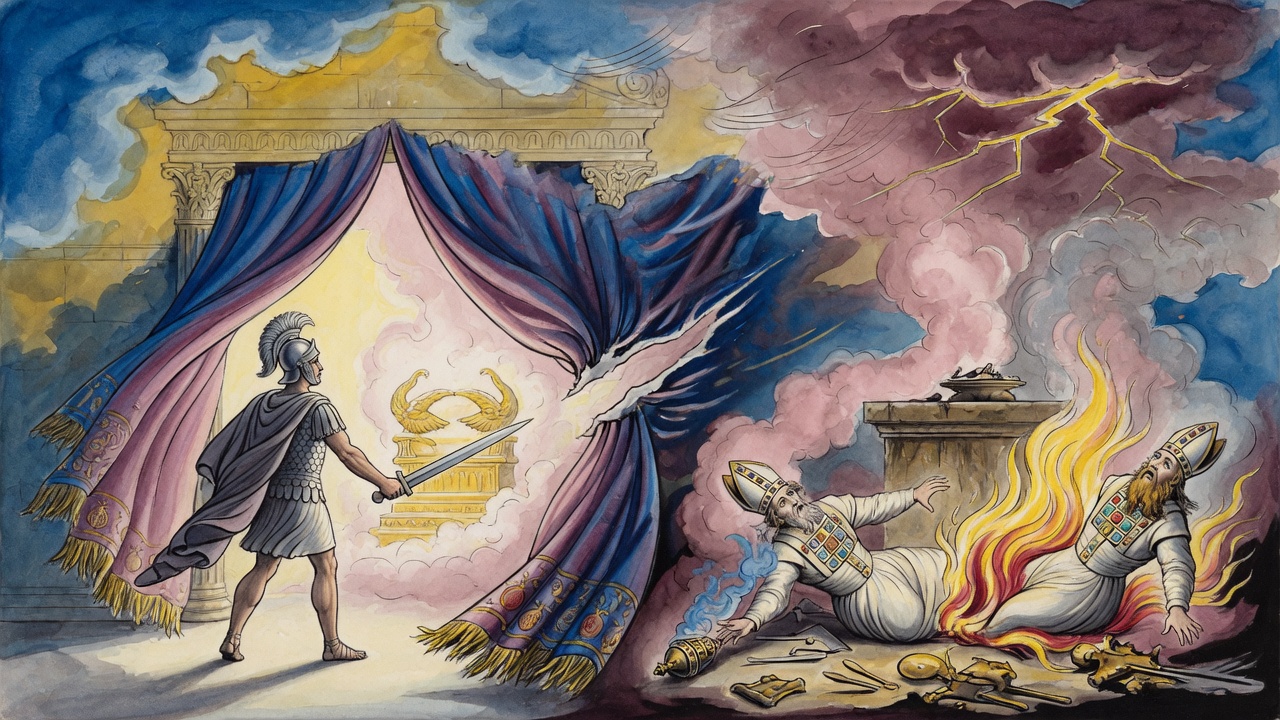
In another house a thief stood with a cup that was not his. The rim cut his palm under the cloak. He walked the street he had left by. He opened the door. He set the cup on the shelf. His hands were empty. The shelf was full.
The legal claim was the smallest part of what moved. The object had left its place, and the Presence had left with it. When he put the cup back, she turned in the seven heavens and started down.
When Israel sins, the Mother, the Presence that dwells nearest, goes into exile. The Name that should sit together splits. Repair is a returned cup, a pinched loaf, a prayer said when the gate is wide, a dove taken in at evening. The letters come back beside each other. The Mother comes down. What had been stolen sits in its place, and she can rest.
← All myths