Jacob Paid His Old Vow With Levi and a Limp
The angel who jumped Jacob in the dark had not come to test his character. He had come about an unpaid debt, and he wanted it settled by morning.
Table of Contents
 Click for full size
The Creditor at the Ford
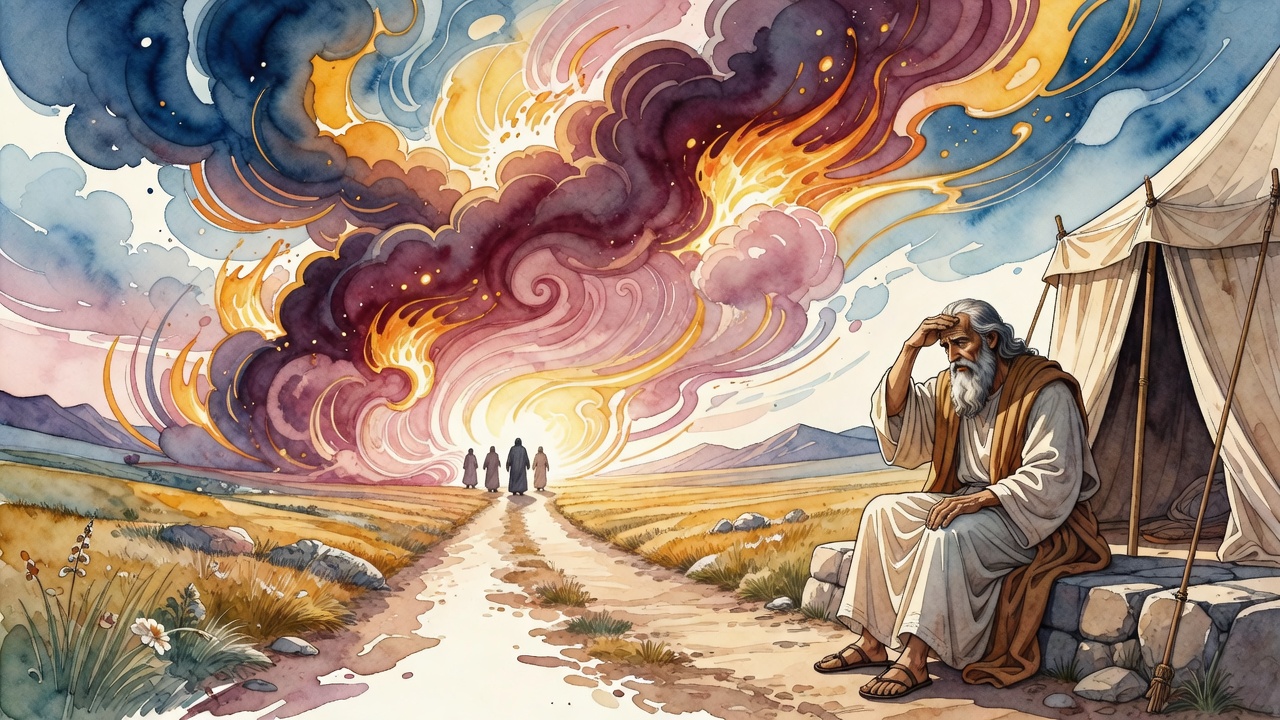
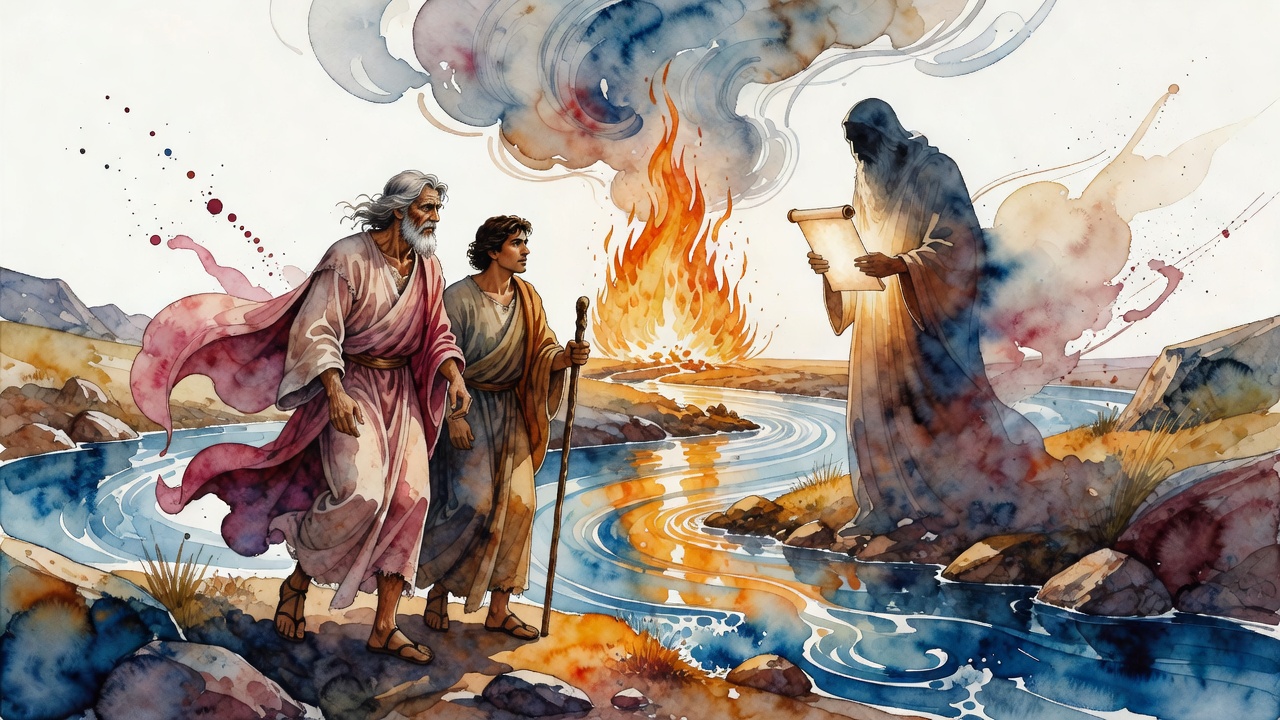
Jacob had sent everyone across the Jabbok ahead of him. Wives, children, servants, herds, all of it moving over the water in the dark. Then he was alone on the empty bank and a man took hold of him.
The man had not come about Esau. He had come about money.
"Did you not say you would tithe everything?"
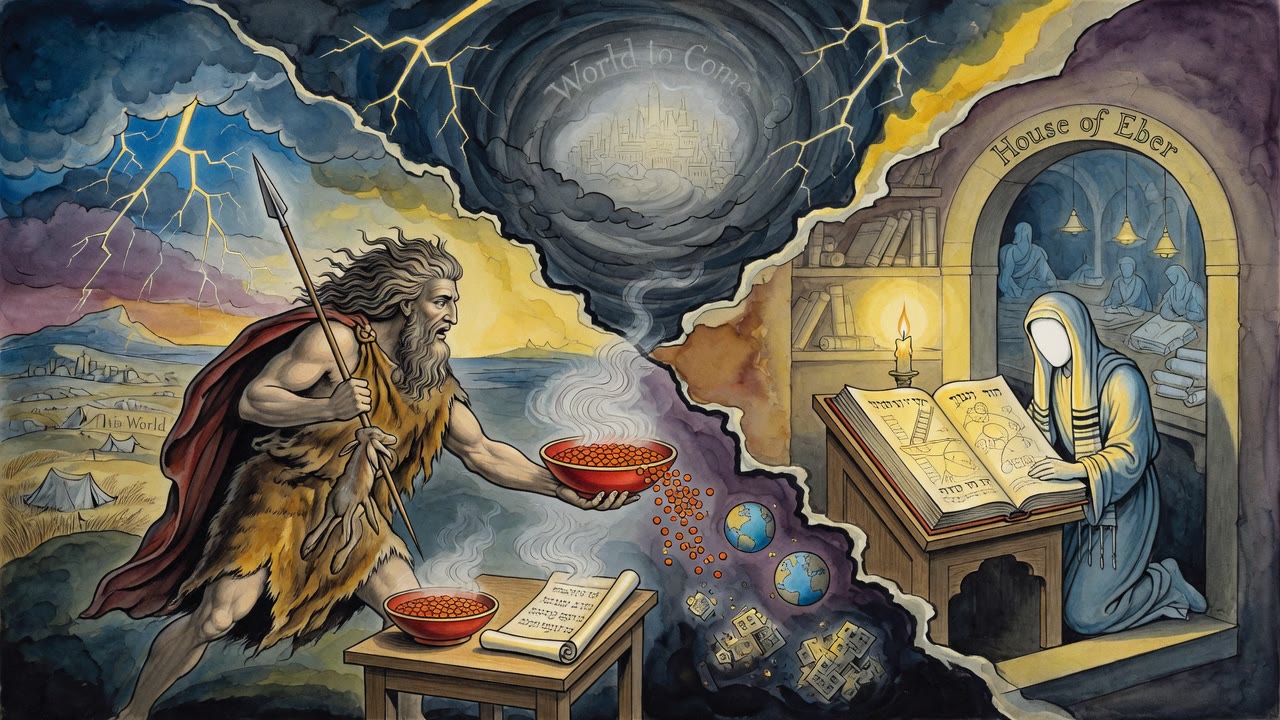
Jacob had said it. The vow was twenty years old. As a frightened boy sleeping on stone he had told God that if he came home fed and clothed and alive he would give back a tenth of whatever he was handed. He had come home with more than he could hold.
He started counting there on the bank. He went through the livestock in the dark and separated out five hundred and fifty head, which means the herd he had brought out of Laban's country was five thousand five hundred.
The angel had not let go of him.
"You have sons," he said, "and you have not tithed them either."
He Counted His Children in the Middle of a Fight
Eleven sons on the ground and one more not yet born.
The four firstborn of the four mothers came out of the count first, because a firstborn already belongs to God and one holy thing cannot be used to make another. That left eight. He began at Simeon and worked down the line, and when he reached Benjamin, still inside Rachel, he had not got to ten, so he turned around and started at Simeon again.
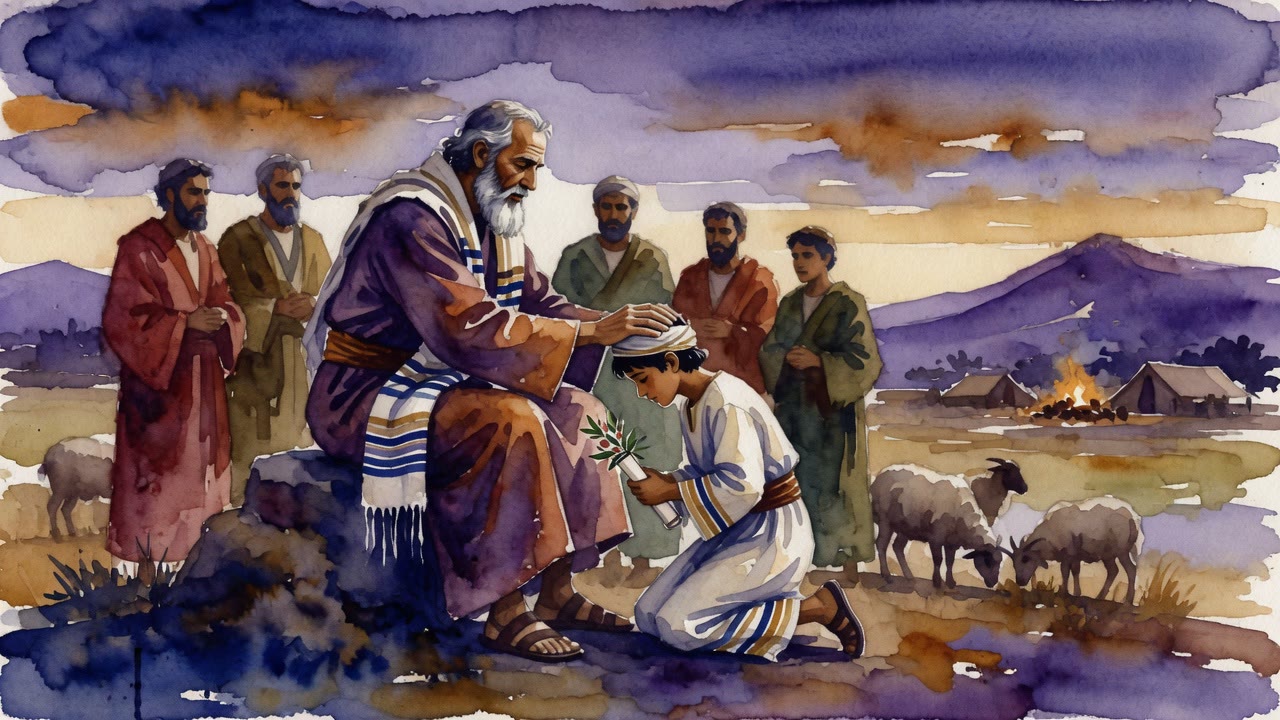
Levi came up tenth.
That is the entire election of the tribe of Levi. Not a decree from a mountain, not a reward for anything Levi had done, which at that point was nothing at all. A man wrestling in the dark on the wrong side of a river ran out of sons, doubled back, and the count landed where it landed.
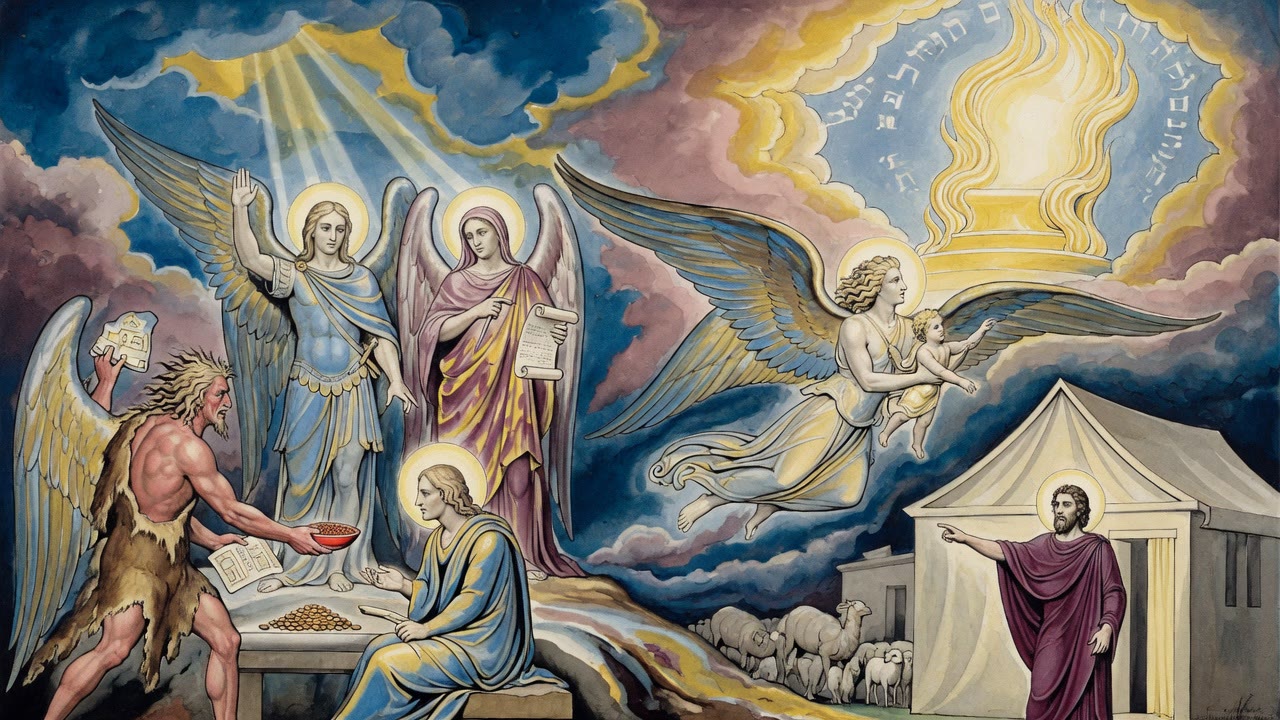
Michael Carried the Tenth Son Up
The angel Michael came down, picked the boy up, and carried him in front of the Throne of Glory, holding him out the way a priest lifts a portion at the altar.
"Master of the worlds. This is Your lot. This is the portion of Your tithe."
God put out His right hand and blessed the child, that his sons would serve in front of Him on the earth the way the ministering angels serve in heaven.
Michael was not finished. "Master of the world. When a king keeps servants, does he not feed them?"
That question is the reason the Levites eat from the altar and hold no field of their own. Michael asked it over a boy held up in the air, and the answer became a whole tribe's economy.
The Tithe That Went to Esau Instead
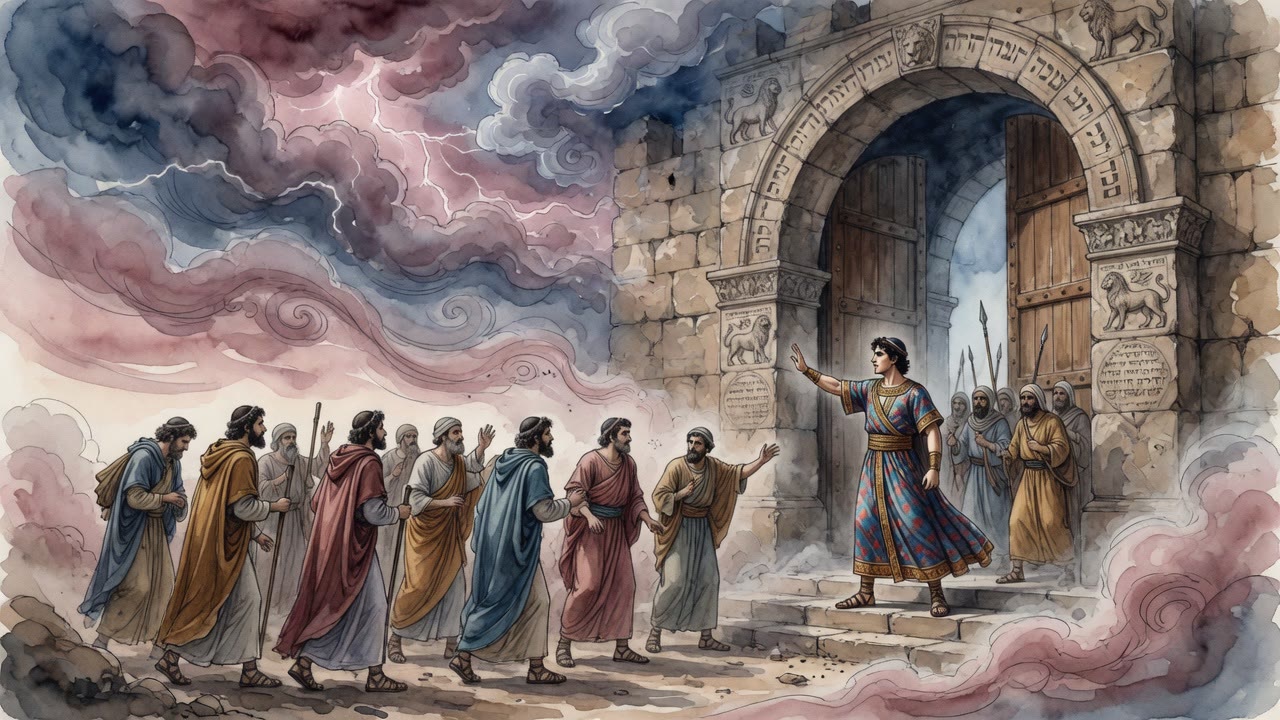
Then Jacob did something with the rest of it that nobody above had expected. He took the tithe he had counted out of his herds, five hundred and fifty animals, and sent it ahead by his servants as a present for his brother.
"Jacob. You have made the holy common."
"Master of the world. I am flattering a wicked man so that he does not kill me."
The defense stood. A man may flatter the wicked in this world for the sake of peace. But the account was not closed, because Jacob had also bowed to Esau and called himself Esau's servant, and the word given over the two of them before they were born was that the elder would serve the younger.
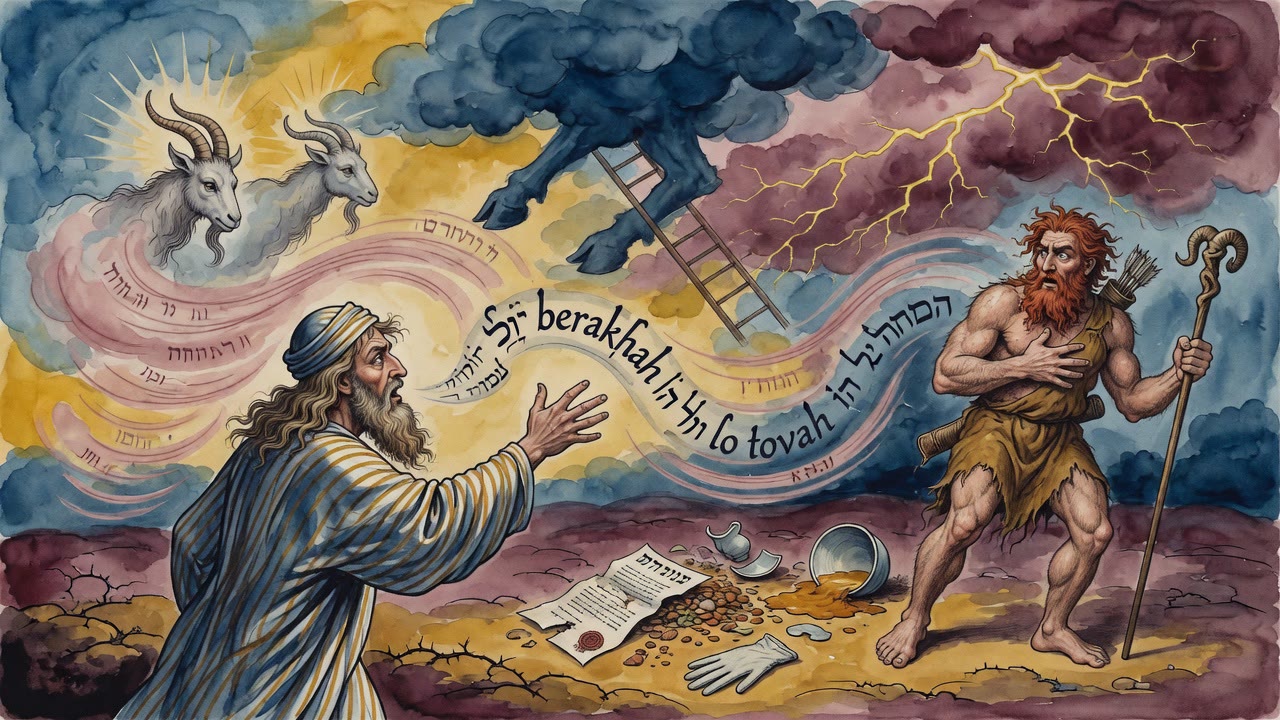
"By your life. As you said it, so it will be. He rules over you in this world. You will rule over him in the world that is coming."
Let Me Go, the Dawn Is Coming Up
They had been at it all night. The dust their feet threw up had gone all the way to the Throne of Glory.
"Let me go. Dawn is rising."
Jacob did not let go. "Are you a thief," he said, "or a gambler, that you are afraid of daylight?"
"I am an angel. From the day I was made until this morning my turn to sing has never come."
Three companies of ministering angels sing every day. One says holy. One says holy, holy. One says holy, holy, holy is the LORD of hosts, the whole earth is full of His glory. This one had been waiting since the beginning of the world for his turn, and it had arrived, and a man on a riverbank had both arms around him.
The angel wept. Jacob let him go.
The hip had come out of its socket by then and the sinew had slipped up out of place and stayed there. Every Jewish table still keeps the mark of it. The sinew is forbidden inside the land and outside it, with a Temple standing and with no Temple standing, in domestic animals and in wild ones, and birds fall outside the rule because a bird has no socket for it to slip in. Jacob crossed the water in the morning with the vow paid, a new name, one son already handed over in front of the Throne, and a limp he would keep for the rest of his life.
← All myths