199 myths · Page 3 of 7
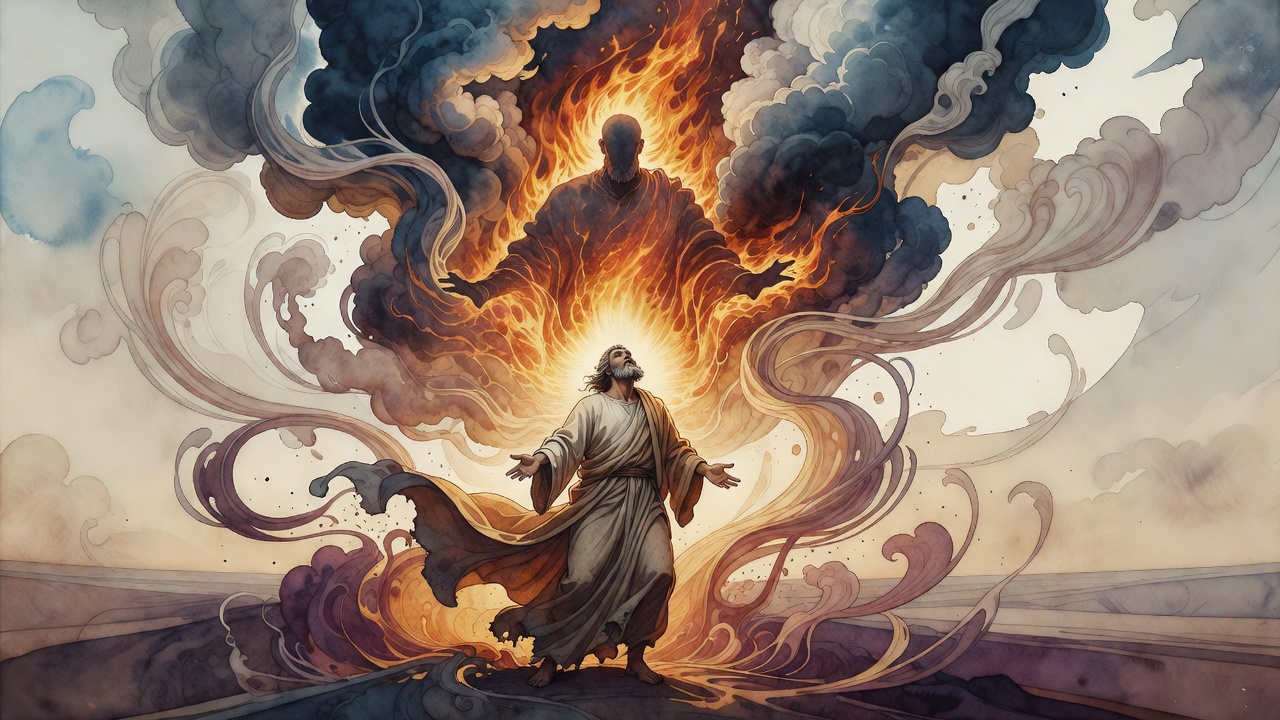
After the golden calf, God said He would send an angel instead of coming Himself. The people heard it, took off their ornaments, and never put them back on.
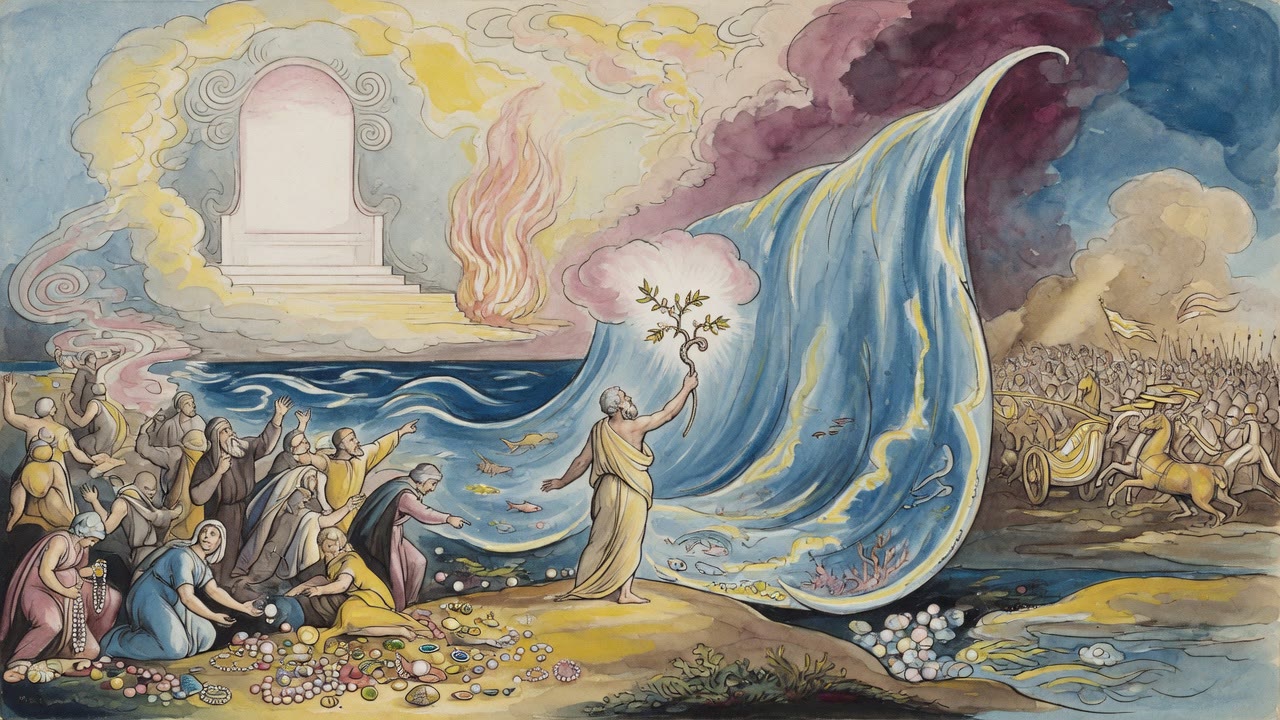
The Egyptian army was closing in, and the people at the water were picking up pearls. The river Pishon had washed them out of Eden.
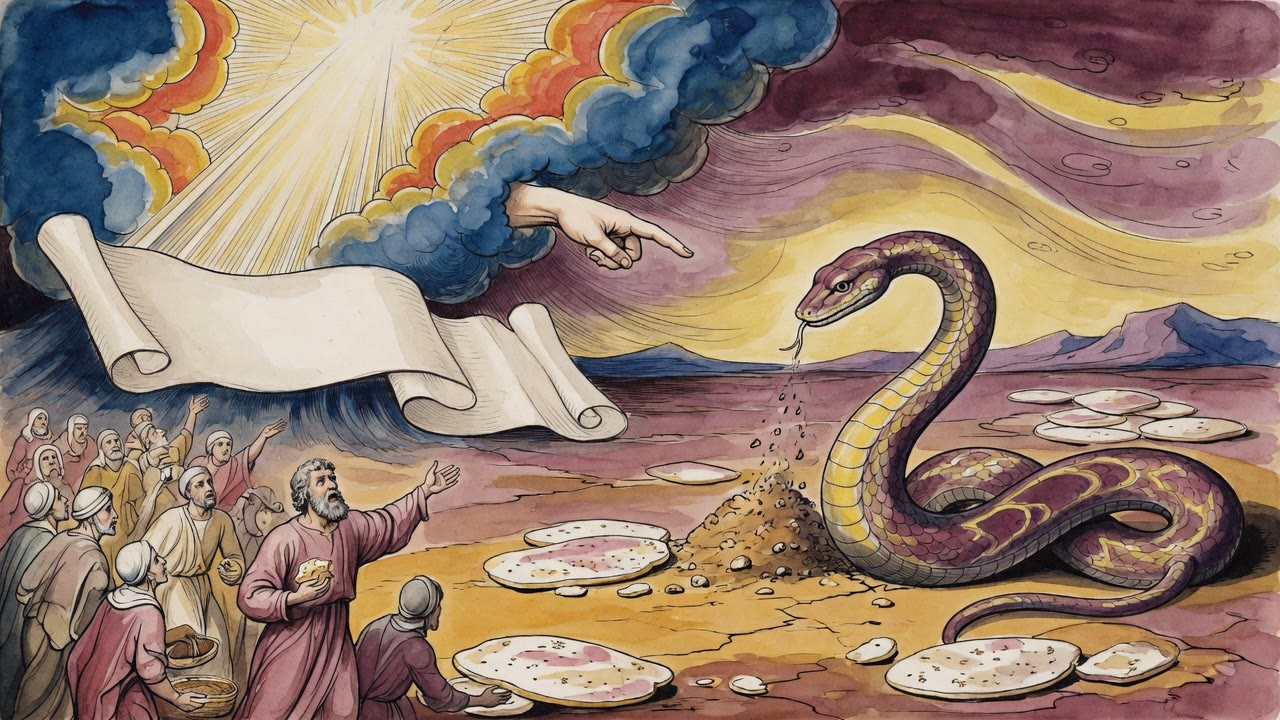
Israel called the manna disgusting after forty years. A heavenly voice answered by pointing to the serpent, who eats dust without complaint.
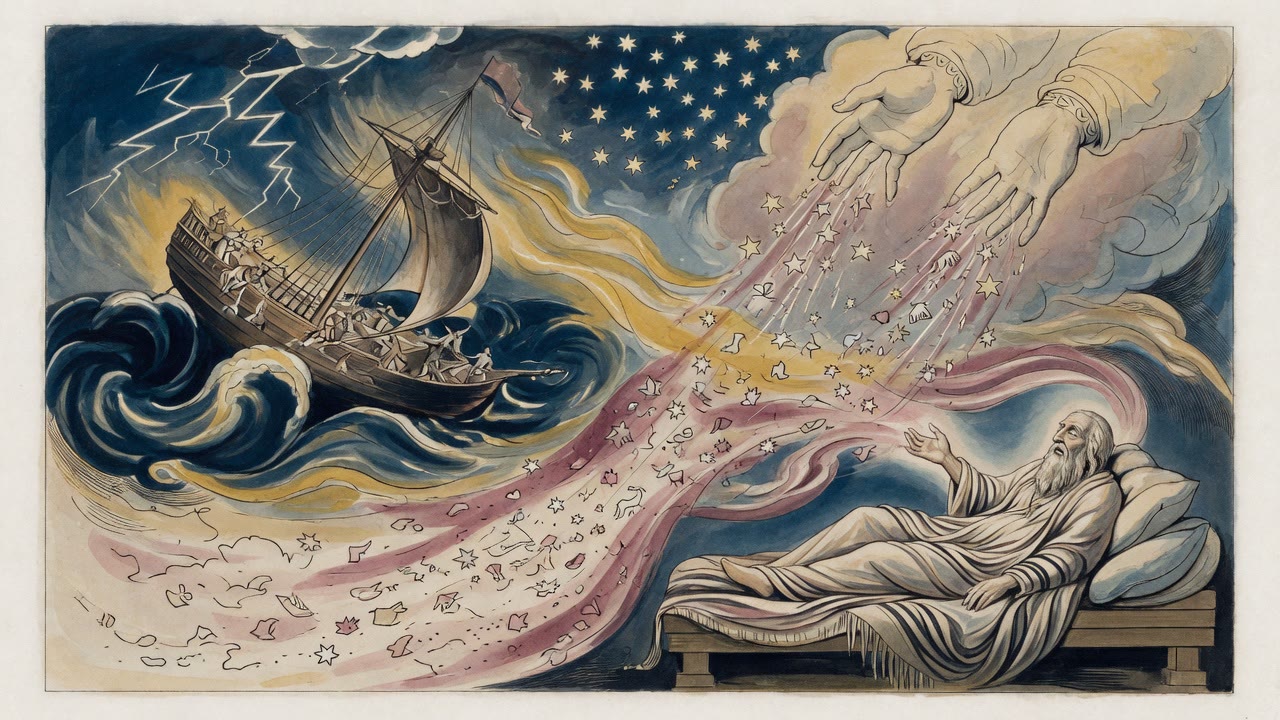
In a dream, Naphtali's brothers grabbed the sun and the moon, and he seized a star. On earth he carried Jacob's messages between Egypt and Canaan.
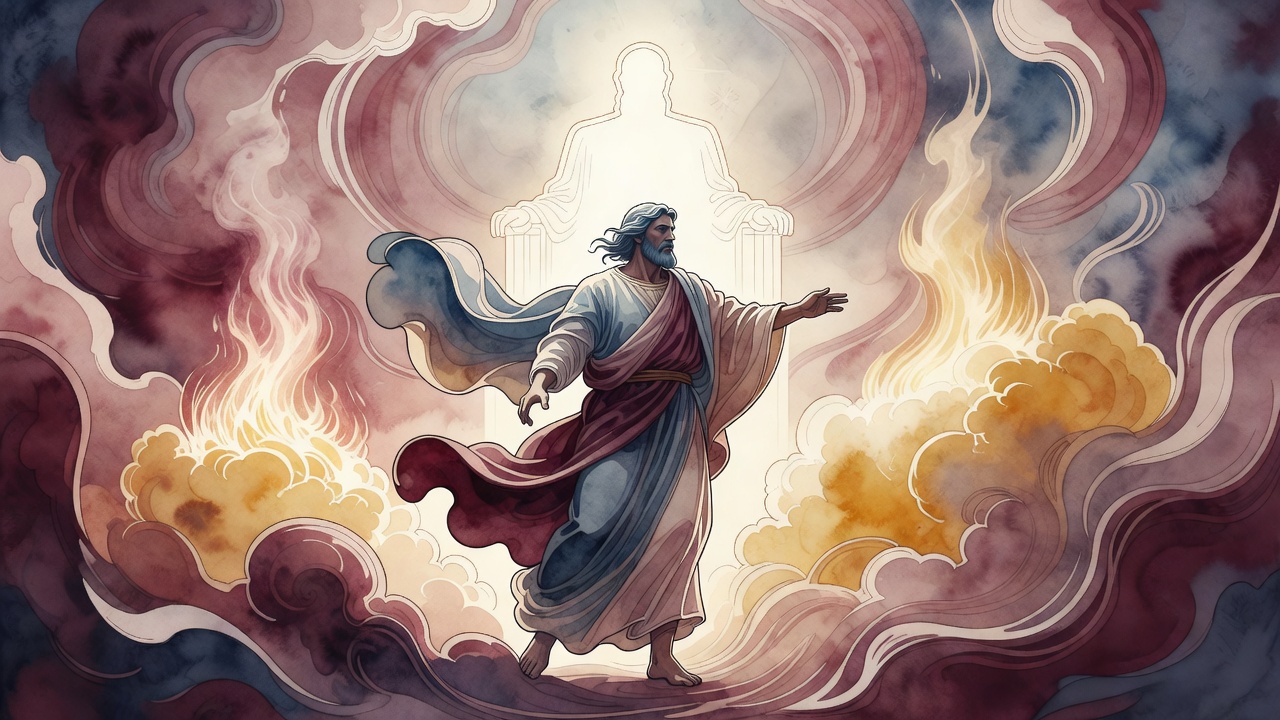
In the Prayer of Joseph, Jacob says he was an angel before the world was made. The man he wrestled at the Jabbok was Uriel, arguing over who descended first.
God invited him up the ladder and he said no, because if he climbed he would have to come down again. He did not yet know he had come down once already.
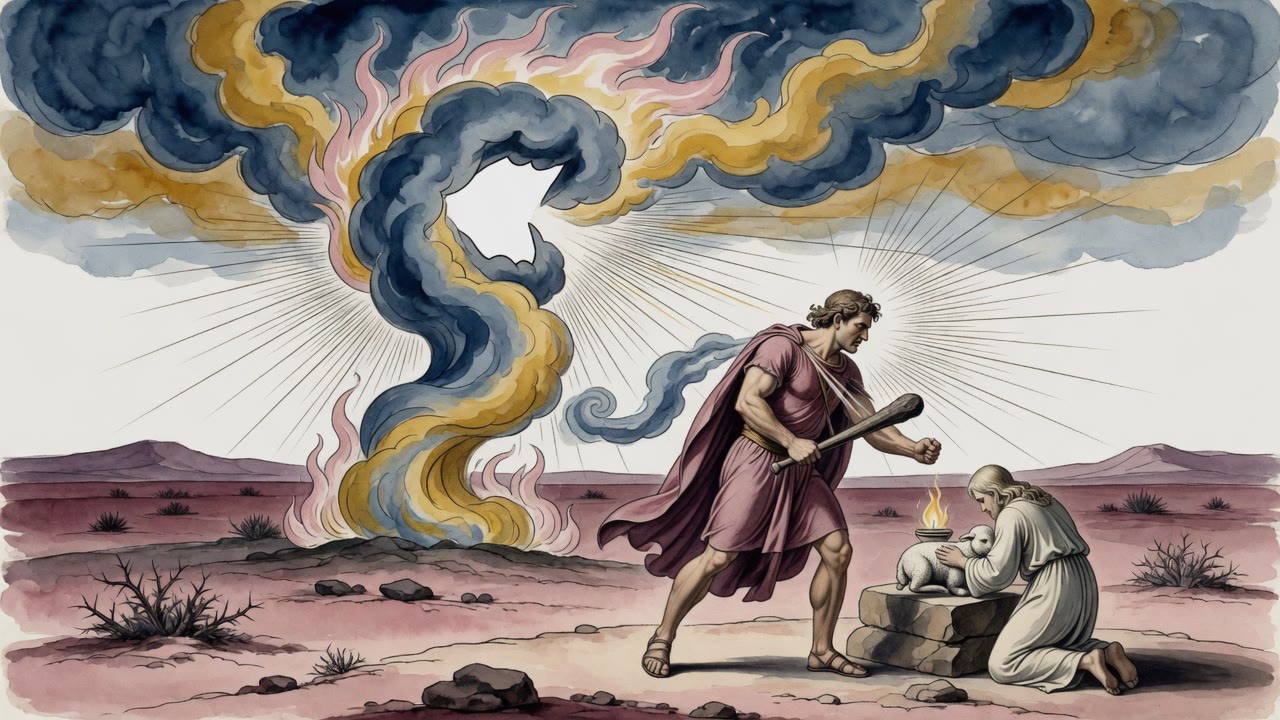
The princes of Moab were still asleep under his roof. Balaam was out in the cold before dawn, tightening the girth with his own hands.
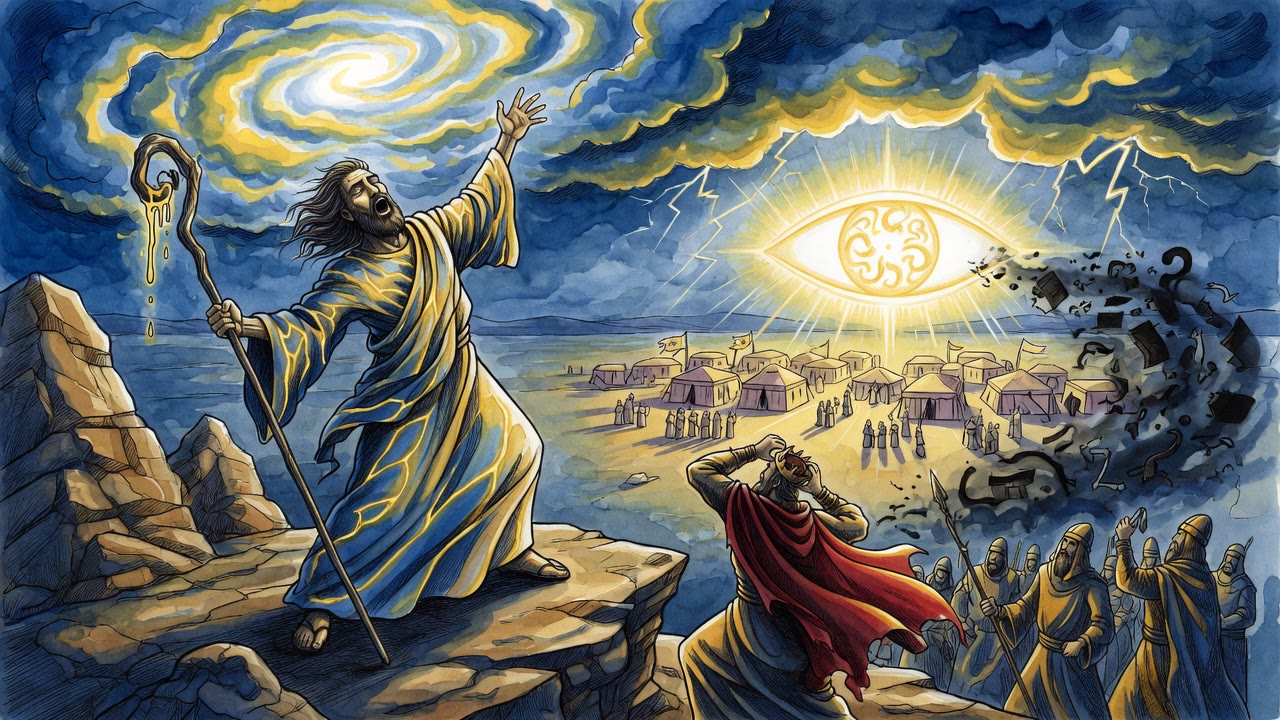
An orchard whose keeper falls asleep can be emptied before dawn. Balak had paid a man to find that hour. Balaam hunted for it from three hilltops.
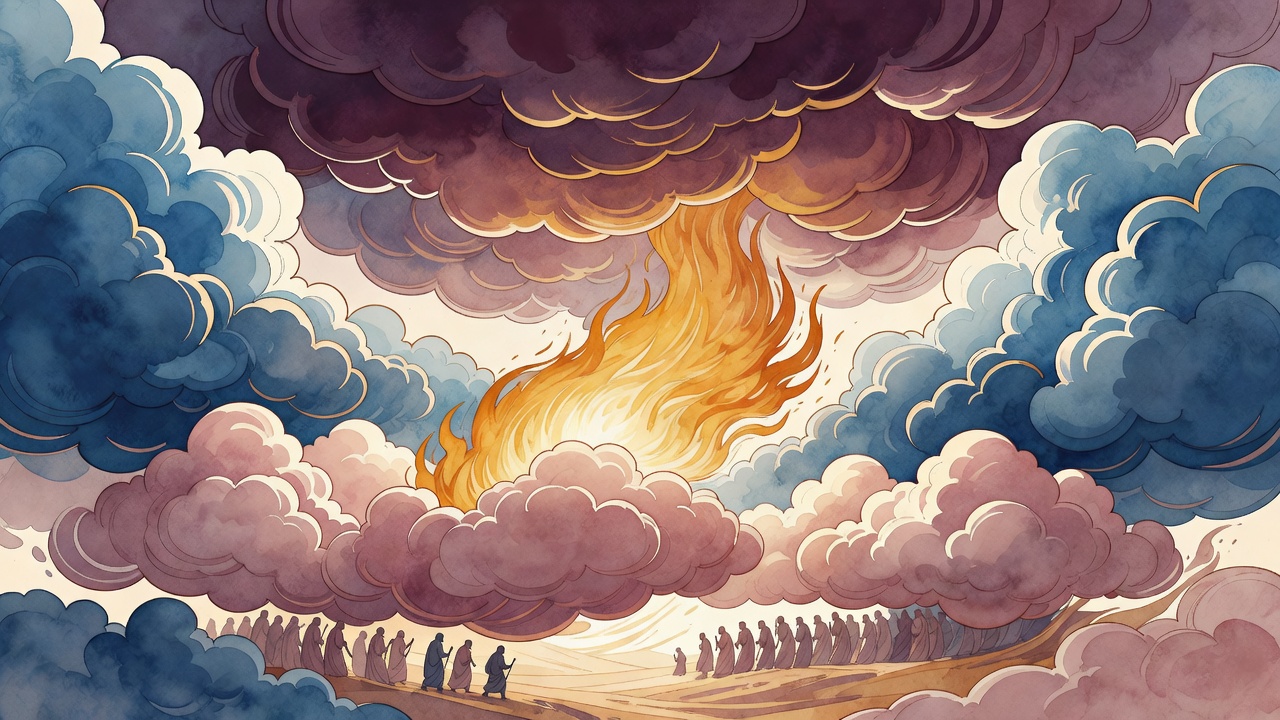
Esau told his grandson he had failed to kill Jacob and left him the job. Watch for the stumble, he said. That is the only opening you get.
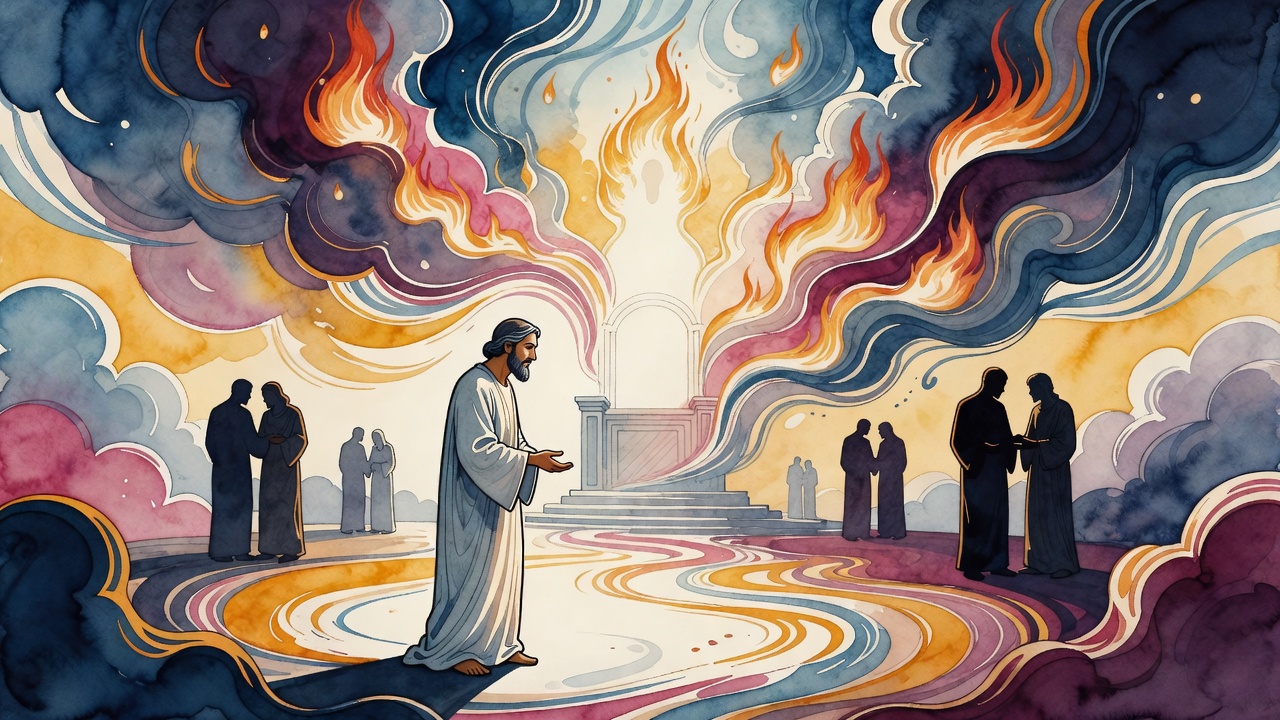
The first day of the week had the second. The third had the fourth. The fifth had the eve. The seventh counted them off and found itself standing alone.
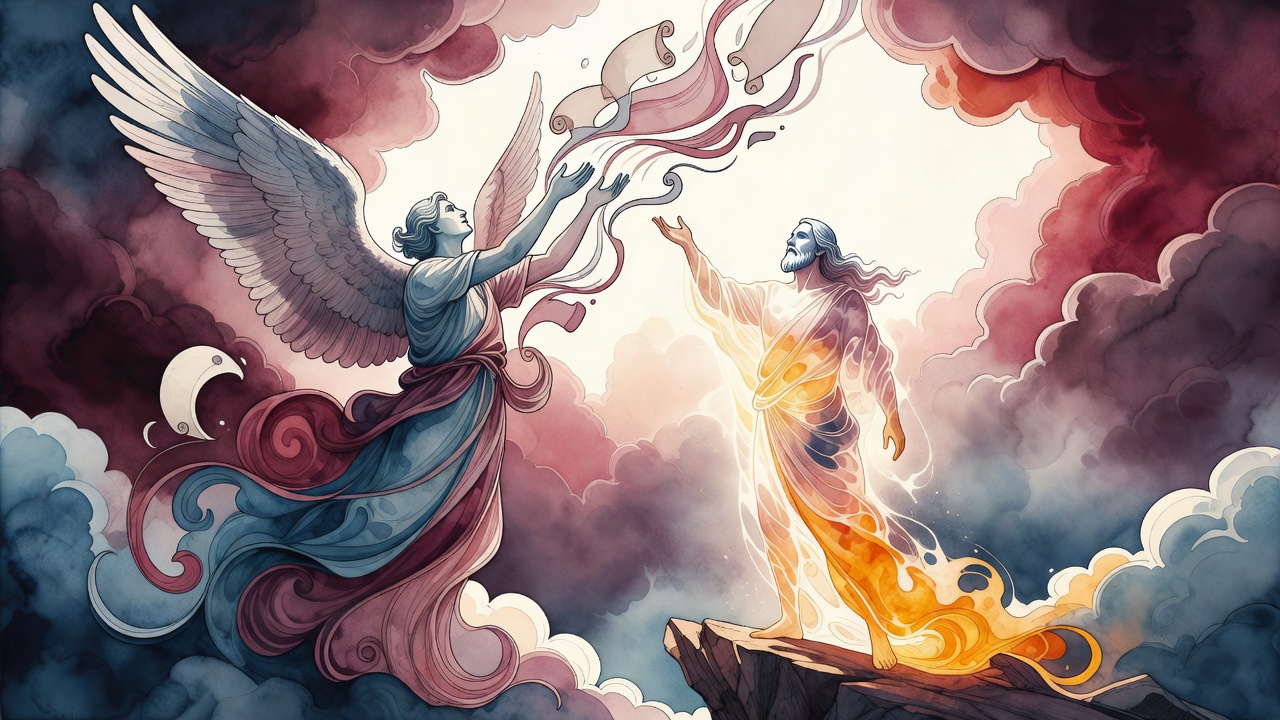
Solomon warned that a bird of heaven carries the voice. The midrash says that bird is an angel, and Saul's curse reached heaven as soon as he said it.
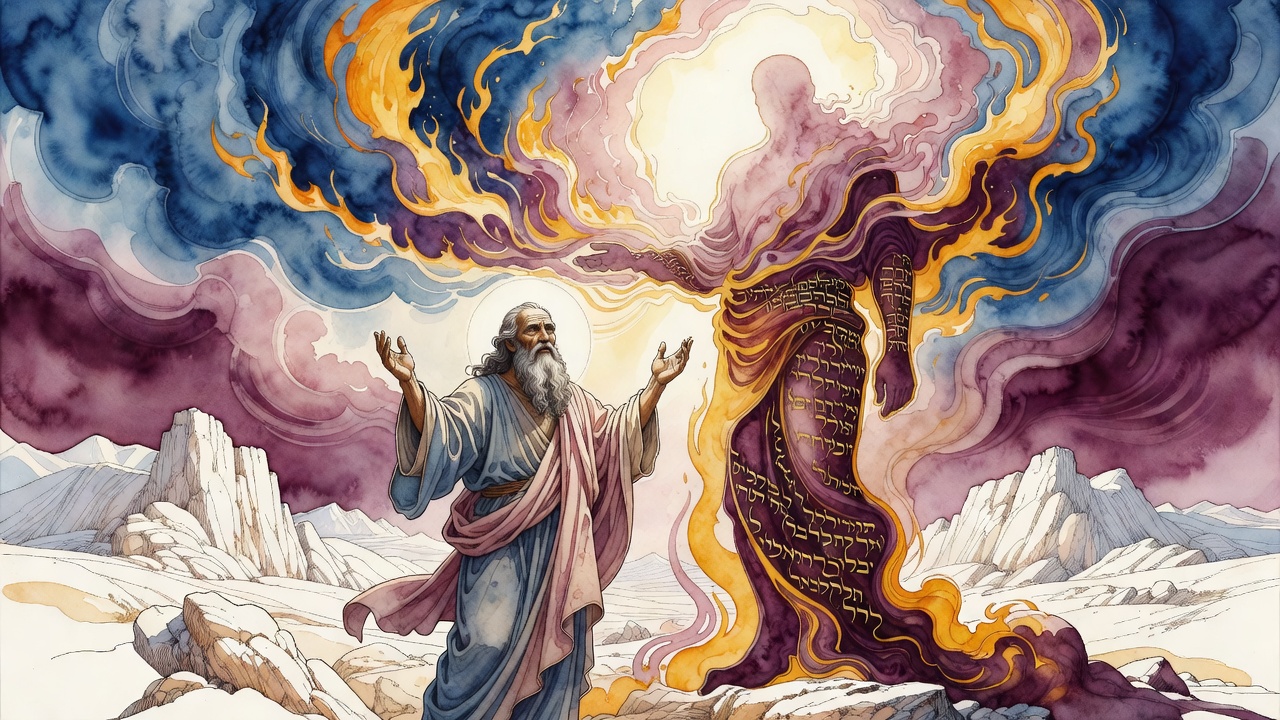
Moses blessed Israel at the edge of his life, and Devarim Rabbah says he was not standing alone. Torah stood beside him, and God stood beside Torah.
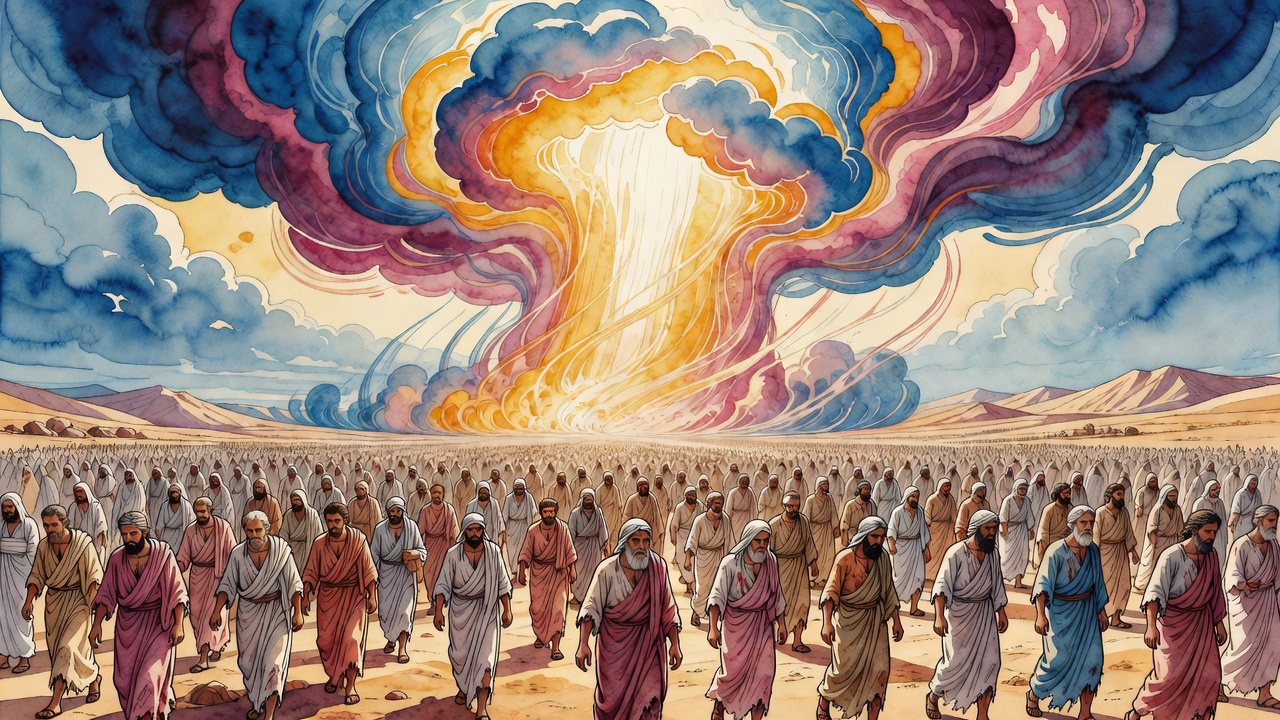
The nations watching in the wilderness said these children had Egyptian fathers. God told Moses to count them house by house and settle the question.
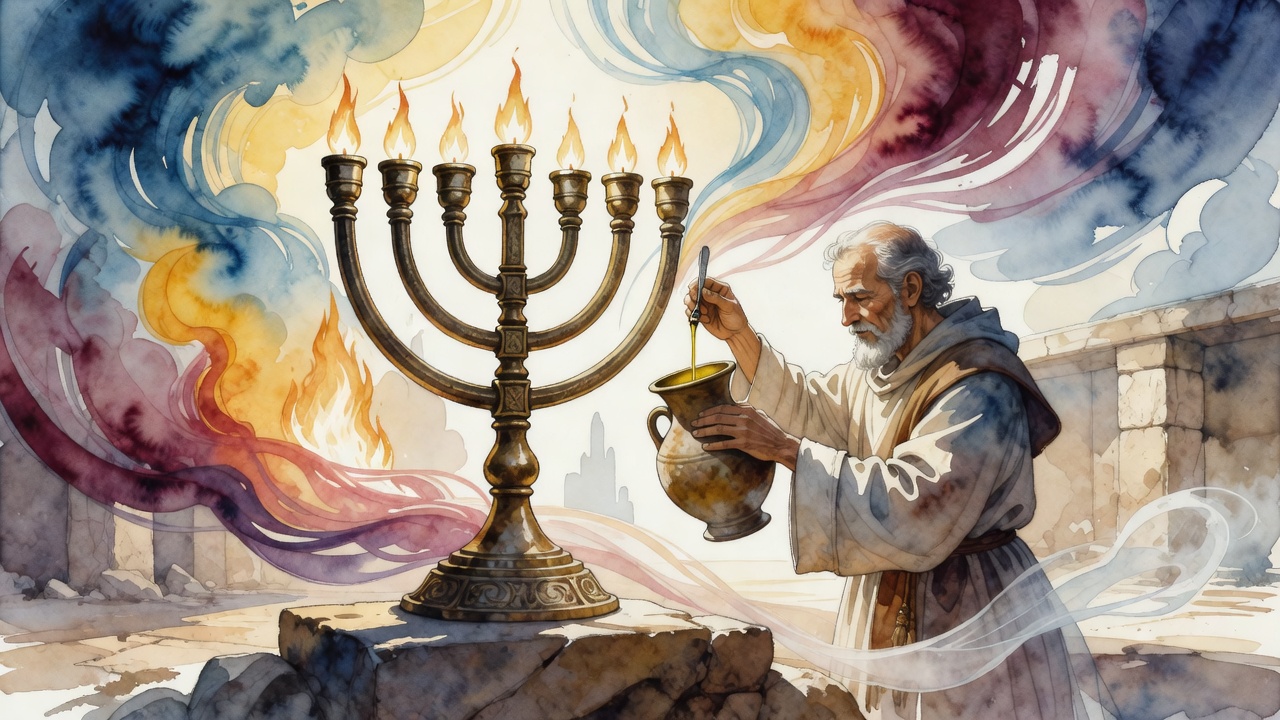
A priest presses olive oil into the cups and trims the wicks. God needs none of it. The flame burns for the hands that light it, not for heaven.
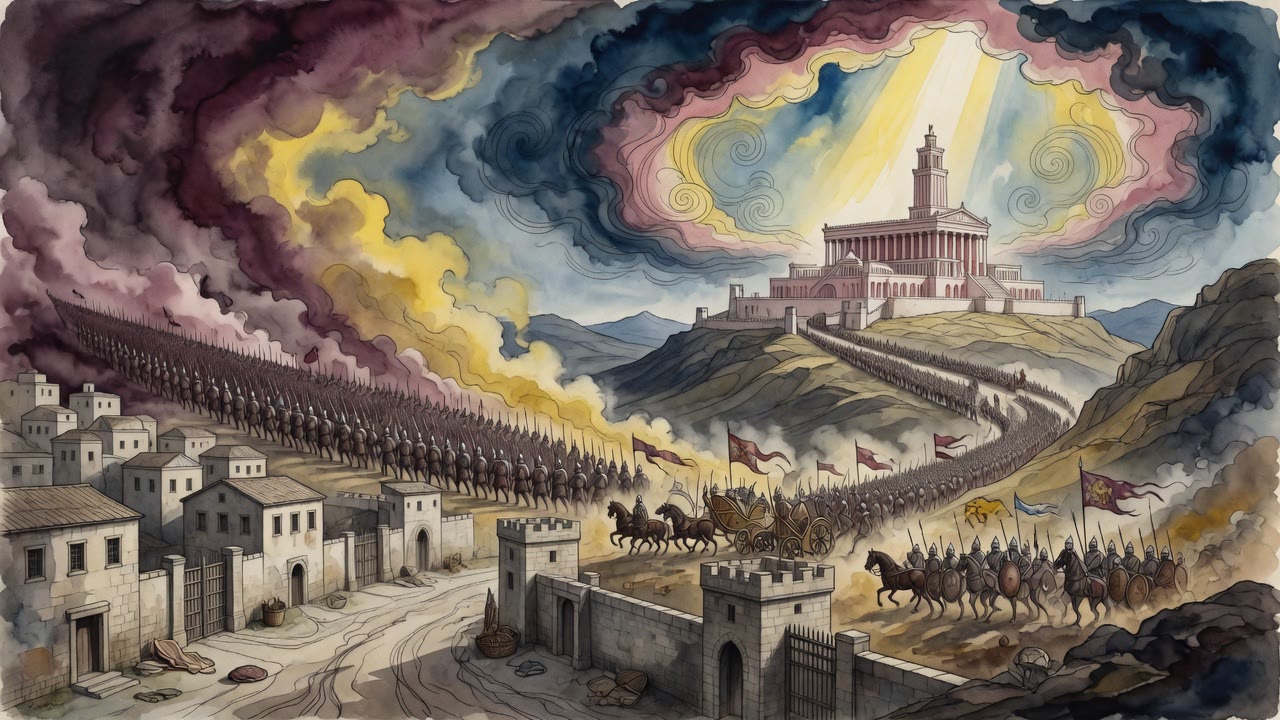
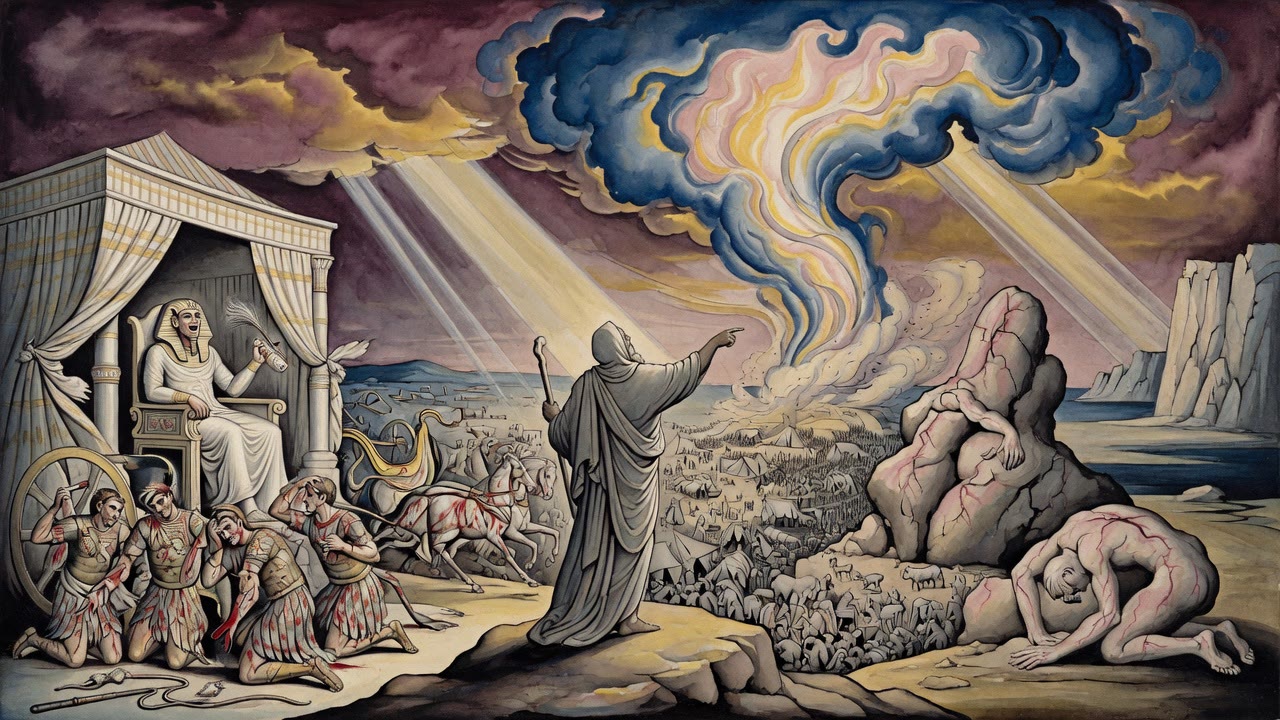
The court told Pharaoh to move against the Hebrews. He refused, said Egypt owed them everything, and lost his throne for three months.
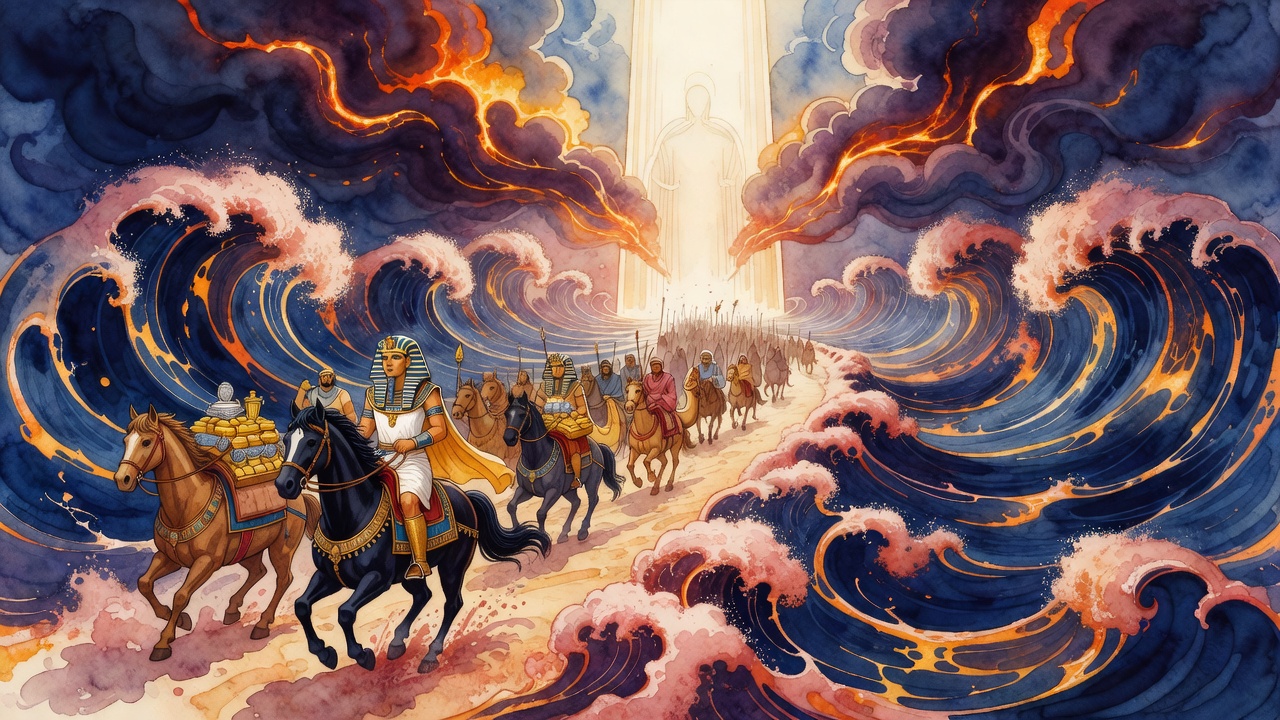
Pharaoh opened Joseph's storehouses and told his cavalry to hang the gold on their horses, so nothing would distract them from the chase.
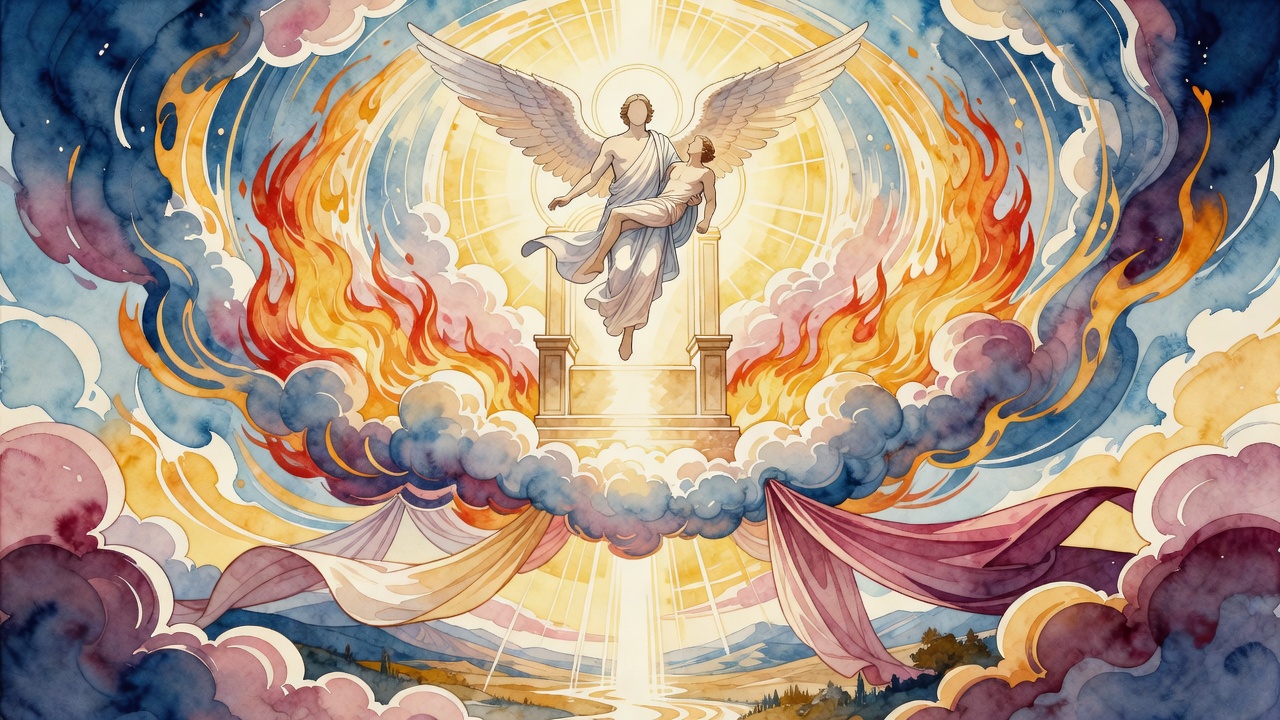
God carried Adam, one day old and still wet from the river of Eden, past every gate to the highest heaven. The first man sang his hymn to the day, not to God.
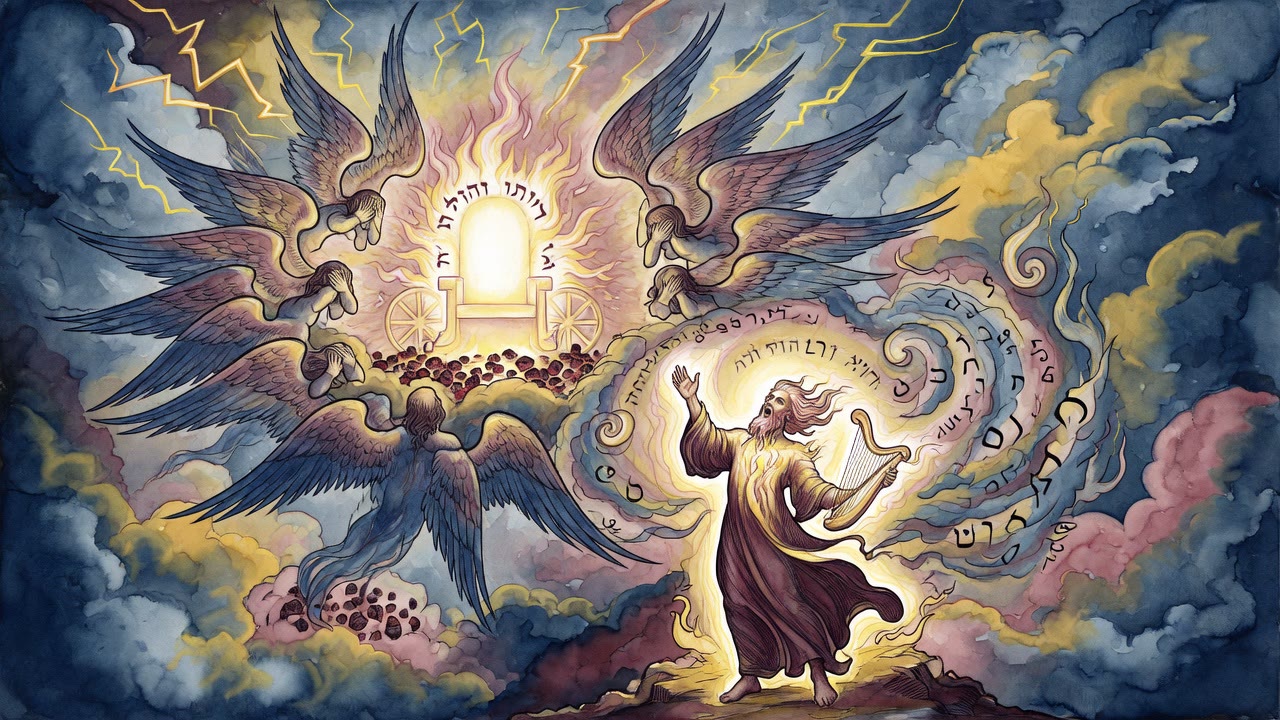
She had been told to look at the floor. Between two walls of standing water she pointed at the glory and named God as hers.
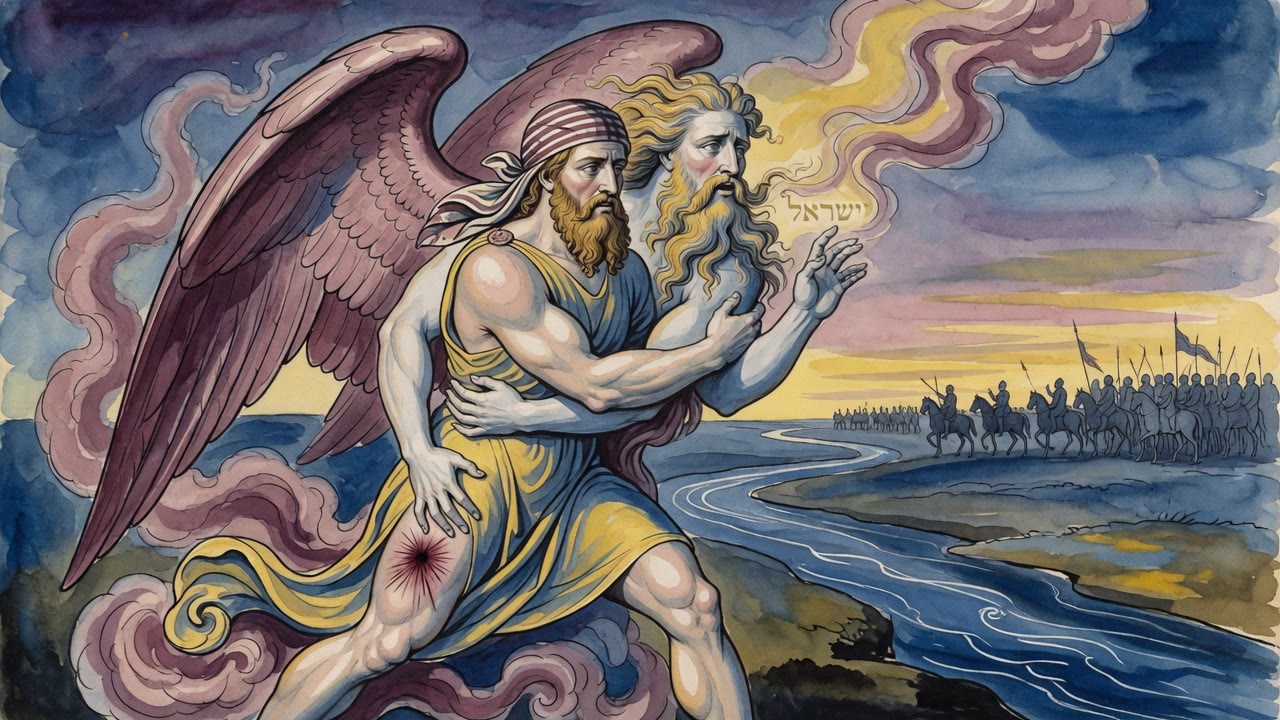
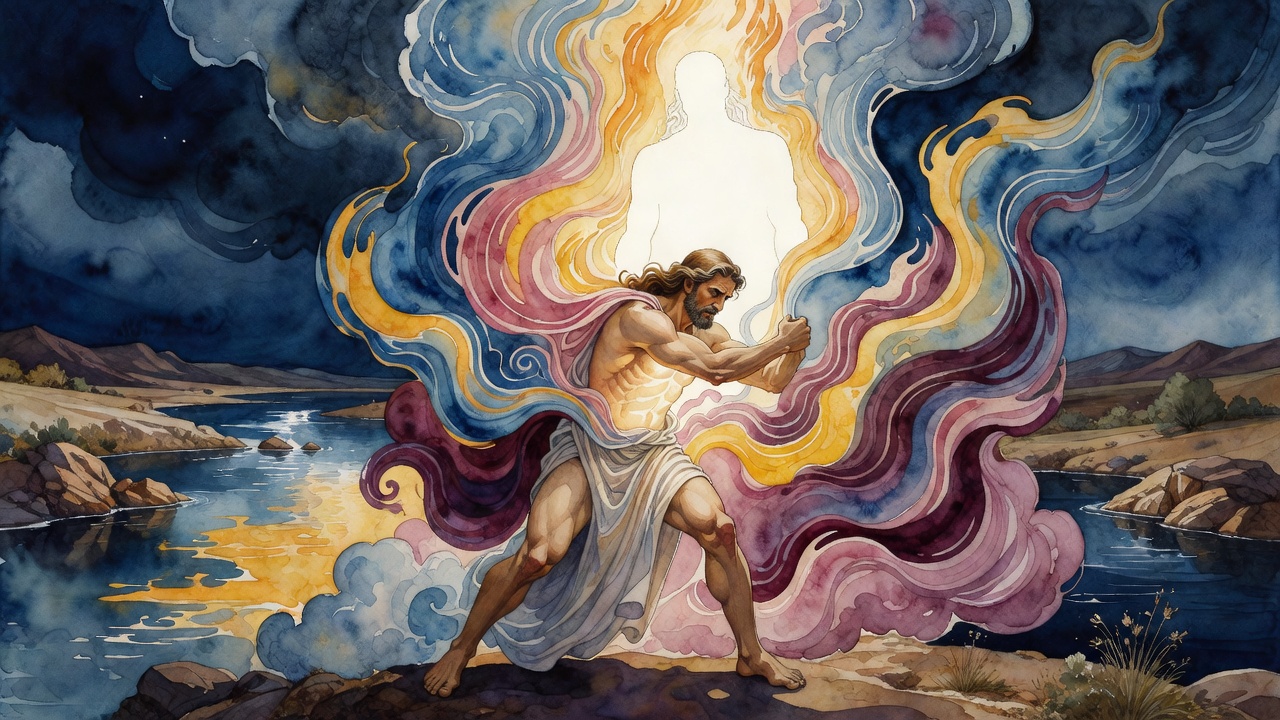
The camps were already across the water. Jacob stayed on the near bank. A man took hold of him in the dark and would not name himself.
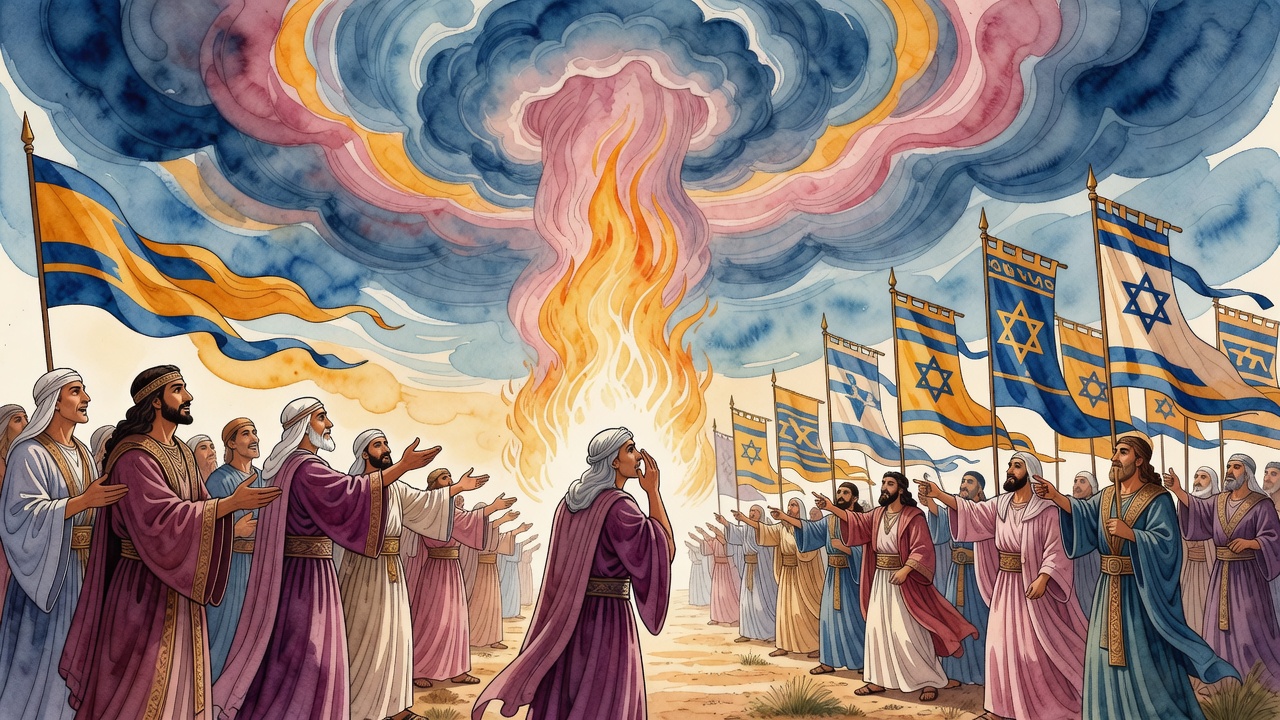
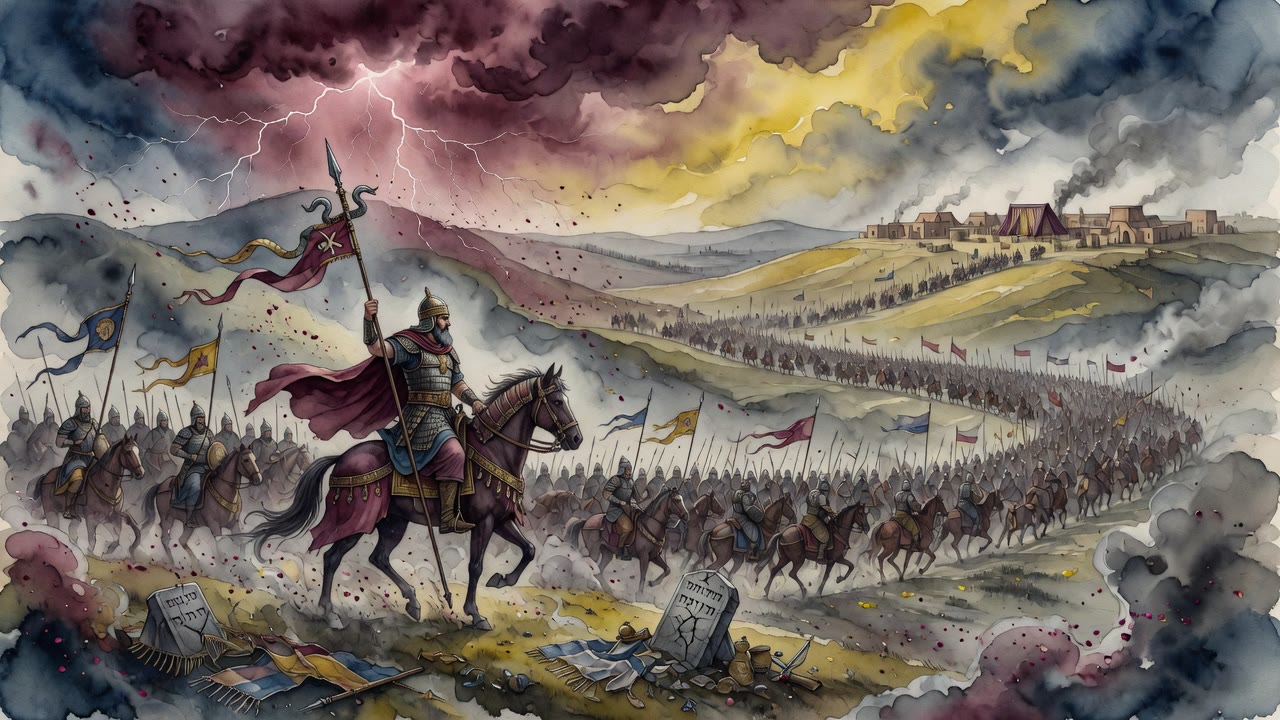
From the ridge the tents looked like one body. Then they sharpened into Judah and Reuben. Bilam could not find a gap for the curse.
The speech sat in his chest like a stone. He would not throw it while they could call him weak. Cheshbon's walls still stood.
No one walked out. They asked to hear the words of their King from Himself, not from a messenger, and were given two days to purify.
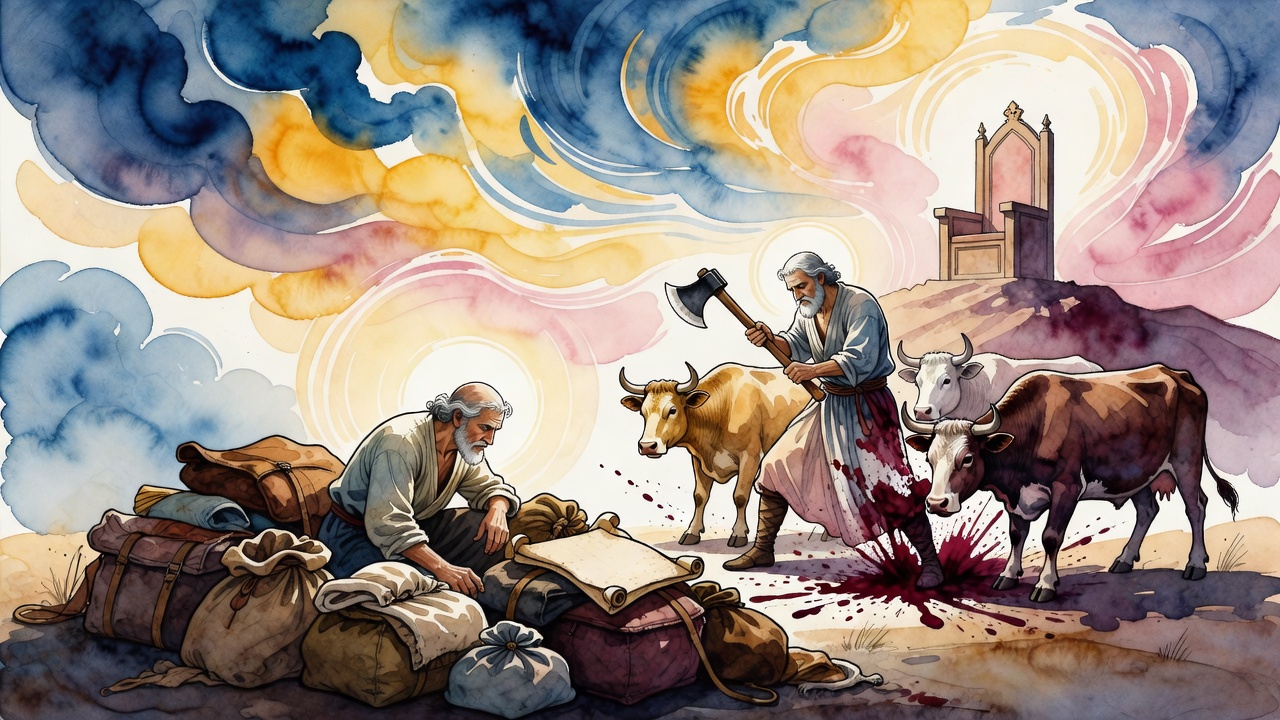
Samuel could not eat the night the elders demanded a king. God told him they were rejecting heaven, not the old judge at Ramah.
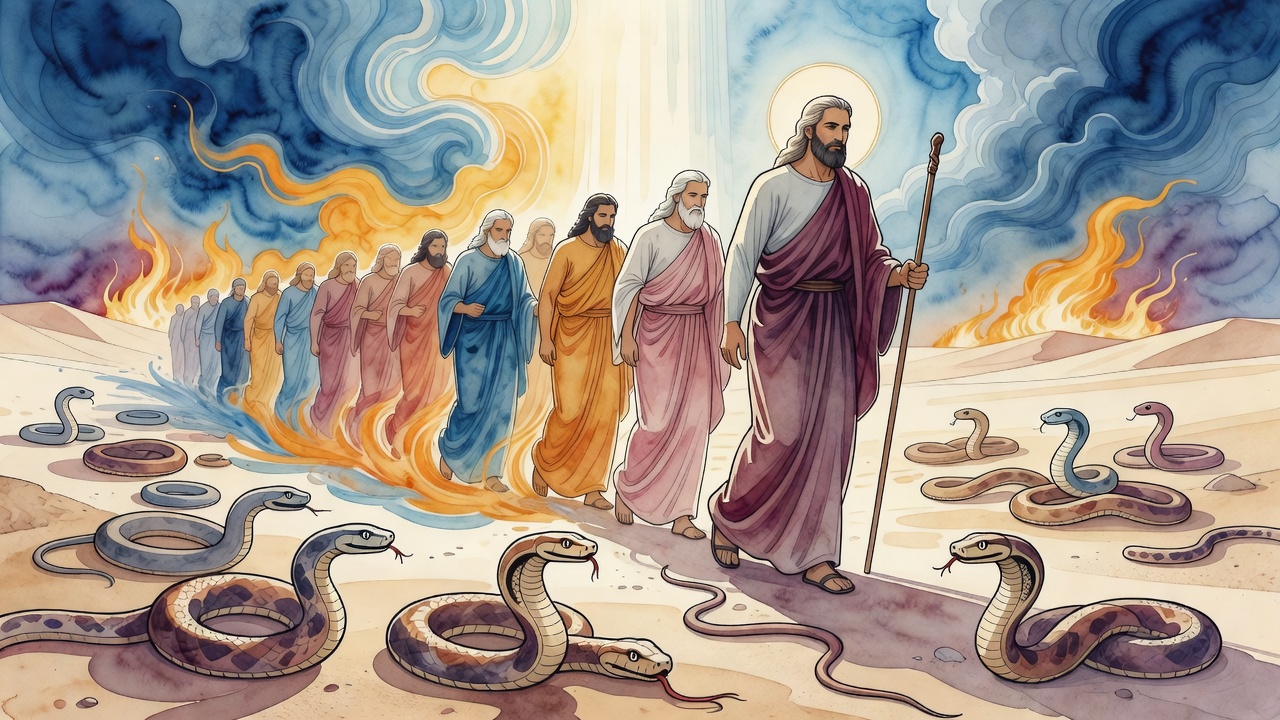
Israel followed Moses onto sand that had killed travelers for years. The snakes went still. Three days later the skins sagged and the camp turned.
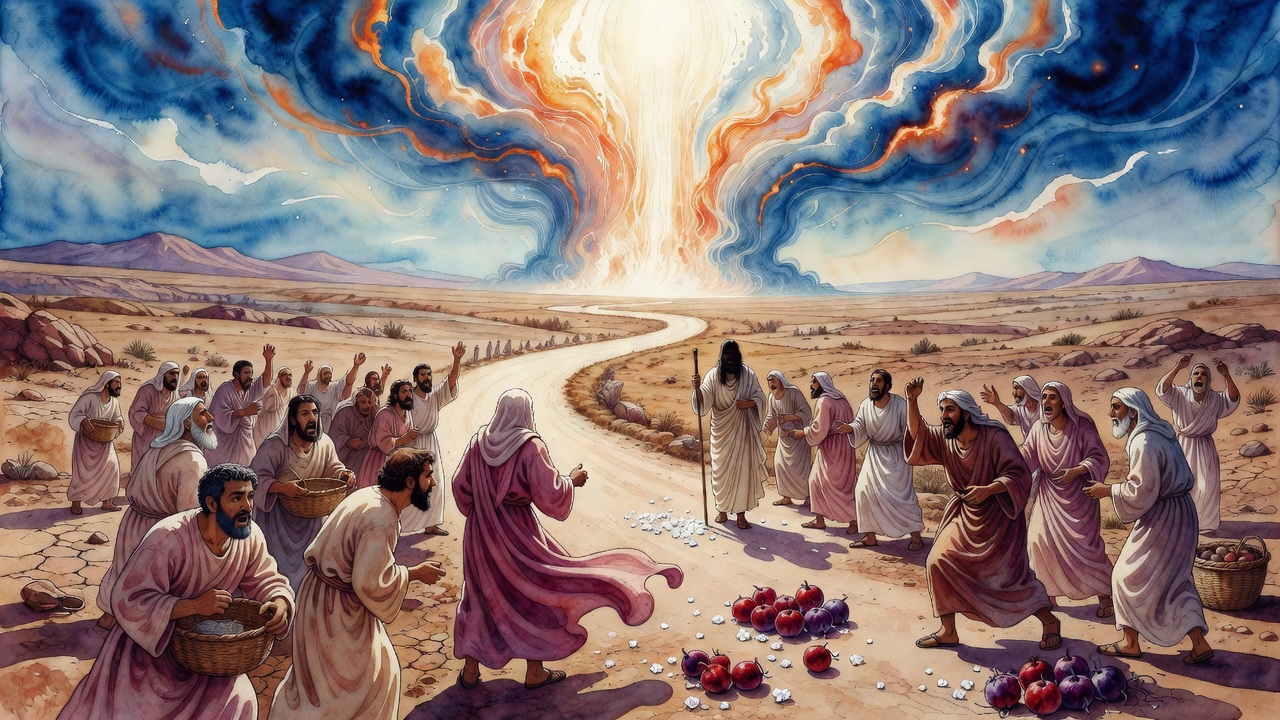
Merchants opened baskets of fruit from the Land in front of that generation and men died looking at it. The fruit was not poison. The sentence was.
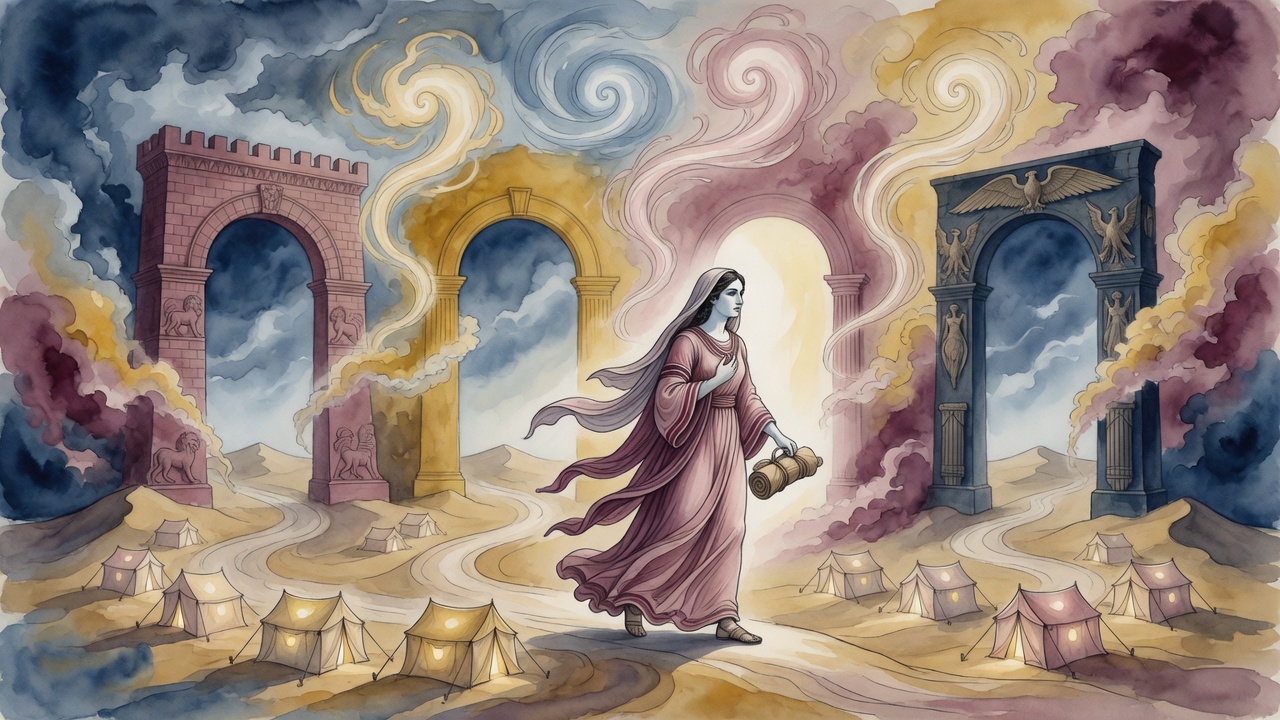
She brought two stones to her wedding and the king matched them with two of his own. Then she lost hers, and he quietly took his back off the table.
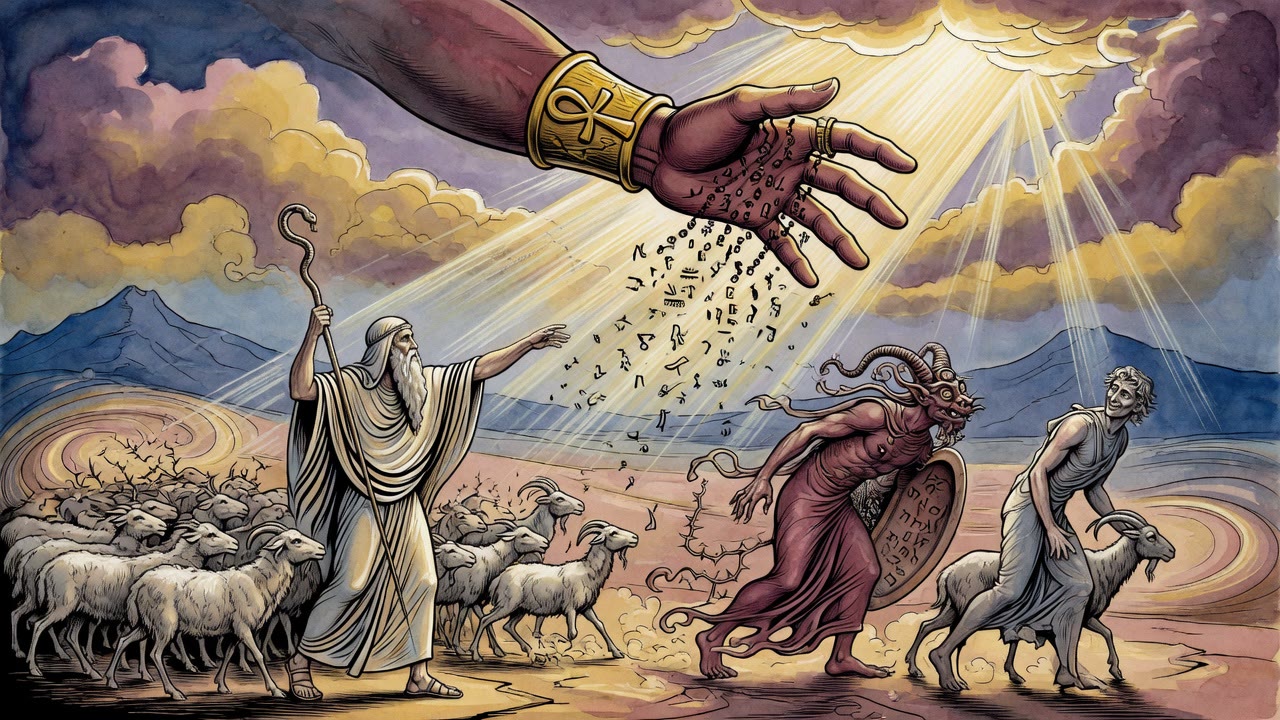
At the sea Moses kindled each phrase and Israel completed it. The Name warred without weapons, and faithfulness turned left hand into right.
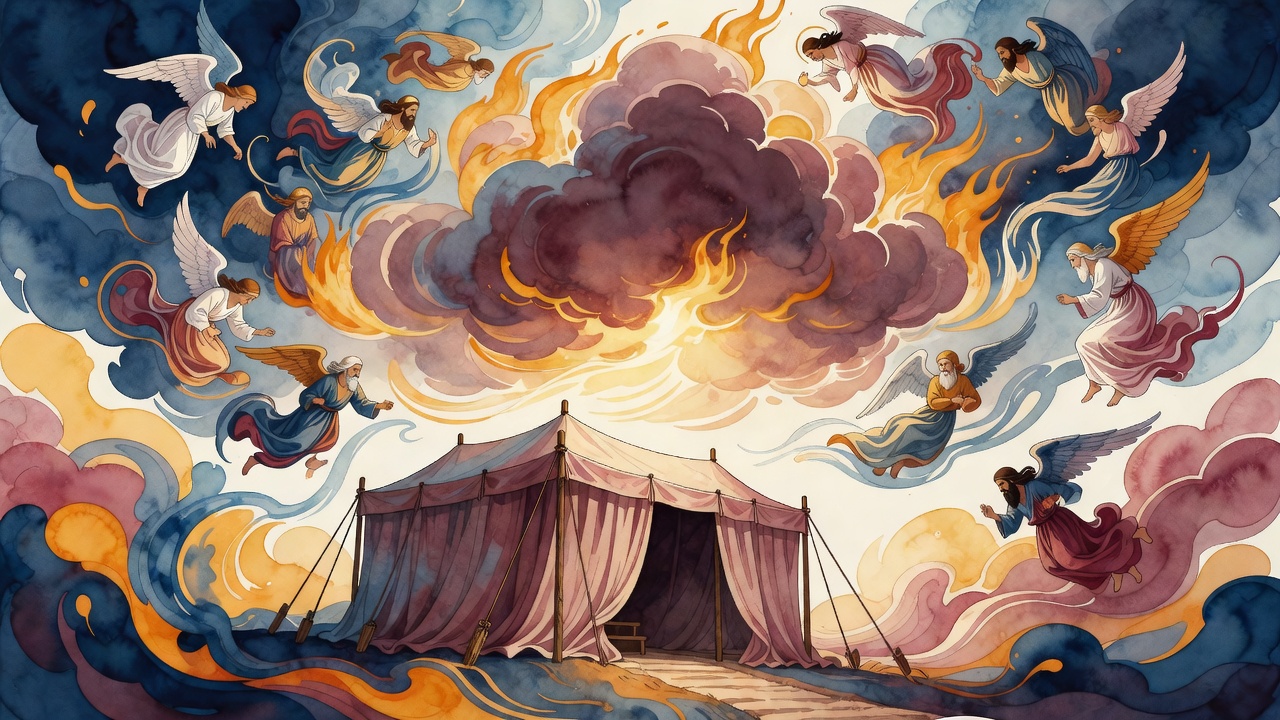
A king told his quarrelsome wife to make herself a royal robe. She sewed for months and never once picked a fight. Then he looked at it and said woe.
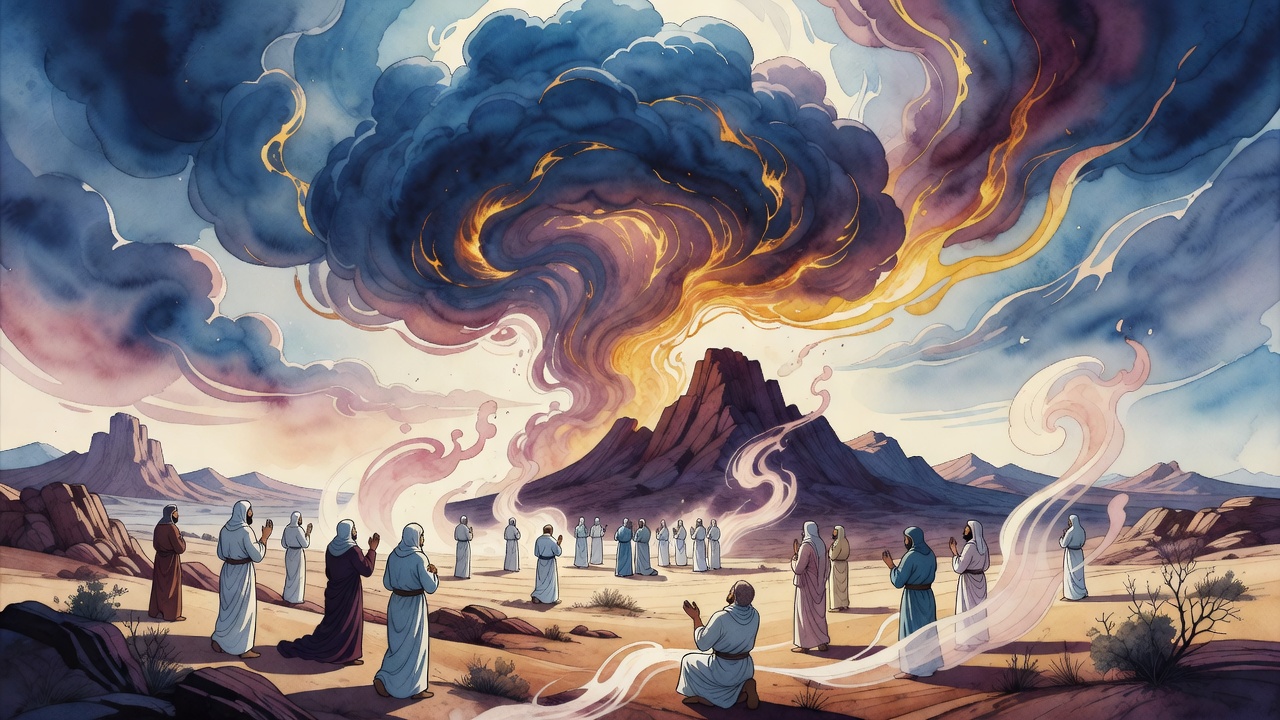
God measured the earth before Sinai. Nations refused, Israel accepted, and only the living received laws of food and a call to be holy.
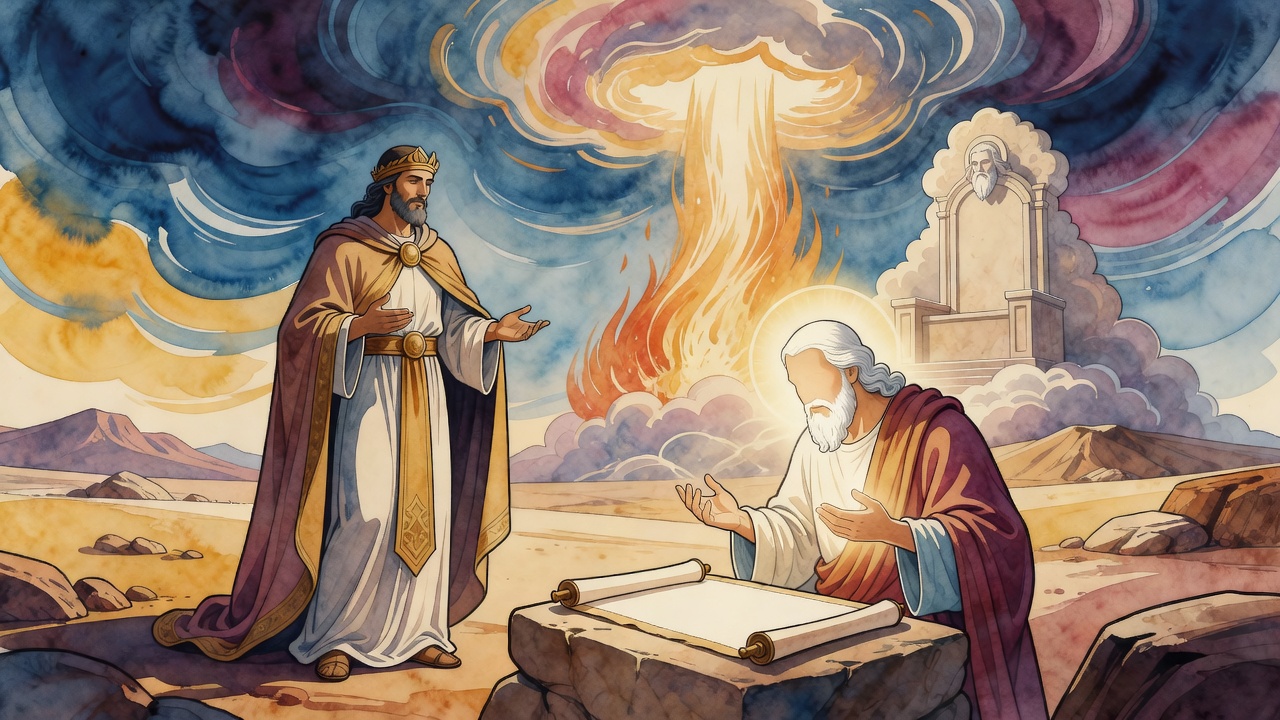
A king kept his daughter hidden from every stranger. One friend saw her face. Moses wrote the betrothal and came down shining.
