Jonah Boarded a Ship for Tarshish, Planning to Drown for Israel
A prophet pays for passage in the wrong direction, planning to drown rather than let Nineveh's repentance shame Israel before God.
Table of Contents
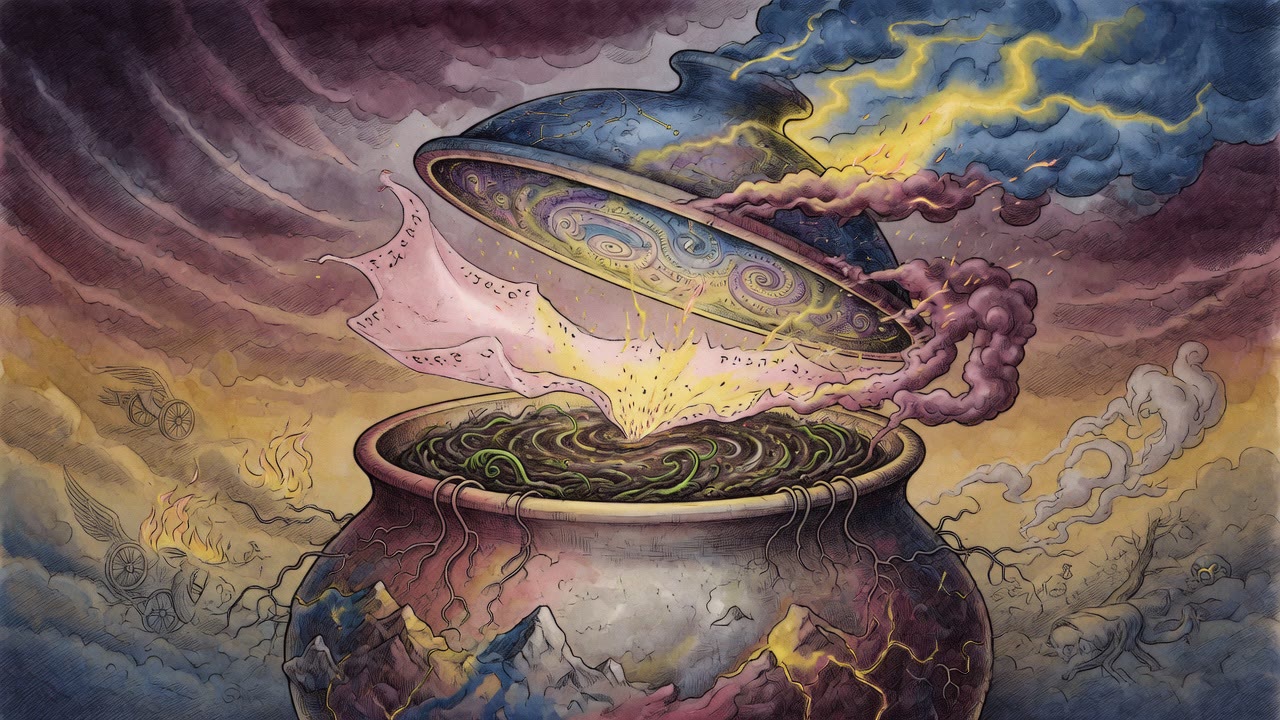
The word came to him the way weather comes, with no door to shut against it. Go to Nineveh, the great city, and cry out against it. Jonah stood in the road and felt the command settle into his chest, and he did not move toward the east where the city waited. He turned the other way, down toward the harbor at Joppa, where the salt wind came off the water and the masts leaned in their moorings.
 Click for full size
He was not afraid of Nineveh. He had measured the city already, the way a man measures a thing he understands too well.
Jonah Counts What One Warning Will Cost
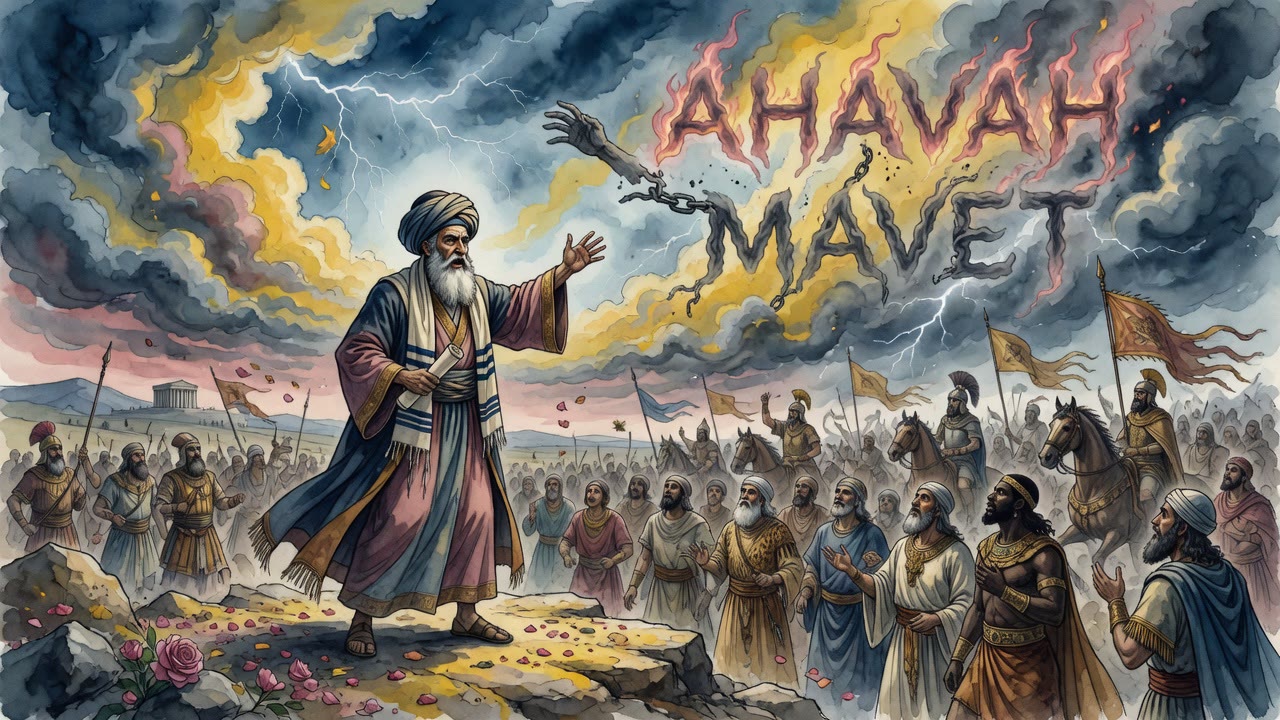
He saw it before it happened. He would stand in the streets of that pagan city and open his mouth one time, and the people would put down their cups and tear their garments and turn from their cruelty in a single afternoon. One prophet. One warning. That was all it would take them.
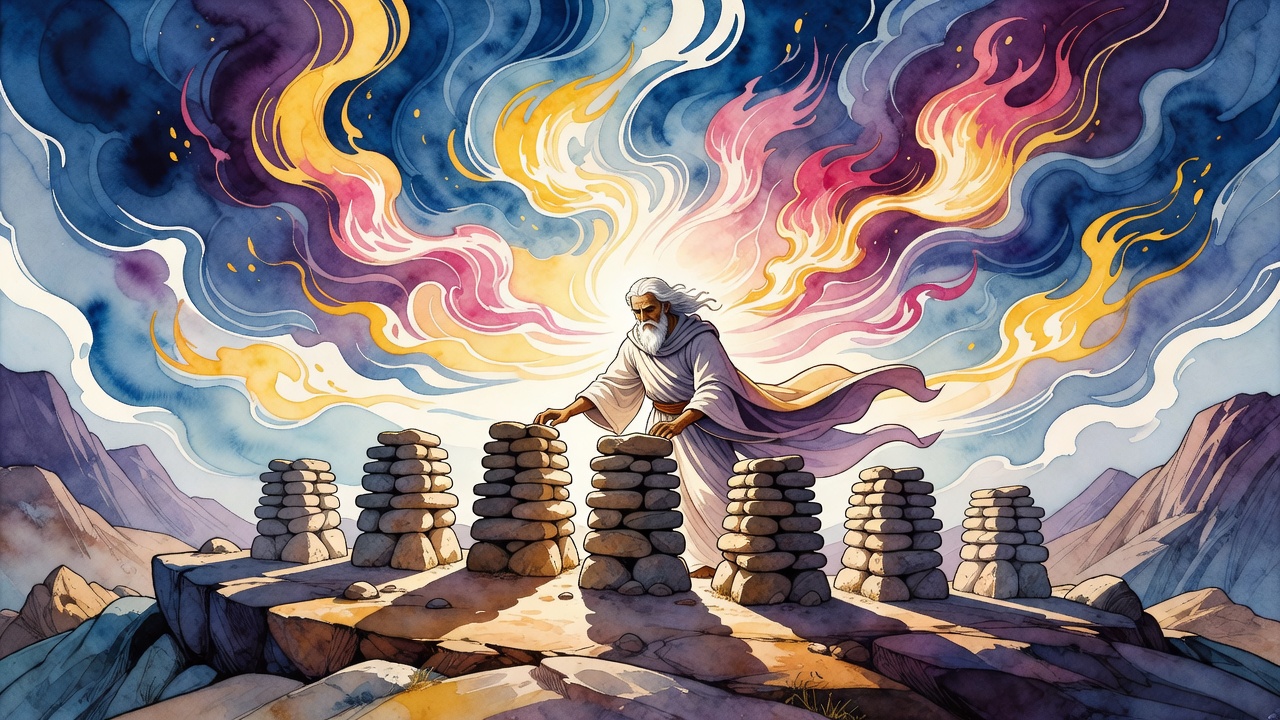
And then he thought of his own people. Prophet after prophet had walked through their gates. Warning after warning had been spoken in their squares, and the people had gone on as before. If Nineveh repented at a single cry, then Nineveh would stand forever as the measure against which Israel was found wanting. A city that worshipped wood and stone would have done in one day what the chosen could not be made to do in generations.
He would not be the mouth that spoke that comparison into the world. Therefore he went down to the sea.
He Pays His Fare in the Wrong Direction
He found a ship bound for Tarshish, the far edge of the known water, in every way the opposite of where he had been sent (Jonah 1:3). He paid the fare and went down into the hold. The hull groaned around him, timber against rope, and the smell of pitch and brine pressed close in the dark.
He knew what he was choosing. He had set his love for his people above the plain command he had been given. He claimed the honor of the son and let go of the honor of the Father. A man who serves only the child and turns from the parent has chosen something noble and something broken in the same breath, and Jonah lay down in the dark of the hold knowing exactly which was which.
The Sea Stands Up and the Sailors Cast Lots
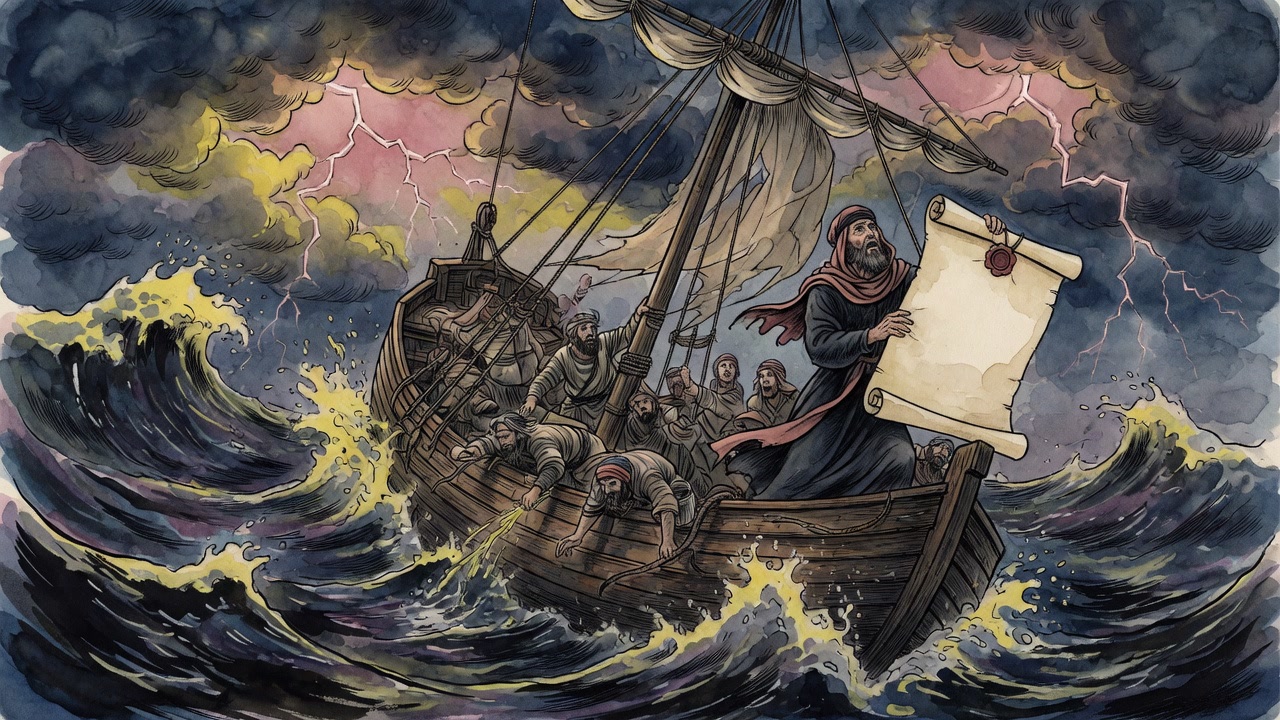
Then the wind came. It did not build the way ordinary storms build. It rose all at once, as if the water had been waiting for him, and the ship climbed and dropped and the cargo slid screaming across the deck. The sailors threw their goods into the foam and cried out, each to his own god, and still the sea rose higher.
They cast lots to find the man who had brought this on them, and the lot fell on the prophet asleep below. They shook him awake. Who are you, they shouted over the wind. What have you done.
He looked at them, and at the wall of black water rising behind them, and he was strangely calm. This was the door he had been walking toward all along.
Lift Me Up and Cast Me Into the Sea
"Lift me up and cast me into the sea," he told them, "and the sea will quiet for you" (Jonah 1:12). The sailors stared at him. They bent to their oars instead, trying to row back to dry land, because they did not want a man's blood on their hands. The sea would not let them. The waves built higher the harder they pulled.
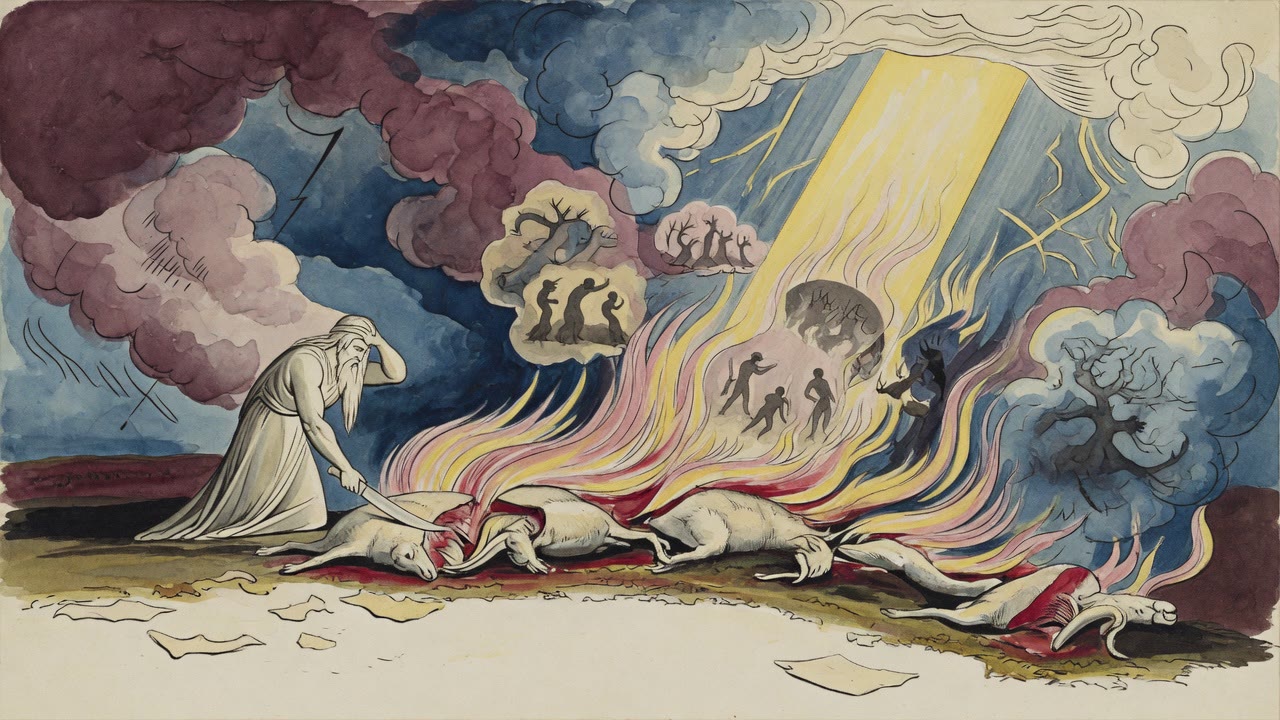
He had not boarded this ship to reach Tarshish. He had boarded it to come to exactly this rail, this moment, this gray and heaving water. He meant to give his life so that the indictment of his people would never be spoken. He was not the first to make such an offer. Moses had stood before God with the people's sin in his hands and said, blot me out of Your book if You will not forgive them (Exodus 32:32). He had said it again in the wilderness, kill me now and let me not look on their ruin (Numbers 11:15). David, watching the plague move through his nation, had cried out, I have sinned, but these sheep, what have they done? Let Your hand fall on me (II Samuel 24:17). Each of them had set his own life between God's anger and the people. Jonah, at the rail, was reaching for the same place to stand.
They lifted him. They threw him into the water, and the sea stopped raging at once, flat and quiet as if it had never moved.
A Second Time, and Never a Third
The water closed over him and the great fish came, and what he had meant for an ending turned into a swallowing dark that was not death. Three days he was held in it, and then he was cast up onto dry land, alive and emptied out.
And the word came to him a second time (Jonah 3:1). A second time, the same command, the same city. The weight of that small phrase is the whole of his sentence. Once before he had heard it and fled. Now he heard it again, and he would obey it. But the counting had begun. A second time, and never a third. He had spent his refusal, and there would be no further word after this one. He walked toward Nineveh at last, his prophet's life narrowing to a single remaining errand, and the city ahead of him would repent in an afternoon, exactly as he had foreseen.
← All myths