Jonah Fled Because Mercy Had Shamed Him Before
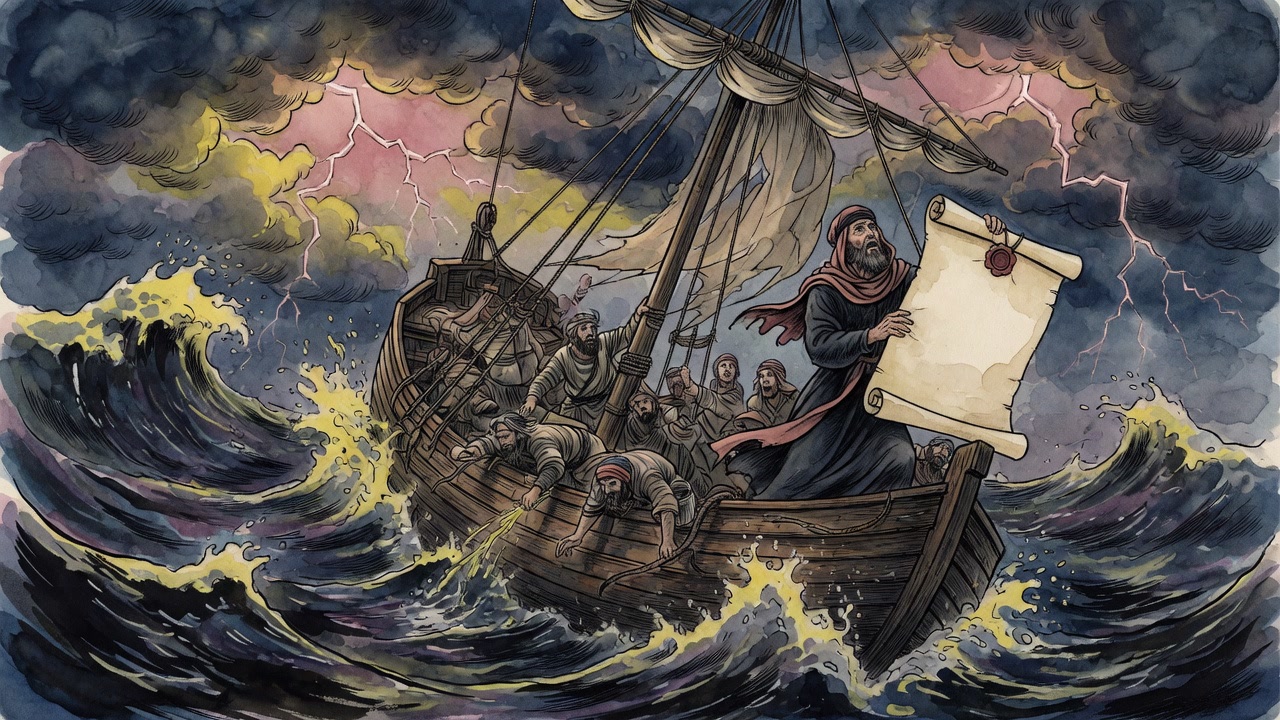
Jonah did not flee from God out of fear. He fled because he already knew what mercy would cost him, and he had already paid that price once.
Table of Contents
 Click for full size
The Prophet Who Had Been Made a Liar by God's Kindness
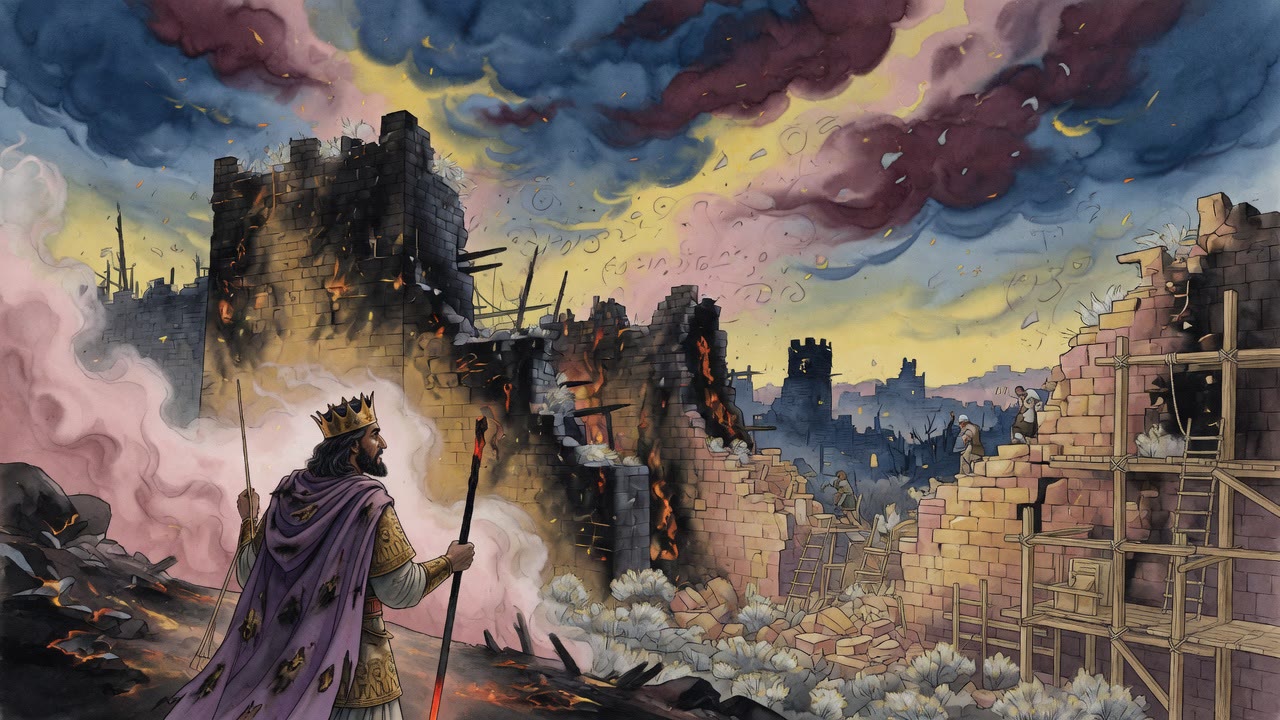
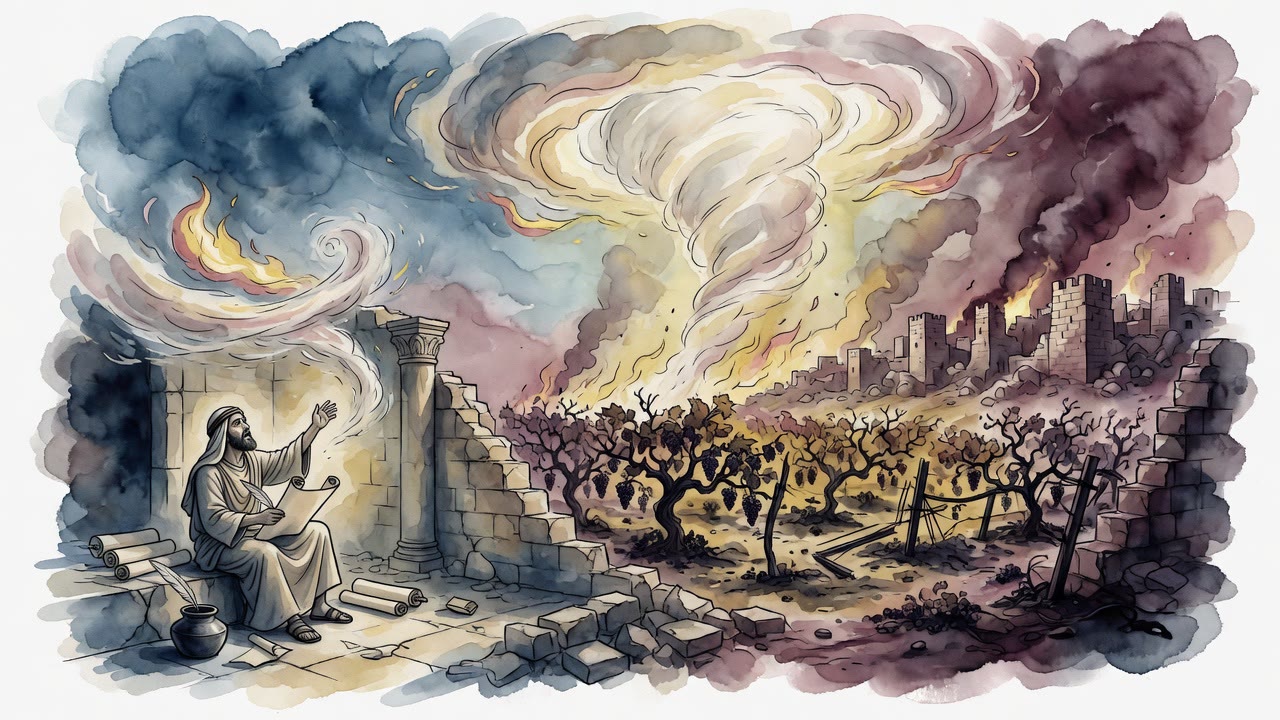
Before Nineveh, there was Jerusalem. Jonah had stood in the streets of the holy city and delivered a warning: destruction was coming. The people heard him. They did teshuvah (repentance). They wept, they fasted, they turned back from what they had been doing. And God relented. The decree was lifted. The city survived.
The people called Jonah a lying prophet.
He had announced catastrophe and catastrophe had not come, and in the public accounting of the ancient world, a prophet whose prediction failed was not a prophet who had moved God to mercy. He was a prophet who had spoken falsely. Jonah understood the logic, and he understood it from the inside. He had been right. The warning had been real. And mercy had turned his truth into something that looked, from the outside, like a lie.
The Earlier Mission and Its Price
Pirkei DeRabbi Eliezer, an early medieval narrative midrash from Palestine, gives Jonah a history before the Nineveh episode. He had been sent first to restore Israel's northern border under Jeroboam son of Joash, and that prophecy came true exactly as he had spoken it. Then God sent him to Jerusalem. The second mission ended the way described above, with the people's repentance and God's reversal of the decree, and the people's contempt for the prophet who had warned them.
Yalkut Shimoni on Nach, the anthology of teachings on the Prophets and Writings, adds a further layer. The Zohar's tradition, embedded in the Yalkut, says that the first time God sent Jonah to the cities of Israel, they repented and were spared. He had already watched mercy cancel his words once. Now Nineveh was next, and Jonah's calculation was simple and devastating: a city of Gentiles who repent on the strength of a single warning will make Israel look worse than it already does. They will hear one prophet once and return to God. Israel had heard prophet after prophet and turned away again and again. Jonah did not want to be the instrument of that comparison.
The Mekhilta's Verdict
The Mekhilta DeRabbi Yishmael, the halakhic midrash on Exodus, supplies the term that frames Jonah's failure precisely. Jonah, it says, claimed the honor of the son but not the honor of the father. He chose Israel's reputation over God's command. He prioritized the child's interests against the parent's authority. The formulation is elegant and damning: Jonah was not faithless. He was, in a distorted way, faithful to the wrong thing. He loved Israel so much that he was willing to disobey God on their behalf.
The consequence the Mekhilta notes is equally precise. The text emphasizes that after his flight, God's word came to Jonah a second time. The rabbis hear the weight of that phrase. A second time. Not a third time. The prophecy to Nineveh was already the second mission, and God offered it to Jonah again after the fish. But there would not be a third. A prophet who fled his commission did not lose his calling permanently, but the texts make clear that his career ended at a point the tradition considers premature. The cost of the flight was not just the storm and the fish. It was the truncation of what he might have become.
The Geography of Prophecy
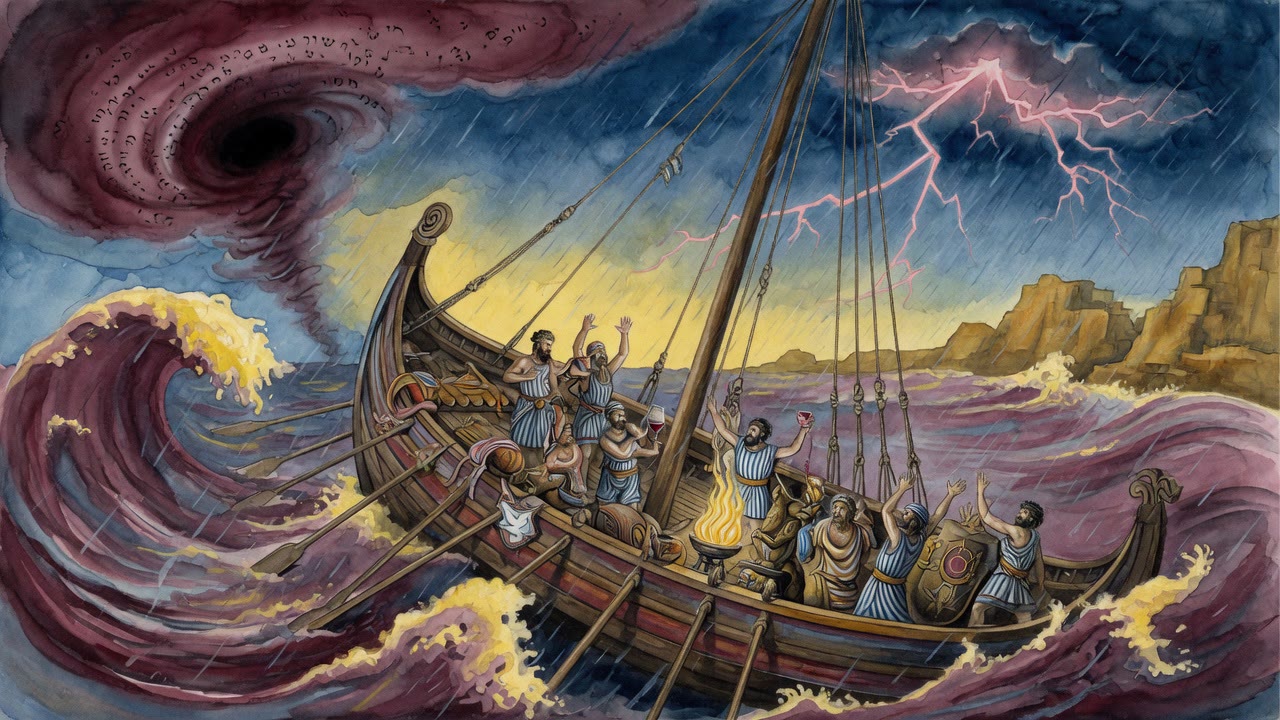
The same Mekhilta tradition adds a theological note that reveals the full architecture of Jonah's plan. The Shechinah, the divine presence through which prophecy was transmitted, did not rest outside the Land of Israel. Jonah knew this. His flight to Tarshish was not an attempt to outrun God geographically, which the text immediately undercuts with a series of verses: where can I flee from your presence, if I ascend to heaven you are there, if I take the dawn's wings. Jonah knew those verses. He had been a prophet.
His plan was more subtle. If he could reach territory outside the land, the mechanism of prophecy would cease to function. He could not stop God from knowing where he was. He could, perhaps, stop God from being able to speak to him in the register of prophetic commission. He was not hiding from God. He was trying to step outside the channel through which God's words came to him.
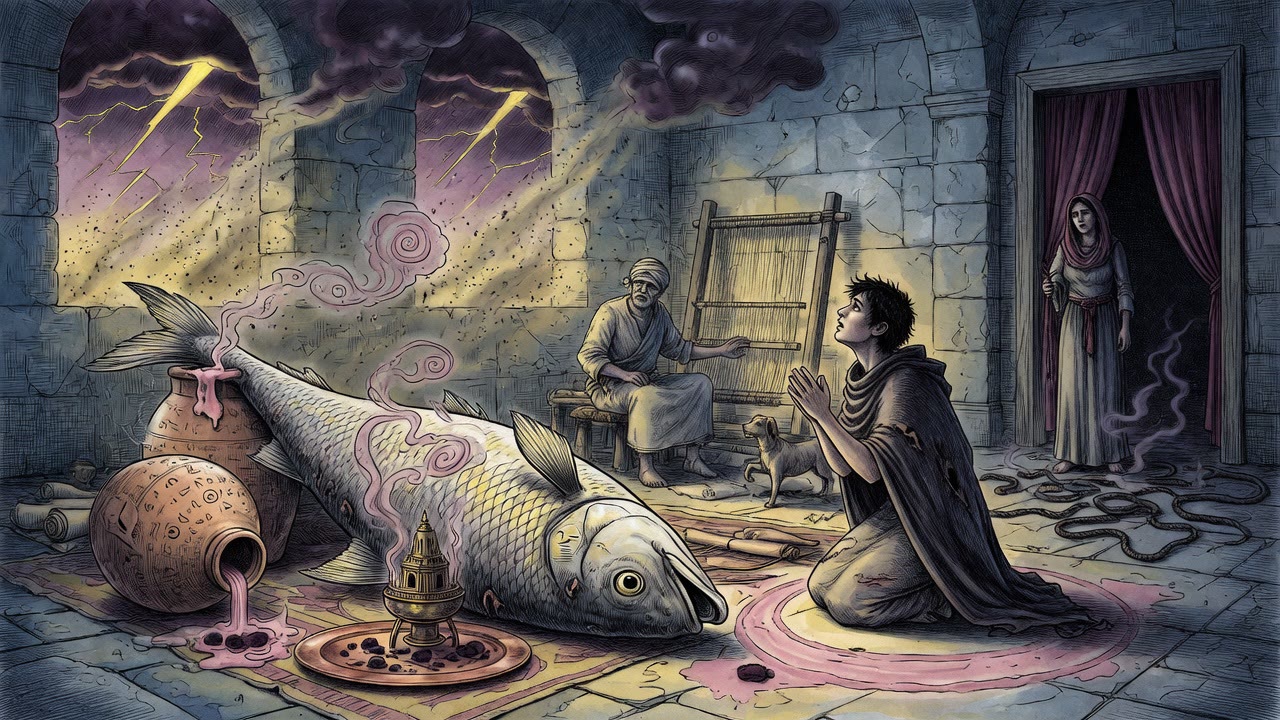
It did not work. The fish is the tradition's answer to the geography of prophecy: even the depths of the sea are within the land of the living when God chooses them to be.
← All myths