Israel Carried the Broken Tablets Into Battle
Bezalel built the gold ark everyone knows. The other box held smashed stone, and Israel marched it into every desert fight.
Table of Contents
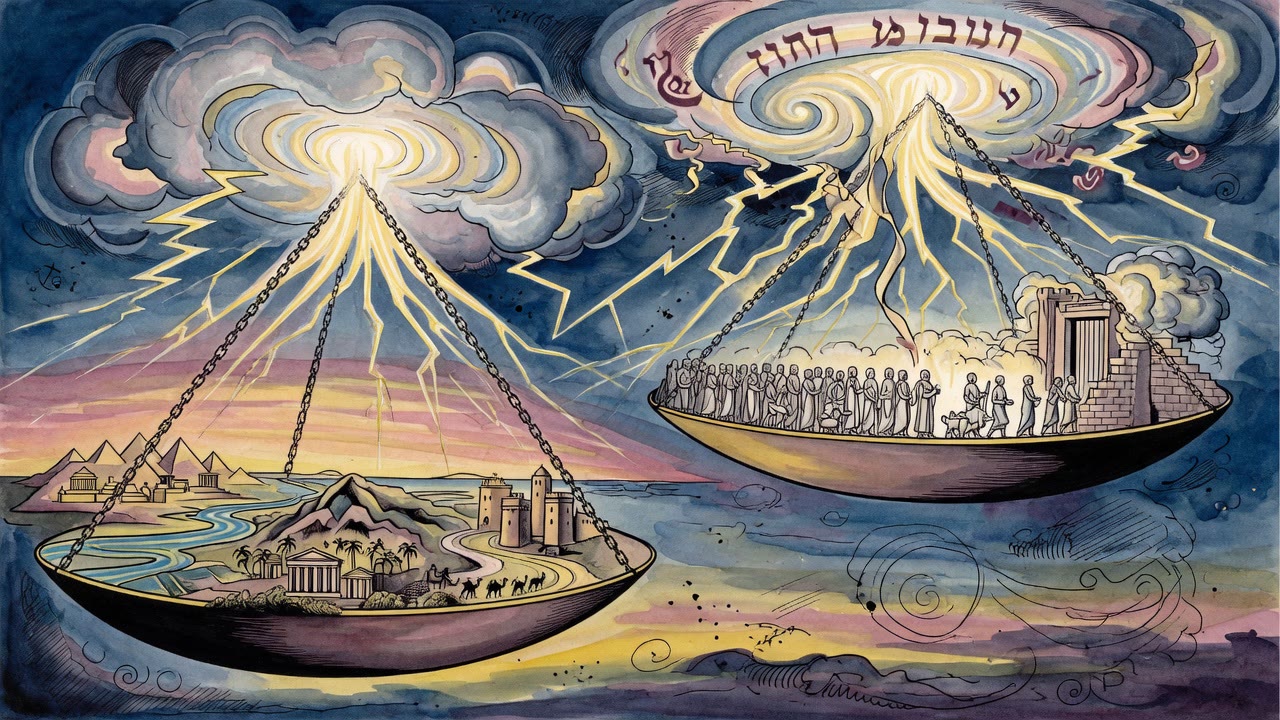
Bezalel built one ark. It held the whole Torah, gold-sheathed acacia wood, the tablets Moses carried down the second time. That ark everyone knows. It went to the Tabernacle, then to Jerusalem, then into Solomon's Temple where the high priest entered once a year and came out alive.
 Click for full size
The other ark nobody talks about.
Moses had come down the mountain the first time carrying two tablets of stone, the law cut by God's own hand (Exodus 32:16). He reached the camp. He saw the calf and the dancing. He threw the tablets down, and they shattered at the base of the mountain. The pieces lay where they fell. A lesser accounting ends there, with the smashing. But the fragments were gathered. They were placed in a second ark. And when Israel broke camp and moved through the desert, both arks moved with them.
The Ark No Sermon Mentions
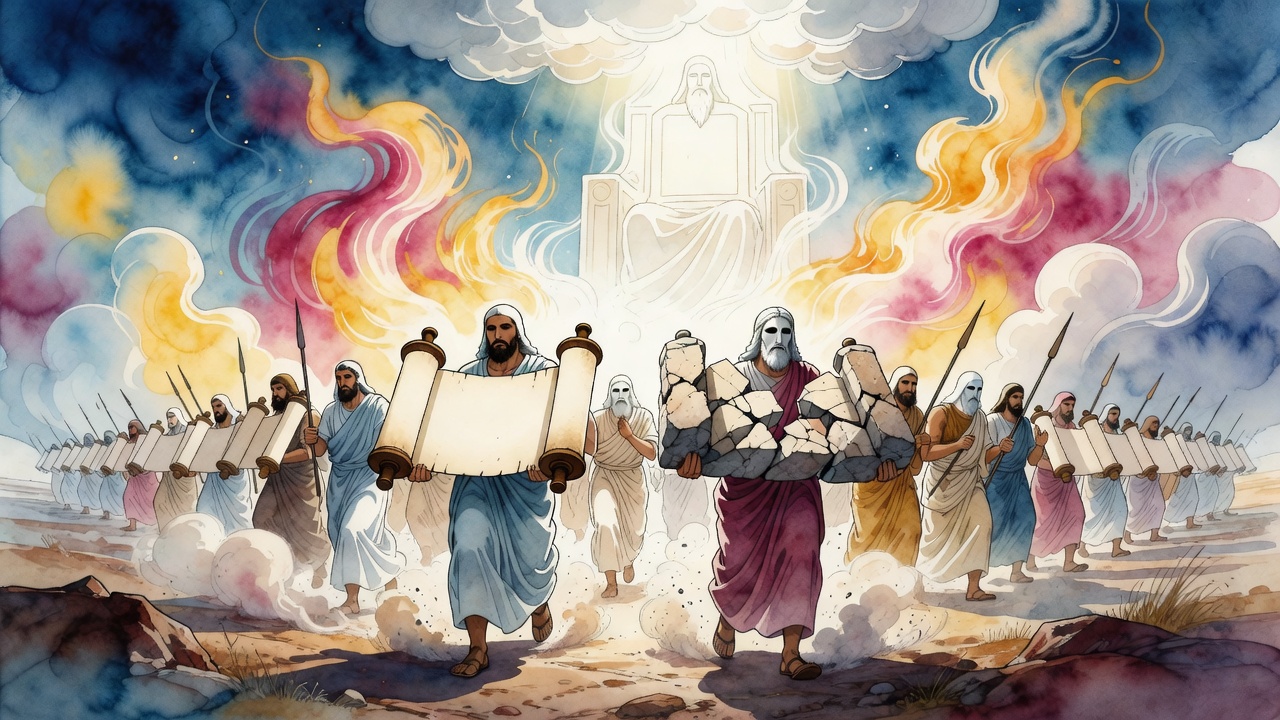
The broken tablets rode into battle. Every engagement Israel fought in the forty years of the desert, the camp went forward with both arks: the whole law in one, the evidence of its violation in the other. Trumpets, priests, soldiers, and behind them two wooden boxes, side by side, one holding the covenant intact and one holding what happened the first time the covenant was offered.
Nothing in the camp explained why. No one stood up to debate whether to bury the pieces or leave them on the mountain. The fragments were gathered and kept, as if the question had an obvious answer. Whole tablets and broken tablets were equally holy. The broken pieces had not become less law by being broken. They had become law with a history, which is something harder to carry.
Fire Fell at Carmel and Changed Nothing
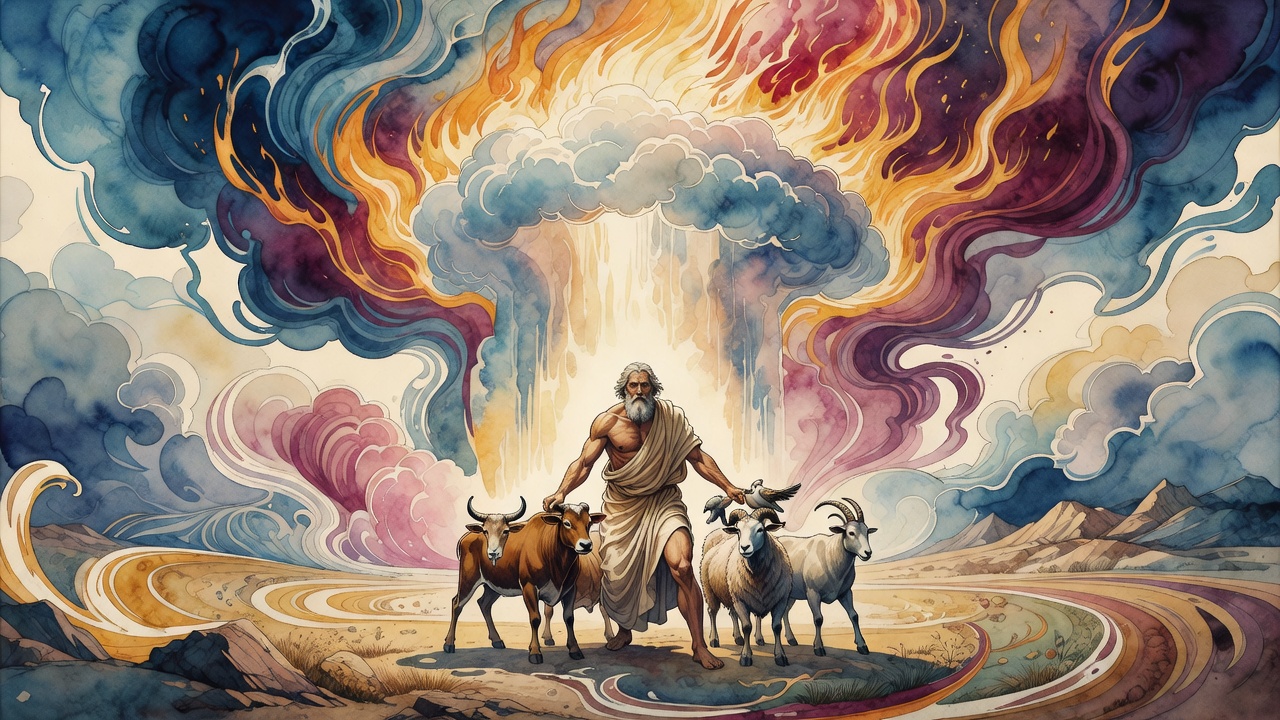
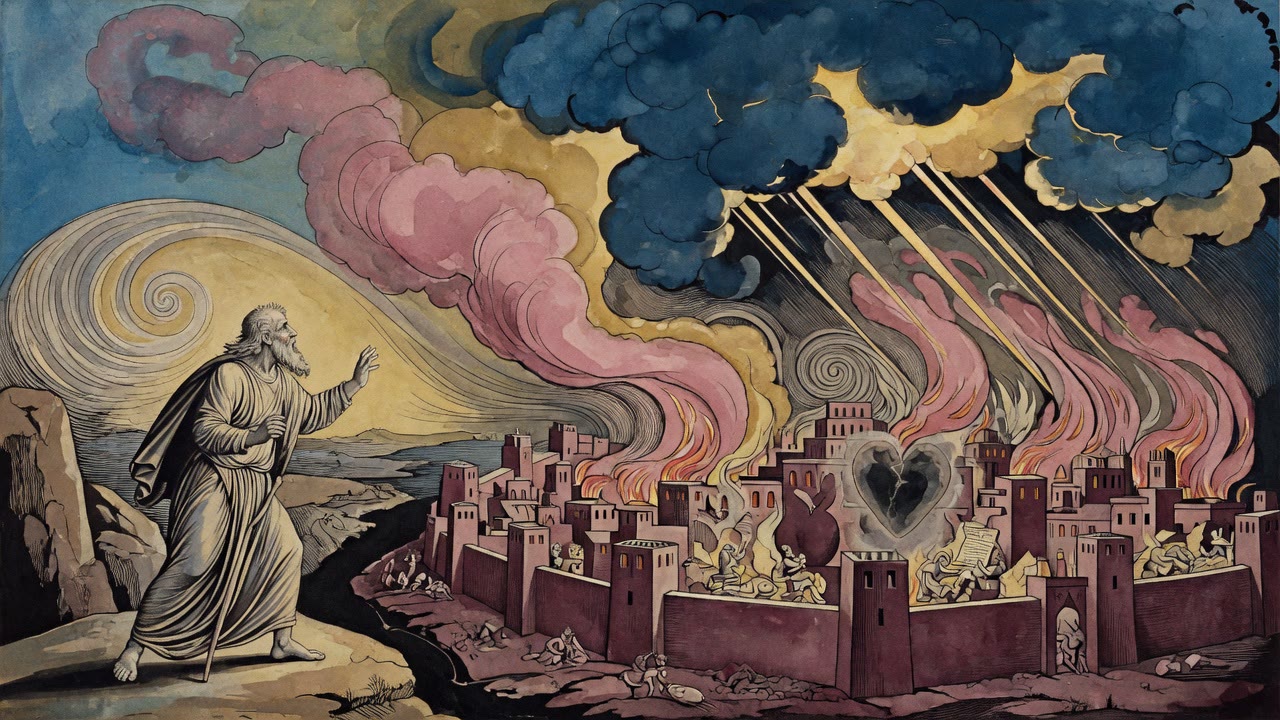
Centuries later, the northern kingdom had pulled away from Jerusalem and installed golden calves at Bethel and Dan, so the people would not make pilgrimage south to the Temple (1 Kings 12:28-29). Elijah challenged this on Mount Carmel. Fire came down from heaven. The people fell on their faces. He had the four hundred and fifty prophets of Baal killed at the Kishon. Public spectacle, unmistakable miracle, decisive victory.
It changed nothing that lasted.
Even the seven thousand Israelites who had not bowed to Baal were still paying homage to the golden calves Jeroboam had installed. They had not worshipped Baal. But the calves were there, golden and patient, and the seven thousand made their offerings as they always had. Jeroboam's calves were not foreign. They were familiar. They were the category of sin Israel had carried out of Egypt and kept adjusting for local conditions, generation after generation.
Elijah Ran to the Mountain
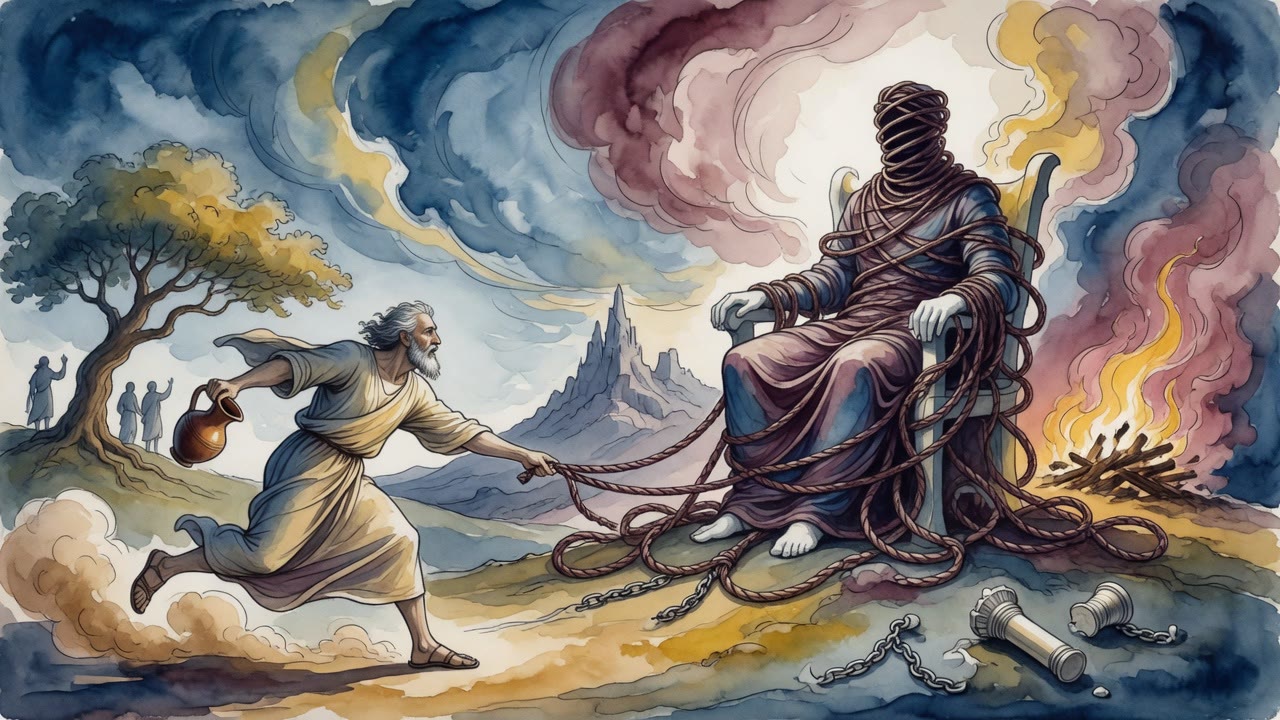
Jezebel sent a messenger. She told Elijah she would do to him by the next day what he had done to her prophets. He ran south into the wilderness, sat under a broom tree, and asked God to take his life. He was done. He was the last one, he said, and what had any of it accomplished.
An angel touched him twice and told him to eat. The journey was too long without food, the angel said. Elijah ate and walked forty days south to Horeb, the mountain of God, the same mountain where the tablets had been given and the calf had been built, where Moses had stood in the cleft of the rock and asked to see God's face (Exodus 33:18-23). Elijah found a cave and slept.
God asked, "What are you doing here, Elijah?"
Elijah said he had been jealous for the Lord. The children of Israel had forsaken the covenant, thrown down the altars, killed the prophets. He was the only one left, and they wanted to kill him too.
God told him to stand on the mountain. Wind came, strong enough to split rocks. Earthquake. Fire. God was not in any of them. And after the fire, a still small voice (1 Kings 19:12). The voice asked again, "What are you doing here, Elijah?" He gave the same answer, word for word, as if nothing had changed, because for Elijah nothing had changed.
The Case He Was Not Permitted to Make
God did not argue with Elijah's facts. Israel had forsaken the covenant. The altars were broken. The prophets were dead. All of it was true. But Elijah had crossed from rebuke into prosecution. He had brought an accusation before God against the people God called servants (Leviticus 25:55), and a prophet's role is not prosecutor.
Do not slander a servant to his master. Even a prophet sent to rebuke Israel does not have standing to condemn them. There is a distinction between telling Israel it has gone wrong and deciding Israel is finished. Elijah had crossed it. He was the last one left, meaning there was no one worth saving.
"Go back," God told him. "Anoint Hazael. Anoint Jehu. Anoint Elisha. There is work to do, and the work does not wait on a verdict about whether the people deserve it."
Whole and Broken in the Same Room
When Solomon built the Temple, both arks went into the Holy of Holies. Whole tablets and broken tablets, together in the innermost room, behind the veil, present and accounted for. Not destroyed. Not replaced with a cleaner story. Kept, the way a people keeps everything that has made them.
The second ark had not been a monument to failure. It was carried because the fragments were holy. The shattering had happened, and the shattering was real, and the only question was what to do next. Israel gathered the pieces and kept moving.
Elijah went back. He threw his cloak over Elisha plowing in a field (1 Kings 19:19). He anointed kings. He did not preach to the seven thousand or demand they account for Jeroboam's calves. He worked with the people as they were. That was what had been asked of him. Two boxes had already taught the lesson he had to learn in the cleft: the whole law and the smashed law ride in the same camp, and neither is left on the mountain.
← All myths